

Contractors have no shortage of data at their disposal. But having the data versus understanding what data to focus on and how to use it effectively are vastly different.
As projects get more complex — from data centers to mega transportation projects and large industrial campuses — project managers need to understand how to prioritize the most important insights to keep work on time and on budget, effectively alleviating any challenges that arise. Three key data streams help keep projects on track.
At a high level, supply chain data informs what products you need, when you need them, where you need them, and any potential lead time or availability challenges that may arise. A poorly optimized supply chain, characterized by a lack of collaboration and vendor fragmentation, can commonly lead to longer project completion time and higher costs.
Not surprisingly, many contractors struggle with multiple, disparate systems that don’t provide a single, comprehensive view of their overall supply chain situation. This can lead to overordering or underordering, critical products arriving at the wrong time, project delays, and poor resource utilization.
Consolidating this data into a single material management system can provide real-time inventory visibility and streamline procurement processes.

| Your local Broce Broom dealer |
|---|
| Nueces Power Equipment |
Access to accurate lead time and availability data also allows contractors to make more informed procurement decisions, identify potential bottlenecks, and evaluate alternatives before schedules are impacted. Whether through integrated software platforms, automated inventory management systems, or other digital tools, the goal should be a single source of truth for materials planning and procurement.
Data-driven supply chain strategies improve visibility, planning, and risk management. This is supported by a recent case study from California Polytechnic State University, where project managers and procurement personnel saved five to 10 hours per week with a vendor-managed inventory program. This also allowed foremen to focus more on installation. In this particular instance, material shortages were virtually eliminated, which cut the risk of work stoppages. Improved forecasting also helped reduce overpurchasing and waste.
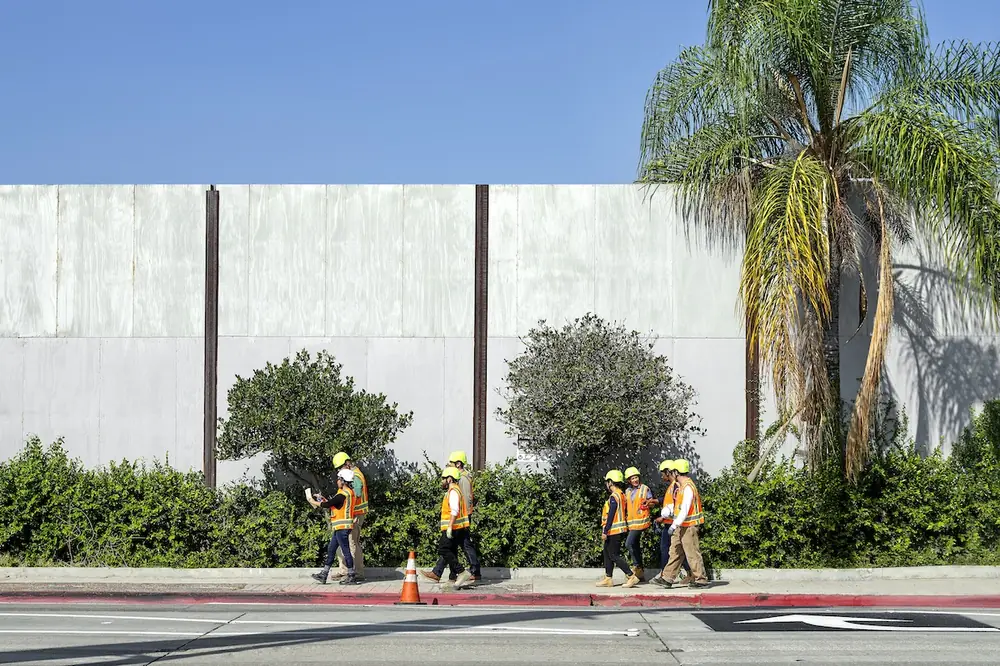
Construction routinely ranks as one of the most dangerous professions, and any safety incident can lead to major delays and higher insurance premiums — even making it harder to win future bids. Contractors need to collect safety data to understand and address near misses, personalized protective equipment usage, and potential training gaps.
Several technologies and solutions can help collect and interpret this data.

| Your local Bobcat dealer |
|---|
| Compact Construction Equipment, Inc |
| Bobcat of North Texas |
Wearables, sensors, and other connected safety solutions provide real-time information to help address potential safety incidents, often before they happen. Biometric data can alert safety managers if a worker’s body temperature reaches unsafe levels. Sensors and integrated cameras can indicate if an employee ventures into a hazardous area or experiences a near miss. Other tools can measure workplace conditions — such as temperature, moisture, or air quality — to alert managers of potentially unsafe conditions. This is especially helpful in remote environments or when tradespeople work solo.
This data can also provide valuable training opportunities. As an added benefit, having a strong data-oriented safety culture can help attract talent and win jobs.
These solutions can have a real impact on the bottom line. Some estimates put the cost of one lost-time injury on the job site at $35,000 — and that’s before factoring in potential litigation, medical expenses, and higher insurance costs.
While connected safety solutions are an investment, doing nothing is far more expensive. The business case for being laser-focused on safety data has never been higher.

| Your local Takeuchi Mfg Ltd dealer |
|---|
| Nueces Power Equipment |
| Kirby-Smith Machinery |
For every job, contractors need to know how much labor they need and what sort of labor pool they have available. With today’s labor data often pointing to a shortage, contractors need to get creative to meet project deadlines. The good news is that a number of solutions help maximize the available labor and increase productivity.
For instance, on large-scale projects that have repetitive elements, prekitting and prefabrication bring some construction elements offsite. Tasks like unpacking or basic assembly can be performed by lower-cost labor at a partner’s facility. Products are then delivered to the job site ready to install, freeing up skilled workers to focus on tasks that require their specific expertise.
With skilled labor at such a premium, the value these solutions provide cannot be overstated. According to a 2024 study from FMI, 78 percent of contractors reported that prefab decreased their overall project schedule, while 66 percent said that it saved on costs.
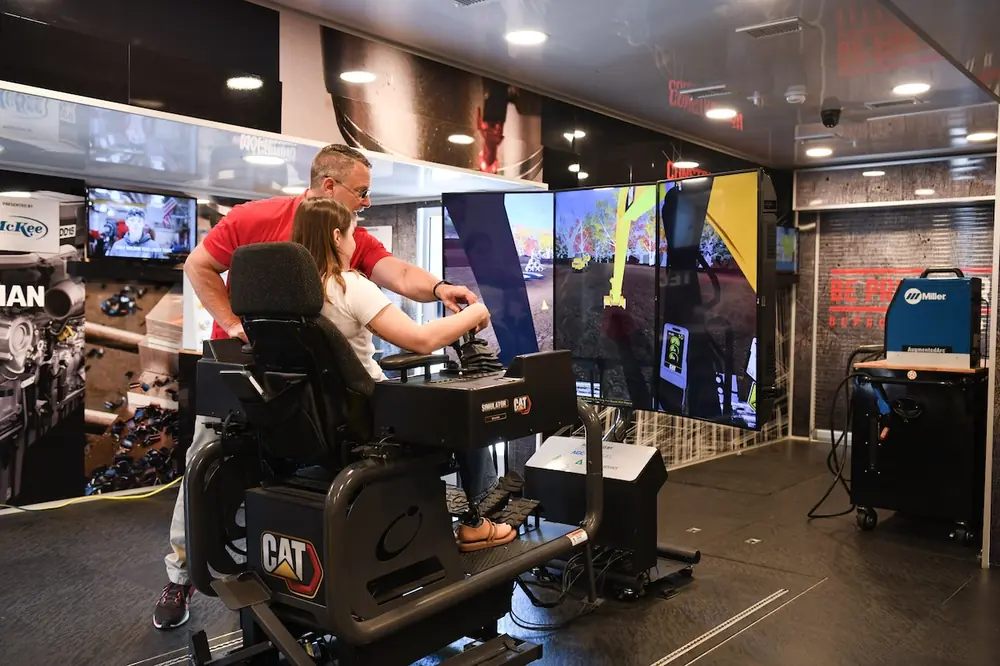
Artificial intelligence (AI) and virtual reality technologies can also be used to streamline project design, layout, and execution. This not only frees up project management time, but can help attract younger workers as well. Additionally, AI tools can analyze supply chain and safety data to help enhance project execution and reduce onsite labor needs.

| Your local LeeBoy dealer |
|---|
| Closner Equipment Co Inc |
| Romco Equipment Co |
As construction projects become more complex and labor constraints persist, organizations that connect supply chain, safety, and workforce data into a unified decision-making process will have a meaningful advantage. For those just getting started, a trusted partner can assess your situation and help you implement the right systems.
Detailed visibility into your supply chain, actionable safety data, and ways to enhance labor productivity enhances your operations and every project.
Sean Grasby is Senior Vice President and General Manager of U.S. Construction at Wesco.