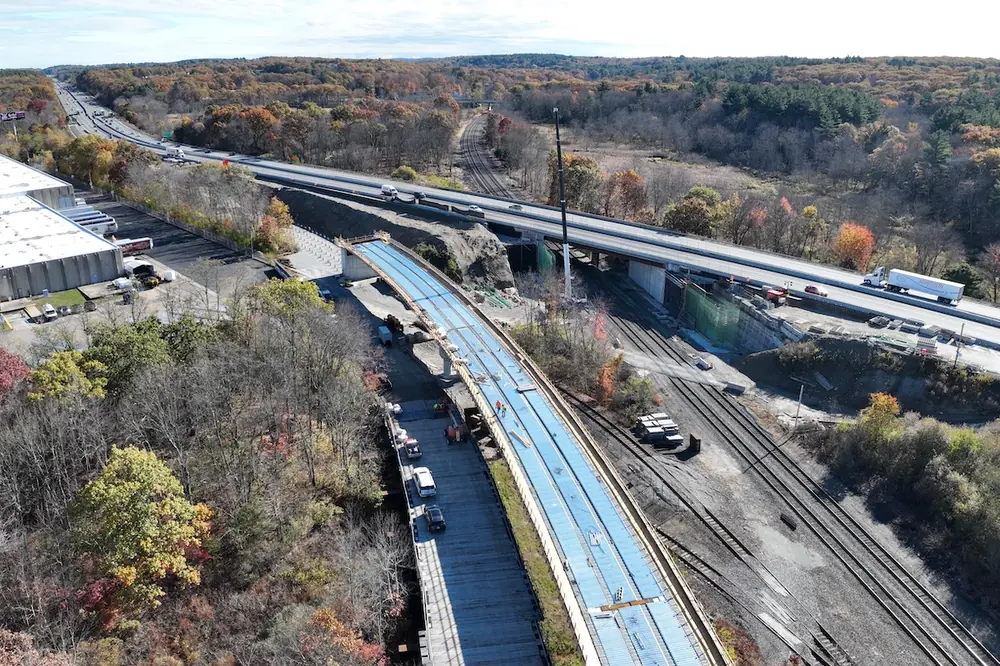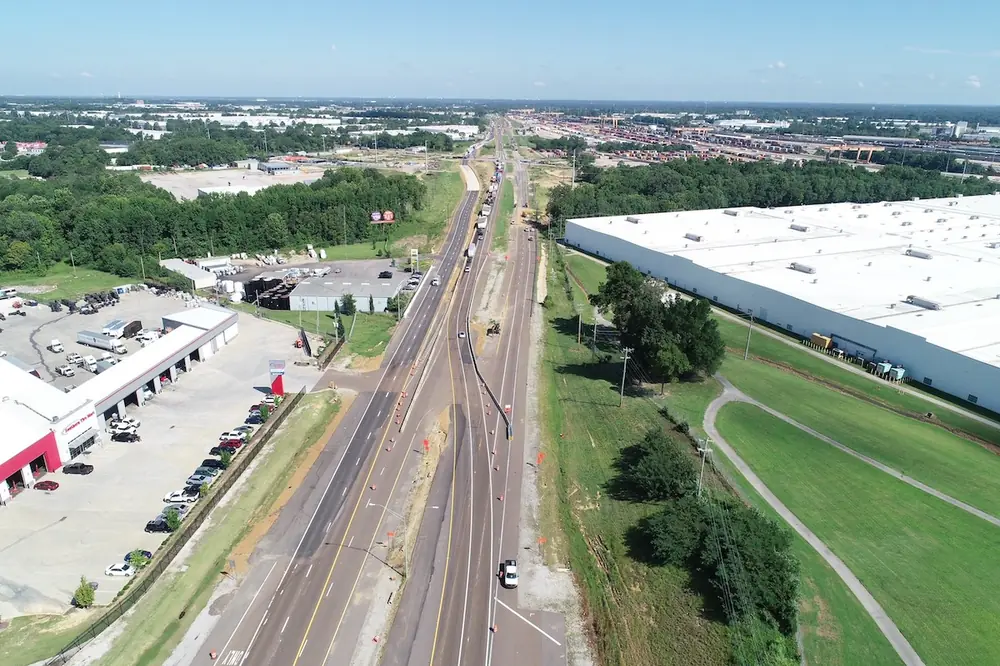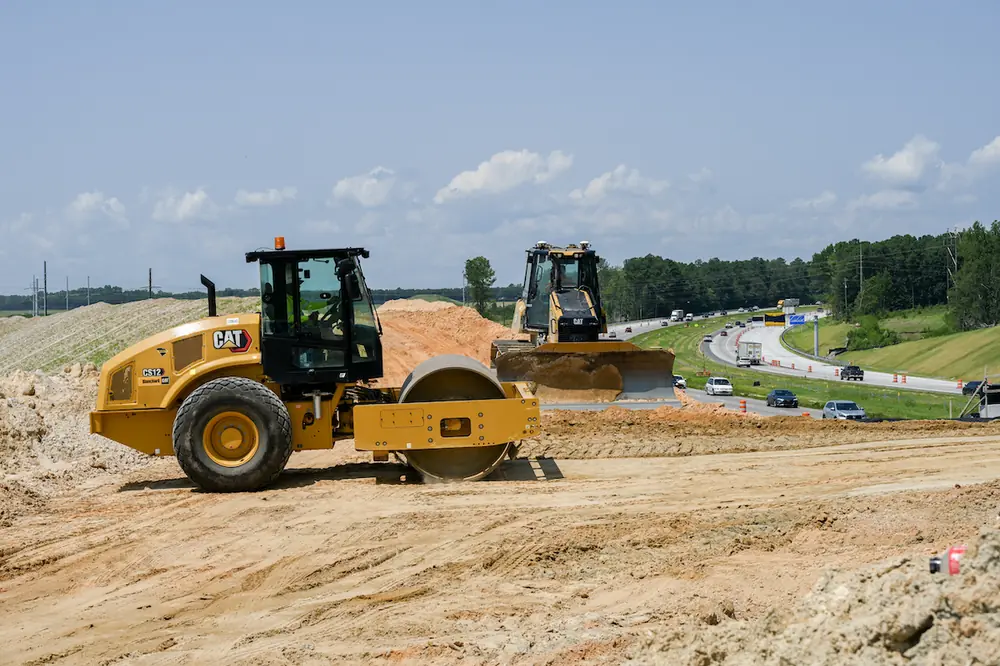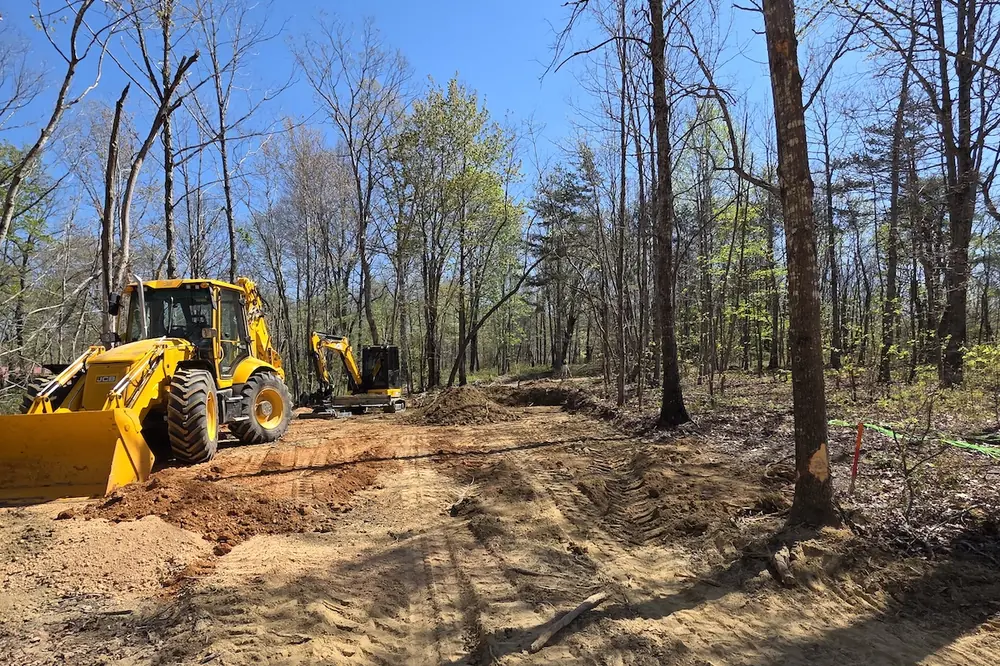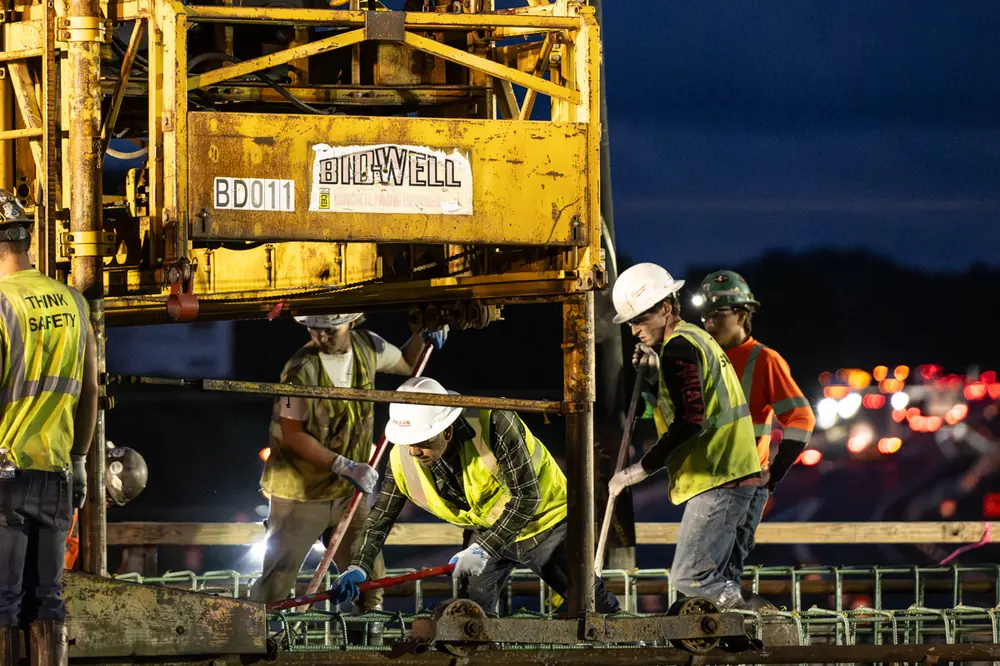
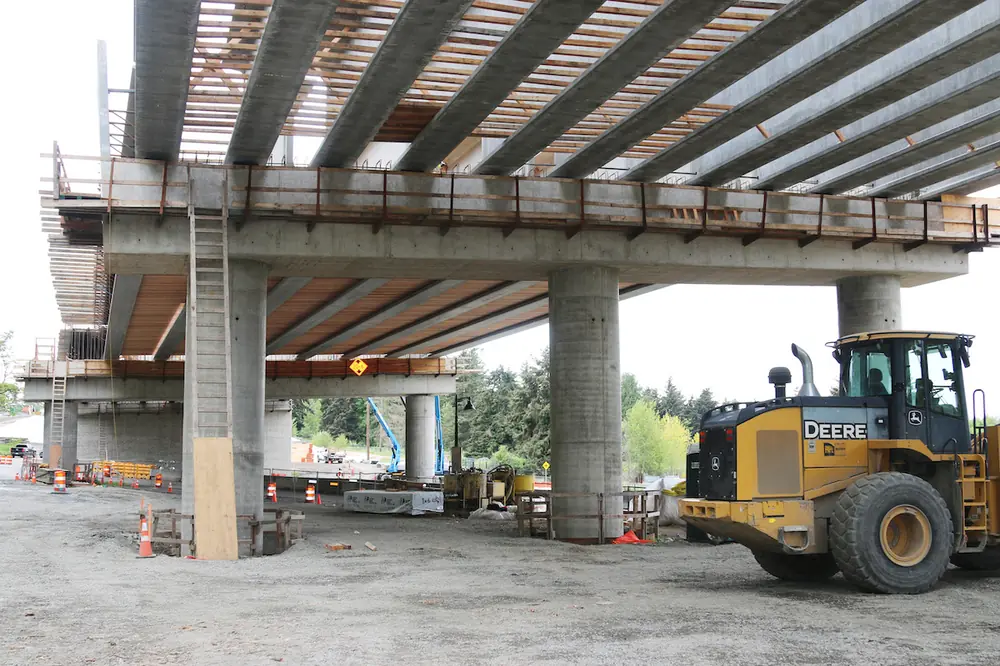
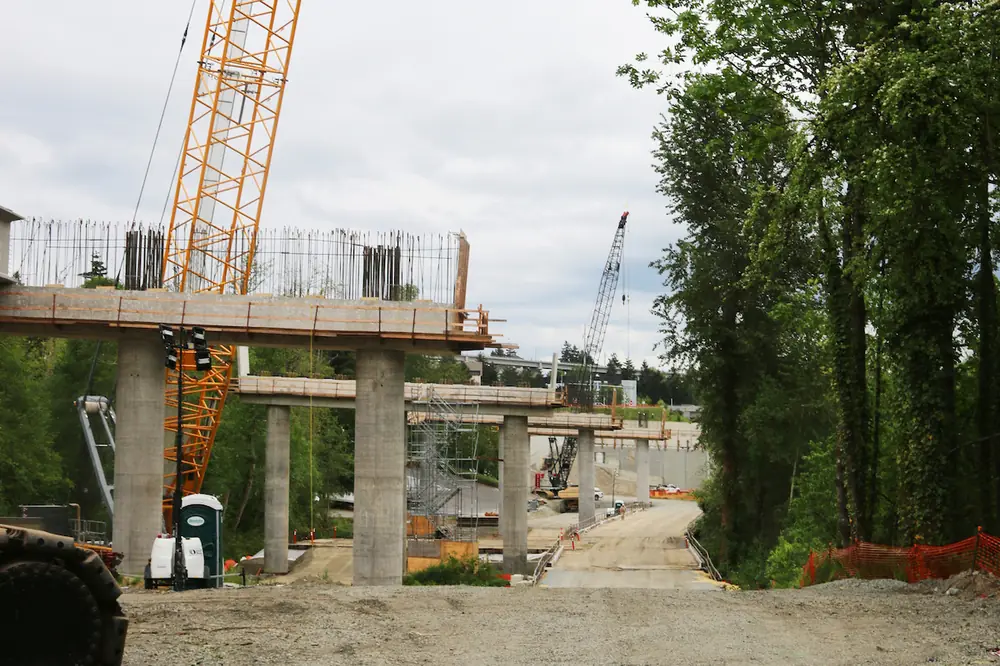

“Many people have called it the longest cul-de-sac in the state,” said Andrey Chepel, Washington State Department of Transportation (WSDOT) Engineering Manager of SR 509.
Over the years, WSDOT has completed multiple projects to improve the route. Now, the department has teamed up with design-builder Guy F. Atkinson Construction (Atkinson) to complete the transformation of SR 509 by delivering the final project, 24th Avenue South to South 188th Street - New Expressway.
Completing SR 509 has been decades in the making, with planning efforts dating back to the 1970s, according to Chepel.
“It finishes this missing link in the highway section, as the route currently ends near the airport [Seattle-Tacoma International Airport], and lots of freight related to the seaport is transported in the area,” Chepel said. “SR 509 will serve as the link needed to facilitate freight movement and reduce congestion on local streets.”
The WSDOT website describes the larger SR 509 Completion Project in King County as “part of the Puget Sound Gateway Program, which also includes the SR 167 Completion Project in Pierce County. Together, these projects complete two of the Puget Sound region’s most critical freight corridors and improve access to I-5; the ports of Tacoma and Seattle, [Washington]; and Seattle-Tacoma International Airport. The SR 509 Completion Project builds a new four-lane expressway between I-5 and SR 509's current end near the airport, builds new I-5 ramps, improves I-5 interchanges in south King County, and constructs new bridges. When complete, the project will create an important north-south alternative to the congested I-5 corridor between Seattle and south King County.”
The average daily traffic on the new stretch of SR 509 is expected to be 40,000, with freight traffic accounting for a significant share. In addition to the airport, the surrounding area includes housing, warehouses, and commercial enterprises.
The scope of the final project includes the following, according to WSDOT:
- Over 2 new miles of expressway
- An additional lane on southbound I-5 between SR 516 and South 272nd Street in Kent, Washington
- Roundabouts at South 160th Street in Burien, Washington, and South 188th Street in SeaTac, Washington
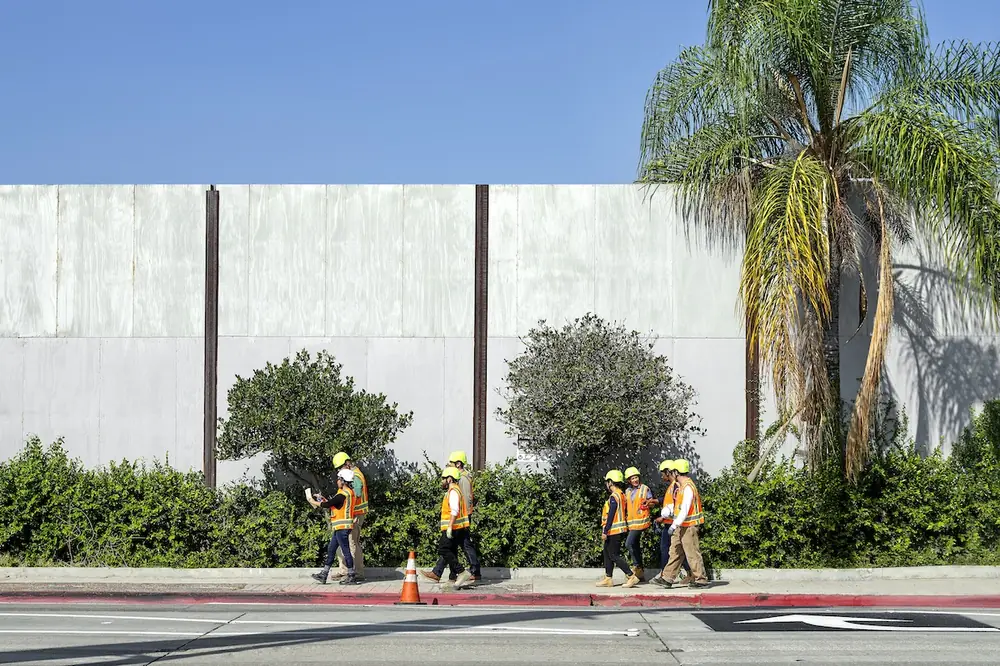
- New noise walls
- Restoring natural areas within the project corridor
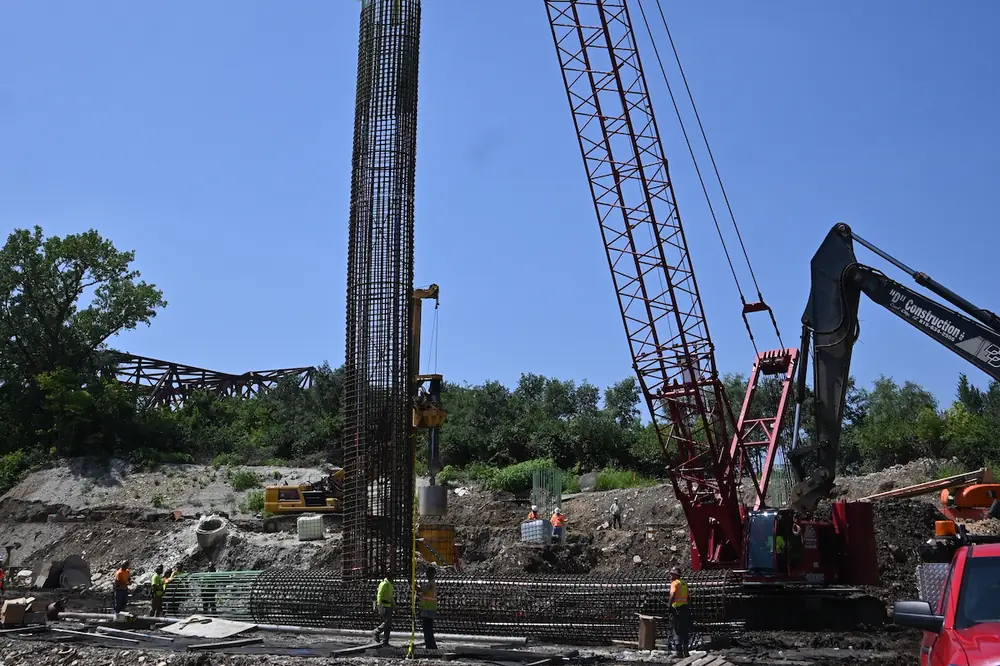
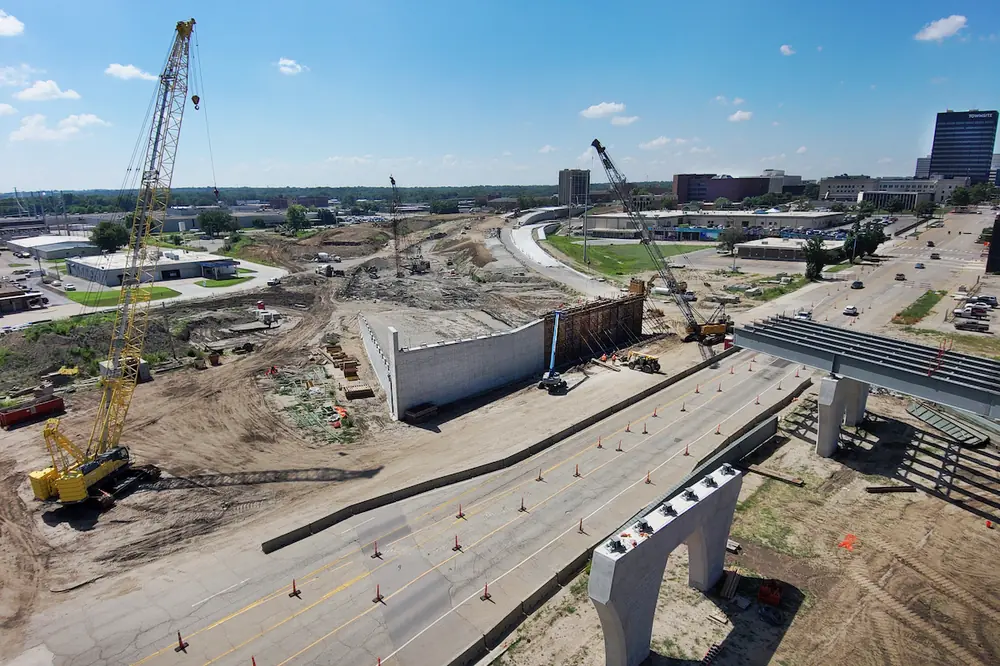
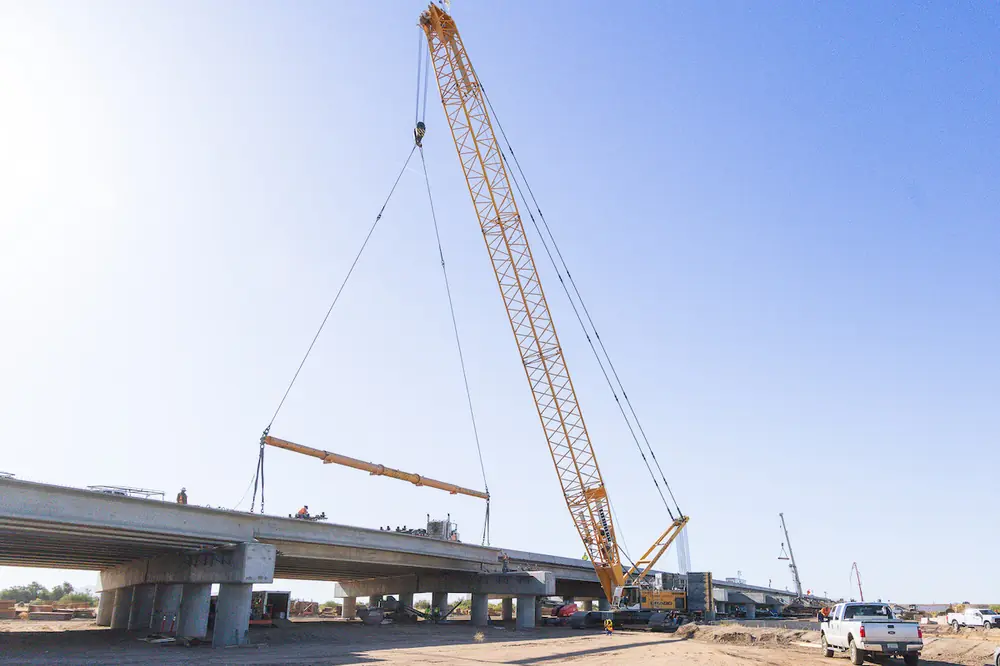
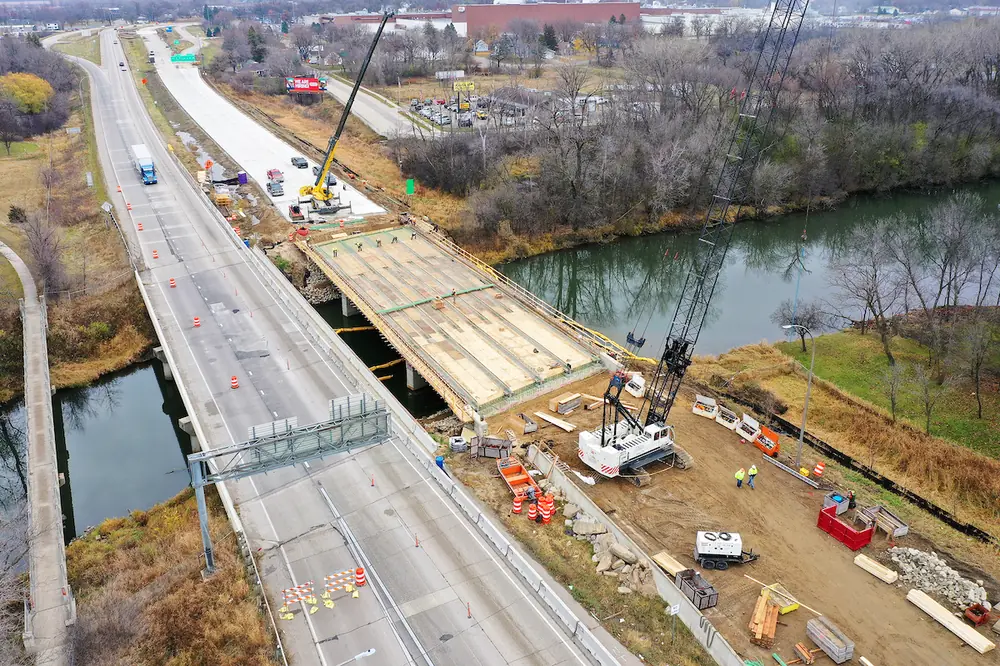
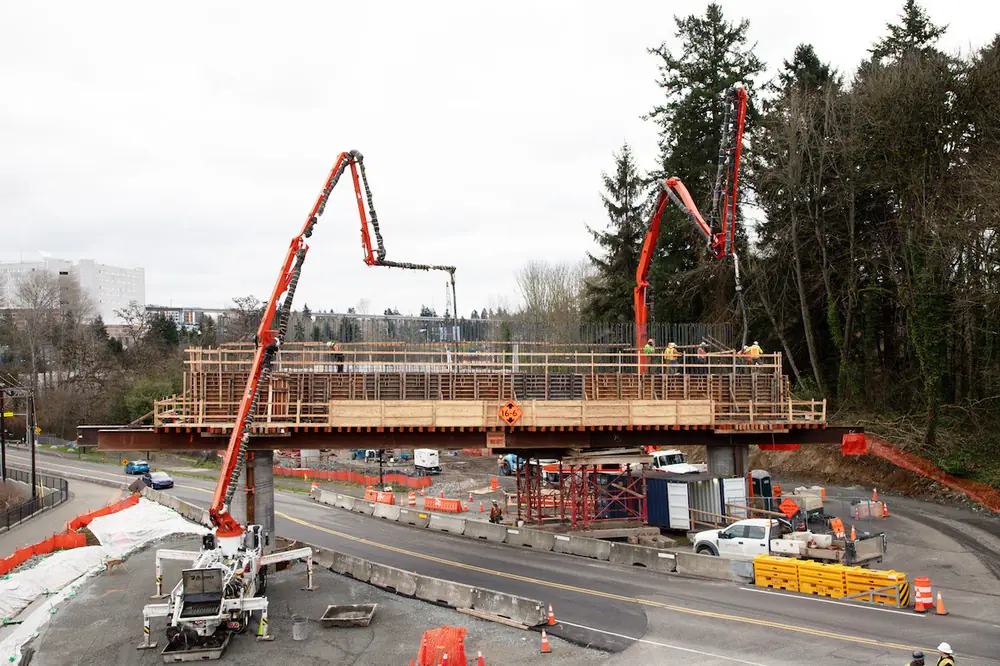
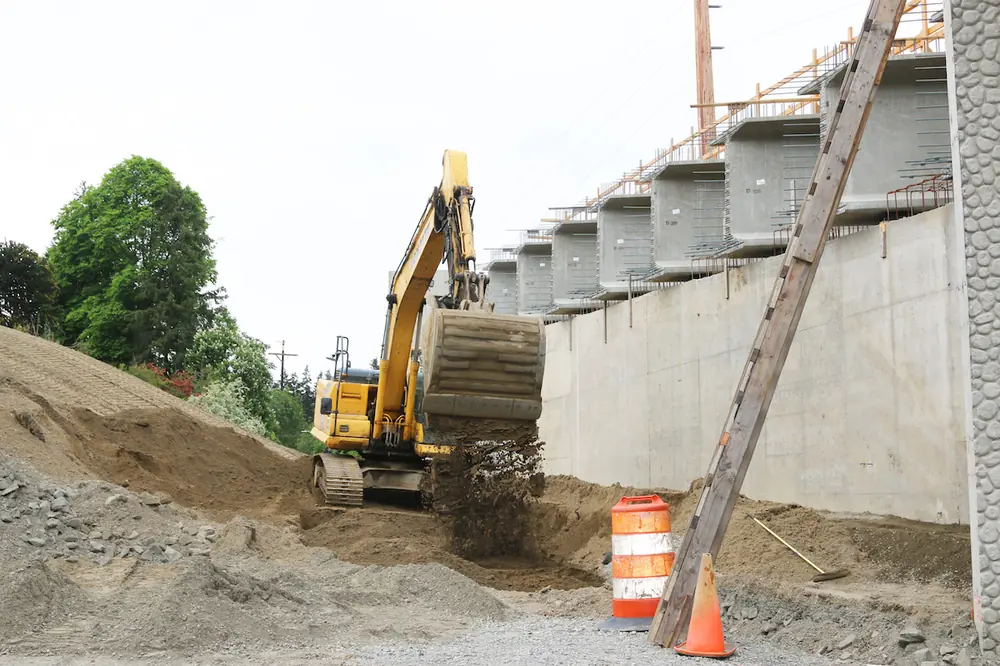
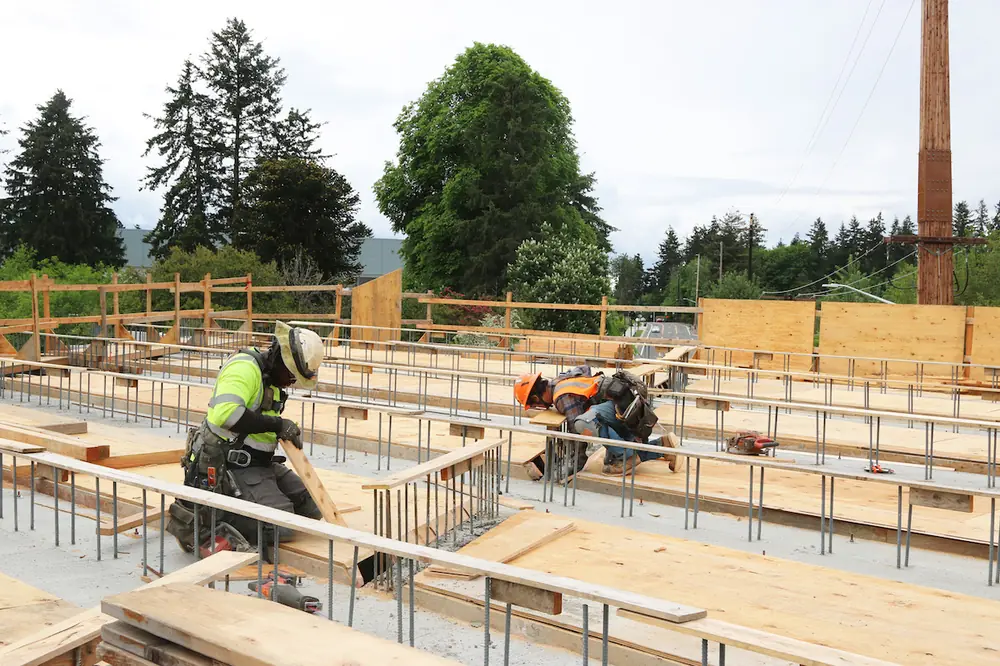
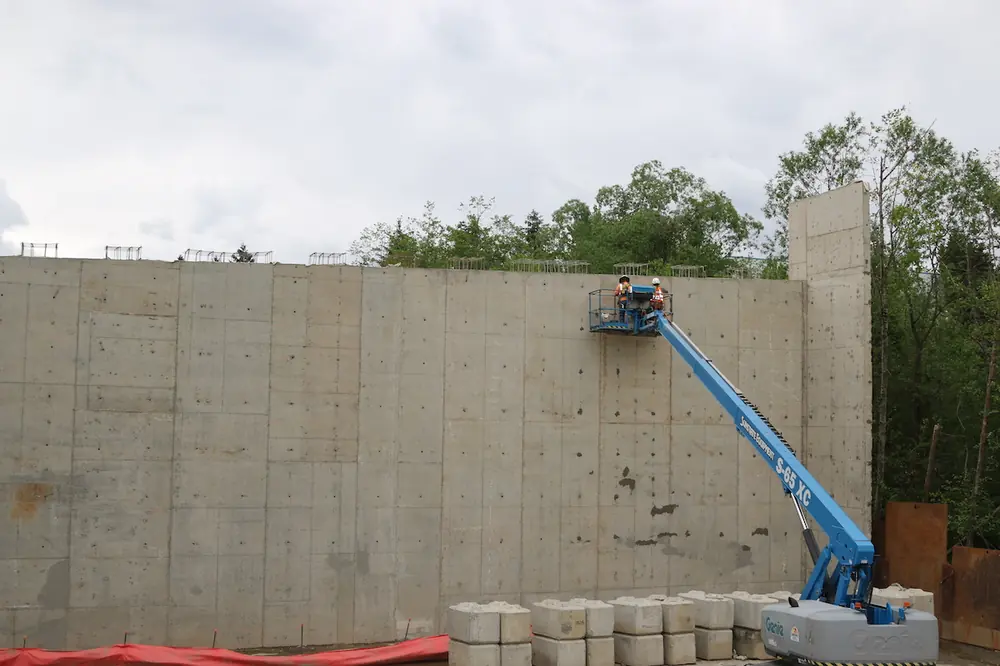
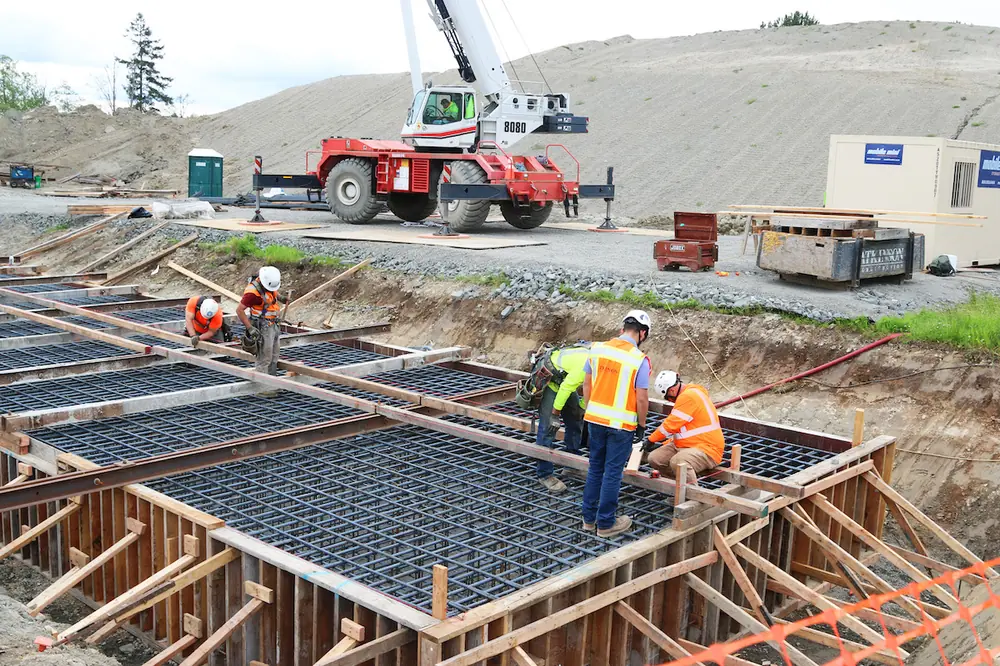
Chepel added that the team is building five new bridges and making some improvements on another bridge. Some of the new bridges will cross SR 509 and existing streets, parks, and trails.
The auxiliary lane will run for 2 miles, making six lanes. The initial plans called for adding a northbound lane as well, but it has been delayed to the next phase of improvements, which are not yet funded.

| Your local Case Construction Equipment Inc dealer |
|---|
| Beauregard Equipment |
| Monroe Tractor |
“The project was interesting from the get-go,” Chepel said. “We only got one bidder, which surprised us.”
Before moving forward, WSDOT paused to determine the ideal next course of action.
“At the end of the day, we implemented stringent controls,” Chepel said. “And we were comfortable when we received the price proposal, which was less than 1 percent different from our estimate.”
Chepel speculated as to why there were so few bids.
“The market was a bit saturated, as vertical construction was booming, which meant few contractors had availability,” Chepel explained. “Some contractors may have been scared by lump sum, as prices were rising at the time. It was the perfect storm after COVID.”
WSDOT has been pleased with Atkinson, who also served as the general contractor during stage 1B. The contractor, whose headquarters are just a few miles from the project, has a long history of working in the area and with WSDOT.
“There has been some continuity in staff, and we’ve formed a good working relationship, which has improved collaboration,” Chepel said. “During this third stage of the project, we continue to build on the relationship.”
The overall SR 509 Completion Project includes three stages (projects). The first stage involved earthwork and advanced scope work, so when the team arrived on site for the next stages, they could move forward. The team also built a new bridge and constructed noise walls.
Work during the second stage (1B) focused on building 1 mile of the new SR 509 Expressway, widening portions of I-5, building a new tunnel under the interstate and two bridges over it, and getting the toll system constructed and operating.
Chepel explained why WSDOT decided not to combine stages 1B and 2 (the third and final stage currently under construction).
“It would have been a huge contract, and few contractors would have had the capacity to bid on the job,” Chepel said. “In addition, it wouldn’t have been compatible with the legislature’s Connecting Washington transportation package funding approach. Construction stages were planned to coincide with the release of funding every biennium.”
The first stage of the SR 509 project had a limited scope due to nearby construction of the new light rail extension by Sound Transit. The extension includes a new rail line parallel to I-5, elevated tracks over the highway construction site, and a new passenger station.
Sound Transit and WSDOT partnered on the construction of a street-level bridge in the first stage. Early construction of the bridge was necessary because the new expressway runs underneath it while the new light rail guideway is directly over it.
This coordination has continued while the team has moved on to the next stages.

| Your local Volvo Construction Equipment dealer |
|---|
| Tyler Equipment |
“Working close to an active light rail guideway required planning on how and when equipment would be used and moved through the area,” Chepel said. “We have to be careful with our equipment.”
Another challenge the team has faced during the project is working in proximity to sensitive areas.
“This project is impacting wetlands, so we had to find a way to mitigate,” Chepel said. “Our first order of work was to do some planting and other environmental improvements in a nearby wildlife habitat.”
Working in close proximity to the airport also required the team’s attention.
“Because the project was near the airport, certain vertical restrictions applied and permits were required for construction activities,” Chepel said. “We had to get over 120 permits.”
Since the team secured the permits, there are no more restrictions.
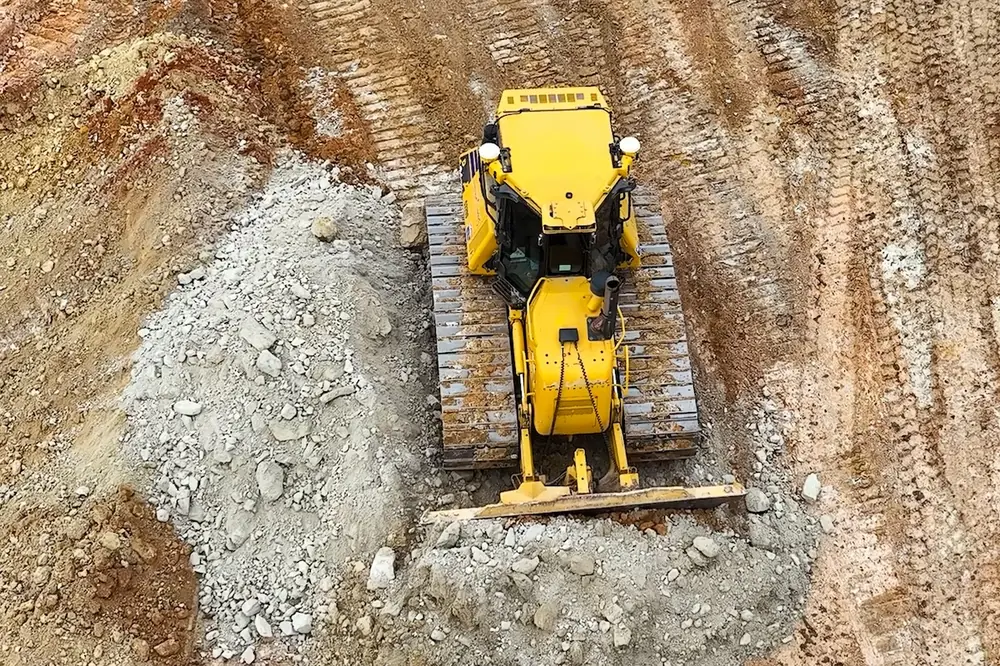
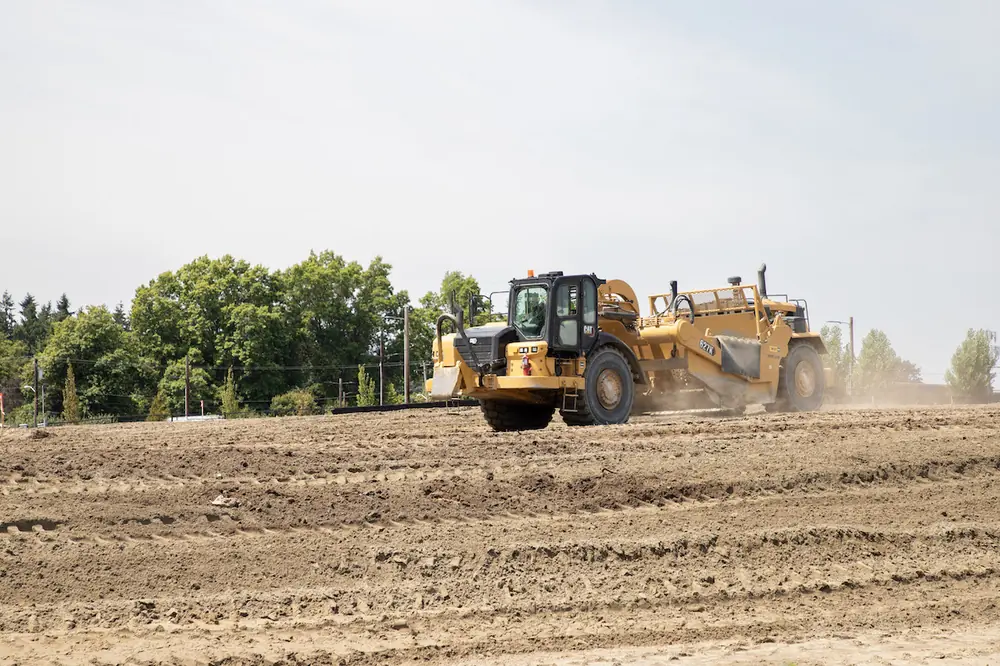
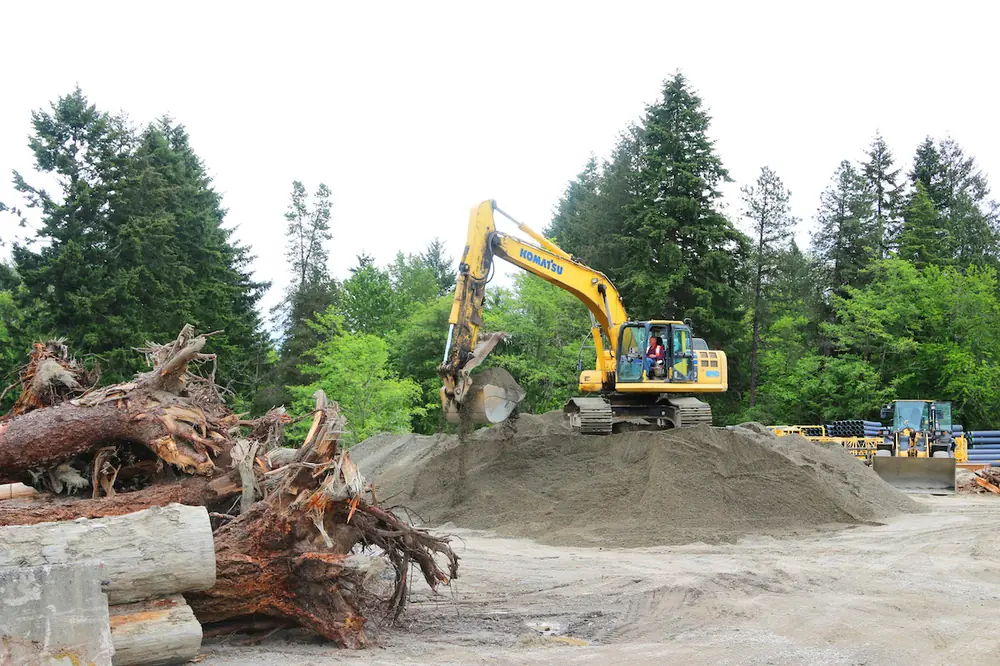
One piece of equipment Atkinson used during the project was earthmoving scrapers. The team used four scrapers one season, as the project required them to move 300,000 cubic yards of dirt.
Moving the dirt requires crossing an active public street. To avoid this, Atkinson built a temporary bridge that separated scraper and large truck traffic from the traveling public.

| Your local Wirtgen America dealer |
|---|
| Dobbs Equipment (SC) |
| United Construction & Forestry |
| WI Clark |
The current project began with mitigation work in summer 2024, followed by road construction. It is currently on schedule and is expected to open to traffic in summer 2028. The first stage began in 2020 and was completed in 2022.
According to Chepel, the keys to keeping the project on schedule were the previous relationship with Atkinson, the continuity of staff, and resolving issues at the lowest level (rather than pushing up to the highest levels).
The current project has a $478.5 million budget. Chepel cited a few reasons why the project has remained on budget.
- WSDOT and Atkinson did significant work throughout final design development
- No differing site conditions so far
- Development of a good contract with fair assignment of risk
- Few small change orders and negotiations have been good/fair because of the working relationship

| Your local Hyundai dealer |
|---|
| Equipment East |
The overall cost of the Puget Sound Gateway Program ($2.83 billion) to complete SR 509 and SR 167 is provided by a variety of sources. The federal government is contributing 41 percent of the funds. The state is contributing 56 percent, with 13 percent of the state funds coming from toll collections. The remaining 3 percent is from local contributions.
When the SR 509 Completion Project wraps up, the route will be a cul-de-sac no more. The new SR 509 will improve regional mobility, reduce congestion, and support job growth at the seaport.
- Owner/Engineer: Washington State Department of Transportation
- Design-Builder: Guy F. Atkinson Construction, Renton, Washington
- Designer: Jacobs, Dallas, Texas
- Other Contractors: KLB, Mukilteo, Washington; Northeast Electric, Woodland, Washington; Tucci & Sons, Tacoma, Washington