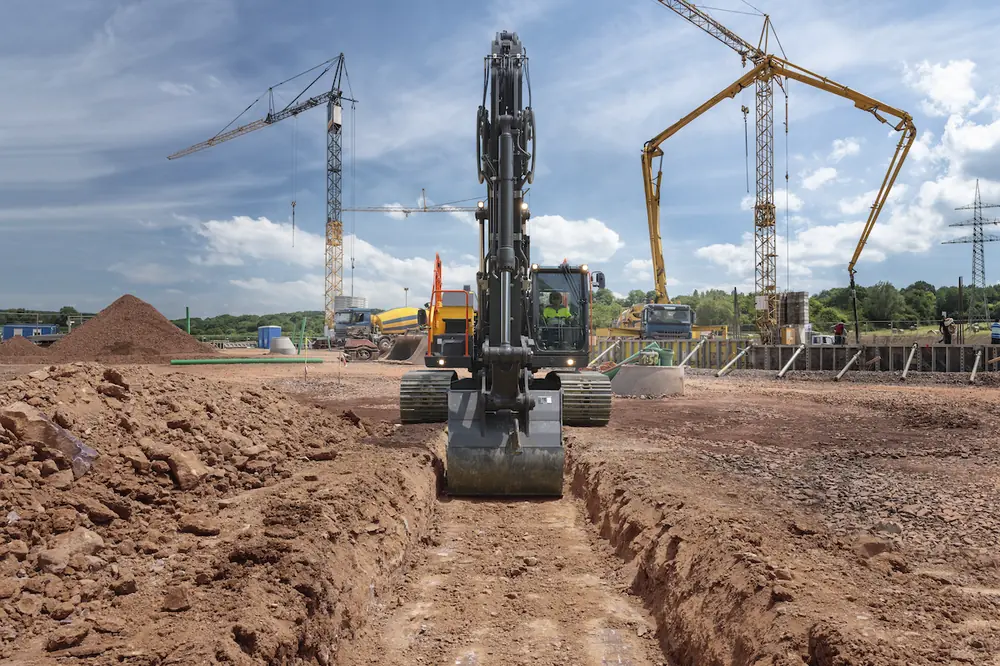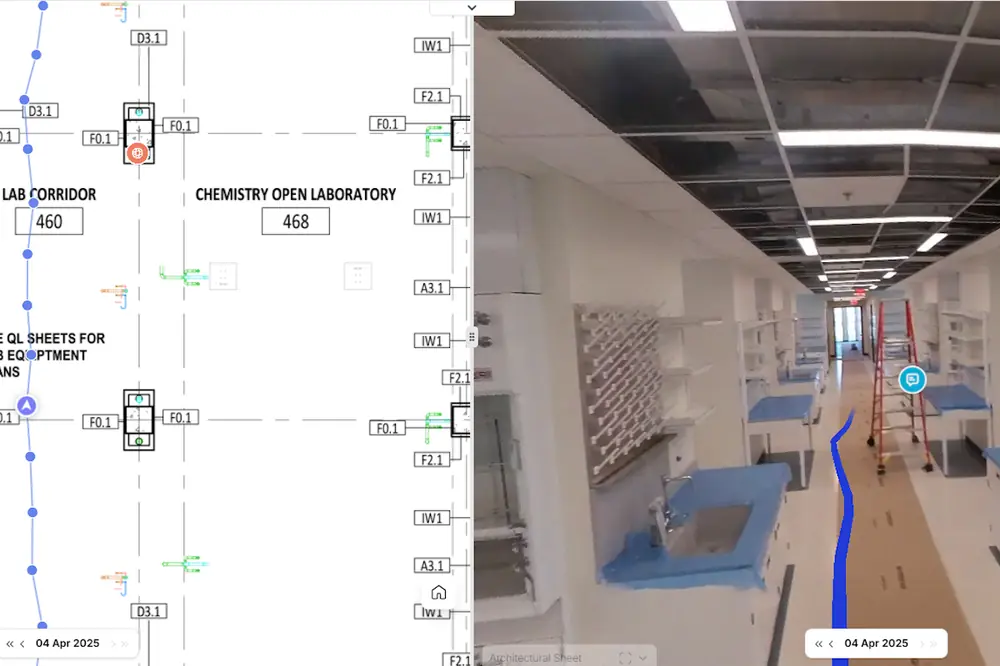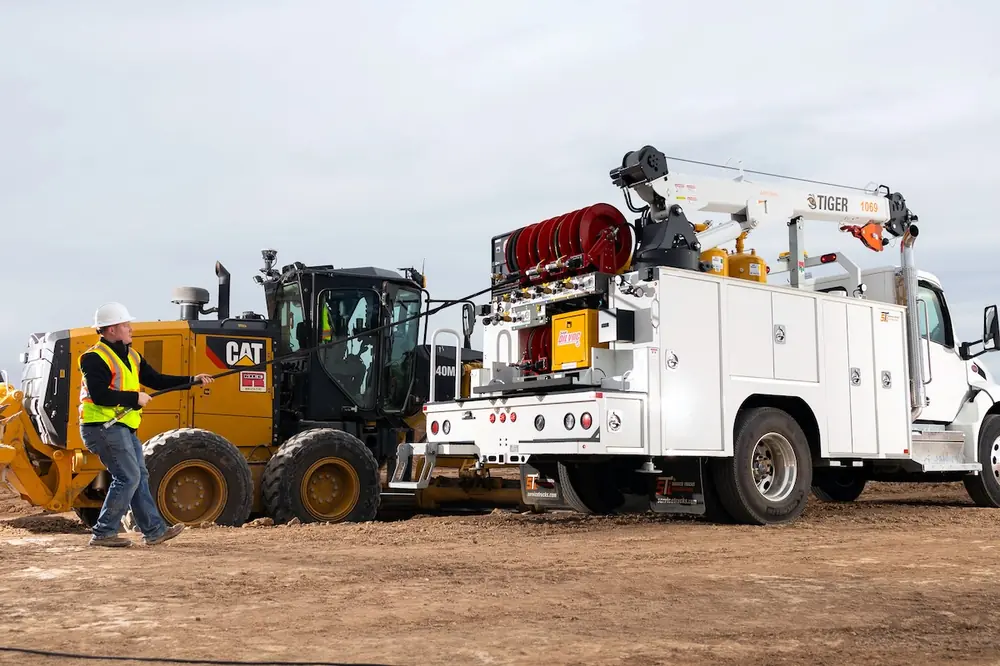

Autonomous construction equipment is no longer a distant idea. It’s already being used in certain mining, quarrying, and other production environments where work is planned, repeatable, and tightly managed. For civil contractors, the question is not when autonomous machines will be ready — it’s whether their job sites will be ready to use them.
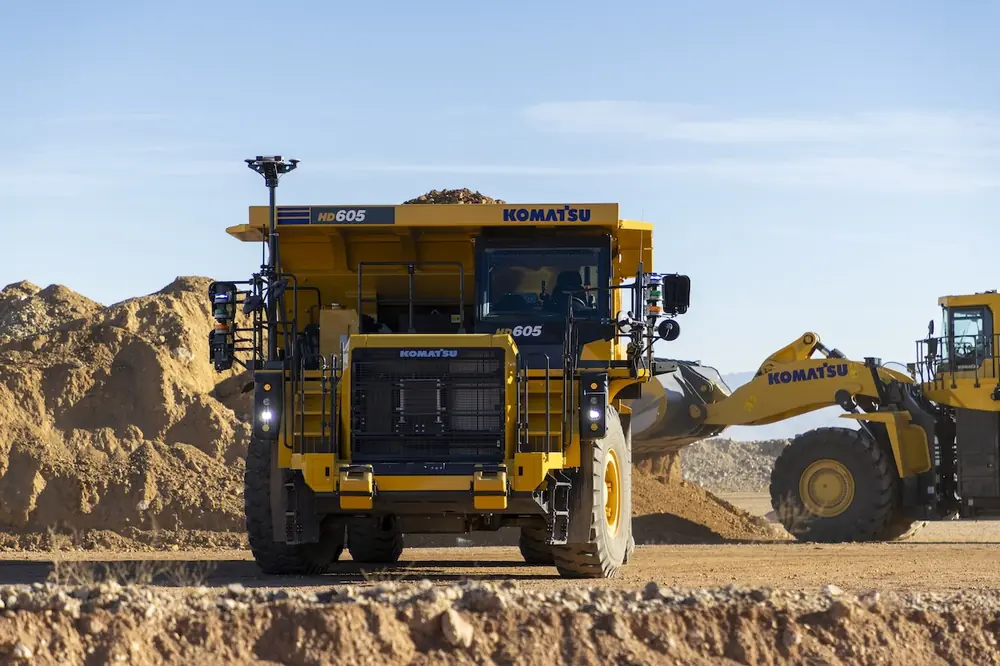
At Komatsu, we have seen what it takes for autonomy to work at scale. We commissioned our first commercial autonomous haulage system in mining in 2008, and recently we commissioned our 1,000th ultra-class autonomous haul trucks. Customers using our FrontRunner autonomous haulage system have moved more than 11.5 billion metric tons of material to date.
Those results didn’t happen simply because a truck learned to drive itself. They happened because the operation around the truck was built for autonomy: routes were defined, operating areas were controlled, equipment activity was coordinated, and the work was planned well enough for people and machines to operate within clear rules.
That’s the central lesson for construction: autonomy is not a shortcut around a poorly planned job site. Autonomous machines won’t fix problems, they’ll inherit them.
An autonomous machine needs dependable instructions — where it is, what it’s meant to build, what surface it’s working toward, and where it’s allowed to operate.

| Your local Wirtgen America dealer |
|---|
| United Construction & Forestry |
| WI Clark |
| Dobbs Equipment (SC) |
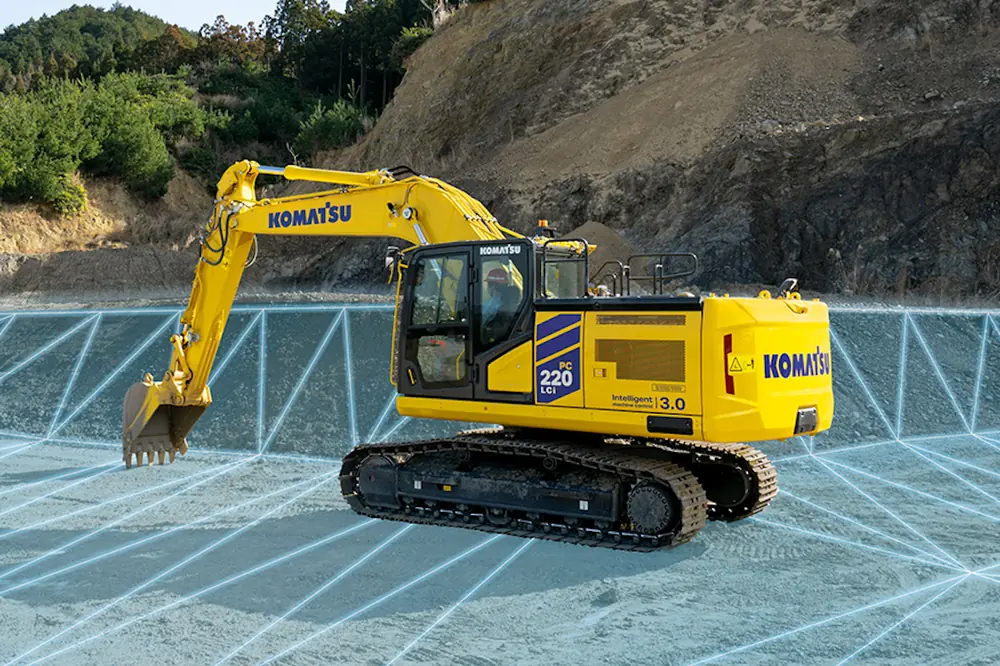
That starts with accurate digital designs, reliable positioning, and current job site information. If a contractor is not already comfortable with digital plans, GPS/GNSS-based construction, machine control, and machine data, autonomy is probably farther off. That’s not a criticism, but practical reality.
The issue is bigger than putting technology on a machine. The operation needs one reliable version of the plan. If the superintendent, survey crew, and machine operator are working from different information — or resolving changes through verbal updates — autonomy will magnify the confusion.
Komatsu Smart Quarry Autonomous illustrates the point. It uses defined haul routes and operating zones with activity set up and monitored through a web-based interface. The technology matters for sure, but it works because the production environment is defined and managed digitally.
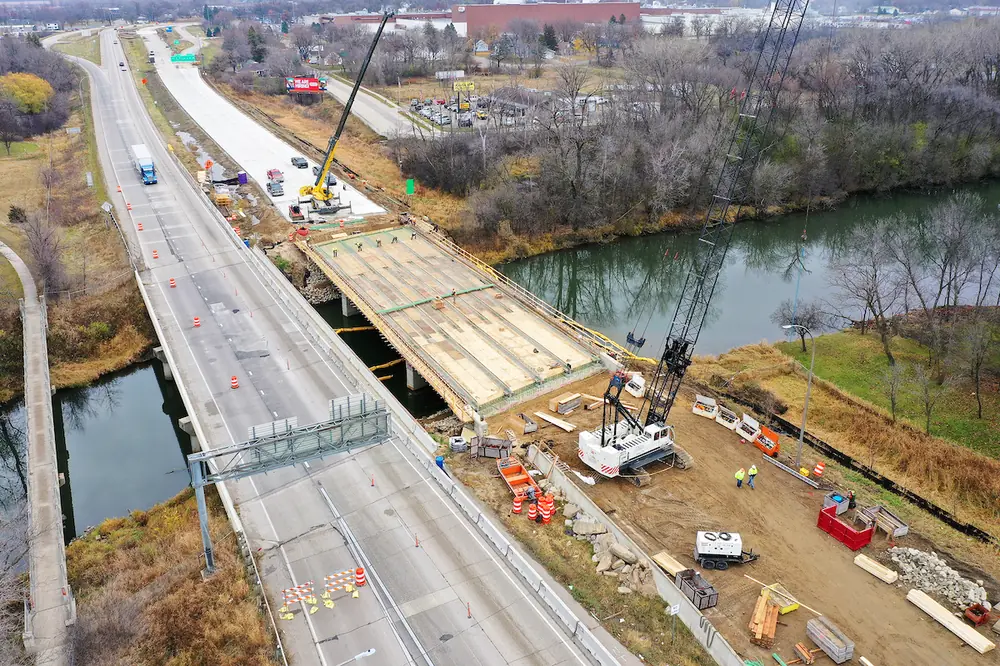
It is unlikely construction will ever be as controlled and repetitive as a large mine. Access, grades, weather, and trade activity change constantly. That doesn’t make construction autonomy impossible; it just means contractors must identify portions of work where the plan can remain clear long enough for autonomy to add value.

| Your local Hyundai dealer |
|---|
| Equipment East |
The goal is to create an operating area where people, machines, and material move with enough order that autonomous equipment adds real value.
In quarry work, autonomous and operator-driven trucks can operate in the same production system. Loaders still have operators in the cab. People still inspect, maintain, supervise, and adjust the work. The difference is that traffic patterns, work zones, and operating rules are understood.
The same thinking applies in construction. A short, tight project with trades, trucks, and equipment crossing paths all day may be a poor first fit. A long-duration mass-excavation project, a defined haul route, repetitive grading task, or compaction operation may be a better fit.
The whole project doesn’t need to be predictable, just a part of it. Good early applications have clear boundaries, repetitive work, and manageable exceptions. That may mean one haul route, one loading cycle, one section of mass grading, or one material-movement process.

| Your local Case Construction Equipment Inc dealer |
|---|
| Beauregard Equipment |
| Monroe Tractor |
Autonomy will not be right for every contractor, every job, or every kind of production from day one. The best applications start with a clear operational problem.
For some contractors, that problem is labor availability. Certain roles are difficult to staff consistently, especially across long operating hours or multiple shifts. When production depends on filling a seat every day, autonomy may help keep critical work moving.
For others, the issue is consistency. Different operators, shifts, and conditions can produce different results. In repetitive work, a more consistent process can be as valuable as raw speed.
Others may be focused on throughput: more predictable cycle times, less idle time, longer operating windows, or additional production without expanding the entire field organization.

| Your local Trimble Construction Division dealer |
|---|
| SITECH Northeast |
Those are different challenges. They require different systems and job site setups. Sometimes they’ll point to autonomy. Sometimes they won’t. That’s fine.
Autonomy should respond to a defined production problem, not become a technology search for a problem to solve. Before investing, contractors should be able to answer one question: What will be measurably better if we automate this work?
The workforce discussion often starts with one question: What happens to the operator?
It is a fair question, but it is not the whole conversation.

| Your local Esco Corporation dealer |
|---|
| Genalco |
Autonomy changes the work. In the right applications, it can reduce the need for someone to operate a machine continuously. But it increases the need for people to plan, coordinate, supervise, and respond when work falls outside the expected pattern.
Someone still maintains the digital plan, defines operating zones, updates work as conditions change, coordinates activity around the machine, inspects the work, and maintains equipment.
Autonomous equipment is intended to supplement — not replace — qualified personnel. Trained people should continue to supervise, inspect, and maintain the equipment in accordance with the manufacturer’s operating and safety instructions, and should retain the ability to stop the operation at any time. Autonomy does not by itself guarantee improved safety or eliminate operational risk; safe and effective operation continues to depend on proper planning, site controls, and human oversight.
This is why readiness is not only a machine question. It is an operations question.

| Your local Volvo Construction Equipment dealer |
|---|
| Tyler Equipment |
Superintendents, foremen, machine-control teams, survey personnel, safety professionals, and maintenance technicians all become part of the autonomous workflow. Contractors need to know who owns the plan, who can change the operating area, who can stop the operation, and how the team responds when something changes.
Consider these questions:
- Do we work from current digital plans and reliable machine-position data?
- Can we define routes, work zones, boundaries, and exclusion areas?
- Is there a repetitive, bounded piece of work that could be automated?
- Can we measure production, cycle times, idle time, and completed work?
- Are we solving a clear labor, consistency, throughput, or safety-exposure problem?
- Who owns the plan, authorizes changes, and responds when conditions change?
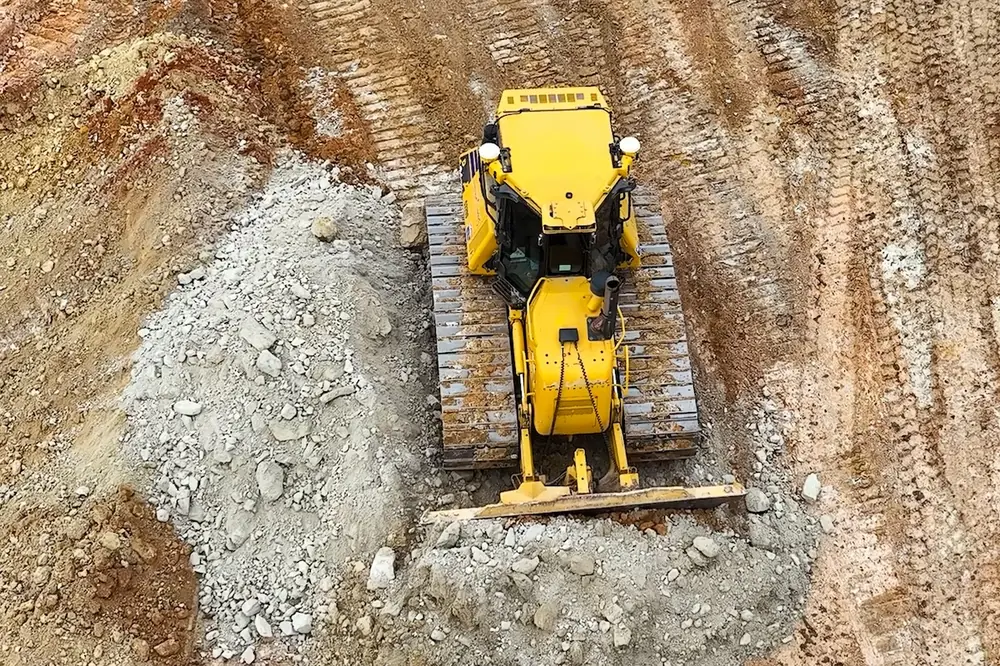
Autonomous construction will not arrive everywhere at once. It will likely gain traction first where work is repetitive, bounded, and measurable: hauling, dozing, excavating, and compacting.
The practical takeaway is simple. Do not wait for the autonomous machine to begin preparing. Improve the digital plan. Organize traffic and work areas more deliberately. Establish better production measures. Identify work that is difficult to staff, highly repetitive, or vulnerable to inconsistent performance.
| Your local Wirtgen America dealer |
|---|
| United Construction & Forestry |
| WI Clark |
| Dobbs Equipment (SC) |
Those steps improve the job site today. They also build the foundation for autonomy when the right application arrives.
Autonomy will reward contractors who know how to plan the work, measure and control the work, measure what happened, and adjust.
Jason Anetsberger is Senior Director of Customer Solutions, Komatsu Digital Office.
Note: This article is provided for general informational purposes only and reflects the author’s opinions. Autonomous equipment must be installed, configured, and operated in accordance with Komatsu’s official product manuals and safety requirements, requires appropriate site controls and properly trained personnel, and does not eliminate the need for human oversight. Komatsu disclaims all liability for any reliance on this article and for any outcomes at any job site.