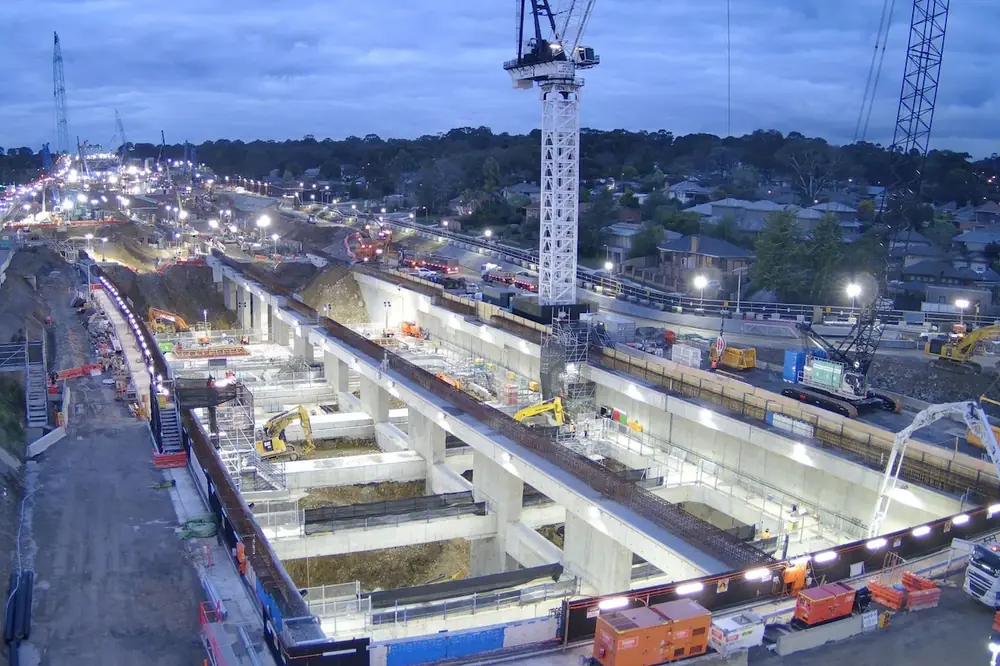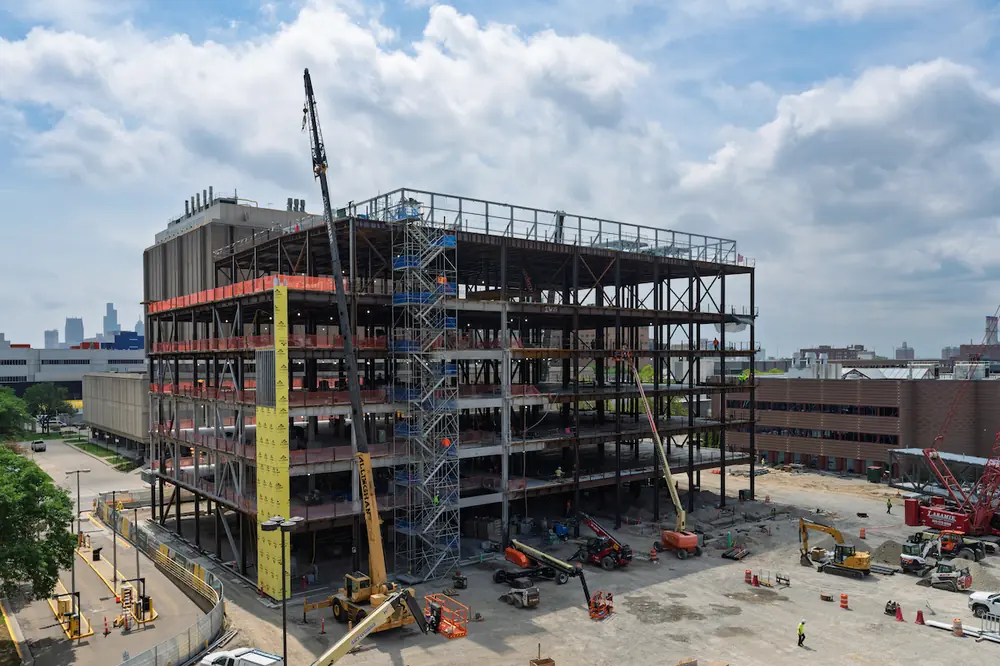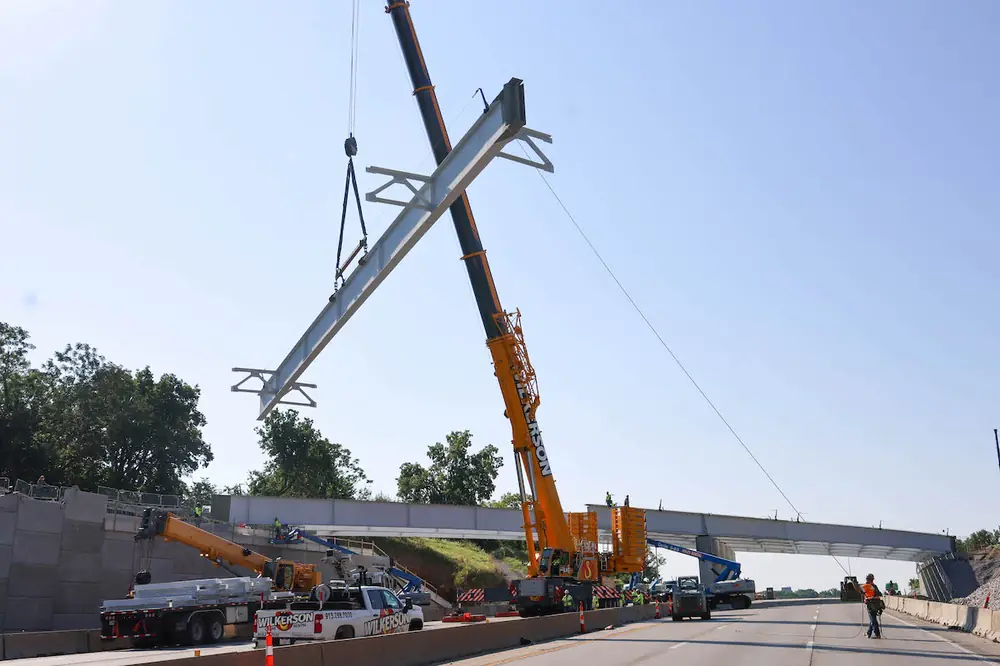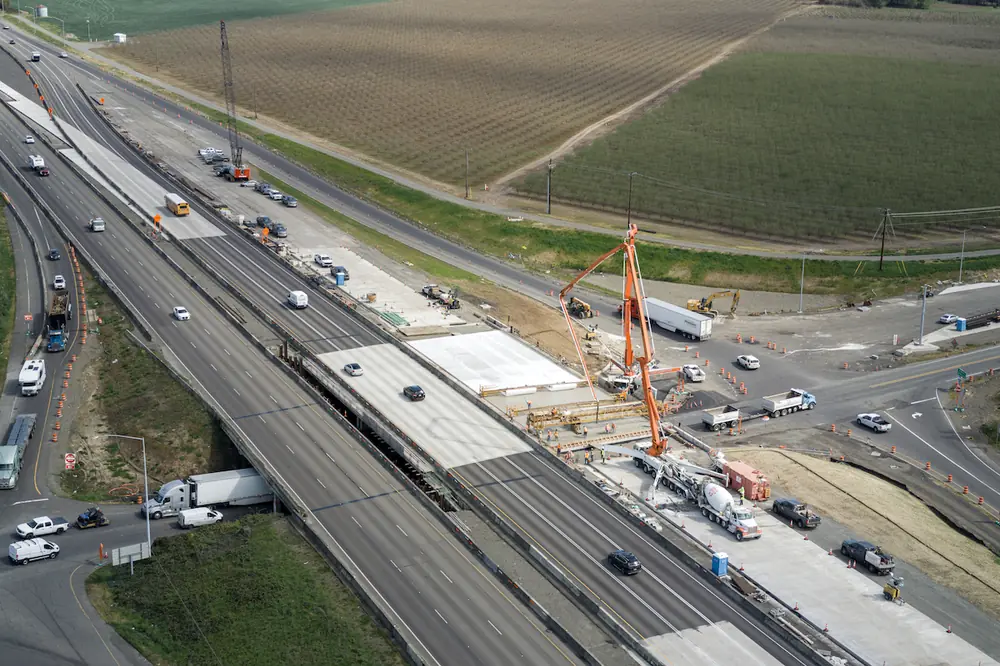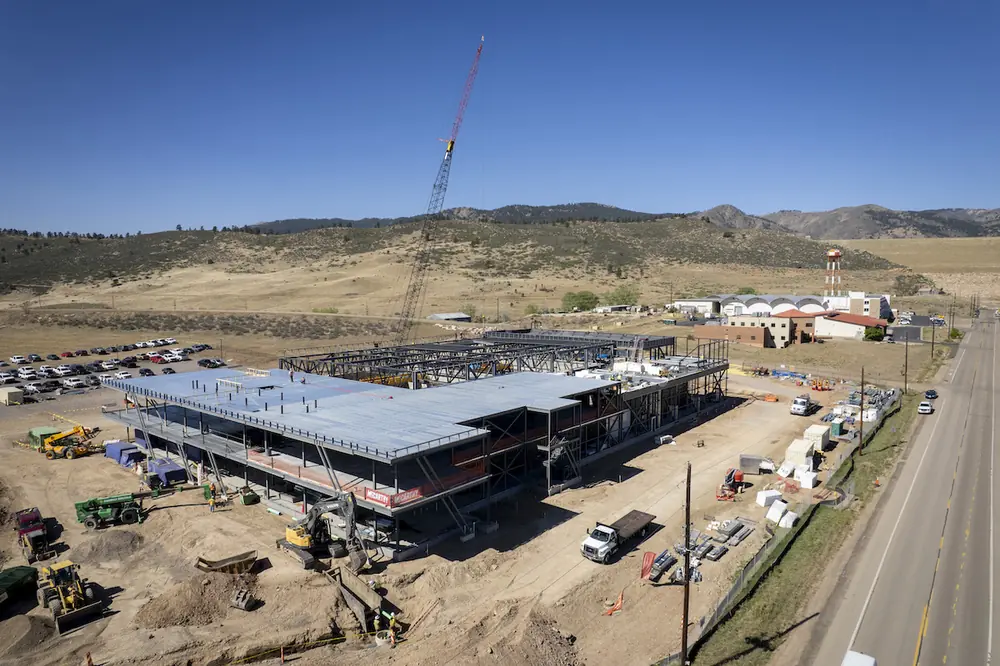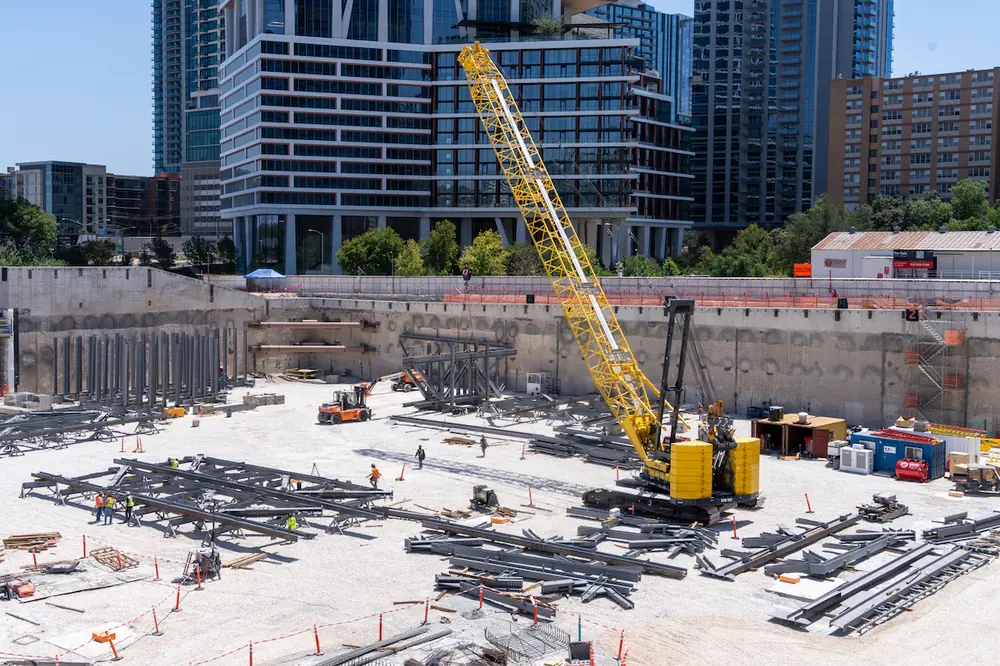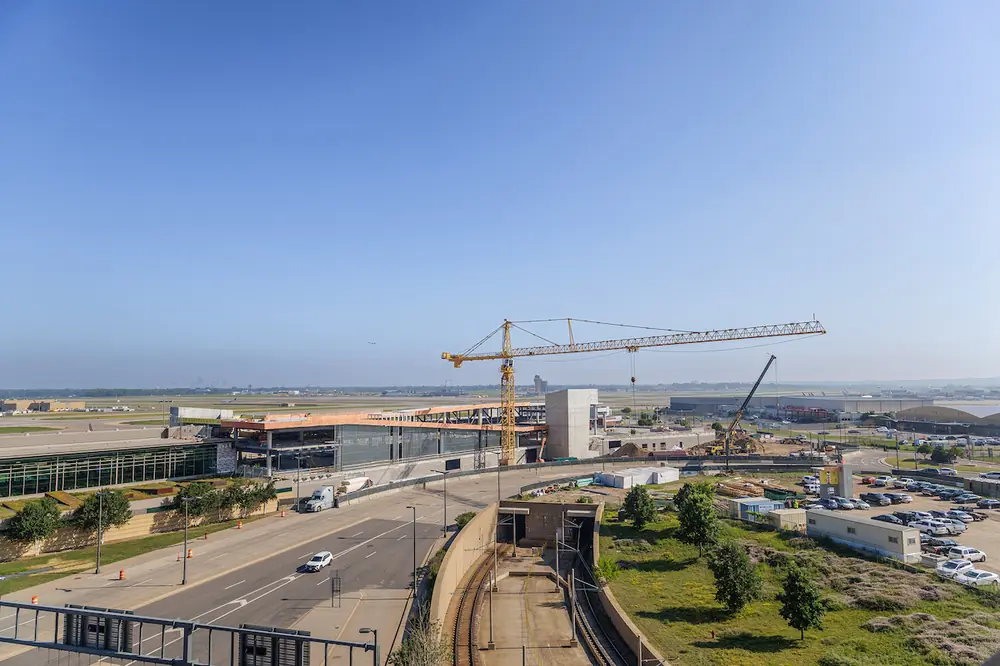



While access to power capacity, land costs, and community pushback continue to stall projects, California remains a hotbed of activity for data center projects.
Some two dozen data center projects are expected to come online in the state by 2030, largely centered in the San Francisco area and southern California. Already, 200 centers are active here as California participates in the larger U.S. infrastructure boom, ranking behind only Virginia and Texas in overall capacity.
With construction budgets that can reach over $25 million per megawatt of compute capacity, data center projects represent a massive opportunity for California builders. The catch? The scale and scope of data center construction and development risks are unique, requiring a nontraditional approach to insurance that not every broker is equipped to manage.
Every contractor that is testing these waters needs to understand both the risks and how best to handle them, so they can prepare accordingly.
There are specific points in the project life cycle where traditional insurance approaches fall short. Being aware of them is key for structuring an insurance program that complies with owner requirements and protects your firm’s balance sheet.

| Your local Volvo Construction Equipment dealer |
|---|
| Tyler Equipment |
Poor soil conditions or sinkholes can lead to costly construction defects and remediation that quickly exhaust typical professional liability and GL policy limits.
The single largest concentration of operational and facility performance risk lies with mechanical, electrical, and plumbing (MEP) systems. Design or installation errors can force the facility offline, causing huge financial losses for the owner and huge financial exposure for contractors.

| Your local Case Construction Equipment Inc dealer |
|---|
| Beauregard Equipment |
| Monroe Tractor |
With MEP scope packages routinely running into the hundreds of millions of dollars, enormous pressure is also being exerted on contractors’ surety capacity. Properly insuring tenant fit-out (TFO) property values are another major challenge, as they can easily exceed 50 percent of the project’s entire hard cost budget.
The commissioning stage, when all systems are energized and must function together, is another big area of risk. The transition from builder’s risk to operational property coverage is particularly complex when data halls are completed and turned over in phases or when tenants elect to handle their own TFO installation.

| Your local Hyundai dealer |
|---|
| Equipment East |
Contractor capacity and an aging workforce continue to be chronic challenges for the entire industry, causing increased underwriting focus on field safety and quality management programs.
Contractors who can’t demonstrate their ability to adequately scale technical training and field safety protocols to match the increased scale and complexity of next-generation data centers may find themselves uninsurable. Rack-level transitions from low-voltage to high-voltage power systems represent a particularly challenging example of this new technical complexity for many commercial electrical contractors.
While insurance capacity remains an ongoing issue for multi-billion-dollar data center projects, traditional thinking and traditional risk transfer structures like surety bonds, practice policy-based professional liability limits, and standard builders risk policies are emerging as the real constraints as traditional risk management solutions are breaking down.
Contractors and their brokers need to think differently about these coverages:

| Your local Trimble Construction Division dealer |
|---|
| SITECH Northeast |
Project values are escalating faster than the surety markets can bond them, and alternative options like subcontractor default insurance and liquidated damages coverage are also being strained, requiring a more active risk management approach by both contractors and their upstream partners.
This is of particular concern in California, where earthquakes and worsening incidents of wildfires like 2025’s Palisades and Eaton events have caused huge losses. The magnitude of exposed physical assets and business interruption exposures facing data center operators is truly unprecedented, requiring them to explore novel risk transfer options and build solutions that rely less on traditional risk transfer and more on active risk management models.

| Your local Wirtgen America dealer |
|---|
| United Construction & Forestry |
| WI Clark |
Securing coverage for the full value limits for a larger project is often not practical or commercially feasible. Instead, setting builder’s risk policy limits based on risk (PML) modeling is more efficient particularly when considering CAT exposures and BI/delay risks. Close attention must also be paid to coverage forms and coverage transition strategies because small mistakes here can result in big losses later.
While wraps-ups (OCIPs) have become a standard feature on most larger data center projects, even that well-established model requires some re-engineering in order to respond as expected when data center claims arise.

| Your local Esco Corporation dealer |
|---|
| Genalco |
To effectively manage the risks of this evolving market, builders and owners should ensure their broker partners can deliver solutions that work in this unique risk environment. Traditional thinking and traditional solutions will ultimately fail that test.
Underwriters want to see contractors with proven experience in data center construction, at scale. For general contractors, this means a proven track record of selecting and managing critical path MEP subcontractors, meeting rigid schedules, managing site safety across sprawling project sites, and having a plan in place to manage complex claims scenarios when they arise.
For subcontractors, this means fielding crews with relevant prior experience that matches the technical complexity of the project and maintaining robust quality management protocols.
Data center projects are technically complex and can create unprecedented risks. A risk management strategy built around robust processes, not just insurance, often leads to better outcomes. Insurance should be the last part of this discussion, not the first.
| Your local Volvo Construction Equipment dealer |
|---|
| Tyler Equipment |