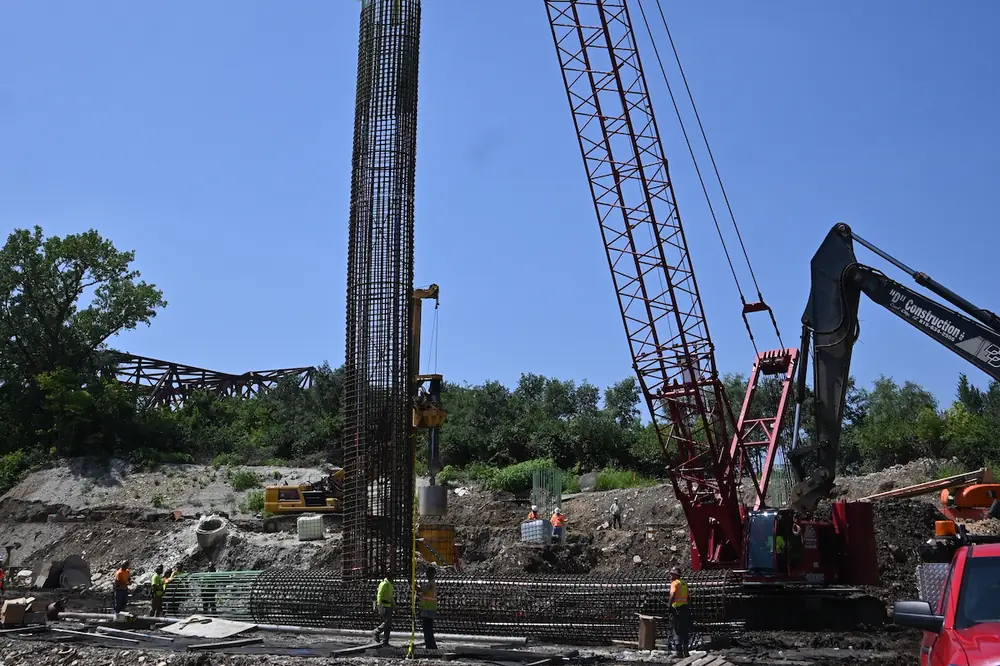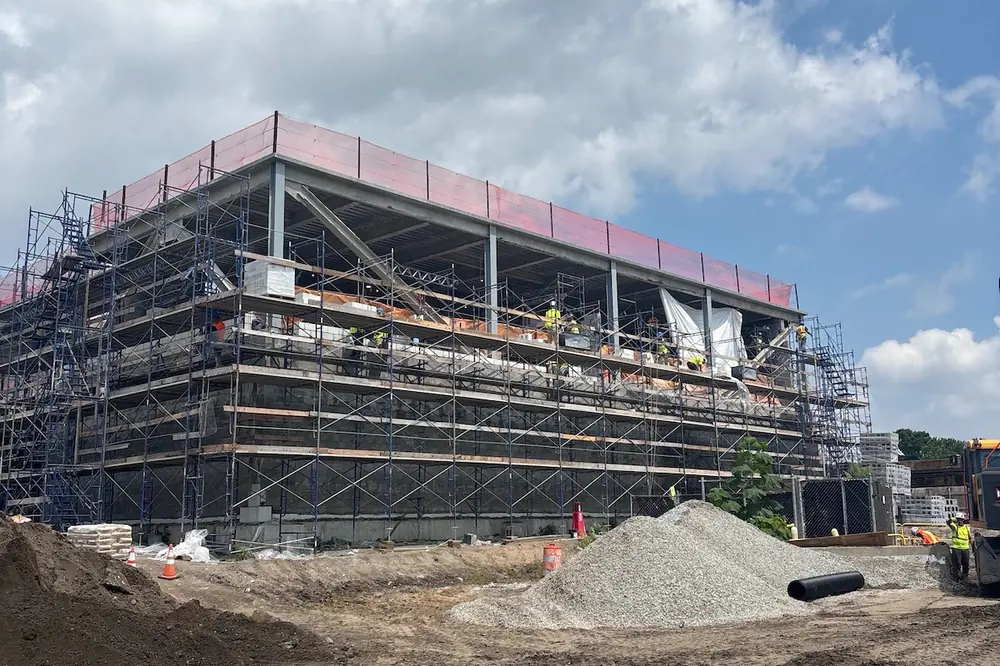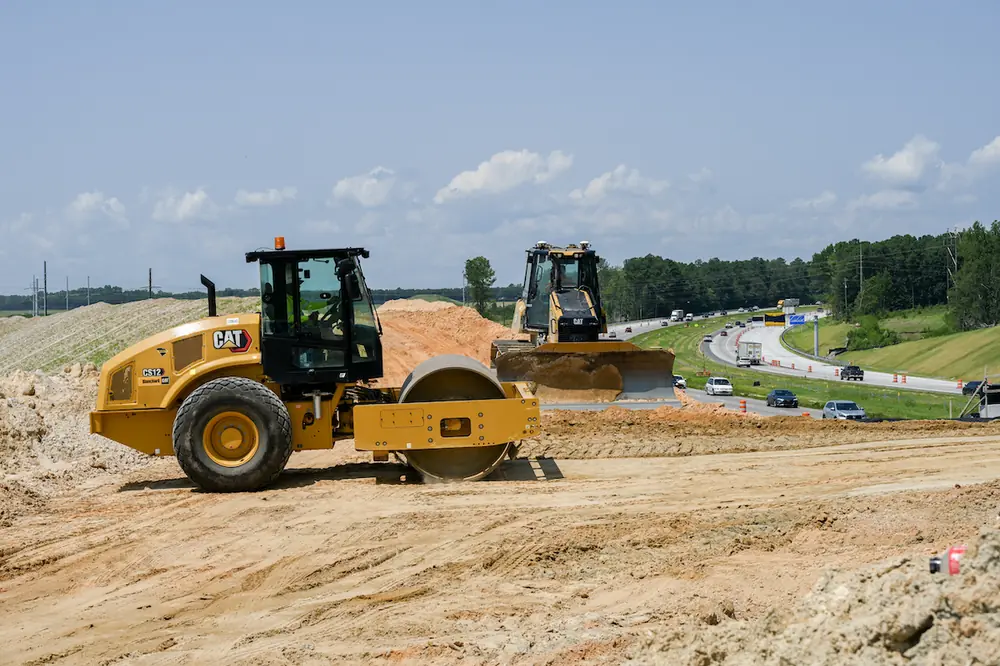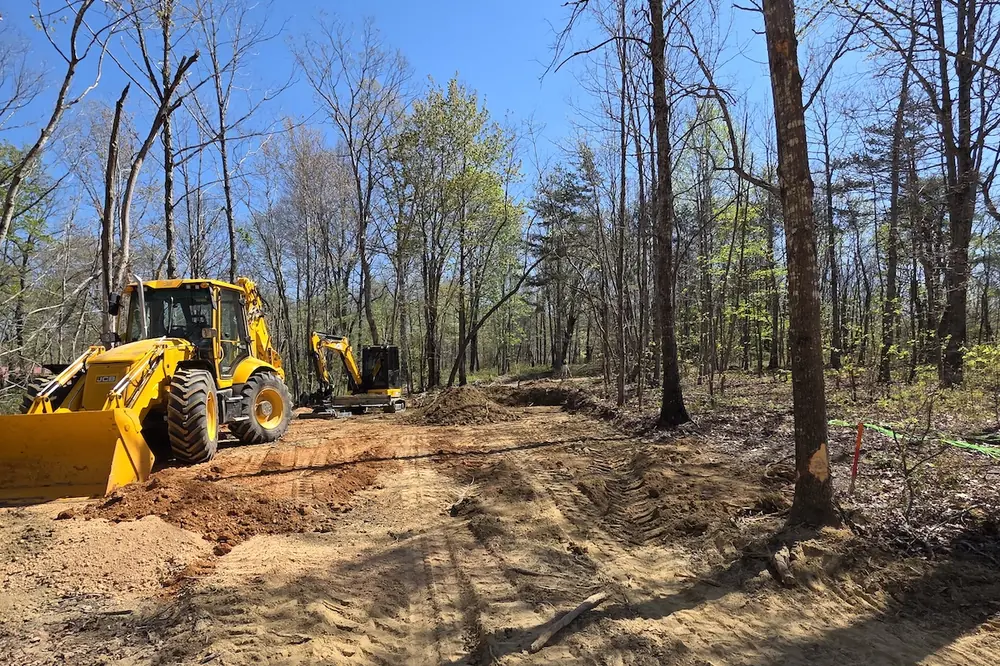
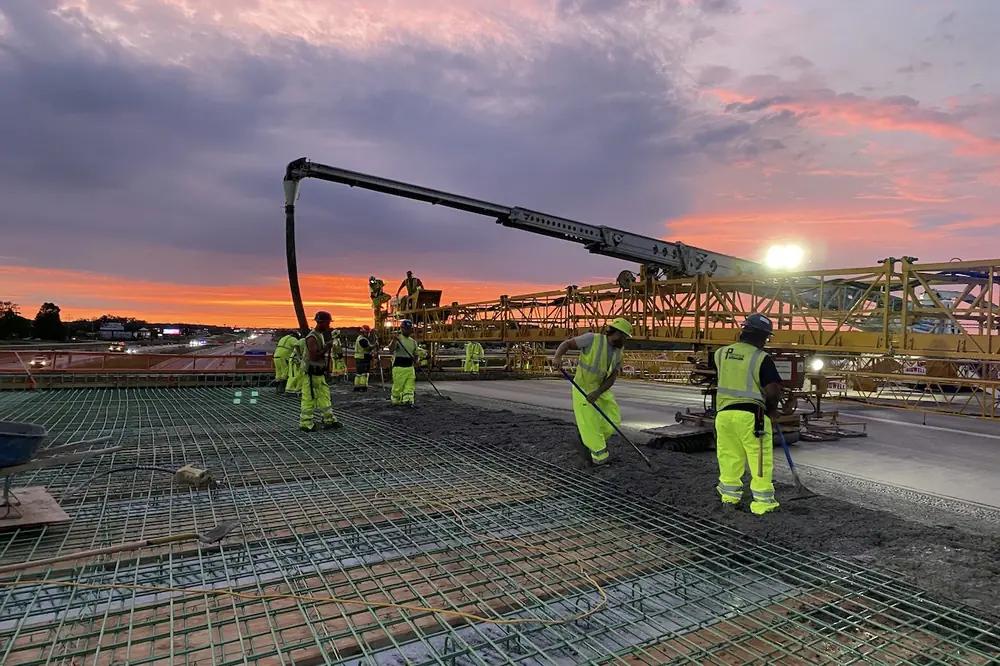
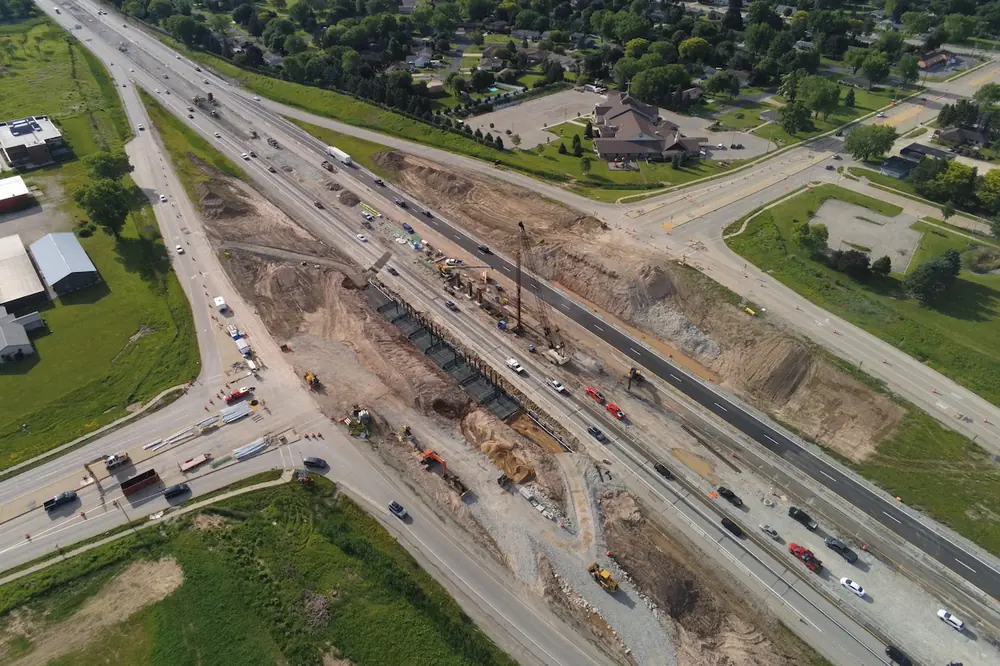

Interstate 41 between Appleton and De Pere, Wisconsin, is recognized as a major throughway. A 23-mile expansion of the interstate is earning additional recognition as one of the most ambitious transportation undertakings in a generation, with an estimated price tag of $1.2 billion.
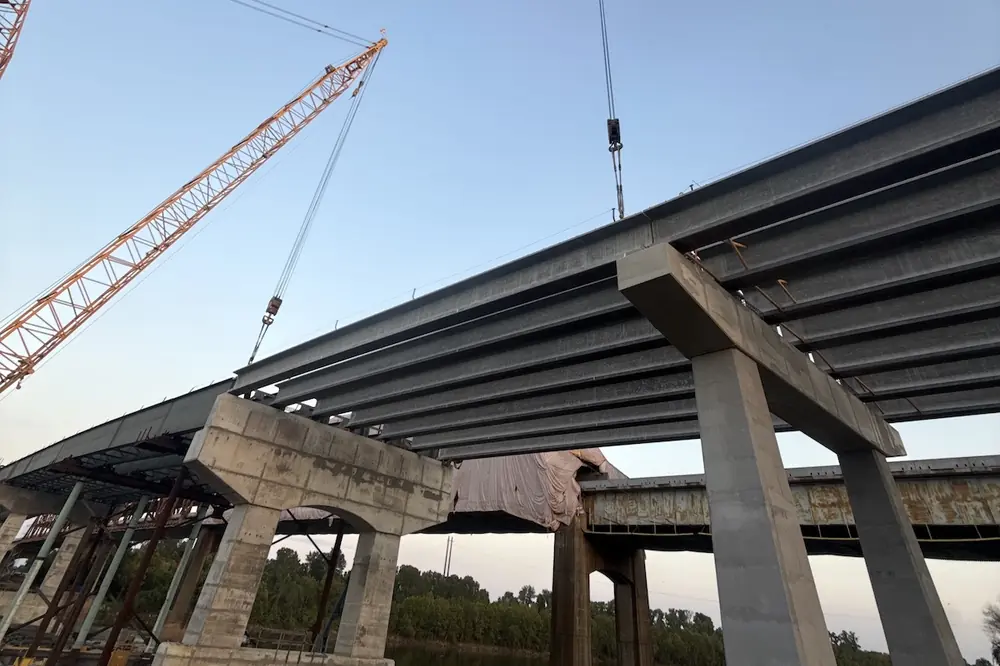
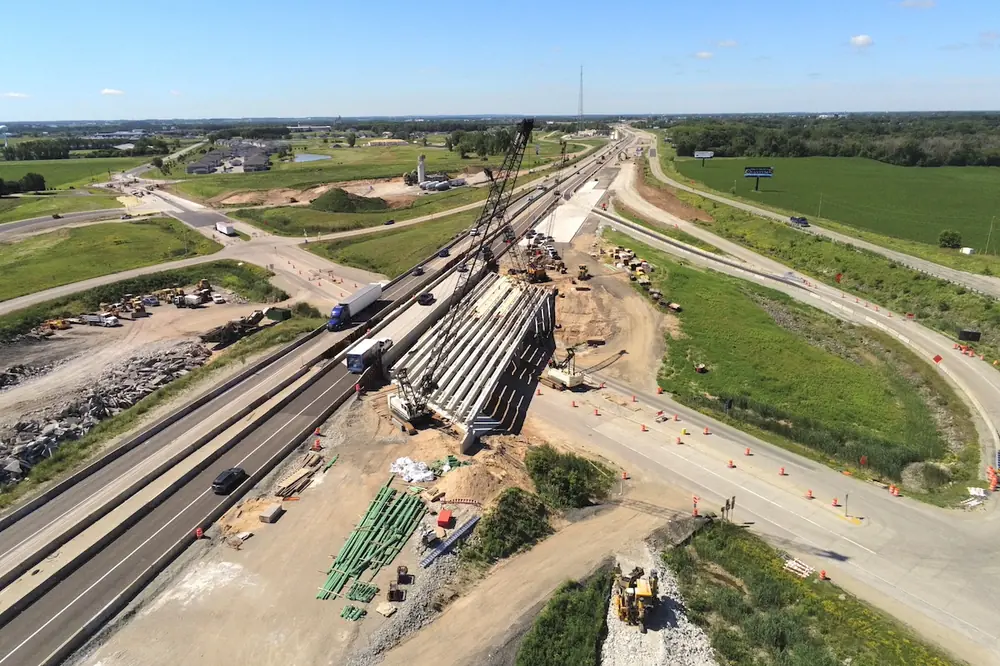
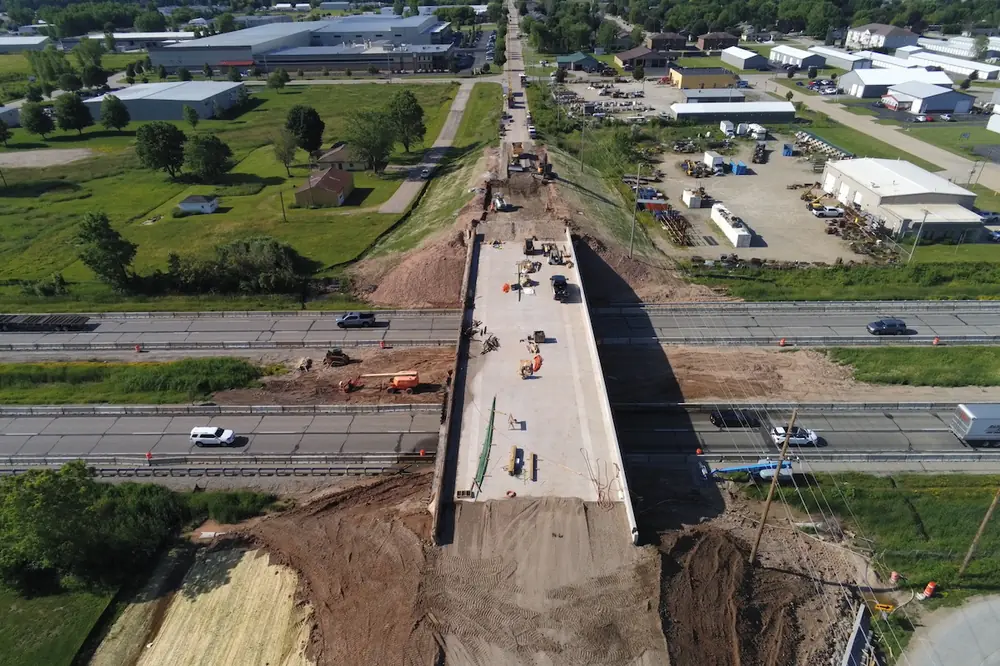
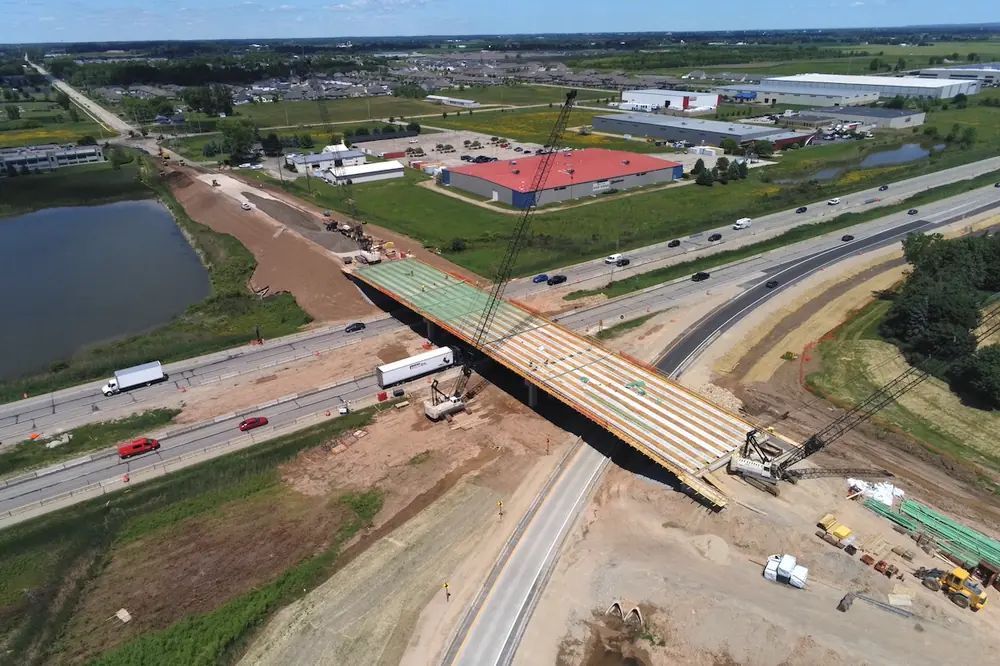
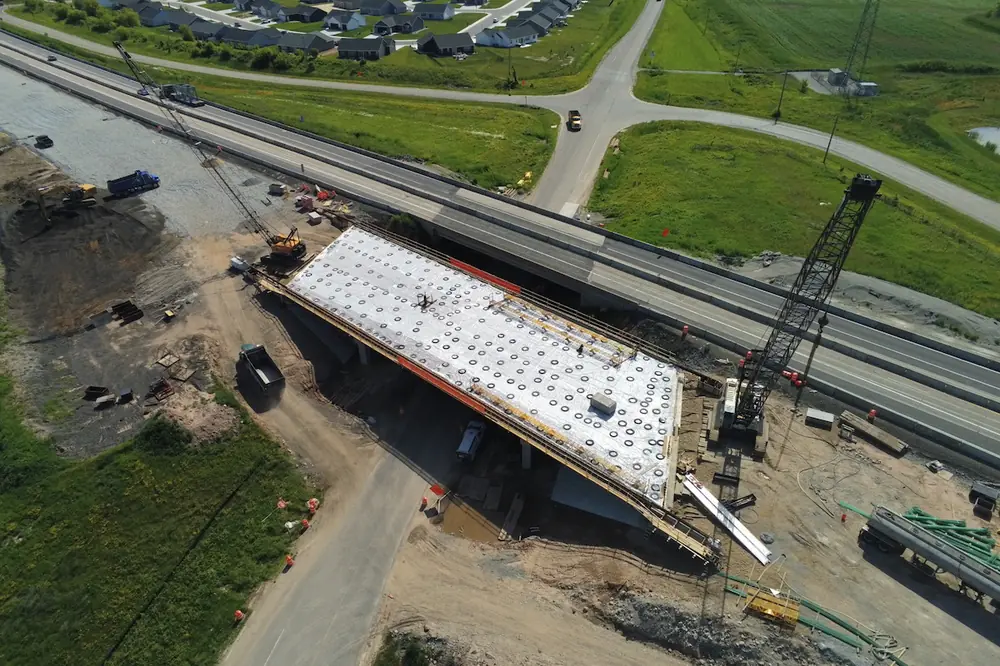
With the goal of improving traffic flow, the four-lane interstate will be widened to six lanes. Additional improvements include reconstruction or replacement of 11 overpasses and underpasses, 10 interchanges, and a new interchange at the north end. Construction began in 2024 and is expected to continue through 2030.
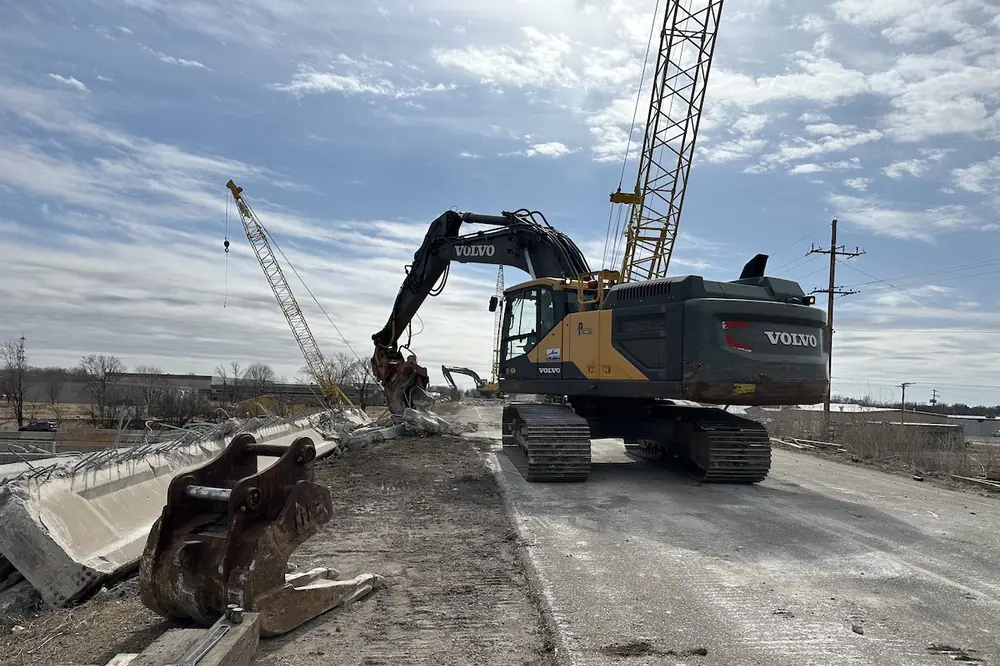
The major expansion project is made possible by a multi-contract effort that requires enhanced coordination, innovative staging, and repeated adaptation to changing field conditions. Bryan Learst, Project Manager for the Wisconsin Department of Transportation (WisDOT), said that the project consists of multiple moving parts.
“Basically every piece of 41 between Appleton and De Pere is being completely reconstructed,” Learst said. “Next year will be our busiest season, with about 19 of the 23 miles being under some stage of construction.”
With much of the corridor expected to be under construction at the same time, WisDOT is relying on coordination, sequencing, and communication to manage the work as a single program rather than a collection of separate projects.

| Your local Takeuchi Mfg Ltd dealer |
|---|
| Kirby-Smith Machinery |
The I-41 expansion project is divided into multiple construction packages, each having its own contractor and schedule. WisDOT, however, manages the individual projects as part of a unified system. While five design teams worked on separate segments during the design phase, an established corridor team sustained harmonization across all disciplines, from structures to traffic management.
“We had monthly meetings with real estate, utilities, maintenance, materials, pavement — basically everyone,” Learst said. “The goal was consistency in the same details, same special provisions, same expectations.”
According to Learst, the design model assures that — regardless of which contractor or consultant works on a segment — an integrated, singular system is maintained. That consistency is particularly important given the scale of the interchange work, including reconstruction of the I-41/WIS 441 interchange, improvements to multiple other interchanges, construction of the new Southbridge Road interchange, and transitions between urban and rural portions of the corridor.
The corridor team also incorporated an added tier of quality control by reviewing specifications and drawings for constructability, staging feasibility, and consistency with WisDOT standards and expectations.

| Your local Wirtgen America dealer |
|---|
| Kirby-Smith Machinery |
“If a detail didn’t work in the field, we corrected it before the next contract was let,” Learst said.
Over 70,000 vehicles traverse the I-41 corridor. As a result, Learst said that maintaining traffic flow has been identified as one of the project’s central challenges.
“We’re trying to impact the traveling public as little as possible,” he said. “Staging and sequencing are everything.”
Learst points to the work conducted at the southern end of the corridor as an illustration of this approach. WisDOT temporarily widened the northbound lanes in 2024 and early 2025, then shifted all traffic onto the northbound side while crews reconstructed the southbound lanes. In spring 2026, traffic shifted onto the new southbound lanes so crews could rebuild the northbound lanes. The staging plan allowed two lanes to remain open in each direction during peak traffic hours while giving the contractors the access needed to work on one side of the roadway.

| Your local Trimble dealer |
|---|
| Kirby-Smith Machinery |
| WPI |
Sequencing is particularly important in the Appleton area, which is populated with multiple closely spaced interchanges. WisDOT reconstructed two standard diamond interchanges as two diverging diamond interchanges (DDI) in 2025, which served as detour and diversion routes after the WIS 47 interchange closed in May.
“We did those DDIs first so we’d have diversion capacity,” Learst said. “It’s all about sequencing the corridor so the next closure doesn’t break the system.”
The combination of urban and rural segments in the area adds another layer of complexity. While rural sections generally provide greater flexibility for staging, Learst said the entire corridor must function as a coordinated system to maintain regional mobility.
Beyond staging and sequencing, WisDOT is using technology to reduce crash rates as well as improve overall safety. Sensors are being placed every half mile to detect sudden drops in vehicle speeds. When speeds drop below defined thresholds, message boards automatically warn motorists of slow or stopped traffic ahead.

| Your local Leica Geosystems Inc dealer |
|---|
| Laser Specialist inc |
“It’s newer technology, and deploying it on a 23-mile corridor hasn’t been done before,” Learst said. “But it gives drivers more time to react, and that prevents crashes.”
To provide information to the public, WisDOT holds traffic force meetings with local municipalities and emergency responders. Businesses and other local stakeholders are included in the communication process to help identify issues that may not be apparent through traffic data alone.
“We know what the data says, but locals know what they see every day,” Learst said. “That feedback aids us in right-sizing our staging.”
According to Learst, reconstructing bridges over railroads is among the project’s most difficult work. This is largely due to strict right of way rules and flagging requirements, which cause complexity.

| Your local Komatsu America Corp dealer |
|---|
| Kirby-Smith Machinery |
| WPI |
“Railroads are king in Wisconsin,” Learst said. “There’s a lot of coordination and a lot of restrictions on what you can and cannot do.”
When coordinating railroad activities, specific components must be considered. Work hours and equipment placement call for critical analysis. Additionally, access points, security guidelines, and scheduling adaptability become focal points. These factors require contractors to not only carefully plan work schedules but also maintain continual communication with railroad representatives.
WisDOT has also had to address challenging soil conditions. The new Southbridge Road interchange sits on wet, highly compressible soils and requires intervention. WisDOT placed embankment fill a year ahead of schedule in 2024 and placed wick drains to accelerate settlement.
“You get 90 percent of the settlement out in the first year instead of waiting years,” Learst said.

| Your local Wirtgen America dealer |
|---|
| Kirby-Smith Machinery |
WisDOT is using a variety of other geotechnical solutions throughout the corridor. Lightweight concrete fill is used to avoid disturbing contaminated soils. Locations with poor soil conditions are being reinforced with geogrid and fabric reinforcement. Large crushed-stone platforms provide stable working surfaces while protecting against inclement weather.
These engineering solutions not only allow construction to proceed but also reduce delays and improve long-term pavement performance. Although the I-41 expansion project has not experienced major material shortages, some items — such as transformer bases and monotube signal poles — have long lead times.
“We’re proactive about it,” Learst said. “We don’t let a project in May and expect signals installed by November if the lead time is 18 months.”
“We’re not setting contractors up to fail,” he added.

| Your local ASV dealer |
|---|
| CLM Equipment Co |
WisDOT adjusts bid-letting schedules and construction sequencing to account for those lead times, while contractors coordinate closely with suppliers to ensure the efficient arrival of materials.
With the completion date set around 2030, WisDOT is confident it will meet multiple deliverables by the project’s close. The expansion of the interstate system is expected to support increased capacity for traffic, modernized and safer interchanges, an enhanced framework that facilitates freight mobility, improved stormwater management, and a more resilient corridor designed to meet future needs.
WisDOT continues to advance the I-41 Expansion Project, with seven major segments completed and 10 additional under construction. The multi-year effort will expand 23 miles of the interstate to six travel lanes, add auxiliary lanes between closely spaced interchanges, and build collector-distributor roads between Ballard Road and WIS 441. To safely maintain mobility, four lanes of traffic will remain open during peak hours of construction.
Coordination among the project’s multiple contractors, design teams, and WisDOT staff remains critical to keeping the work moving as a unified effort.

| Your local Hitachi dealer |
|---|
| ASCO Equipment |
“With the right sequencing, the right coordination, and the right team, we keep moving forward,” Learst said.
- WIS 15 Interchange (Completed Fall 2025): The interchange was reconstructed as a DDI to enhance safety and accommodate increasing traffic volumes. It includes designated bicycle lanes, multi-use paths, crosswalks, and dedicated crash investigation sites.
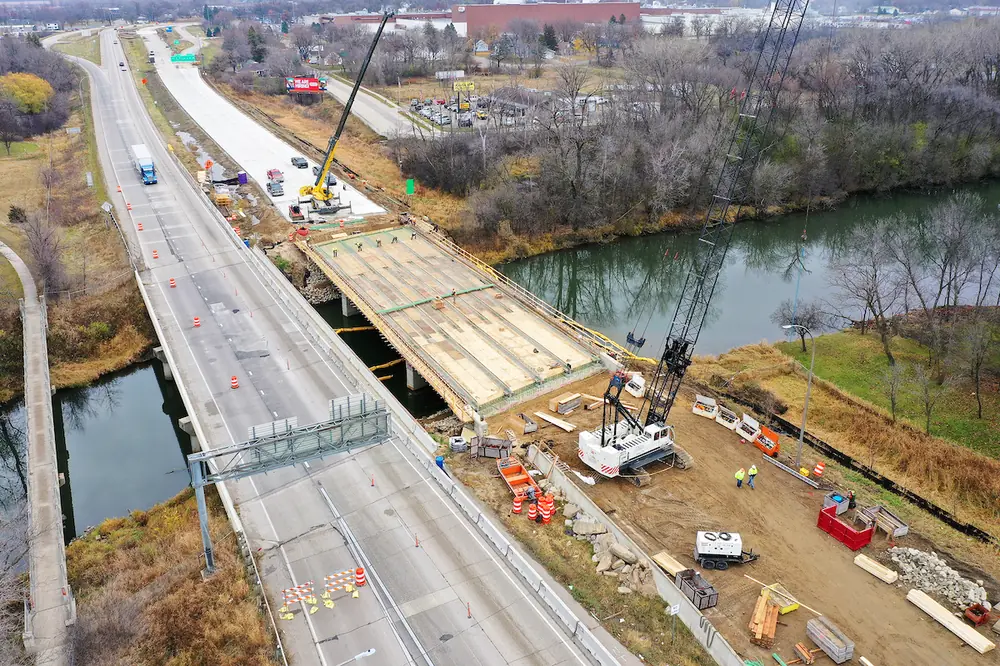
- Capitol Drive Overpass (Completed Fall 2024): The new overpass structure provides both a wider and safer roadway for pedestrians and bicyclists. Relocating the bridge piers also created space for I-41 to expand to six lanes.
- Ballard Road Interchange (Completed Fall 2025): By reconstructing the interchange as a DDI, safety and traffic have seen improvement. Improvements include bicycle and pedestrian accommodation as well as park-and-ride facility upgrades.
- Vandenbroek Road Overpass (Completed Summer 2025): The overpass reconstruction was completed as part of the I-41 corridor modernization program.
- Holland Road Overpass (Completed Fall 2025): The overpass was widened to improve bicycle and pedestrian accommodations. Bridge piers were also relocated to support the six-lane expansion of I-41.
- I-41 Ramps and Pavement Replacement (Completed Fall 2024): Ramp reconstruction and pavement replacement took place as part of a broader corridor bundle of improvements. The County N interchange will retain its current configuration, with minor turning-lane improvements to accommodate future traffic growth.
- Rose Hill Road Overpass (Completed Fall 2024): Constructed as a wider structure, the overpass provides an additional layer of safety for bicyclists and pedestrians. Bridge piers were relocated to support future mainline expansion.
- County J Interchange (Completed Fall 2025): For this segment, reconstruction included new entrance and exit ramps, pavement replacement, accommodations for bicyclists and pedestrians, and roundabout improvements designed for oversized and overweight vehicles.
- I-41 Mainline Expansion: Construction is underway to widen 23 miles of I-41 from four to six travel lanes, add auxiliary lanes, and construct collector-distributor roads between Ballard Road and WIS 441.
- WIS 96 Interchange: The southbound off-ramp reconstruction was completed in 2025 in addition to dual turning lanes and enhancements for bicyclists and pedestrians. Work is underway on reconstruction of the northbound on-ramp and construction of an auxiliary lane between WIS 96 and WIS 15.
- Gillet Street Reconstruction: Improvements include roadway and sidewalk upgrades designed to enhance safety and traffic flow. The work also includes drainage improvements and stream channel adjustments.
- WIS 47/Richmond Street Interchange: The interchange is being reconstructed as a DDI for improved traffic operations and expanded bicycle and pedestrian facilities.
- I-41/WIS 441 System Interchange: A three-level system interchange is being built, with ramps designed for safe travel at 55 mph.
- French Road Overpass: The existing overpass is being reconstructed to improve motor vehicle safety. The structure will be reconfigured under the southbound I-41 to southbound WIS 441 ramp.
- Buchanan Street Overpass: This work includes relocating bridge piers to support mainline expansion.
- Safety and Weight Enforcement Facility (SWEF) and State Patrol Headquarters: WisDOT is building a new two-story building that will house SWEF and the Northeast Region State Patrol post. A 400-foot communications tower and a 70-foot auxiliary tower are included in the construction plans.
- County U Interchange: The interchange will be converted into a diamond configuration with roundabouts. East Frontage Road will be realigned with a new roundabout installed south of the interchange.
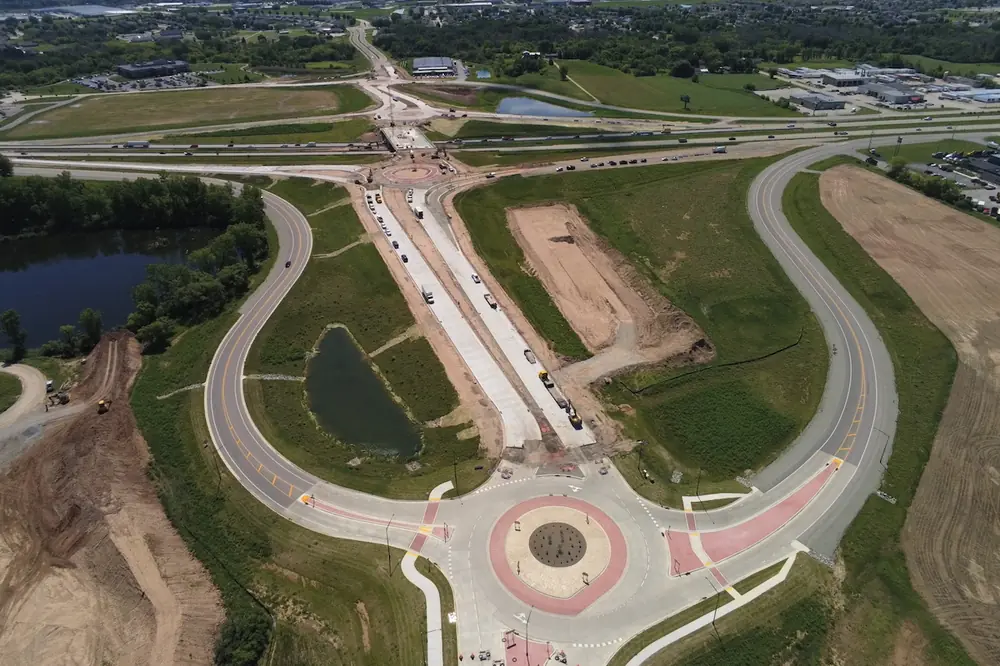
- Southbridge Road Interchange: A new surface interchange is being constructed with roundabouts and a shared-use path on the north side of Southbridge Road.
- Capitol Drive overpass completed
- Rose Hill Road overpass completed
- I-41 ramp construction and pavement replacement completed
- County N interchange improvements completed
- WIS 15 DDI completed
- Ballard Road DDI completed
- Vandenbroek Road overpass completed
- Holland Road overpass completed
- County J interchange reconstruction completed
- WIS 96 southbound off-ramp completed
- Mainline widening continues
- Auxiliary lanes constructed
- Collector-distributor roads built
- Interchange reconstructions (WIS 47, WIS 96 northbound ramp, County U, Southbridge Road)
- Overpass reconstructions (French Road, Buchanan Street)
- SWEF and State Patrol headquarters construction
- Final paving, striping, and corridor completion
- Project closeout
- Owner: Wisconsin Department of Transportation
- Prime Contractors: Michels Road and Stone Inc., Brownsville, Wisconsin; Miron Construction Co. Inc., Neenah, Wisconsin; Vinton Construction Company, Two Rivers, Wisconsin; Zignego Company Inc., Pewaukee, Wisconsin; Forward Traffic and Marking LLC, St. Peter, Wisconsin
- Designers: HNTB Corporation, Kansas City, Missouri; Jacobs, Dallas, Texas; Strand Associates Inc., Madison, Wisconsin
- Engineers: KL Engineering, Madison, Wisconsin; JT Engineering, Green Bay, Wisconsin; Graef-USA Inc., Milwaukee, Wisconsin; Ayres Associates Inc., Eau Claire, Wisconsin; EXP, Brampton, Ontario; Westwood, Plano, Texas; Kapur, Milwaukee, Wisconsin; WSP, New York, New York; McMahon, Neenah, Wisconsin; Benesch, Chicago, Illinois
- Other Contractors: P and K Flatwork, Northeast Asphalt Inc., Musson Bros. Inc., Mega Rentals LLC, Interstate Tree Landscaping, Highway Landscapers, Con-Cor Company Inc., Bodart Electric Service Inc., Patriot Fence and Construction LLC, Tough Cut Concrete Services Inc., Zenith Tech Inc., Norcon Corporation, Century Traffic LLC, Dairyland Fence Co. Inc., Pheifer Brothers Construction Co. Inc., TNT Professional Land Surveyors Inc., Soper Sewer and Water LLC, NEI Norther Electricians Inc., Joe Denoble Sewer and Water Construction Inc., Corcoran Glass and Paint, Martell Construction Inc., D7 Solutions LLC, Double D Landscape LLC, Kingdom Roofing, Tri-City Glass and Door Inc., Precision Sealcoating Inc., Homer Tree Service Inc., Mitch & Sons Excavation/Utilities, Surface Preparation Technologies LLC, West-Land Restoration Inc., Michels Trenchless Inc., Michels Construction Inc., Hi-Boom Erecting Inc., SPE Inc., Antigo Construction Inc., Sheet Piling Services LLC, Essential Sewer, Sommers Construction Co. Inc., Northway Fence, Diamond Surface Inc., Mi-Tech Services Inc., Onsite Logging, Arbor Green Inc., Century Fence Company, Relyco Plus LLC, Kuzisaso Construction, Dorner Inc., Lunda Construction Company, James Peterson Sons Inc., Trierweiler Construction & Supply Company Inc., MCC Inc., Hard Rock Sawing & Drilling Specialists, Interstate Sealant & Concrete LLC, Community Traffic Control LLC, Tough Cut Concrete Services Inc., Eide Painting & Sandblasting LLC, Geotest Inc., Smith Restorations Inc., Ram Construction Services of Michigan Inc.