BATON ROUGE, LA — The Louisiana section of the American Society of Civil Engineers (ASCE) releases the 2025 Report Card for Louisiana’s Infrastructure, assigning 10 categories of infrastructure a cumulative grade of C-. This grade is a half-notch increase from the D+ grade the state received in 2017 but below the national grade of C in the 2025 Report Card for America’s Infrastructure.
Although improvements are underway, a C- indicates that Louisiana’s built environment is not keeping pace with current and future needs, as infrastructure assets continue to age and are impacted by limited resources and increasingly frequent severe weather events.
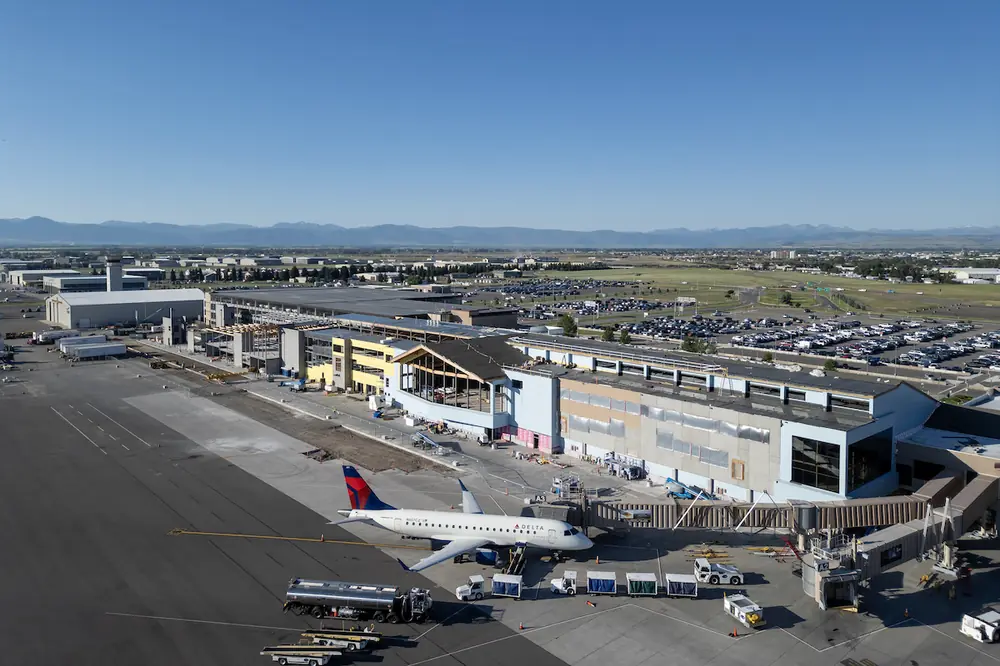
Louisiana’s aviation, coastal areas, and drinking water grades improved compared to their 2017 marks, while the state’s dams, ports, and wastewater categories decreased.
Grades for each category are below:
- Aviation, Solid Waste: C+
- Dams, Levees: C
- Coastal Areas: C-
- Bridges, Ports, Wastewater: D+
- Drinking Water, Roads: D
“We’ve endured our fair share of challenging events in Louisiana, but our communities have always come back stronger,” said Katherine Castille, PE, ASCE Louisiana Section President. “The people of Louisiana require infrastructure networks that are as resilient as the people they serve, to keep families safe and businesses operational. The improved grade in this report demonstrates the hard work our public and private sectors have done to modernize our built environment, but we know Louisiana is capable of far better than a C- when provided additional resources and a dedicated workforce.”

| Your local Yanmar dealer |
|---|
| WPI |
| CLM Equipment Co |
Louisiana has experienced 36 extreme weather events over the past decade that have led to $200 billion in damage across the state. Some infrastructure sectors have made strides combatting these stressors by modernizing assets with resilient materials and designs, along with implementing nature-based solutions. However, available funding is insufficient for safeguarding all infrastructure and the communities it serves, and critical data is lacking that could guide the best use of limited funds.
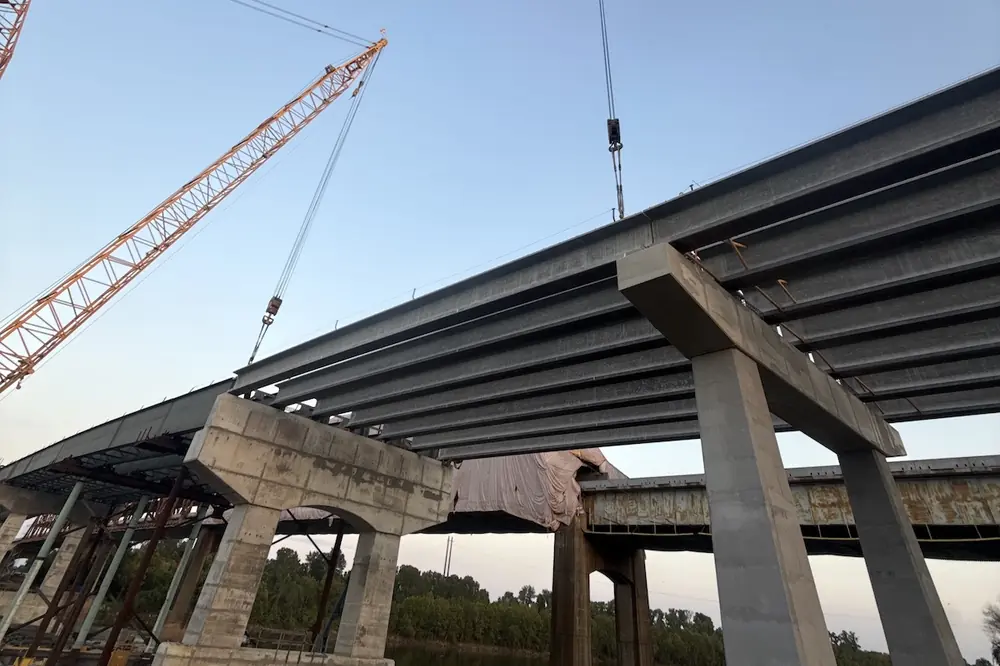
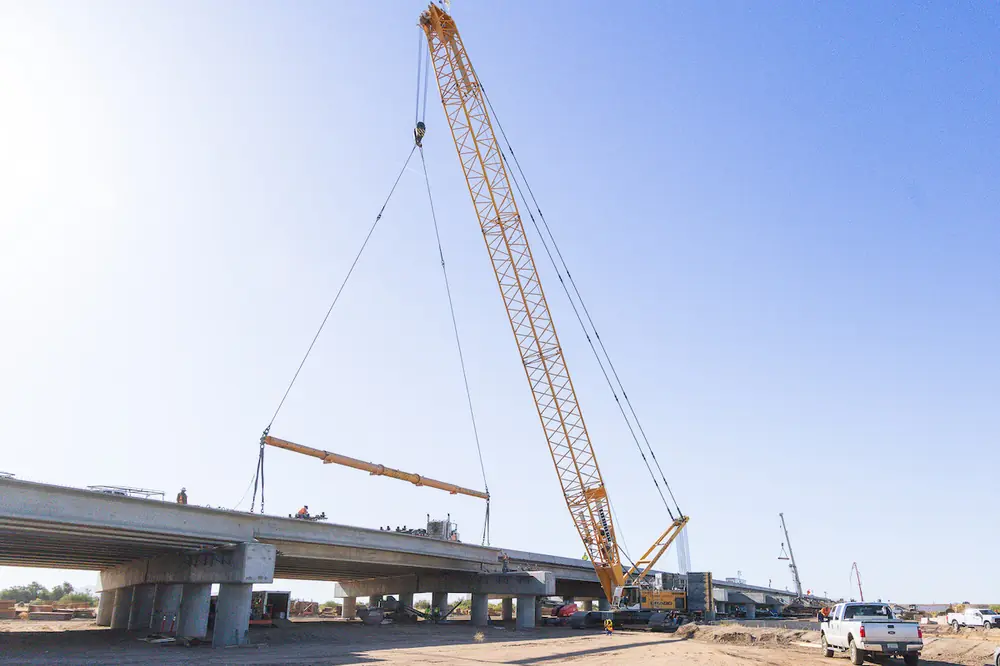
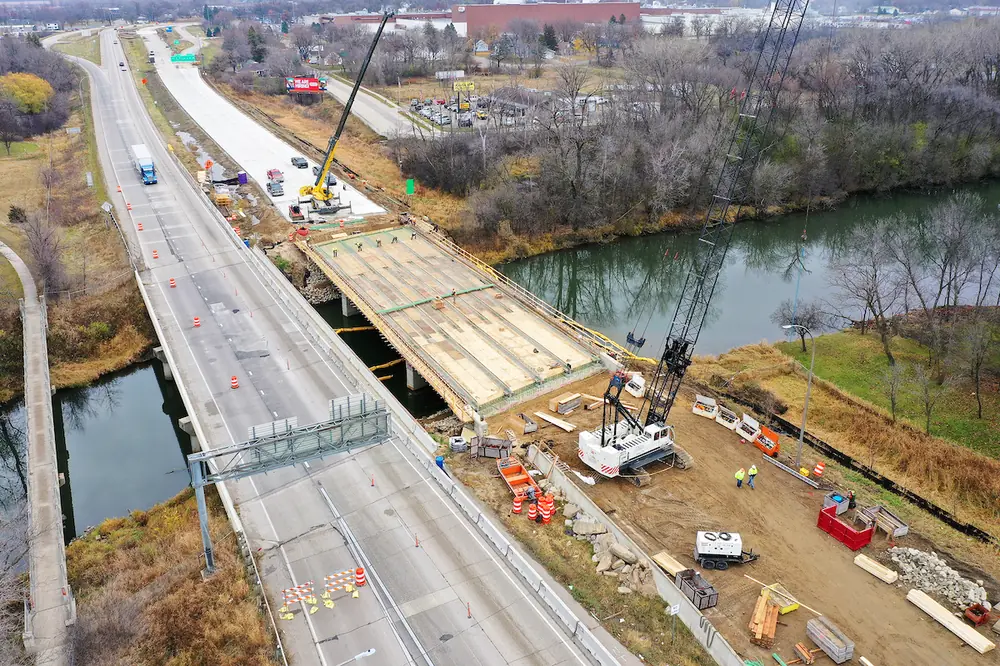
More than 11 percent of the state’s bridges (D+) are in poor condition, nearly double the national average, and Louisiana faces a funding gap of more than $9 billion for maintenance and capital improvement projects. Roads (D) have also incurred a $24 billion maintenance backlog, and traffic congestion has surged by 13 percent since 2017. Louisiana has the 14th-highest motor vehicle fatality rate in the nation per vehicle miles traveled. The state has initiated improvements, including the Louisiana Department of Transportation Development (DOTD) mitigating precipitation challenges by improving culverts to address flood flow capacity and strengthening evacuation routes. The federal Infrastructure Investment and Jobs Act provided Louisiana an additional $5 billion for its roads and bridges, but the law expires in 2026.
About one-third of the state’s parishes are at risk of saltwater intrusion in their drinking water (D) infrastructure networks, which reduces capacity. Over half of the water infrastructure was built before 1960, prior to the current understanding of resilient design standards and threats posed by emerging contaminants. Due to persistent lack of funding over the course of several decades, Louisiana’s water systems face a $9 billion investment backlog. Issues with many systems are unable to be addressed until a failure necessitates repair and/or replacement, which is costlier than addressing maintenance issues before a failure.
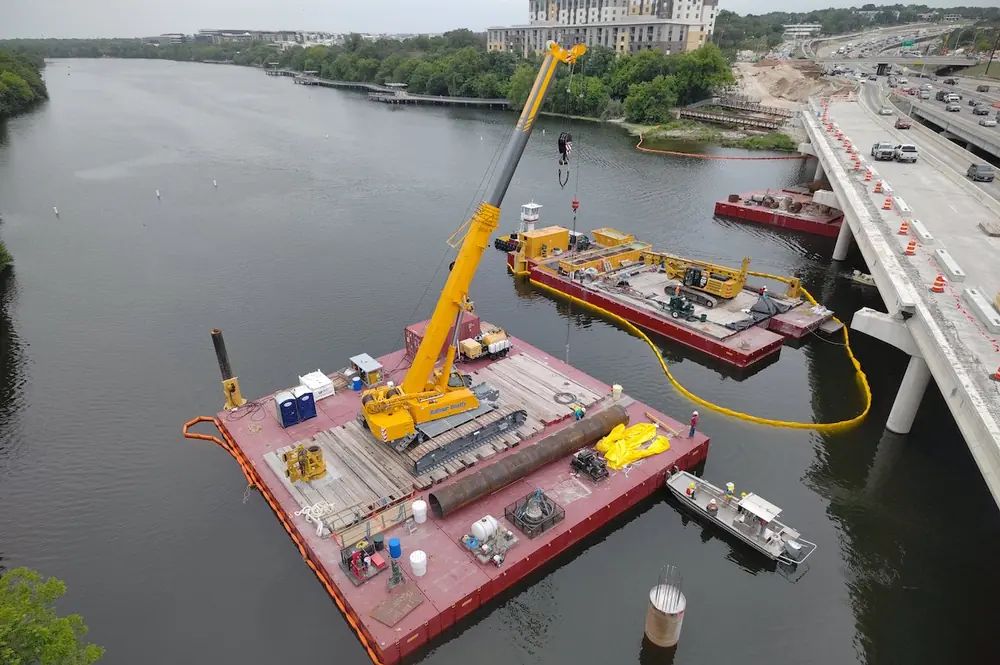
The state has increased investments in coastal areas (C-) to $1.62 billion annually to combat coastal erosion, which poses major risks to oil and gas infrastructure. Two million residents live in coastal Louisiana, relying on wetlands for storm protection. While more than 150 projects have been completed, millions of acres still require restoration, and future funding is uncertain due to the expiration of Deepwater Horizon settlement funds in 2031.

| Your local Trimble dealer |
|---|
| Kirby-Smith Machinery |
| WPI |
Dams decreased to a C grade, as only 4 percent of the state’s 693 dams are in satisfactory condition. Compared to 2017, operation and maintenance performance has declined, with owners addressing 5 to 10 percent fewer maintenance needs. Further, when a private dam owner is notified of a deficiency, fewer of them are taking corrective action, which is the main driver of the grade decrease.
The report card was created as a public service to inform citizens and policymakers about the infrastructure needs in Louisiana. A team of Louisiana ASCE volunteers researched, analyzed, and graded the infrastructure areas composed in this report card. Their work was reviewed by an ASCE national committee. Civil engineers use their expertise and school report card-style letter grades to condense complicated data into an easy-to-understand analysis of Louisiana’s infrastructure network. ASCE state report cards are modeled after the Report Card for America’s Infrastructure, which is released once every four years. The 2025 Report Card for America’s Infrastructure assigned America’s infrastructure a C grade, the highest national grade in the report card’s history.