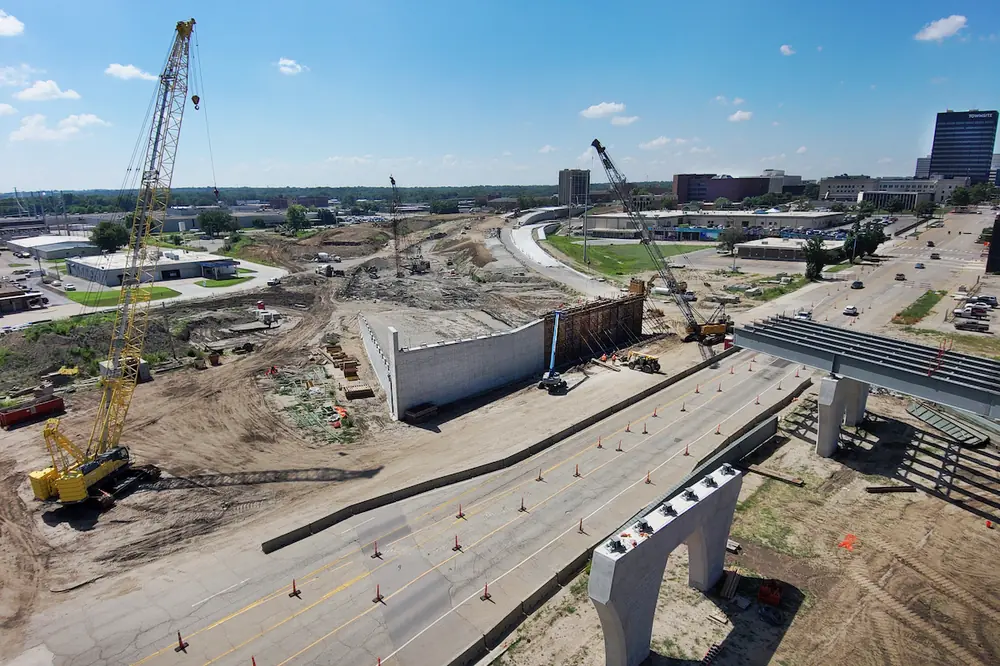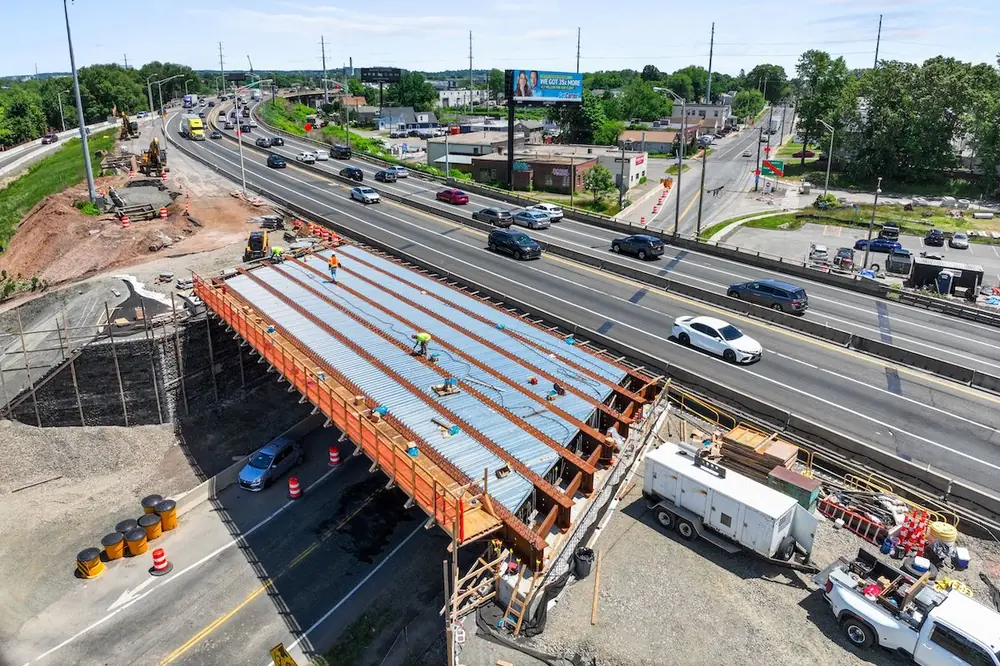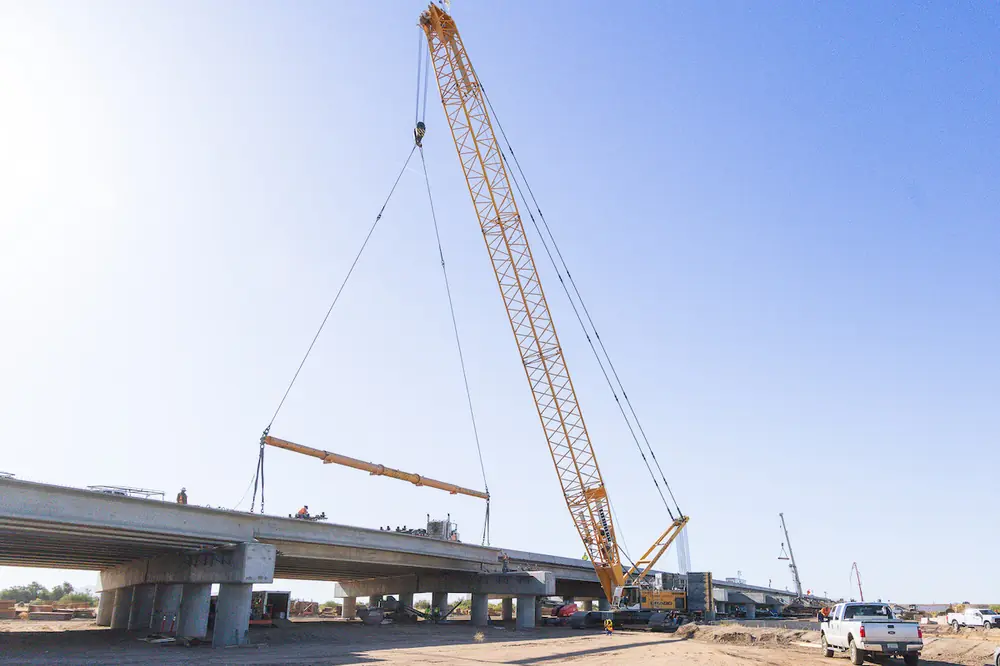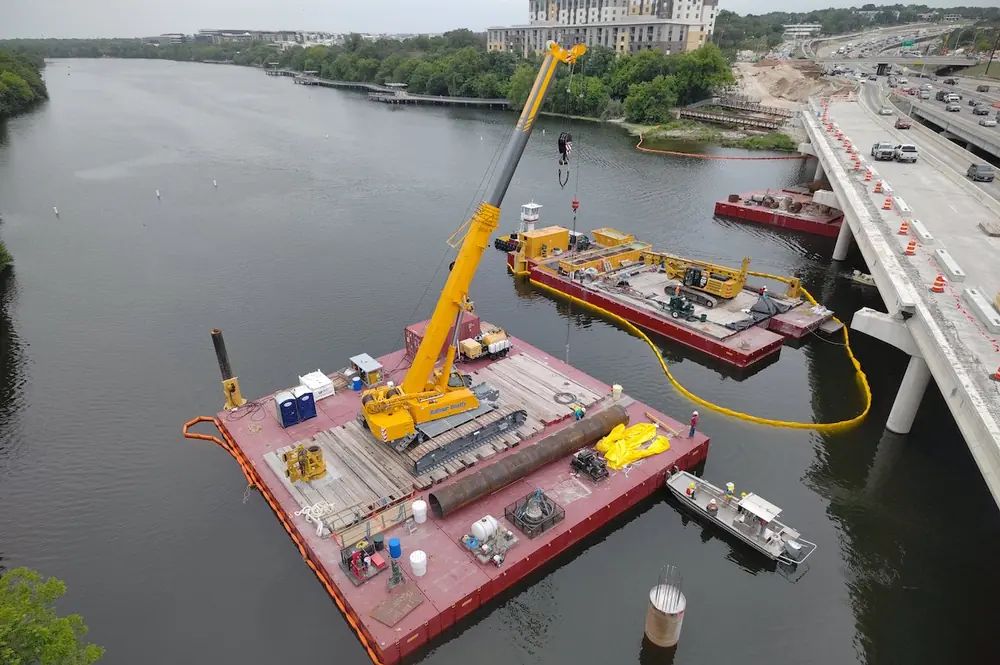


Contractors can win the right jobs, field a skilled crew, and still find themselves in a financial crunch that stops growth cold.
It happens to well-run companies more often than the industry likes to acknowledge. The work is there, but the invoices are stuck in an approval cycle, the subcontractor payment is running late, and nobody on the finance team has a clear picture of where the cash actually stands at multiple active job sites.
Financial visibility is the operational backbone of a construction business. When it’s healthy, projects move and growth is possible. When it falters, even capable contractors find themselves making decisions under pressure they shouldn’t have to face.
Understanding why problems develop, and what the most disciplined contractors are doing to prevent them, is worth the attention of any finance or operations leader.
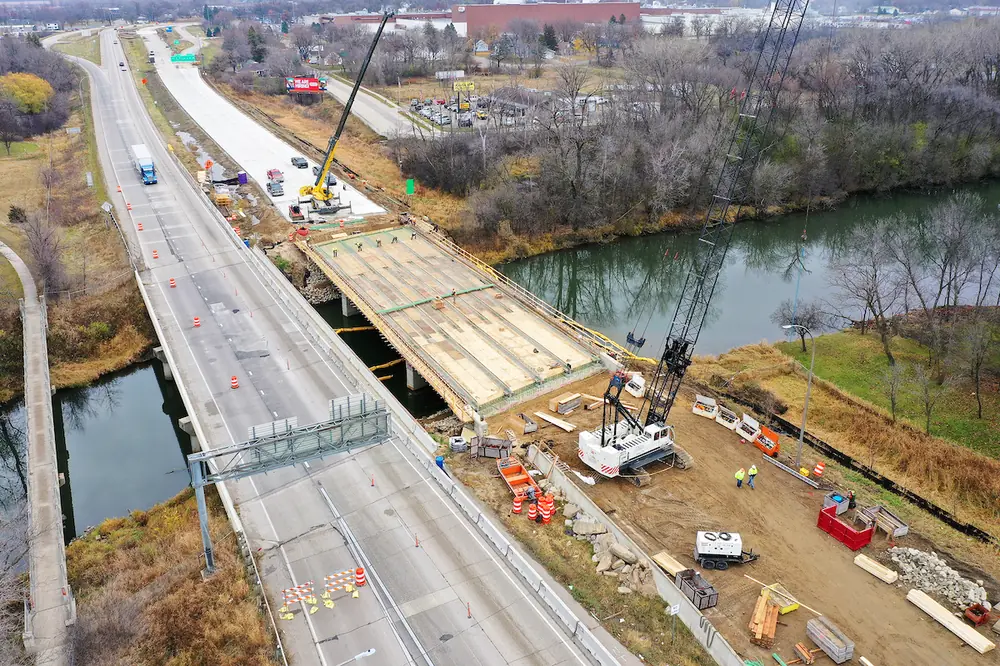
The financial structure of heavy civil work creates pressures that contractors in other sectors don’t face to the same degree. Projects run long, and payment cycles are tied to milestone billing and owner approval processes that can stretch weeks beyond actual completion. Subcontractors and material suppliers need to be paid on schedules that rarely align neatly with when owner payments arrive. A single delayed pay application on a large project can ripple through an entire month of operations.

| Your local Trimble Construction Division dealer |
|---|
| SITECH Mid-South |
Multisite complexity makes things worse. When a contractor is running three or four jobs simultaneously, each with its own subcontractor roster, equipment commitments, and billing schedule, the administrative load on a finance team grows quickly. Invoices arrive from dozens of vendors in different formats. Purchase orders get created in the field and reconciled in the office days later — if at all.
Without standardized processes and real-time visibility into what’s been committed and what’s been paid, the finance team is perpetually catching up.
Fraud exposure is another risk that heavy civil contractors tend to underestimate. High transaction volumes, multiple active vendor relationships, and overextended accounting teams create conditions where duplicate invoices, billing irregularities, and payment misdirection can go undetected for months. By the time they discover the problem, recovering the loss is difficult and the damage to vendor relationships and internal controls is already done.
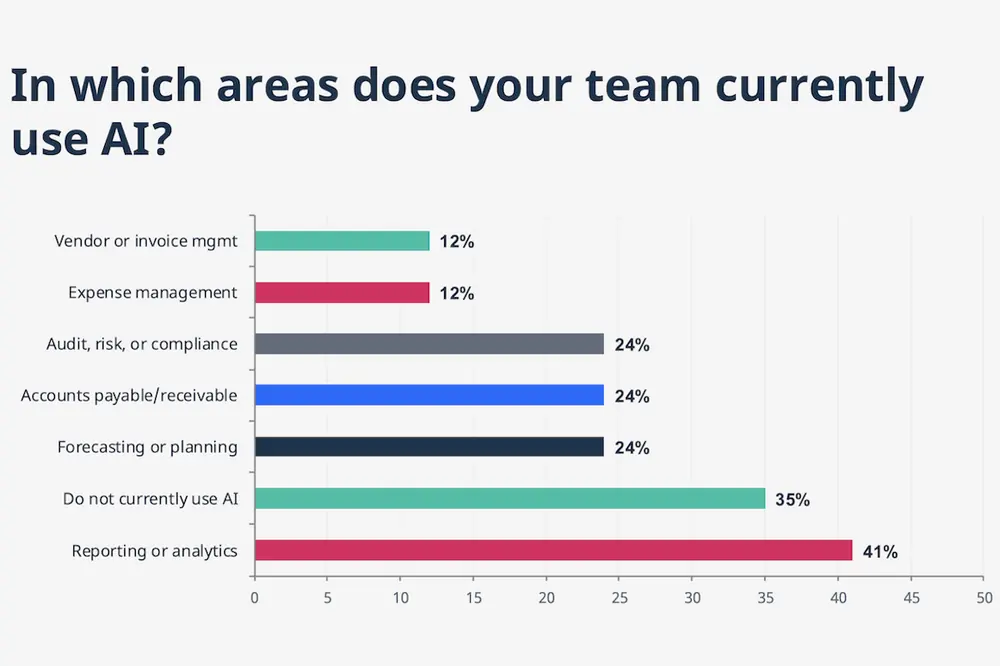
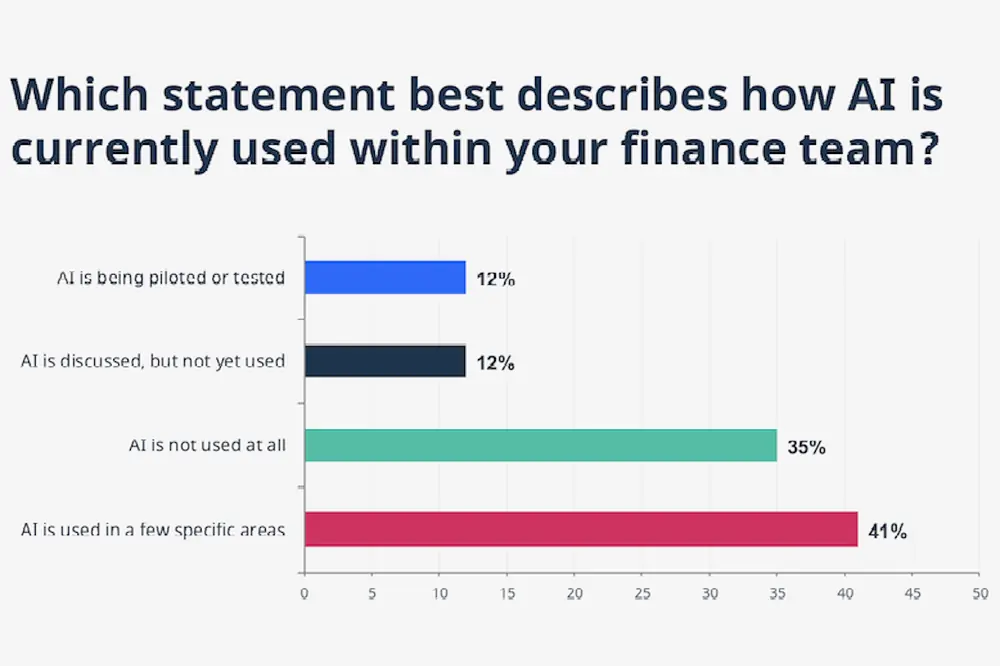
The Yooz 2026 AI in Finance Report, which surveyed finance professionals across industries including construction, offers a snapshot of where construction finance teams are in their operational development. The construction-specific findings come from a subset of respondents and should be read accordingly, but the patterns they reveal are consistent with what contractors experience on the ground.

| Your local Volvo Construction Equipment dealer |
|---|
| Richmond Machinery & Equipment |
More than half of construction finance teams surveyed say they’re using or piloting AI-powered tools. Confidence is rising, with 59 percent saying they feel more capable with these tools than they did a year ago, slightly above the broader finance average. The forward-looking outlook is strong, with 59 percent expecting their teams to be more advanced within a year.
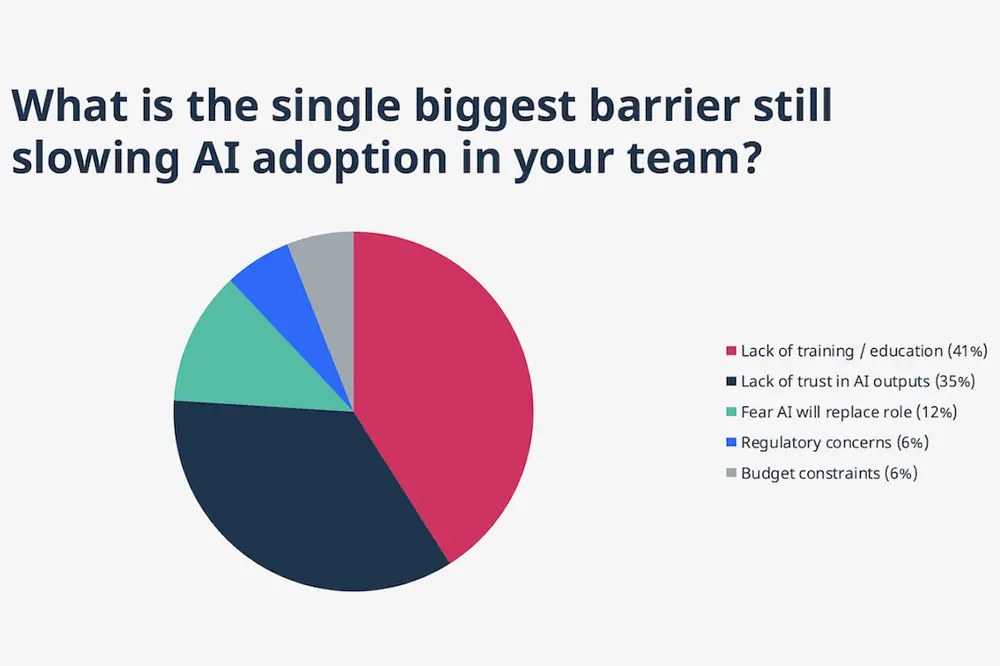
So, what’s holding progress back? In my experience working with finance leaders in this sector, it’s the foundational element. The data backs this up. More than three out of four construction finance respondents point to either lack of training (41 percent) or lack of trust in AI outputs (35 percent) as the primary barrier to deeper adoption.
The obstacles are internal and operational, which means they’re solvable.
The report also found that 65 percent of construction respondents say AI hasn’t yet become critical to their day-to-day work, compared to 45 percent in all industries. There’s plenty of room for construction teams to move from early experimentation into workflows where the financial impact is real and measurable.

| Your local Komatsu America Corp dealer |
|---|
| Linder Industrial Machinery |
Regardless of where a contractor stands on technology adoption, certain practices consistently distinguish the teams that manage financial operations well from those that struggle.
Standardize Invoice Entry
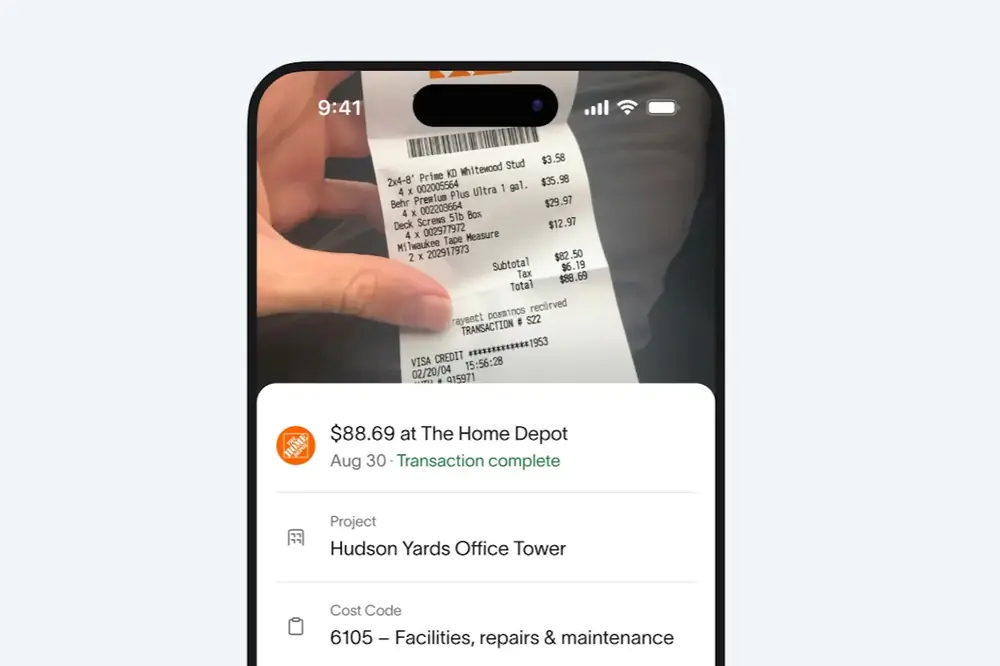
The first practice is standardizing how invoices enter the accounting process. In many construction finance operations, invoices arrive by email, mail, text photo, and hand delivery — and each one takes a different path to approval.
When the intake process is inconsistent, things get lost or delayed, and the finance team can’t build an accurate picture of what the company owes and when. Defining a single, standard path for invoice submission, even a simple one, reduces the processing backlog and makes approval cycles more predictable.
Tighten Connections
The second practice is tightening the connection between purchase orders, job cost coding, and invoice approval.

| Your local Topcon Positioning Systems Inc dealer |
|---|
| Linder Industrial Machinery |
In heavy civil work, the volume of material and subcontractor commitments is high, and the margin for coding errors is low. When a purchase order is approved in the field but doesn’t make it into the accounting system until an invoice arrives two weeks later, the finance team loses its ability to track committed costs in real time.
Getting purchase orders into the system at the point of commitment, with accurate job cost codes attached, is foundational to better visibility.
Consistently Maintain Vendor Data
The third critical practice is building vendor data discipline. Duplicate payments, incorrect bank routing information, and payments sent to outdated addresses typically stem from vendor records that aren’t maintained consistently.
Establishing a clear process for onboarding new vendors, verifying banking information, and updating records when vendors make changes is a basic control that pays for itself the first time it prevents a misdirected payment.

| Your local Bomag Americas dealer |
|---|
| Linder Industrial Machinery |
Nearly half (47 percent) of construction finance respondents agreed that their peers are further ahead with AI-powered financial tools than they are. More than half (53 percent) agreed that teams that delay will struggle to keep up. The awareness of competitive pressure is motivating action.
That’s why it’s important to start building the operational foundation now with standardized invoice workflows, accurate job cost tracking, reliable vendor data, and real-time visibility. The technology performs best when the underlying process is consistent.
Lack of financial visibility hurts business performance. It needs to be a companywide discipline, with finance in a position to see and report on the whole picture in real time. That visibility is what allows a contractor to grow with confidence rather than grow into risk.
Graphics courtesy of Yooz 2026 AI in Finance Report: Construction Industry Spotlight
| Your local Trimble Construction Division dealer |
|---|
| SITECH Mid-South |
John Gronen is the Chief Financial Officer of Yooz. He has over two decades of experience in financial leadership, strategic planning, and operational efficiency.