RALEIGH, NC — The North Carolina Section of the American Society of Civil Engineers (ASCE) releases the 2026 Report Card for North Carolina's Infrastructure, assigning seven categories of infrastructure a cumulative grade of C-. Record levels of federal investment and increased state funding mechanisms are helping infrastructure networks meet the needs of a growing population. However, existing funding gaps due to past decades of underinvestment, rising demands of aging assets accommodating more users, and increasingly frequent extreme weather events like Tropical Storms Helene and Chantal are putting strain on the state’s infrastructure network, leading to the C- grade.
Grades for each category are below:
- Drinking Water: C+
- Aviation, Bridges, Roads, Stormwater: C-
- Dams, Wastewater: D+
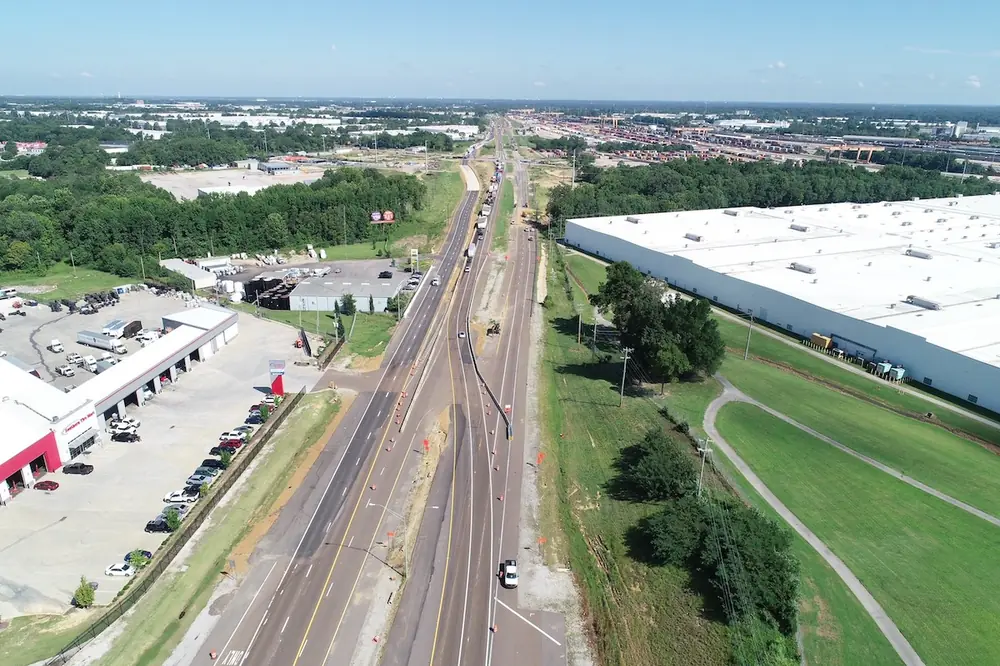
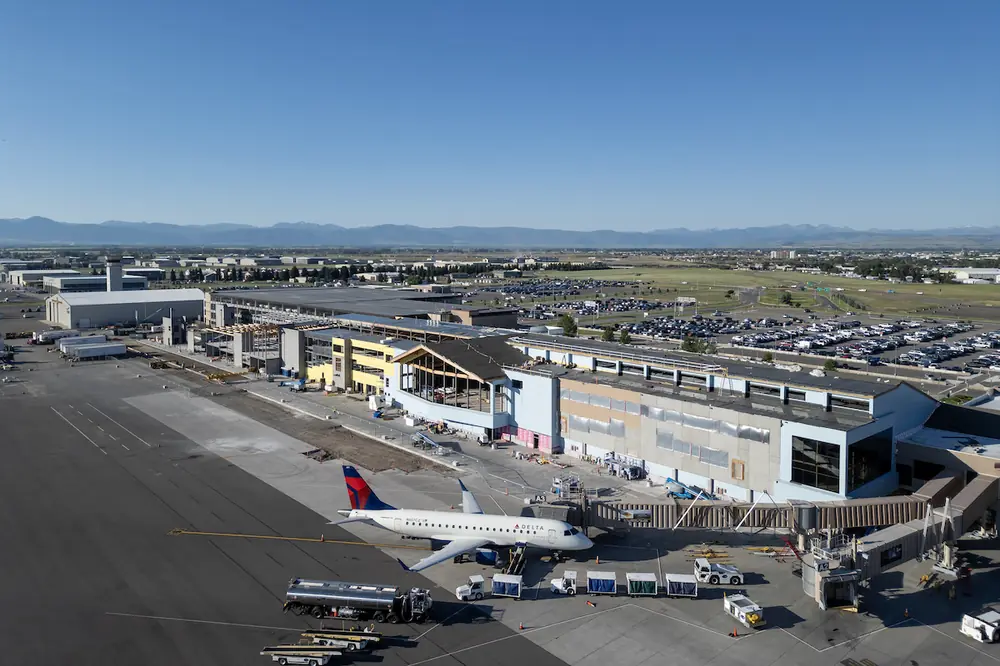
North Carolina’s rising population is generating increased revenue from user fees but also driving more wear and tear for infrastructure assets that have already reached their intended design life spans. Vehicle miles traveled rose from 122 million in 2019 to 127 million in 2024; larger wastewater plants are now operating at more than half of their design capacities; and passenger volumes have nearly doubled over the last 15 years at airports like Raleigh-Durham. Each sector is working to expand capacity, address maintenance backlogs, and modernize existing assets to be more weather-resilient.
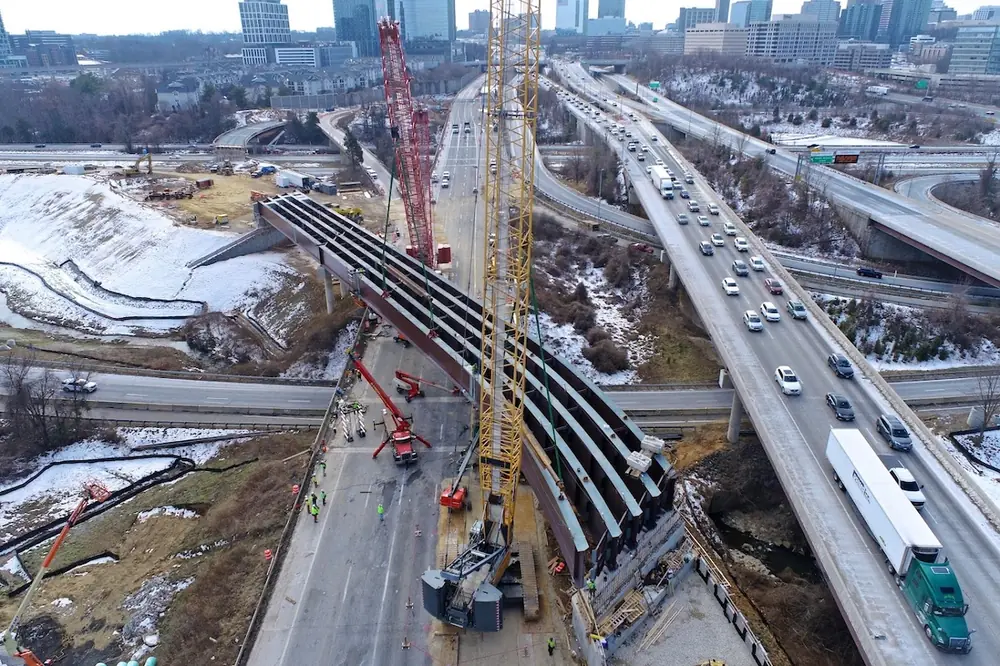
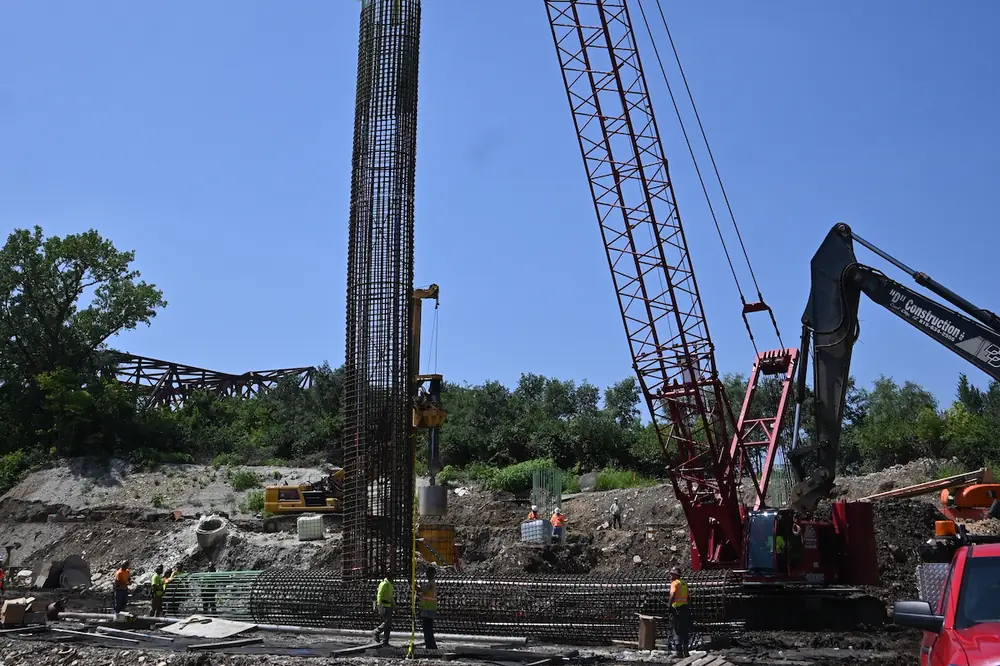
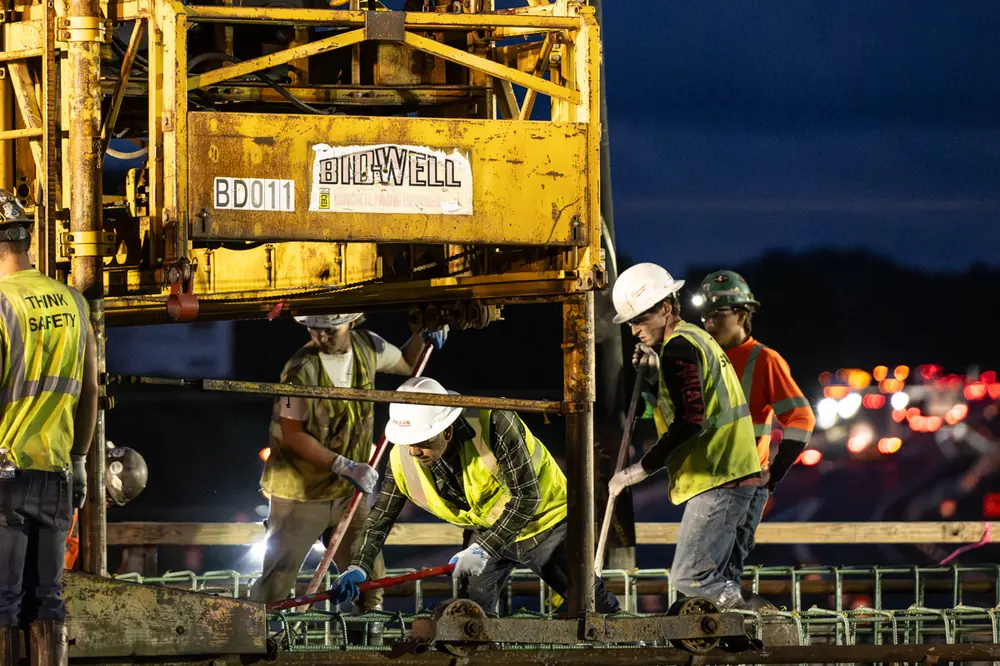
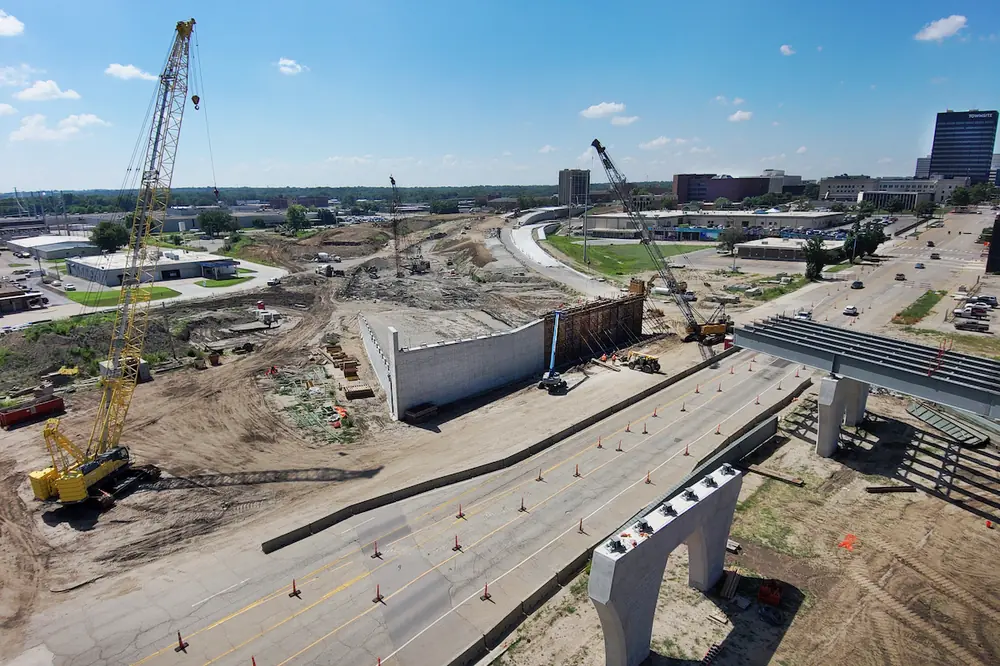
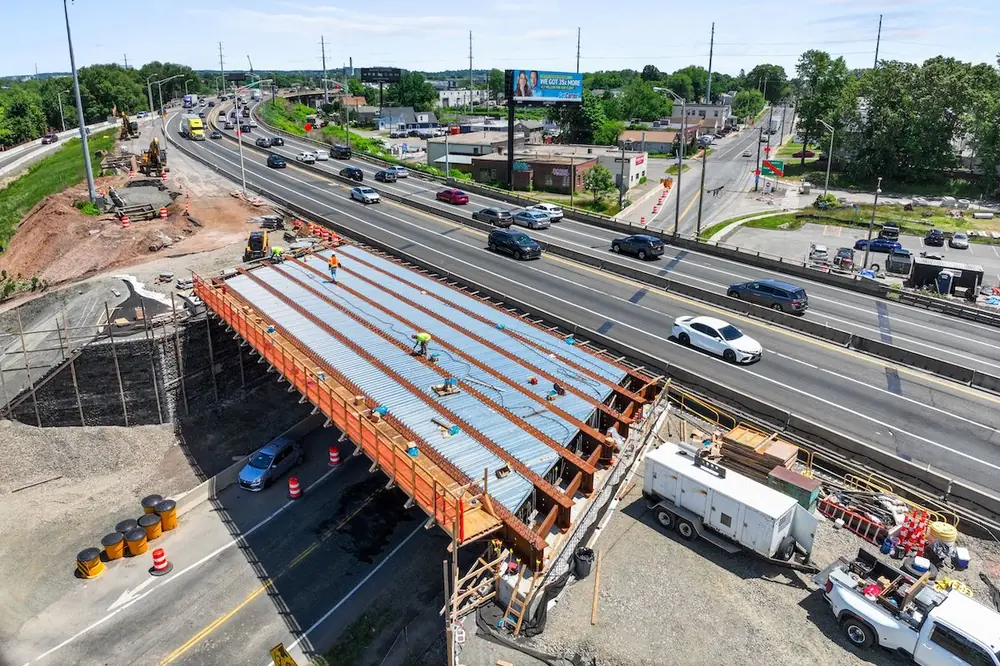
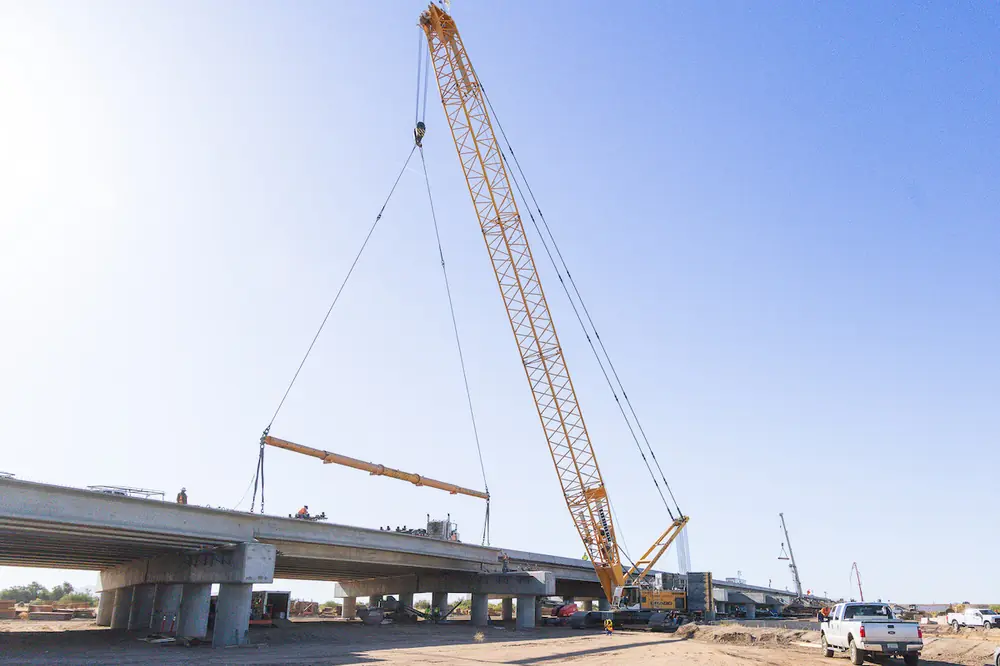
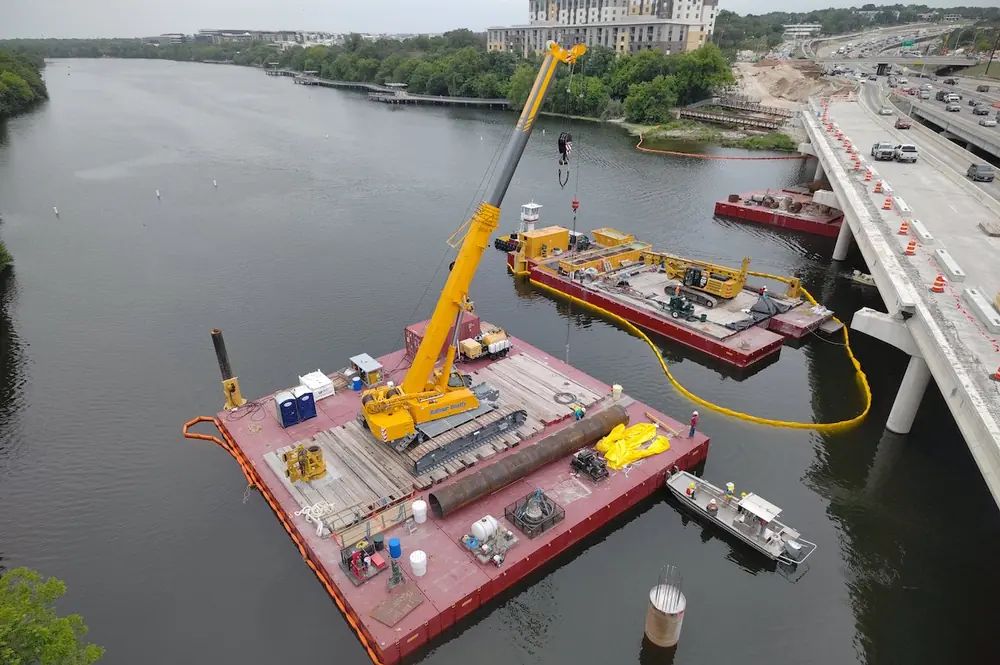
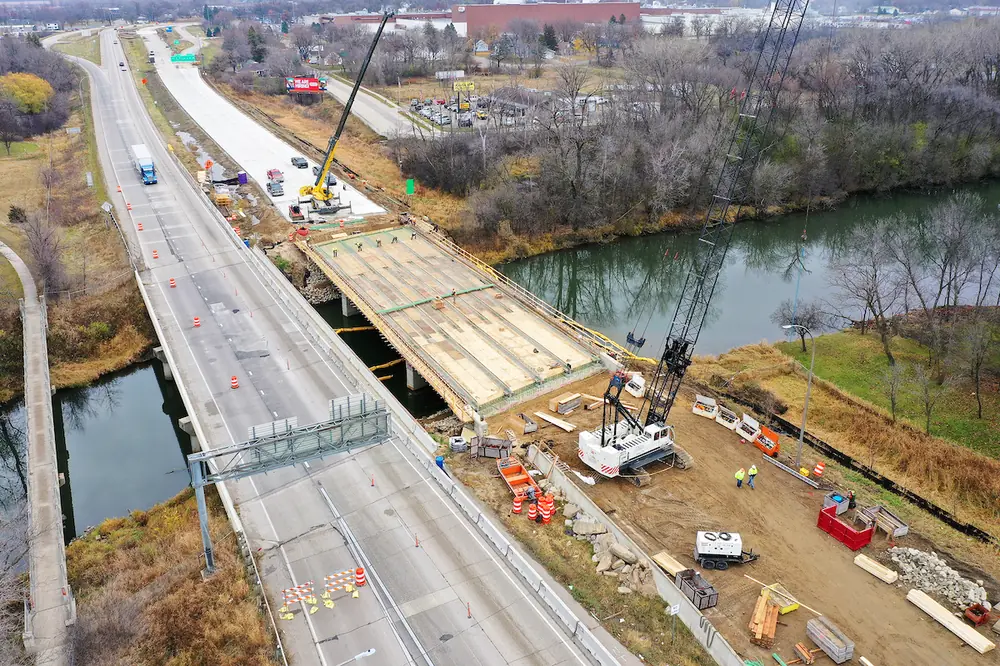
The state’s bridge (C-) network has improved significantly over the last decade. More than 22 percent of bridges were in poor condition a decade ago, yet only 8 percent are in poor condition now, due in large part to the North Carolina Department of Transportation’s annual bridge funding level rising from $150 million in fiscal year 2015 to $482 million in fiscal year 2025. Roads (C-) have only 1.5 percent of non-interstate lane miles in poor condition. Additionally, more than $7.2 billion has been allocated to North Carolina’s transportation networks from the 2021 Infrastructure Investment and Jobs Act, the largest federal investment in U.S. infrastructure in history. However, the state’s mountainous and coastal geography adds challenges to maintaining this network, and extreme weather has damaged aging assets.

| Your local Topcon Positioning Systems Inc dealer |
|---|
| Linder Industrial Machinery |
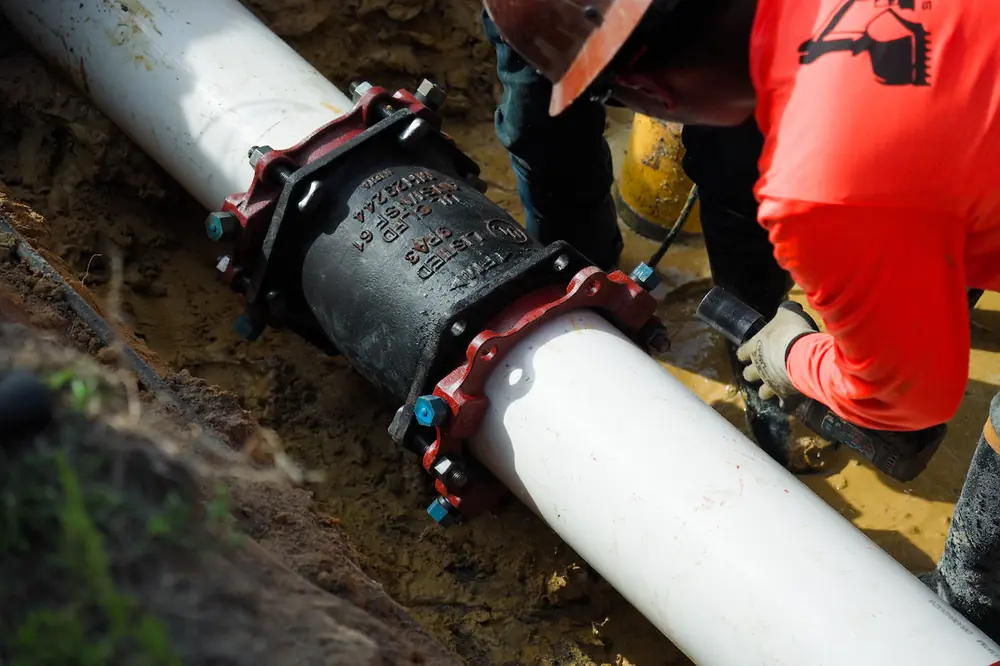
Drinking water (C+) systems are aging rapidly, with some pipelines dating back to the 1930s to 1950s. PFAS, PFOA, and other harmful “forever chemicals” are becoming more prevalent in parts of the state, requiring utilities to adopt more advanced — and costlier — treatment processes. North Carolina benefits from having one of the lowest inventories of lead service lines in the country, protecting the health of residents from potential lead exposure. North Carolina’s wastewater (D+) networks have received a major influx of investment in recent years — more than $6 billion in state and federal resources between 2021 and 2023 — but needs surpass $12 billion as systems age and leaks become increasingly common. Major storms have also strained water networks.