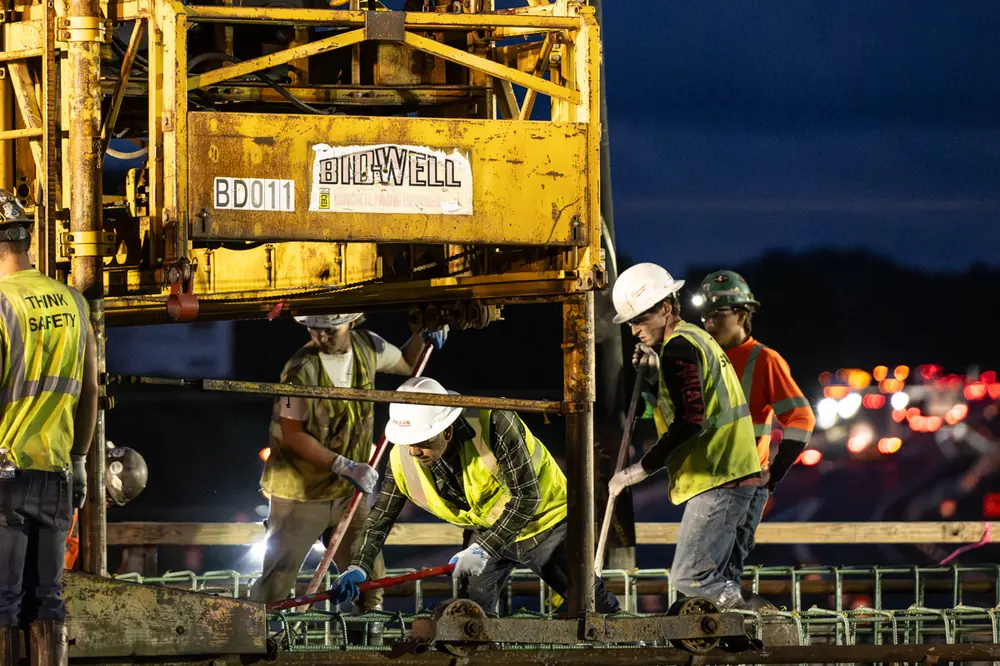
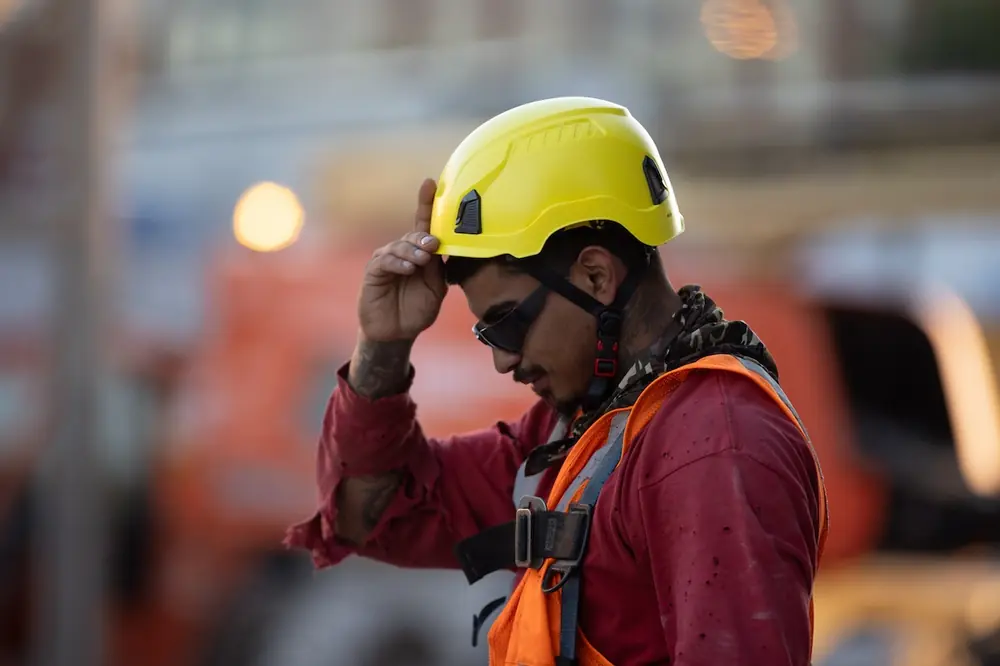
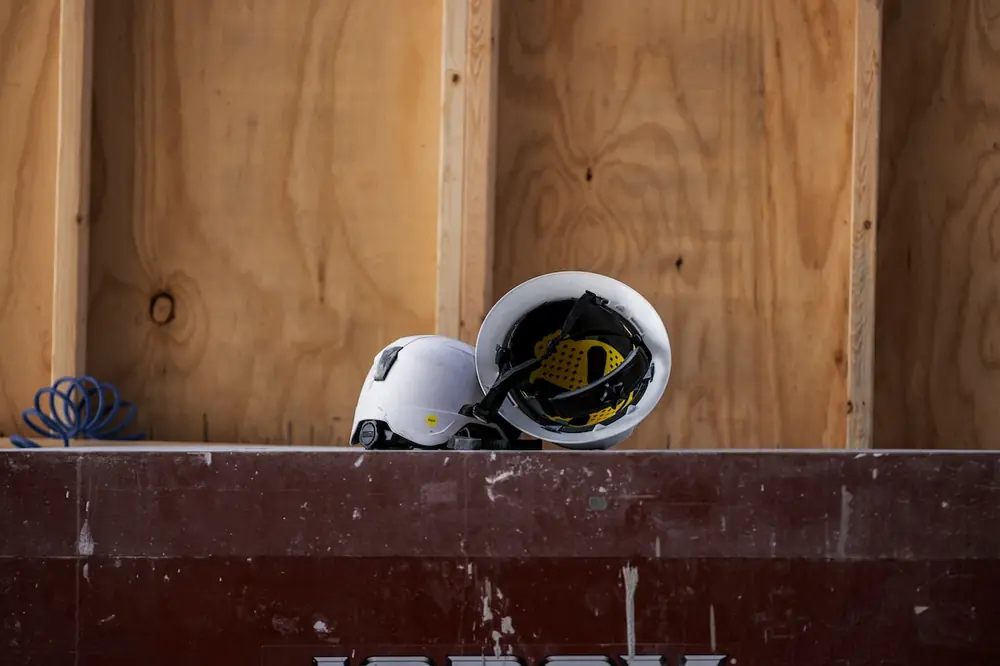

Every fall, trip, and dropped tool could be a worker facing a life-altering accident.
The construction sector continues to rank among the most dangerous industries for fatal falls and traumatic brain injuries (TBIs). Between slips off scaffolds, trips over tools, and falling objects from above, head protection acts as one of the most critical safeguards when such accidents occur.
But here’s the gap: while construction sites are inherently associated with risks, head protection isn’t always keeping pace. Many of the hard hats on shelves today are based on designs that are over a century old. They’re built to mainly handle direct hits from above, but not the angled impacts that can introduce rotational motion, dangerous forces that can lead to concussions or TBIs even when the fall or strike seems minor.
Helmets designed to help reduce rotational motion — whether Type I or Type II — allow you to support employees in addressing head-injury risks while strengthening overall safety programs.
Slips, trips, and falls are a leading cause of lost workdays across construction. They also account for nearly half of all TBI-related hospitalizations, according to the U.S. Centers for Disease Control and Prevention. When workers fall, the head commonly hits the ground at an angle, rather than exactly straight, which exposes the brain to rotational motion.

| Your local Trimble Construction Division dealer |
|---|
| SITECH Mid-South |
Rotational motion can be dangerous and may contribute to shearing and/or stretching of brain tissue, which could increase the risk of both minor and more severe brain injuries. Research shows that the brain is more sensitive to rotational forces than linear ones. A low-energy impact that might not look bad could result in injury as rotational motion is introduced.
Yet most traditional helmets are mainly designed to account for linear impacts. This means they may provide limited protection against the angled impacts that can cause rotational motion to act on the head and brain during many real-world accidents.
While reducing injuries is a general concern, contractors are also under pressure to keep projects on track. The cost of injuries can be steep. U.S. companies pay over $1 billion per week in direct workers’ compensation for disabling and non-fatal injuries, according to OSHA estimates.
When contractors calculate bids and margins, safety is not just about compliance but also business success.

| Your local Topcon Positioning Systems Inc dealer |
|---|
| Linder Industrial Machinery |
Beyond meeting regulations, helmets that address real-world risks can support both worker safety and project performance. Reducing the risk of injury can help minimize downtime, avoid unplanned disruptions, and protect productivity and health on the job site.
It can also help workplaces stay ahead of evolving safety expectations. In recent years, OSHA has updated head protection recommendations for its own employees, shifting from hard hats to helmets with chin straps and more impact coverage. The International Safety Equipment Association recently released an updated standard that adds new optional testing criteria.
Contractors evaluating their personal protective equipment programs today may be better positioned as industry practices continue to evolve.
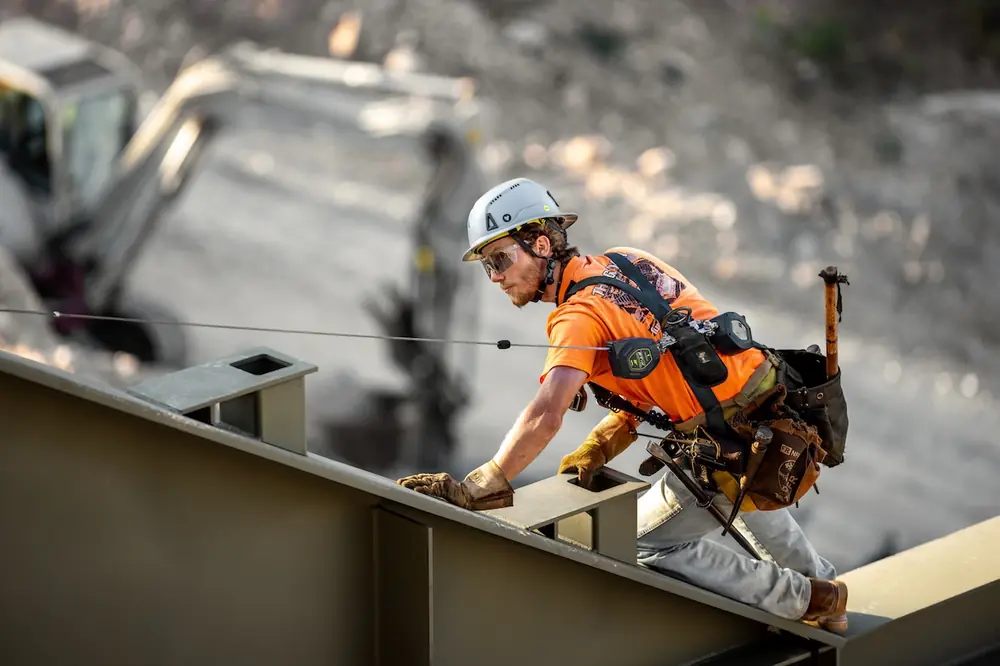
Modern industrial helmets — Type I or Type II — may incorporate additional technology to help address rotational motion. One such technology includes an inner layer engineered to allow the helmet to move relative to the worker’s head in certain impacts. This movement is designed to help redirect the rotational motion that may otherwise be transferred to the head and brain.

| Your local Volvo Construction Equipment dealer |
|---|
| Richmond Machinery & Equipment |
The functionality is simple, but the impact can be significant. Helmets with such technology don’t require new training or complicated use; they fit and wear like the helmets workers are already familiar with. The difference is in how they respond on impact.
By adopting helmets with more advanced features, contractors can provide workers with solutions that help address real contributors of TBIs. It’s an upgrade for peace of mind — not just for safety managers but for the workers climbing ladders and scaffolds every day.
Contractors evaluating a move from traditional hard hats to helmets with additional protective technologies often focus on the upfront cost. The broader consideration should be the potential cost of a serious industry.
Key factors include:
- Most impacts don’t happen straight down; they happen at an angle.
- Traumatic brain injuries often stem from rotational motion caused by angled impacts, more so than from direct vertical impacts.
- Lost time and liability from one serious head injury can outweigh the cost of upgrading every worker’s helmet.

| Your local Bomag Americas dealer |
|---|
| Linder Industrial Machinery |
Aligning safety with business objectives brings a fuller perspective on the investment.
Slips and trips aren’t going away. Neither are scaffolds, ladders, or the risks that come with them. But contractors can play a critical role in reducing the toll accidents take by equipping workers with head protection designed for the realities of the job site.
Adopting smarter helmets isn’t just about upgrading PPE. It’s about giving your employees a practical solution to help address one of their biggest risks.
Worker safety starts with selecting equipment designed for everyday risks. When workers have access to helmets designed for job site realities, everyone from the employee on the ladder to the contractor responsible for the project stands to benefit.

| Your local Komatsu America Corp dealer |
|---|
| Linder Industrial Machinery |
Joe Brandel is Business Development Manager for Mips.