

Construction demands sustained attention, precise coordination, and disciplined execution in environments dominated by high-energy hazards. Our industry has invested heavily in controlling the physical risks we can see and touch. Yet one of the most consequential risk factors on the job site often goes unmeasured and unmanaged: fatigue.
Fatigue is best understood as a biological drive for recuperative rest. According to reports from the National Safety Council (NSC), when that need goes unmet, the result is measurable degradation in cognitive and physical performance — including slower reaction time, impaired decision-making, and reduced vigilance. These impairments are directly linked to increased incident risk.
NSC research also shows that 13 percent of workplace injuries can be attributed to fatigue, and surveys of construction workers have found that 100 percent carry at least one risk factor for on-the-job fatigue.
For an industry built on safety-first thinking, those numbers deserve our full attention.
Fatigue is not a character flaw or a matter of toughness. It results from the interaction of three primary factors that work together to erode performance capacity.

| Your local Atlas Copco CMT USA dealer |
|---|
| Closner Equipment Co Inc |
| Cooper Equipment Co |
| Bane Machinery |
| Central Texas Equipment |
| Romco Equipment Co |
Sleep Requirements
Sleep loss and extended wakefulness build the drive for rest. Both acute and chronic sleep restriction impairs performance, and the deficits accumulate quietly across consecutive workdays. A worker who shaves an hour or two off sleep each night may feel functional, but the cumulative debt steadily degrades judgment and reaction speed without any obvious warning.
Circadian Influences
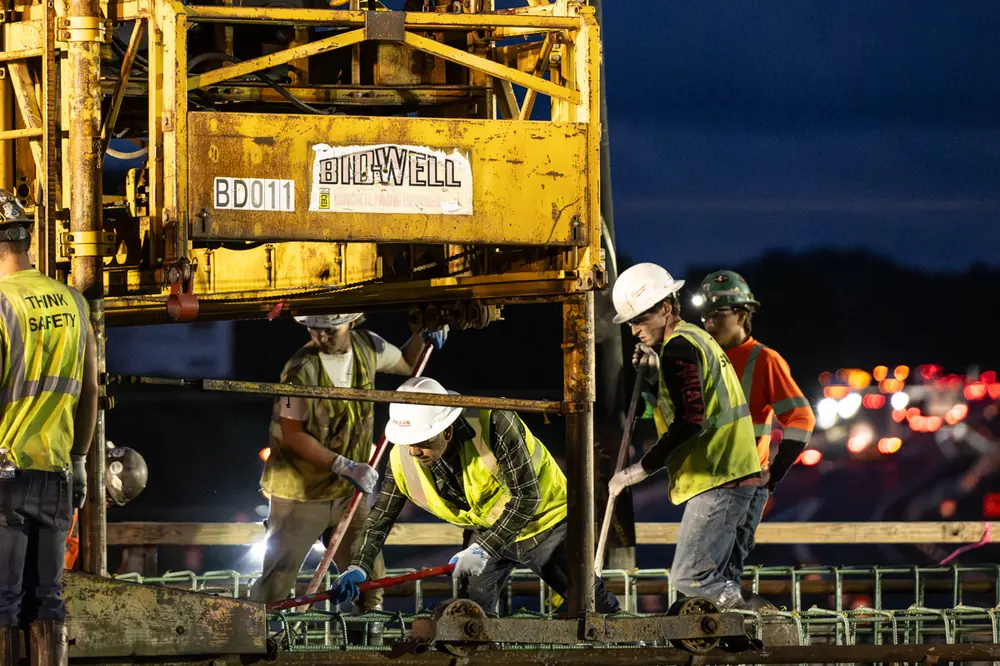
Human alertness follows a 24-hour biological rhythm, with peak fatigue occurring during nighttime and early morning hours. Accident rates climb significantly during the hours when the body expects to be asleep, and the cumulative fatigue produced by repeated sleep restriction compounds the effect. When a crew works through the night or early morning, the body is fighting its own clock at the exact moment precision matters most.
Task Demands
Monotonous tasks and high-workload conditions both reduce alertness and increase mental strain, but through different mechanisms. Repetitive work dulls attention over time, while heavy cognitive or physical loads drain reserves faster. Construction work frequently delivers both within a single shift.
Fatigue does not cause incidents directly. Instead, it degrades the precise functions that safe construction operations depend on: reaction time and coordination, attention and vigilance, decision-making ability, and situational awareness. As those functions decline, so does a worker's ability to recognize, assess, and respond to hazards — especially the high-energy hazards common in many facets of construction work.

| Your local Bobcat dealer |
|---|
| Central Texas Equipment |
| Nueces Power Equipment |
Across multiple industries, failures in attention and delayed responses are leading contributors to accidents. In construction work, these failures show up as missed hazards, delayed actions, or incorrect decisions during high-risk activities.
Consider the difference a half-second slower reaction makes when a hose surges during concrete placement, when an overhead chipping operation loosens unexpected debris, or when a worker must judge whether a deteriorated slab can still bear a load. Fatigue does not create these hazards, but it quietly removes the margin a sharp crew relies on to manage them safely.
Construction operations align closely with known fatigue drivers. Fatigue risk is significantly elevated when work involves:
- Night or early morning operations
- Extended shifts exceeding 10 hours
- Consecutive workdays without recovery
- Difficult ergonomic conditions, including cramped or confined spaces
- Heavy manual labor
These conditions rarely appear in isolation. For instance, work that must happen overnight to avoid disrupting operations often pairs long shifts with physically punishing tasks like demolition in tight quarters, stacking several fatigue drivers on top of one another. Because they so often coincide with high-energy hazards, these conditions make fatigue a critical risk multiplier.

| Your local Hitachi dealer |
|---|
| ASCO Equipment |
Organizations can take these concrete steps to reduce fatigue:
Work Scheduling
Limit consecutive long shifts, reduce quick turnaround times between shifts, and manage night work exposure across the crew so the burden does not fall repeatedly on the same individuals.
Task Design
Rotate tasks to reduce monotony and repetitive-motion injuries, and balance physical and cognitive workload throughout the shift.
Rest and Recovery
Implement structured rest breaks and provide adequate recovery time between shifts so workers can clear their accumulated sleep debt.

| Your local NPK Construction Equipment Inc dealer |
|---|
| WPI |
Supervisor Engagement
Monitor fatigue indicators during the shift and intervene promptly when performance degradation appears — before a near miss becomes an incident.
Safety Culture
Encourage reporting of fatigue and build an environment of open, honest communication.
This step deserves emphasis. Workers will only disclose fatigue when they trust that doing so will not cost them hours, standing, or their next assignment. Eliminating punitive responses to fatigue disclosure is what turns a policy on paper into a behavior on the job site, so workers speak up before an incident occurs.
Treating fatigue as a one-time toolbox talk is not enough. It belongs inside the safety management systems crews already rely on, documented alongside the physical risks we routinely track.

| Your local Stewart-Amos dealer |
|---|
| Closner Equipment Co Inc |
In practice, a working fatigue management program means:
- Including fatigue in pre-task planning so the crew names it before the shift begins.
- Tracking fatigue-related indicators as part of routine reporting, the same way near misses are logged.
- Adjusting controls based on fatigue risk conditions such as night work or extended shifts.
- Establishing and adhering to a formal fatigue management policy and procedure that defines shift limits, rest requirements, and the supervisor actions to take when indicators appear.
When fatigue is named, measured, and planned for, it stops being an invisible variable and becomes a managed part of the safety program.
Beyond safety implications, fatigue carries a measurable cost that contractors and owners cannot afford to ignore. Tired crews work slower, make more mistakes, and require more rework, all of which can harm schedules and budgets.
Addressing fatigue is therefore not simply a wellness initiative. It is a sound operational strategy that protects both people and project outcomes. Firms that manage fatigue tend to see fewer near misses, steadier production rates, and stronger crew retention. Those results support repeat business and a reputation for delivering work safely and on time.

| Your local Astec dealer |
|---|
| Closner Equipment Co Inc |
Fatigue is a measurable and manageable risk factor that directly shapes safety performance. By recognizing it as a hazard, naming it in our planning, and building it into our safety systems, we reduce risk, improve performance, and protect the people doing demanding work in unforgiving environments. “Safety first” has to include the conditions that keep workers sharp enough to stay safe.
The first step in controlling fatigue is recognizing it in real time. Watch for these signs on the job site:
- Frequent yawning or head nodding
- Slowed reactions or delayed responses
- Missed steps in routine processes
- Poor communication or confusion
- Increased errors or near misses
If two or more indicators are present, implement immediate controls such as a break, task rotation, or increased oversight.
Scott Greenhaus is President of the Construction Mental Health Alliance. He also serves as a Senior Advisor with Structural Group and the Principal of SMG Solutions LLC.

| Your local Trimble Construction Division dealer |
|---|
| SITECH SE Texas |
| SITECH Tejas |
Visit constructionwellness.org for additional resources from the Construction Mental Health Alliance.