
Mental fatigue usually hits heavy equipment operators long before physical exhaustion does. Keeping a machine running accurately requires a nonstop stream of real-time decisions like checking grade, estimating payload weights, scanning for ground crews, and reacting to changing site conditions. By midafternoon, that continuous concentration can take a serious toll.
Equipment design is changing to address this exact problem. Manufacturers are building cabs and new onboard technologies that handle routine tasks automatically, helping operators stay alert and productive all day.
One of the most significant drains on an operator’s energy is the constant need to measure, guess, and correct. Machine control systems change this dynamic by integrating real-time data directly into the cab, giving operators live target numbers so they always know where they stand.
Consider an excavator operator tasked with digging a trench to a precise depth along a specific utility line. Historically, this meant constantly stopping to check grade or relying on a worker on the ground with a grade rod.
Today, excavator machine control systems use touchscreens to display exact depth, slope, and heading guidance. Similar to how GPS in your car tells you where to turn, machine control tells operators where to dig. The screen shows the operator exactly where the bucket is in relation to the final grade, even tracking their orientation — like digging a precise line heading north-northwest across the site map. The operator doesn’t have to guess or check; the machine guides the path.

| Your local Komatsu America Corp dealer |
|---|
| WPI |
| Kirby-Smith Machinery |
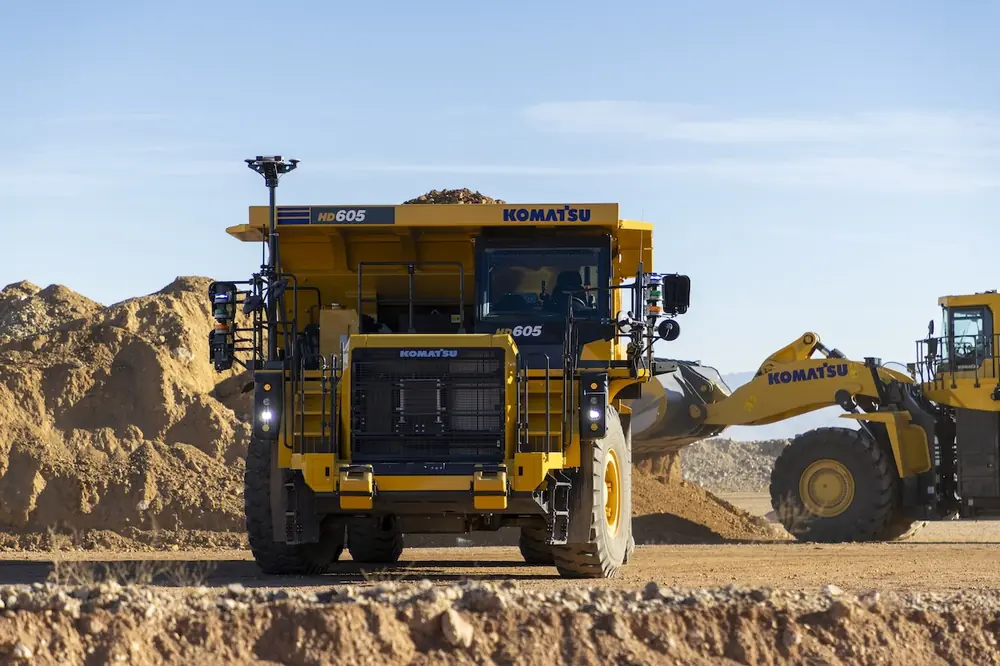
The same logic applies to loading and production environments. Underloading a haul truck means losing money on a cycle, while overloading it creates a safety risk and invites steep fines.
To solve this, onboard weighing systems measure the exact weight of the material in the bucket before it ever reaches the truck bed. By eliminating the mental math required to hit target payloads, operators can move smoothly from the pile to the truck without second-guessing their metrics.
Some fear that adding automation to heavy equipment is about replacing the workforce, but that isn’t the case. Semi-automation is designed to protect operators from repetitive strain and mental exhaustion. It takes the tedious micro-adjustments out of their hands so they can focus on the bigger picture.
Excavator grading is a good example. Maintaining a flat, even grade across a long pass requires fine-tuned coordination between the boom, arm, and bucket. Systems like Volvo Active Control automate these movements. Once the operator inputs the desired parameters, the system automatically adjusts the boom and bucket movements to maintain a perfect grade. The operator simply pulls the arm lever.

| Your local Wirtgen America dealer |
|---|
| Kirby-Smith Machinery |
| Nueces Power Equipment |
That doesn’t replace the operator’s judgment or skill; it just cuts out the physical and mental micro-corrections and can reduce grading time by nearly half.
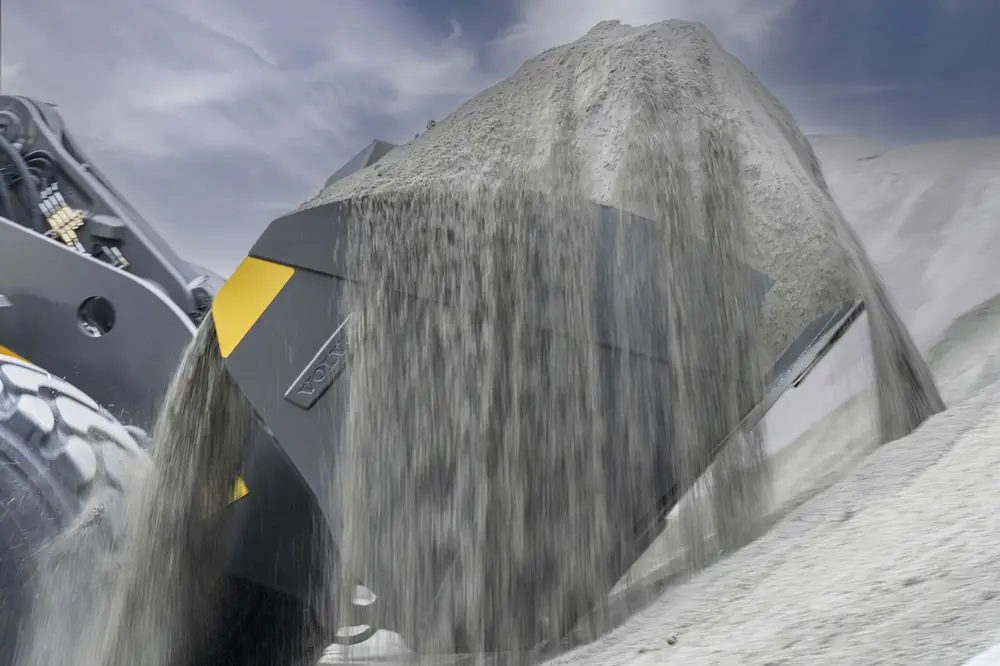
A similar evolution is happening with wheel loaders during high-production material handling. Digging into a hard pile of aggregate requires a lot of precise footwork and joystick maneuvering to fill the bucket properly. New bucket fill technologies automate this segment of the cycle. These systems detect the resistance of the pile, drive the machine forward, and curl the bucket to achieve an optimized fill every time.
By standardizing this part of the cycle, the machine guarantees a full bucket while giving the operator a mental breather on every pass.
A lot of mental stress comes from trying to run fast without tearing up the equipment. Operators are often told to maximize speed while minimizing wear on components like tires, transmissions, and brakes — a balancing act that requires concentration.

| Your local Broce Broom dealer |
|---|
| Nueces Power Equipment |
Modern drivetrain technologies step in to share that responsibility.
In wheel loader operations, for example, short-cycle loading requires constant shifting between forward and reverse. Standard practice used to mean manually braking before shifting to avoid damaging the transmission. Today’s advanced drivetrains feature built-in protections, like Volvo’s OptiShift which includes a reverse-by-braking function. When the operator shifts directions, the machine automatically applies the service brakes, slows the loader down, and smooths out the transition.
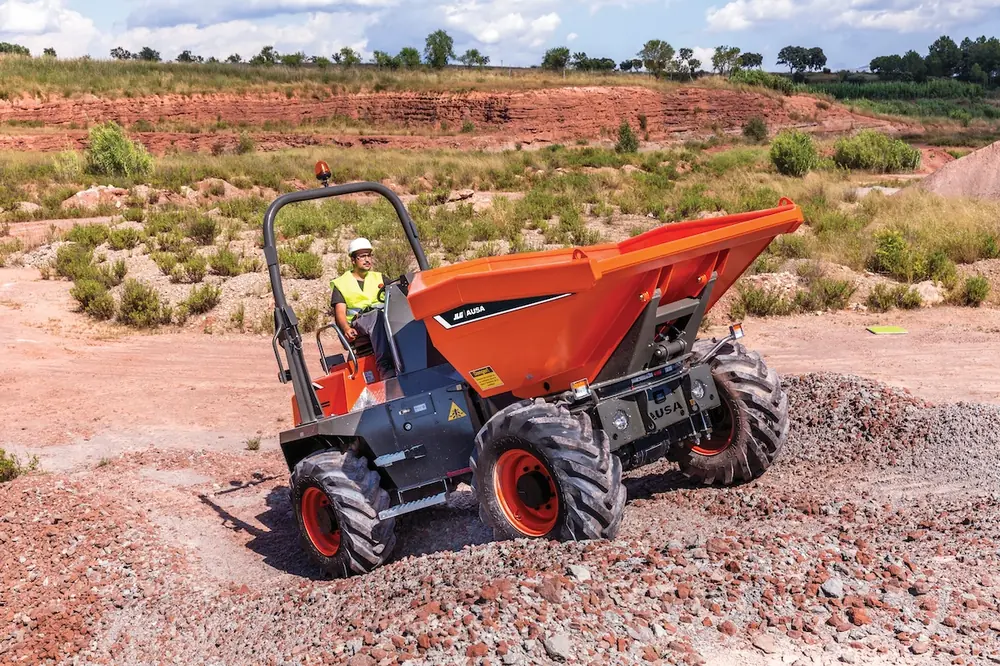
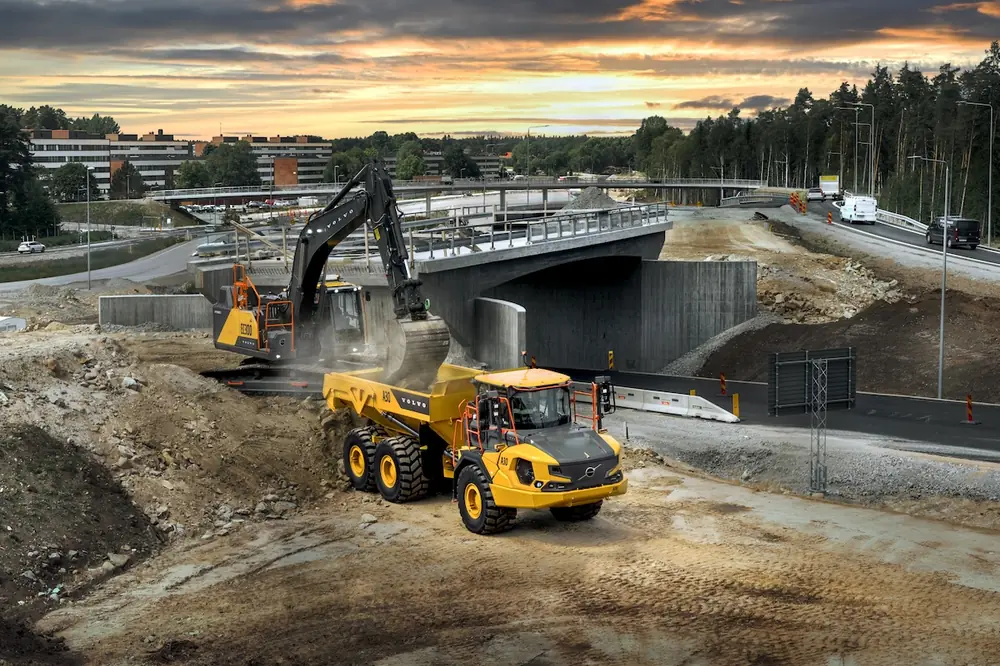
On the hauling side, articulated dump trucks face unpredictable terrain that changes with the weather. Operators traditionally had to anticipate slippery ground and manually engage differential locks ahead of time.
Newer intelligent drivetrains feature terrain memory systems. These trucks identify and remember slippery segments on haul roads, automatically optimizing traction control for subsequent passes. When the truck automatically guards against spinning tires, the operator can keep their eyes on the haul road instead of riding the controls.

| Your local LeeBoy dealer |
|---|
| Closner Equipment Co Inc |
| Romco Equipment Co |
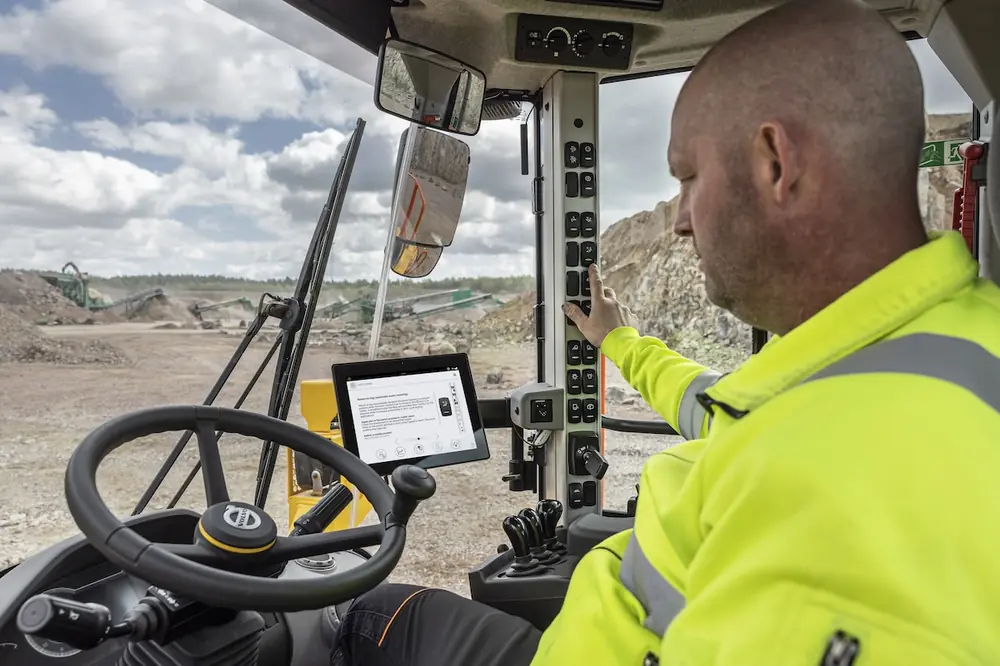
Advanced drivetrains help protect the machine, but managing the onboard technology shouldn’t become a job in itself. That’s why it’s critical to look closely at the cab layout. A well-designed cab keeps operators more organized and helps them process a steady stream of information without feeling overwhelmed.
For example, the latest generations of excavators and articulated haulers consolidate machine data onto fewer, higher-resolution screens. Instead of checking four different gauges and two separate monitors, an operator can view essential diagnostics on a single dynamic cluster right in front of the steering wheel, while managing secondary functions on a side touchscreen.
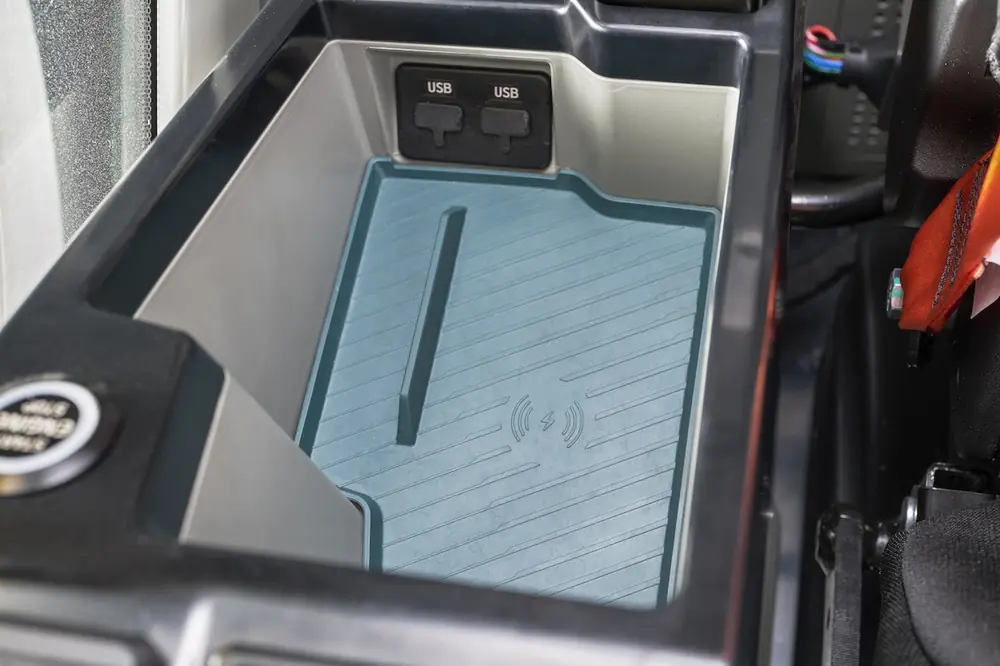
Basic comfort also helps keep an operator sharp. For instance, a quieter cab prevents that worn-out feeling caused by hours of engine noise. Keyless engine starts allow multiple operators to use a single machine code that instantly recalls their personal preferences for seat positioning, joystick sensitivity, and hydraulic responsiveness. Features like integrated climate-controlled seats, specialized storage boxes to keep food and drinks hot or cold, and wireless phone chargers upgrade the daily experience.
When operators are comfortable and organized, they naturally run their machines safer, faster, and more accurately.

| Your local Sennebogen LLC dealer |
|---|
| WPI |
The construction industry continues to face a significant skilled labor shortage. Job sites are increasingly staffed by less-experienced operators who face steep learning curves. For a rookie, just running a large machine takes total concentration because nothing is second nature yet.
Advanced machine control and coaching technologies act as equalizers. Built-in operator coaching functions give real-time tips on the cab screen, showing the operator how their idling time, braking habits, or shifting patterns compare to the most efficient ways to run the machine.
By turning machine operation into an intuitive, guided process, technologies like these help new operators hit production targets faster and with fewer mistakes. More importantly, they prevent these new operators from feeling overwhelmed during their first few months on the job.
Onboard technology changes the job by shifting repetitive mental tasks from the human to the machine. When your equipment handles the tedious calculations and fine adjustments, your entire operation just runs smoother. The less stress you put on your operators, the more production you get out of your machines.

| Your local NPK Construction Equipment Inc dealer |
|---|
| WPI |
Matthew McLean is Product Manager - Assist Systems at Volvo Construction Equipment.