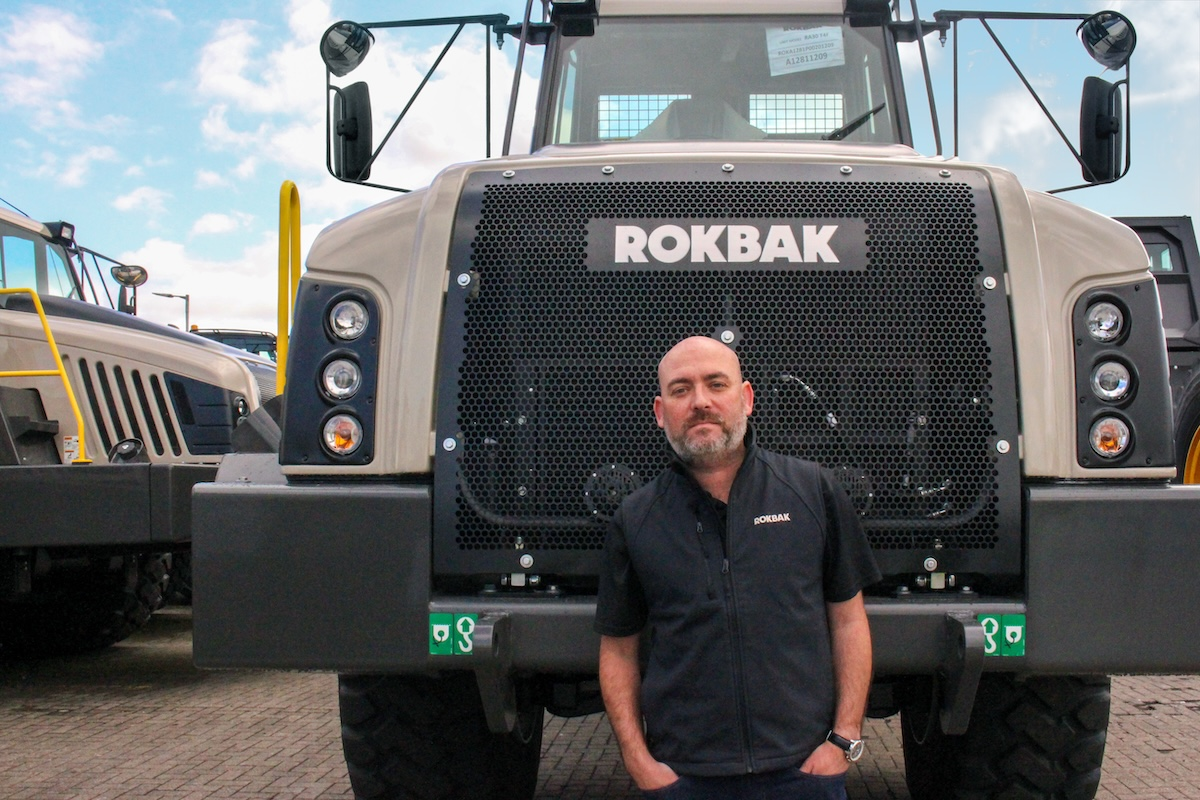

Wouldn’t it be great if there were easy ways to increase profitability without spending any money?
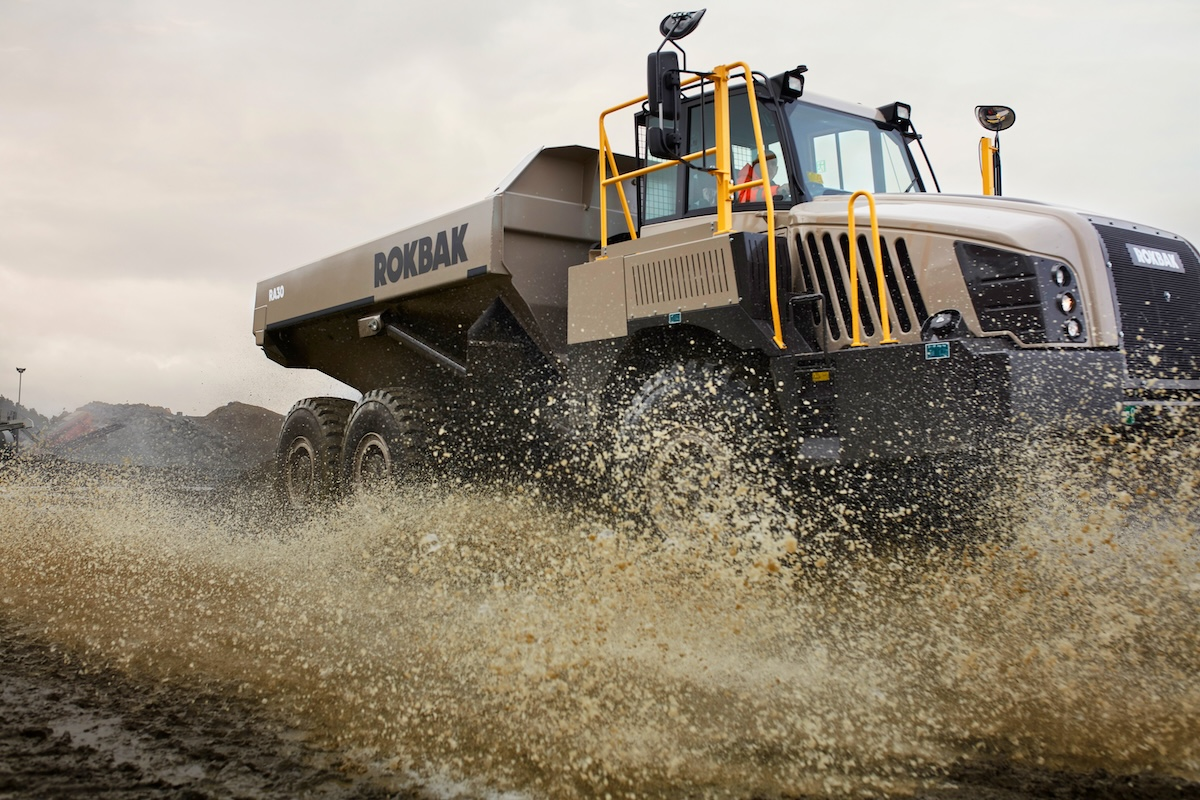
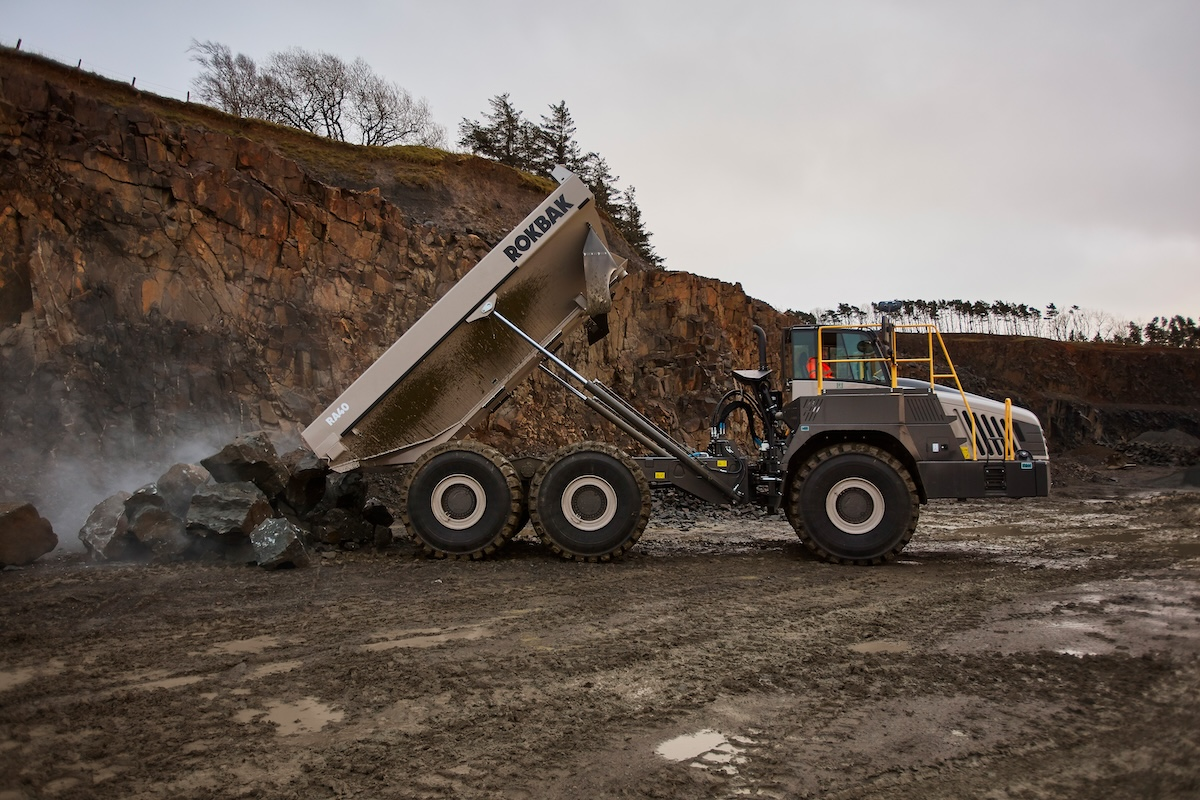
Consider these five simple changes for articulated hauler operation, shared by Garry Moore, Customer Support Manager at Rokbak, to increase productivity, machine uptime, and job site results.
Daily checks are critical to prolong component life and avoid breakdowns. Operators should perform prestart inspections such as checking tires, hydraulic lines, cables, lights, and fluid levels every day. This allows any minor issues to be dealt with before they escalate. For example, insufficient fluid in the hydraulic tank could cause a serious problem, and not checking tire condition and pressures could lead to a blowout. These are both examples of daily checks that will save you time and money.
To ensure compliance, site managers should ensure operators have time to do these tasks and provide a checklist that requires sign-off to record that the inspections were completed.
It’s also important to conduct regular machine inspections to look for any visible fatigue or wear issues. You should also follow service schedules. Some components need to be checked every 250 hours, while others specify every 500, 1,000, or 2,000 hours. Correct maintenance will ensure you get the best productivity and results from your equipment.

| Your local Wirtgen America dealer |
|---|
| Kirby-Smith Machinery |
| Nueces Power Equipment |
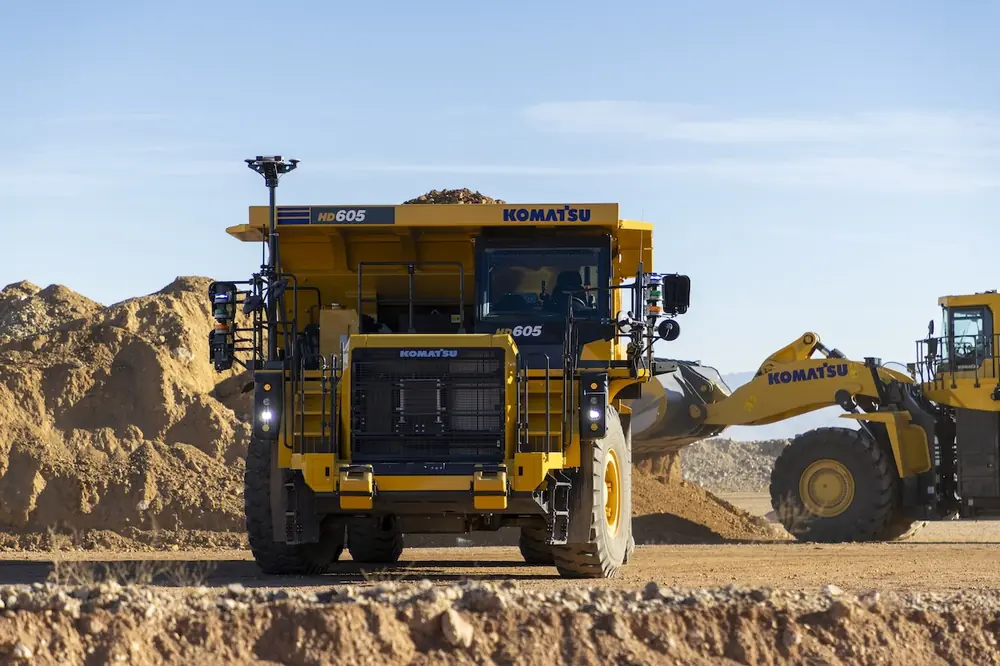
The truck should be loaded and unloaded on relatively firm, flat ground. Material should be evenly distributed in the body to avoid spillage and the risk of the truck tipping over. It’s important not to exceed your truck’s payload capacity. Doing this adds stress on the frame, axles, and tires, which will increase the amount of money you spend on maintenance as well as your risk of downtime.
If you have an onboard weighing (OBW) system, make sure it’s working correctly and that both the hauler and excavator or wheel loader operator loading the truck are familiar with the system. With options like Rokbak's Haul Track telematics system connected to the OBW system, any underloading or overloading can be easily identified. This combination of technology offers huge potential to monitor production management and costs to achieve higher efficiency.
If you don’t properly maintain your haul roads, your articulated dump truck could potentially get stuck in a rut, or you could damage the drivetrain. Haul routes should be walked when it's safe to do so and inspected regularly. Operators should be instructed to alert management about any poorly maintained sections.
Excessive speed and harsh braking not only increase fuel consumption — which adds to your operating costs — but also cause unnecessary wear on the braking and driving components.
| Your local Hitachi dealer |
|---|
| Bane Machinery |
When going down a gradient, you should use the hauler’s retarder systems to ensure smooth braking. Operators should be trained on how and when to use the different retarders in combination, such as the engine and transmission retarders, to reduce wear on the braking components.
Telematics systems like Rokbak’s Haul Track allow site managers and machine owners to check daily for excessive speeding or harsh braking and train operators in efficient operation.
Good communication is essential to job site efficiency. The hauler and loading tool operators, as well as the ground staff, should be communicating via radio. This will help operators be in the right place at the right time, avoid congestion, and reduce wait times.
Maintaining optimal visibility ensures high levels of safety and productivity. This includes checking that mirrors are clean, in good condition, and correctly adjusted. Rearview cameras must also be clean, with reverse alarms operational. Headlamps and beacons should also be clean and operational.

| Your local LeeBoy dealer |
|---|
| Closner Equipment Co Inc |
| Romco Equipment Co |
Keeping your haulers, routes, and processes in optimal shape can take just a few extra minutes — but will increase uptime and profitability for the long term.