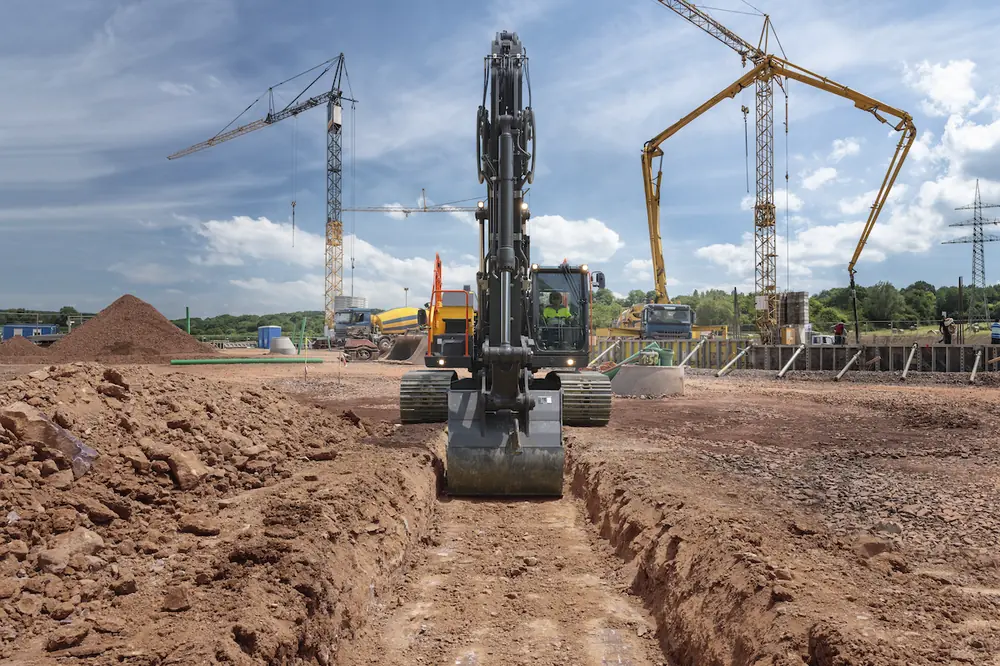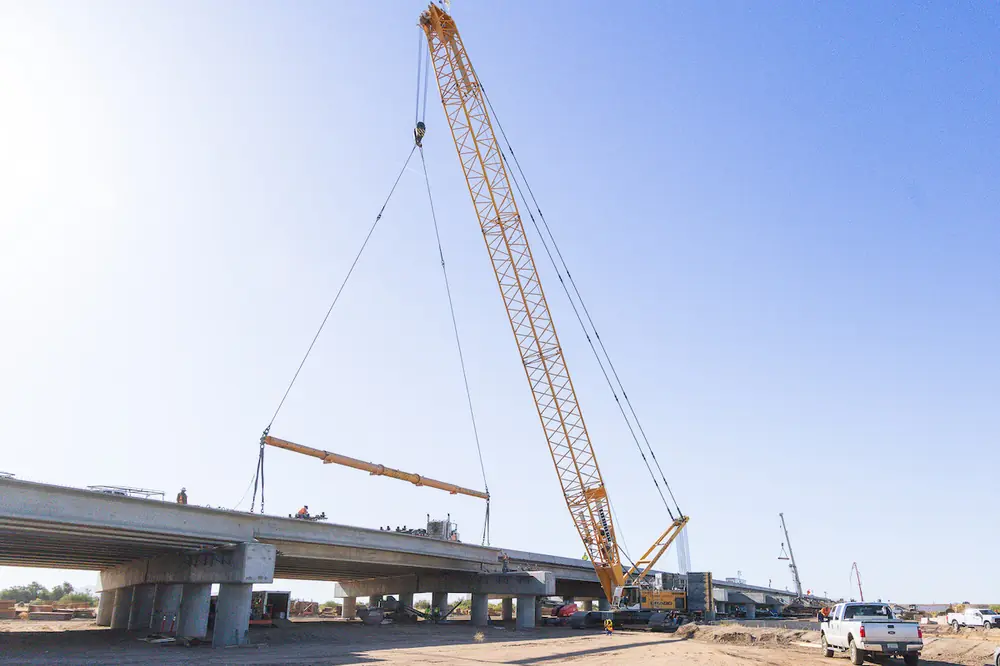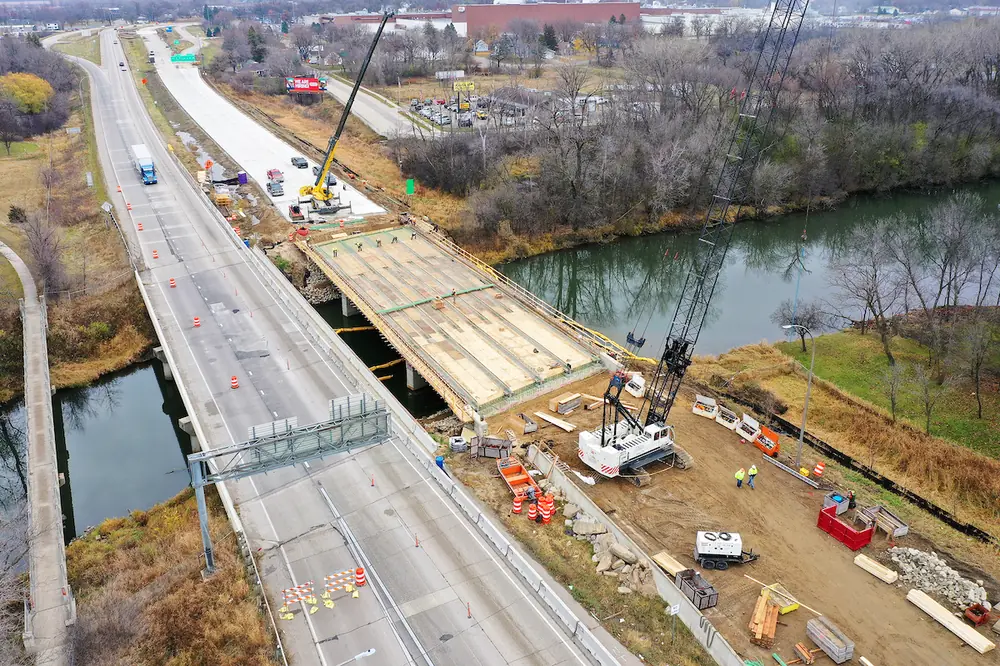


“We do not follow maps to buried treasure, and ‘X’ never, ever marks the spot.” That’s the advice that Indiana Jones offered in the film, “Indiana Jones and the Last Crusade.” But what’s beneath the surface isn’t just important to adventure archaeologists. It has real-world application to our industry, where success depends on the stability of materials below the surface.
The study of geology and soils has ancient roots. Egyptians relied on soil stability for the pyramids; Rome built a continent-wide roadway system utilizing subgrade preparation techniques; medieval builders implemented a rudimentary foundation pier system; Henri Gautier studied what is now called the “angle of repose” for French retaining walls in the early 18th century.
Through the 19th century, contractors bore the risk of the stability of their work, and the attendant peril of unforeseen site conditions. But in the early 20th century, design trades continued to increase their understanding of soil and underground conditions. This may have been one factor that led U.S. federal contracting authorities to employ “differing site conditions” clauses in the 1920s. These provided for cost/time adjustments if subsurface conditions differed from expectations. The AIA and the EJCDC forms followed the federal policy, and these clauses became almost universally accepted in industry forms.
In more recent years, we’ve seen owners shift from form contracts to their own “manuscript” contract forms. Often these documents exclude differing site conditions recovery, shifting responsibility for site conditions back to the contractor.
This month, we look at differing site conditions and how those risks can — and should be — apportioned.
| Your local Hitachi dealer |
|---|
| ASCO Equipment |
The industry form contracts mentioned above followed similar patterns. Their language differed somewhat, but the basic policies remained the same. Contractors were to rely on construction documents as to underground conditions. This created a level playing field among bidders, allowing them common assumptions about subsurface conditions. And if subsurface conditions were found to be different, costs and time would be added to or subtracted from the contract based on actual expenses, rather than relying on contingency funds in the bid that might under- or overestimate the actual costs of modifications.
Judicial decisions supported these differing site conditions clauses, recognizing that they might help owners avoid bid contingency pricing for the unknown financial risk of unfavorable conditions. The U.S. Court of Claims discussed this in a 1970 opinion:
“The purpose of the changed conditions clause is thus to take at least some of the gamble on subsurface conditions out of bidding. Bidders need not weigh the cost and ease of making their own borings against the risk of encountering an adverse subsurface, and they need not consider how large a contingency should be added to the bid to cover the risk. They will have no windfalls and no disasters. The government benefits from more accurate bidding, without inflation for risk which may not eventuate. It pays for difficult subsurface work only when it is encountered and was not indicated in the logs.”
But these clauses became less common as owners developed their own “manuscript” contract forms. Today, we see contracts without any differing site conditions relief. Speaking generally, this leaves the contractor with the risk of what’s down below.

| Your local Wirtgen America dealer |
|---|
| Nueces Power Equipment |
| Kirby-Smith Machinery |
The strictness of these owner-friendly forms varies. Some contracts appear to ameliorate the risk of differing site conditions by allowing bidders to perform their own site borings, adding to the upfront costs of obtaining work but allowing the contractors to manage their risk. However, other “manuscript” contracts go so far as to declare that the contractor “accepts the site as it is” or require the contractor to waive any claim for added costs-related unknown site conditions. And other clauses prohibit the contractor’s reliance on the geotechnical report and site boring reports. They are for “information only.”
What’s the right balance? We’ll leave the final call to you. But from our perspective, the owner should bear substantial risk for the project’s site conditions. The owner chose the site and hired the licensed engineers and architects to conduct subsurface investigations on the property. The sufficiency of those preconstruction inspections would seem to be a risk within the owner’s control. And so should the design decisions that were based on those subsurface studies.
Bid documents allowing contractors to conduct their own investigations might yield more information, at least to the contractors who are willing to bear this expense. But unless there’s a mechanism to share the data, these individual efforts might actually create more problems than they solve. What if different contractors discover different results, due to differing locations or the frequency of core sampling? This compounds the risk of an unlevel bidding field. And those contractors who do the field testing will include the cost in their bids. The owner might be better served by devoting those additional costs to improving its own geotechnical evaluation.
As for the geotechnical report itself, what does “information only” mean if the bidders can’t rely on it? Why would the owner expect its design engineers to rely on the geotechnical data and recommendations but instruct the contractors to ignore that data in preparing bids?

| Your local Yanmar dealer |
|---|
| CLM Equipment Co |
| WPI |
And we would always advise contractors to beware of accepting the adequacy of design or existing conditions unless they had special knowledge or opportunity to perform their own evaluations, which is, in our experience, a rare occurrence.
The typical differing site conditions clause addresses these issues differently than the clauses found in “manuscript” contracts. And unlike the newer clauses drafted by owners, it’s time-tested. The language and approach have not changed much over the last 100 years, and that lends predictability to a component of a construction project fraught with potential uncertainty.
The typical differing site conditions clause allows relief if there is material change in project cost or time if two types of different conditions are encountered.
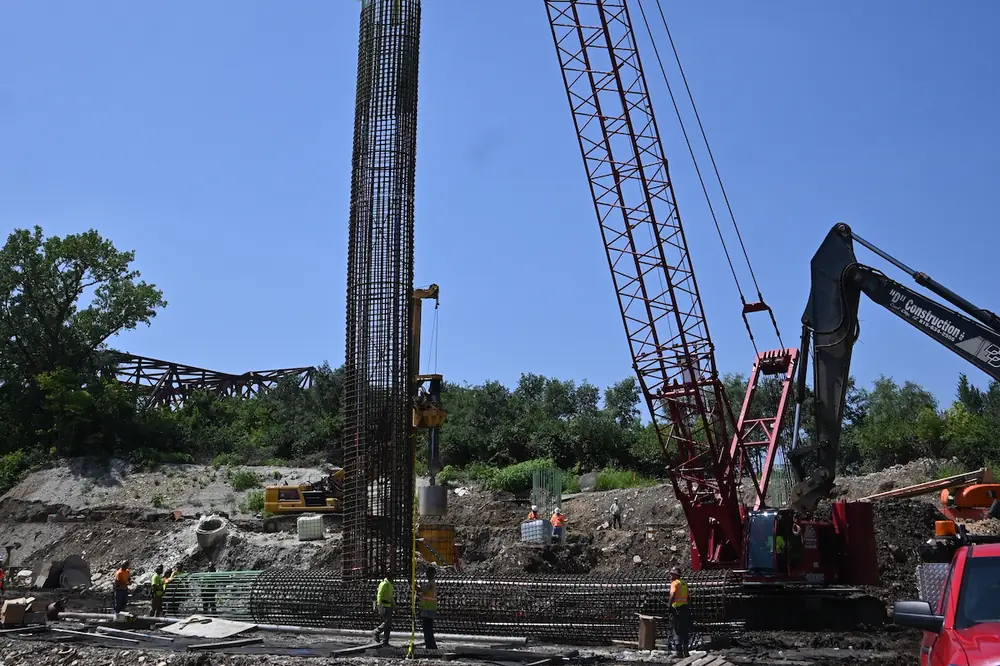
- Type 1 conditions are “subsurface or latent physical conditions” that “differ materially from those indicated in the contract.” Obvious examples of “subsurface conditions” would be rock or water encountered at elevations different than shown in soil borings. Less obvious examples might be contract language directing work or dewatering to be done in a certain fashion that becomes impossible or impractical. Consider for example soils that are physically incapable of compaction to the specified density. And “latent physical conditions” could include topographical information from the plans that is discovered to be incorrect.
- Type 2 conditions, by contrast, depend on discovery of “unusual” conditions that “differ materially” from “those ordinarily encountered ... and inhering in the nature of the work.” This may be less common in practice, but we’ve had clients report finding buried equipment under job sites. More commonly, Type 2 recovery allows consideration of unexpected soil, rock, or water conditions where there is no contrary representation in the contract documents.

| Your local Bobcat dealer |
|---|
| Central Texas Equipment |
| Nueces Power Equipment |
Type 1 or Type 2 recovery usually depends on notice. Clauses require “prompt” notice and often specify a timeframe and/or “before conditions are disturbed.” This allows the owner to evaluate the conditions and the claim of material difference. It will also allow the contractor time to have its own expert evaluate the conditions. In one case, our client used the notice period to have a geotechnical engineer determine the material properties of the substance that was bringing its drilling operations to a near standstill.
We should note that differing site conditions are a two-way street. They typically provide relief to either the contractor or owner. If the contract is written this way, and if topographical data is off such that actual conditions require materially less excavation or dirt work, the owner is in a position to claim a credit for the reduced work, and possibly reduced time as well. The same would apply if stable bearing surfaces are encountered higher than anticipated, allowing the use of shorter foundations.
We won’t go as far as Indiana Jones. “X” might mark the spot in a lot of contract documents. But if it doesn’t, sophisticated industry participants should consider how to apportion the risks of changed conditions. In the end, drafting a fair and balanced differing site conditions clause is less about hunting for hidden treasure and more about ensuring that neither party must take a leap of faith across an invisible bridge. When owners and contractors commit to clear, equitable language — allocating risk to the party best positioned to manage it — they build projects on solid ground rather than on guesswork and peril.