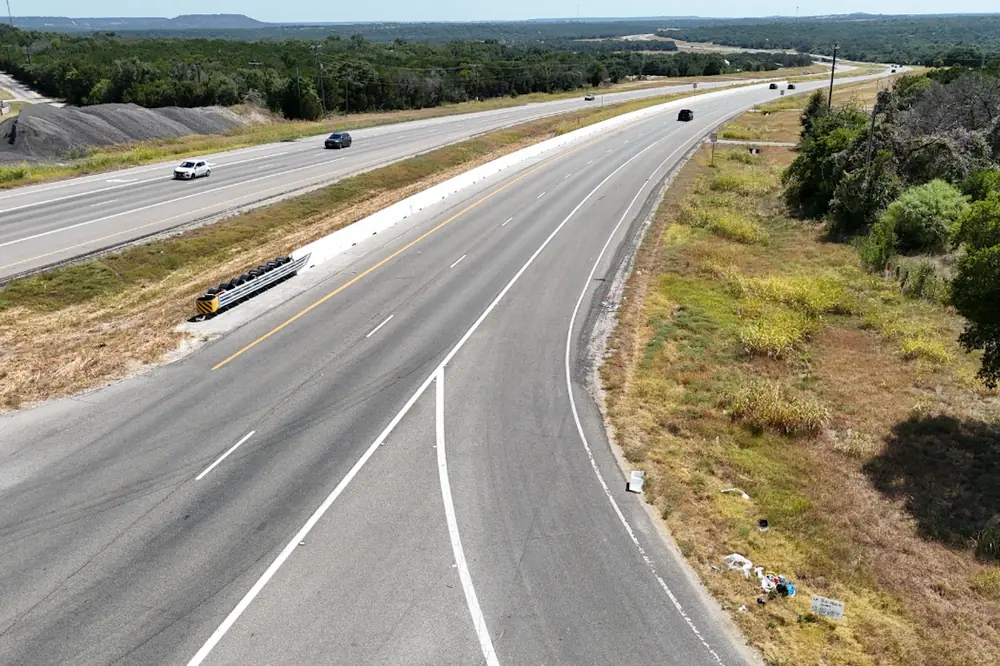


State Route 136 (SR-136) is a heavily traveled state highway in central Tennessee that runs northward for over 50 miles. The highway connects U.S 70 South, near the rural town of Rock Island in northeastern Warren County, with SR 52 in northern Overton County, traversing much of the northeastern Highland Rim. In Putnam County, SR-136 becomes a major four-lane route through downtown Cookeville, Tennessee, where it is known as Jefferson Avenue, and crosses an interchange with Interstate 40 (I-40).
“SR-136 is one of Cookeville’s two main north-south routes, connecting I-40 to SR-111 and serving as a vital link for 17,000 vehicles daily,” said Danny Oliver, the Tennessee Department of Transportation (TDOT) Region 2 Director. “It supports everything from local commuters and school traffic to freight, retail, and health care access. As Cookeville continues to grow as a regional hub, this corridor plays a key role in keeping people and goods moving efficiently.”
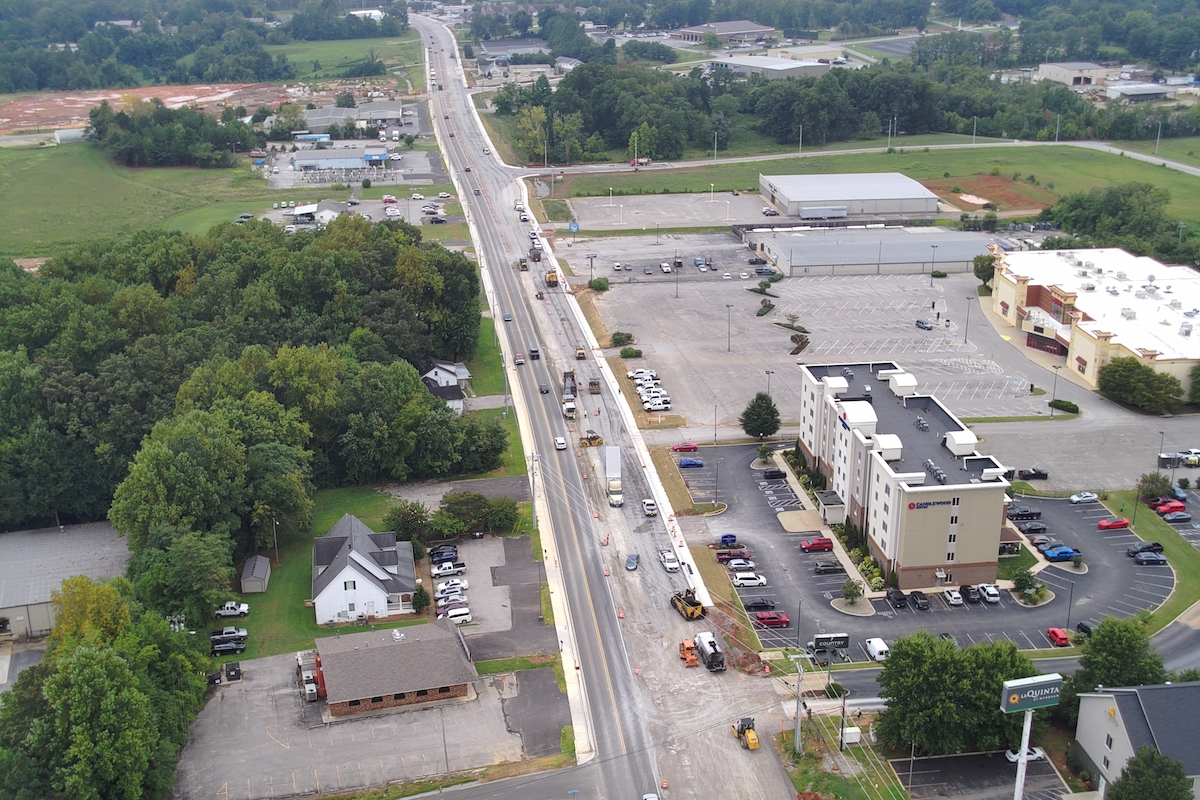
In response to steadily increasing traffic volumes in Cookeville and along this stretch of I-40, there are ongoing TDOT improvement projects for SR-136. One major undertaking currently underway on the south side of Cookeville is the Jefferson Avenue Widening Project, which encompasses 2.3 miles of SR-136 from north of the State Route 111 interchange to south of the I-40 interchange. This project is designed to widen South Jefferson Avenue, including the addition of more turning lanes, and to improve the road's surface.
“The Jefferson Avenue/SR-136 corridor between SR-111 and I-40 was in need of major improvements,” Oliver said. “It faced growing congestion, safety concerns, and outdated infrastructure. Crash rates along much of the corridor were significantly higher than the statewide average, and the road struggled to support increasing traffic from residential, commercial, and industrial growth — including a nearby school campus. The project aims to improve safety, mobility, and access while supporting future economic development. Once complete, the corridor’s level of service is expected to improve significantly.”
“This project is widening SR-136 to a five-lane roadway with two 11-foot lanes in each direction and a dedicated 12-foot center turn lane,” said Mike O’Donnell, TDOT Region 2 Project Management Director. “The comprehensive overhaul also includes 4-foot shoulders, curb and gutter, 5-foot sidewalks on both sides of the street, upgraded drainage, new traffic signals, street lighting, and dual left-turn lanes at key intersections like Bunker Hill Road and the I-40 East exit ramp.”

| Your local Gomaco dealer |
|---|
| Closner Equipment Co Inc |
“The project costs include approximately $2.6 million for preliminary engineering, $9.8 million for right of way and utilities, and $43.5 million for construction and inspection,” O’Donnell added. “Preliminary engineering, right of way, and utilities received 80 percent federal funding. Construction received a federal share of approximately 75 percent.”
The primary contractor is Rogers Group Inc. (Cookeville office).
After a groundbreaking ceremony in October 2021, construction of the Jefferson Avenue Widening Project began later that same month. While the original completion date was September 2024, the project was extended, due primarily to material availability issues. Construction is now expected to wrap up in early 2026.
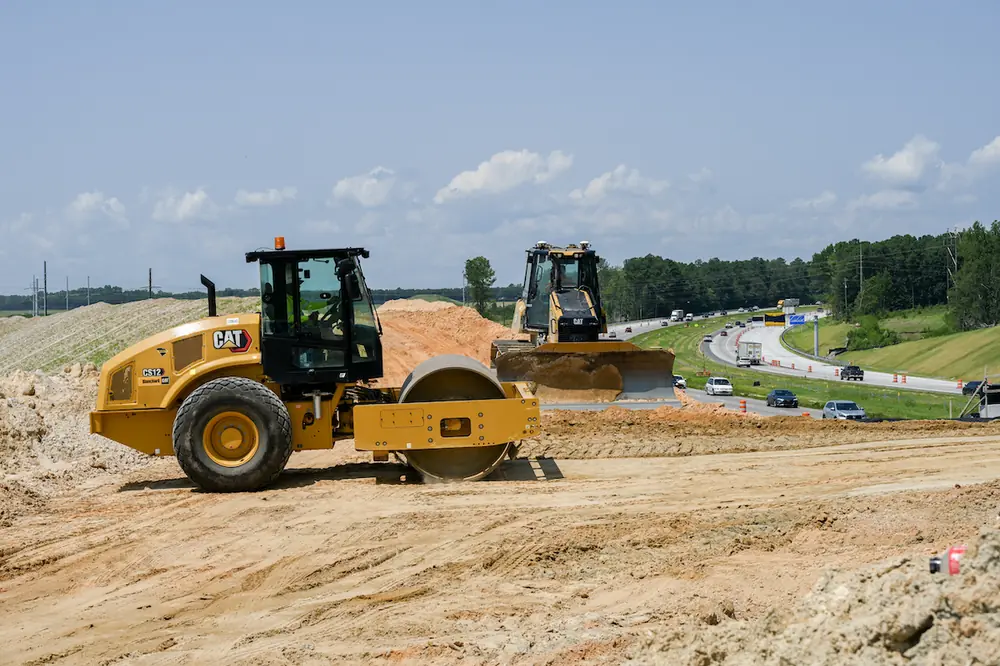
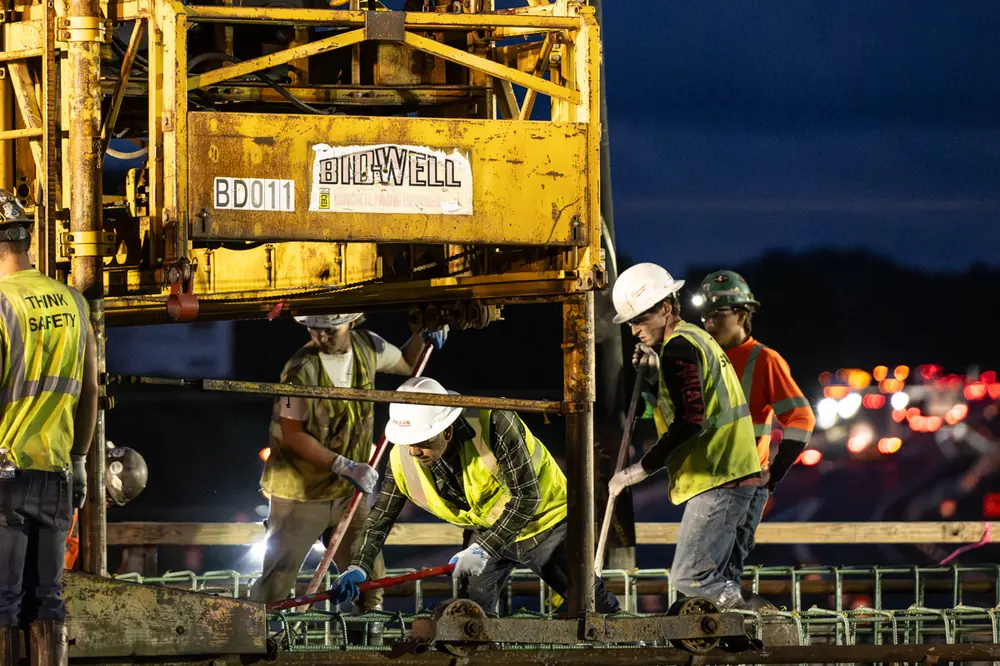
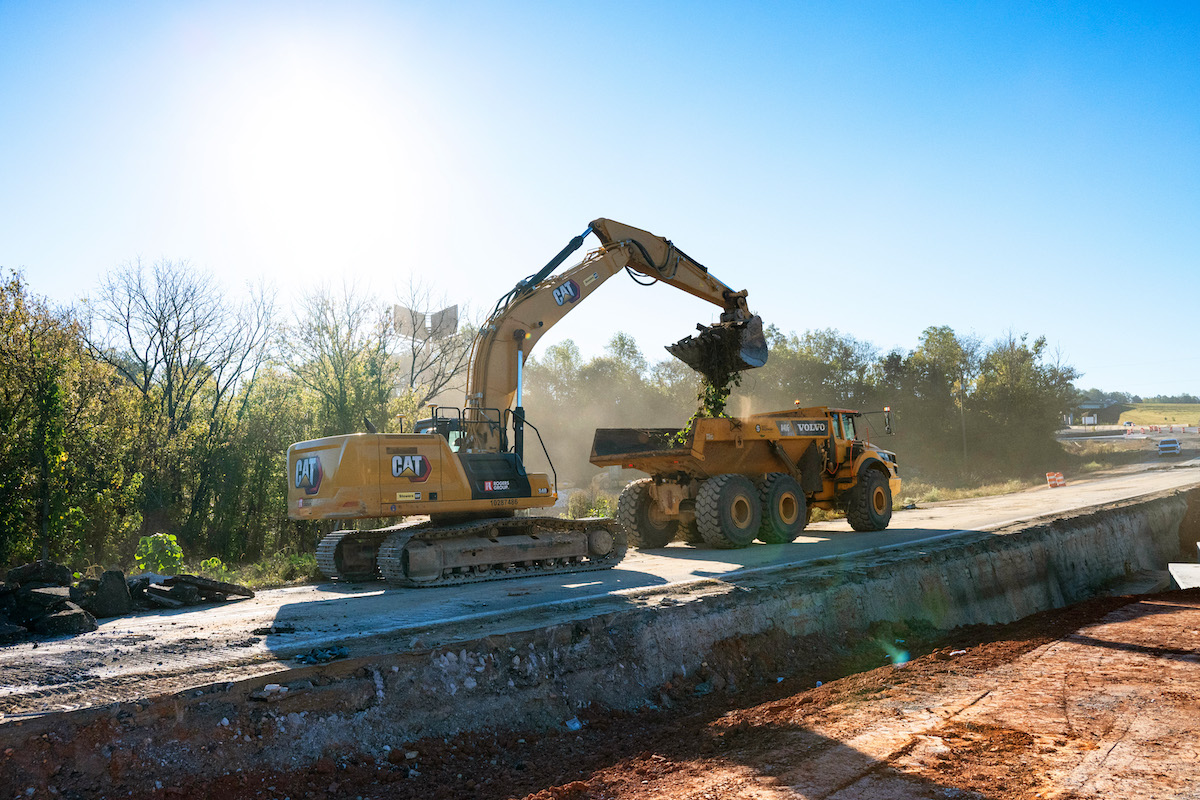
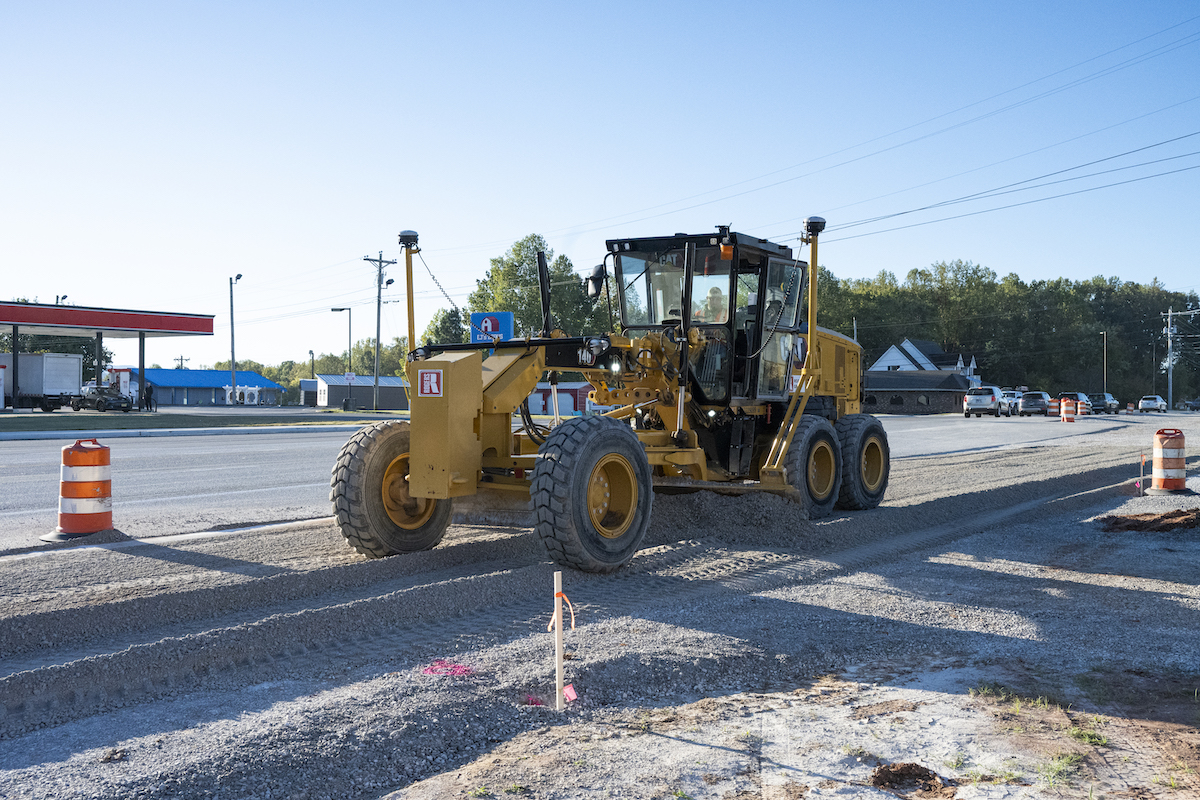
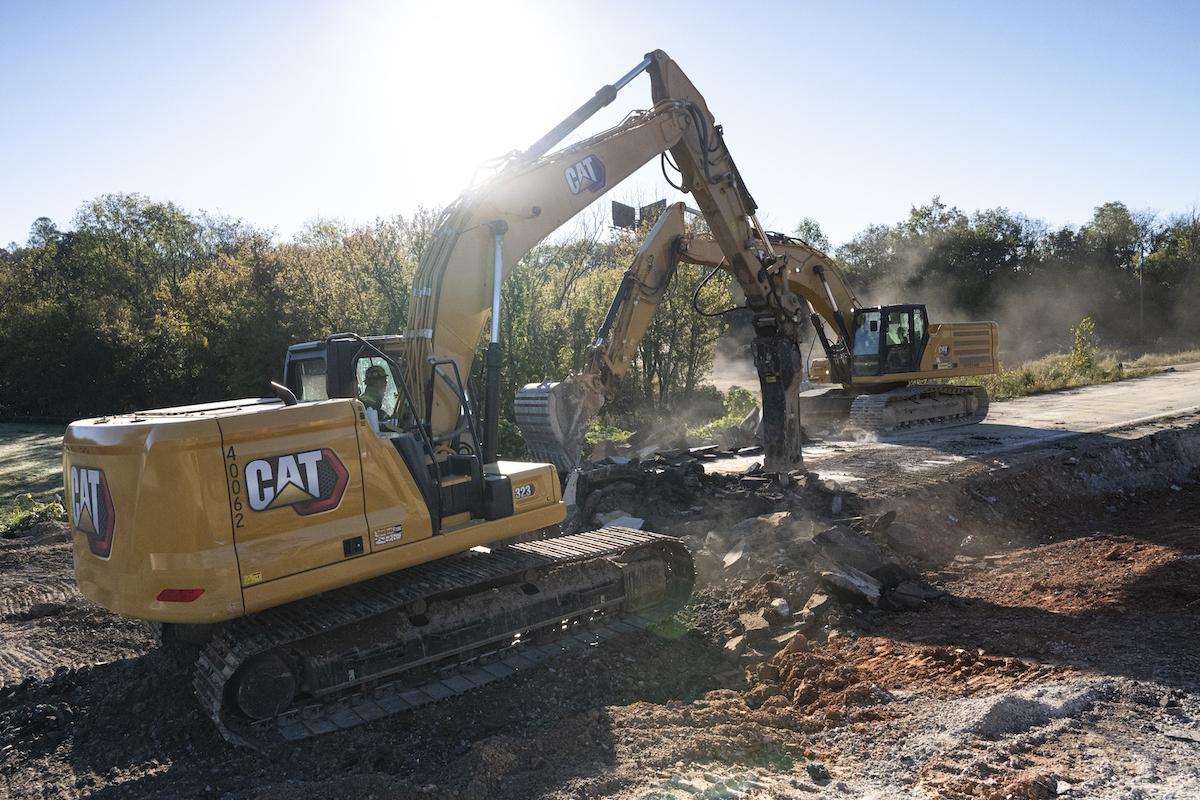
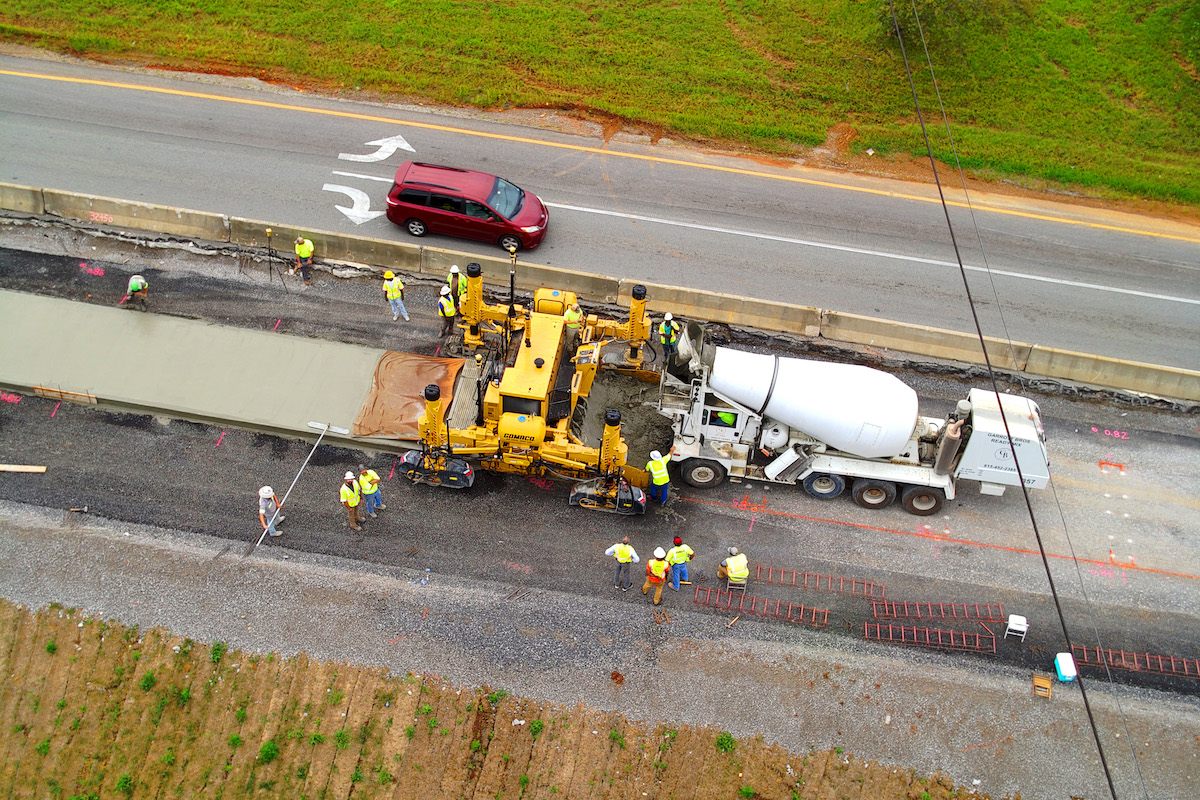
The initial phase of construction on the Jefferson Avenue project included the relocation of electric, gas, and communications utilities outside of the new roadway, and the completion of several box culverts. The project is now well into Phase 2 of its two-phase schedule, with paving, reconnection of side roads, and upgrades to exit ramps among the major work underway.

| Your local Stewart-Amos dealer |
|---|
| Closner Equipment Co Inc |
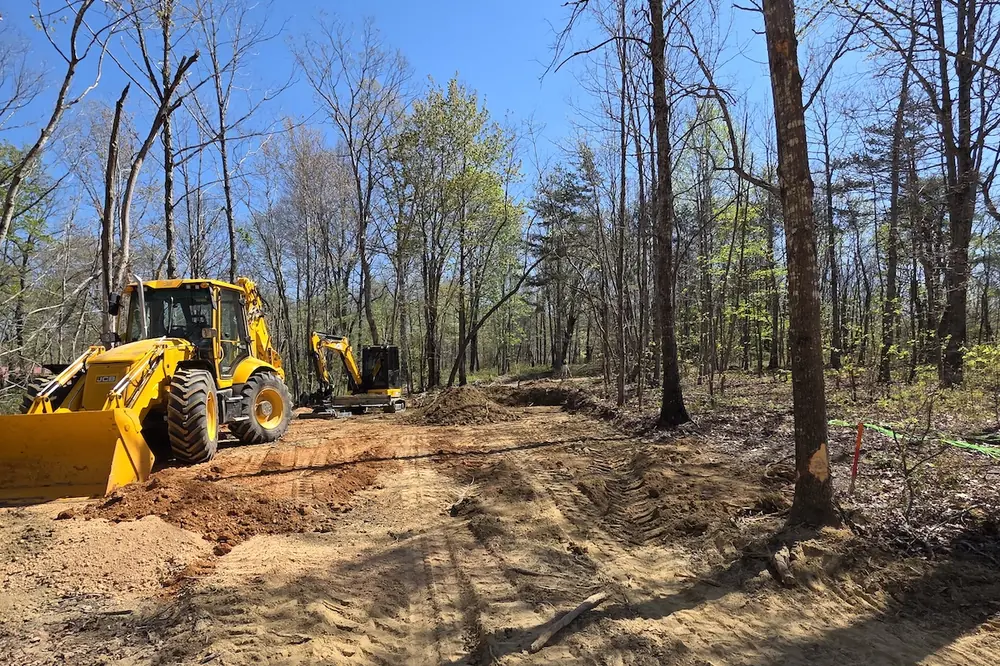
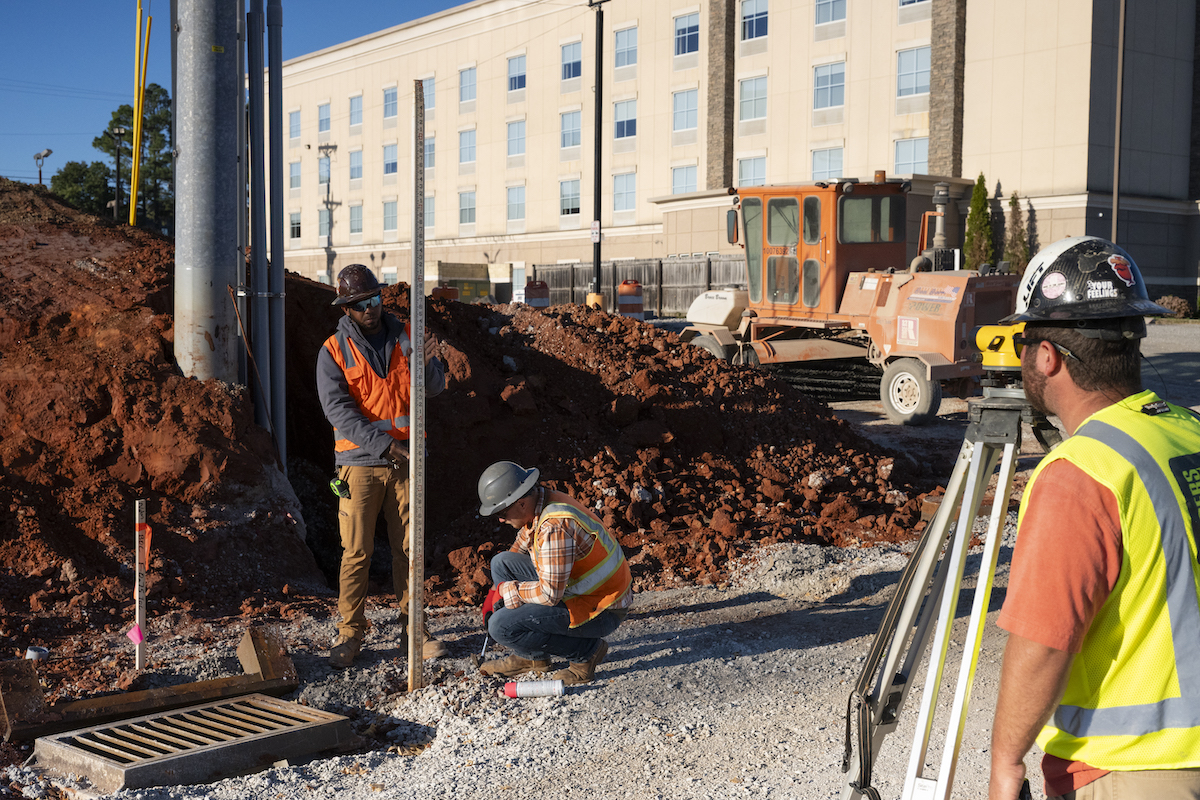
Grading and storm drainage activities are ongoing, along with remaining water and sewer work at the north end of the project. Construction is continuing on the side roads adjoining South Jefferson Avenue, with temporary access roads being constructed as needed to provide access to homes, businesses, and city streets as the work progresses. Lane closures in both directions were utilized during the recent fall months near the I-40 interchange.
According to TDOT District 27 Engineer Bo Hoskins, the project is approximately 87 percent complete as of this writing.
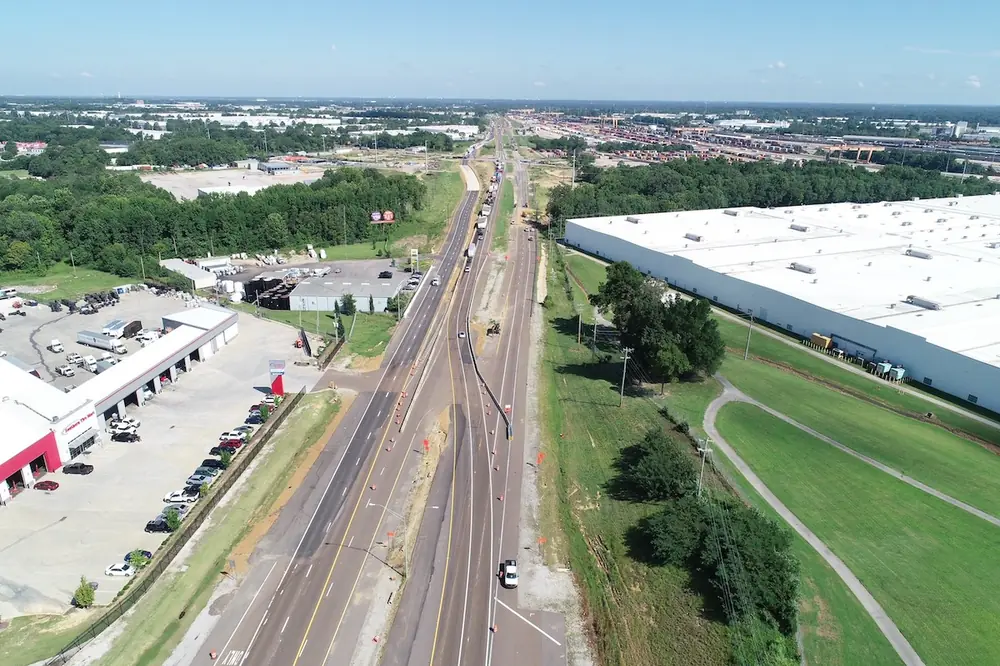
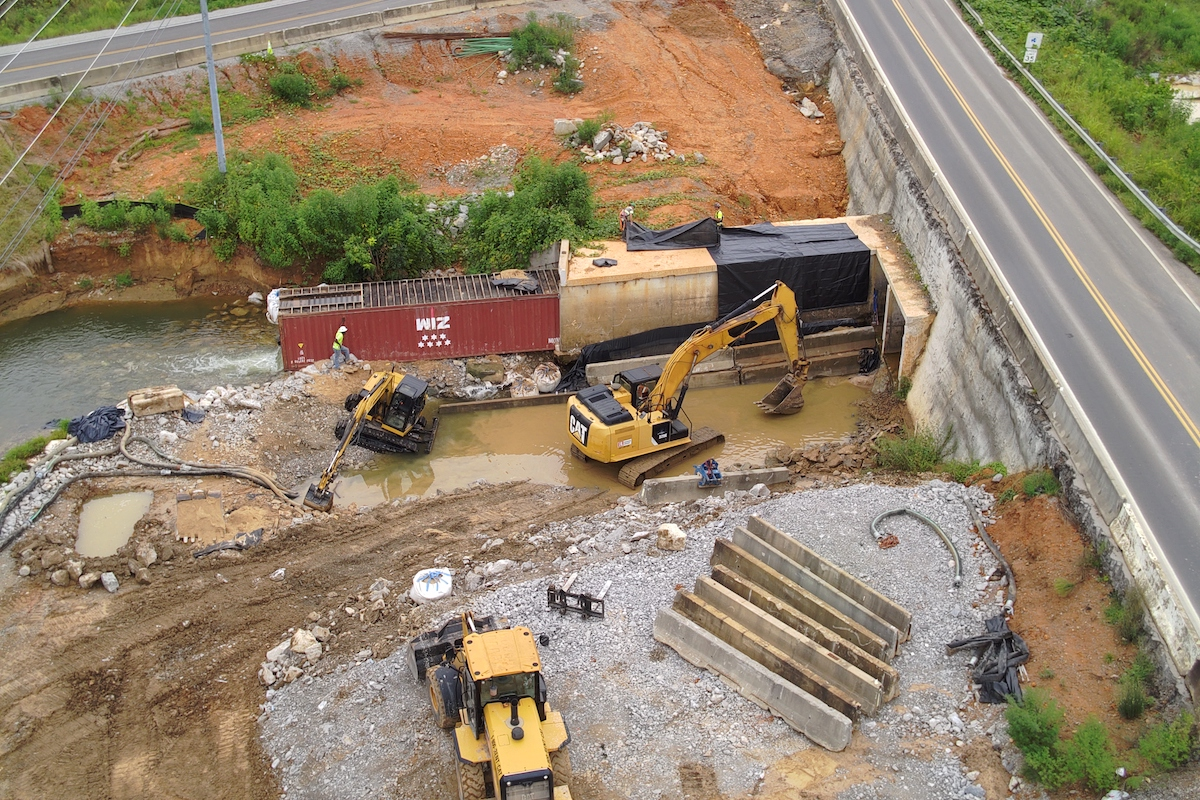
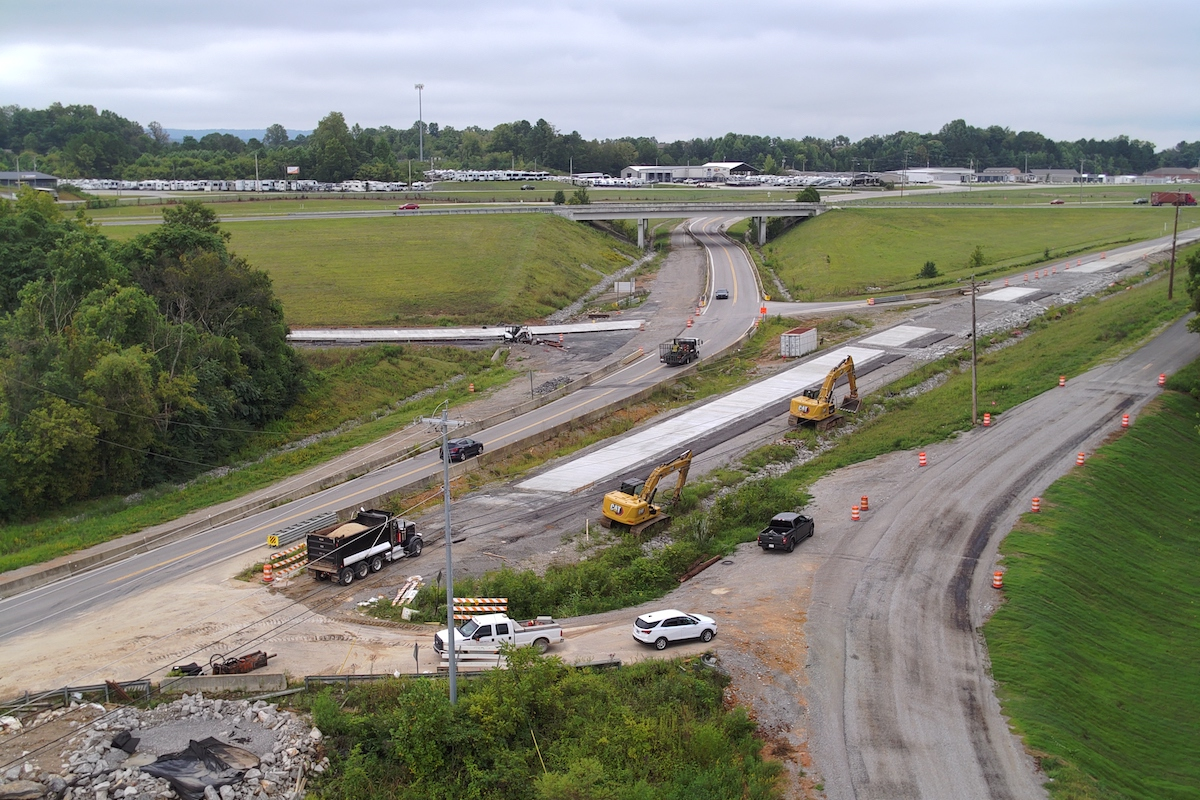
“Traffic has been relocated to the newly built eastern portion of South Jefferson Avenue,” Hoskins said. “Crews are currently working on concrete ramps at SR-111 and I-40, as well as paving and grading near Bunker Hill Road, and installing a large box culvert on the south end of the project area. Nearly 2 miles of the corridor are paved up to the binder course, awaiting final surfacing and finishing touches.”
In addition to traffic shifting to the newly paved eastern side of the roadway, there is construction on the I-40 east exit ramp. The contractor will maintain two lanes of traffic on the exit ramp to allow for turning north and south during construction. Work also continues on the western side of Jefferson Avenue.

| Your local ASV dealer |
|---|
| CLM Equipment Co |
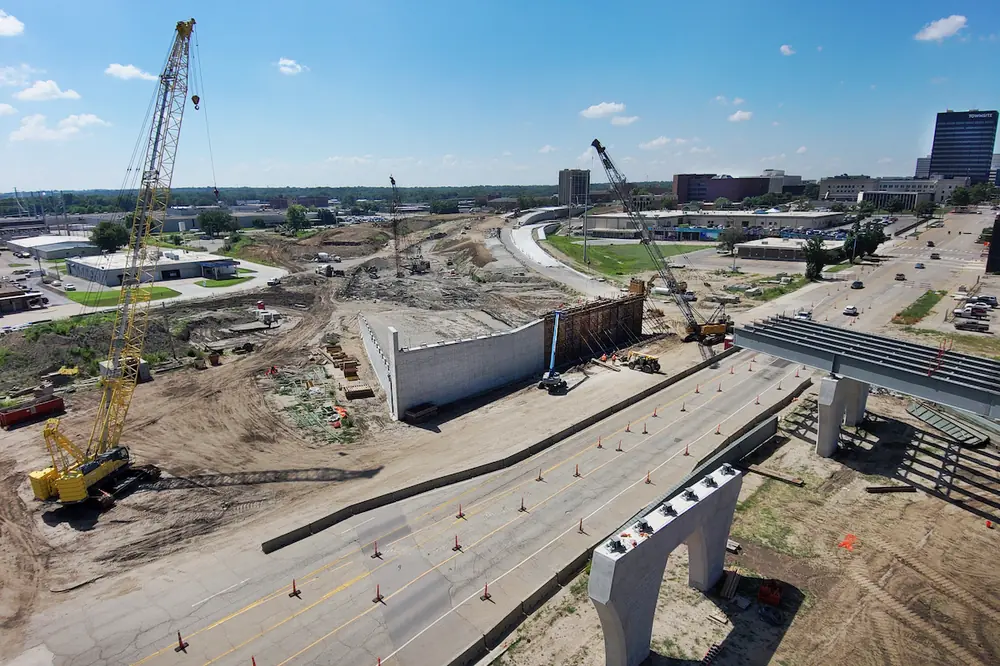
O’Donnell provided figures that illustrate the size and scope of the project.
“Nearly 200,000 cubic yards of earth have been moved, and over 90,000 tons of base stone and 50,000 tons of asphalt have been placed,” he said. “There are 8-plus miles of silt fence and 3 miles of reinforced concrete pipe.”
The project faced a significant challenge early in the construction process, when supply chain issues caused a delay that affected water line installation. TDOT accepted an extension, which moved the water line completion date from September 2024 to February 2025, and additional crews and personnel were brought in to mitigate the setbacks. Water and sewer work is now on schedule.
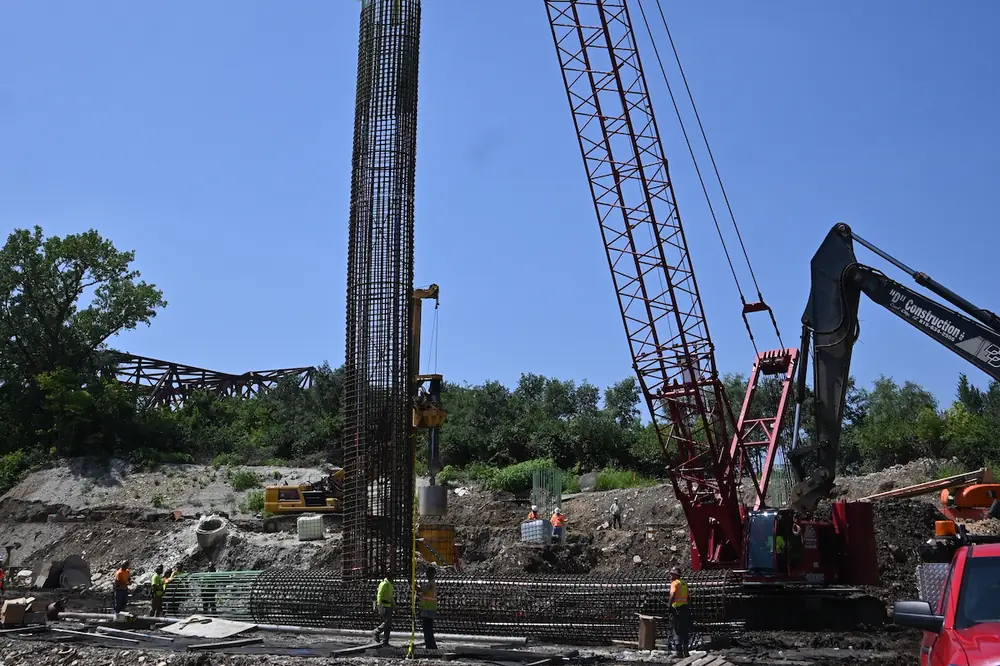
Regarding other construction challenges on the project, Hoskins said that the project area is “densely developed, with numerous utilities and limited space for relocation. Maintaining access to homes and businesses during construction required careful planning. One of the biggest challenges was working in and around Pigeon Roost Creek, where high water volumes complicated culvert construction. To speed up installation and manage heavy water flow in Pigeon Roost Creek, the contractor proposed using a massive two-piece precast box culvert — the largest of its kind used on a state project to date. This approach significantly reduced installation time and minimized disruption.”

| Your local Trimble Construction Division dealer |
|---|
| SITECH SE Texas |
| SITECH Tejas |
With 17,000 vehicles using the route daily, including school traffic, TDOT and Rogers Group have worked closely with the City of Cookeville to coordinate closures and keep the public informed. The city has been a key partner in public outreach and traffic management.
TDOT has worked with the contractor to improve the traffic control plan by keeping two lanes open in each direction on Jefferson Avenue during the second phase of construction. This is helping to alleviate congestion, rather than reducing the road to one lane in each direction as originally planned.
“Every project comes with its own unique set of challenges and potential disruptions to traffic flow,” Oliver said. “That’s why minimizing congestion is built into our process, from thoughtful planning during the design phase to ongoing adjustments throughout construction. We’re always looking for better ways to keep traffic moving through Tennessee.”
The improvements provided by the Jefferson Avenue/SR-136 project will enhance safety, reduce congestion, and support long-term growth, according to Oliver.

| Your local Bomag Americas dealer |
|---|
| WPI |
“The City of Cookeville is already planning for future development, including a new traffic signal at Henley Drive and a planned extension to Bunker Hill Road,” he said. “This project lays the groundwork for continued economic vitality and improved quality of life in the region.
“This project independently improves choices for motorists to access Cookeville to and from the South. However, this project compliments several other TDOT efforts in the area to continually maintain a state of good repair — such as pavement resurfacing and bridge replacements — and improve operations as the region continues to grow.
“A project immediately north at the interchange of I-40 and SR-136 is in conceptual development, but will evaluate opportunities to improve movement on the interchange ramps and adjacent signalized intersections to further enhance drivers’ ability to reach downtown Cookeville.”
- Owner: Tennessee Department of Transportation
- General Contractor: Rogers Group Inc., Cookeville, Tennessee
- Designer: OHM Advisors, Nashville, Tennessee Photos courtesy of TDOT