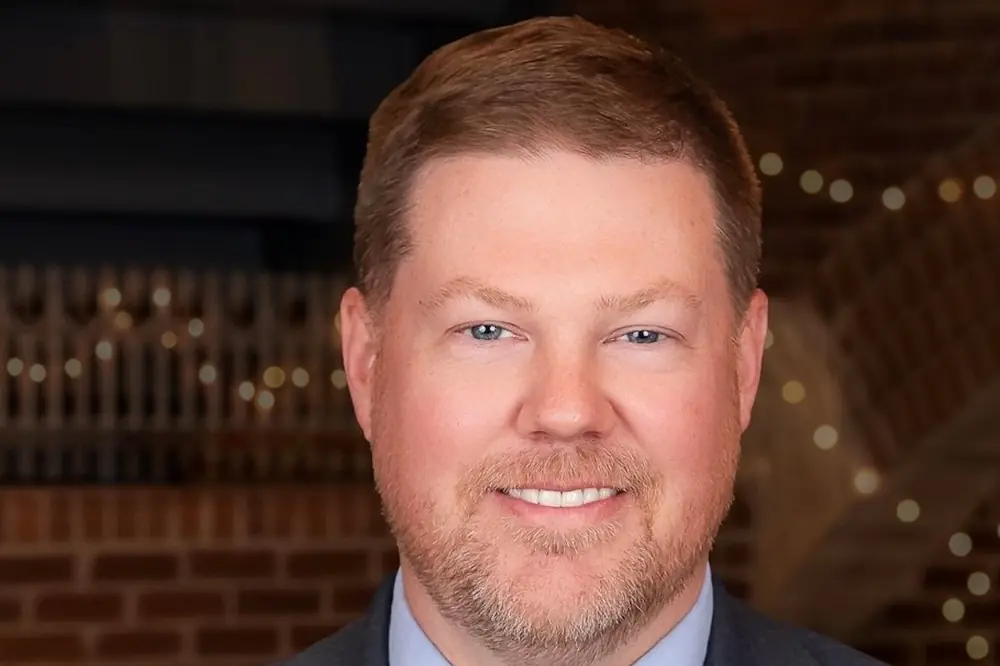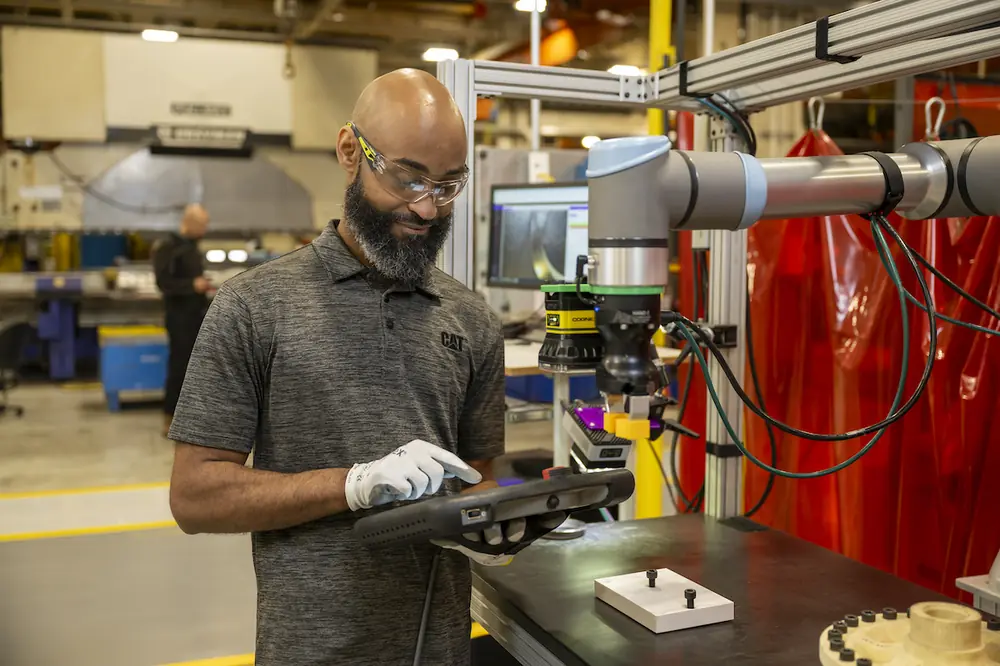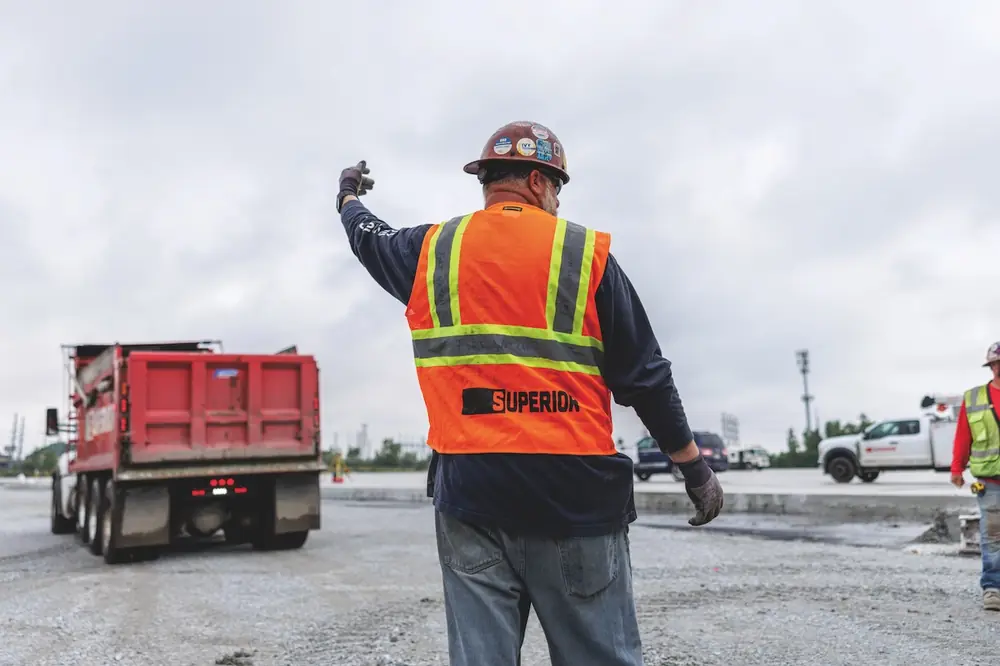

As a father of four, Clifford Doe knows why good pay matters. Since completing heavy equipment operator training at Superior Construction, a heavy civil contractor based in Florida and Indiana, he’s been bringing better compensation home for his family.
“You can 110 percent make a comfortable living off this type of work,” he says.
Back when Doe started at Superior as a laborer, he didn’t have a firm plan for his future. He worked diligently on whatever tasks came his way and says he “let my work speak for itself.”
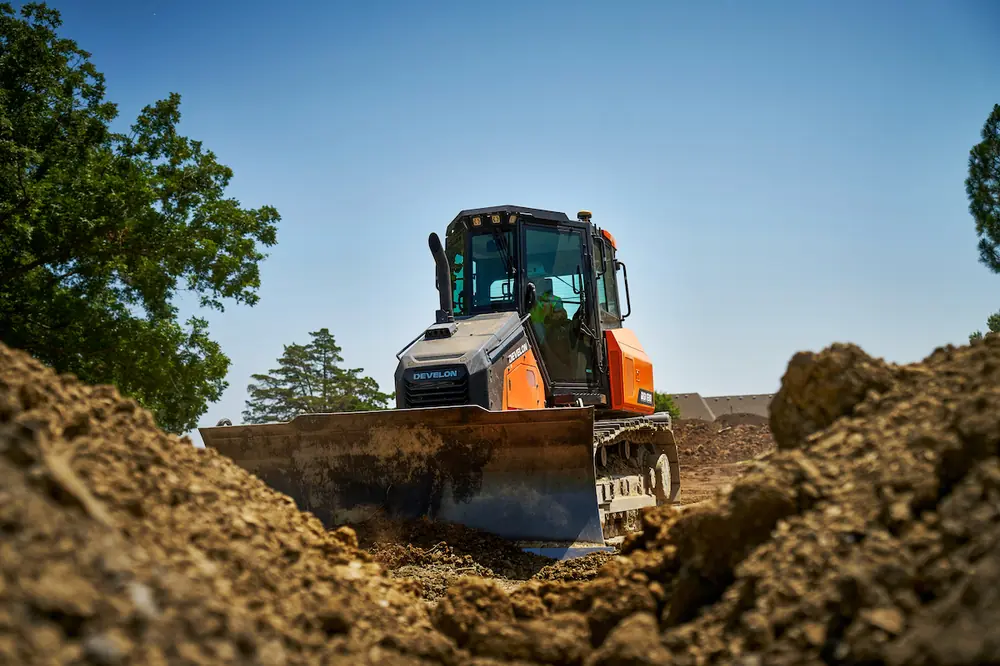
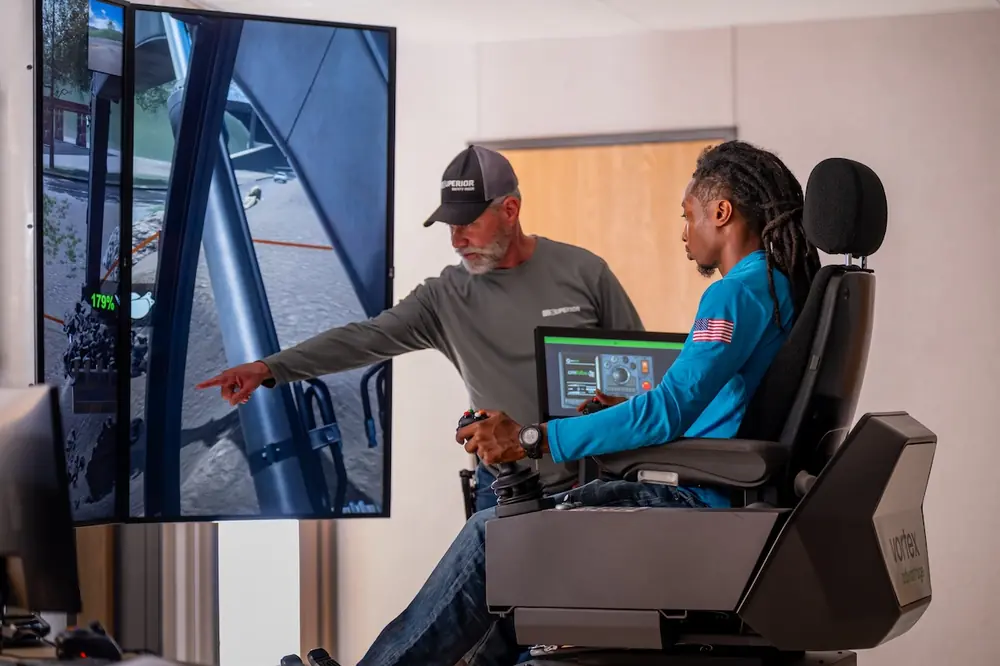
A couple of years ago, a foreman saw Doe’s potential. He pulled him aside and asked whether he wanted to advance in his career. That led Doe to enroll in the company’s heavy equipment operator training. Doe graduated in the spring of 2025 and is now certified to run a bulldozer. His days are spent keeping haul roads maintained, stockpiling material, handling GPS work, and loading dump trucks. His pay rose by more than $5 an hour.
The construction industry needs more people like Doe because the workforce is aging faster than it’s being replaced. The median age of a construction worker is 42, and 22 percent of workers are 55 or older, according to the Bureau of Labor Statistics. Associated Builders and Contractors estimated the industry will need 456,000 net new workers in 2027.

| Your local Leica Geosystems Inc dealer |
|---|
| Laser Specialist inc |
It’s especially challenging in heavy civil construction. Many trade schools and training programs focus on commercial and residential construction. Far fewer are built around skills needed to construct highways, bridges, and interchanges.
Superior Construction didn’t want to wait for state or professional organizations to build more training, so the company decided to invest in it directly. In fall 2026, it launched STEP, which stands for Superior Training and Employment Pathways, a workforce development initiative that connects its existing training programs with new opportunities for people to enter and advance in heavy civil construction.
STEP serves five groups:
- High school students and graduates
- College students
- Career changers
- Military veterans
- Current employees looking to move into new roles
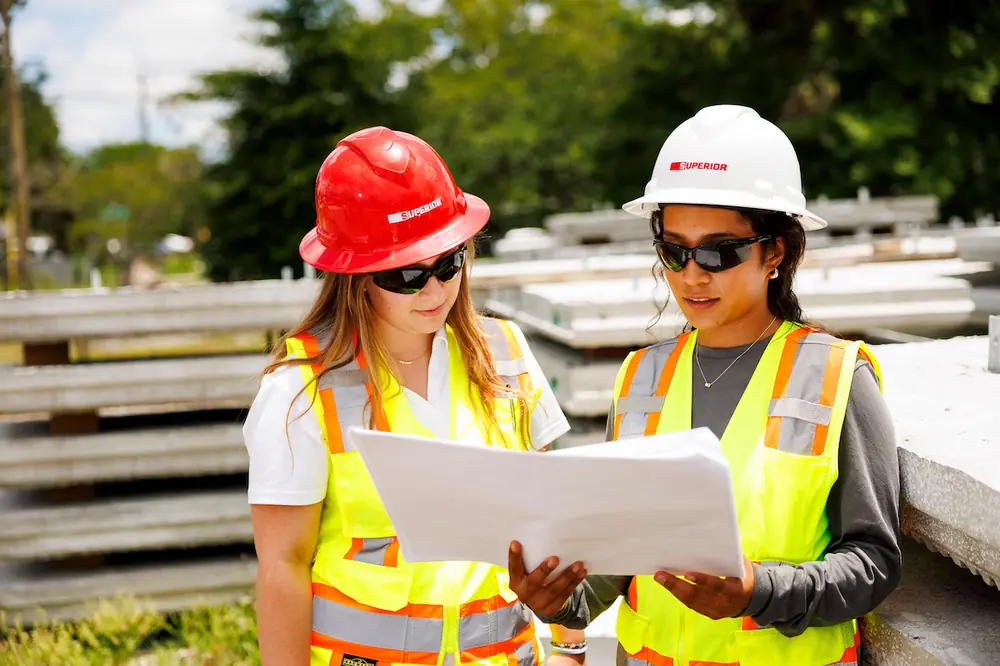
For people outside the industry, it offers career exploration, internships, and apprenticeships. For current employees, it adds mentorship and leadership development, including the Superior Women in Construction program.

| Your local Deere & Co dealer |
|---|
| West Side Tractor Sales Co |
Two features set the STEP initiative apart. First, it connects outward. Superior partners with high schools, second-chance organizations, and veterans organizations to bring new people into the industry, then pairs those partnerships with internal training in heavy equipment operation, carpentry, pipe laying, and several shorter skilled labor courses designed to get people productive faster. Second, it’s built specifically for heavy civil work, with instruction tailored to roads and bridges.
This summer’s pre-apprenticeship pilot class showed how that works. Eleven high school students spent six weeks with the company, four days a week for six hours a day, and completed OSHA 10-hour training. Half of each day was in the classroom, and half was in an outdoor training area with bridge-girder mock-ups. The students built benches and tables, ran their own surveys while watching a drone map the same ground, and tested out a heavy equipment simulator that feels like a video game.
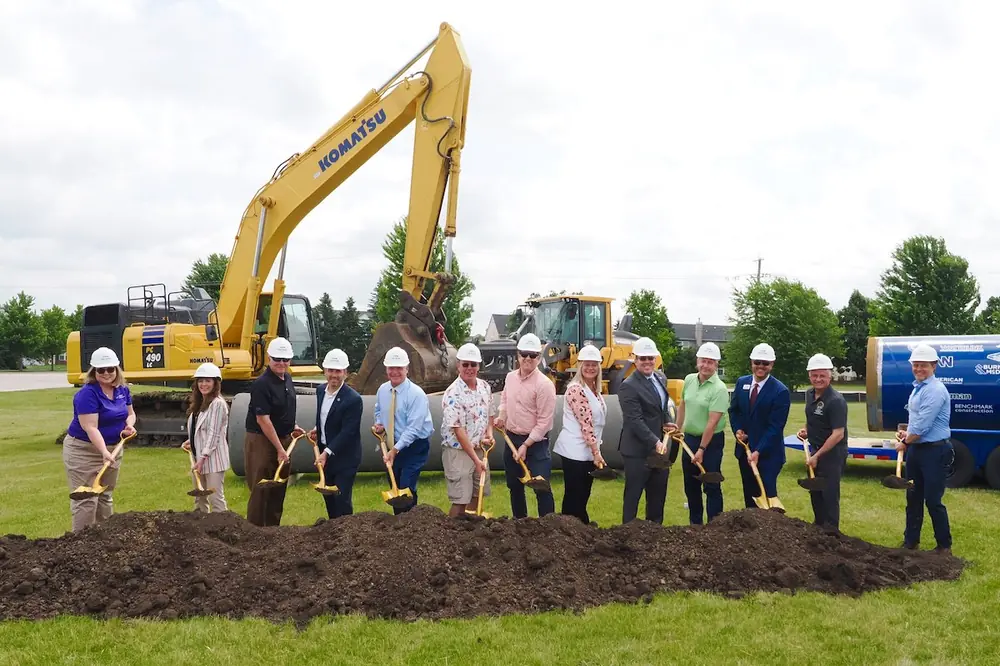
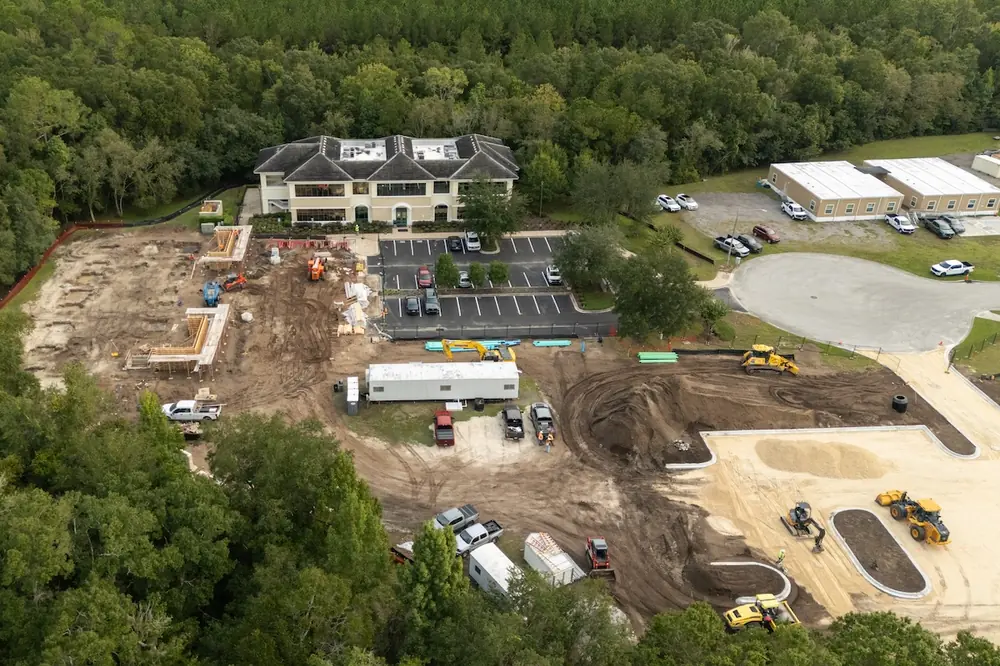
The commitment goes beyond the programs themselves. The company recently broke ground on a 13,000-square-foot, two-story training facility at its Jacksonville, Florida, headquarters to house that work, with classrooms, hands-on training areas, meeting space, and a gym. CEO Nick Largura says moving to a permanent building shows both employees and people considering the industry that the investment is here to stay.
Training through STEP is paid. Trainees are Superior employees from the start, which removes the tuition barrier that keeps many people from considering a new trade.

| Your local Bobcat dealer |
|---|
| O'Leary's Contractors Equipment & Supply |
Superior is up front that not everyone who trains through STEP will stay. The company funds the effort on the premise that a more skilled labor pool benefits the entire industry.
“We want Superior to be part of the solution rather than just watch the gap keep growing,” Largura said. “Superior has been around since 1938, and as a fourth-generation, family-owned company, this is our way of making sure the next generation has that same opportunity.”
Contractors of any size can borrow from this approach. Building a stronger workforce doesn’t necessarily require a large training facility or an entirely new program. It starts with identifying opportunities to develop talent.
Watch for Talent Already on the Job Site
Doe’s path began when a foreman recognized his work ethic and asked about his goals. Encourage supervisors to have regular conversations with crew members about their interests and career aspirations. Sometimes the next skilled operator is already on your team.

| Your local Takeuchi Mfg Ltd dealer |
|---|
| Brandeis Machinery |
Let Experienced People Teach
Pair newer employees with seasoned crew members who can demonstrate techniques, share lessons learned, and provide guidance on the job site. Formalizing that knowledge transfer helps preserve valuable skills as experienced workers retire.
Pay People to Learn
Treating trainees as employees makes training accessible to people who cannot afford to stop earning while learning a new trade. Paid training also allows participants to build practical skills while contributing to active projects.
Train for the Work You Do
General programs rarely cover the specialized demands of heavy civil construction. Tailoring instruction to your equipment, projects, and workforce needs helps trainees develop skills they can put to work immediately.
Build Outside Partnerships
Local high schools, veterans organizations, and second-chance programs can introduce new people to construction careers. Start by building a relationship with one organization, offering job site visits or hands-on experiences that show participants what a career in heavy civil can look like.

| Your local Case Construction Equipment Inc dealer |
|---|
| Burris Equipment |
The industry knows it has to recruit from the outside, and STEP has pathways built for those recruits.
But Doe’s path is a reminder to look within, too. He was already on the job site, showing up and doing the work, and he moved up because a program was there to move into.
Your firm may have people ready for the same opportunity. The next step is building a way in for newcomers and a way forward for the people already on the crew.
Jessica Paske, SHRM-SCP, CPTD, is Director of Organizational Development at Superior Construction. She is a founding steering committee member of the Superior Women in Construction program, which has achieved 100 percent promotion rates for its leadership graduates.