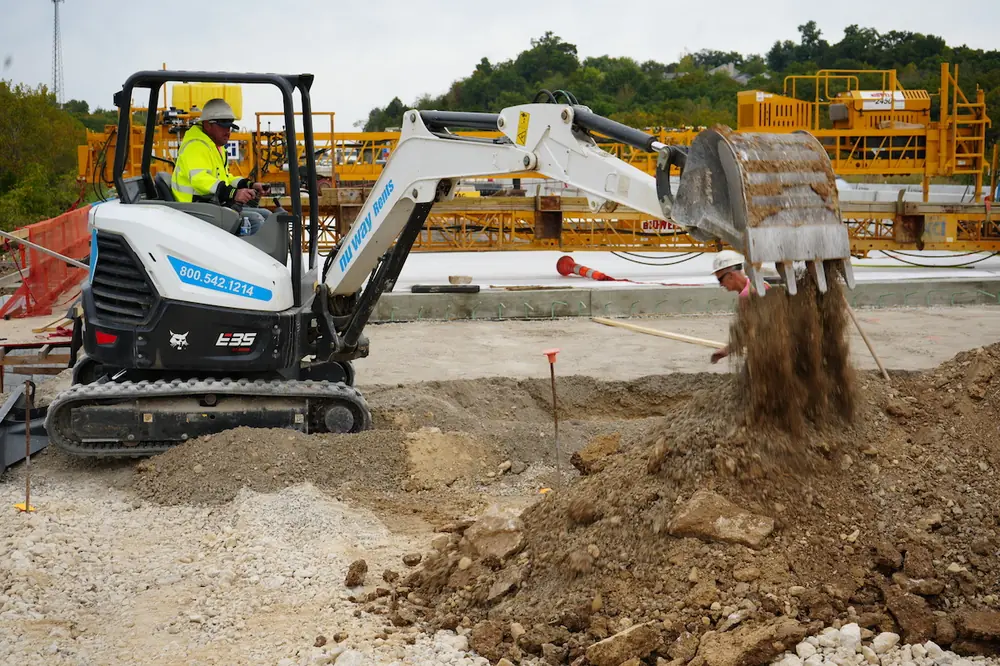
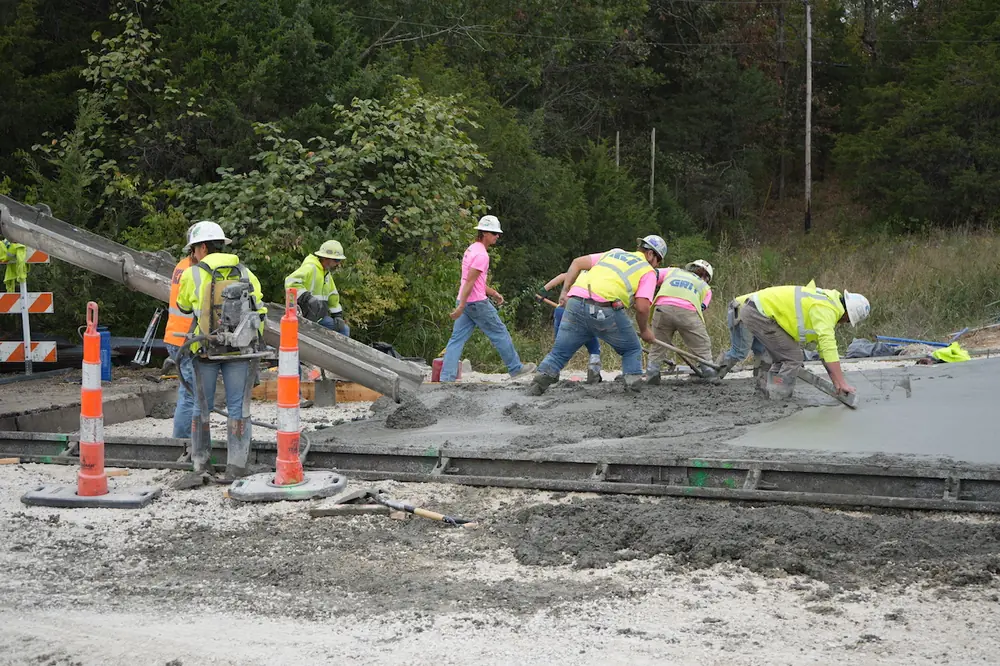

Overcoming significant logistical and coordination challenges, a design-build team is making steady progress on a $246 million corridor improvement project along Interstate 55 in Jefferson County, Missouri. Led by KCI Construction of St. Louis in partnership with the Missouri Department of Transportation (MoDOT), the effort is focused on expanding capacity, improving safety, and supporting continued growth in one of the region’s busiest commuter corridors. Bartlett & West of Topeka, Kansas, with offices in St. Louis, serves as the lead design partner on the team.
The project is designed to eliminate long-standing bottlenecks, modernize more than 20 structures, and introduce a new grade-separated interchange. While much of the work remains ongoing, the complexity of the job — from maintaining traffic to coordinating with railroads and utilities — has required a high level of planning and adaptability from both the contractor and owner.
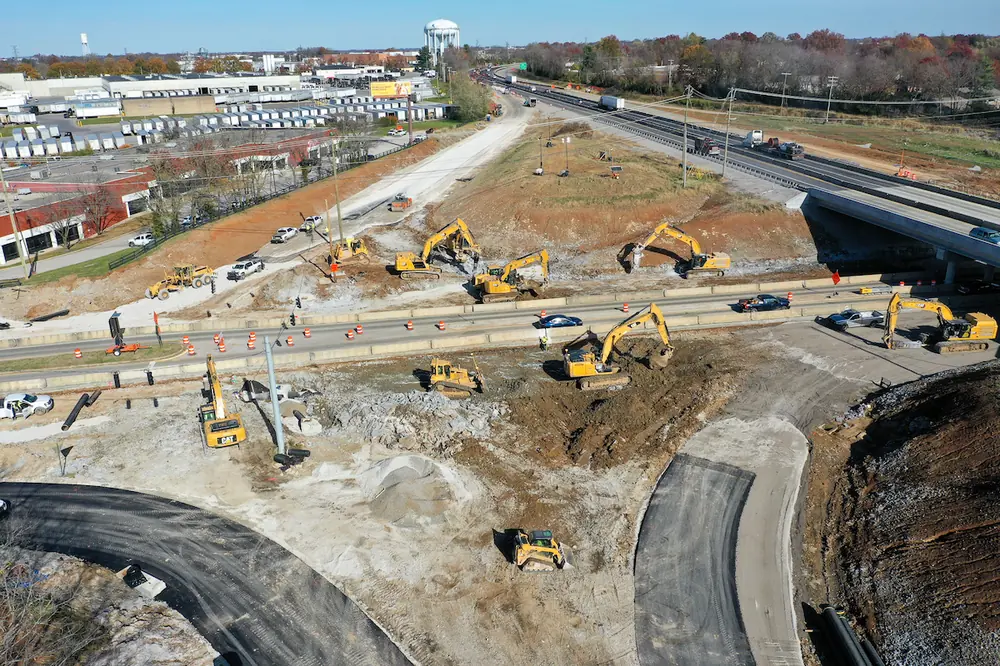
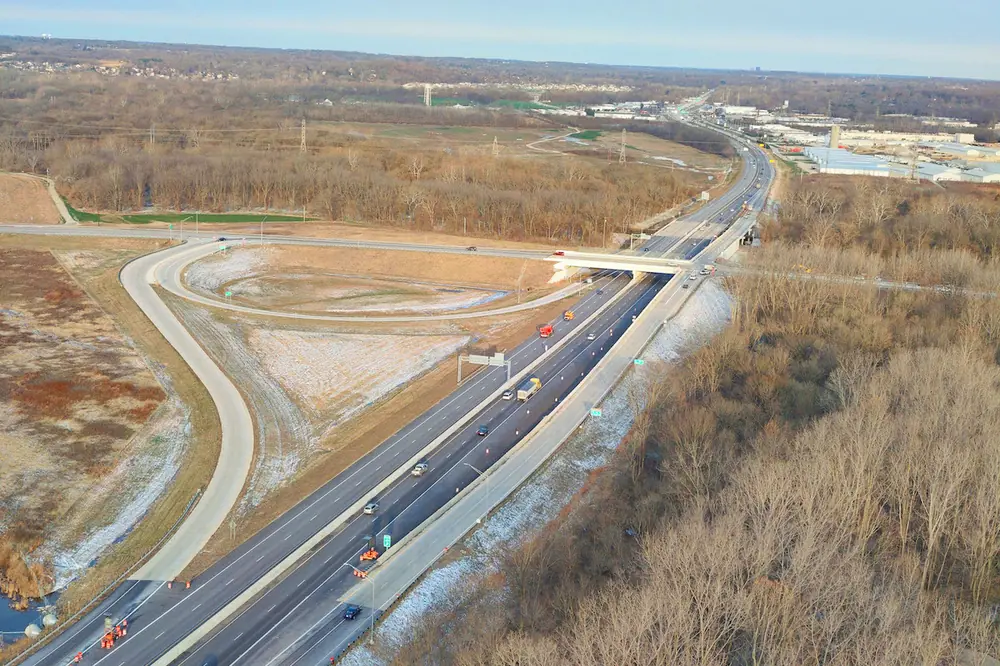
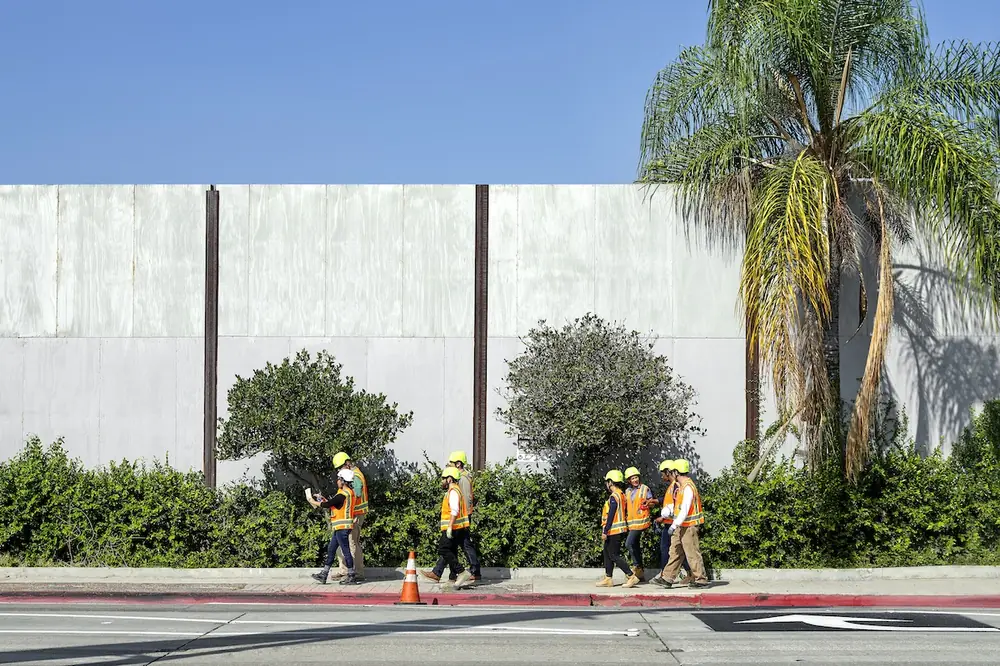
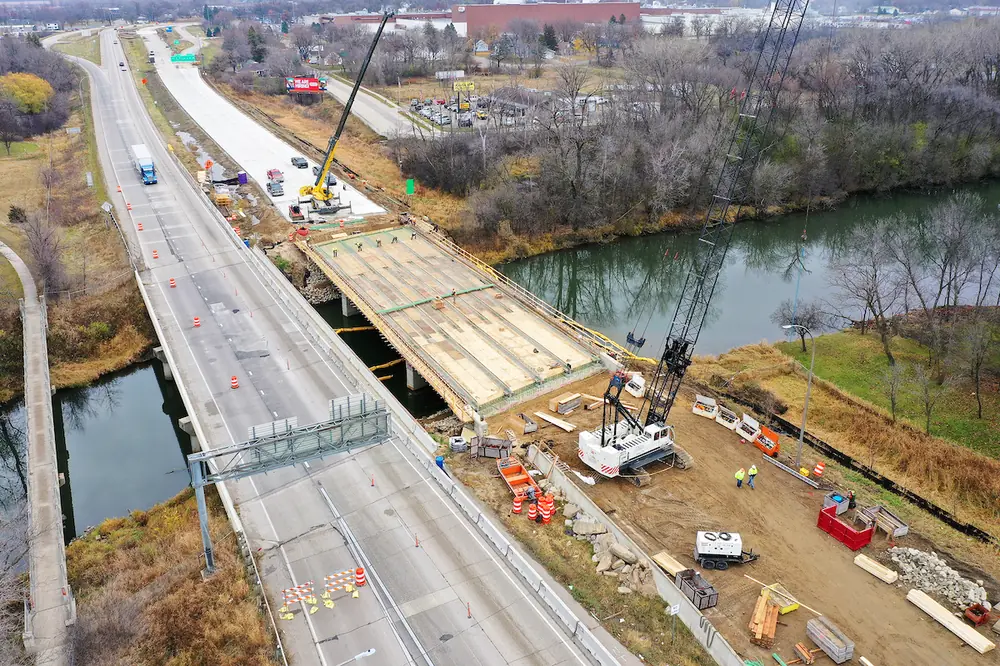
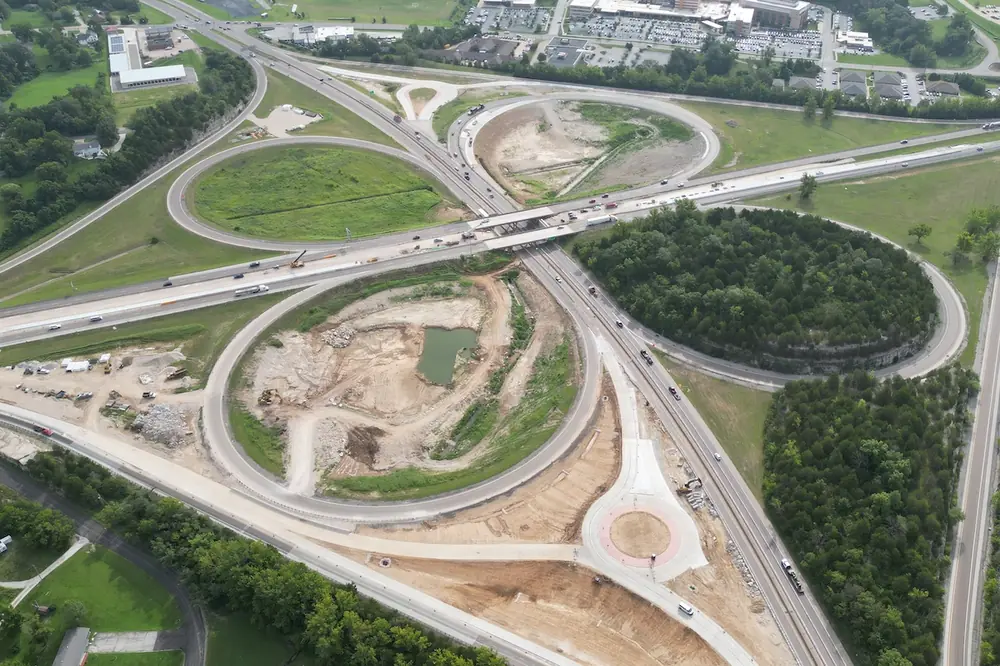
The I-55 corridor project extends from Pevely to Festus, Missouri, and centers on the addition of a third lane in each direction. In addition to widening the roadway, the project includes replacing or rehabilitating more than 20 bridges; constructing a new interchange at Route 67 and Route CC, including roundabout construction at the I-55/Highway 67 intersection; installing sound walls; and upgrading pavement throughout the corridor.
“KCI is contracted to design and build a third lane of I-55 from Pevely to Festus, Missouri,” said Brian Mulhall, Vice President of Transportation at KCI Construction. “There are various other improvements with the project, including updating or replacing over 20 structures throughout the corridor.”
The work is being delivered through a design-build model, allowing design and construction teams to collaborate closely and respond quickly to changing field conditions. That flexibility has proven valuable, given the number of moving parts involved.

| Your local Takeuchi Mfg Ltd dealer |
|---|
| Brandeis Machinery |
The need for these upgrades stems from a long-standing reduction in lane capacity that created daily congestion and safety concerns.
“Basically, Interstate 55 went from six lanes, down to two lanes each direction with a grass median,” said Justin A. Wolf, I-55 Jefferson County Project Director for MoDOT in the St. Louis District.
“That was a daily bottleneck for traffic. It would hit that point where it drops to two lanes, and they'd back up, and there'd be crashes there,” Wolf added.
Traffic flow was further restricted at the southern end of the corridor, where a signalized intersection created additional delays.

| Your local Wirtgen America dealer |
|---|
| Brandeis Machinery |
“That signal really was the kink in the garden hose,” Wolf said.
By eliminating these bottlenecks and expanding capacity, the completed corridor is expected to support approximately 82,000 vehicles per day while improving safety and travel reliability for commuters.
The project represents a sizable investment in Jefferson County, funded through a combination of state and federal sources.
“Our favorite phrase is, ‘Everybody’s favorite $246 million investment in Jefferson County,’” said Jordan Dalaviras, Area Liaison for MoDOT in the St. Louis District.

| Your local Case Construction Equipment Inc dealer |
|---|
| Birkey's Construction Equipment |
Construction began in early 2024, following the project award in August 2023. Since then, crews have advanced work across multiple zones simultaneously, allowing different portions of the corridor to progress at different stages.
“Eighty percent of the project will be completed by this fall of 2026,” Mulhall said. “That puts much of the work ahead of schedule.”
While a significant portion of the work is trending positively, some elements have required adjustments. Coordination with railroad operators has added complexity to certain portions of the project.
“There is the BNSF [Railway] and the Union Pacific, and the partnership of making sure this project is done in the best capacity for all parties,” Dalaviras said. “That’s one thing that we’ve experienced a little bit of delay.”

| Your local Wirtgen America dealer |
|---|
| Brandeis Machinery |
“As a result, the overall completion timeline has shifted to spring 2027, from an original anticipated completion date of December 2026,” Wolf said.
Even with added scope and coordination challenges, the project remains on budget. As design and construction progressed, the design-build team was able to retire risks associated with utility relocation, right of way acquisition, and environmental remediation. That allowed MoDOT to utilize contingency funds to expand scope in select areas, including upgrading pavement from rehabilitation to full-depth replacement, while maintaining overall cost control.
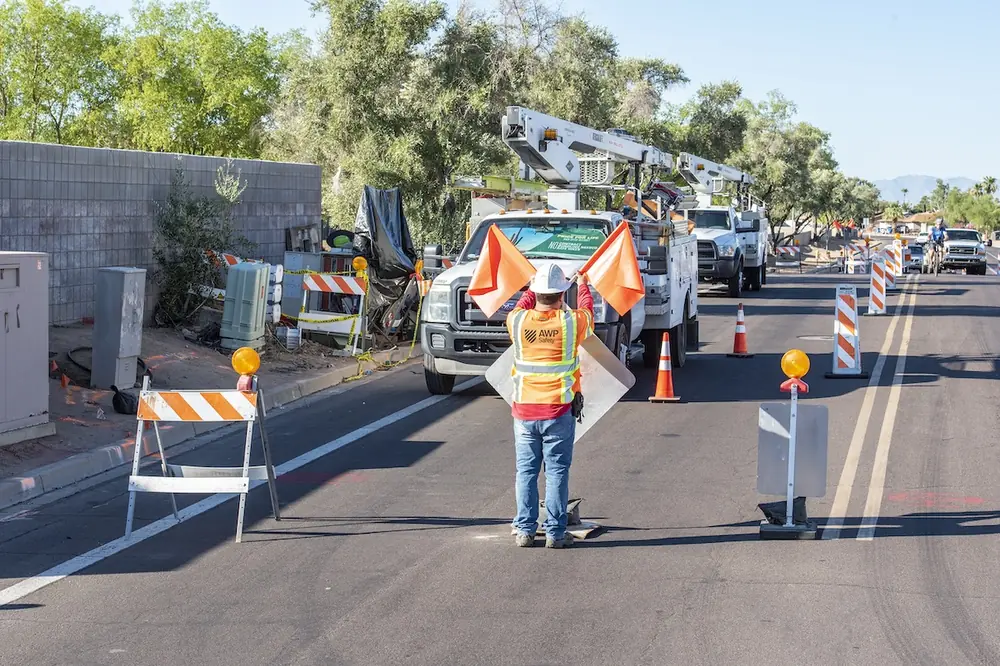
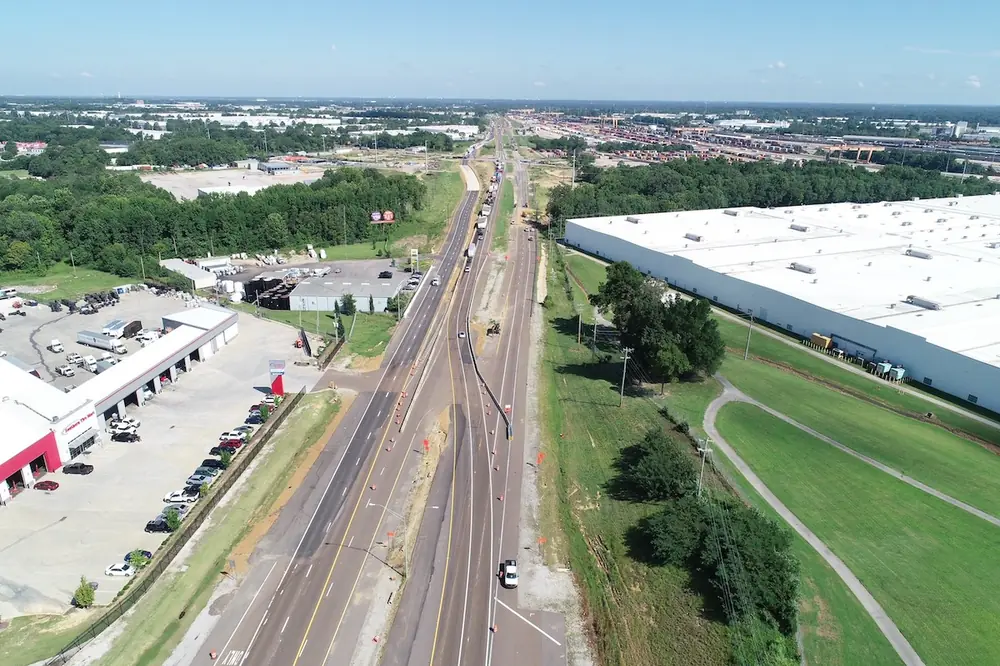
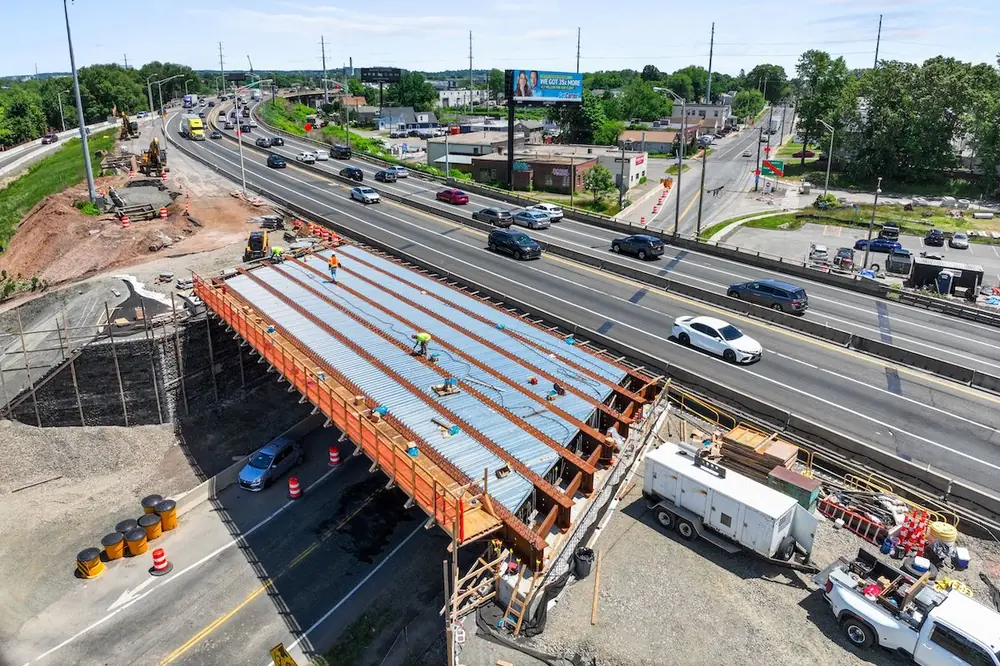
Maintaining traffic while reconstructing a major interstate corridor has been one of the most demanding aspects of the project. Throughout construction, two lanes in each direction remain open, requiring detailed staging plans and careful sequencing.
“The key thing is that during construction we are keeping two lanes open on I-55, both northbound and southbound,” Wolf said.

| Your local Bobcat dealer |
|---|
| O'Leary's Contractors Equipment & Supply |
This requirement significantly limits available workspace, particularly when crews are working on bridges and interchanges located close together. In many areas, construction activities must occur within narrow corridors separated from live traffic by temporary barriers.
To address this, the team has relied on phased construction that shifts traffic between existing and newly built sections of roadway. This approach allows work to continue while minimizing disruption to the traveling public.
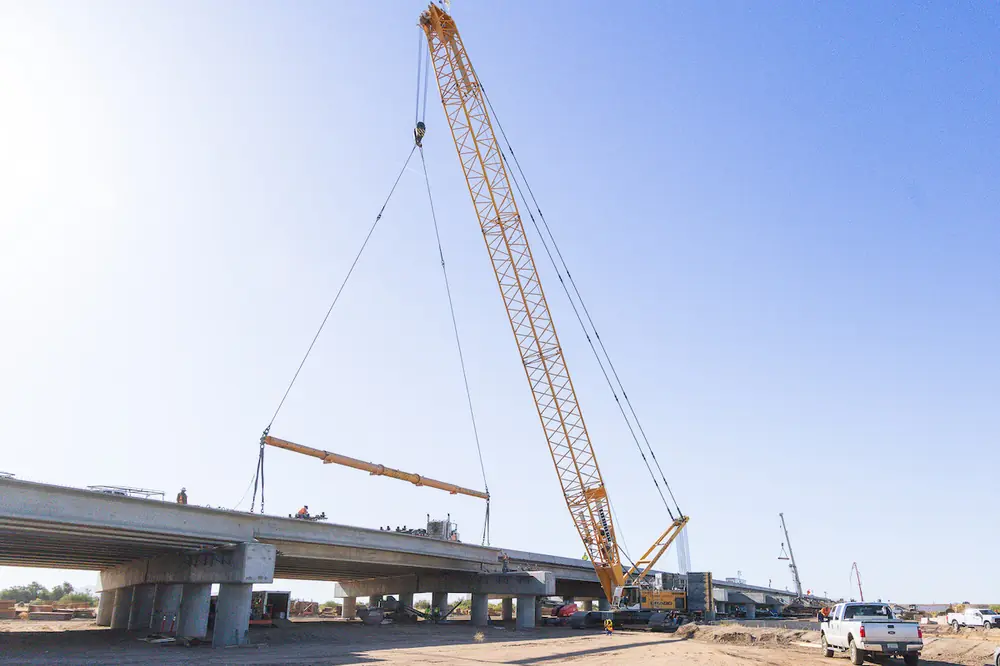
However, these shifting patterns create additional challenges during operations, such as concrete placement and girder erection, where space and timing are critical.
“The phasing of this project allowed us to keep the existing two lanes of traffic live while construction is underway,” Mulhall said. “While that is good for the traveling public, it did create challenges with construction operations like concrete placement and girder erection.”

| Your local Atlas Copco CMT USA dealer |
|---|
| Brandeis Machinery |
To safely execute this work, most day-to-day operations are protected from traffic using temporary concrete barriers.
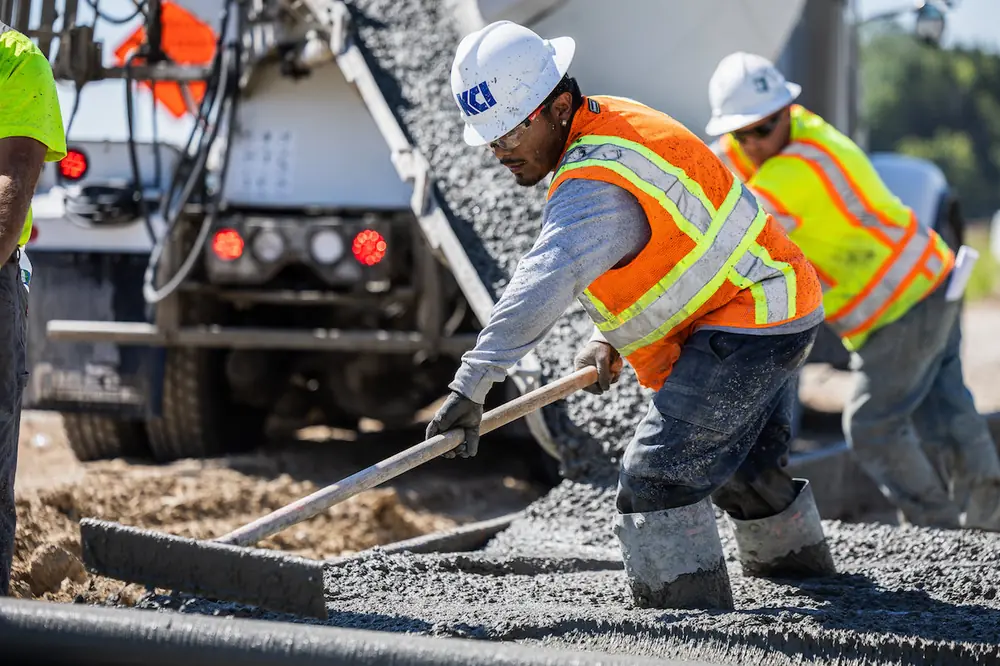
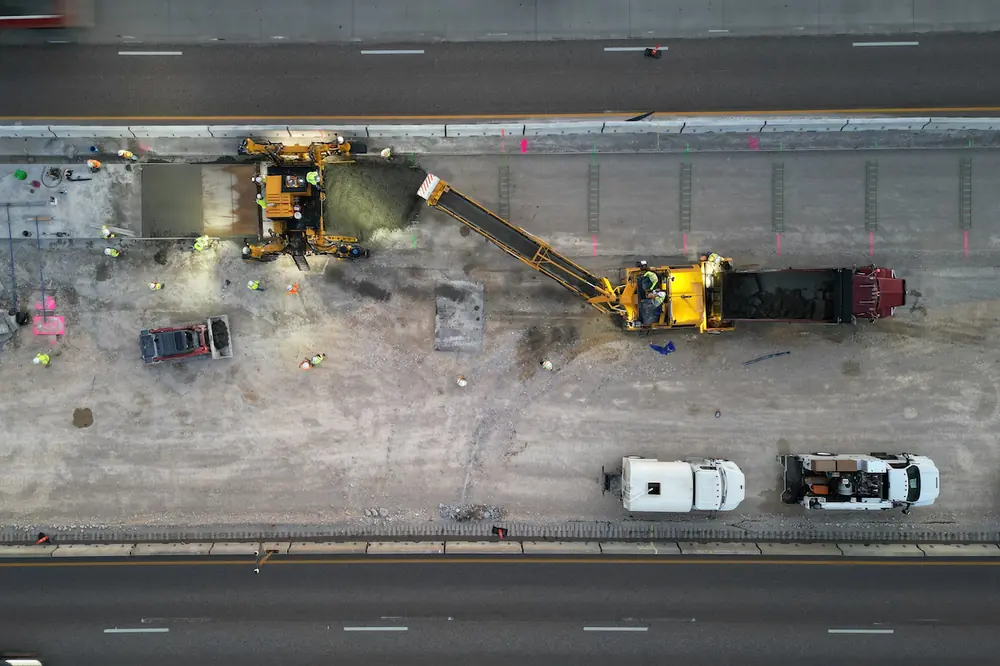
“To date, the KCI team has graded more than 500,000 cubic yards of earth, placed over 500,000 tons of aggregate, and poured more than 100,000 cubic yards of concrete,” Mulhall said. “On the bridge side, we’ve driven over 13,000 linear feet of steel pile, installed approximately 2 million pounds of reinforcing steel, and erected more than 11,000 linear feet of bridge girders. All of this work has been carefully planned within our traffic control plan, with a dedicated team working hand in hand with construction operations.”
For more complex activities, the traffic control team plays a critical role in coordinating lane closures, traffic shifts, and detours in real time.
For example, girder placement over the BNSF Railway required nightly closures of one direction of I-55 over a two-week period. During those operations, the traffic control team implemented detour routes, installed temporary signage, and coordinated closely with construction crews and MoDOT to maintain safety and traffic flow.

| Your local Komatsu America Corp dealer |
|---|
| Brandeis Machinery |
In contrast, girder installation over local crossroads required only short-duration, single-lane closures lasting a few hours.
“KCI construction crews coordinate planned operations, like crane placement, with the traffic control team,” Mulhall said. “Adjustments are made to traffic control, if needed, and communicated with MoDOT and the traveling public.”
In addition to traffic-related constraints, coordination with external entities has required constant attention. Utility relocations and railroad coordination have introduced variables that are often outside the direct control of the construction team.
“As most heavy civil contractors know, coordination with third-party utilities and third-party entities like railroads can be cumbersome,” Mulhall said.

| Your local Trimble Construction Division dealer |
|---|
| SITECH Mid-South |
| SITECH Midway |
| SITECH Indiana |
| SITECH Mid-America |
| SITECH Ohio |
To manage these risks, KCI implemented task force groups focused specifically on resolving coordination challenges and maintaining progress across the project.
The project is divided into four primary zones, each progressing through multiple phases of construction. This segmentation allows crews to manage different sections independently while maintaining overall continuity.
“We have this project split into four different zones,” Mulhall said. “Currently, two of them are in phase three, one is in phase one, and one is in the final stage.”
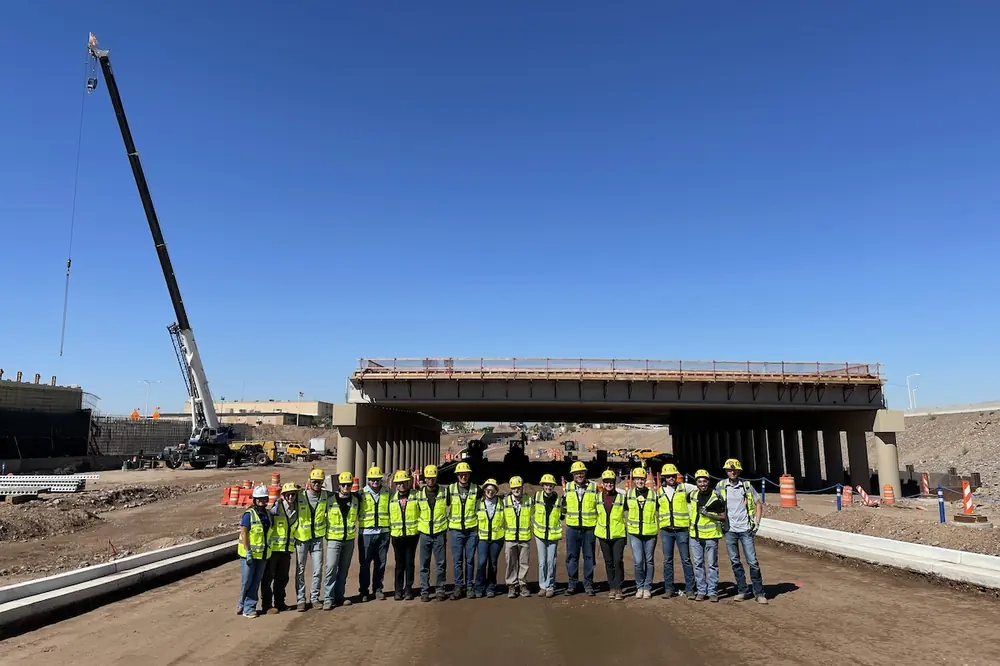
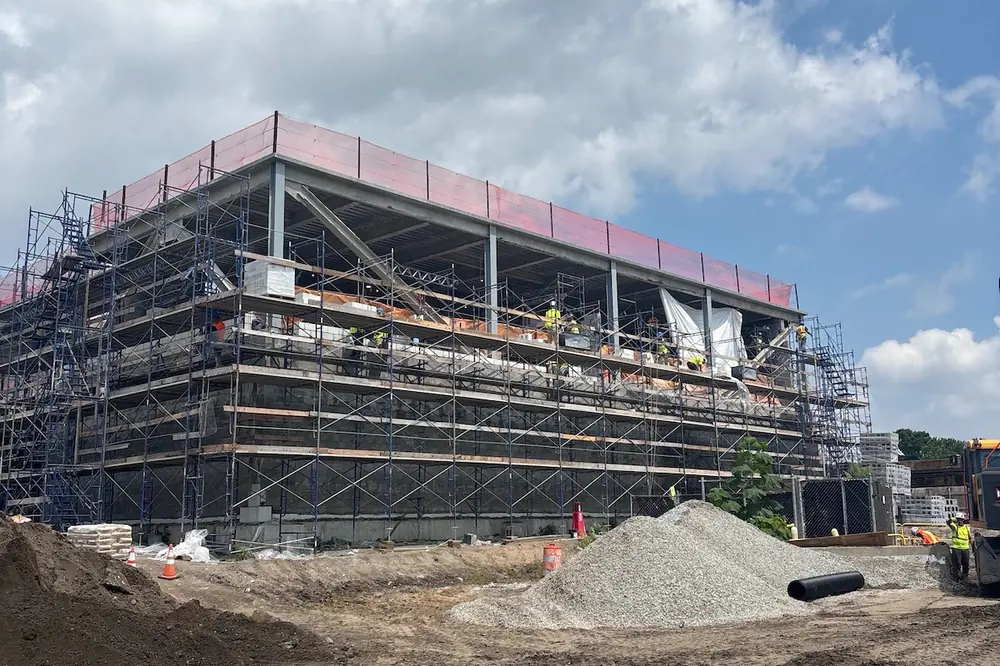
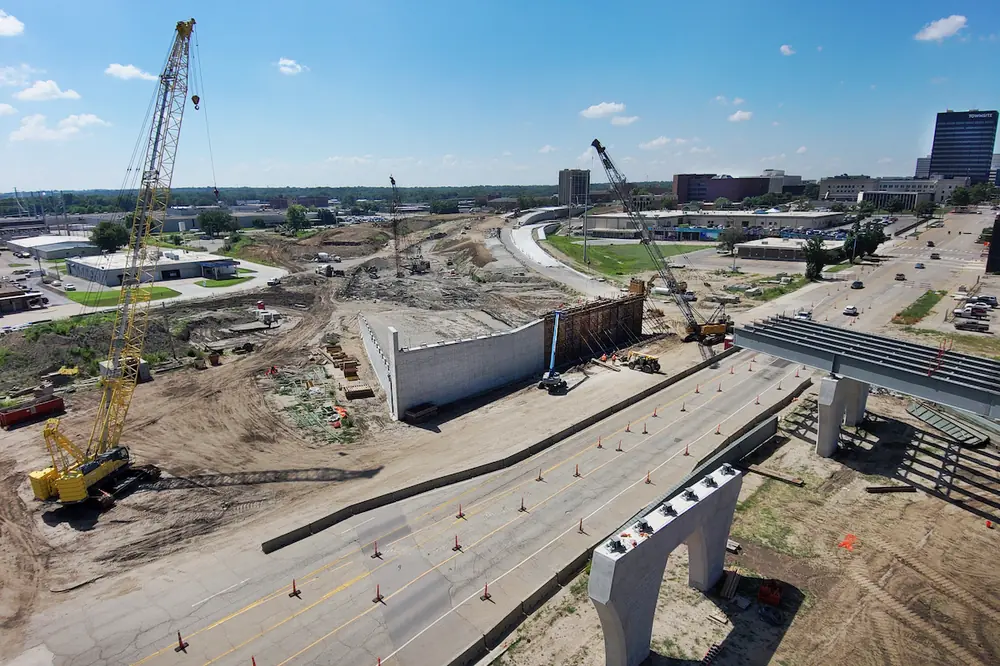
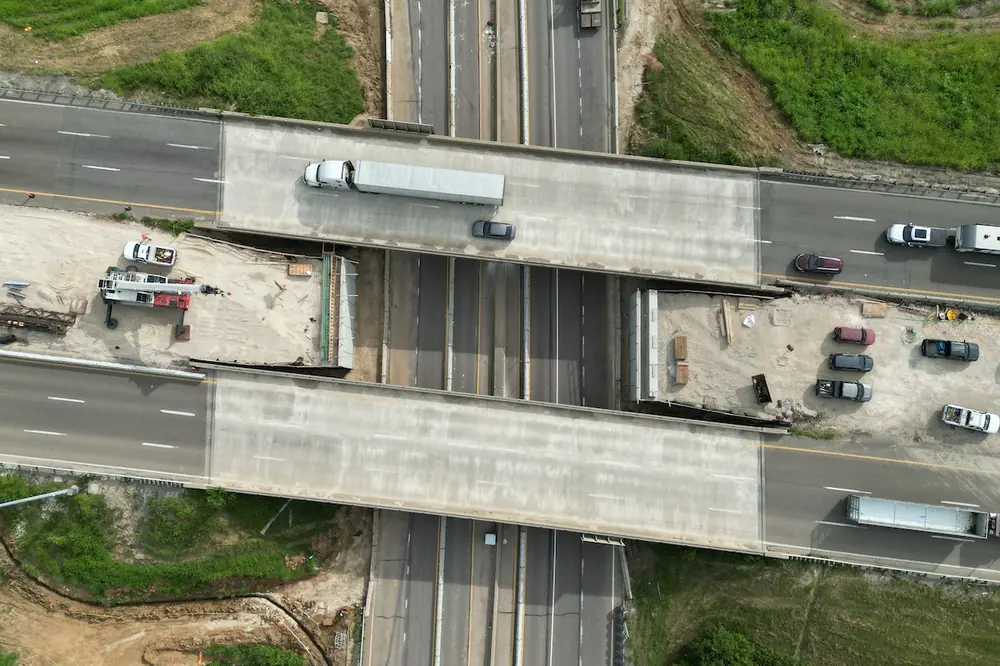
Bridge construction has been particularly complex. I-55 structures over crossroads, creeks, and railroads are being built in multiple phases to accommodate traffic shifts.

| Your local Case Construction Equipment Inc dealer |
|---|
| Burris Equipment |
“Each of the nine crossings are split into three phases, those nine crossings end up feeling like 27 individual bridge projects,” Wolf said.
A typical sequence involves building new roadway and structures within the median, shifting traffic onto those new sections, and then demolishing and rebuilding the original lanes. This process is repeated across different sections of the corridor, requiring careful coordination between crews.
In some areas, the project has already reached advanced stages, with multiple phases of bridge construction completed and final work under way.
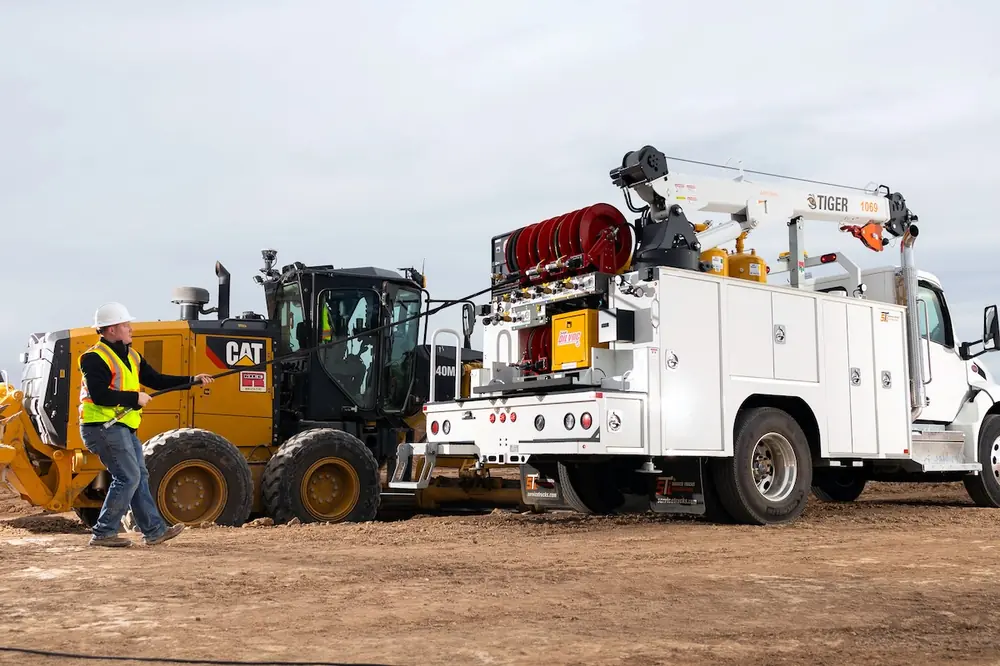
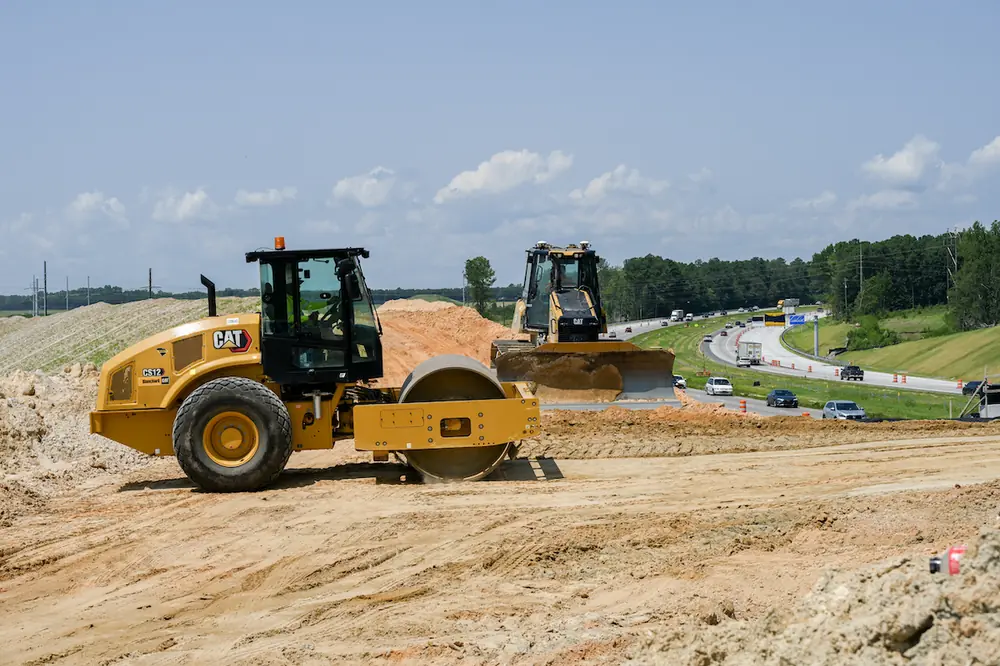
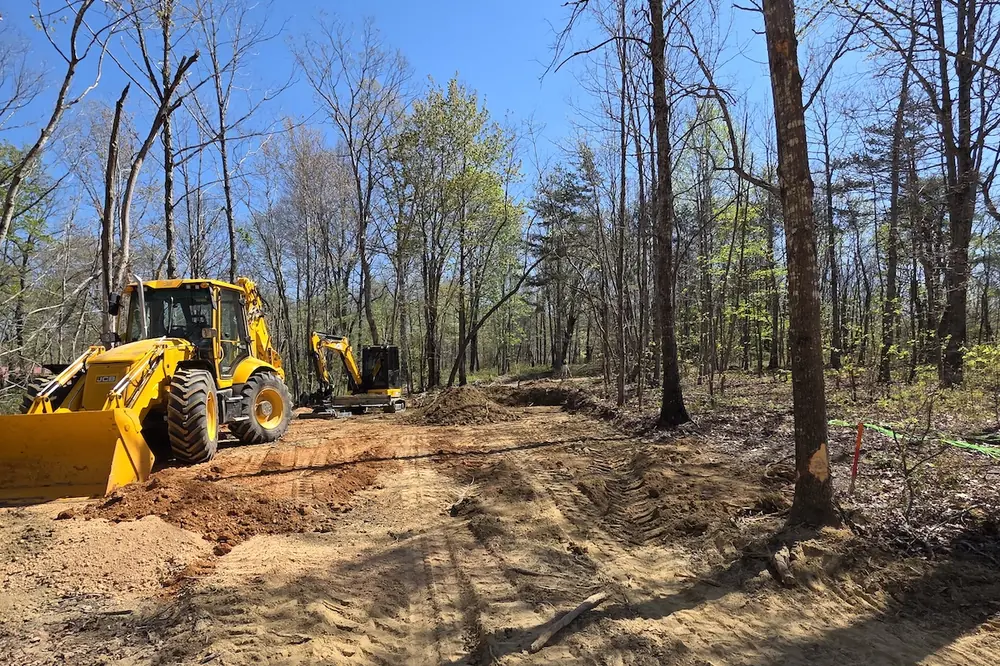
The scale of the project requires a large and diverse fleet of equipment, with dozens of machines operating across multiple zones at any given time. Current field equipment includes Caterpillar D6 Dozers, Caterpillar 349 Excavators, and John Deere 850L and 750L Crawler Dozers. Excavation work is supported by articulated dump trucks, which are heavily used in grading and material transport operations.

| Your local LeeBoy dealer |
|---|
| Brandeis Machinery |
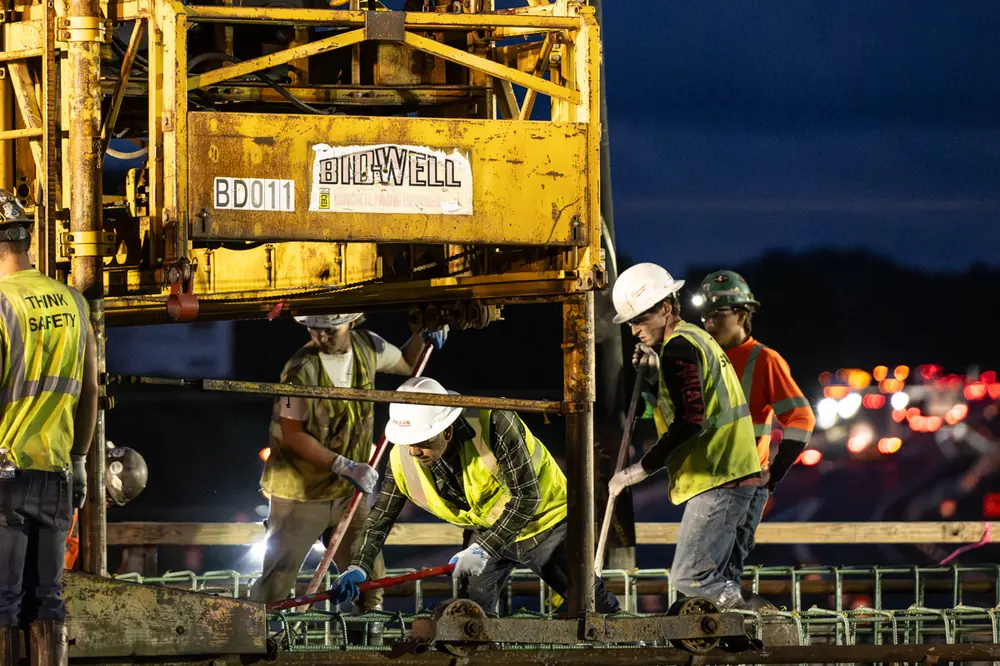
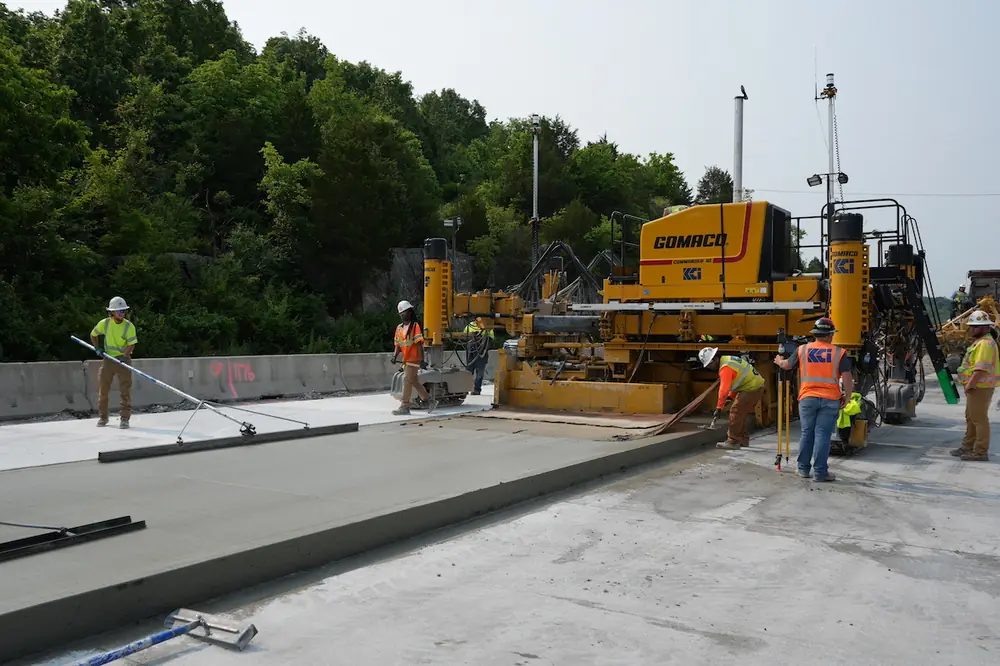
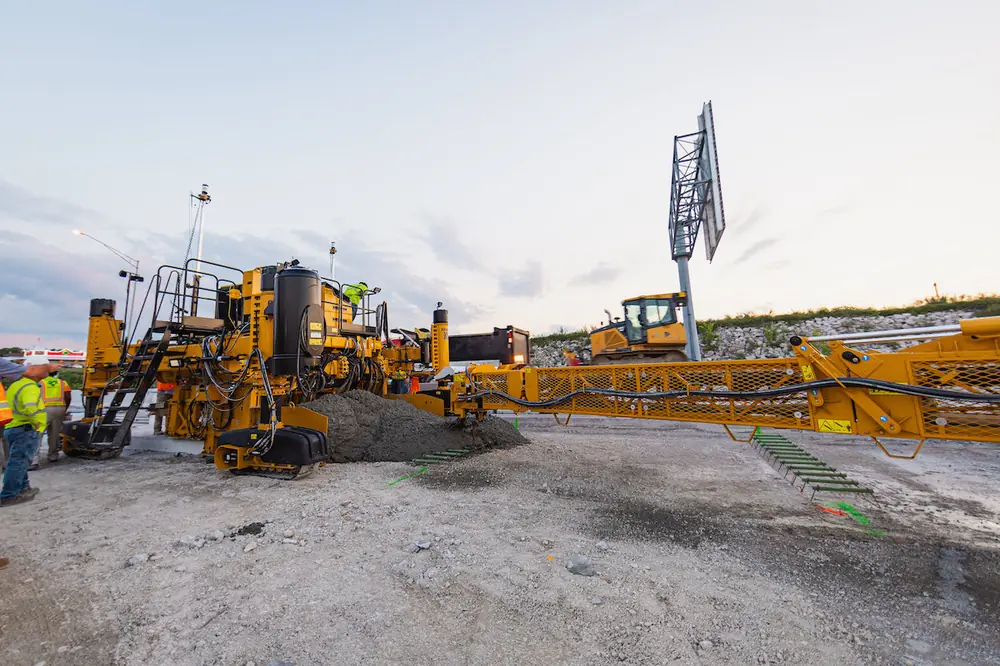
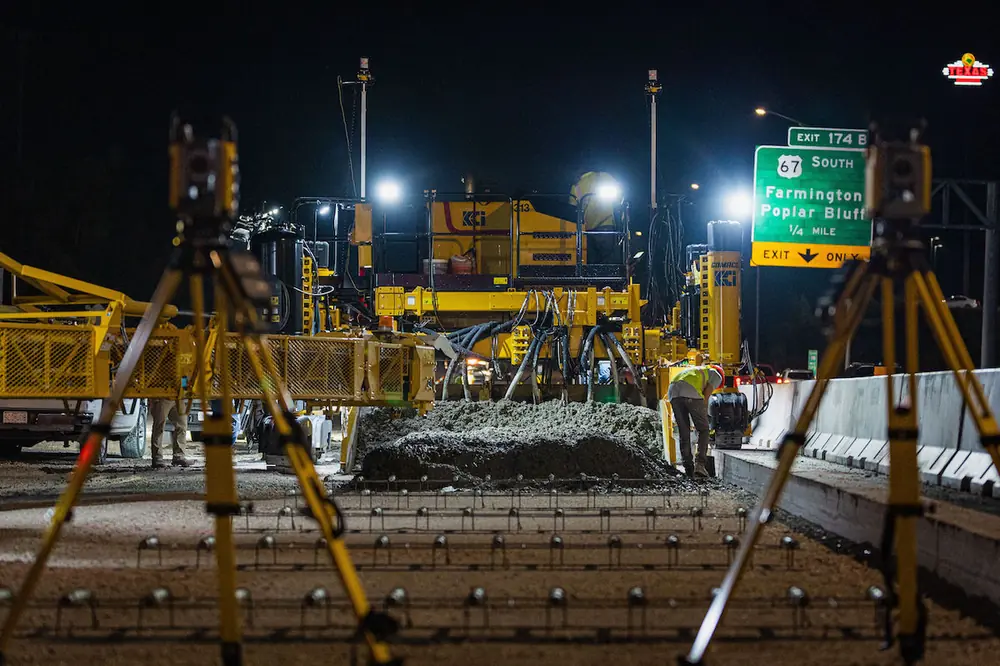
Concrete paving is performed using specialized equipment, such as Gomaco pavers, which enable continuous placement of roadway surfaces. Additional equipment includes skid loaders, telehandlers, and crawler cranes used for structural work.
Technology has also played a significant role in improving efficiency and accuracy.
“KCI is using GPS for all earthwork operations and Total Station grading and paving for all concrete work,” Mulhall said. “Drones are being utilized to survey and track the progress of the project.”
These tools allow crews to maintain precision across large work areas while reducing the need for traditional layout methods, ultimately helping the project stay on schedule.

| Your local Leica Geosystems Inc dealer |
|---|
| Laser Specialist inc |
As the project progresses, both MoDOT and KCI Construction emphasize the importance of early planning and proactive communication in managing complexity. From the contractor’s perspective, identifying risks early and assigning focused teams to address them has been critical.
“KCI’s greatest lesson is to stay focused on challenges from the beginning,” Mulhall said. “Identify your risk early and assign teams to knock down those risk items.”
The project has also reinforced the importance of communication beyond the immediate construction team. Located within a rapidly growing region, the corridor requires ongoing coordination with local agencies and emergency services.
“This section of I-55 is right in the middle of some growing communities,” Wolf said. “We have weekly meetings with the fire, police, ambulance districts — talking about how it’s going to impact your routes.”

| Your local New Holland dealer |
|---|
| Burris Equipment |
That level of engagement has allowed the team to anticipate potential disruptions and adjust operations accordingly, ensuring continued access for critical services.
Internally, the co-location of MoDOT and KCI personnel has further streamlined decision-making. By working side by side, project leaders can resolve issues quickly and maintain momentum across all phases of construction. Looking ahead, the completed project is expected to improve mobility, reduce congestion, and support continued economic growth throughout Jefferson County.
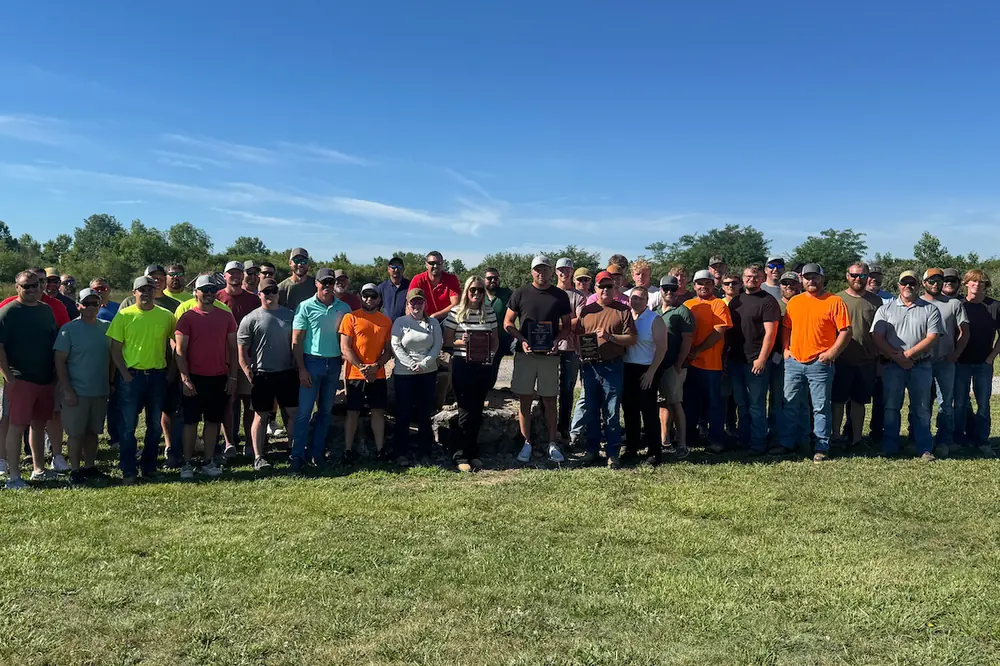
“We are most proud of the team that we have to construct this project,” Mulhall said. “If you have ever heard the saying, ‘It takes a village,’ there is no greater example of this than this I-55 team.”
- Owner: Missouri Department of Transportation
- General Contractor: KCI Construction, St. Louis, Missouri
- Design Partner: Bartlett & West, Topeka, Kansas Photos courtesy of KCI Construction