
Travelers recently conducted a survey about mental health in the construction industry.
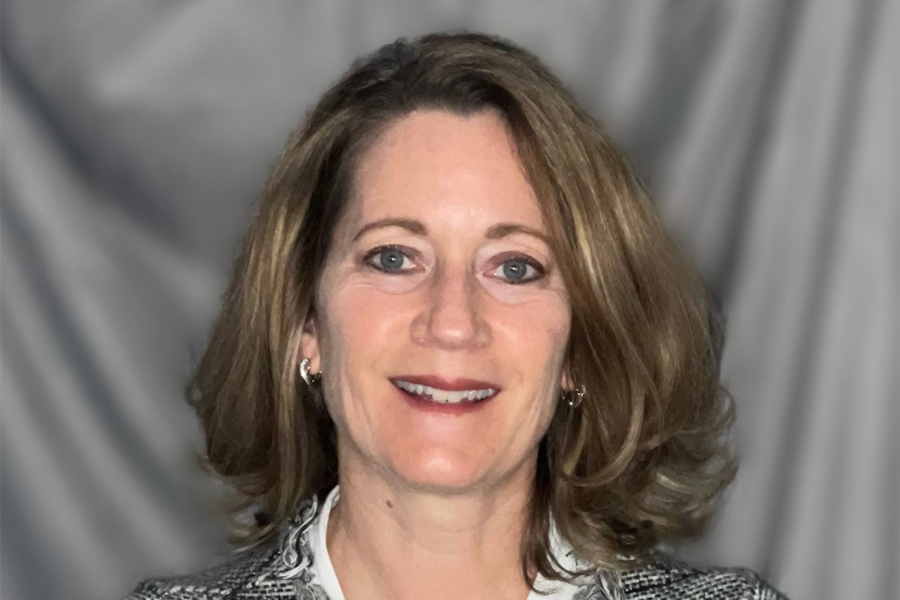
“Knowing that the construction industry is not immune to mental health challenges, we wanted to pinpoint how and why these professionals are struggling so that we can identify the best ways to offer support,” said Jennifer Lee, Vice President — Construction Loss Sensitive and Project Business at Travelers.
The survey of 500 construction workers confirmed that many had experienced some kind of mental health challenge, including:
- Stress (62 percent)
- Anxiety (46 percent)
- Depression (36 percent)
- Fatigue (43 percent)
- Sleep difficulties (42 percent)
“In addition, we uncovered that many are unaware of, or lack access to, resources that could help them address these challenges,” Lee said. “These numbers aren’t just statistics — they represent real people dealing with real challenges that are affecting their lives, their families, and their livelihoods.”
Below, Lee and Claude Howard, Vice President and Workers Compensation Claim Lead at Travelers, share their insights and recommendations based on the survey’s findings.

| Your local Trimble Construction Division dealer |
|---|
| SITECH Allegheny |
| SITECH Northeast |
However, there’s a gap in formal training — 51 percent of managers who responded had not received any structured guidance on how to handle these conversations effectively. So, while managers are willing to have these discussions, they may not have the tools and techniques to make these discussions as productive as they could be.
Lee: Physical signs are important, too — noticeable fatigue, changes in appearance, or signs that someone isn’t taking care of themselves. The key is knowing your team well enough to recognize when someone’s behavior differs from their normal patterns.
The way that a supervisor might approach a conversation can differ based on the employee. What resonates with a 25-year-old might not work for a 55-year-old who has been in the trade for decades. It’s important for supervisors to demonstrate an openness to talk about any issue so that a worker of any age feels that they can speak out.
Acknowledging these generational perspectives and meeting people where they are can help foster a culture where everyone, regardless of age or background, feels supported and safe to speak up.
| Your local Trimble Construction Division dealer |
|---|
| SITECH Allegheny |
| SITECH Northeast |
Additionally, contractors can connect with their company’s employee assistance programs for training and resources, as well as with community organizations such as the National Alliance on Mental Illness and Mental Health America.
Finally, they can look within the industry for guidance. There are many construction companies that are willing to share their training, approach, and experience with others who are earlier on the journey of addressing this issue.
Then, managers can start having open, frank discussions about stress, anxiety, and overall well-being. Incorporating mental health topics into regular toolbox talks, for example, can help normalize these conversations and remove the stigma around the issue.
Contractors also need to measure and track their progress as they engage with their workforce. Just like any other safety initiative, it’s important to know what’s working and what isn’t so that adjustments can be made.
| Your local Trimble Construction Division dealer |
|---|
| SITECH Allegheny |
| SITECH Northeast |
Lee: In addition to [those steps], I’d stress the importance of leading by example. When managers share their own experiences or acknowledge that everyone faces challenges, it creates an environment where people feel safe seeking help. Simple steps such as hanging posters around job sites, providing hard hat stickers with mental health resources, and issuing wallet cards with warning signs can signal that the company takes this seriously.
Environmental changes can help, too — creating spaces where workers can decompress, fostering team relationships, and building that sense of camaraderie that construction workers value. It’s about recognizing that a worker’s mental state can directly impact both their safety and their performance.
Making mental health support as routine as any other workplace safety measure demonstrates to workers that their company genuinely cares about their overall well-being. This creates a stronger, more resilient workforce.
It doesn’t matter where contractors are on this journey of addressing mental health. What matters is that they, and the industry at large, continue to focus on this issue.