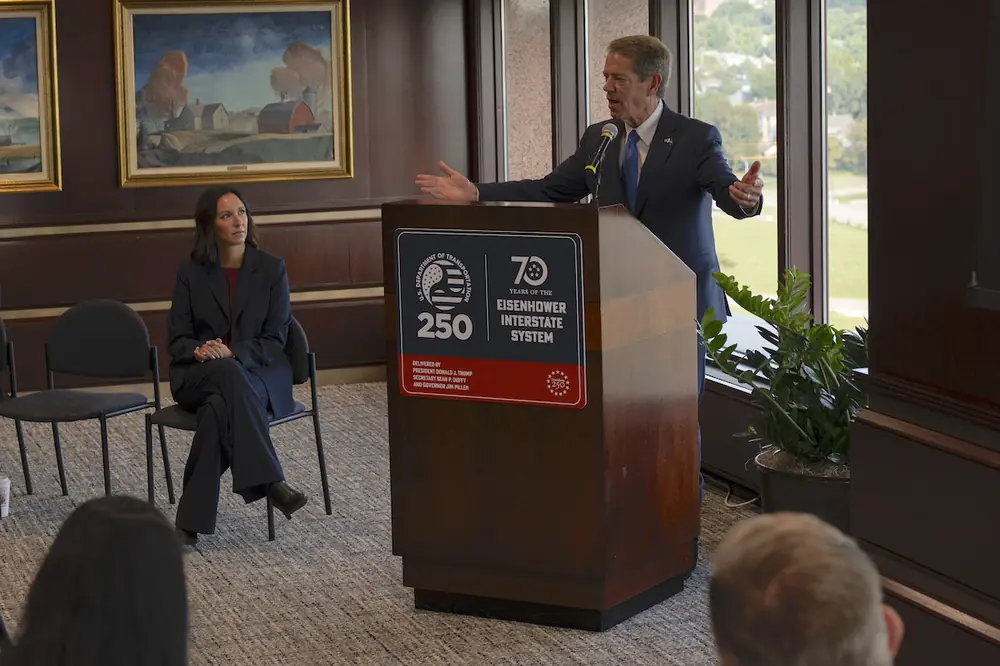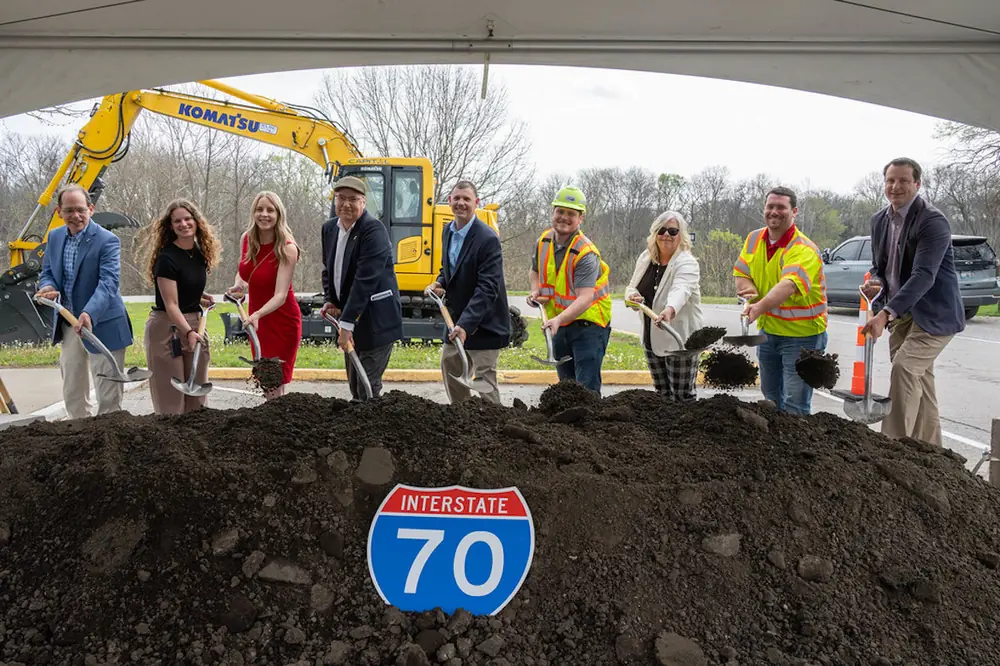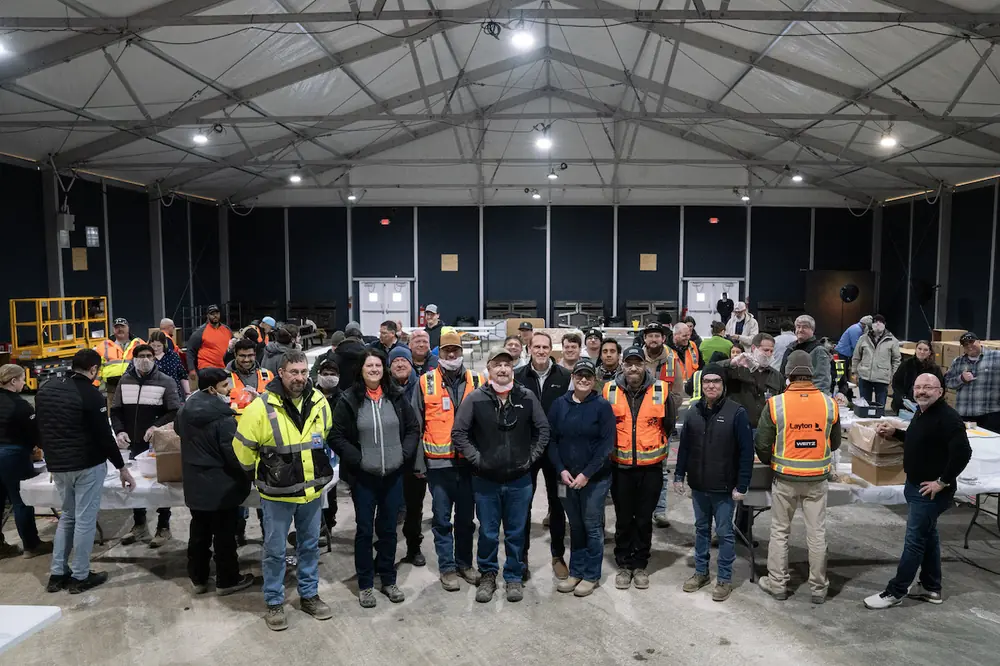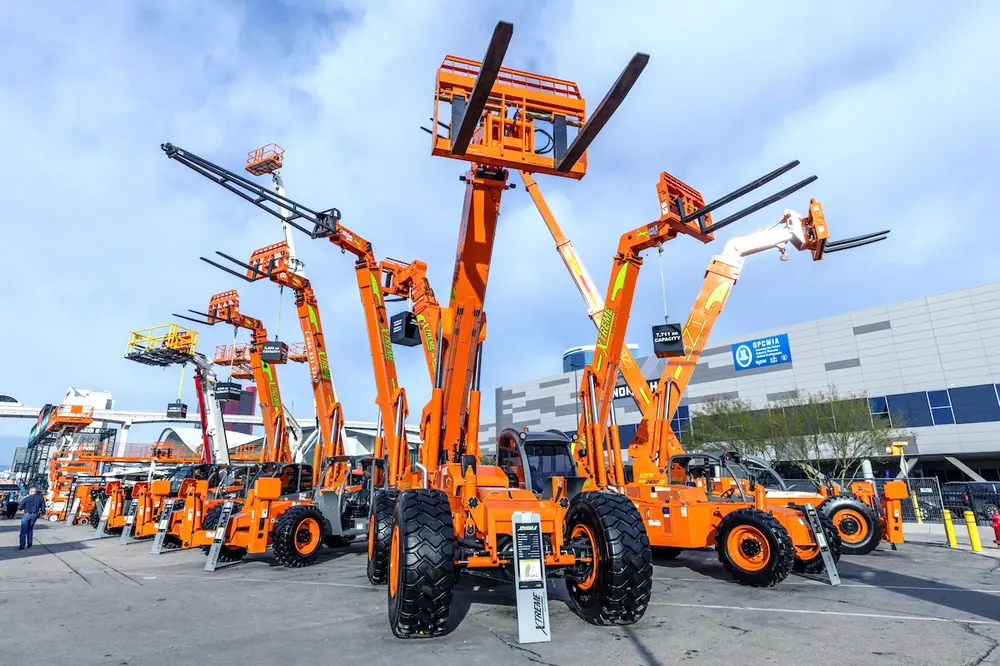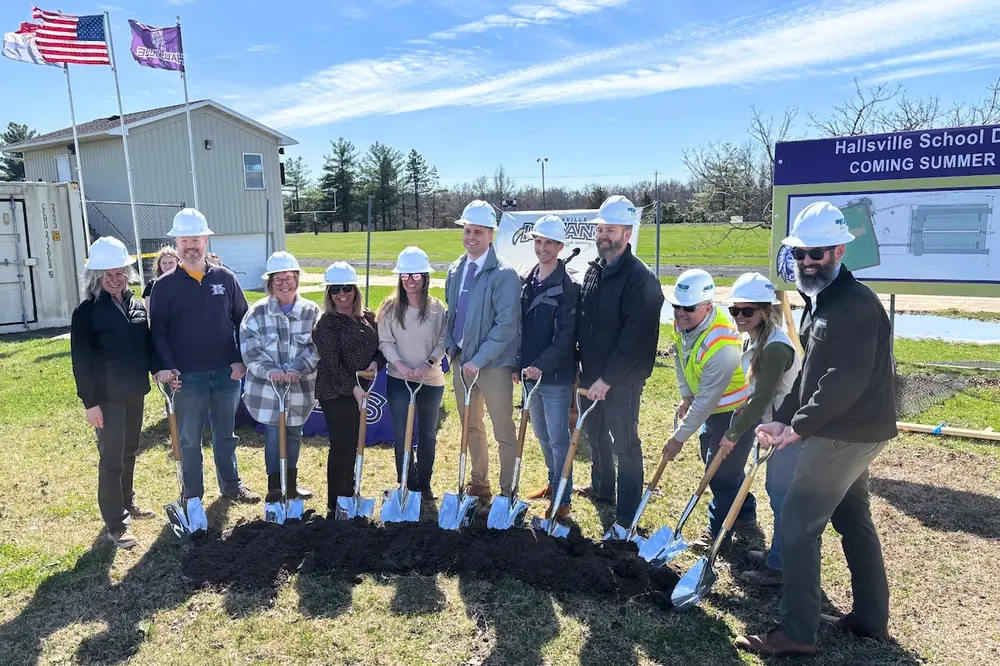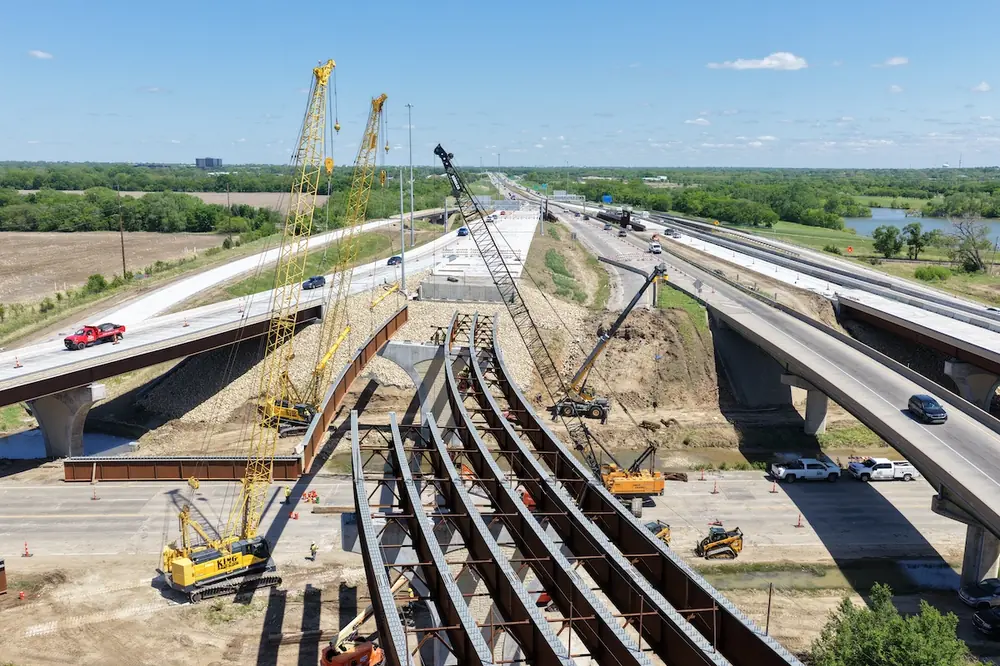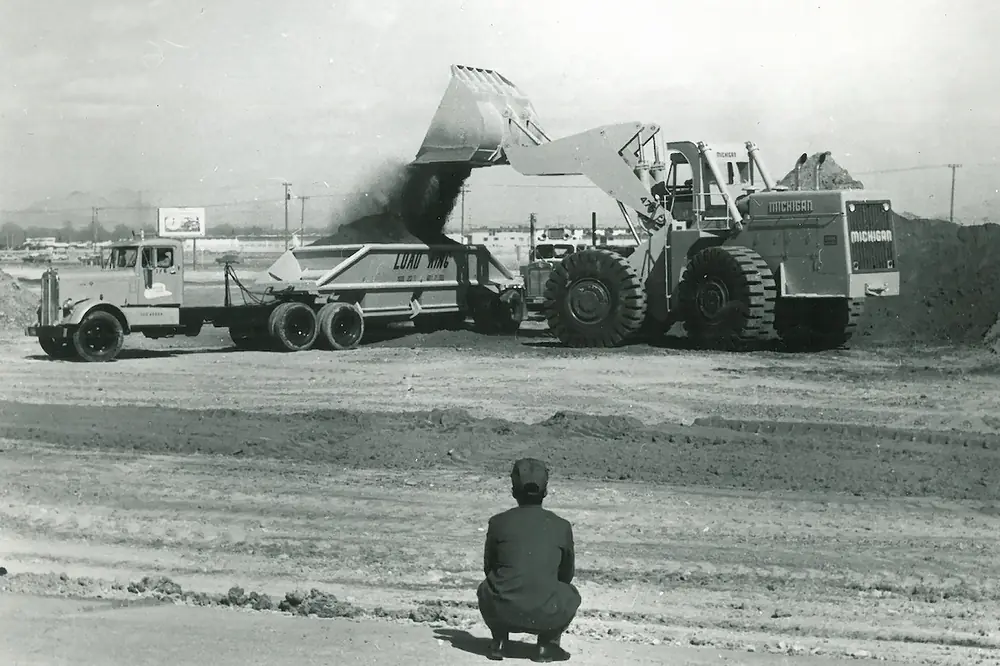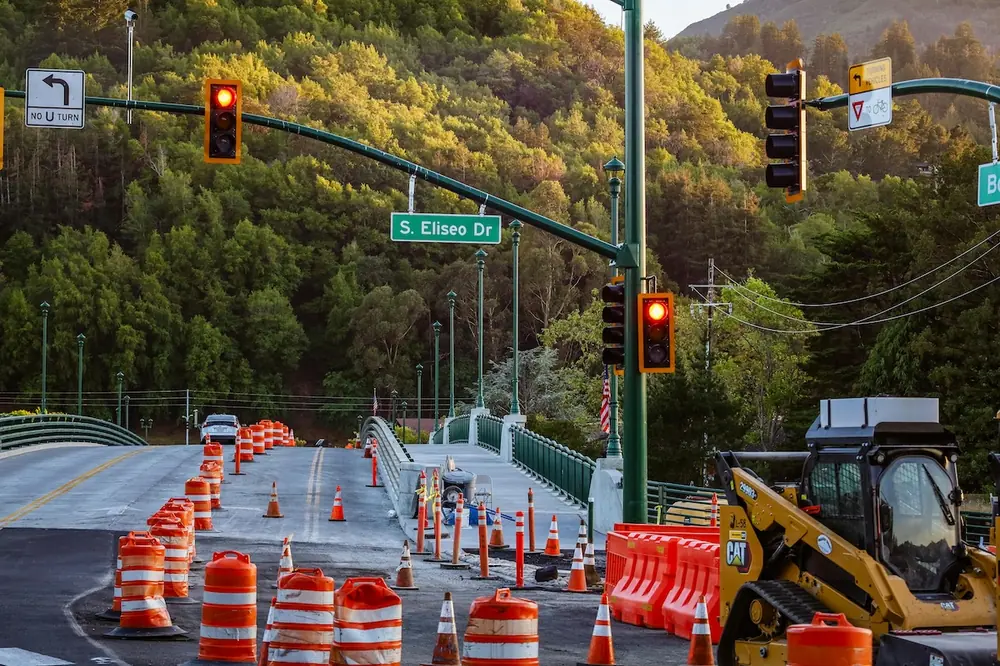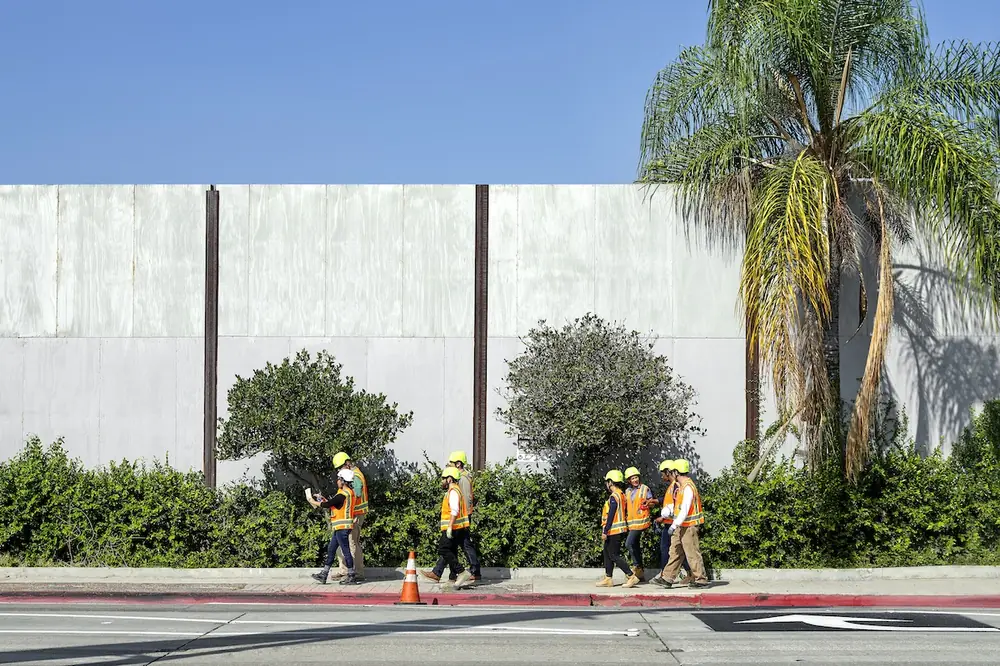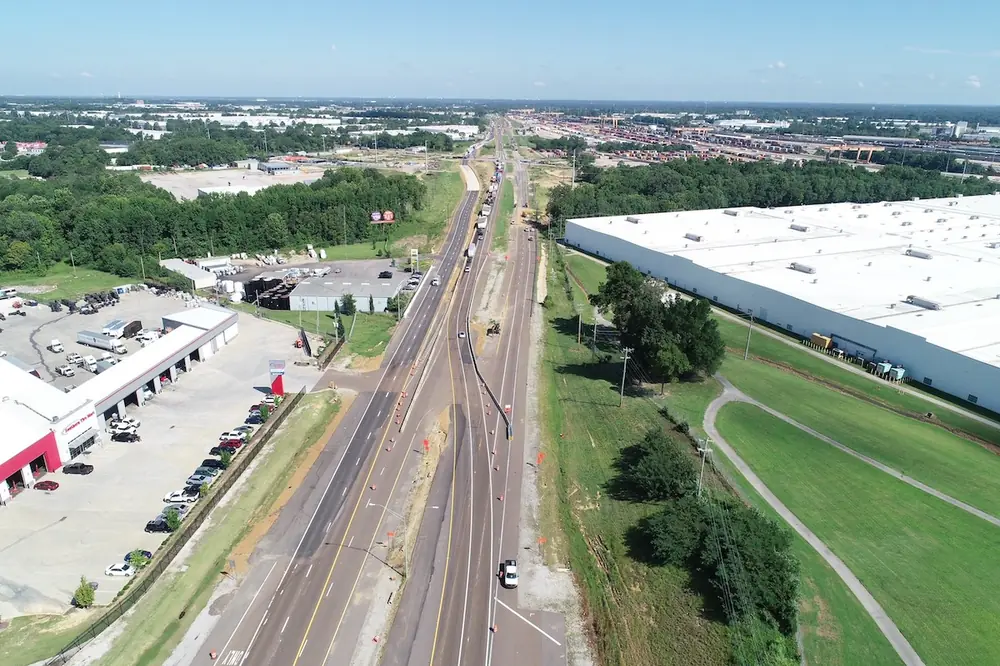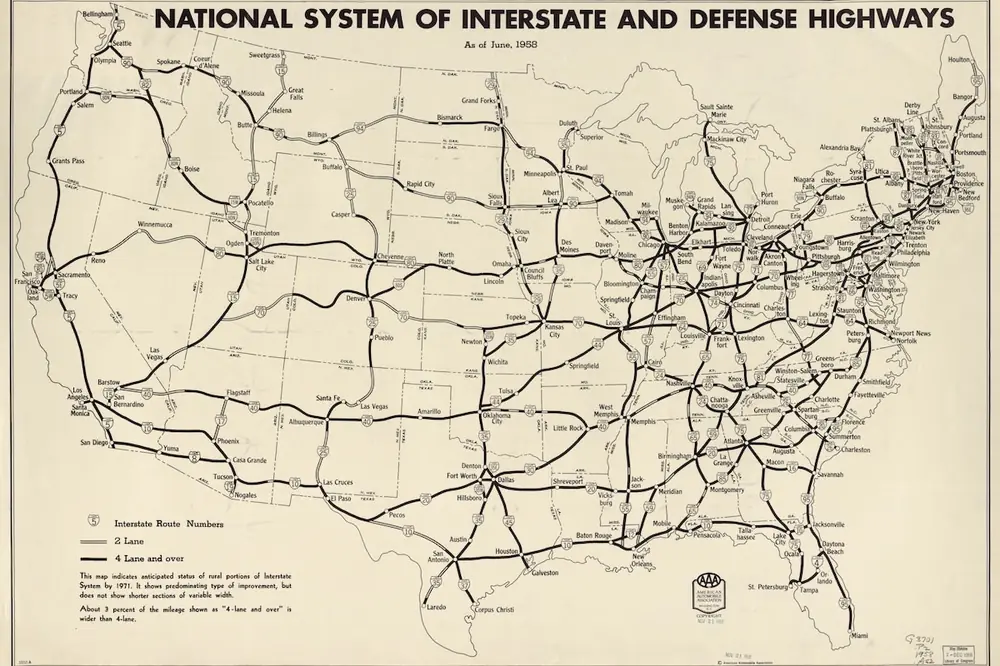
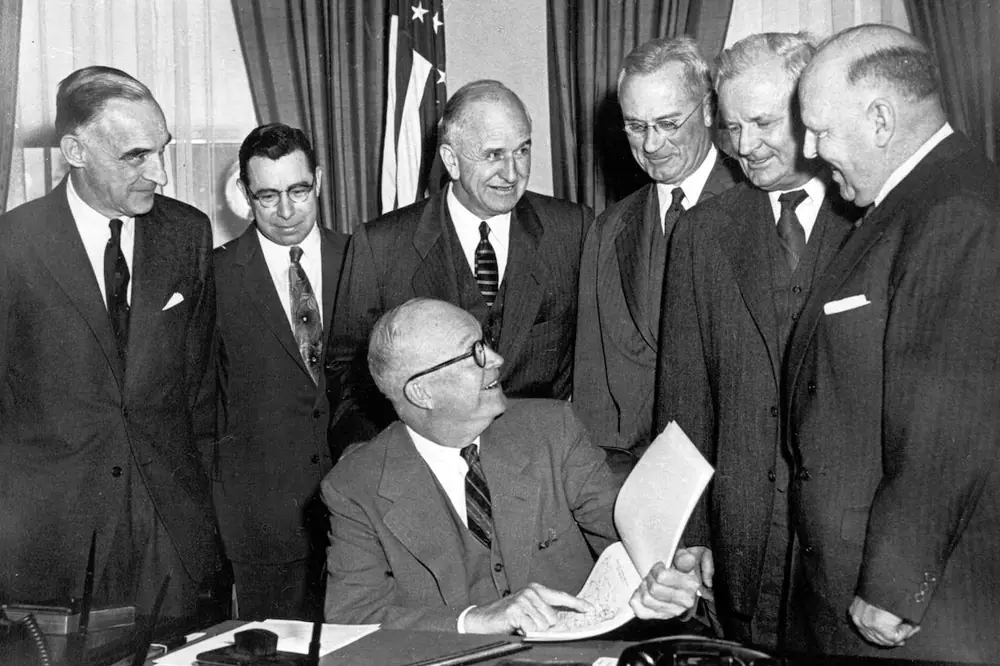

Initiated by the Federal-Aid Highway Act of 1956 under President Dwight D. Eisenhower, the Interstate Highway System is widely considered one of the greatest public works projects in the first 250 years of United States history. For the heavy civil construction industry, it represented an unprecedented era of standardized road building, requiring all routes to be freeways with at least four lanes, controlled access, and no at-grade crossings.
“Our highways badly need modernization and expansion to accommodate today’s vastly increased motor traffic,” Eisenhower said when signing the legislation.
Seventy years later, that statement rings just as true, especially for the rapidly growing states of the Pacific Northwest and Northern Rockies.
Authorized at an initial $25 billion — equivalent to $300 billion today — for the construction of 41,000 miles over a 10-year period, the massive construction undertaking ultimately spanned 35 years and cost approximately $114 billion, or $937 billion in 2026 dollars.
Today, the sprawling network spans 48,890 miles and serves as the main arteries for much of the U.S., generating an estimated economic benefit of $65 billion annually considering fuel savings, road safety improvements, and congestion reduction, according to research by the Washington, D.C.-based nonprofit TRIP.

| Your local Takeuchi Mfg Ltd dealer |
|---|
| Kirby-Smith Machinery |
| Star Equipment LTD |
“For the past 70 years, the Interstate Highway System has served as the ultimate economic engine for the Pacific Northwest and the entire country,” said Max Kuney of the Max J. Kuney Company and TRIP Board Member. “It hasn’t just efficiently moved freight and daily commuters; it has successfully connected once-isolated communities, fueled unprecedented regional growth, and provided a safe, reliable foundation for generations of American prosperity.”
Celebrating its 70th birthday this year, the Interstate Highway System is showing severe signs of aging, presenting an immense challenge for heavy civil contractors, engineers, and those who support the industry. The U.S. Department of Transportation estimates a staggering $196 billion backlog in necessary improvements nationwide, which includes $58 billion needed for pavements, $65 billion for bridges, and $73 billion for system expansion and enhancements.
Regionally, these infrastructure challenges are acute. In Idaho, the state has experienced the fastest rate of population growth in the nation, growing 29 percent since 2010 to reach 2 million residents. Alongside this, Idaho saw the fastest increase in vehicle miles of travel in the U.S., which surged another 14 percent between 2019 and 2025. This rapid expansion has heavily strained the state’s infrastructure. Forty-three percent of all major locally and state-maintained roads and highways in Idaho are currently in poor or mediocre condition, costing the average Idaho driver $546 annually in additional vehicle operating costs, according to TRIP’s most recent report. Furthermore, 38 percent of Idaho’s bridges were built in 1969 or earlier, and 60 percent of bridges on Idaho’s State Highway System constructed between 1960 and 2000 are projected to require significant rehabilitation or replacement between 2038 and 2050.
In Montana, vehicle travel increased by 40 percent from 2000 to 2024, representing the seventh-largest increase in the U.S. during that time. Today, 31 percent of Montana’s major roads are in poor or mediocre condition, costing drivers $605 annually in extra vehicle operating costs. Additionally, 39 percent of the state’s bridges are 50 years or older.

| Your local Topcon Positioning Systems Inc dealer |
|---|
| Star Equipment LTD |
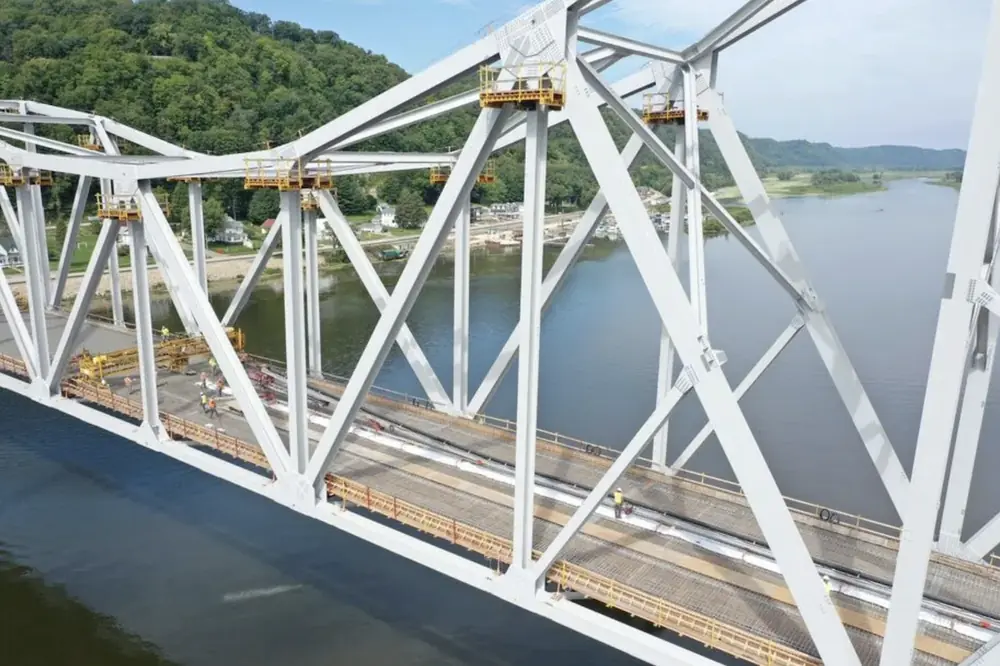
The Montana Department of Transportation has identified massive modernization needs along its interstate corridors, including pavement rehabilitation and bridge replacements on Interstate 90 from the Idaho border to St. Regis, and critical capacity improvements on I-90 around the Billings and Bozeman areas of Montana. Extensive bridge replacements and deck treatments are also urgently needed along Interstate 15 and Interstate 94.
The Transportation Research Board has indicated that addressing the system’s massive physical and operational deficiencies will require annual investments to more than double, increasing from $23 billion in 2018 to $57 billion annually over the next 20 years. For contractors, this mandates a massive upcoming pipeline of work dedicated to rebuilding aging foundations, upgrading outdated interchanges, and adding capacity.
“While federal investments will aim to rebuild our 70-year-old interstate system, inflation is eroding the purchasing power of those dollars, limiting our ability to successfully right-size and modernize the network,” said Jeff Firth, TRIP Board Member and Vice President of Hamilton Construction in Springfield, Oregon. “We must ensure these funds are deployed efficiently before rising construction costs limit our ability to complete these massive, much-needed projects.”
In states throughout the western part of the country, modernizing the network will require “right-sizing” the system, adding necessary lane capacity to existing corridors, and comprehensively overhauling safety features to handle the influx of both tourism and commercial freight. In Montana alone, freight moved by trucks is expected to increase 59 percent by weight by 2050, putting even more pressure on the region’s aging infrastructure.

| Your local Komatsu America Corp dealer |
|---|
| Road Machinery and Supplies Company |
“The Interstate Highway System is more than concrete and steel; it is a living symbol of American ambition, ingenuity, and unity,” TRIP Executive Director Dave Kearby said. “As we reflect on its 70th anniversary and America’s 250th, rebuilding this system is not just an investment in infrastructure; it is a chance to honor that legacy and ensure future generations inherit an America that still believes in building boldly for tomorrow.”
For more information and access to all TRIP reports, go to www.tripnet.org.