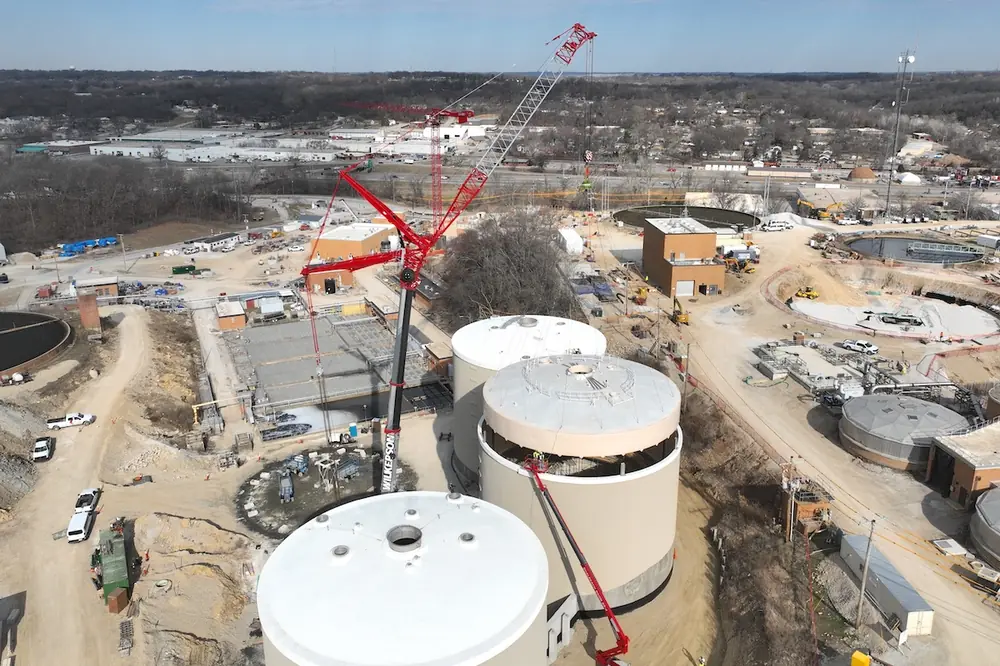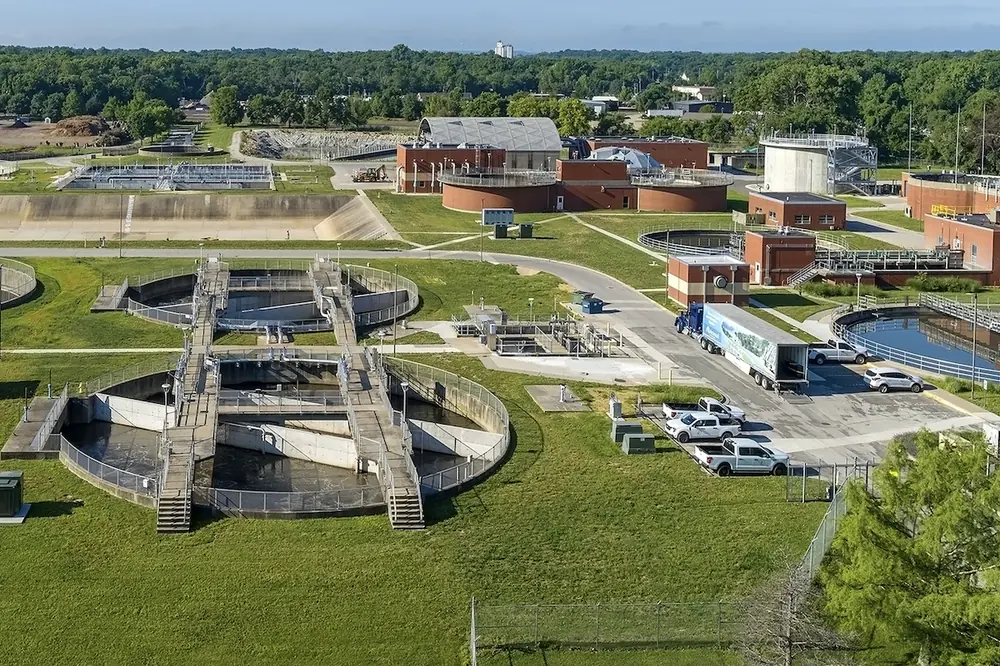

LAWRENCE, KS — The City of Lawrence, Kansas, announces a significant infrastructure milestone with the completion of the Kansas River Wastewater Treatment Plant modernization. McCarthy Building Companies served as general contractor for the project, and Black & Veatch was engineer of record.
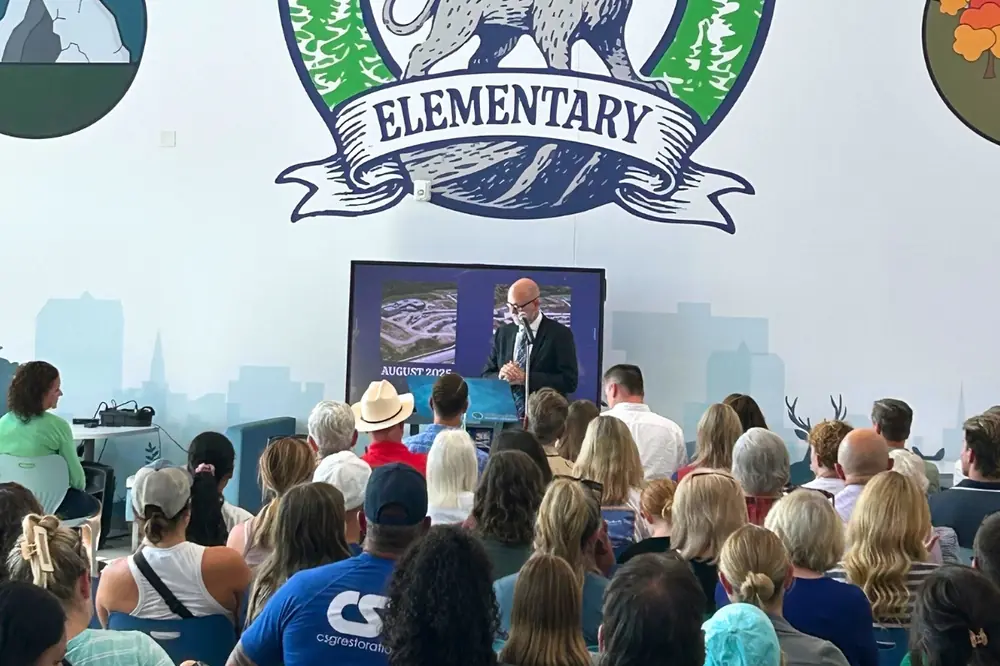
City officials, community leaders, and project team members gathered at a ribbon-cutting event to celebrate completion of the $74.3 million project, a comprehensive upgrade of the plant that has served Lawrence since 1956 and processes approximately 80 percent of the city's daily wastewater.
The project — the city's second-largest funded wastewater infrastructure investment — replaced aging infrastructure and integrated modern treatment systems to extend the operational life of the facility and help ensure the city meets state water quality standards well into the future.
The Kansas River Wastewater Treatment Plant processes roughly 8 million gallons of wastewater per day before discharging treated water into the Kansas River. The plant's age and increasingly stringent regulatory requirements made a comprehensive upgrade necessary. The facility now meets updated National Pollutant Discharge Elimination System permit standards set by the Kansas Department of Health and Environment.
The project fundamentally transformed how the plant treats and discharges water. Key improvements include:

| Your local Takeuchi Mfg Ltd dealer |
|---|
| Kirby-Smith Machinery |
| Star Equipment LTD |
- Advanced nutrient removal: Four aeration basins were converted to Biological Nutrient Removal basins — a biological treatment process that significantly reduces the nitrogen and phosphorus discharged into the Kansas River.
- Ultraviolet disinfection: A chlorine contact basin was converted to an ultraviolet (UV) disinfection system, replacing chemical treatment with a cleaner, more environmentally sustainable alternative.
- New control facility: A new SCADA facility gives plant operators real-time monitoring and control across all plant systems, improving operational efficiency and the ability to respond quickly to changing conditions.
- Electrical and infrastructure upgrades: More than 10 major motor control centers and switchboards were replaced and electrical systems fully modernized, significantly extending the plant's useful life.
“Having both biological nutrient reduction and UV disinfection treatment processes at both of our wastewater treatment facilities puts Lawrence at the forefront of providing reliable service for our community while demonstrating our commitment to the environment,” said Trevor Flynn, Assistant Director of Municipal Services and Operations, City of Lawrence.
Delivered using the construction manager at risk (CMAR) method, the project represents the City of Lawrence's first application of CMAR delivery on a wastewater project. McCarthy's involvement began in the design phase, enabling early collaboration with the owner and design team to identify constructability challenges, structure the procurement strategy, and develop solutions before construction began in May 2023.
Among the project's most complex challenges was keeping the plant fully operational throughout construction. McCarthy developed more than 130 detailed operational sequencing plans to ensure that construction activity never disrupted plant operations.

| Your local Magni dealer |
|---|
| Kirby-Smith Machinery |
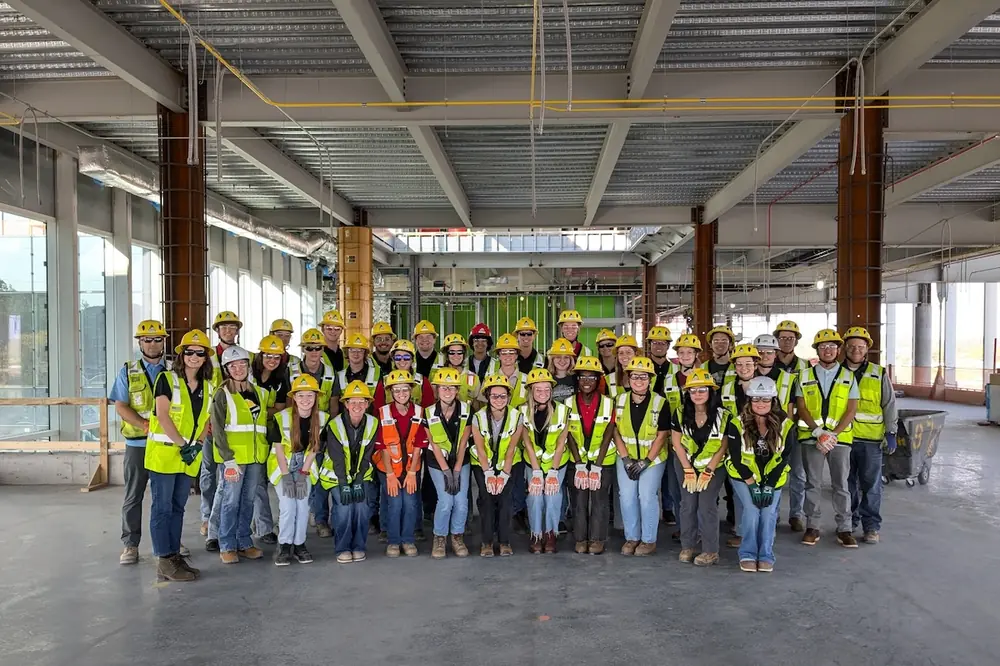
The construction team recorded zero recordable safety incidents across more than 252,000 hours of construction work.
“Our Water Services team was proud to partner with the City of Lawrence to upgrade this vital facility in support of the city’s sustainability goals and serve the community for decades to come,” said Kerry Klausner, Senior Project Director, McCarthy Building Companies. “As the city’s first-ever CMAR wastewater project, this effort demonstrated how a collaborative delivery approach can create meaningful value for the client and all project partners by strengthening coordination, reducing risk, and supporting smart solutions from preconstruction through completion.”