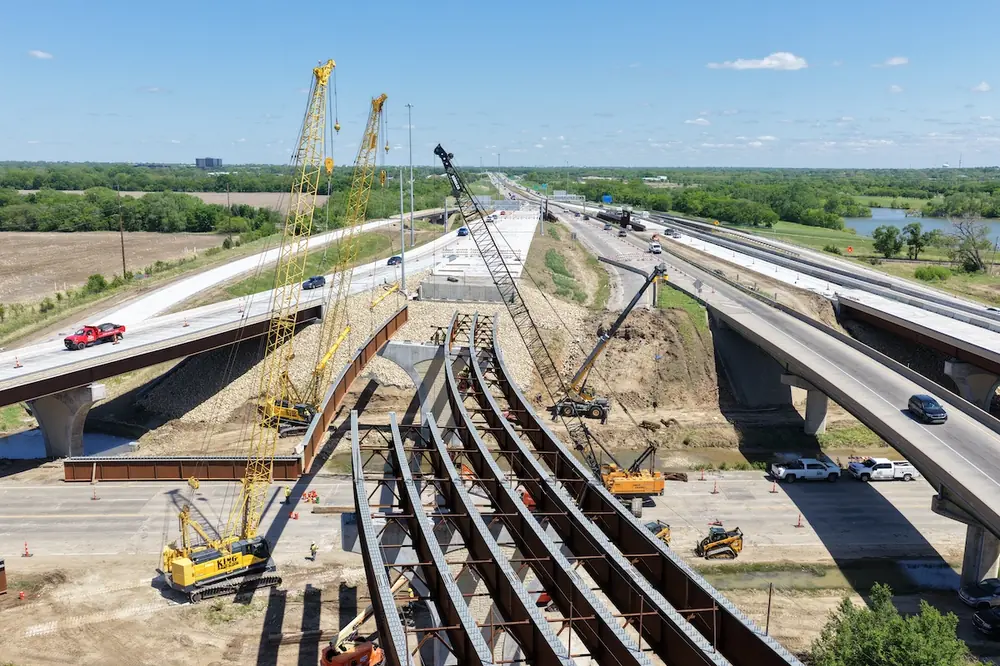
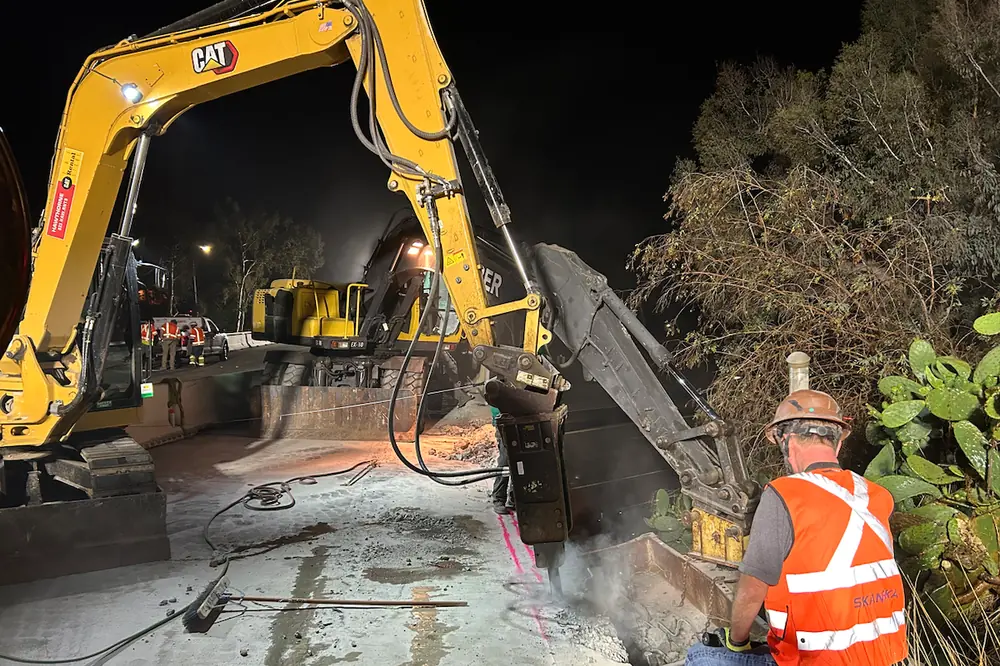
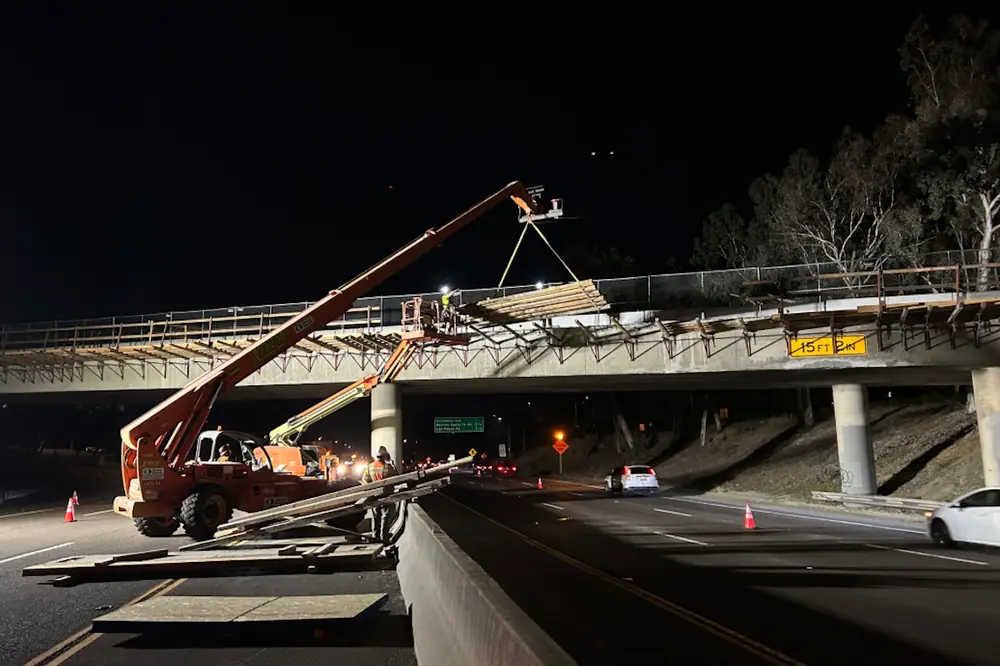
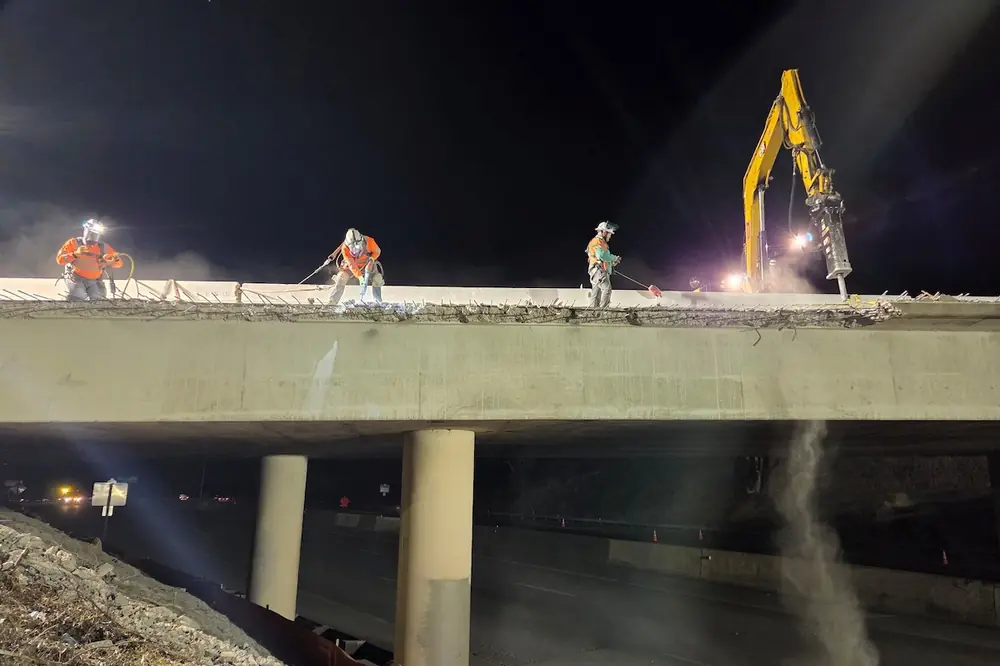
On the SR-78 SHOPP project, Skanska is delivering an approximately $102 million highway project that will rehabilitate more than 40 lane-miles of SR-78 from Interstate 5 to approximately 1 mile east of Interstate 15.
On a job this size, there is a lot of risk that needs to be mitigated for both workers and the public.
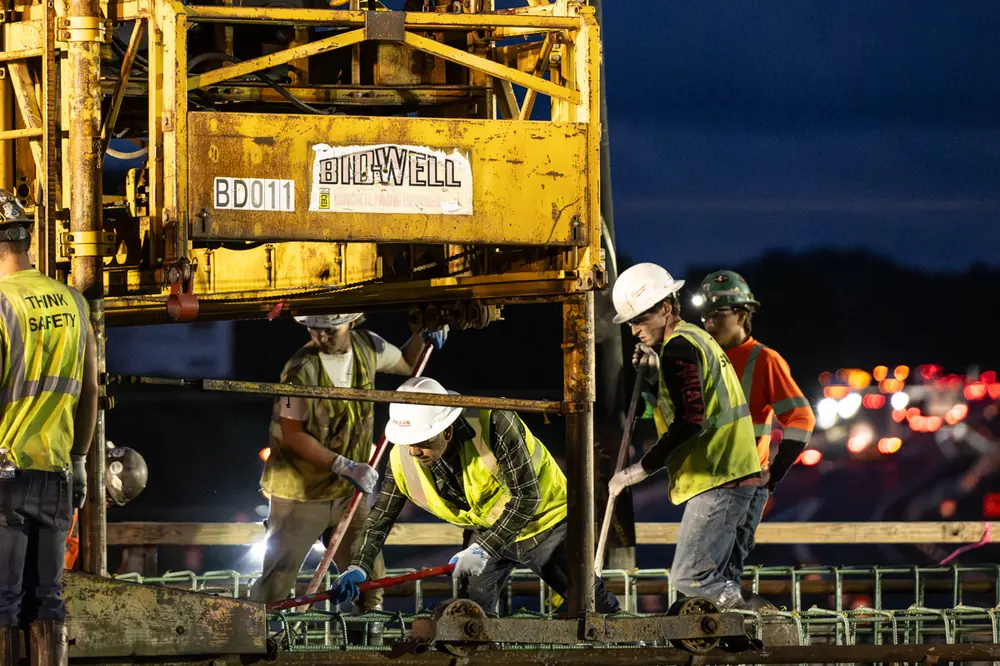
To deliver the highway improvements with minimal public disruption, crews often work at night, furthering the need for thorough planning, sequencing, and stakeholder communication to ensure safety.
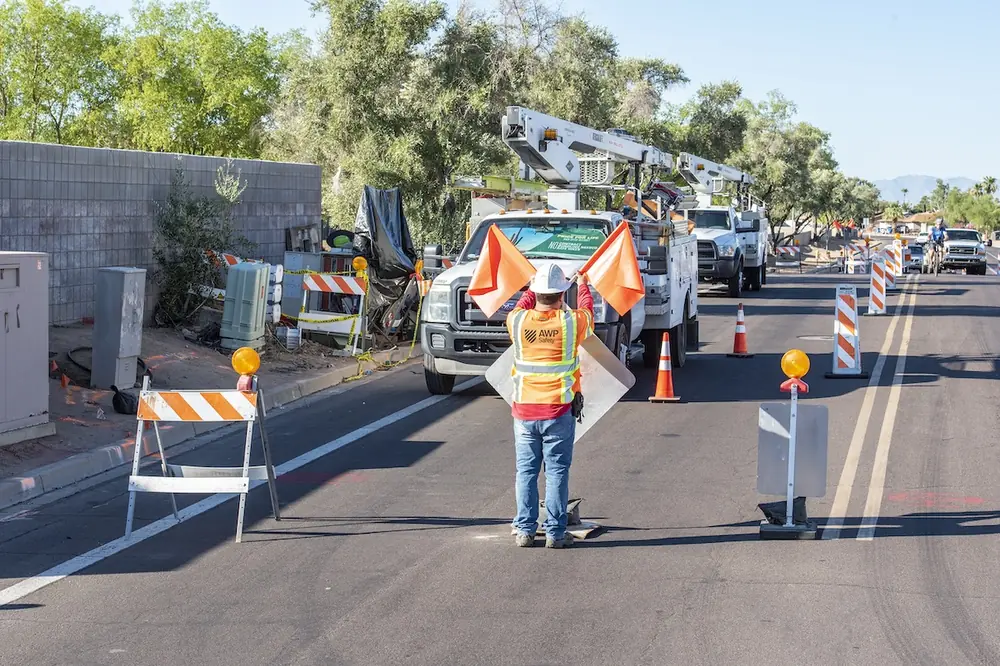
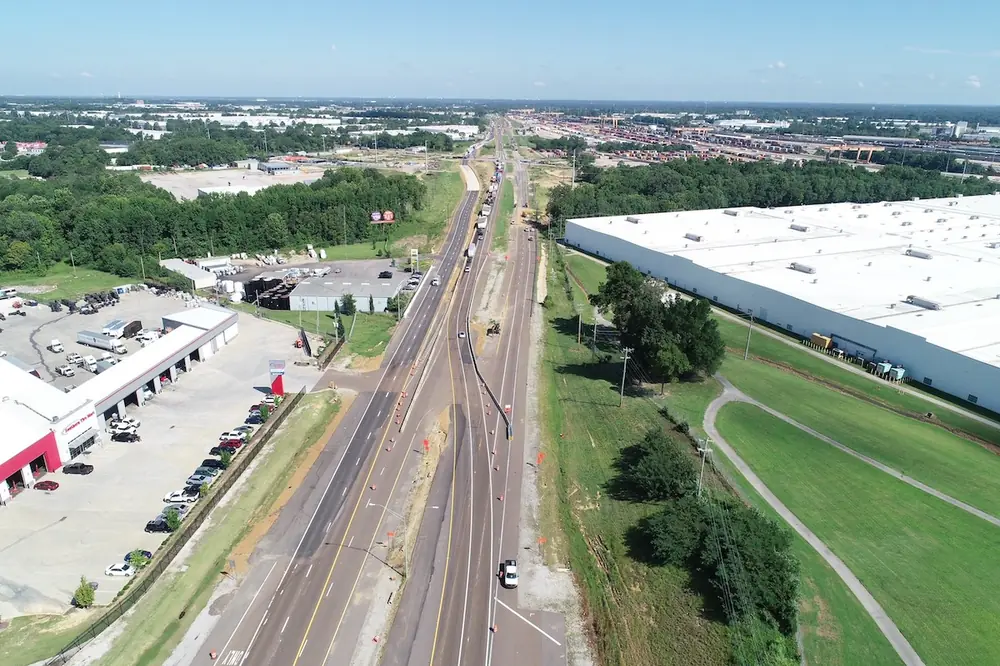
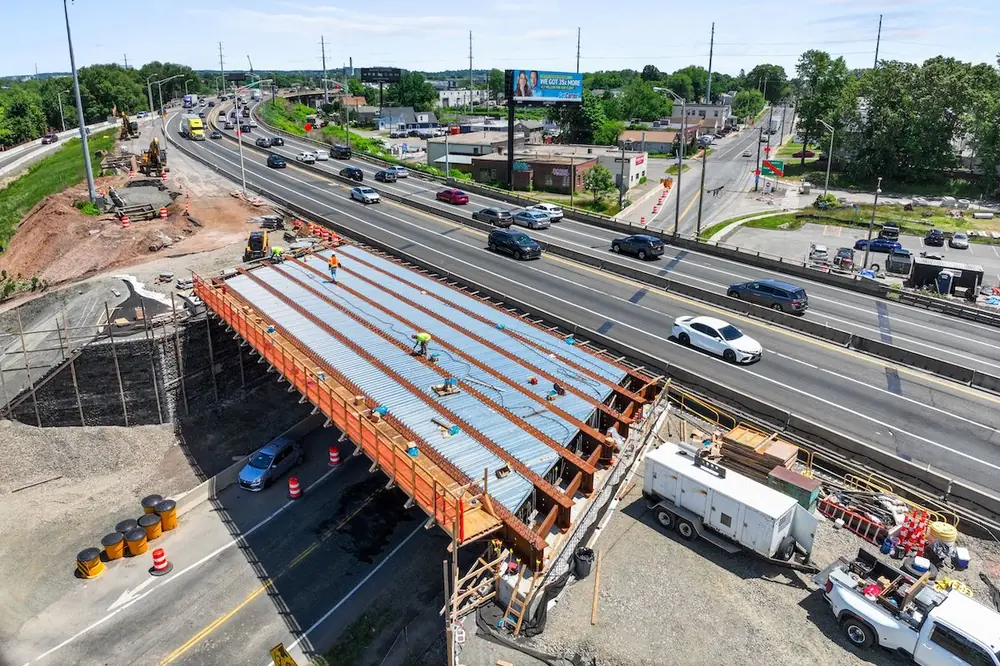
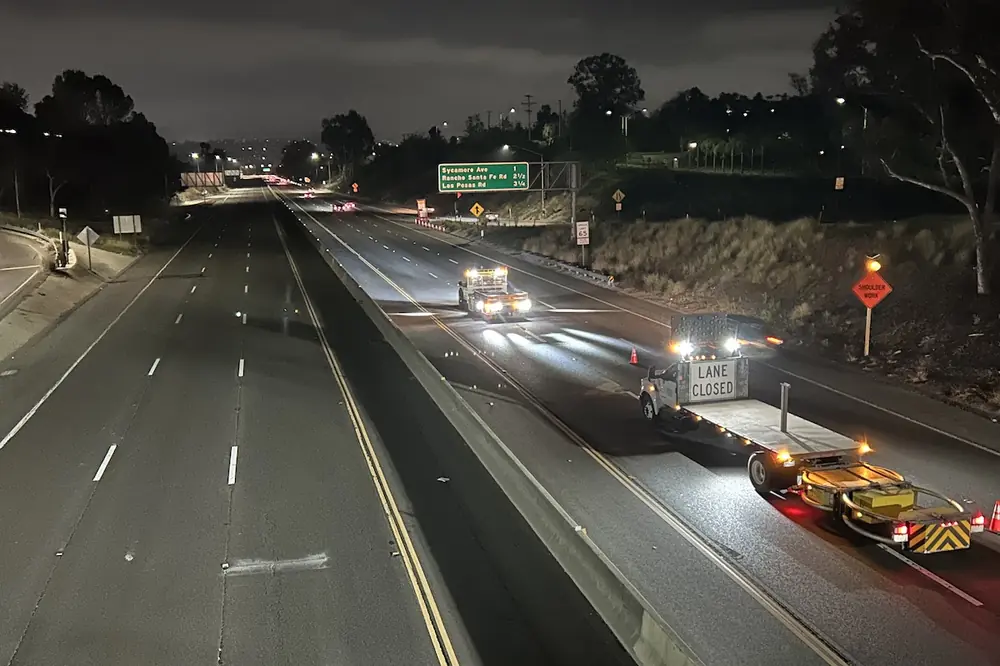
Highway work includes pavement rehabilitation, lane closure setup, temporary barrier placement, and shoulder operations performed alongside moving traffic. For a corridor that remains open during construction, the core safety challenge is managing work inside a live traffic environment. That requires work windows, closure configurations, and protective measures that match real-time conditions and consistently update as they change.
Nighttime lane closures are strategic safety measures and generally run from 7 p.m. to 5 a.m. During those hours, crews work within planned closure limits and within the roadways where the teams have required distance from traffic as conditions allow.

| Your local Leica Geosystems Inc dealer |
|---|
| Laser Specialist inc |
Work with limited disruption to the surrounding communities is important to the project. Doing this successfully depends heavily on disciplined execution of these traffic control plans every night.
Using observed traffic information has been key when developing closure plans and field safety decisions before work even begins.
Skanska is working with the California Department of Transportation (Caltrans) to pilot the use of Mooven. Mooven is a new technology that provides real-time data so that the teams can review live and historical traffic conditions to develop work plans. It allows the team to see in real time how they can adjust staging, schedules, and other parts of highway work to make it safer for crews and the public interacting with construction.
For example, implementing a two-lane closure time earlier was actually safer and provided a better buffer between construction activity and public traffic. It gave the team more time to work within the lane closure and reduce the overall impact on traffic and in turn be more efficient with the work.

| Your local Takeuchi Mfg Ltd dealer |
|---|
| Kirby-Smith Machinery |
| Star Equipment LTD |
Mooven real-time traffic monitoring also allowed Skanska and Caltrans to see how traffic patterns reacted to nightly lane closures and make adjustments to detour maps and provide better alternative routes that reduced traffic congestion.
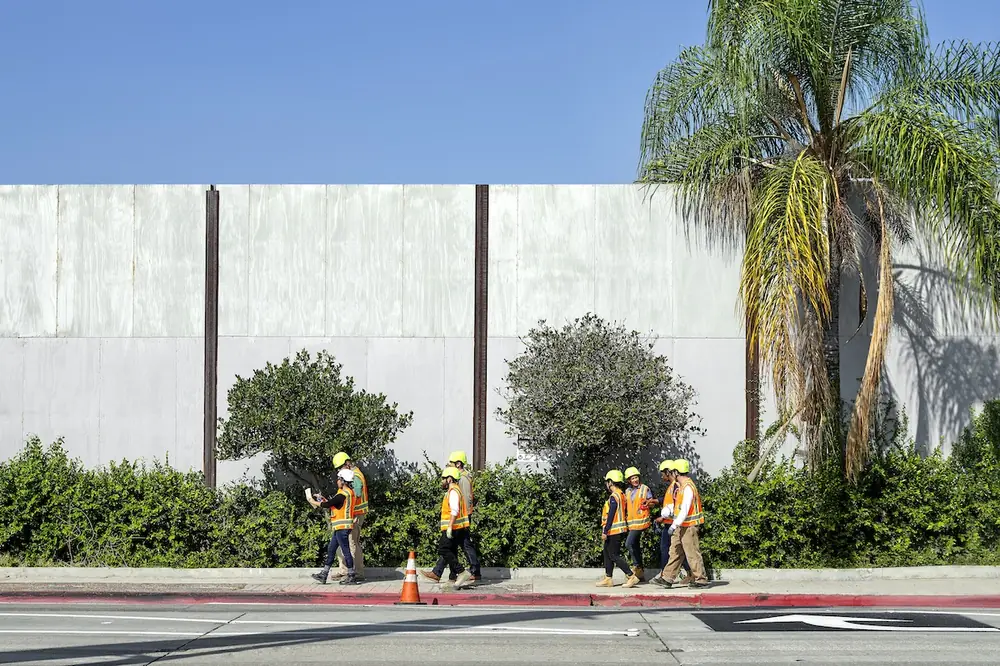
Positive protection is fundamental for safety on highway work. On SR-78 SHOPP, the team maintains a minimum 6-foot separation buffer between workers and live traffic. Achieving that standard requires closure layouts, barrier placement, and equipment movements to be resolved before the shift starts. Skanska safety culture focuses on “Plan. Do. Check. Act.” That means planning and proactively placing positive protective equipment as necessary before crews go out in the field.
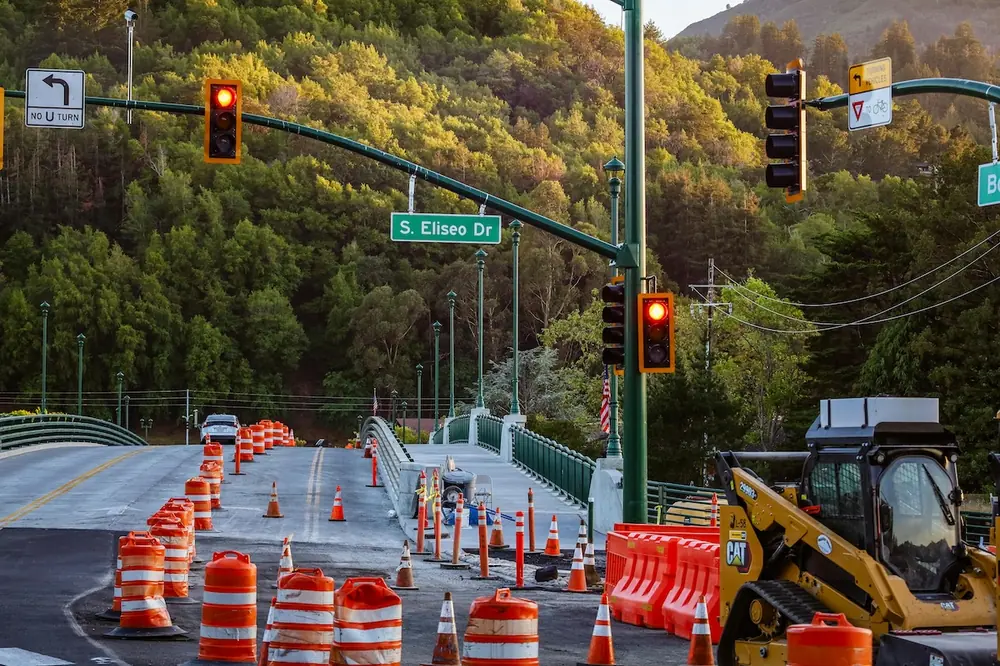
The team establishes closures early enough to build usable buffer space, places K-rail in higher-exposure areas, and repositions truck-mounted attenuators and shadow vehicles along the work zone. This protective equipment must move with the work so that physical separation is maintained as conditions change within the work zone. Highway work often takes place in a moving work zone, which makes these measures even more important to create an in-depth work plan.
Positive protection must be matched by coordination. The project team provides Caltrans, emergency responders, and local jurisdictions with a rolling three-week look-ahead schedule, followed by nightly lane closure notifications before crews mobilize. That communication structure supports traffic breaks, equipment movements, emergency access, and consistent understanding of the operating plan across all parties involved in the work.

| Your local Gehl Co dealer |
|---|
| Star Equipment LTD |
For night shifts, the project also uses California Highway Patrol support through the Construction Zone Enhanced Enforcement Program. Under that program, CHP officers assist with managing traffic through construction zones and may support speed enforcement, traffic breaks, and incident response, depending on the operation and field conditions.
Safe highway work zone practices require data-informed planning, positive protection, disciplined traffic control, and coordination that is established before the shift begins. On SR-78 SHOPP, safety performance is ingrained in everyday operations. It is defined by the decisions, constant communication with partners, controls, and protective measures.
David Sharpnack is a Project Executive at Skanska USA Civil West overseeing the SR-78 SHOPP project in California. The approximately $102 million Caltrans project includes rehabilitation of more than 40 lane-miles of highway between Interstate 5 and approximately 1 mile east of Interstate 15 and is scheduled for completion in December 2026.
Photos courtesy of Skanska USA Civil West