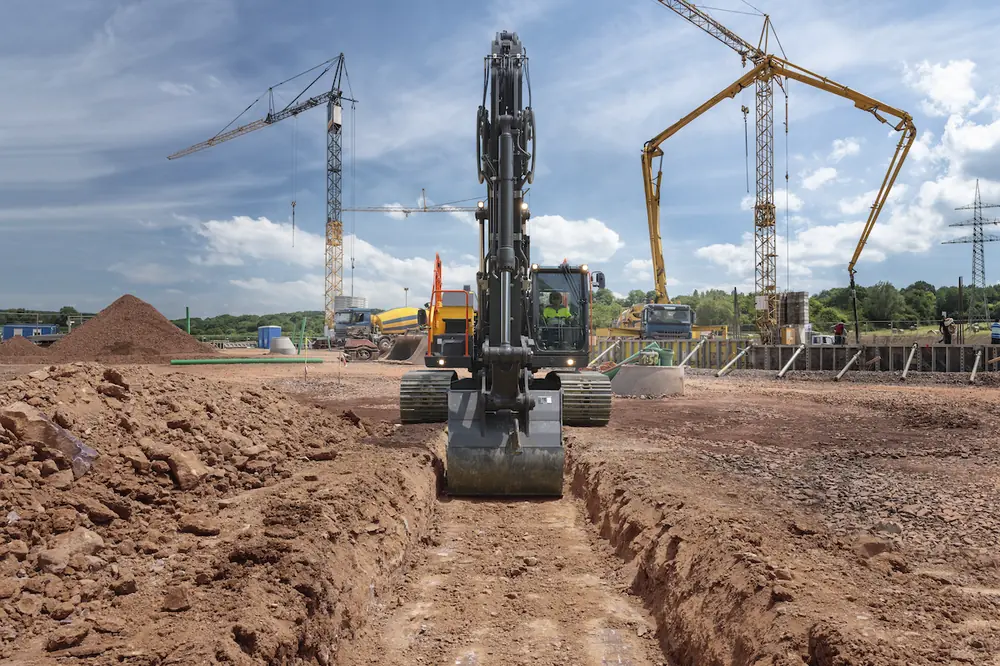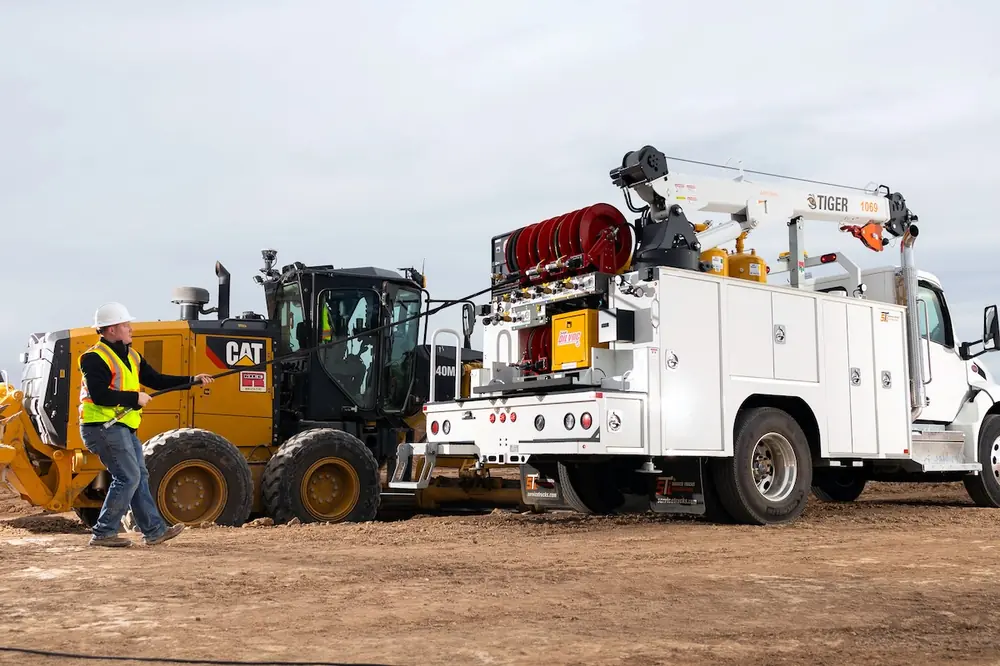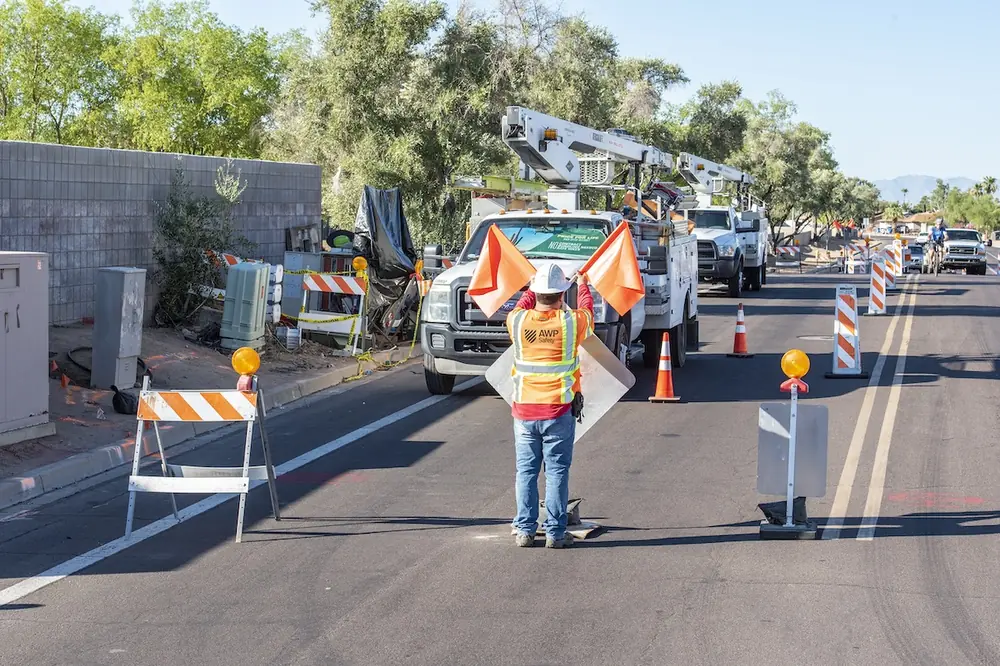

Conventional diesel is often the fuel of choice in the construction industry, and engine and equipment manufacturers have made strides to improve fuel efficiency and reduce emissions. That said, alternative energy sources like battery-electric, renewable diesel, natural gas, and hydrogen play an increasingly important role in the move toward low-carbon and zero-emissions power sources.
“At the end of the day, construction firms need to keep projects on schedule and on budget,” said Dana Wuesthoff, Show Director for CONEXPO-CON/AGG. “Construction companies are also interested in finding practical ways to reduce their carbon footprint. The variety of construction equipment that can run on electric power and other alternative energy sources continues to grow, giving contractors more viable options to advance their sustainability initiatives without compromising productivity.”
The following insights from the organizers of CONEXPO-CON/AGG 2026 cover some of the options featured at the show.
Battery-electric is perhaps the most common alternative energy source at the moment, particularly with respect to compact construction machinery like skid steers and compact wheel loaders. Zero emissions, reduced noise levels, and lower operating costs are all appealing benefits for construction firms.
On the flip side, concerns about battery reliability and charging infrastructure have been among the key barriers to adoption. Another concern has been the higher upfront purchasing cost associated with electric construction equipment.

| Your local Takeuchi Mfg Ltd dealer |
|---|
| Kirby-Smith Machinery |
| Nueces Power Equipment |
Some recent innovations are seeking to address that.
Moog Construction, for example, has developed an electrification suite to help manufacturers electrify construction equipment. Moog’s patent-pending Adaptive Electrification Management System (AEMS) eliminates the need for several separate electrical boxes that are connected via cables. Nate Keller, Business Development Manager, said this more streamlined approach, which utilizes a bus bar, helps provide a 30 percent cost savings on the electronics and a 50 percent parts count reduction.
Aside from electrifying primary job site equipment, there are other ways construction firms can take advantage of battery power to lower operating costs and carbon footprint. Support equipment like air compressors is a good example of where companies could begin migrating away from diesel.
For example, VMAC has developed a battery-electric rotary screw air compressor that provides 45 minutes of runtime at full output. According to Jomo Green, VMAC’s Vice President of Sales and Marketing, it’s ideal for next-generation service trucks operating in urban and regulated environments.

| Your local Wirtgen America dealer |
|---|
| Kirby-Smith Machinery |
| Nueces Power Equipment |
Manufacturers are also finding they don’t have to electrify entire pieces of equipment to begin lowering carbon footprint.
For example, Hitek Equipment, manufacturer of the Pavijet mini-paver attachment for skid steers and loaders, has developed a new model that features an electric-heated screed as opposed to the typical propane-heated screed. The electric power is generated by the loader itself.
“This provides a little more energy independence to the paving operation,” said Tyler Wiese, Sales Consultant at Hitek Equipment.
As alternatives to conventional fuel are beginning to emerge, one of the industry’s leading manufacturers of diesel engines is getting in front of the trend.

| Your local Bomag Americas dealer |
|---|
| WPI |
Cummins’ next-gen X15 off-highway engine made its U.S. debut at CONEXPO-CON/AGG 2026. This engine builds on Cummins’ HELM fuel-agnostic platform that makes it easier for equipment owners to migrate to alternative fuels at a time of their choosing.
HELM engines share a common base engine block with common installation and integration points. Then, the cylinder heads and fuel systems are tailored for different types of fuels, such as diesel, natural gas, hydrogen, and more. If a user wants to switch to an alternative fuel in the future, they can continue using their next-gen X15 engine by adapting those components located above the block.
“All of this leads to more uptime, better efficiency, and less cost to operate,” said Mariana Pivetta, Global Market Director for the off-highway segment of Cummins’ engine business unit.
For construction firms that are conscious of both their carbon footprint and bottom line, that flexibility can help knock down the barriers to alternative fuel adoption, one step at a time.