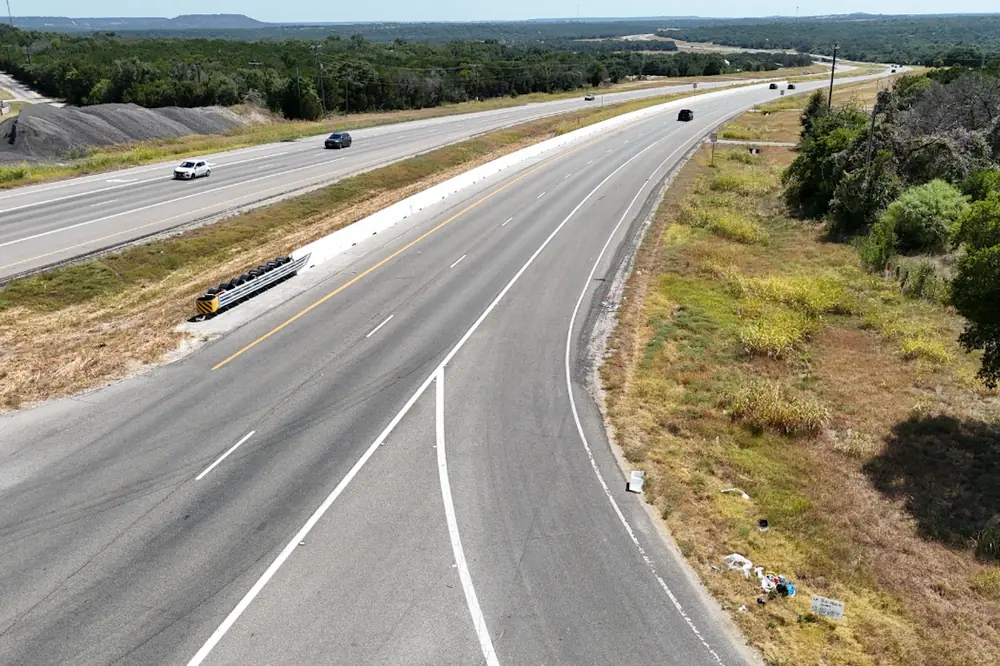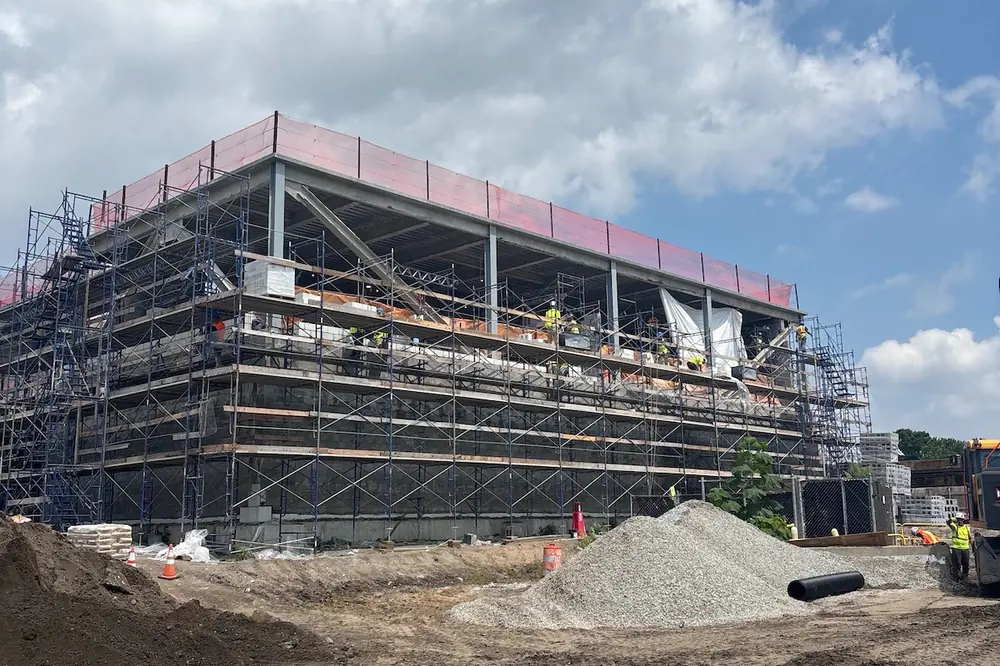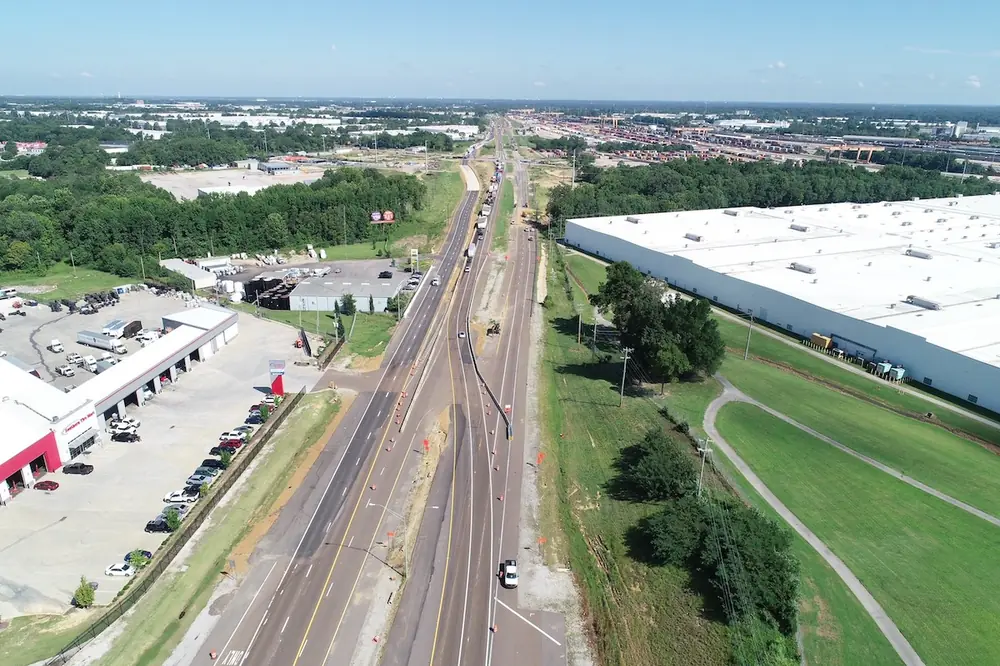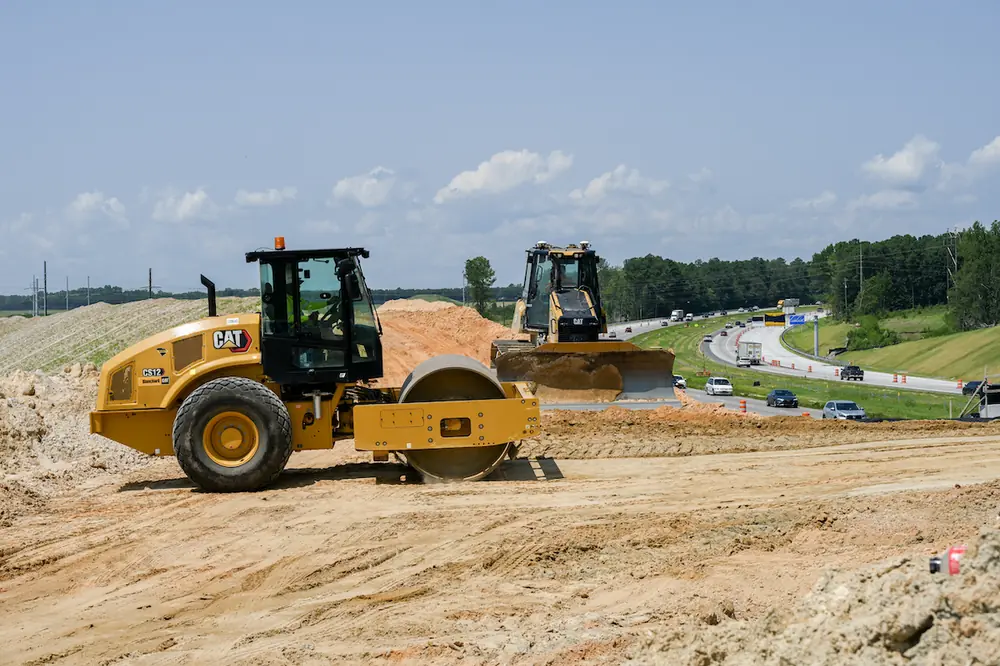
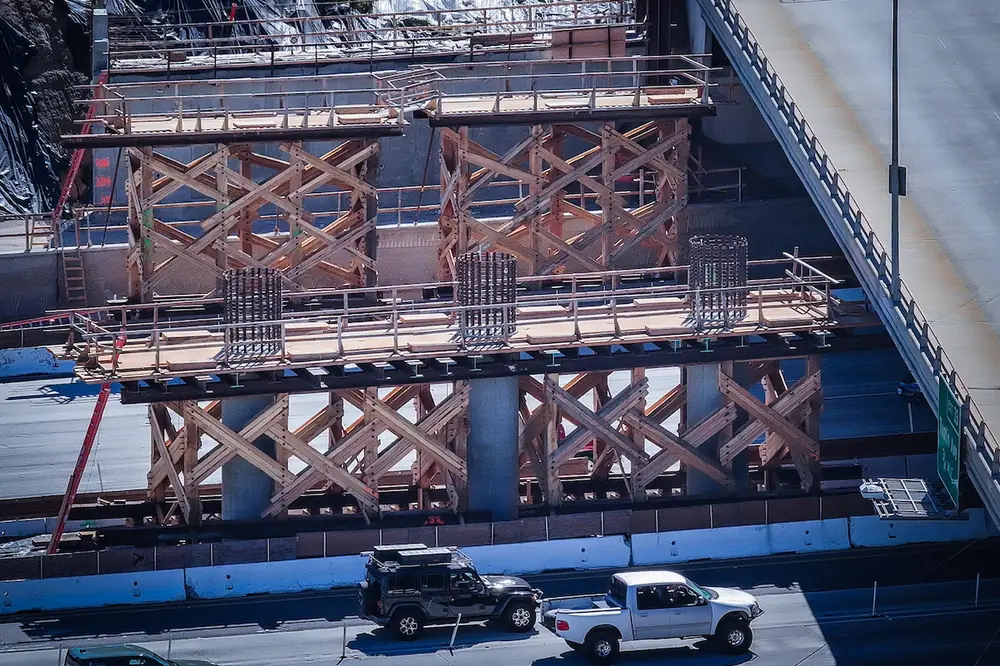

California State Route 91 (SR 91) is an east-west route that runs from Gardena to Riverside in Southern California. California State Route 55 (SR 55), a north-south route, traverses Orange County. The two state routes intersect in Anaheim, California, just a couple miles south of the Santa Ana River. The California Department of Transportation (Caltrans), in cooperation with the Orange County Transportation Authority (OCTA) and general contractor Granite Construction, is working on the first of three segments where the two state routes meet.
The overall SR 91 Improvement Project will touch 6.6 miles of the route and goes through Anaheim, Fullerton, Orange, Placentia, and Yorba Linda.
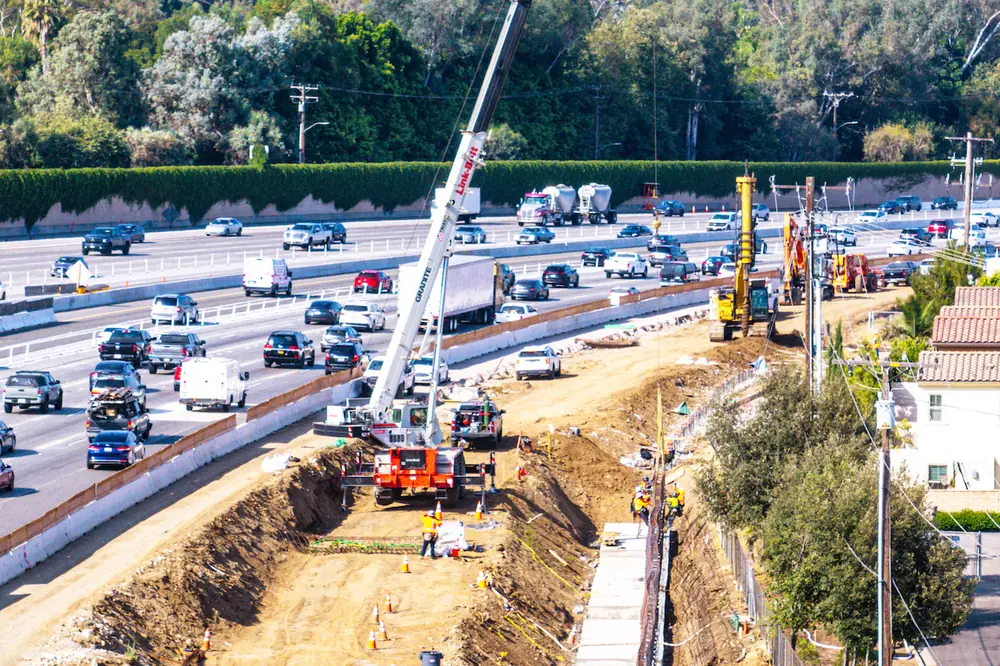
The area where the state routes converge has an average daily traffic of up to 321,000 vehicles. The traffic mix includes commercial and personal traffic, typically traveling between Los Angeles and other inland points to the east.
Many drivers enter SR 91 from Lakeview Avenue and travel west to get onto SR 55. To make the exit to SR 55, drivers need to cross four lanes of traffic in less than half a mile. Accidents are common in the area, and the highway connector is hit on average once a month.
Traffic backs up regularly and can extend up to 5 miles when accidents occur.

| Your local Bobcat dealer |
|---|
| Compact Construction Equipment, Inc |
| Bobcat of North Texas |
According to OCTA’s website, the project will “improve mobility throughout the corridor by making operational improvements that will reduce weaving and merging between ramps and interchanges.” A press release from Granite says that this is the “first of three segmented projects aimed at improving the SR 55/91 connector and reducing congestion caused by the bottleneck through the SR 55 and SR 91 transition corridor.”
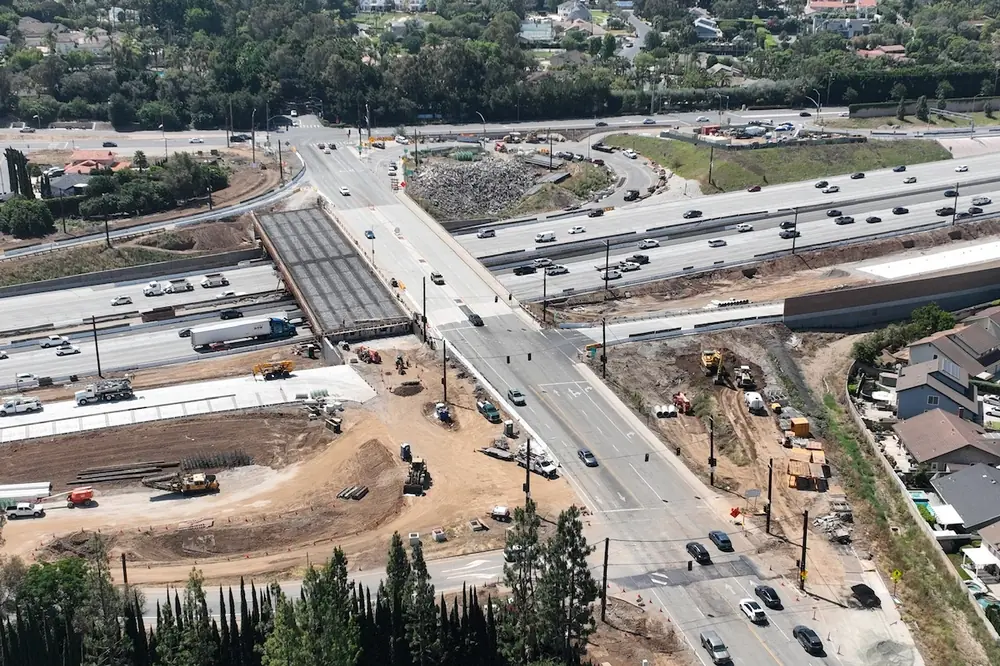
The OCTA website lists the following components for the first segment, the SR 91/Lakeview Avenue interchange:
- Reconstructing the Lakeview Avenue overcrossing to include standard lanes, shoulders, and sidewalks in each direction
- Realigning the westbound SR 91 on-ramp at Lakeview interchange
- Adding a new on-ramp from Lakeview connecting directly to SR 55
- Separating westbound SR 91 and southbound SR 55 traffic
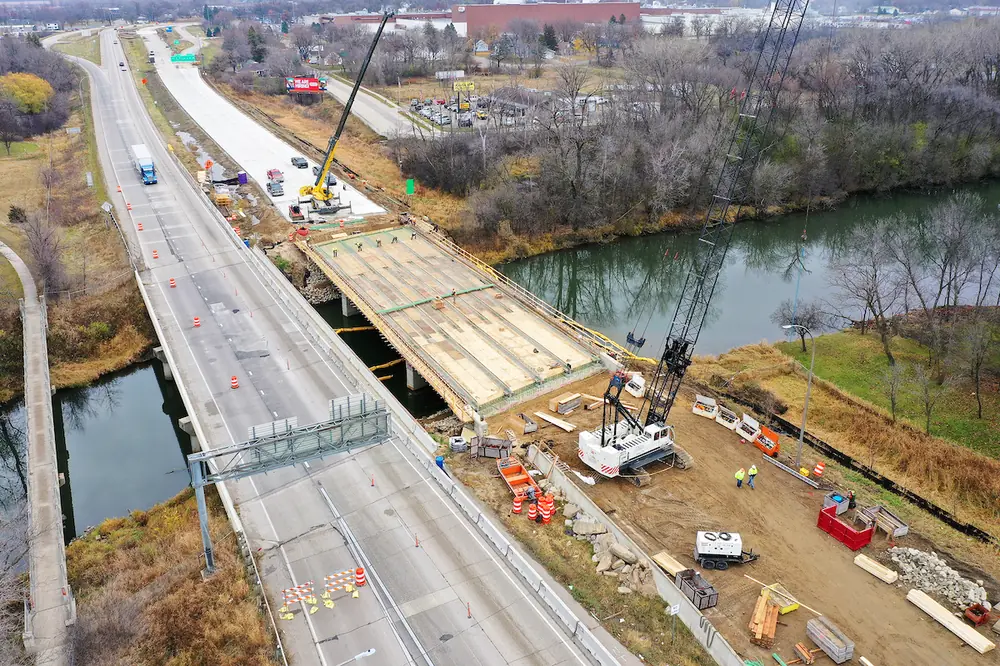
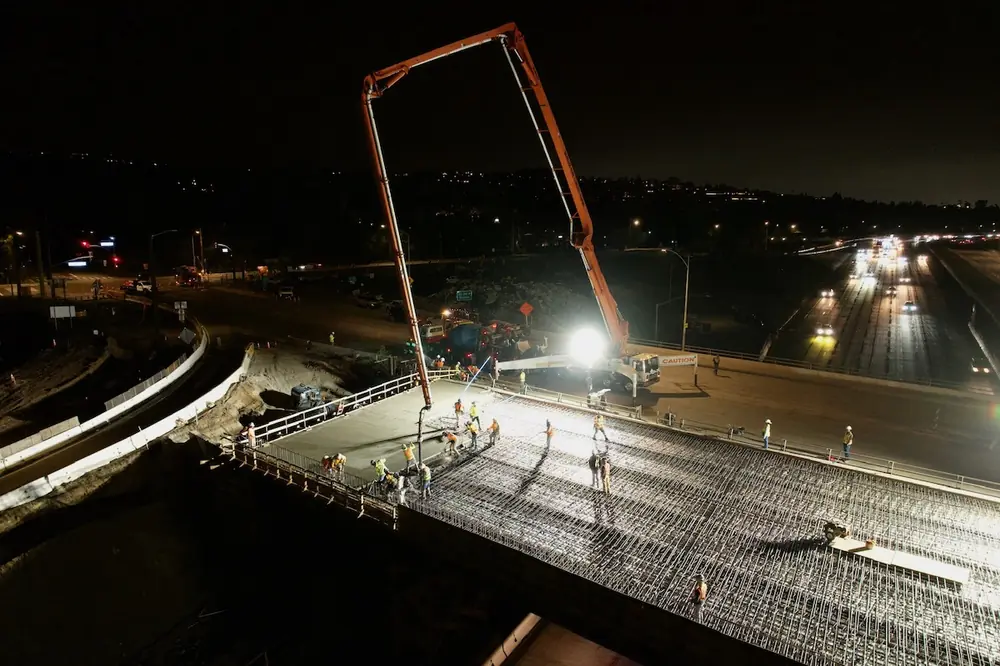
According to the Granite press release, a primary focus of the project is “the demolition and reconstruction of a 320-foot-long concrete bridge. This new bridge is designed to improve mobility throughout the State Route 55 and State Route 91 corridor by reducing weaving and merging between ramps, thereby enhancing traffic flow and safety.”

| Your local Komatsu America Corp dealer |
|---|
| Kirby-Smith Machinery |
| WPI |
“We’re reconstructing the bridge in two halves,” Granite Project Manager Michael Kuhns said. “We’re going to construct the east half, demolish the original bridge, and then construct the west half of the new bridge.”
The team will then connect the west and east halves by constructing a concrete closure connection.
The new bridge will be wider and longer than the original bridge (110 feet wide by 320 feet long as compared to 80 feet wide by 296 feet long). The increased size is expected to help minimize congestion and simplify the merge.
The larger bridge will increase traffic capacity and can support a dedicated drop ramp that connects from the west side of the new Lakeview bridge to the leftmost westbound lane of SR 91. This will allow motorists heading toward SR 55 to safely traverse the half-mile of SR 91 between Lakeview Avenue and SR 55 without having to cross multiple lanes of traffic on SR 91.

| Your local Hyundai Construction Equipment USA dealer |
|---|
| Nueces Power Equipment |
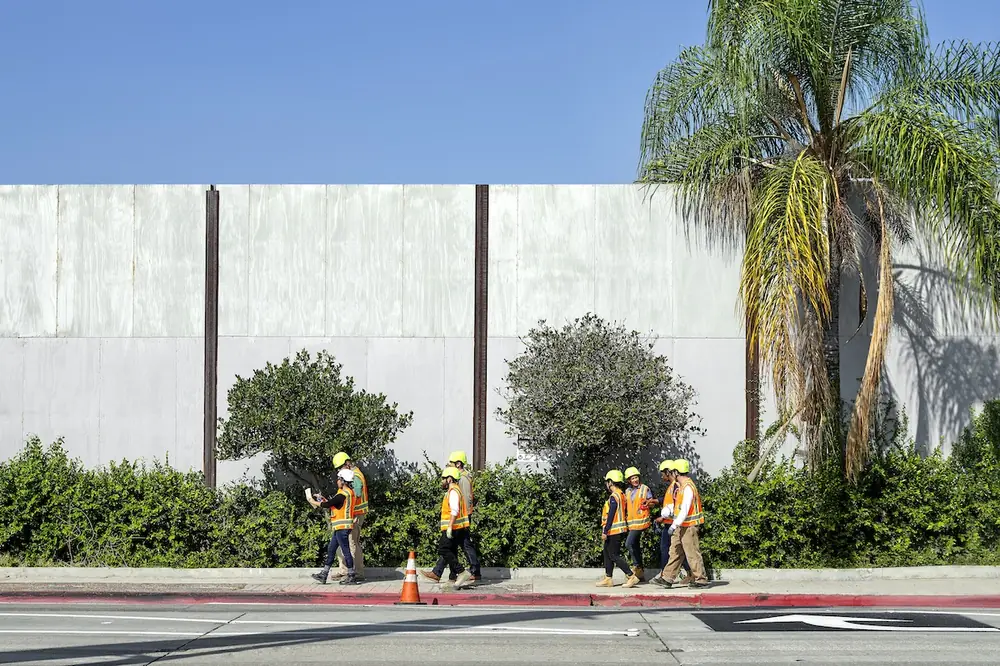
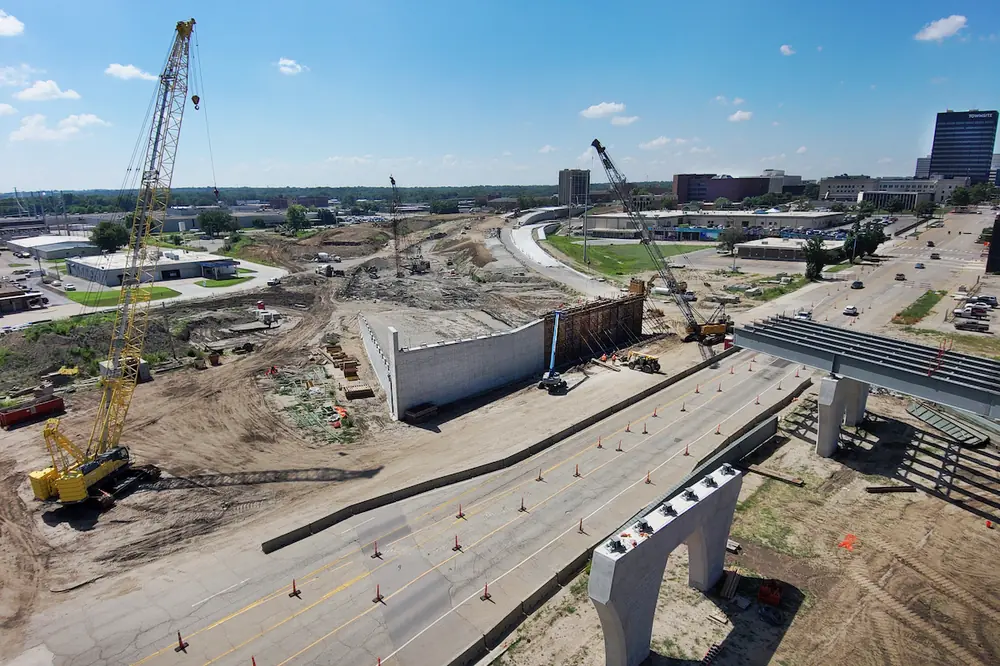
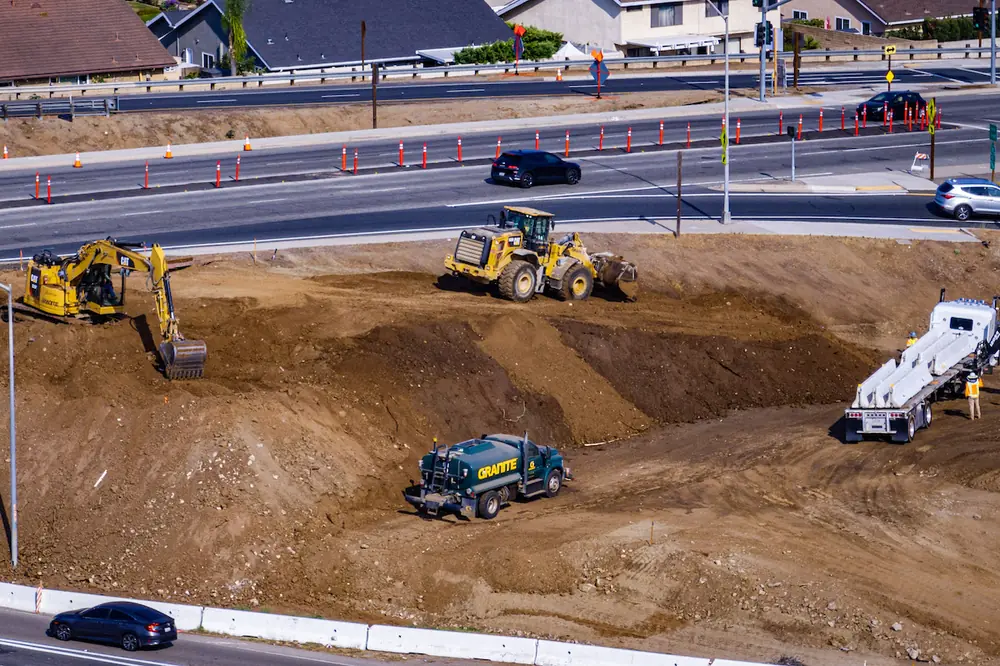
The team is also installing 3,000 feet of retaining walls and sound walls. The retaining walls support the newly widened and reconfigured alignment of SR 91. The new configuration will make room for the dedicated SR 55 drop ramp.
The Granite press release also states that there will be “upgrades to the area's storm drainage and electrical systems, ensuring a modern, efficient, and sustainable infrastructure.”
Safety is one of Granite’s core values. Their Safety by Choice program focuses on the safety and well-being of the company’s people, partners, and the public.
Safety is a key driver in the SR 91 project. The challenge of maintaining a safe work zone for the crew and drivers is elevated for the project, since the team is working within tight confines. This necessitates regular meetings with the city of Anaheim and Caltrans to ensure coordination.

| Your local Broce Broom dealer |
|---|
| Nueces Power Equipment |
The team is working under a number of restrictions that are impacting how they complete the work.
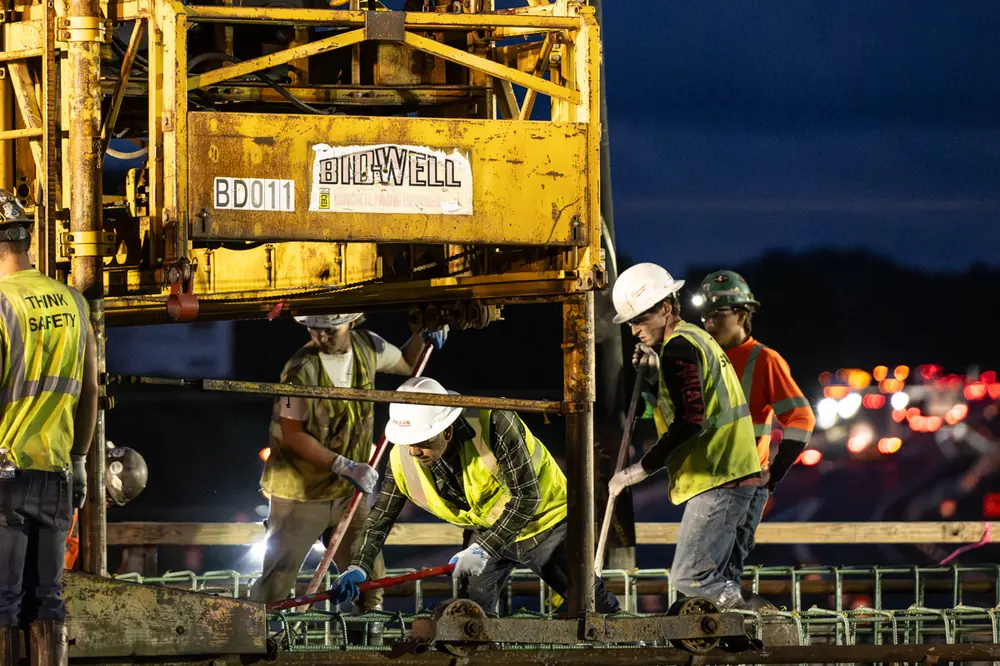
“A lot of our work is completed at night to ensure public safety and to minimize impact on traffic,” Kuhns said. “OCTA manages the SR 91 express lanes within the Orange County limits. Through active coordination with OCTA, we limit closing the SR 91 express lanes to Friday and Saturday nights. This ensures the express lanes remain open to the daily commuters when they need them most.”
The need to minimize impact on the public has also directed project phasing.
“We’re completing the project’s bridge construction in two phases to ensure we maintain maximum access for the driving public,” Kuhns said.

| Your local Hitachi dealer |
|---|
| ASCO Equipment |
Another safety challenge is performing construction over a freeway.
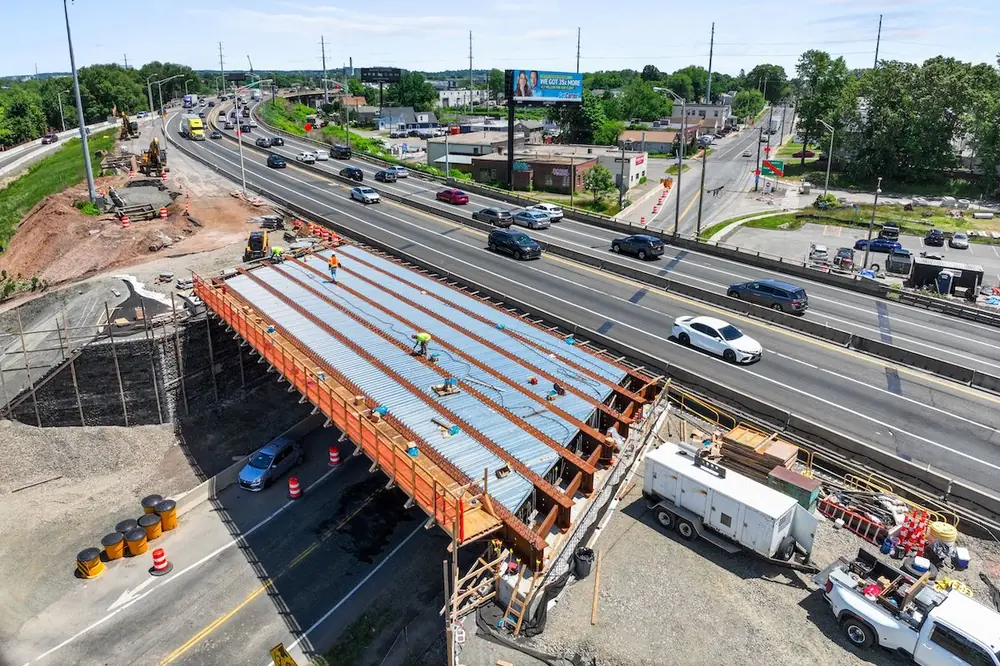
The focus on safety is also impacting how the team is constructing the project. The team built a lost deck, which is a temporary wooden platform, when they set the new girders.
“The plan is to keep the lost deck in place for about four months until we construct the permanent concrete deck that the traveling public will be driving on,” Kuhns said. “This lost deck will support members and be a concrete deck as well as provide an added layer of safety to the traveling public on the freeway below.”
He noted that this will help the team provide access and protection, thereby increasing safety. The lost deck prevents falls, as the crew has a platform directly beneath the structure that will catch them if they fall. The platform can also catch falling tools and debris, preventing them from landing on the roadway.

| Your local Atlas Copco CMT USA dealer |
|---|
| Bane Machinery |
| Central Texas Equipment |
| Cooper Equipment Co |
| Closner Equipment Co Inc |
| Romco Equipment Co |
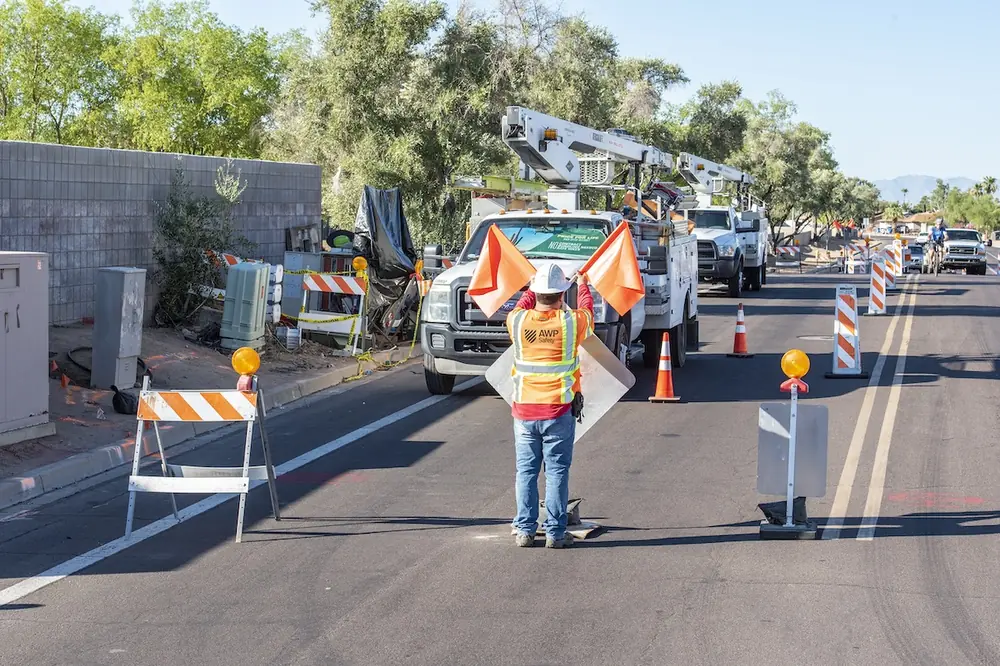
As work is in progress, new traffic safety measures have been installed in some high-risk areas along the roadway. The team has installed sand barrels and placed additional orange delineation cones in these areas.
“The orange delineators are typically every 2 feet, but we’ve installed additional delineators that are spaced every 3 to 5 feet,” Kuhns said. “We’re seeing them significantly help reduce collisions in the high-risk areas by providing more warning to the drivers. Collisions at the connectors were occurring as often as once a month, but since the installation of the delineators, it's now improved to once every three to four months.”
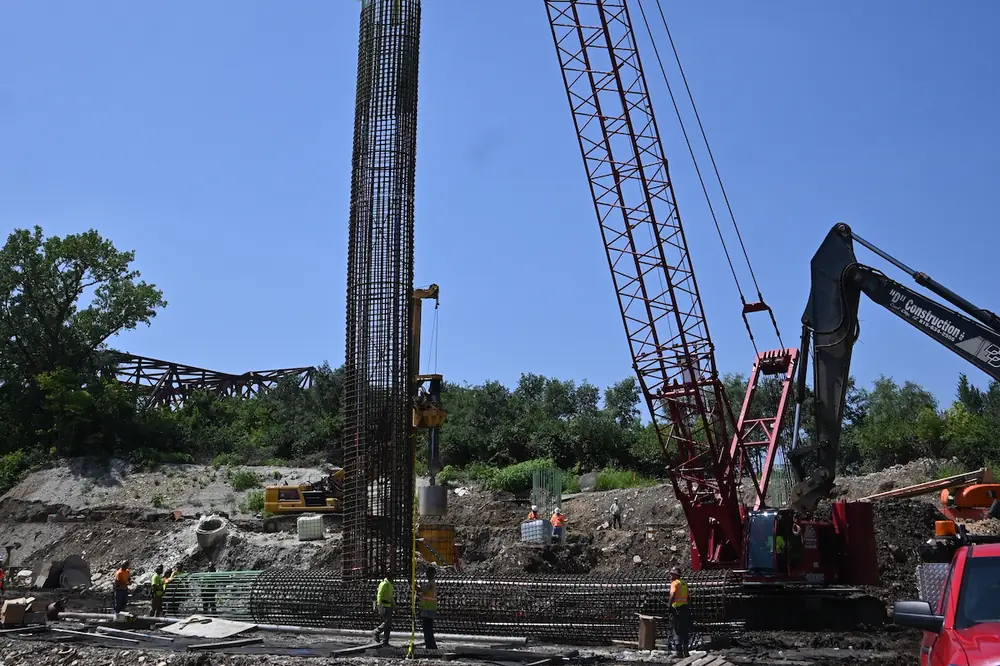
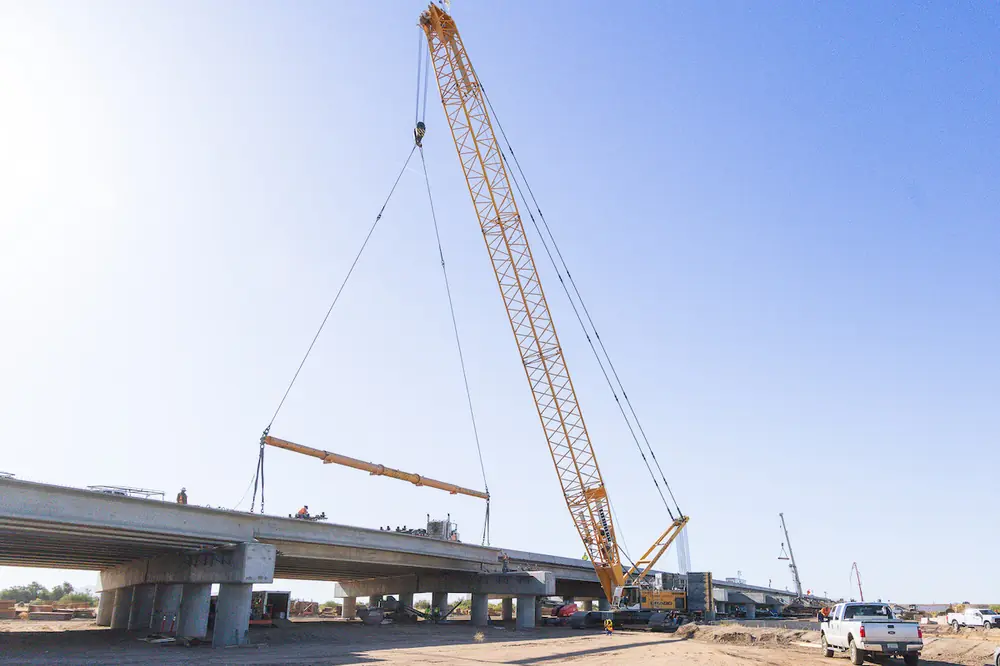
The team is also doing some steel pile driving. The bridge is being built on 324 35-foot-long steel piles, which are driven into the ground with a hammer attachment mounted on a large crane. Once installed, the piles help to support the bridge’s footing foundations.
Granite has placed a great focus on recycling on the project. “We’ve had an environmental mindset,” Kuhns said.

| Your local Wirtgen America dealer |
|---|
| Nueces Power Equipment |
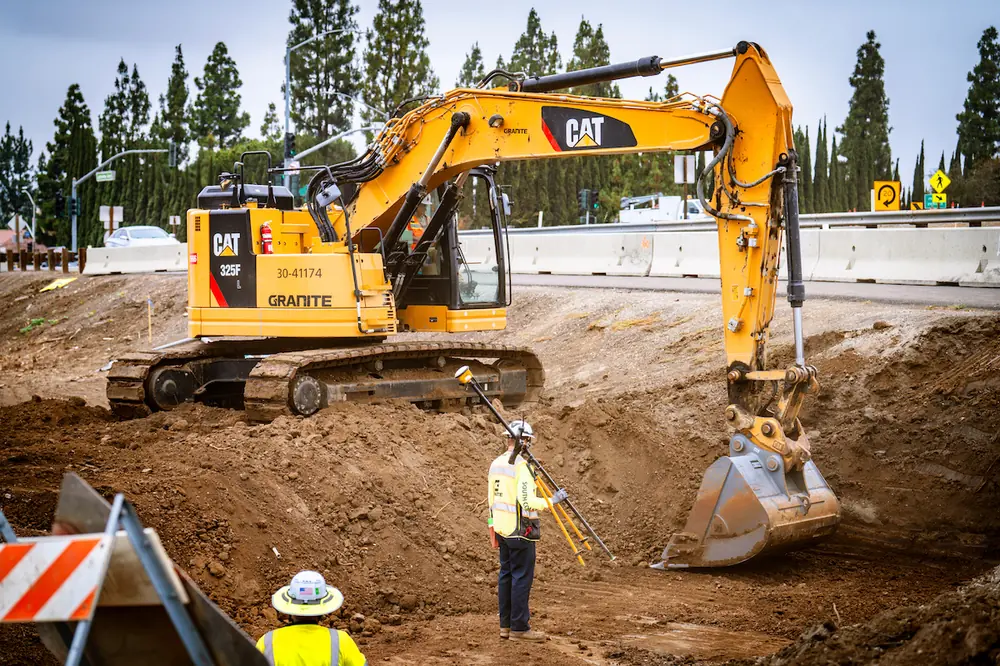
As part of the project, the team will demolish the existing bridge and on- and off-ramps. Instead of hauling off the rubble, they have reused it as onsite fill. Granite has a crusher on site that crushes demolished concrete and asphalt for reuse as fill or in the construction of the roadway pavement aggregate base structural sections. Utilizing onsite equipment to recycle demolition material eliminates offsite trucking, helping to reduce emissions. To date, they have recycled 20,000 cubic yards of demolished materials and are expected to recycle nearly 40,000 cubic yards of material.
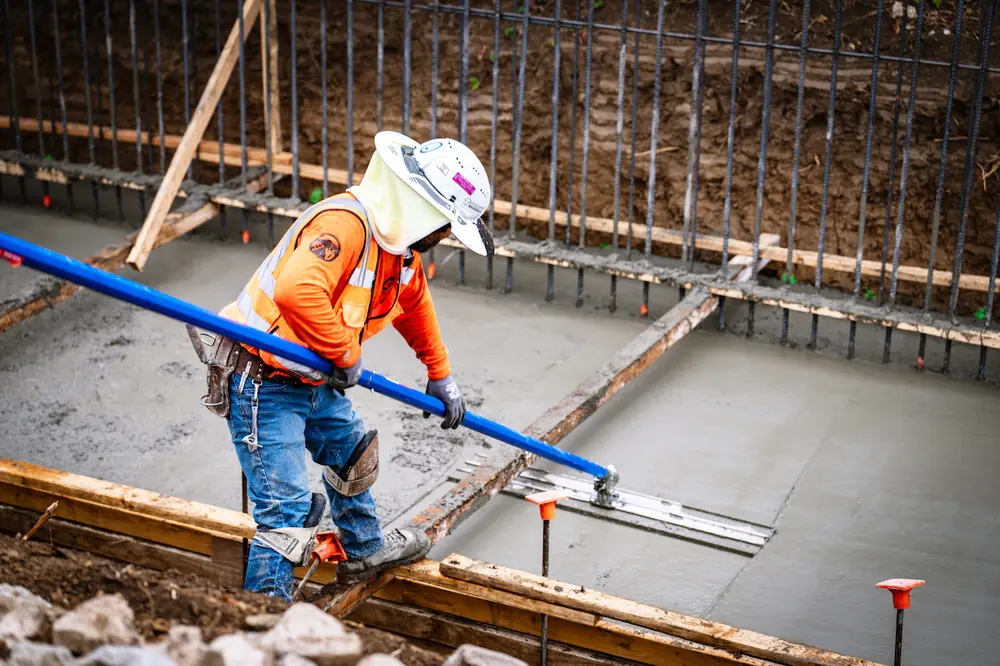
Headquartered in Watsonville, California, Granite regularly partners with Caltrans. The company, whose history dates back to the early 1900s, is one of the largest general contractors in the U.S. One of Granite’s strengths is its ability to self-perform. On the SR 91 project, the team has self-performed most of the bridge and concrete paving work.
“This project fits our strengths — a big highway project in our backyard — so when we saw it, we pursued it heavily,” Granite Marketing and Communications Manager Mark Phillips said.
The entire SR 91 project (all three segments) has a price tag of $779 million. The majority of the funding is being provided by local entities. OCTA pays a half-cent sales tax on toll revenue collected from SR 91 Express Lane users. The federal and state governments are also contributing funding to the project.

| Your local Wirtgen America dealer |
|---|
| Kirby-Smith Machinery |
| Nueces Power Equipment |
Segment one has a price tag of $78 million and is currently on budget. Kuhns attributes that to minimal quality issues and rework.
“The Granite and Caltrans project teams have worked very well together to ensure quality in the work being built since the start of the project,” he said.
Construction on the project began in spring 2025 and is on schedule to finish in summer 2027. While there have been some design changes and the team has encountered some unforeseen conditions underground, they have been able to get ahead of the impacts. Kuhns attributes this to the positive working relationship Granite has with OCTA and Caltrans.
He also said the emphasis on safety ensures that employees get home safely every day. Prioritizing safety helps in all facets of the project. It has allowed the project to progress well, which also affects the budget.

| Your local Takeuchi Mfg Ltd dealer |
|---|
| Kirby-Smith Machinery |
| Nueces Power Equipment |
“We invest money proactively in our operations to limit exposure to hazards, and that has helped us be able to stay focused on the work to keep the project moving forward and on budget,” Kuhns said.
Kuhns, who lives in the area, is excited to see the project completed.
“It will be night and day in terms of safety and relieving traffic,” he said. “Drivers will no longer have to merge at the last minute, eliminating the big traffic backup to the east.”
- Owner/Designer/Engineer: California Department of Transportation
- General Contractor: Granite, Watsonville, California