Today’s industry landscape has left many contractors looking for ways to protect budgets and boost productivity. A preventive maintenance (PM) program is the perfect place to start.
Unplanned downtime can account for over 20 percent of equipment working hours. Some of that time can be blamed on bad weather or delayed deliveries. Crews can’t control when a storm hits or whether logistics always run smoothly, but they can prevent more than a few equipment issues with preventive maintenance.
That matters because every machine failure puts a dent in the bottom line. It’s not just about what the repairs will cost. For every minute equipment isn’t working, contractors risk lost productivity, wasted labor, and schedule interruptions.
A well-structured program can help crews prevent unplanned downtime. The most effective plans acknowledge common pitfalls, include strategies to keep teams on track, and prioritize the preventive maintenance schedule. Below are three common mistakes to avoid while building a preventive maintenance program.
Some operations plan maintenance using hours-based service intervals. Others focus on data and telematics. Both have their merits. They can also have shortcomings.

| Your local Broce Broom dealer |
|---|
| Nueces Power Equipment |
Hours-based strategies need to account for OEM heavy-service guidelines, increasing maintenance frequency when equipment works through more stressful tasks. A data-driven approach can offer insights to optimize maintenance programs, but information can also fall through the cracks if teams must work across different platforms.
A strong preventive maintenance program accounts for the advantages and disadvantages of any given system and offers a plan to bridge the gaps. That includes building a team culture and an easy-to-use system that emphasizes the importance of regular inspections and operational checks.
Heavy civil work is a team effort. Labor costs for a full crew add up fast, and there’s only so much budget to go around. That’s why contractors need to match skilled workers with tasks worth their time.
Preventive maintenance is an incredibly important part of any construction operation, but that doesn’t mean experienced mechanics need to handle oil changes. They have other pressing work — like repairs that leverage their unique skills — that take priority and push PM down the schedule.

| Your local Bobcat dealer |
|---|
| Compact Construction Equipment, Inc |
| Bobcat of North Texas |
A dedicated lube technician can make a preventive maintenance program work better, keeping essential work moving and equipment online. They also help contractors retain and leverage skilled labor more effectively.
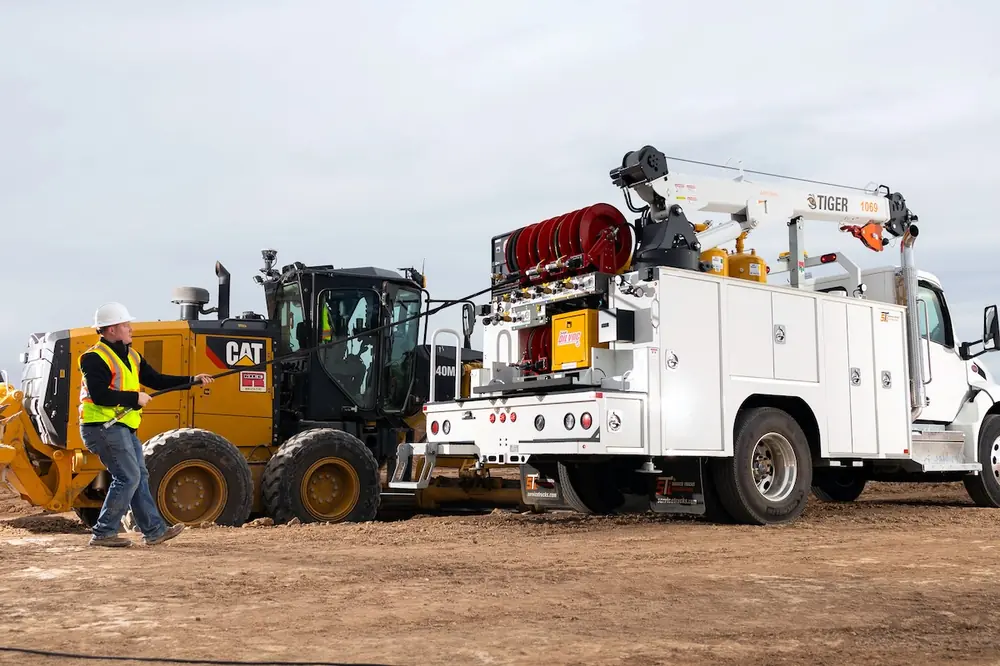
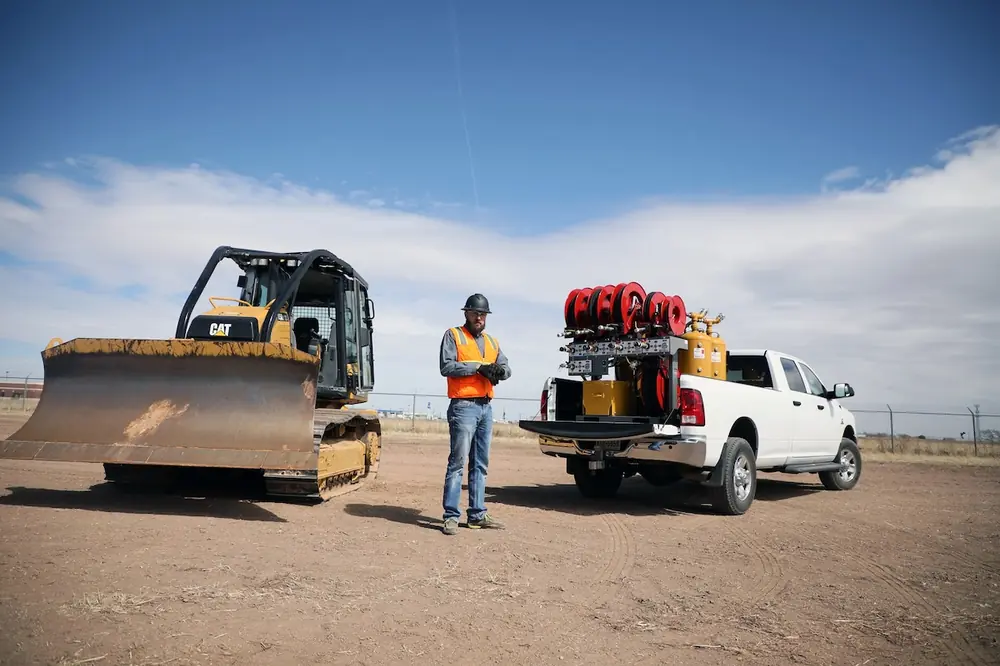
Still taking equipment into the shop for preventive maintenance? Mobile lube equipment can cut downtime and extra costs spent transporting heavy equipment. Operators use these systems to deliver PM fluids and parts to machines on the job site. That translates to fewer schedule interruptions and more time to get work done.
The industry has spent decades building an inventory of mobile lube systems engineered to help contractors prioritize preventive maintenance. Available equipment ranges from individual lube carts to Class 8 fuel and lube trucks. Combined solutions — like fuel and lube trucks and trailers — streamline equipment service even further while offering important parts storage. Meanwhile, innovations like pump-free systems help level up PM work, making famously dirty work faster, safer, and cleaner.
Aaron Sage is the CEO of Sage Mfg., the parent brand behind Sage Oil Vac, Amarillo Tanks, and Amarillo Upfitters.