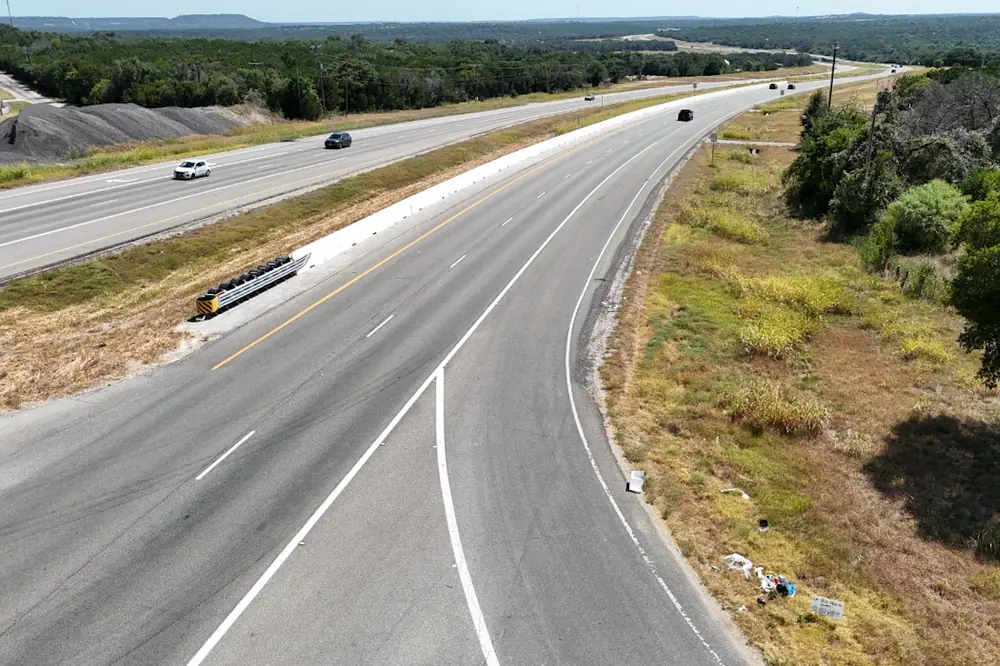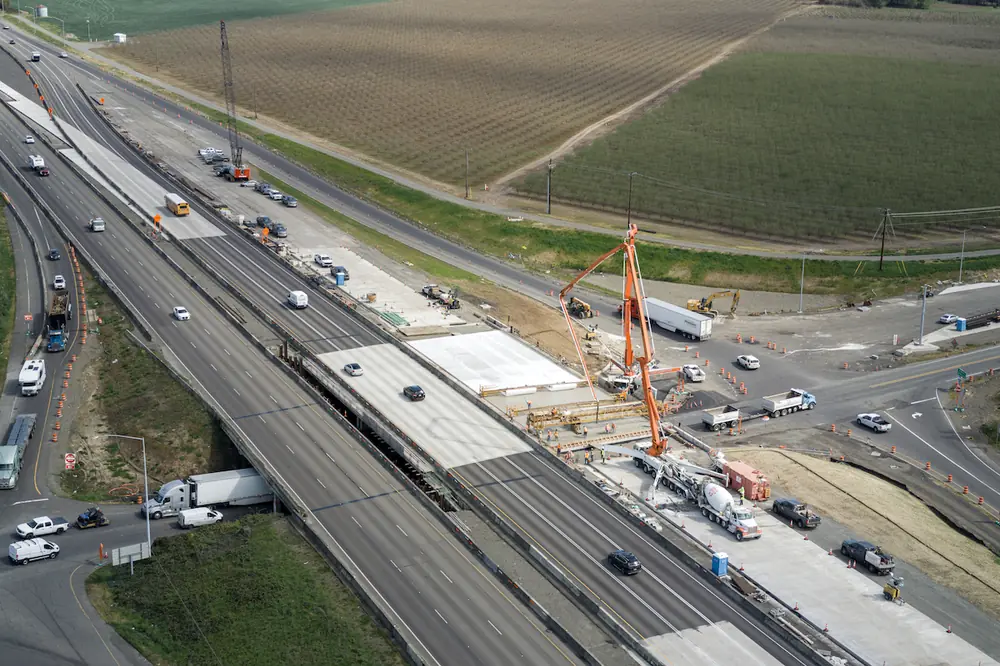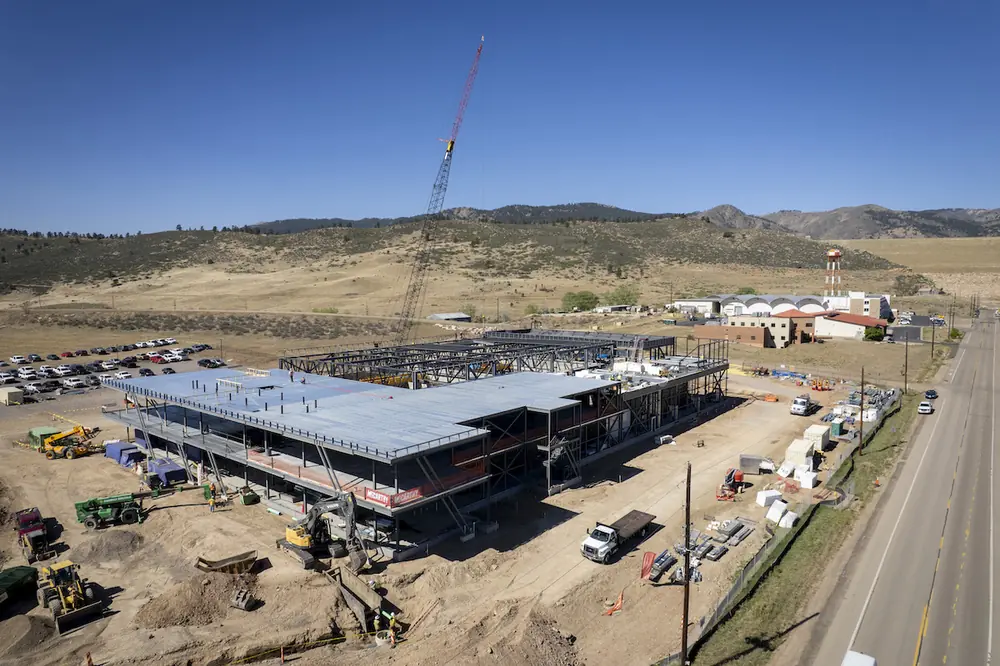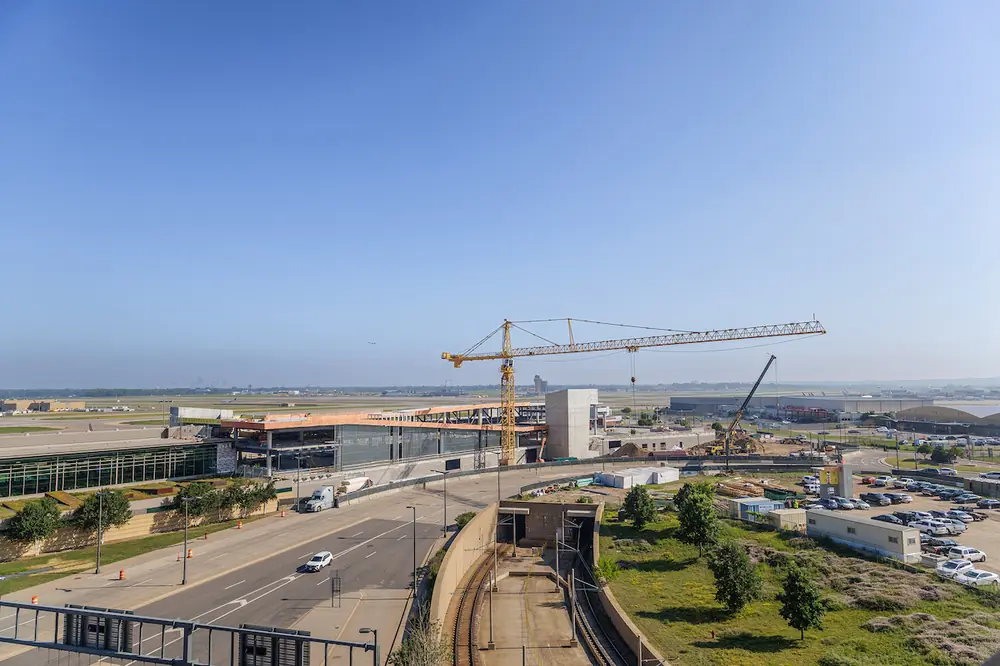


Imagine your company is building a roadway, installing traffic signals, or repairing an existing street. The owner or design team provides the plans. You build according to those plans and specifications, but during construction (or even after construction is completed) someone gets injured and blames the contractor for creating an unsafe condition.
The obvious question is: Why should the contractor be liable if the complained-of condition was a result of the contractor following the plans, like it is supposed to?
Texas law provides an important defense in these situations. Texas Civil Practice and Remedies Code § 97.002, often called the “contractor immunity” statute, can protect contractors from personal injury or property loss claims arising from the contractor’s compliance with the plans or specifications prepared by others.
For Texas contractors, understanding this statute can make the difference between defeating a lawsuit early and spending years in litigation.
Section 97.002 generally protects contractors from claims for personal injury, death, or property damage when:

| Your local Liebherr Construction Eq dealer |
|---|
| Nueces Power Equipment |
- The contractor was performing work for a Texas Department of Transportation (TxDOT) project
- The alleged problem resulted from the plans or specifications
- The contractor followed those plans and specifications
It is important to remember that the statute is intended to distinguish between defects in the contract documents themselves, and defects in the work as a result of the contractor’s non-compliance with the contract documents. Contractor immunity is not a “get out of jail free” card and only protects contractors that properly performed the work.
Many contractors assume Section 97.002 protects only prime contractors that contract directly with TxDOT. The statute’s language is broader than that assumption. Rather than limiting protection to contractors that have a direct contract with TxDOT, the statute applies to work performed on a project “for” TxDOT. As a result, Texas courts have recognized that subcontractors may also invoke contractor immunity if they otherwise satisfy the statute’s requirements and can establish that the claim arises from their compliance with the governing plans and specifications.
The Texas Supreme Court recently emphasized this point, noting that the Legislature could have limited the statute to contractors that contract directly with TxDOT but chose not to do so. That distinction is particularly significant because many participants on a transportation project perform their work as subcontractors or lower-tier subcontractors rather than as the prime contractor.

| Your local Trimble dealer |
|---|
| Kirby-Smith Machinery |
| WPI |
The statute’s protection may also extend beyond projects that are directly let by TxDOT. For example, county or municipal roadway projects may fall within Section 97.002 when TxDOT exercises design oversight, requires compliance with TxDOT standards and specifications, or retains approval authority over the project plans. In those circumstances, courts have focused on TxDOT’s involvement in the design and approval process rather than simply identifying the governmental entity that signed the construction contract.
Finally, contractor immunity is not limited to accidents that occur after construction is complete. The statute has been applied both to post-construction claims and to accidents that occur during construction. Whether the claim arises from a completed roadway condition or from a temporary traffic-control configuration during construction, the central question remains the same: Did the contractor follow the plans and specifications governing the work at the time of the incident? If the alleged unsafe condition resulted from the contractor's compliance with the contract documents, Section 97.002 may provide a defense.
When evaluating a potential Section 97.002 defense, think of it as a multi-part checklist.

| Your local Gomaco dealer |
|---|
| Closner Equipment Co Inc |
The statute applies to highway construction and repair as well as improvements to real property where TxDOT is the owner or has oversight in the project design.
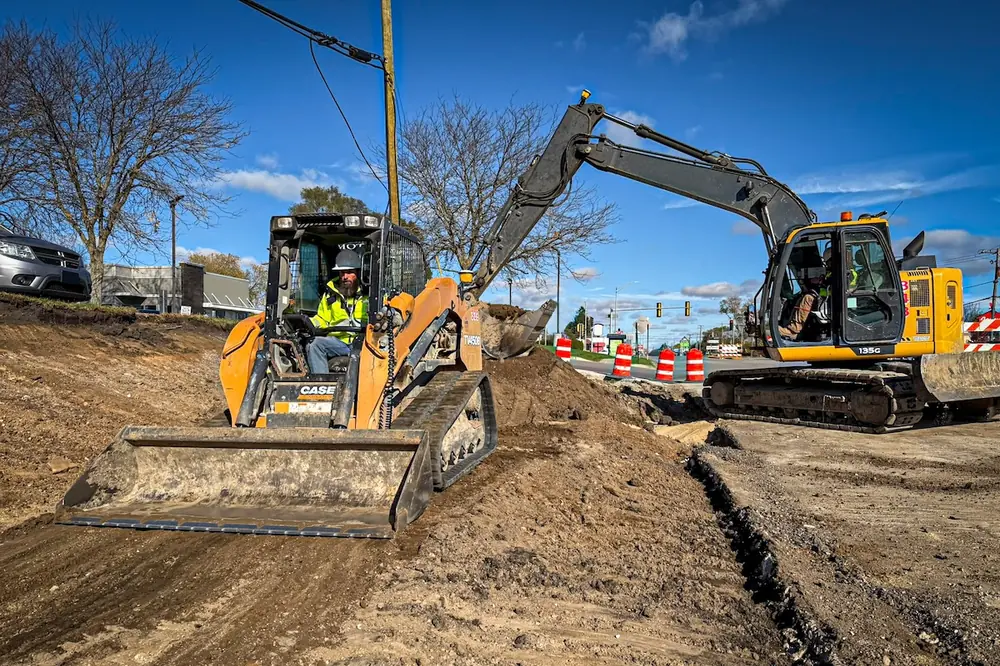
Roadway projects, traffic signal installations, guardrails, drainage systems, buildings, and other permanent improvements frequently qualify. The key question is whether the work involved in the claim was part of a covered project.
The contractor must show that the plaintiff is suing it for personal injury, property damage, or death.

| Your local JCB North America dealer |
|---|
| South Star JCB |
| Monk JCB |
| BOSS JCB |
Texas courts are also quick to point out that Section 97.002 does not create blanket immunity for all claims that could be asserted against a contractor on an applicable project. So, for instance, tort-based claims or contract disputes between a contractor and a subcontractor (e.g. payment disputes, tortious interference, or wage claims) do not fall within the statute.
In addition, the statute does not protect a contractor for a claim for property damage that only results in damage to an intangible asset or increased operation costs. Thus, no immunity would apply if the claim was only for lost revenue due to construction work limiting access to a business located adjacent to the construction project.
This is often the most important issue. A contractor should be prepared to identify: the plans and specifications that governed the work at issue, any relevant design revisions, applicable change orders, and written change directives.

| Your local ASV dealer |
|---|
| CLM Equipment Co |
Simply saying the project was “built to plan” is usually not enough. The contractor must be able to prove it. If the documents are unclear or if there is evidence that the work did not comply with the governing plans, contractor immunity may be harder to establish.
The best contractor immunity defenses are built long before litigation begins. A strong defense is based on good project documentation, including the obvious (contract, plans, specifications, RFIs, submittals) and the less obvious (meeting minutes, daily reports, photographs, emails).
When a claim arises, these documents help answer three critical questions:
- What plans controlled the work?
- What did the contractor actually build?
- Who approved any deviation from the original design?

| Your local Link Belt dealer |
|---|
| Nueces Power Equipment |
| Central Texas Equipment |
If those questions can be answered clearly, the contractor is usually in a much stronger position.
Make sure field personnel are using the latest approved plans and specifications. Maintain a record of revisions, addenda, and updates. Clearly identify which version governed the work when it was performed. Submit Requests for Information (RFI) and maintain an updated RFI log for any design clarifications.
Whenever work differs from the original design, preserve the documentation supporting that change. If a direction is given verbally, follow up with a confirming email.

| Your local Case Construction Equipment Inc dealer |
|---|
| ASCO Equipment |
| Nueces Power Equipment |
Field documentation remains one of the most powerful tools in defending construction claims. The goal is to create a reliable record showing exactly what was occurring on the project at the time. Reports prepared after the events in question are subject to scrutiny and challenges to authenticity and credibility.
After an accident, claim, or lawsuit, preserve all project records. Early preservation can significantly improve a company’s ability to defend itself later.

| Your local Bomag Americas dealer |
|---|
| WPI |
Section 97.002 can provide a powerful defense when a contractor is sued for personal injury or property damage related claims. But the protection is not automatic. A contractor must be able to show that the project falls within the statute, the claim is the type covered by the statute, and the work was performed in accordance with the governing plans and specifications.
The practical takeaway is straightforward: Follow the plans, document any changes or design concerns, and maintain complete project records. When a claim arises, the contractor that can prove it built according to the approved design is in the strongest position to invoke Section 97.002 and avoid liability for the owner’s or design team’s mistakes.