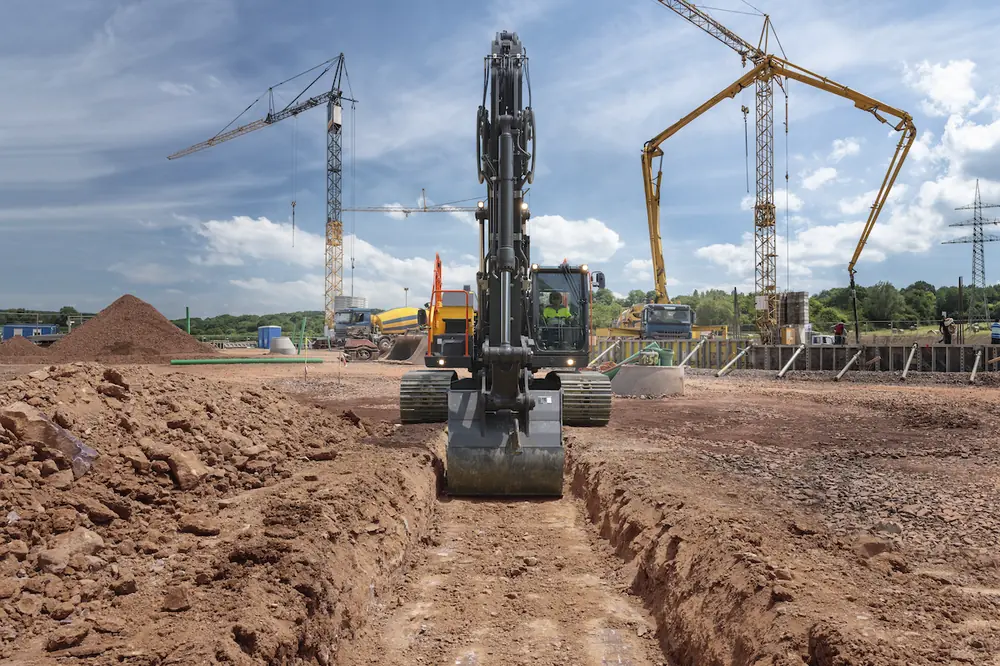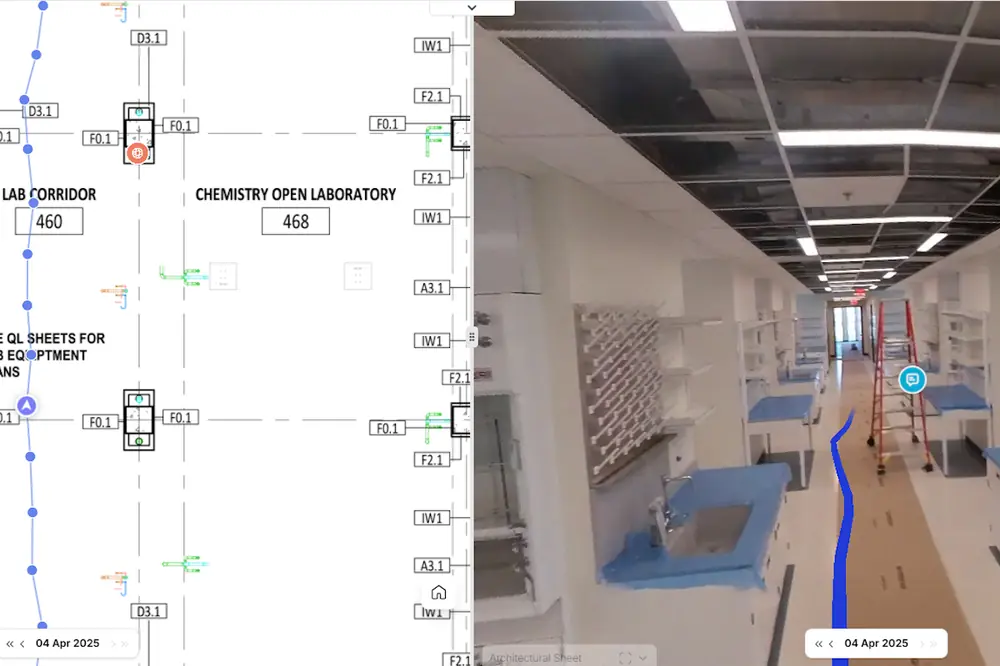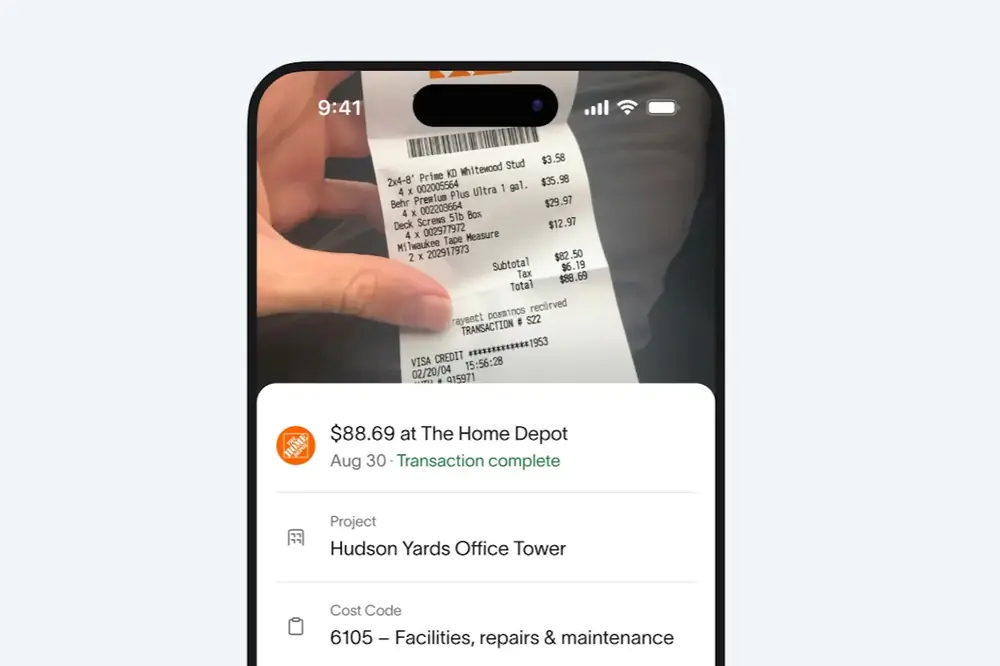







The construction industry, long perceived as a hands-on and analog sector, has undergone rapid digital transformation in recent years. With the adoption of Building Information Modeling, drones, robotics, Internet of Things (IoT) devices, and cloud-based project management systems, today’s construction companies are deeply reliant on technology and data. This digital expansion has introduced new vulnerabilities, making the construction sector an increasingly attractive target for cybercriminals.
Project owners are also at risk. Multiple phishing and social engineering-related claims have been reported detailing examples of owners receiving fraudulent emails, allegedly from their contractors, advising new contract payment remittance bank coordinates — only to find those transferred funds disappear forever.
Recent statistics underscore the rising threat. Nationally, the construction sector ranks among the top industry targets, with an average of 226 incidents per year, according to one survey.
The financial impact is equally alarming. According to Verizon’s Data Breach Investigations Report, the average cost of a data breach for small businesses ranges from $120,000 to $1.24 million. These costs include not only ransom payments but also legal fees, regulatory fines, lost business, and reputational damage.
Several factors contribute to the construction industry’s vulnerability, including:
- Insufficient preparedness — Many construction companies surveyed admit they have not prioritized cybersecurity and have faced an attack.
- Widespread technology adoption — From automated site sensors to AI-driven scheduling tools, construction technology expands the attack surface.
- Valuable data storage — Construction firms routinely store sensitive information, such as proprietary designs, financial data, and confidential government project plans, making them lucrative targets.
- Third-party risks — Construction projects often involve complex webs of subcontractors, suppliers, and vendors, each introducing additional cybersecurity exposures.

| Your local Komatsu America Corp dealer |
|---|
| Road Machinery and Supplies Company |
Given these realities, cybersecurity is no longer optional for construction companies — it is essential for operational resilience and project success.
Understanding the specific types of cyber threats targeting the construction industry is critical for building an effective defense. Common attacks include:
Ransomware
In a ransomware attack, cybercriminals infiltrate company systems, encrypt files, and demand a ransom for the decryption key. The implications extend beyond financial losses. Projects can be delayed, supply chains disrupted, and critical project data exposed. In some cases, missed deadlines due to cyber incidents have led to penalties, lawsuits, and loss of future contracts.
The construction industry is particularly vulnerable because project schedules are tight, and companies may feel pressured to pay ransoms quickly to resume operations. Moreover, smaller firms often lack robust backup systems, making recovery without payment difficult.

| Your local Trimble Construction Division dealer |
|---|
| SITECH Northwest |
| SITECH Mid-America |
| SITECH Dakotas c/o Butler Machinery |
Phishing
Phishing remains a major entry point for many cyberattacks. Emails designed to look like legitimate communications lure recipients into clicking malicious links, downloading malware, or revealing login credentials. Many breaches include some form of involvement by company workers through phishing, behavior manipulation, etc., making it one of the most financially devastating forms of cybercrime.
Construction companies are particularly vulnerable because of the fast-paced, collaborative nature of project management, where dozens of people interact across multiple platforms daily.
Data Theft
Construction companies manage a wealth of confidential information, including bid strategies, design documents, intellectual property, and financial accounts. Cybercriminals recognize the value of this data and often sell it on dark web marketplaces or use it for corporate espionage.
Social Engineering
Social engineering tactics — where attackers manipulate individuals into divulging confidential information — are frequently used to gain initial access. Once inside, attackers can quietly siphon off sensitive data over time without immediate detection.

| Your local Gomaco dealer |
|---|
| Gomaco -Contact For a Dealer Near You |
Fraudulent Funds Transfer
Also known as business email compromise (BEC) or electronic payment fraud, fraudulent funds transfer scams are particularly damaging to construction companies, which routinely move large sums for project costs and vendor payments.
Attackers impersonate executives, vendors, or clients to trick employees into transferring funds to fraudulent accounts. These attacks often involve carefully crafted emails or phone calls designed to create urgency or fear. Without proper verification protocols, even vigilant employees can be deceived, resulting in substantial financial losses.
While the threats are formidable, construction firms can take concrete steps to protect their digital assets and reduce their cyber risk exposure. Here are eight best practices to mitigate cyber risks:
1. Implement Multi-Factor Authentication
Multi-factor authentication (MFA) adds an extra layer of security, requiring users to provide multiple forms of verification before accessing systems or sensitive information. MFA should be mandatory for:
- Email access
- Financial systems
- Project management software
- Administrative accounts
- Cloud-based storage systems 2. Train Employees Regularly
- Immediate steps following detection
- Communication protocols
- Roles and responsibilities
- Legal and insurance notification requirements
Employees remain a company’s greatest cybersecurity vulnerability — and defense. Comprehensive cybersecurity training should be mandatory for all staff, from executives to field workers. Topics should include recognizing phishing attempts, proper password hygiene, and safe handling of confidential information. Training should be an ongoing process, reinforced with regular updates and simulated phishing exercises.

| Your local Volvo Construction Equipment dealer |
|---|
| Nuss Truck & Equipment |
3. Establish a Cybersecurity Leadership Role
Every construction company should designate a cybersecurity leader as point person. This individual should be responsible for overseeing cybersecurity strategy, training, and incident response.
4. Encrypt Data and Maintain Updated Systems
All sensitive data, whether in transit or at rest, should be encrypted. Additionally, companies must ensure that all software — including third-party applications — are regularly updated and patched to fix known vulnerabilities. Outdated systems are low-hanging fruit for cybercriminals.
5. Prioritize External Exposure
Protect mobile devices, field sensors, drones, and other connected technologies with strong cybersecurity protocols. Ensure that all external data transmissions are secure and that remote access to internal systems is tightly controlled.
6. Vet and Monitor Third-Party Vendors
Given the interconnected nature of modern construction projects, it’s critical to assess and monitor the cybersecurity practices of all subcontractors, suppliers, and vendors. Contracts should include cybersecurity standards and compliance requirements.
| Your local Komatsu America Corp dealer |
|---|
| Road Machinery and Supplies Company |
7. Develop and Test an Incident Response Plan
A cyberattack is not a matter of if but when. Having a detailed incident response plan can significantly minimize damage. The plan should outline:
Conducting tabletop exercises that simulate cyber incidents can help teams practice their response and identify gaps.
8. Secure Cyber Insurance
Cyber insurance can help companies recover financially from a breach. Work with experienced insurance brokers to ensure the coverage addresses construction-specific risks, including ransomware, data theft, and fraudulent funds transfer.
The digital transformation of the construction industry brings unprecedented opportunities for efficiency and innovation — but it also introduces serious cybersecurity challenges. With cyberattacks on construction firms rising sharply, it is imperative for companies to build robust cybersecurity strategies.
| Your local Komatsu America Corp dealer |
|---|
| Road Machinery and Supplies Company |
By understanding the types of cyber threats they face and implementing proactive, layered defenses, construction firms can better protect their intellectual property, finances, and reputations. In an increasingly connected world, cybersecurity is no longer just an IT issue — it is a critical business priority that affects project success, client trust, and long-term viability.
Mark Wooditch is a Construction Practice Leader for HUB International. He spent 30 years at The Wooditch Company, Insurance Services, Inc., with a focus on commercial contractors. In 2023, the practice was sold to HUB.
Kirk Chamberlain leads HUB International’s construction practice. His background comprises more than 30 years of leadership roles within the construction and large capital projects sector as a broker, risk manager, underwriter, and risk consultant.