


BROOKFIELD, WI — The Potter Road and 109th Street project in Wauwatosa, Wisconsin, and the East Wells Street project in Milwaukee, Wisconsin, were named 2026 Projects of the Year by the Wisconsin Chapter of the American Public Works Association (APWA), recognizing excellence in public works projects across the state.
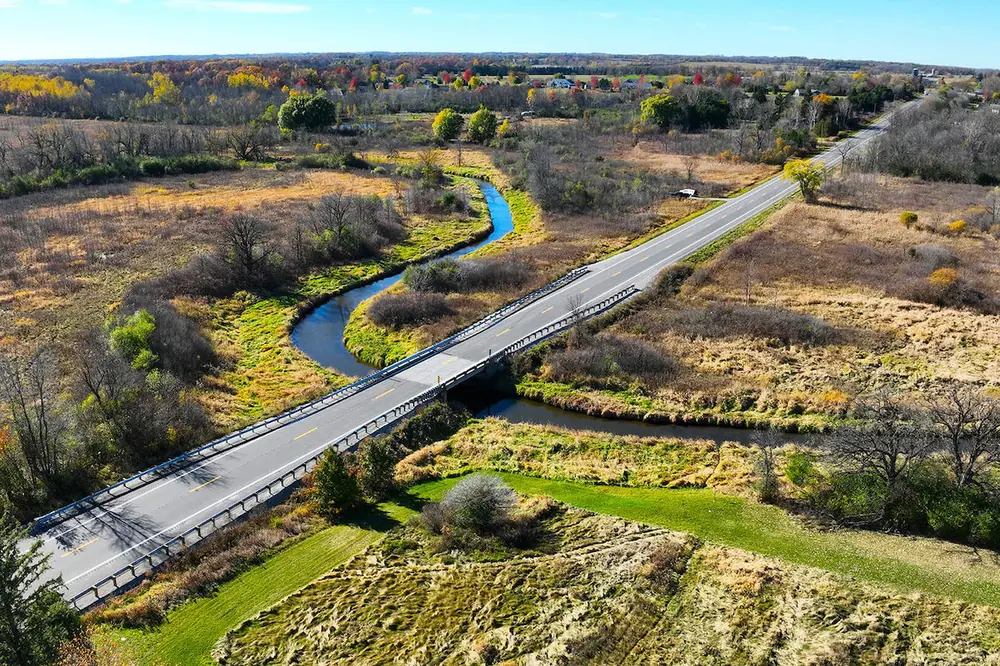
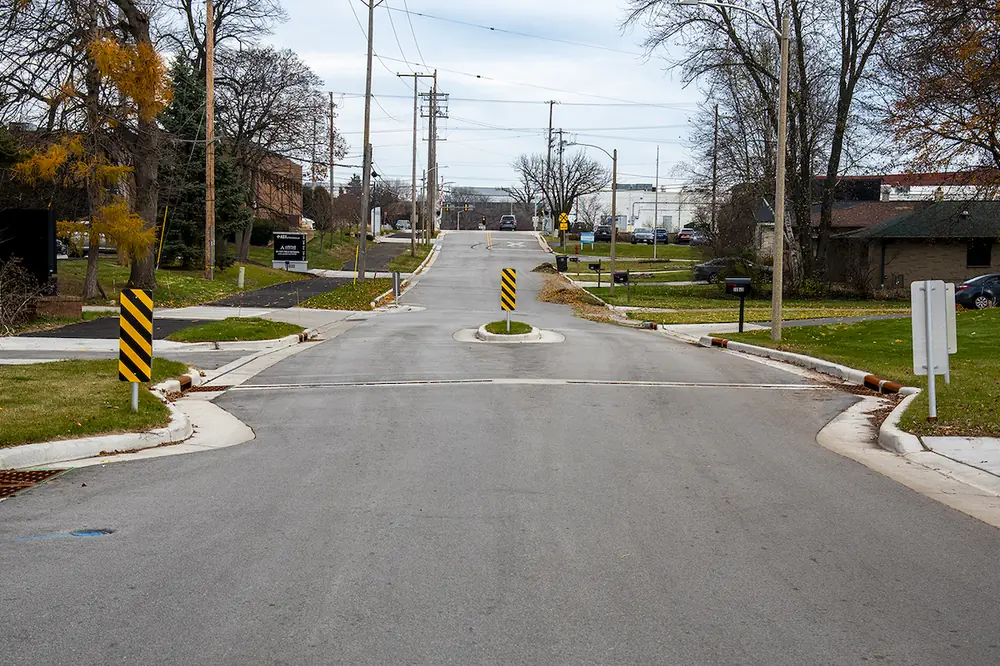
The Potter Road and 109th Street corridor in the city of Wauwatosa had a long-standing history of severe flooding that regularly overtopped the roadway, caused closures, restricted emergency vehicle access, and resulted in extensive ponding that reached residents’ yards and infiltrated basements. The flooding also threatened a nearby municipal reservoir and pumping station that provides essential water pressure and fire protection for half of the city.
Working together, raSmith and the City of Wauwatosa developed a comprehensive solution to eliminate flooding, maintain safe vehicular access throughout the corridor, preserve water service during utility work, and improve the Oak Leaf Trail. Final improvements included nearly a half-mile of roadway reconstruction, traffic calming features, modernized intersections, new multi-use paths, Safe Routes to School connections, 16-inch to 24-inch water main replacements, and nearly 1 mile of storm sewer, including a 10-foot by 5-foot box culvert. This project represents a shift from a corridor that flooded multiple times each year to one capable of withstanding 500-year flood events without interruption, delivering lasting safety, resilience, and reliability for the community.
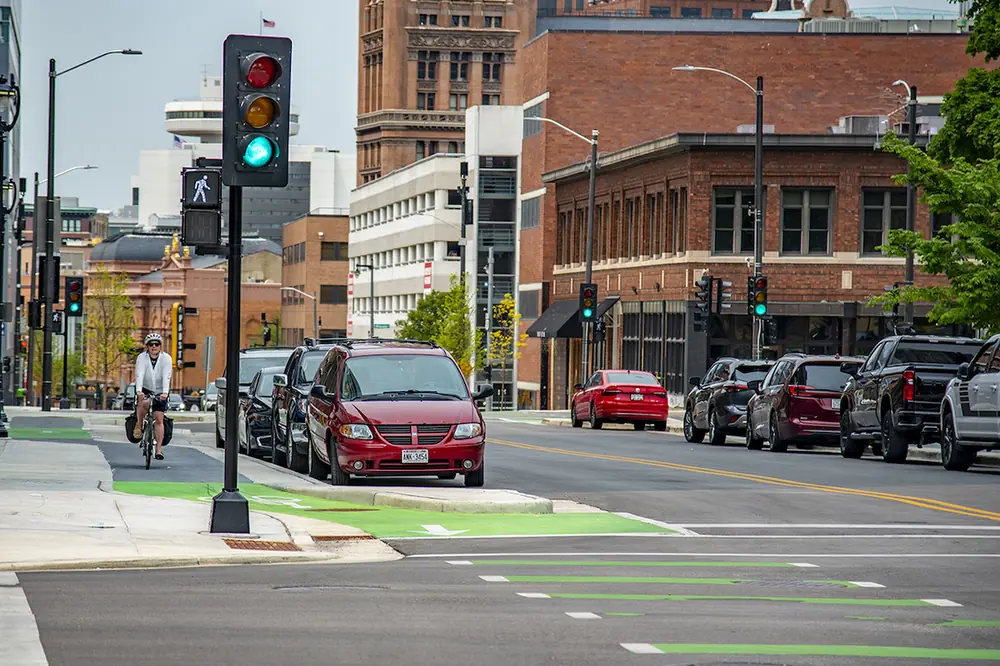
The East Wells Street project from North Broadway Street to North Van Buren Street in the city of Milwaukee incorporates raised, separated bicycle facilities on a state highway (WIS 32), reducing the roadway footprint and reallocating space for bicycle and pedestrian use, public gathering areas, and landscaping. raSmith was the lead design consultant in coordination with the Wisconsin Department of Transportation and the City of Milwaukee.
Improvements included replacing sidewalks, pedestrian curb ramps, storm sewer, traffic signals, street lighting, underground conduit, and pavement markings, while addressing challenges associated with a dense downtown location, innumerable utility networks, popular festivals, and demands for interconnectivity for multiple modes of transportation. The project ensured businesses remained accessible during construction, accommodated major public events including Bastille Days, and allowed the city’s streetcar “The Hop” to operate uninterrupted. The East Wells Street corridor serves as a model for future space allocation reconstruction projects and has created a space that improves safety, enhances the pedestrian and bicyclist experience, and supports long-term community and environmental benefits.