



Construction has always been a physical business. You can't build a road from a spreadsheet or pour a foundation from a dashboard. For generations, the job site has been the ultimate source of truth — and the ultimate blind spot. What happened in the field stayed in the field, locked in the heads of experienced workers, buried in paper records, or simply never captured at all.
That began to change with the emergence of digital solutions, both in the office and in the field. Now these digital ecosystems are catching up to the physicality of the work itself through the evolution of what the industry is calling physical AI, or systems that perceive, interpret, and act on the physical world in real time.
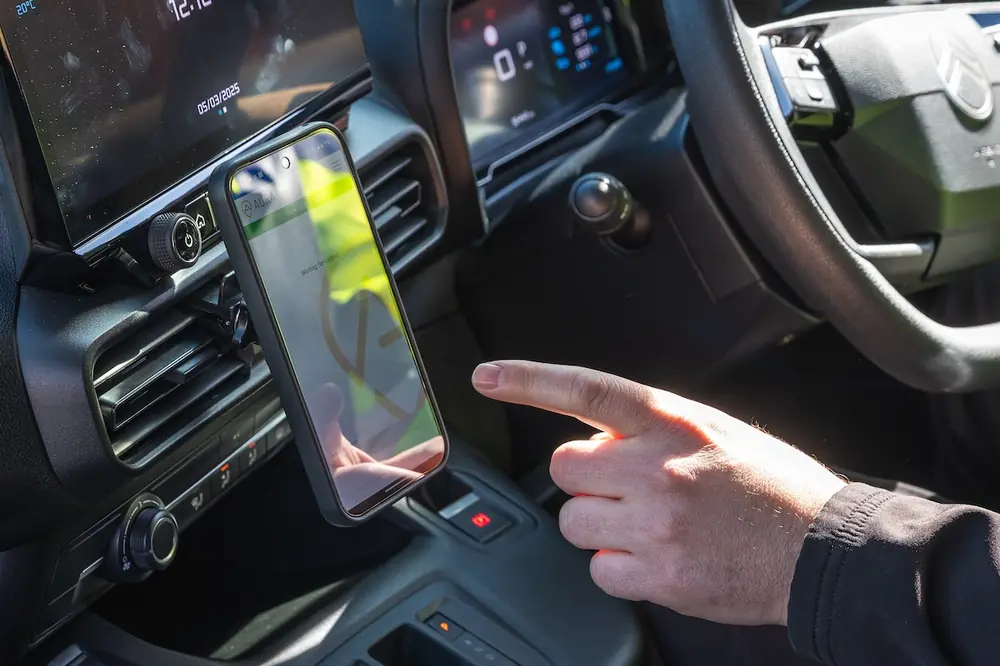
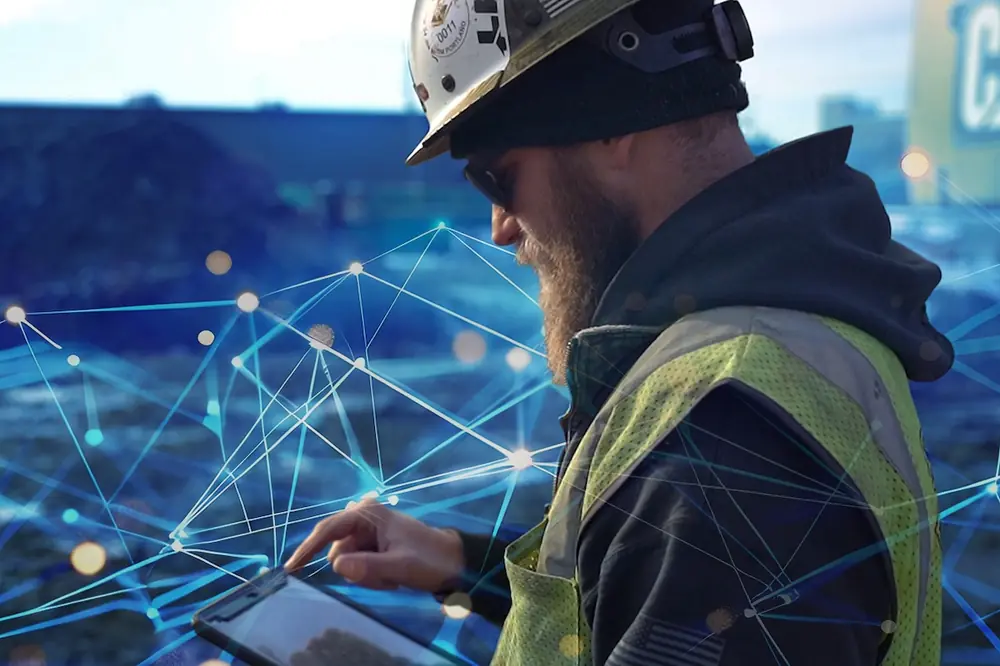
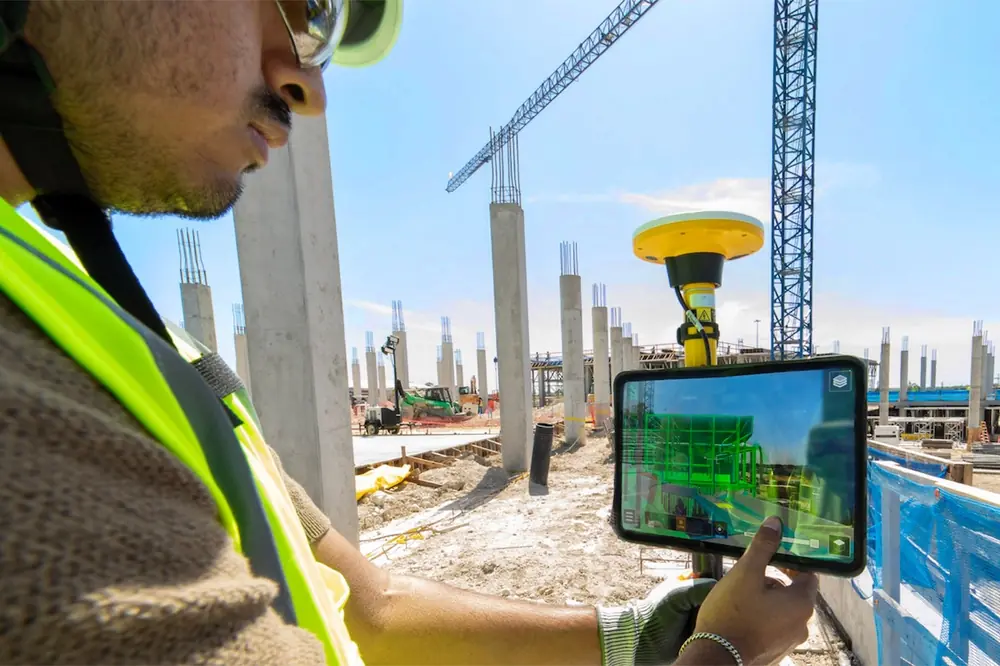
For construction professionals, that capability is arriving through now-familiar tools such as drones, 3D scanners, 360-degree cameras, and mobile devices — all combined with AI technology that can make sense of the data those tools capture. A drone isn't just taking pictures anymore; it's giving AI eyes on the job site. A point cloud isn't just a survey artifact; it's a living model that AI can compare against design intent in real time, flagging discrepancies before they become costly problems.
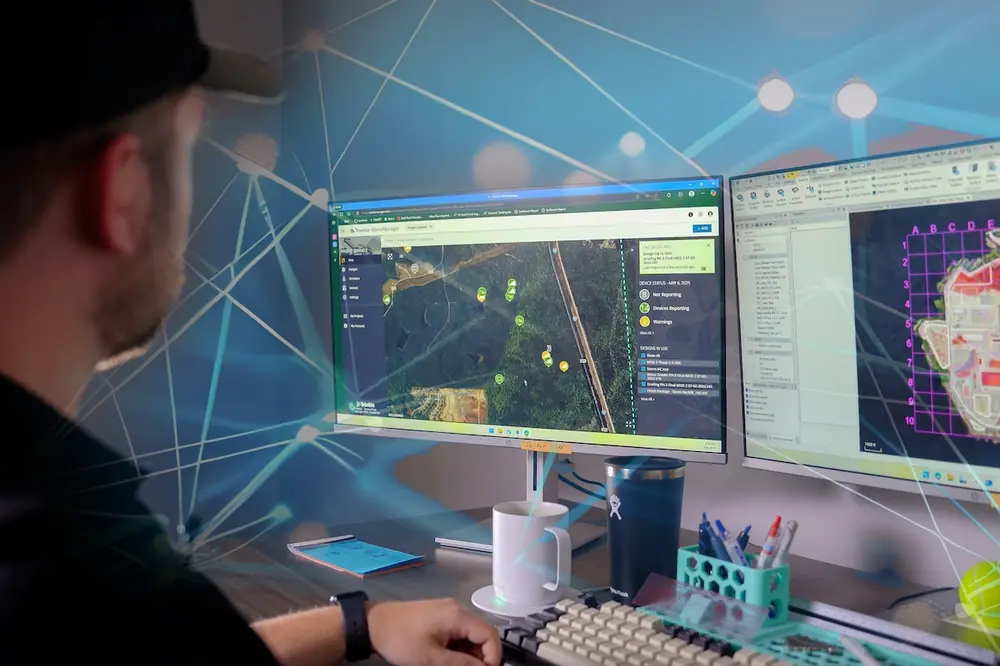
This connected digital ecosystem creates a compounding advantage for contractors: The more physical data you capture, the smarter your AI becomes; the smarter your AI becomes, the more autonomously it can act; and the more autonomously it acts, the faster your projects move.
Physical AI requires three capabilities working together: the ability to sense and understand physical surroundings, the ability to reason about what those conditions mean, and the ability to act on that reasoning without waiting for a human to issue every instruction. On the job site, that plays out in ways contractors already recognize.

| Your local Komatsu America Corp dealer |
|---|
| Road Machinery and Supplies Company |
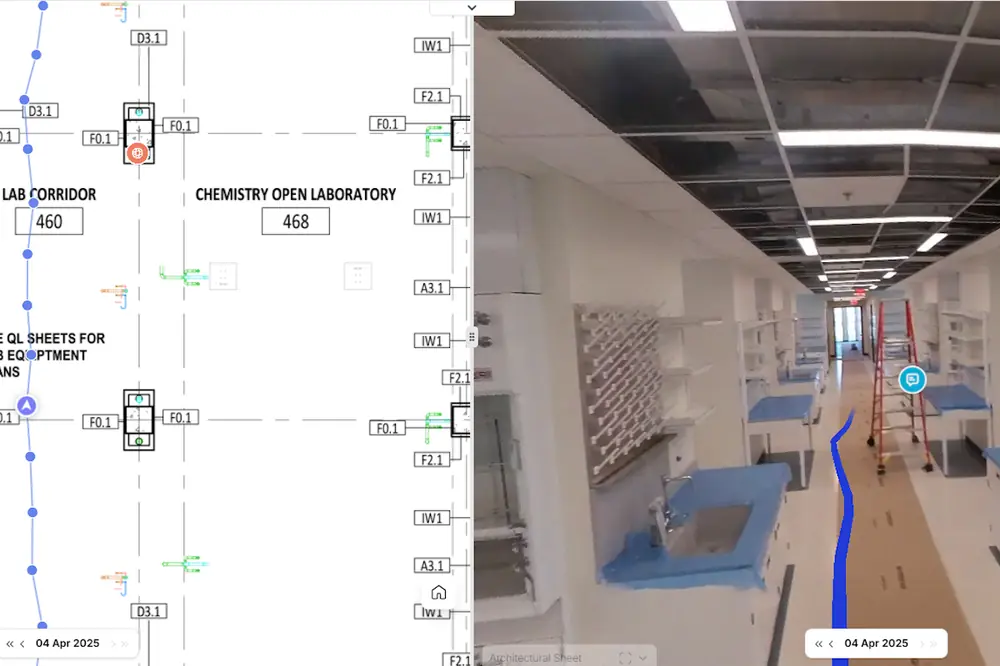
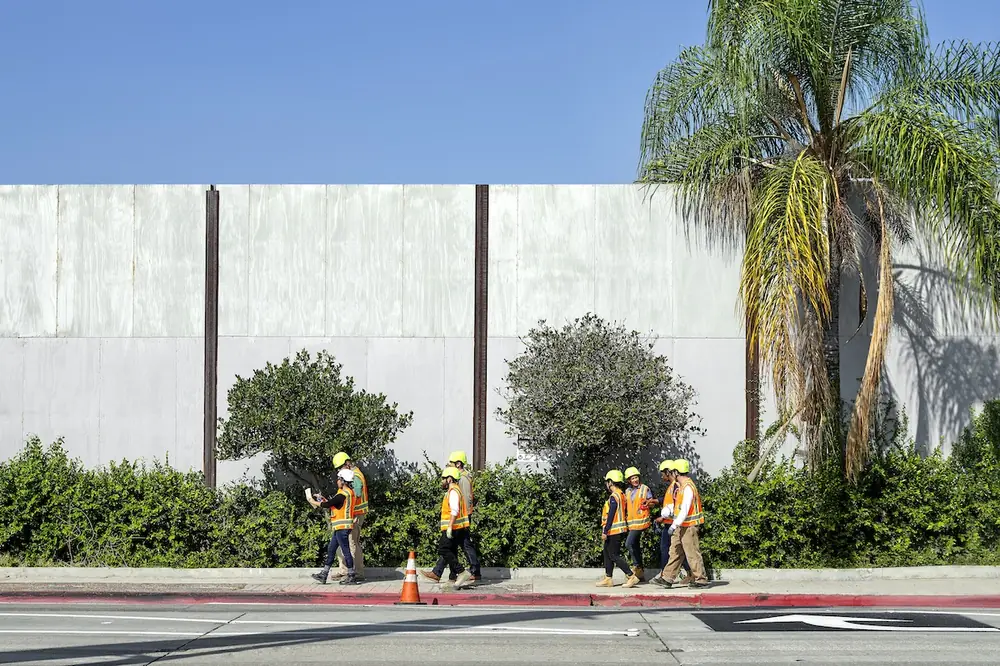
The daily site walk is a good example. A superintendent or field engineer with a camera captures imagery as they go. In the cloud, an AI-powered processing pipeline automatically maps their path, aligns images to project drawings, and creates a living visual record of site conditions. The result is a virtual job site that anyone can navigate from anywhere, along with a continuous feed of structured data that connects field reality to every downstream workflow — from RFIs and change orders to scheduling and financial systems.
Point cloud technology extends this capability into three dimensions. For years, laser scanning delivered vast amounts of spatial data that then required specialized software and trained experts just to make it usable.
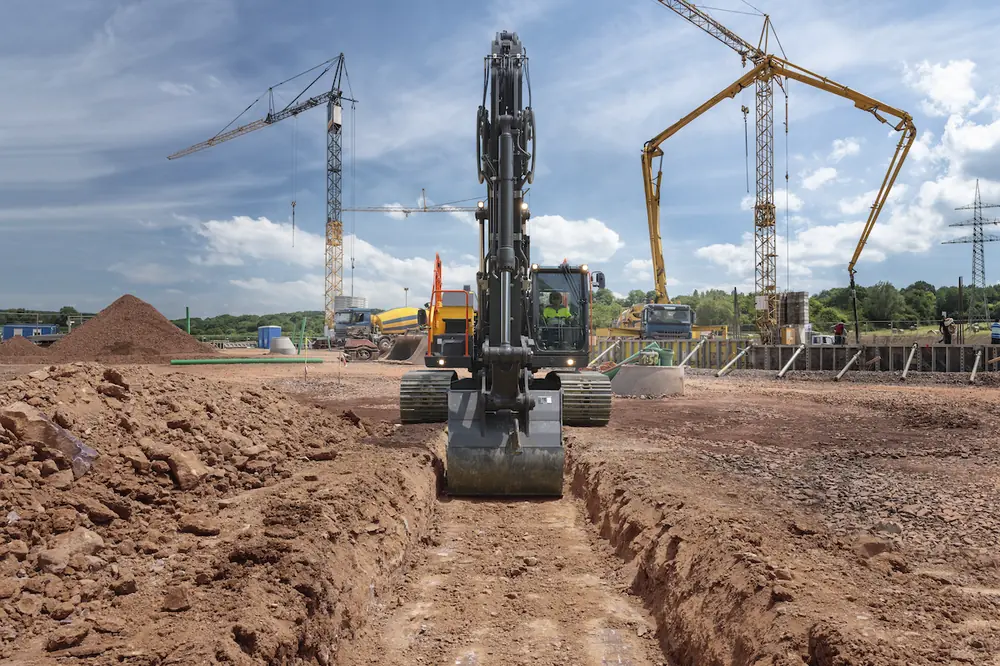
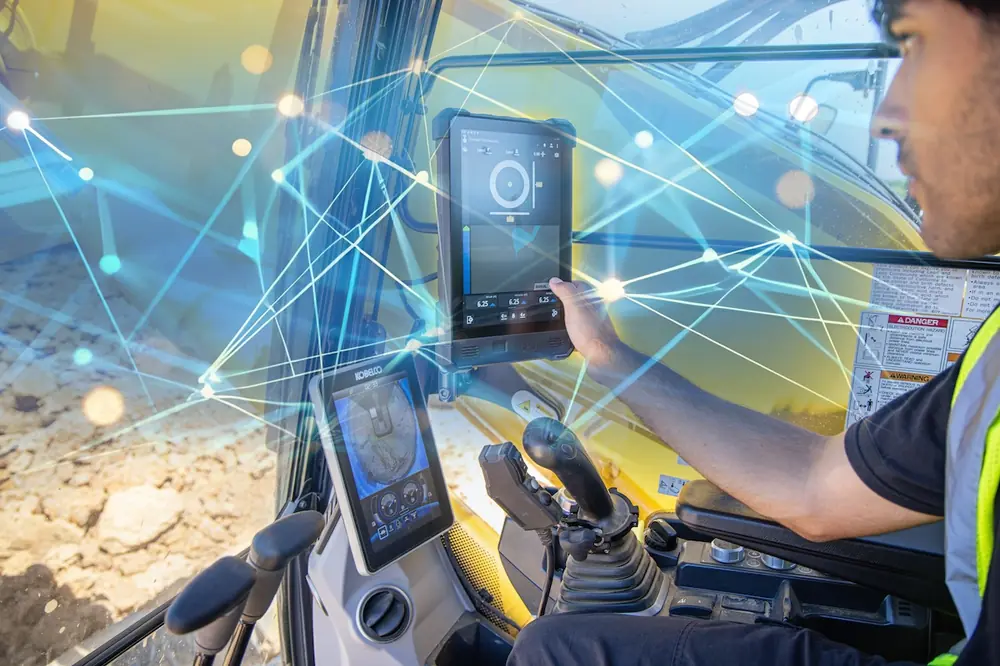
Today, AI automatically classifies and labels point cloud data the moment it's uploaded, positioning it in context to the design model and making it immediately accessible. AI can also check and verify that each machine on a job site has the correct and most current design file.
For civil and infrastructure teams, AI-enhanced navigation and cross-sectional views make it possible to view mobile mapping data alongside design models referenced to specific positioning.

| Your local Trimble Construction Division dealer |
|---|
| SITECH Northwest |
| SITECH Mid-America |
| SITECH Dakotas c/o Butler Machinery |
Previous generations of construction technology could store and retrieve information about the physical environment. Physical AI can perceive, reason, and act on it — and that intelligence starts with data.
Few contractors understand construction’s data disconnect better than JE Dunn Construction. The firm's investment in connected data began five years ago by standardizing its self-perform concrete workflows nationwide with an end-to-end, fully integrated workflow.
The results are measurable. On a recent 8,000-cubic-yard, flat-on-grade pour, actual concrete requirements came in 14 percent to 32 percent lower than estimated across two phases. On a hyperscale data center, integrated workflows helped quadruple turnover speed. On another large project, model-to-machine workflows cut excavation times by 50 percent and employee hours for excavation by 75 percent.
The rework story is equally striking. Rework associated with concrete layout stood at $2.1 million in 2022. By 2024, it had dropped to $500,000. In 2025, the figure was zero.

| Your local Gomaco dealer |
|---|
| Gomaco -Contact For a Dealer Near You |
It's a lesson that applies well beyond one company: The cleaner and more connected your data, the more powerful every AI capability built on top of it becomes, including what’s coming next.
If physical AI gives construction its eyes and ears — perceiving and interpreting the job site in real time — agentic AI is what acts on what it learns, managing the workflows and decisions that keep projects moving and feeding results back into systems that inform the next steps. It reasons through complex, multistep workflows, retrieves the information it needs, and executes tasks at a scale no human team could match.
Rather than an AI tool that summarizes a submittal when asked, an agentic system monitors incoming submittals continuously, identifies which need attention, retrieves relevant records, assembles a summary with recommended next steps, and delivers it to the right person without a project engineer spending hours in front of a screen.
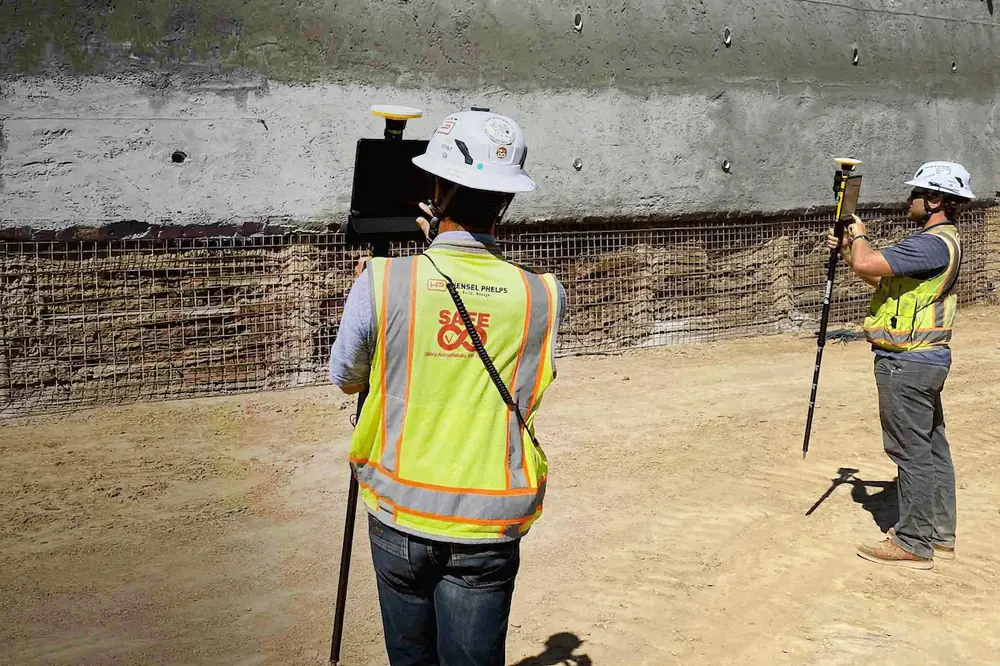
Hensel Phelps, one of the largest construction companies in the United States, is among the first contractors piloting this kind of platform within the construction ecosystem. Their pilot project focuses on submittal reviews, a workflow that generates more than 150,000 submittals annually. At a conservative 25 percent efficiency improvement, the savings would run into the millions.

| Your local Volvo Construction Equipment dealer |
|---|
| Nuss Truck & Equipment |
That's one workflow at one company. Multiply it across the submittals, RFIs, change orders, daily reports, and permit requests that flow through a major contractor's operations every year, and the scale of what agentic AI makes possible becomes clear.
The next frontier is multiagent workflows — networks of AI agents working together across an entire project, handing off tasks and keeping work moving without waiting for human instruction at every step. Consider an agent that detects a site issue, creates an RFI, routes it to the right subcontractor, tracks the response, and updates the schedule, flagging only the decisions that genuinely require human judgment. That future is closer than most contractors realize.
None of these AI solutions replace the people who build. The real goal is to give every person on that job site — superintendent, project engineer, field crews — a connected platform that makes them more effective at what they already do. The same experienced people, doing more.
It’s a timely proposition. The construction industry is hundreds of thousands of workers short of what's needed to meet current backlogs. Demand for data centers, energy infrastructure, transportation, and more is outpacing the workforce available to build it. In that environment, technology is the only credible path to closing the gap.
| Your local Komatsu America Corp dealer |
|---|
| Road Machinery and Supplies Company |
Physical AI and agentic systems are the most effective tools the industry has found so far for doing more with the people it has.
The starting point is less complicated than the technology might suggest. Connect your project management, financial, and field systems in a common data environment. Standardize workflows so data from one project informs the next. Invest in reality capture tools that feed structured data into those systems.
The AI capabilities will follow — many are already available in platforms contractors use today, with more arriving in the next 12 to 18 months. That foundation is also what makes the human equation work.
We’re not looking for AI to take over. We’re looking for tools that make experienced people more effective, projects more predictable, and data more useful. Physical AI is the closest thing the industry has found to all three at once.
| Your local Komatsu America Corp dealer |
|---|
| Road Machinery and Supplies Company |
The job site has always been physical. Now AI is, too.
Melissa Walters is Associate Vice President, Civil Engineering, at Trimble.