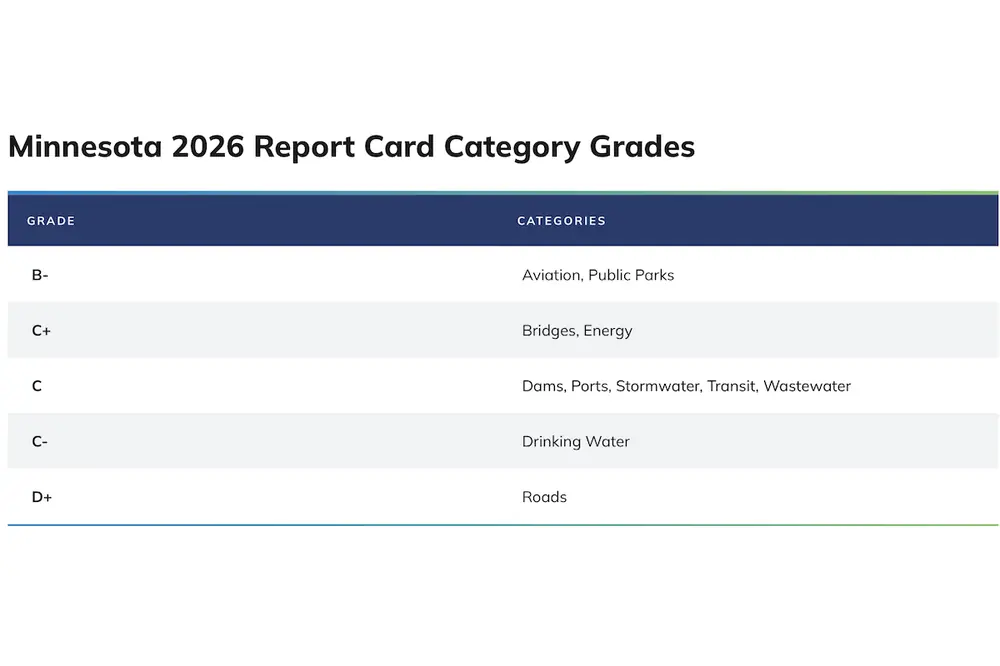

ST. PAUL, MN — Minnesota’s infrastructure has earned a C grade in the new 2026 Report Card for Minnesota’s Infrastructure released by the Minnesota Section of the American Society of Civil Engineers (ASCE). The report card covers 11 categories of infrastructure, including a new category, yet the overall grade remains unchanged from the grade Minnesota received in 2022. This grade also matches the national infrastructure grade from ASCE’s 2025 Report Card for America’s Infrastructure.
While the overall grade is unchanged, there are signs of progress thanks in part to recent state and federal programs, including Minnesota’s historic bonding bill passed in 2023 and the federal Infrastructure Investment and Jobs Act, which have provided funds to expand, repair, and improve infrastructure systems across Minnesota. However, without consistent and sustainable infrastructure funding, these improvements may only be temporary due to the challenges of aging infrastructure systems, which have received limited funding for decades and will require extensive improvement or replacement in the near future.
Of the 11 categories of infrastructure graded, four saw grades increase compared to the last report card, while only one grade decreased. Five grades are unchanged from 2022, and this report card includes a new chapter: stormwater.
“Minnesotans should be proud of the progress made to improve infrastructure systems that keep businesses and communities thriving and help maintain a high quality of life for all Minnesotans,” said Hannah Albertus-Benham, PE, Chair of the 2026 Report Card for Minnesota’s Infrastructure. “However, we are at risk of losing these gains as temporary infrastructure funding measures expire. Minnesota’s infrastructure systems need dependable, consistent, and sustainable funding sources to ensure communities can keep systems thriving and plan for the future.”
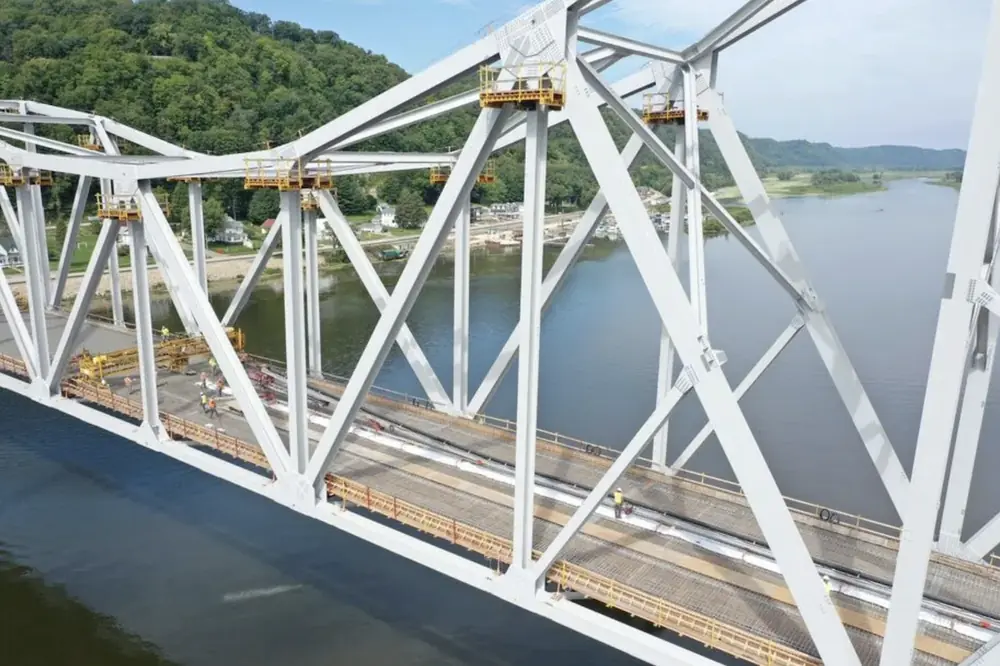
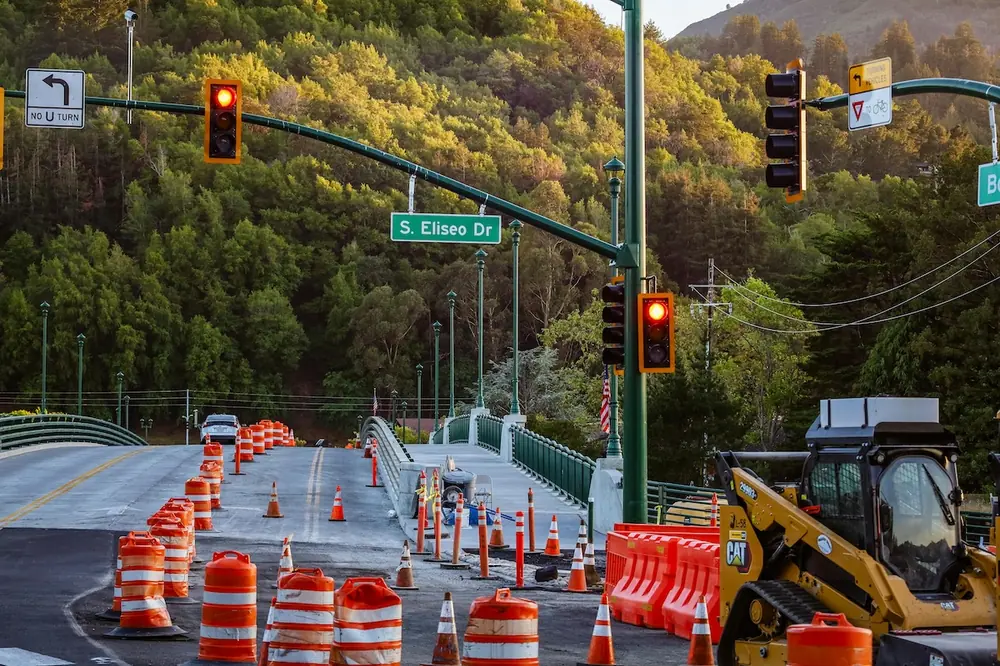
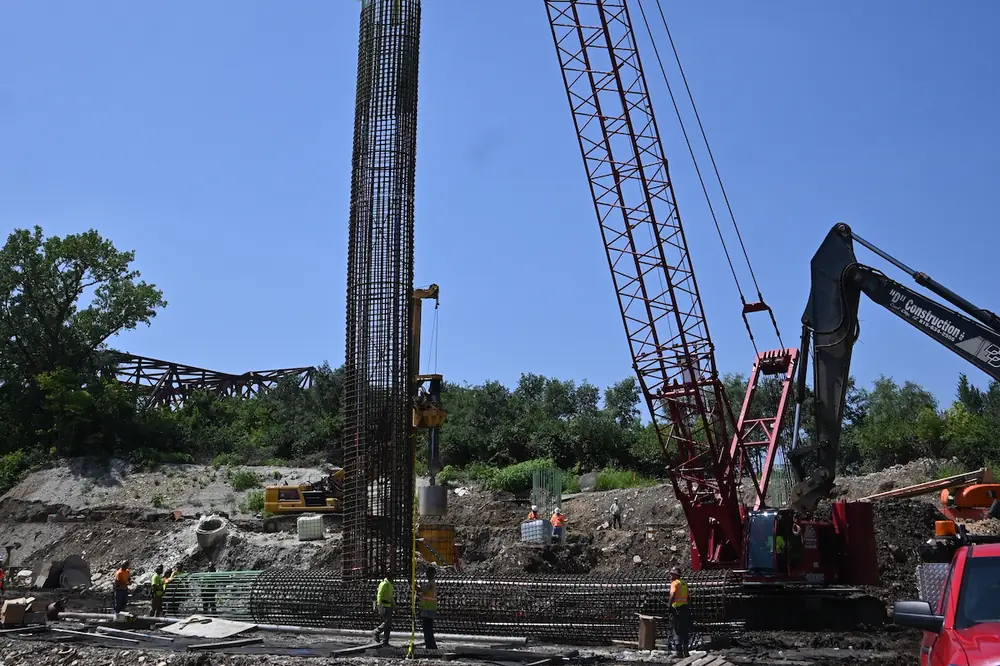
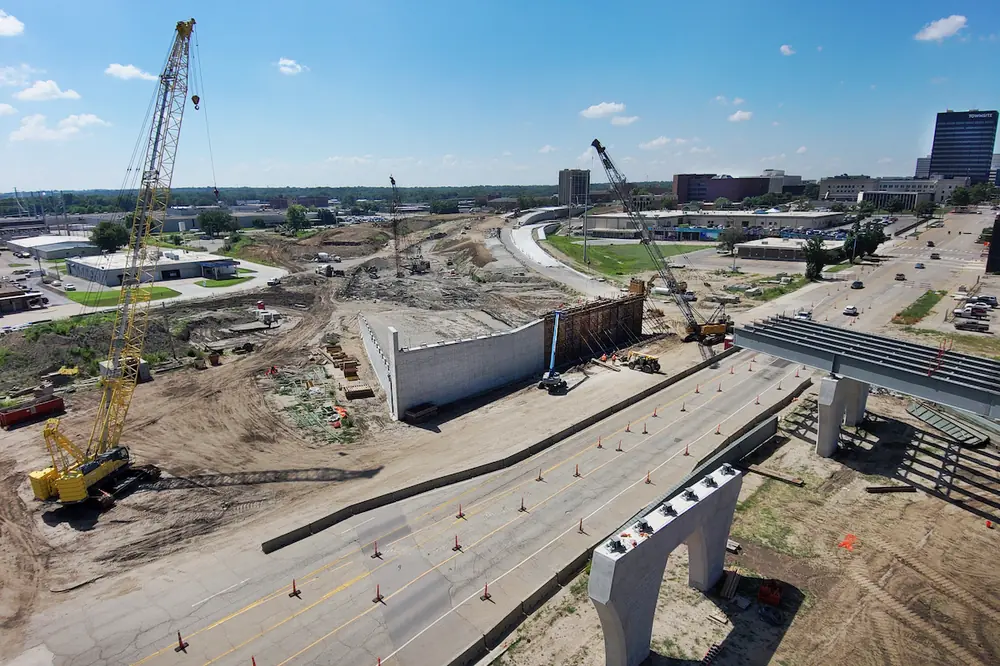
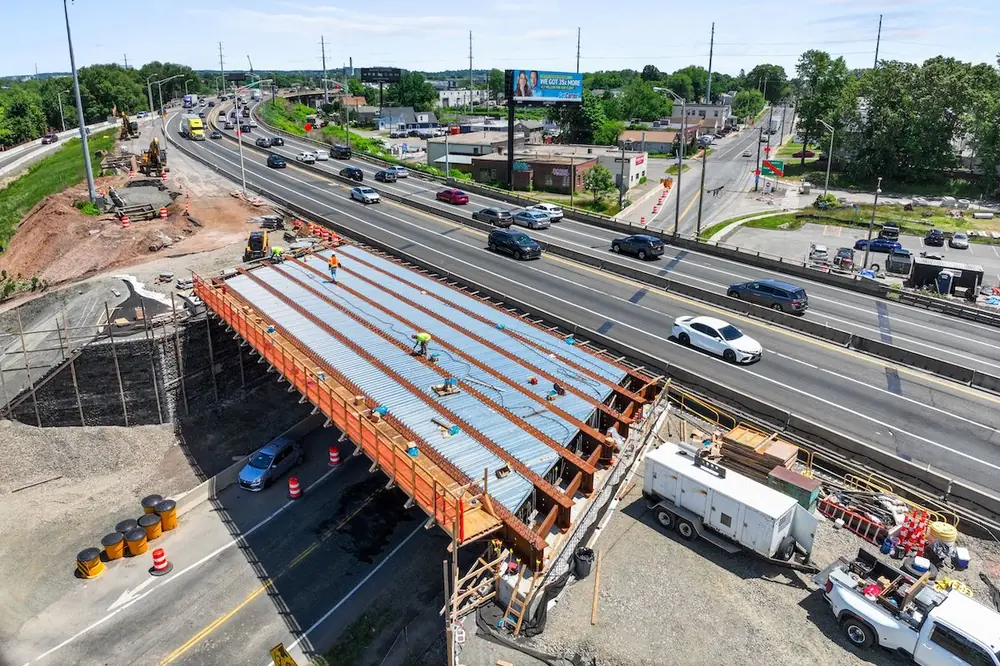
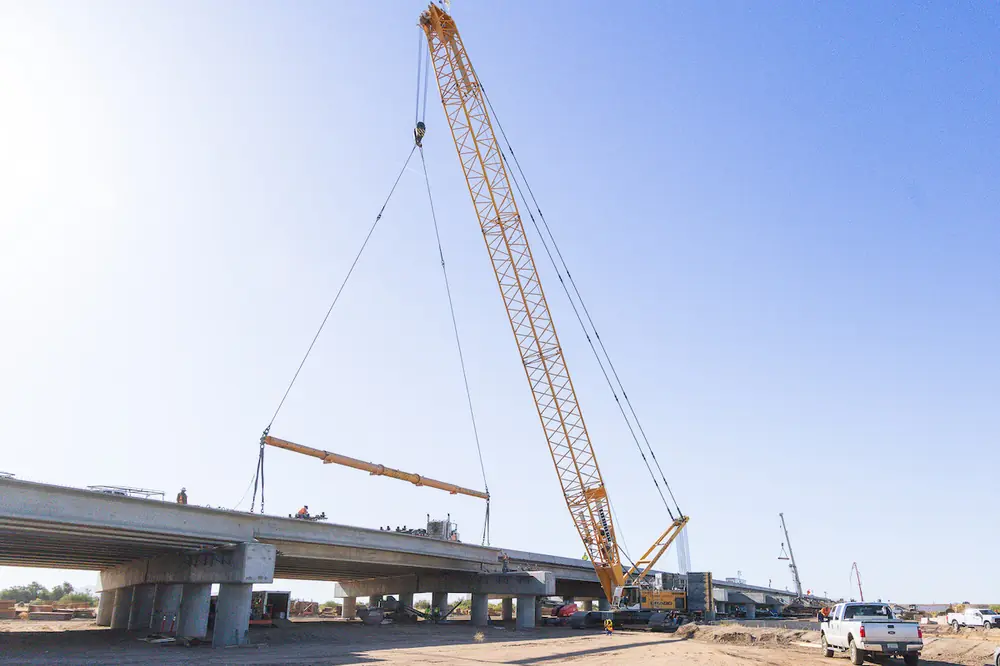
Minnesota’s transportation network shows signs of both progress and long-term risks. The state’s bridge grade improved from a C to a C+ in the 2026 report card, which is one step above the national average. Only 850 of the state’s 21,038 bridges are in poor condition, a decrease from 874 poor condition bridges in 2022. More than 32 percent of bridge deck square footage in the state is more than 50 years old, and that number will grow to 50 percent in the next decade without substantial investment.

| Your local Gomaco dealer |
|---|
| Gomaco -Contact For a Dealer Near You |
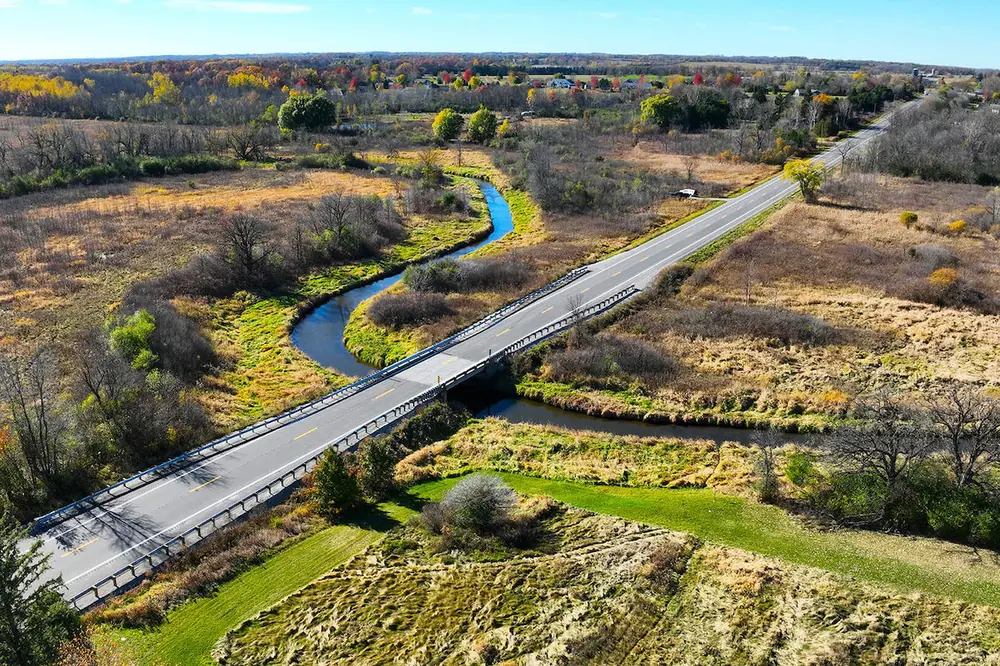
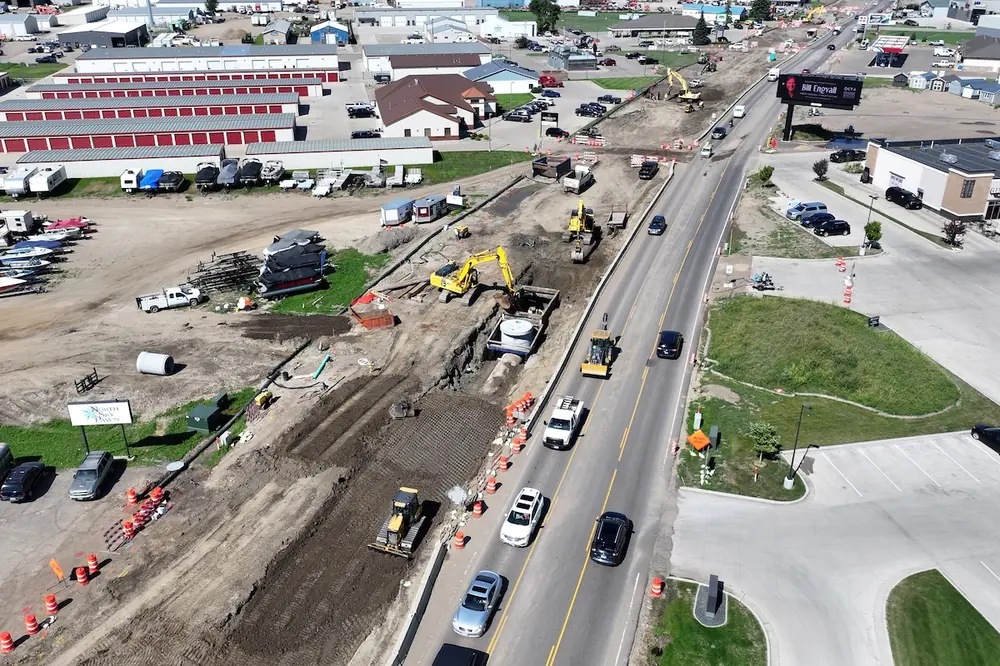
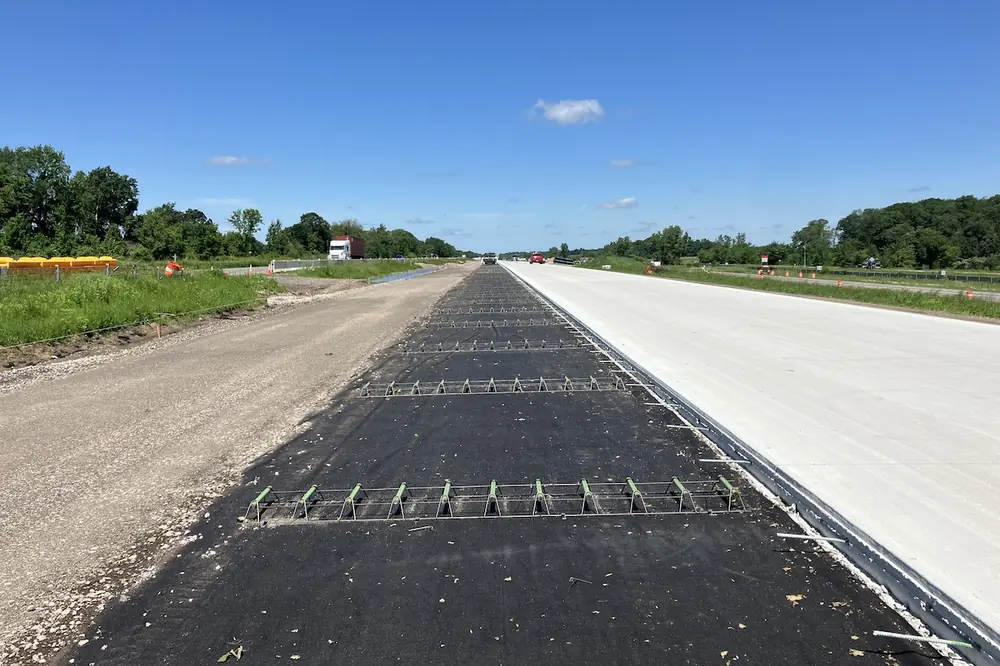
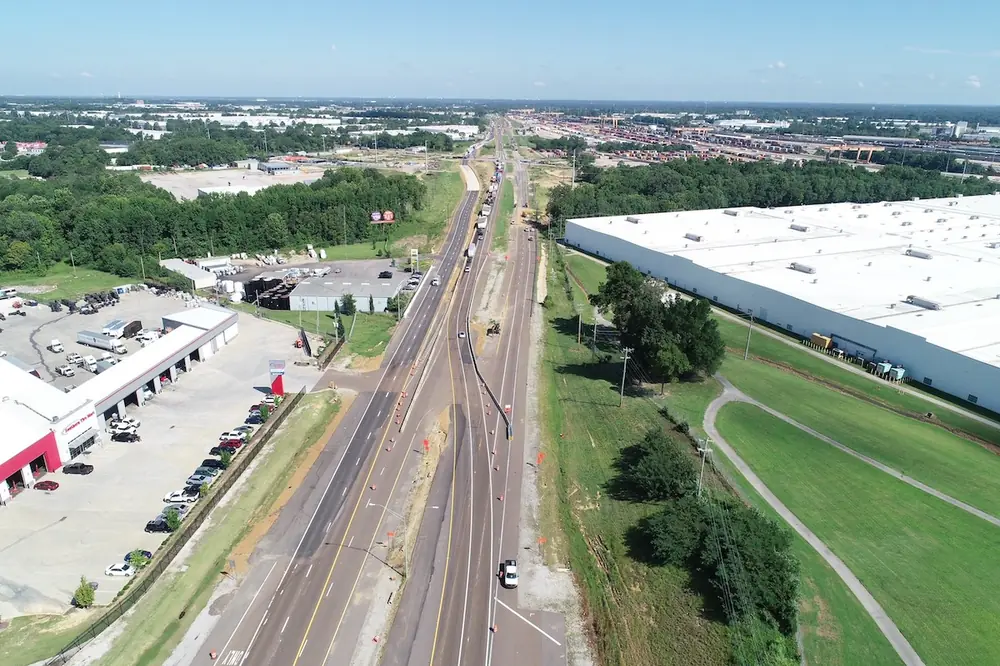
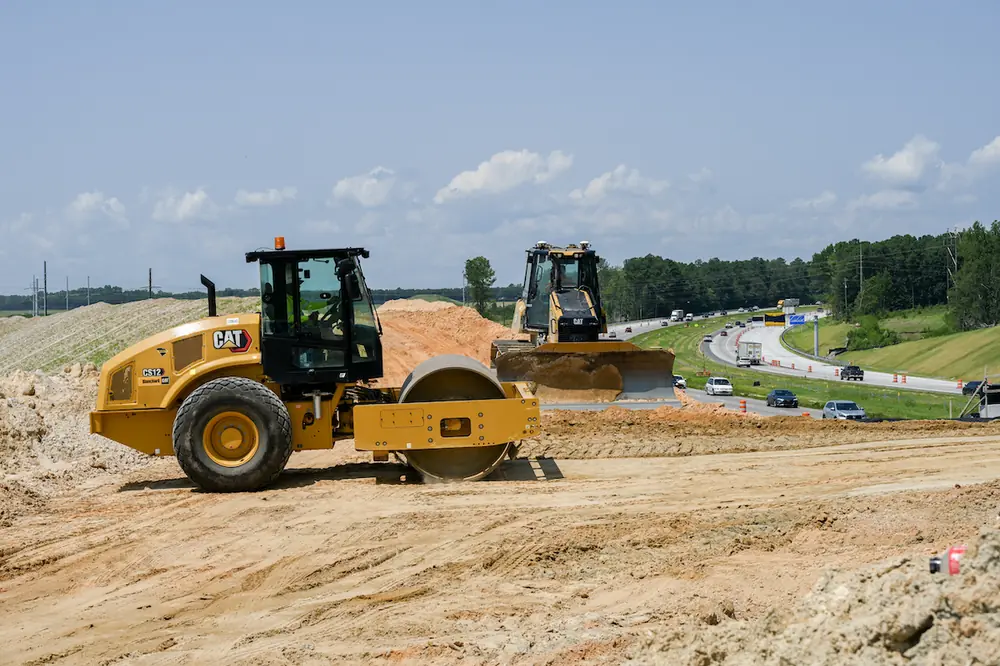
Minnesota’s roads received the lowest grade on the report card of D+, which matches the national grade and is unchanged from Minnesota’s last report card. The state has more than 143,000 miles of roads, however there is a $20 billion road funding shortfall over the next 20 years. The state’s busiest roadways have the strongest performance, with 93 percent of interstate highway miles in Minnesota rated in good condition, compared with 70 percent in 2011. However, extreme winter weather, rising maintenance costs, and inflation continue to strain local and state budgets.
As demand for energy across the country surges due to the growth of data centers, along with increased home energy use and the adoption of electric vehicles, Minnesota’s energy infrastructure improved from a C to a C+, a full letter grade higher than the national average of D+. The state has made progress in clean energy generation and efficiency. More than half of the state’s electricity now comes from zero-carbon sources. However, the state continues to face significant challenges, including the fact that Minnesota imports four times more energy from out-of-state sources than energy produced in Minnesota.
Minnesota’s water infrastructure plays a vital role in quality of life, powering the state’s economy and bringing visitors to the state every year for fishing, camping, and other recreational activities. Minnesota’s drinking water maintained a C- grade, unchanged from 2022, and matched the national grade. While most drinking water systems serve Minnesotans well, those systems also have extensive needs as water infrastructure like treatment plants and pipelines will need rehabilitation or replacement due to increasing age. Drinking water systems across the state have $10.2 billion in infrastructure needs over the next 20 years, with existing funding covering only a small portion of the need.
Ports in Minnesota are an economic powerhouse that deliver millions of tons of goods to Minnesotans and people around the world. The ports grade improved to a C. While current capacity meets demand, some of the state’s port facilities are nearing the end of their design life and face challenges from aging structures, workforce shortages, freshwater corrosion, and deferred maintenance. Ongoing investment is needed to modernize port infrastructure and ensure Minnesota remains competitive in regional and global markets.