




Firms across the architecture, engineering, and construction (AEC) industries are wrestling with a major conundrum these days. Opportunities to pursue new project work are abundant, yet many firms lack the internal resources (people and time) to do the necessary work of identifying and evaluating opportunities and creating proposals to win the projects they covet most.
Findings from Unanet’s 2026 AEC Inspire benchmarking report highlight the predicament. Respondents identified acquiring and retaining talent as their top overall business concern, with competition to win new business landing third on their list.
How, then, can business development teams — many of which are already working at (or even beyond) capacity — keep the pipeline full of desirable new work? Technology, particularly artificial intelligence (AI) capabilities, can help.
Business development and proposal creation teams in the construction industry have a new generation of AI tools to support them along the various stages of a pursuit, from initial opportunity identification to the go/no-go decision, through proposal creation. Two-thirds of AEC firms already use AI within their business development and marketing functions to some extent, according to findings from the 2026 AEC Inspire report. Many of these tools may already be accessible within the customer resource management (CRM) system on which their business relies.
The pressure is on construction firms to win new business. During the past two years alone, data collected from our customers indicates that proposal output has nearly doubled. At the same time, however, win rates declined from 56 percent to 50 percent.

| Your local Komatsu America Corp dealer |
|---|
| Road Machinery and Supplies Company |
AI can help firms zero in on the kind of work they value — and boost win rates, too. Here’s how:
1. Serve as Eyes and Ears Across the RFP Landscape
As scattered as request for proposal (RFP) sources can be — from state and federal portals to agency-specific sites and a wide range of other sources — finding relevant and desirable opportunities can be a time-consuming chore that leaves business development teams wondering what they might have missed.
AI market intelligence capabilities can ensure they leave no stone unturned on the bid solicitation front, combing the RFP landscape to surface opportunities from obvious sources and others they (and the competition) might otherwise have missed. AI can do it much faster and with a broader reach, too, requiring significantly less human labor involvement.
Given the right prompts and parameters, AI can surface opportunities that closely match a firm’s strategic priorities. AI-powered market intelligence tools can also help diversification-minded firms find opportunities that enable them to break into new markets, new customer segments, and new types of projects.

| Your local Trimble Construction Division dealer |
|---|
| SITECH Northwest |
| SITECH Mid-America |
| SITECH Dakotas c/o Butler Machinery |
2. Better Inform Go/No-Go Decisions
In the 2026 AEC Inspire report, more than half of firms (53 percent) indicated they lack a rigorous framework for go/no-go decisions. Instead, they’re relying on instinct and experience to make pursuit decisions or, alarmingly, not following a defined process at all.
Here’s another area where AI agents can help, enabling firms to make better, data-informed go/no-go decisions. AI can intelligently score and rank opportunities based on firm priorities, as well as learnings from similar past pursuits (even from other offices within the company), with clear reasoning behind recommendations.
This provides structure and additional rigor to a firm’s decision-making so they can dedicate resources to pursuits that make the most sense in terms of winnability, resource availability, profitability, geography, and other factors. The result is a pursuit pipeline full of the kinds of opportunities a company values most.
Would a firm be better served pursuing a hospital project with which it has little past experience, or a project to build a new lab testing facility for a pharmaceutical company, the type of project it has successfully delivered in the past? AI can weigh in with data and insight to help firms make tough calls like this.

| Your local Gomaco dealer |
|---|
| Gomaco -Contact For a Dealer Near You |
3. Create a Proposal Win Strategy
Once a firm decides an RFP is worth pursuing, they can give themselves a better chance of winning that pursuit by developing a proposal win strategy. This quick analysis identifies the keys to winning the pursuit based on past pursuits, the contents of the RFP, the profile of the potential customer, communications and past experience with that organization, and other factors.
AI can help synthesize and analyze all that information, then develop an initial draft of a win strategy. If that analysis shows the RFP-issuing organization is particularly safety-focused, for example, AI can surface detailed insight about its specific safety priorities.
4. Boost Proposal Capacity, Compliance, and Quality
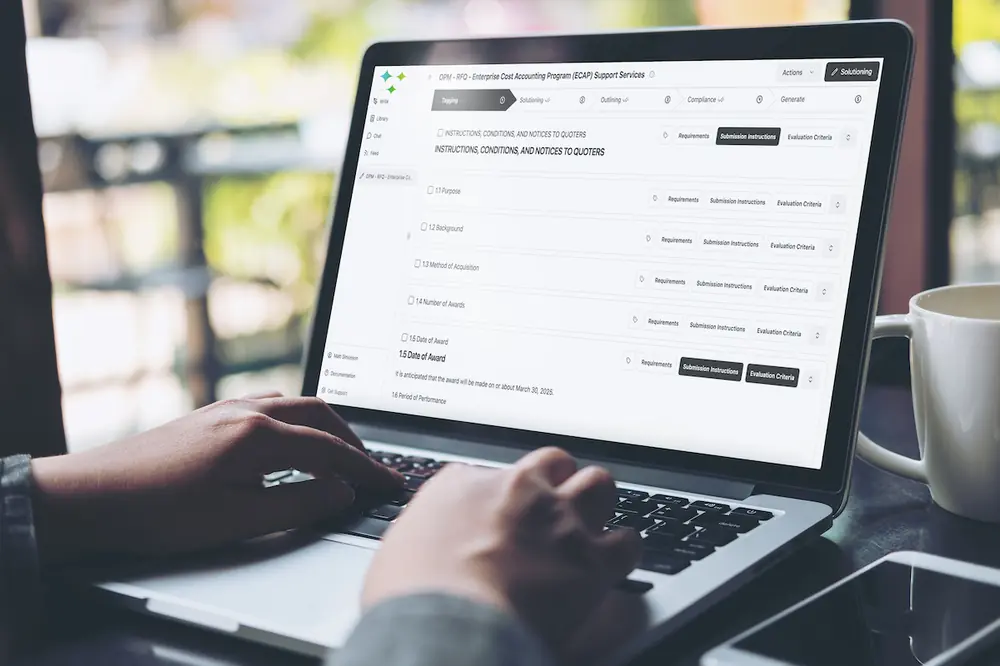
Getting to the first draft of a proposal can be a real slog when the information you need is scattered in spreadsheets and across systems, and you have to manually comb through an RFP to identify its numerous and often highly nuanced requirements.
AI natural language capabilities can handle much of the work around gathering, verifying, organizing, and tailoring proposal drafts to the exacting requirements of a solicitation, freeing proposal teams to focus on the higher human touches that set a proposal apart. Data we’ve gathered internally from customers suggests that these capabilities can cut average RFP time-to-draft by 70 percent, reduce proposal creation costs by half, and increase a firm’s proposal capacity up to 20 percent.

| Your local Volvo Construction Equipment dealer |
|---|
| Nuss Truck & Equipment |
5. Build a Winning Project Team
AI can also comb through data across systems (CRM, enterprise resource planning, etc.) to quickly and accurately identify the optimal combination of internal resources, partners, and subcontractors to include on a project team.
That gives the proposal a better chance of winning and the firm a better chance of delivering a positive project outcome. AI can parse resource availability, skillsets and expertise, past project and subcontractor performance, and more to inform its recommendations.
With the help of AI capabilities like these — many of which reside inside software systems that are already at hand — even companies with an exceedingly lean business development team can pursue and win more of the projects they covet.
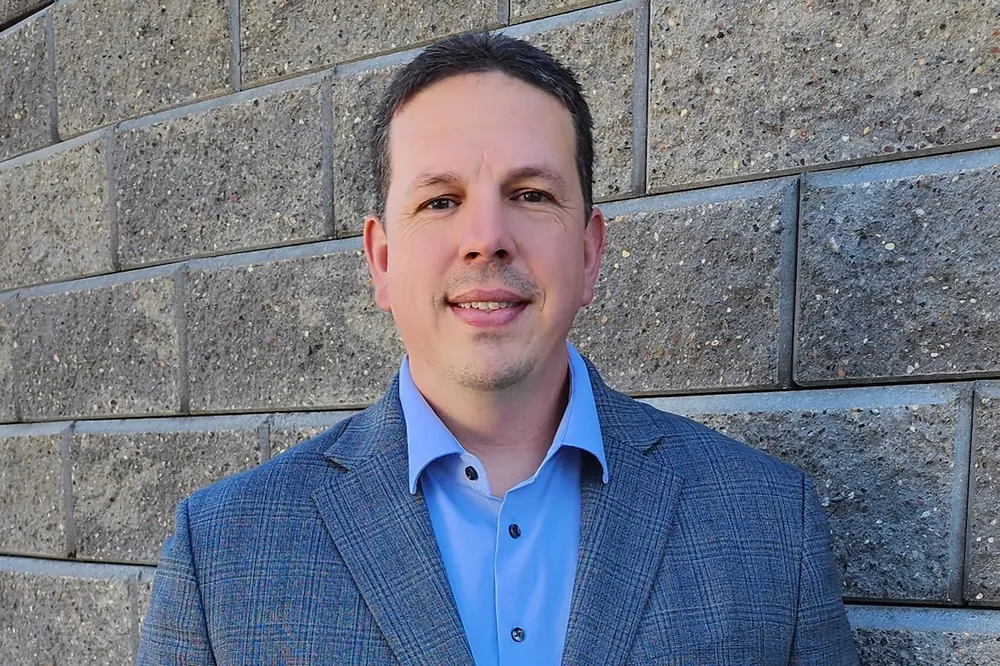
Akshay Mahajan is Executive Vice President, AEC, at Unanet, a company that creates AI-first business solutions for architecture, engineering, and construction firms and government contractors.