





The 2026 Injury Impact Report from the Travelers Companies, Inc., found that even as workplace injury rates decline, the injuries that do occur are growing more complex and taking longer to heal — a trend driven by an aging workforce and the disproportionate vulnerability of first-year employees.
The report analyzed data from more than 1.2 million workers compensation claims received by the company from 2021 through 2025. Findings include:
- First-year workers account for 44 percent of all construction injuries.
- Construction continues to have the highest average lost-time days of any industry studied at 114 days per injury.
- Injuries involving employees 60 and older represent 16 percent of all lost-time claims, with higher rates of fractures and dislocations that typically require longer recovery times. When injured, these employees miss approximately 97 days — 17 more than the overall average of 80 days.
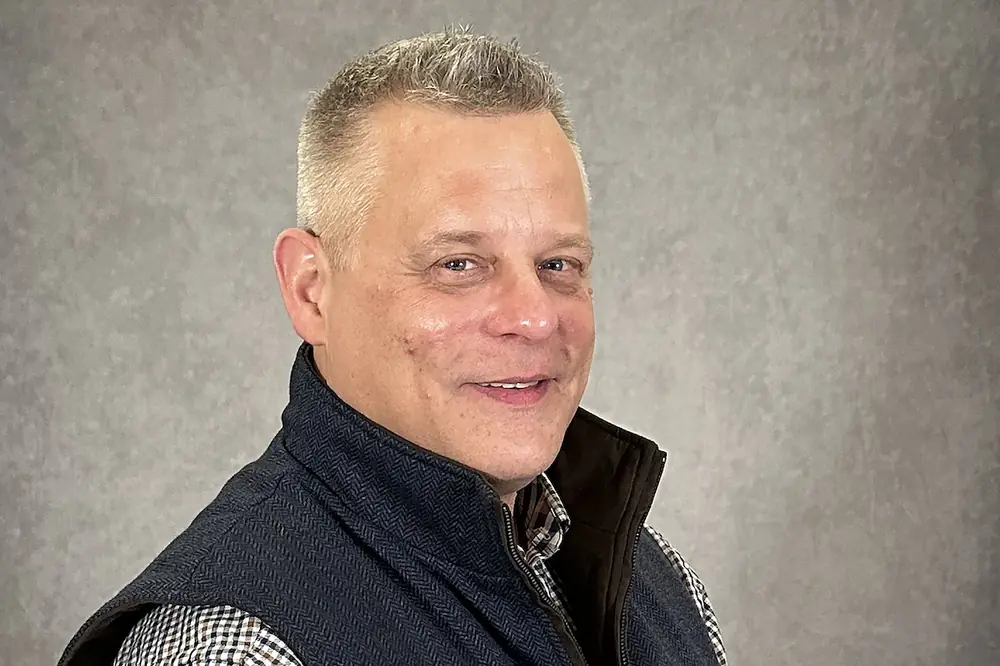
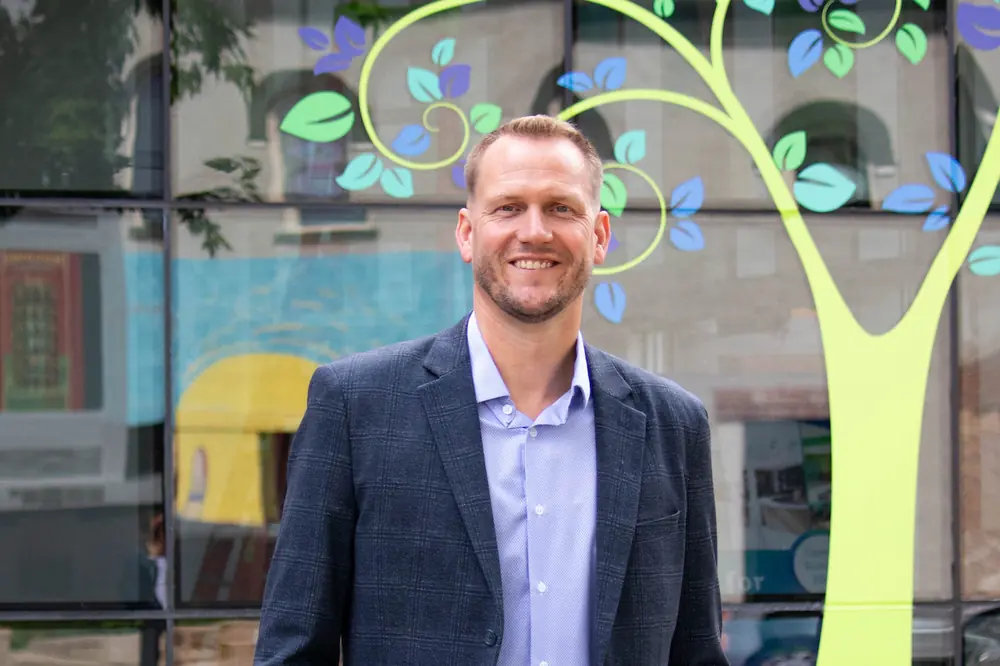
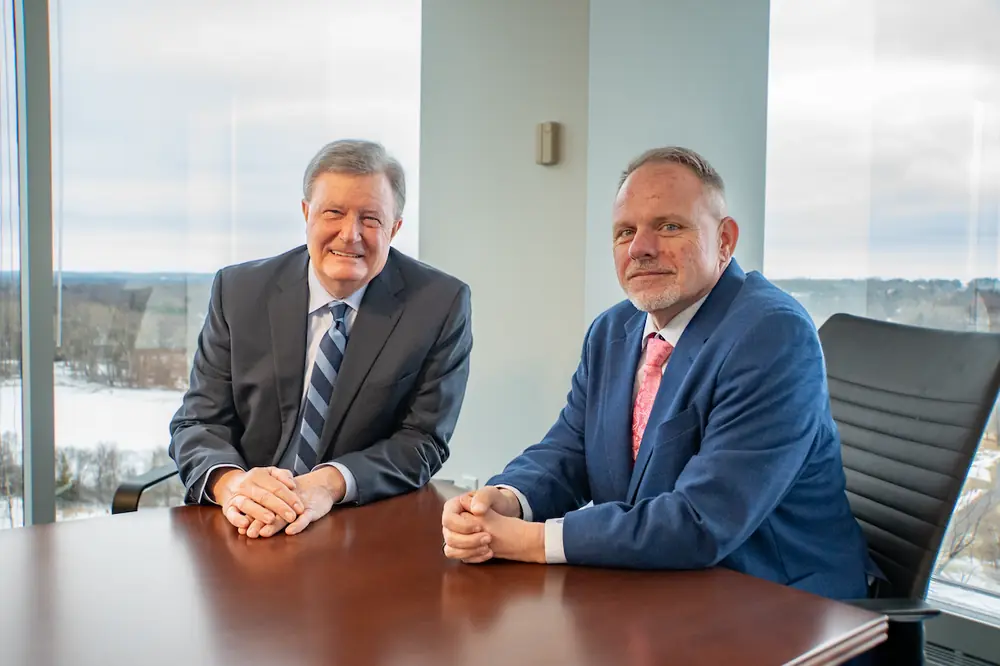
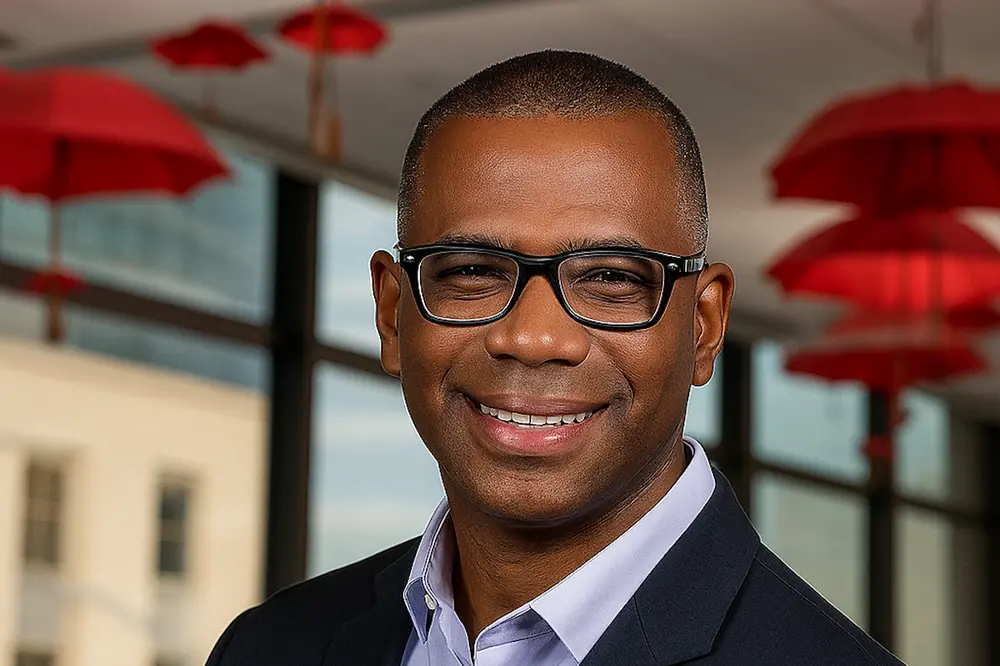
Below, Claude Howard, Travelers’ Vice President of Workers Compensation Claim, and Ken Wengert, Vice President, Risk Control – Construction, Energy, and Marine, share their insights and recommendations based on the report’s findings.
Another noteworthy finding is the prevalence of slips, trips, and falls. This category was the top cause of large losses — those of $250,000 or more — and of injuries to first-year construction workers. In fact, slips, trips, and falls drove almost half of all incurred costs related to first-year construction injury claims. This is not surprising, given that construction work can include working at elevation, on ladders, or near open edges on multistory buildings. A fall in that environment can be severe.
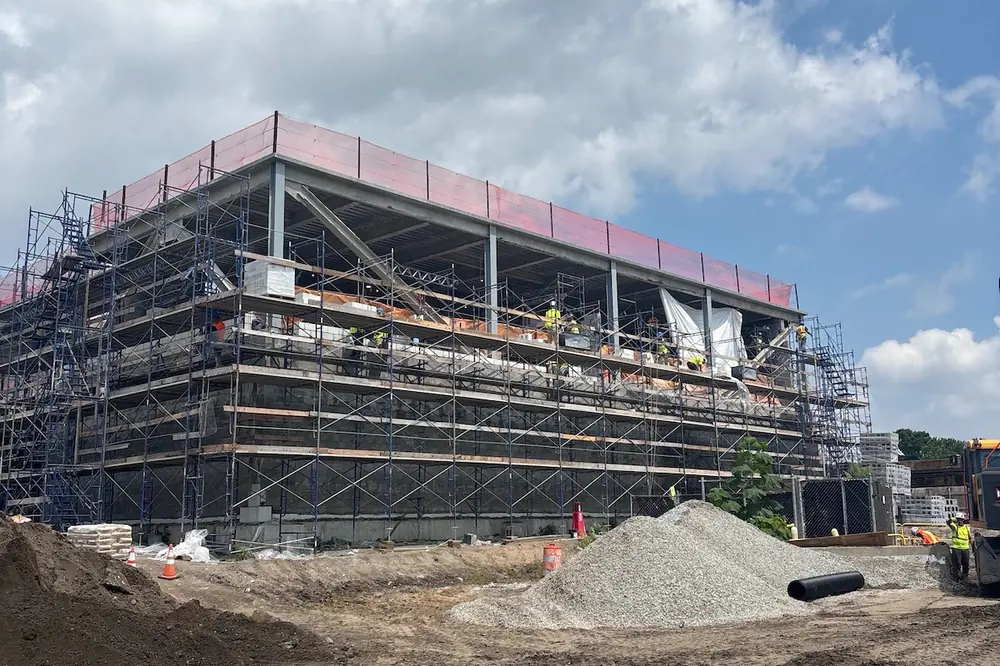
Mitigating injury risk starts with planning and, when possible, reducing the amount of work performed at elevation. Controls such as installing scaffolding with guardrails and toe boards, keeping stairway views clear, and conducting thorough safety inspections are also essential. But these tactics work best when they’re backed by a culture where workers feel empowered to speak up about hazards and trust that management will act on what they hear.

| Your local Komatsu America Corp dealer |
|---|
| Road Machinery and Supplies Company |
For instance, let’s say you have a new worker who will be working at heights. Beyond having a fall protection plan in place, make sure passive systems like guardrails and safety nets are installed before work at the edge begins. Pair them with an experienced coworker and make it clear that a safer and well-prepared job site has a positive impact on the project’s schedule, quality, and worker wellbeing.
Asking questions and raising concerns is not a sign of inexperience, but rather an important part of a safety culture. New workers take their cues from what they see the experienced people around them do. If safety is clearly valued at the crew level, it becomes part of how they approach the work from the start.
Howard: Recovery is never purely physical, either. We’ve found that about 40 percent of workers who lose time from work have at least one psychosocial risk factor — such as fear avoidance, perceived injustice, or catastrophic thinking — which can slow their return. A worker who has sustained a serious back injury and is anxious about going back to work is dealing with something real, and that has to be addressed alongside the physical injury.
Connecting the worker with care from providers who understand the demands of construction work, maintaining personal communication — not just in the first week — and having transitional-duty options ready so there is a clear path back to the job are all important steps. Keeping an injured worker connected to the crew and the work, even in a limited capacity, helps them recover more quickly and fully.

| Your local Trimble Construction Division dealer |
|---|
| SITECH Northwest |
| SITECH Mid-America |
| SITECH Dakotas c/o Butler Machinery |
Mental health is a significant issue in construction, and Travelers is committed to encouraging those discussions and helping businesses connect workers with the support they need.
When trying to protect and retain experienced talent, the goal is to design work environments that let them continue contributing safely. That means reducing the amount of work performed at elevation, implementing effective fall-management strategies, and keeping work surfaces clear of debris and tripping hazards. Since visual acuity changes with age and low-light conditions increase the risk of falling, it’s important to have good lighting across the site and a variety of personal protective equipment options available.
Finally, being thoughtful about how physically demanding tasks — such as heavy lifts, sustained awkward postures, or repetitive overhead work — are assigned and sequenced goes a long way. These take a greater toll over time. Ergonomic risk management benefits everyone on the job site, but it is especially important for construction workers whose bodies have been doing this work for decades.
Start by designing the job so that risks are addressed ahead of time. Develop a post-injury management strategy so that leaders know what the response plan is before it’s ever needed. A key part of this is establishing a transitional-duty program with meaningful tasks that enable injured workers to stay connected and feel valued and productive as they recover.

| Your local Gomaco dealer |
|---|
| Gomaco -Contact For a Dealer Near You |
The contractors who do this well send a message to their entire workforce saying that the company takes care of its people. That matters for retention, for morale, and for attracting the next generation of workers to this industry.