




California’s construction industry is facing a growing workforce challenge as the state moves forward with a historic volume of infrastructure work. In the 2026 Workforce Survey from the Associated General Contractors of America (AGC) and the National Center for Construction Education and Research (NCCER), 83 percent of California respondents reported openings for hourly craft positions and 90 percent reported openings for salaried positions. More than 40 percent said filling those positions was harder than it was a year earlier, while 57 percent said available candidates lacked the skills or certifications needed for the work.
The challenge extends beyond California. Associated Builders and Contractors (ABC) estimates the U.S. construction industry needs 349,000 additional workers in 2026 to meet projected construction demand.
As contractors work to fill immediate openings while preparing for future workforce needs, companies are developing strategies that reach beyond traditional recruiting. For Skanska, that means building partnerships with schools, pre-apprenticeship programs, community organizations, subcontractors, and others to help create pathways into construction and support workers as they advance their careers.
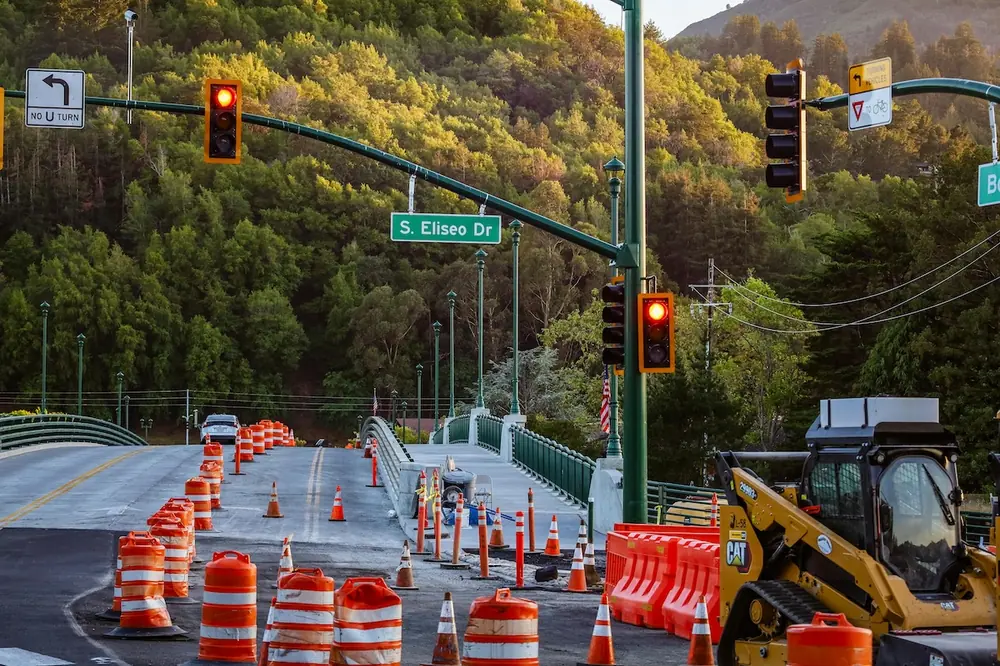
California is facing its largest infrastructure demands in decades.
In Governor Gavin Newsom’s 2026 State of the State address, he said $109 billion in work was underway across more than 28,000 projects statewide. That is more infrastructure projects than at any time in roughly 60 years, since the days of the State Water Project and the California Aqueduct.

| Your local Gomaco dealer |
|---|
| Gomaco -Contact For a Dealer Near You |
At the same time, California’s construction companies are finding it difficult to fill both craft and salaried positions while trying to expand their businesses to meet current demand, compounding workforce challenges that have persisted for years.
California’s infrastructure plans require more than building roads, bridges, and other projects. They also require building the workforce and technological capacity needed to deliver them.
Stockholm, Sweden-based Skanska, a global construction and development firm with U.S. headquarters in New York, is one company putting workforce development partnerships into practice.
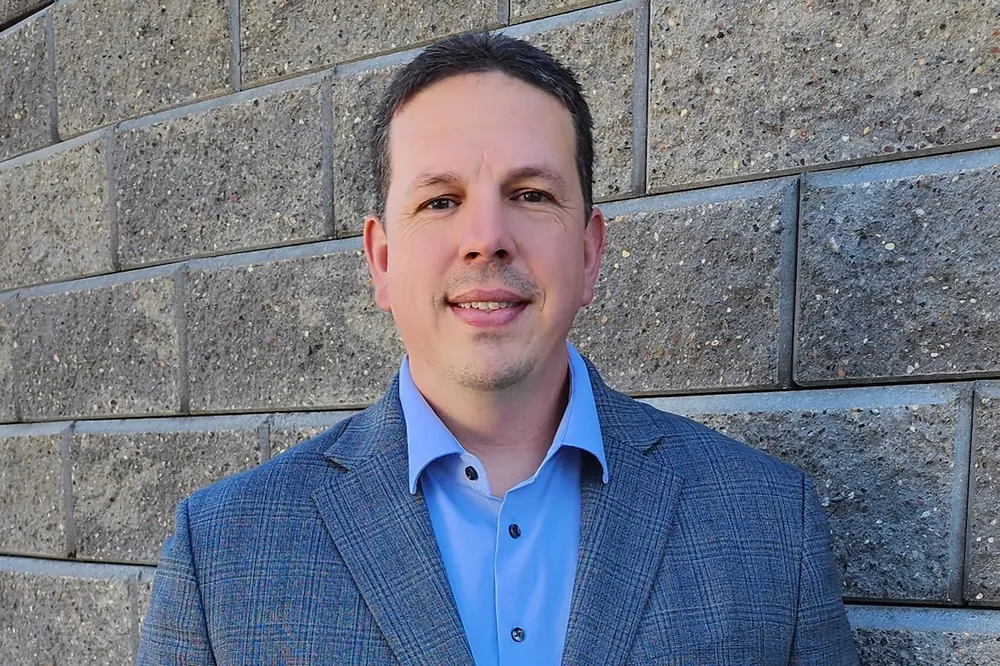
“Most of our workforce development in California focuses on the Los Angeles area, where we have a lot of megaprojects,” said Teresa Maxwell, Disadvantaged Business Enterprise Compliance Officer and Inclusion Manager for Skanska Civil’s Western Region.

| Your local Volvo Construction Equipment dealer |
|---|
| Nuss Truck & Equipment |
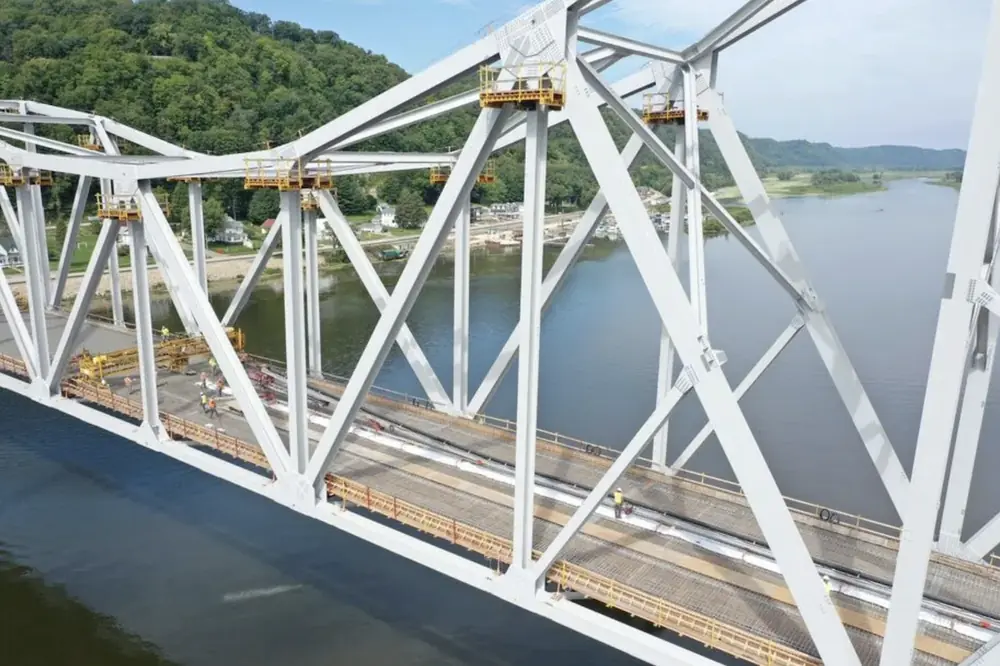
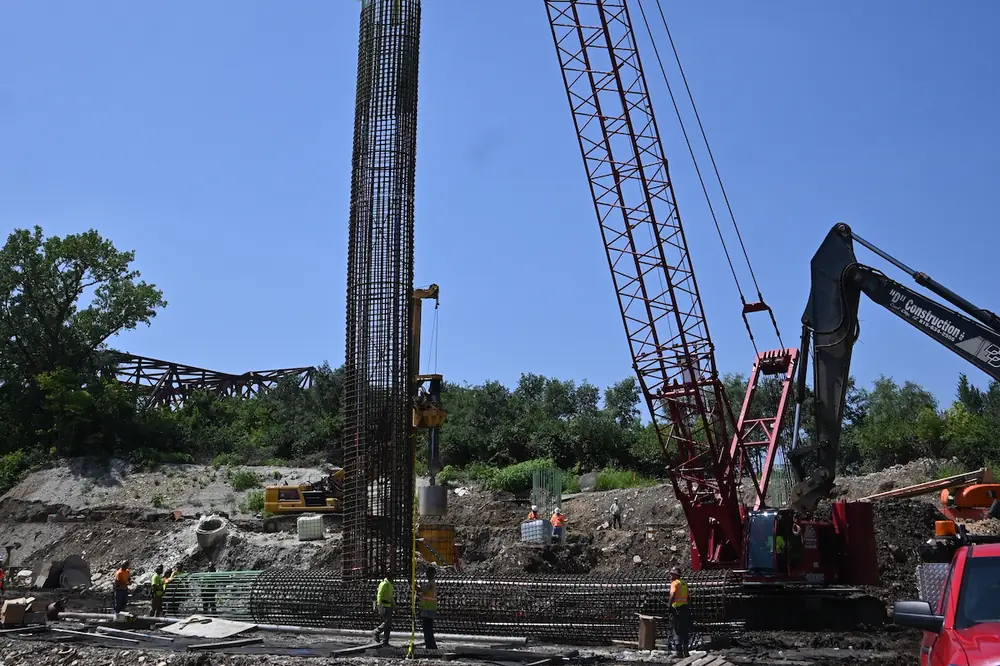
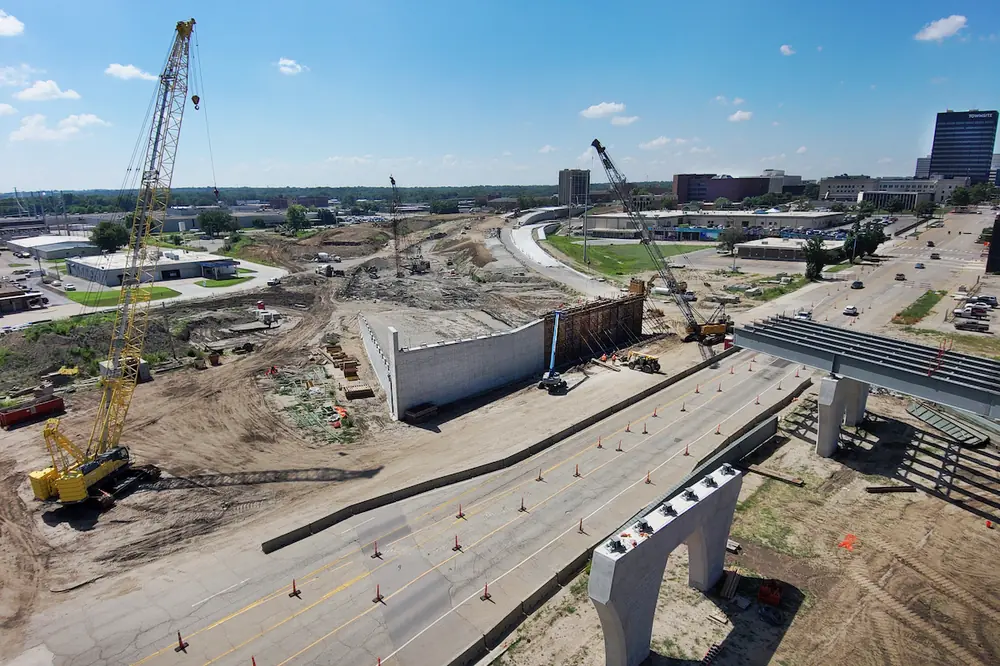
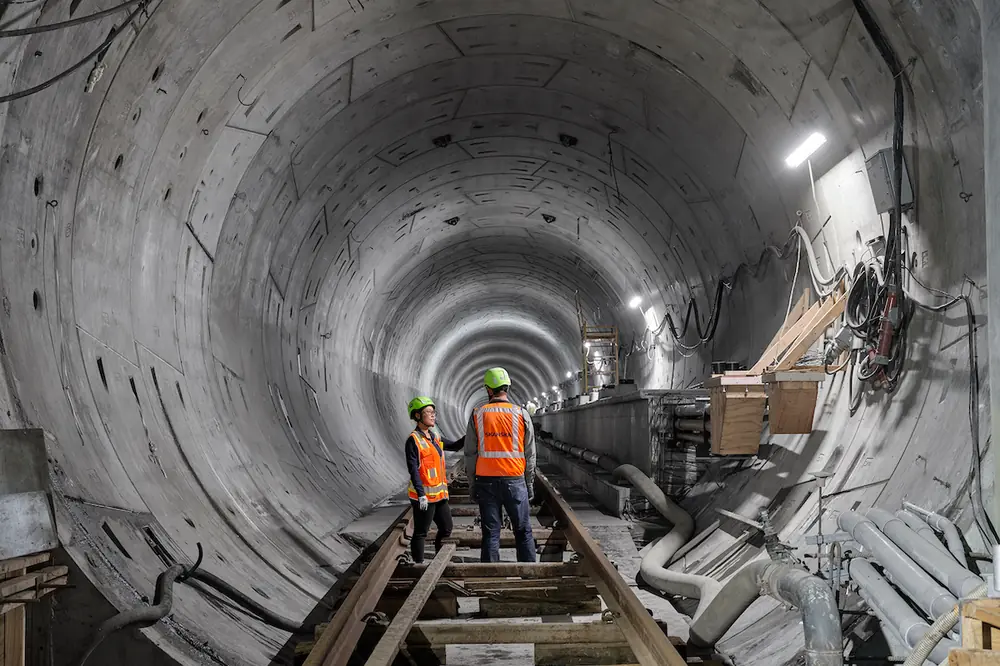
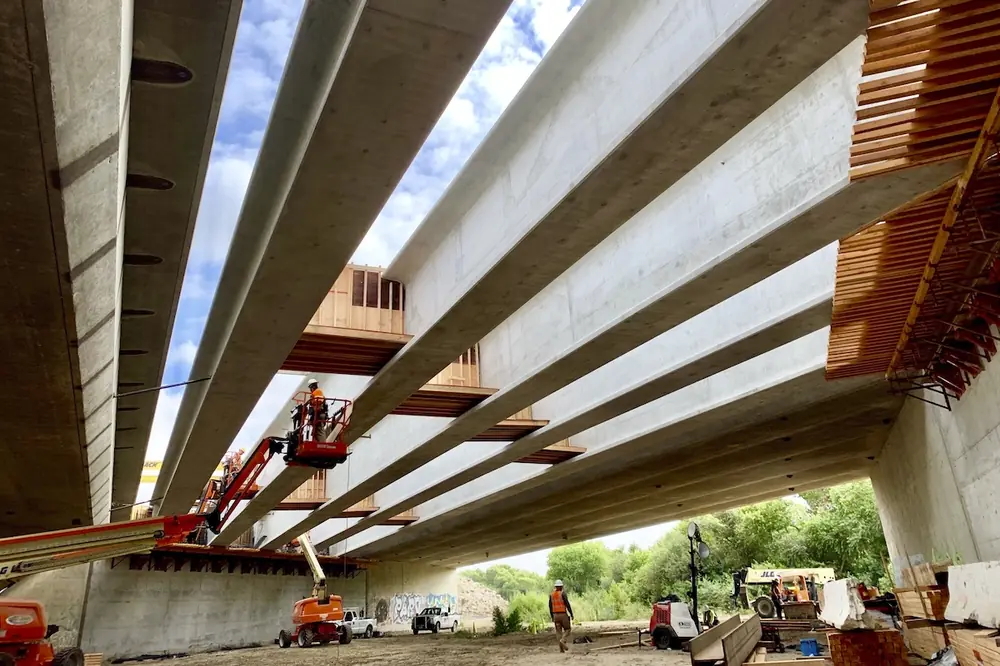
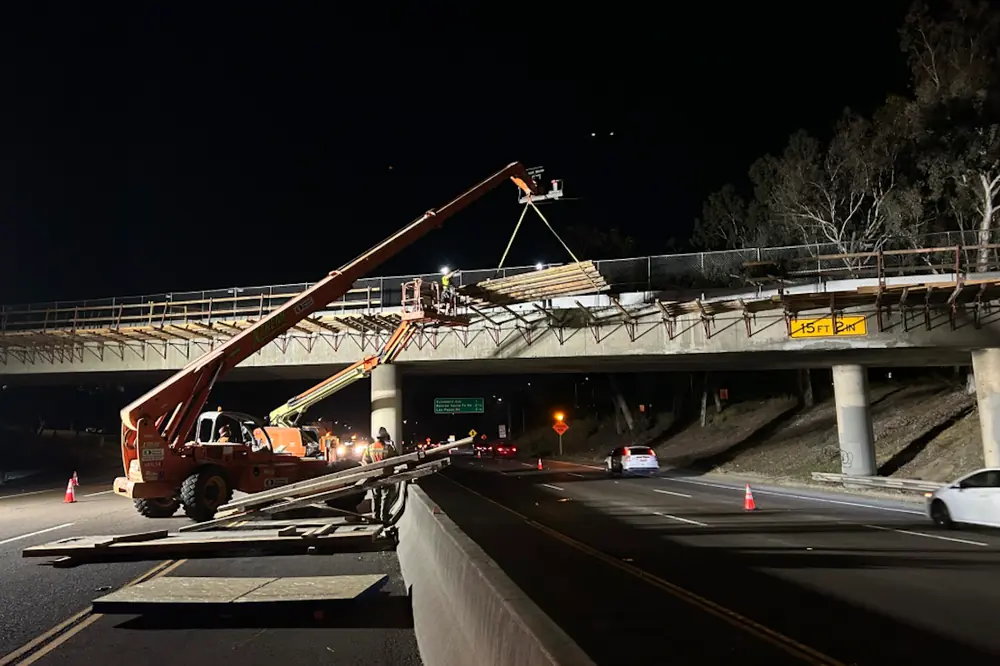
Those megaprojects include the $2.43 billion East San Fernando Valley Light Rail line, the $1.5 billion LAX Airfield and Terminal Modernization roadway program, and the $534 million Vincent Thomas Bridge deck replacement, to name a few.
“We have found — over the last few years especially — that our outreach needs to focus on people before they join the industry, introducing them to our industry, and making sure that we’re partnering with the local community and pre-apprenticeship programs,” Maxwell said.
“We have to help people see their path into the industry, and then give them support,” she added. “It can be very intimidating navigating the different apprenticeship programs and access to training.”
Maxwell leads the Skanska Small Business Enterprise program that has awarded more than $1.6 billion to small businesses.

| Your local Trimble Construction Division dealer |
|---|
| SITECH Northwest |
| SITECH Mid-America |
| SITECH Dakotas c/o Butler Machinery |
Skanska’s Small Business Academy provides dedicated training to teach small and minority-owned trade partners how to build and train their workforces, while also successfully bidding on and scaling multi-million-dollar infrastructure projects.
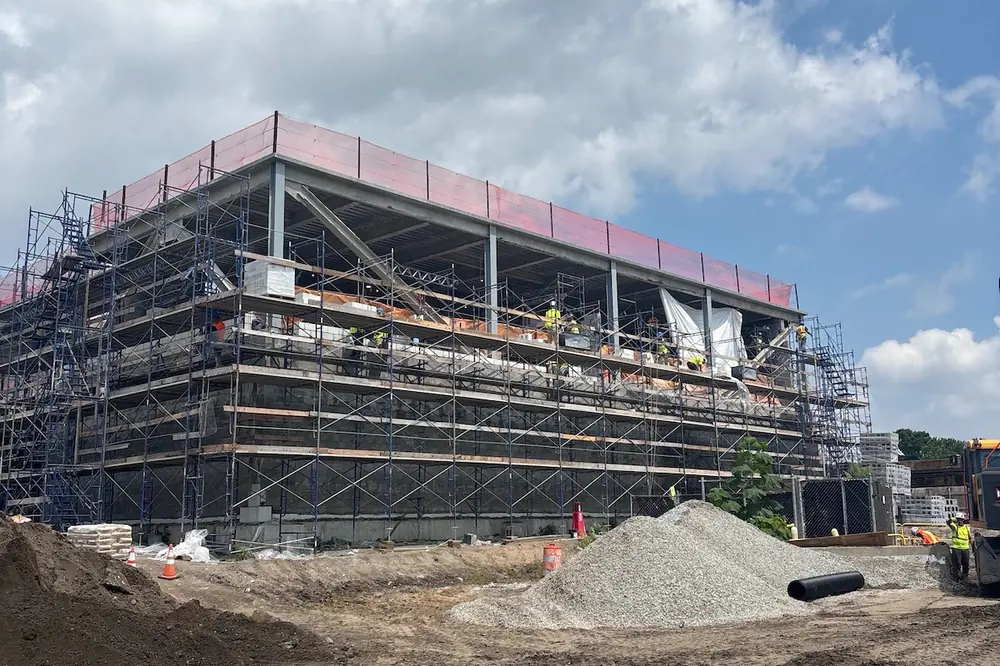
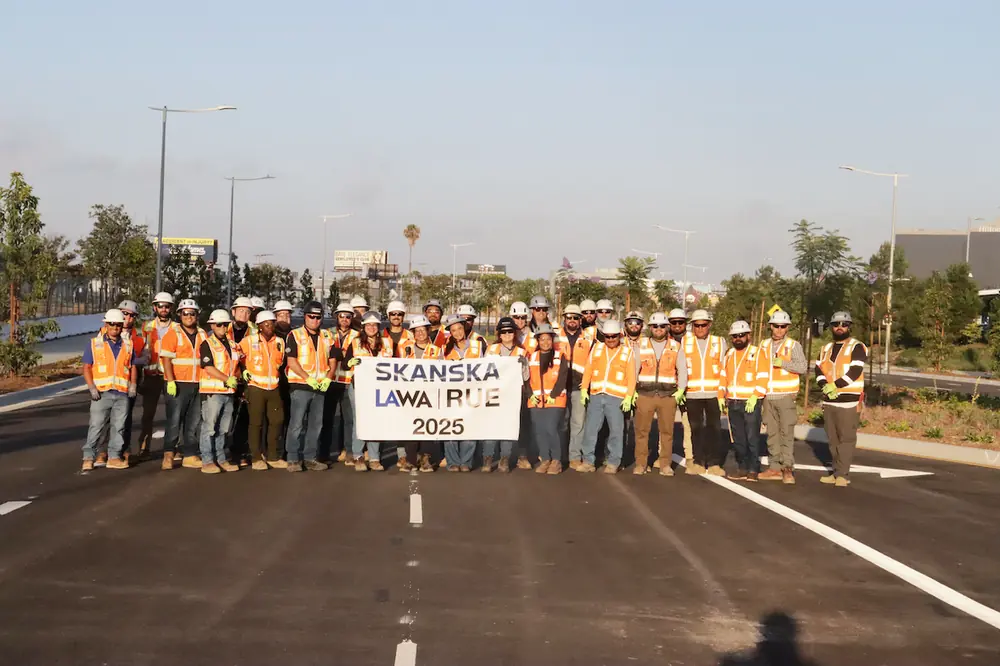
According to Skanska, the recent completion of the $380 million Los Angeles World Airports Roadways, Utilities, & Enabling Project (LAWA RUE) modeled how major infrastructure projects can deliver lasting community value through inclusive vendor contracting, workforce development, and collaboration with diverse local businesses.
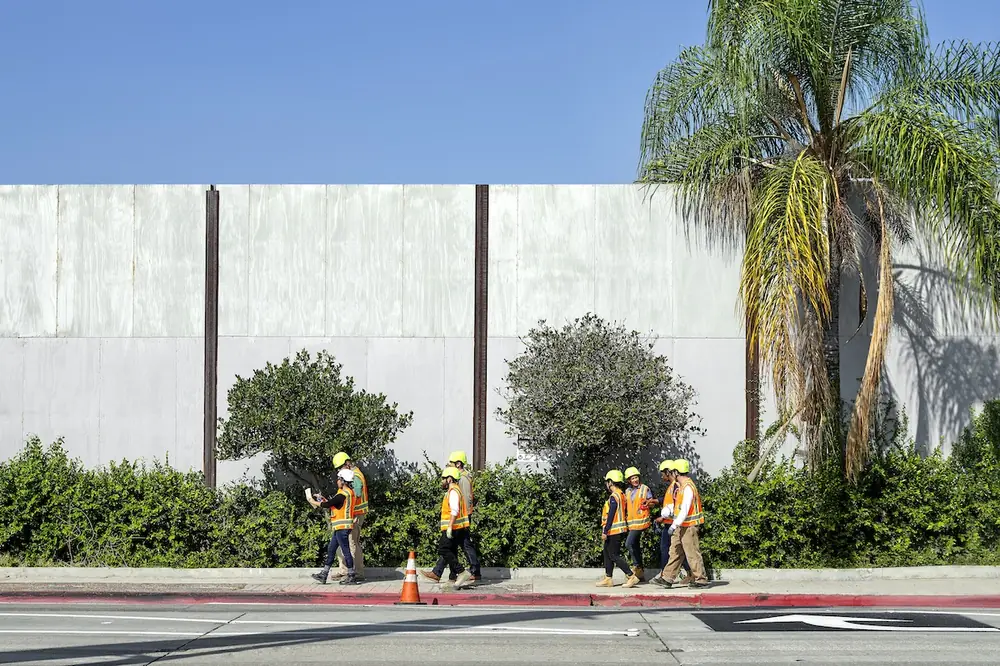
Skanska hired graduates of the HireLAX apprenticeship readiness program, who joined the LAWA RUE team as first-period apprentices, performing essential field work while progressing toward long-term construction careers.
Since its launch, HireLAX has graduated more than 375 participants and placed over 264 individuals into union construction jobs, reinforcing its role as a critical workforce pipeline for major infrastructure projects like LAWA RUE.

| Your local Komatsu America Corp dealer |
|---|
| Road Machinery and Supplies Company |
“A big part of our strategy is helping our subcontractors with their workforce,” Maxwell said. “You’ve really got to help support the smaller contractors. ... They need to know where the pre-apprenticeship programs are, helping them build their capacity through different workforce strategies.”
Skanska’s workforce development strategy is influenced by two of the company’s foundational philosophies: “Better Together” and “Care for Life,” which emphasize collaboration and care for people.
“It's that sort of culture that we bring to our workforce development,” Maxwell said. “That ‘Care for Life’ and that ‘Better Together’ culture is what then influences our strategies for our workforce development, and it’s been very successful.”
There is a general misconception that the construction industry primarily involves physical labor.
| Your local Gomaco dealer |
|---|
| Gomaco -Contact For a Dealer Near You |
“I think when kids talk about, ‘Oh, I'm thinking about going into the construction industry,’ parents are picturing them out there only doing physical labor, but that is not the only job,” Maxwell said. “In reality, there’s a whole ecosystem of careers.”
“Project engineers are important, and we’ve got new technology, project management, estimating,” she said. “Scheduling is a huge career area. Safety has also become more important.”
Skanska’s workforce development strategy also includes a mentoring program.
“We have found it’s very helpful to people who want to advance in their career to talk to someone they wouldn’t normally talk to,” Maxwell said. “Somebody in accounting who got to talk to somebody who’s in operations in Seattle, [Washington].”
| Your local Gomaco dealer |
|---|
| Gomaco -Contact For a Dealer Near You |
Appealing to the younger generation through the industry’s use of advanced technology also can grab attention.
“When I was talking with the younger students about construction, we make sure to highlight technology,” Maxwell said. “Last year, we hired a company twice that does drone soccer. They have an indoor cage with a drone, and the kids use that drone to go through a goal.”
“We explain how we use drone technology on our construction job sites today, which is mostly surveying and photos and videos,” she said.
Maxwell focuses much of her efforts on pre-apprenticeship programs, such as HireLAX, and working with Women in Non-Traditional Employment Roles (WINTER).
| Your local Gomaco dealer |
|---|
| Gomaco -Contact For a Dealer Near You |
WINTER is a California-based nonprofit that helps women stay in union construction careers. According to its website, the nonprofit believes that every woman deserves equitable opportunities to succeed, regardless of the zip code where she lives or other circumstances. They drive positive change, challenge barriers, and create pathways to success for women.
“That’s definitely what’s great about WINTER. They will help them to buy their tools and their boots,” Maxwell said. “As a subcontractor, finding a workforce that’s ready, willing, able to work — it’s difficult.”
Another organization Skanska partners with is AGC.
“At a camp recently, AGC brought educators and counselors from different schools all together, gave them all a little toolbox so that they could go back to their classrooms and schools, and share information about different careers in construction,” Maxwell said.
| Your local Gomaco dealer |
|---|
| Gomaco -Contact For a Dealer Near You |
AGC’s Build California is a comprehensive workforce development program created to inspire, engage, and activate the next generation of California’s construction workforce. The program focuses on shaping positive perceptions of the construction industry, informing young people and their influencers about the real career opportunities in construction, and connecting them to local training programs and employers.
“Schools expose young people to career pathways and build foundational skills. Labor and apprenticeship programs provide high-quality training and direct pathways into careers. Contractors create opportunities and workplaces where people can grow. Government can invest in training, remove barriers to participation, and help expand access,” said Erin Volk, Senior Vice President of Workforce & Community Development at AGC of California and Executive Director at the Construction Education Foundation. “Successful workforce development requires a connected system.”
By coordinating education, apprenticeships, employers, technology, and public investment, California is seeking not only to fill workforce gaps but also to develop the workforce capacity needed in the years ahead.
Building that capacity also means preparing workers for a changing industry. In Newsom’s May 2026 executive order on AI and workforce disruption, the governor said there is a need to reimagine how people work and how they can be prepared for the future.
| Your local Gomaco dealer |
|---|
| Gomaco -Contact For a Dealer Near You |
The construction industry is already considering how emerging technology could affect the workforce. In the 2026 Workforce Survey from AGC and NCCER, 48 percent of California respondents said they expect AI and robotics to increase worker productivity over the next five years, and 10 percent expect AI to help address workforce shortages.
Technology is only one part of the larger workforce-development effort, which also requires coordination and investment from the government.
“Government can invest in training, remove barriers to participation, and help expand access,” Volk said. “The key is to ensure these efforts don’t operate in silos.”
AGC continues to urge Congress and the Trump administration to increase investments in construction workforce development, including significantly boosting funding for high school career and technical education programs. The organization has also called for federal officials to provide more lawful, workable pathways for people to enter or remain in the country and work in industries like construction with persistent workforce needs.
| Your local Gomaco dealer |
|---|
| Gomaco -Contact For a Dealer Near You |
For Volk, developing the workforce also means retaining workers after they enter the industry.
“Getting someone into construction is only the beginning. If we recruit people into the industry but lose them before they become journey-level workers, we haven’t solved the workforce problem,” Volk said. “Successful workforce development means helping people enter the industry, complete training, build skills, increase their earning power, and see a long-term future in construction.”
“For California to deliver all that infrastructure we have planned, they’ve got to make that investment in people,” Maxwell added. “... The infrastructure’s important, but the people are too.”
Photos courtesy of Skanska USA Civil West