




Construction owners are experts at planning — whether they’re drafting blueprints, securing permits, or carefully sequencing work. But when I meet with owners, there’s one critical planning need that’s often overlooked: succession readiness.
Many construction owners are simply unprepared to hand over the reins. Owners haven’t considered the nuanced tax or wealth management ramifications of “getting out” — and nobody is prepared to fill their shoes.
As owners age, the need for transition plans is clear. But the path forward isn’t.
Effective transition planning is about more than naming a successor; it helps ensure business continuity, preserves company value, and maintains crucial relationships with clients, subcontractors, and suppliers. Personal relationships are key in the construction industry, and an abrupt or poorly managed transition can harm business operations and the bottom line.
Long before a retirement countdown begins, owners need to be able to answer the question “What happens if ….” Whether it’s winning the lottery or something less fortunate, owners need to address issues in two areas:

| Your local Komatsu America Corp dealer |
|---|
| Road Machinery and Supplies Company |
Daily operations —
- Do your customers know who to contact?
- How will invoices and payroll be processed?
- Could ongoing projects or contracts be at risk?
Long-term planning —
- Do you have a buy/sell agreement in place?
- How will the financial transaction be executed?
- What are the tax consequences for new owners or family members?
Those questions have to be answered eventually. Owners can secure their companies’ futures (and peace of mind) by answering them now, not later.
The first step in succession planning is developing a clear strategic plan. Owners need a solid definition of what success looks like for their company, whether it’s reaching a revenue goal, expanding their geographic footprint, or diversifying their portfolio of services.

| Your local Trimble Construction Division dealer |
|---|
| SITECH Northwest |
| SITECH Mid-America |
| SITECH Dakotas c/o Butler Machinery |
A strong strategic vision naturally brings succession planning into focus. For example:
- Where will most of your revenue come from in five to 10 years?
- Will the work be done by union labor, contractors, or employee-owners?
- Do you have the right talent and skills on your team today?
- With the right coaching and support, could internal candidates step into leadership roles?
These strategic answers determine what capabilities need to be developed and start to shape some of your exit options.
Owners also need to define a successful exit. Would you be happy handing the company to a private equity firm? Do you prefer that it remains family owned or locally operated? Or are you open to other possibilities based on the terms of the deal?
These decisions can be difficult, particularly when co-owners or assumed inheritors are family members. However, establishing clear expectations and communicating effectively will reduce speculation and pave the way toward a smoother transition. Clarity around succession planning improves performance and helps the business move toward a stronger state of succession readiness.

| Your local Gomaco dealer |
|---|
| Gomaco -Contact For a Dealer Near You |
Once future talent needs of the business are defined, owners can focus on developing that talent.
A leader’s primary responsibility is to develop people who can drive independence, stability, and performance. To do this, owners need to stop managing processes and start developing teams. Said another way: Instead of doing great work, owners need to help others grow and do great work.
Switching from a management to a leadership approach involves:
- Self-awareness — Understand how your leadership style and succession decisions impact others.
- Clear vision — Workers need to understand your succession plan and how they fit into it.
- Building trust — Model accountability, empathy, and integrity.
- Effective communication — Listen first and adapt your communication style to meet the needs of your team.
- Empowering others — Delegate tasks intentionally and provide relevant feedback to prepare employees for leadership roles.
Taking the time to develop people is an investment. Over time, it should take some weight off owners’ shoulders as the team’s growth enables them to take on more.

| Your local Volvo Construction Equipment dealer |
|---|
| Nuss Truck & Equipment |
When owners develop for growth, employees gain the experiences they need to take on more responsibility and understand why they’re receiving feedback. And with intentional delegation, workers progress along a clear career path that stabilizes the company and helps ensure its long-term success.
One of the most effective methods of development is coaching. Coaching in the business world involves asking good questions to help others think about new approaches and owning the results versus feeling the need to always provide direction. Through intentional coaching, you can enhance the capacity for others to own their work.
Here’s the good news: The payoffs from employee development begin immediately — and increase in value over time. Having a strong team that can operate independently helps your business become more resilient.
According to a Gallup workplace study of 3.3 million employees, companies that prioritize employee development see higher engagement. In turn, that increases profitability, productivity, and quality while lowering turnover, absenteeism, and safety incidents.
| Your local Komatsu America Corp dealer |
|---|
| Road Machinery and Supplies Company |
Coaching and development also appeal to younger workers, who are more likely to job hop if they don’t feel invested in. With a national shortage of skilled labor, workforce strategies need to “retain first, attract last.” Developing future leaders helps ensure business continuity and improves day-to-day engagement.
Finding qualified successors can be difficult in the current labor market — which is one more argument in favor of early planning. The sooner owners start succession planning, the more options they have.
Every transition scenario comes with unique challenges, but most of these can be mitigated with early and careful planning. Consider bringing legal, financial, tax, and leadership development professionals into the conversation to offer objective advice. Remember: Succession planning isn’t a one-and-done event; it’s an always-on affair. Revisit and fine-tune plans as business conditions change.
A smooth succession requires a clear vision for the future. By proactively developing future leaders, construction owners can help ensure their companies are built to last.
| Your local Komatsu America Corp dealer |
|---|
| Road Machinery and Supplies Company |
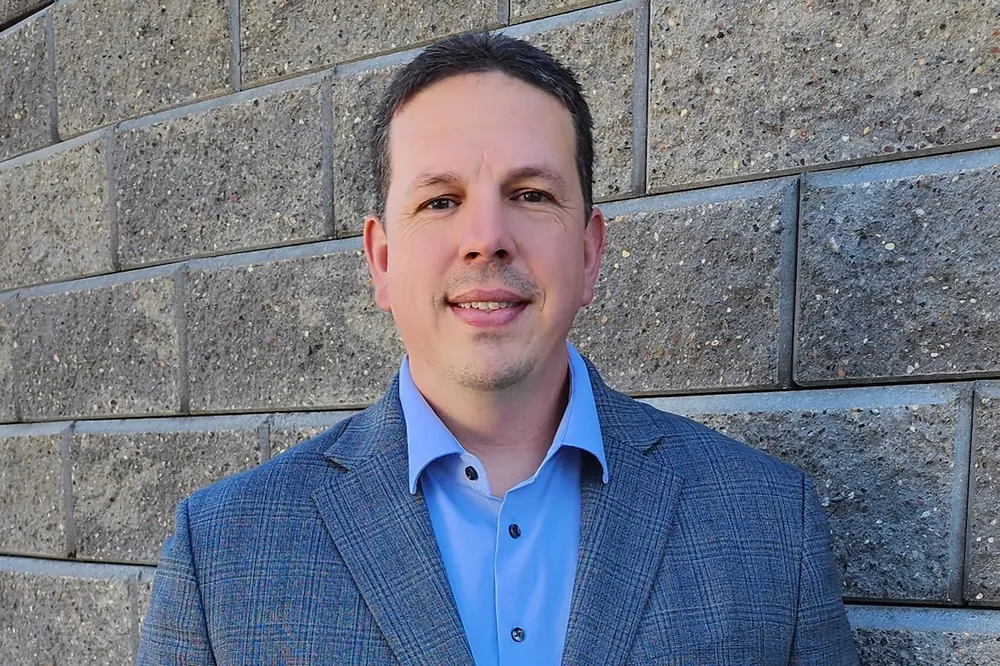
Tom Cox is a Partner at Wipfli, an accounting and consulting firm that works with construction firms. He is a certified executive coach with over 35 years of C-level coaching and performance development experience.