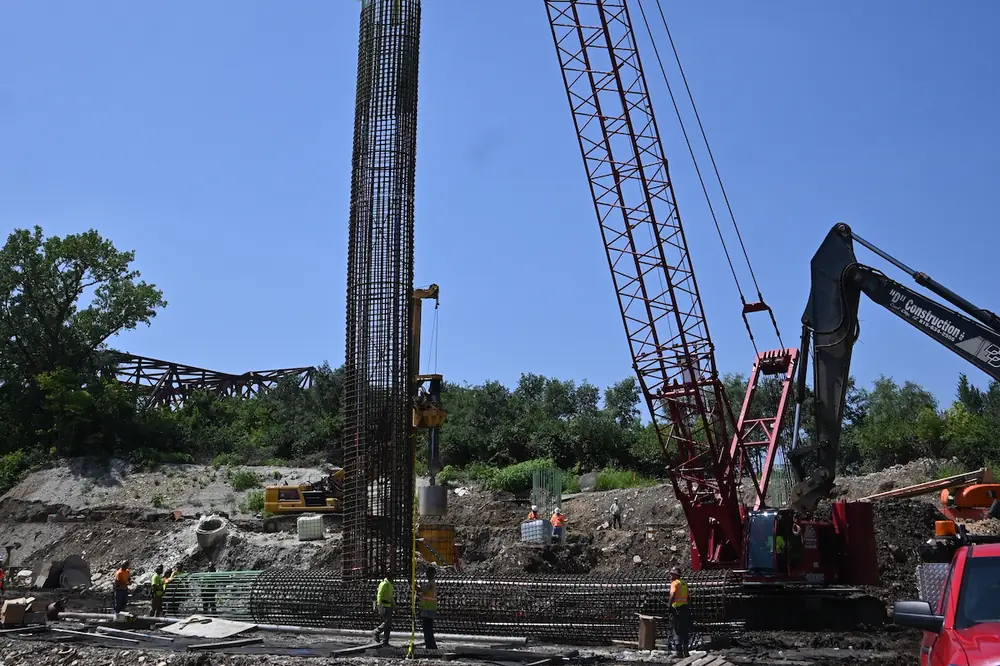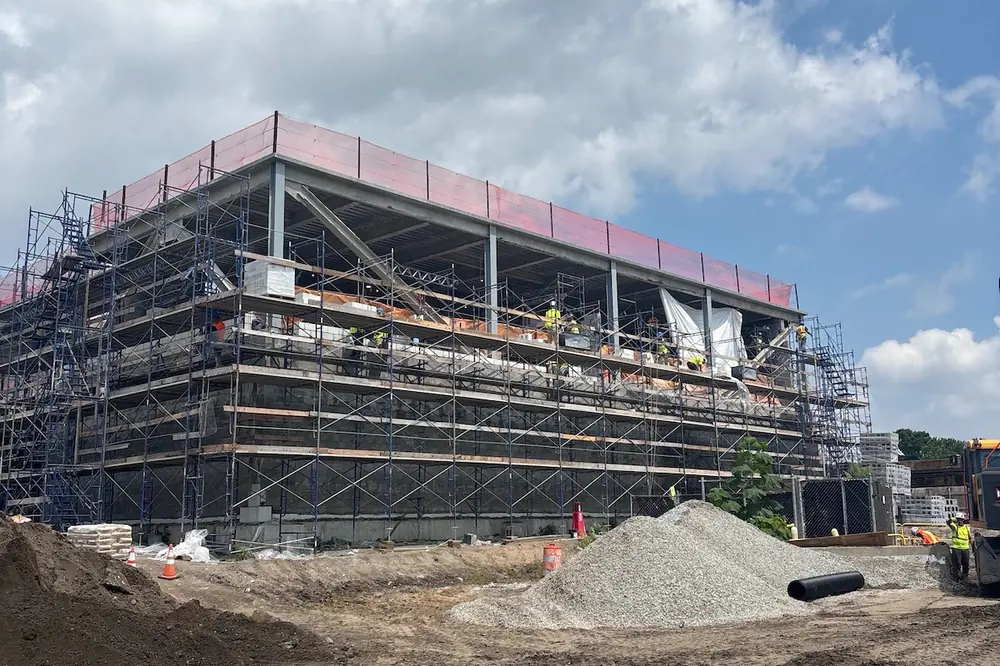


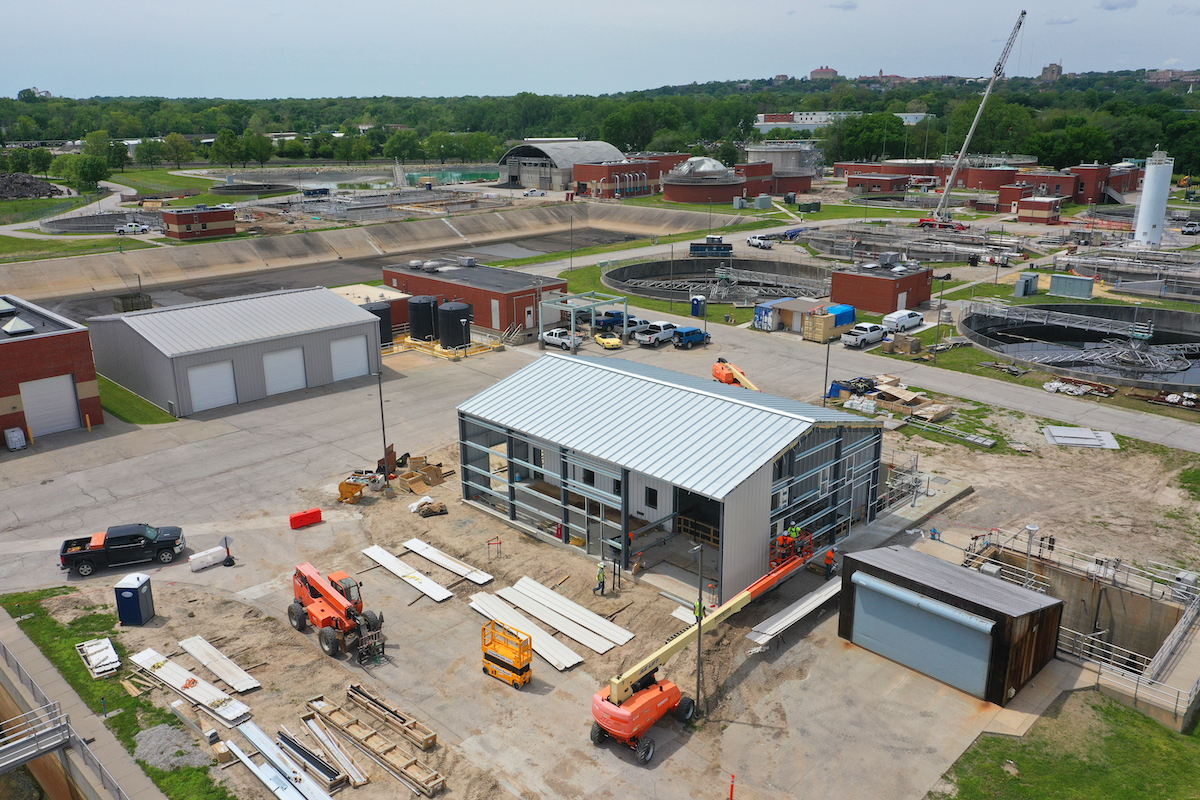
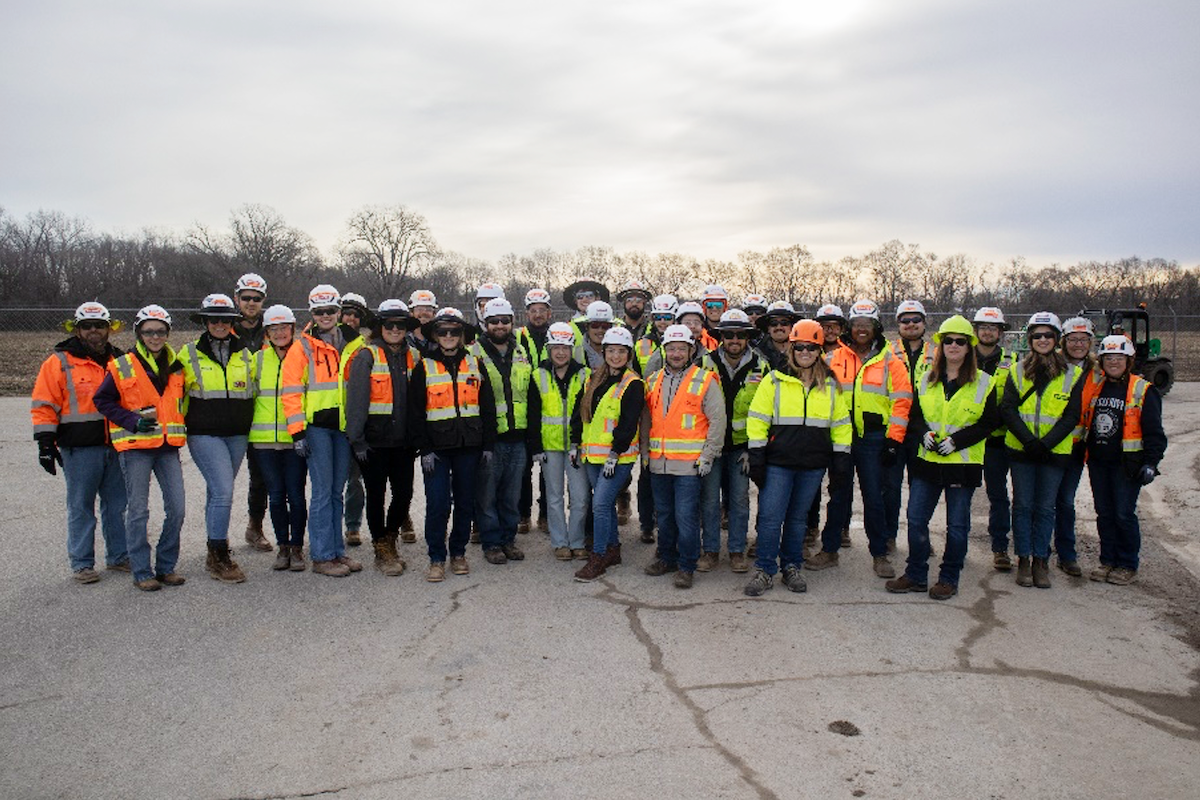
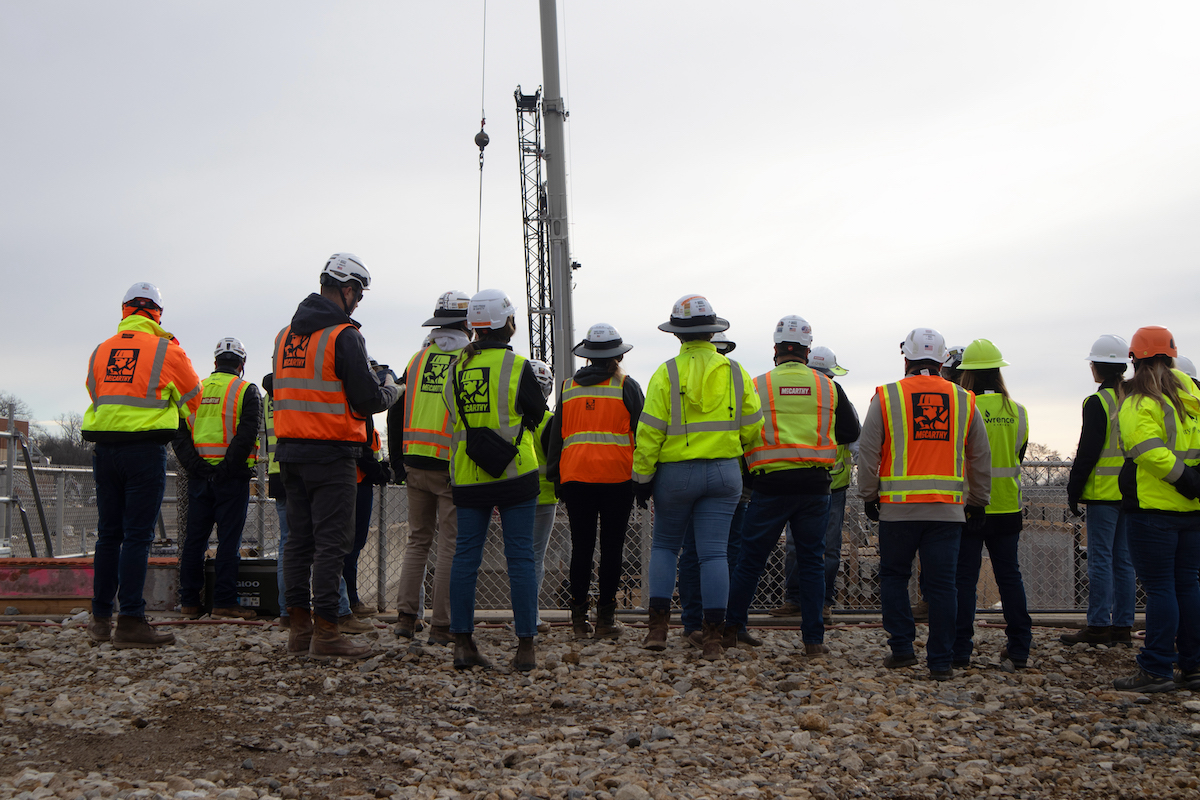
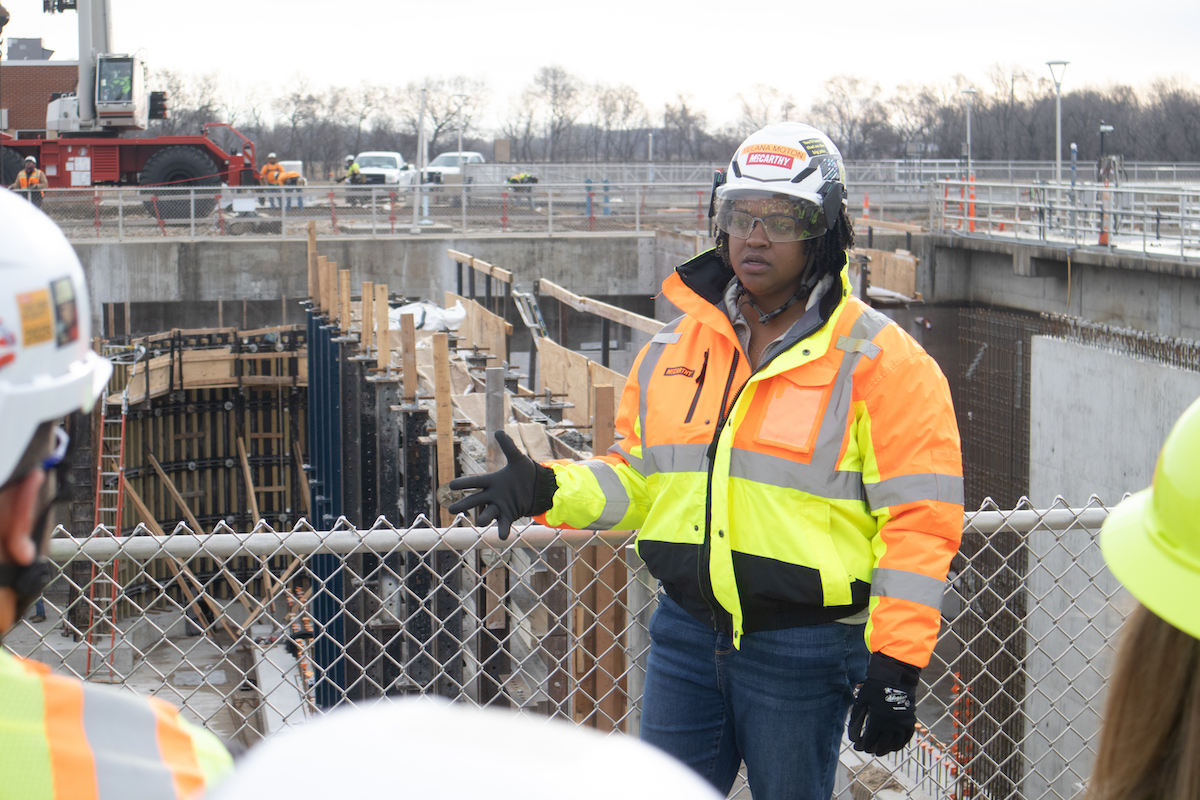
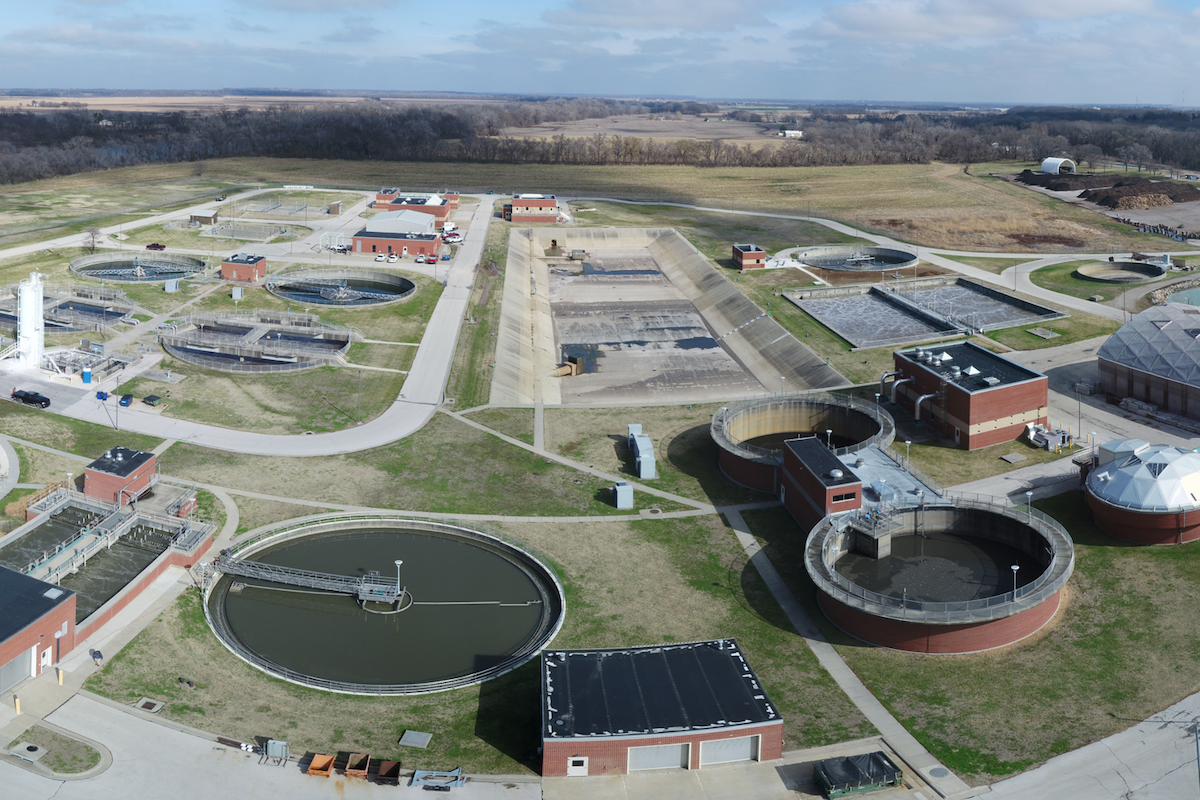
The Kansas River Wastewater Treatment Plant (KRWWTP), located in Lawrence, Kansas, is undergoing a retrofit. The plant is one of two in the city of nearly 100,000 that is home to the University of Kansas. The end-of-line facility handles approximately 80 percent of the city's wastewater, and the retrofit will allow KRWWTP to continue serving the city for years to come.
The KRWWTP is situated in the northeastern part of the city on the banks of the river. The facility was constructed in 1956 and served as the city's sole wastewater treatment plant until 2018, when the Wakarusa River Wastewater Treatment Plant (WRWWTP) opened. The city owns and operates both facilities.
The KRWWTP, which receives a daily average flow of 8 million gallons of wastewater, last underwent significant construction in the early 2000s. The facility continues to operate with excellent nutrient removals.
"The everyday citizen won't notice any difference," said Zachary Ciurczak, a Project Senior Manager for McCarthy Building Companies, which is leading the construction.
The primary driver of the $70 million project is to meet state regulatory requirements related to plant effluent. Other project elements include renovating the existing infrastructure for asset management and upgrading the existing technologies and treatment processes to align with the city's Strategic Plan.

| Your local Volvo Construction Equipment dealer |
|---|
| Nuss Truck & Equipment |
"The project will make the facility more sustainable and less chemical dependent, which will help mitigate utility rate increases and provide better long-term sustainability," Ciurczak said.
The project, which is the city's second-largest funded wastewater project, includes the following in its scope of work:
- Replacing major electrical equipment, including transferring from city-owned transformers to utility-owned transformers
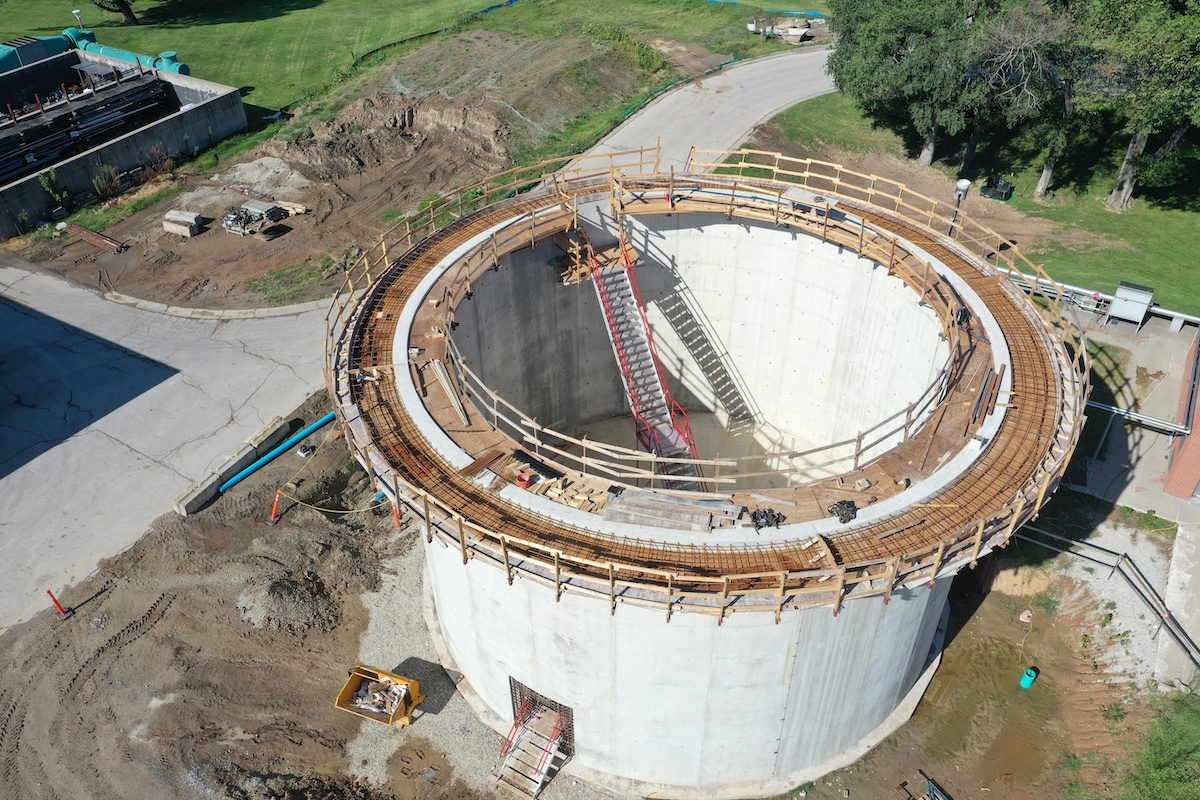
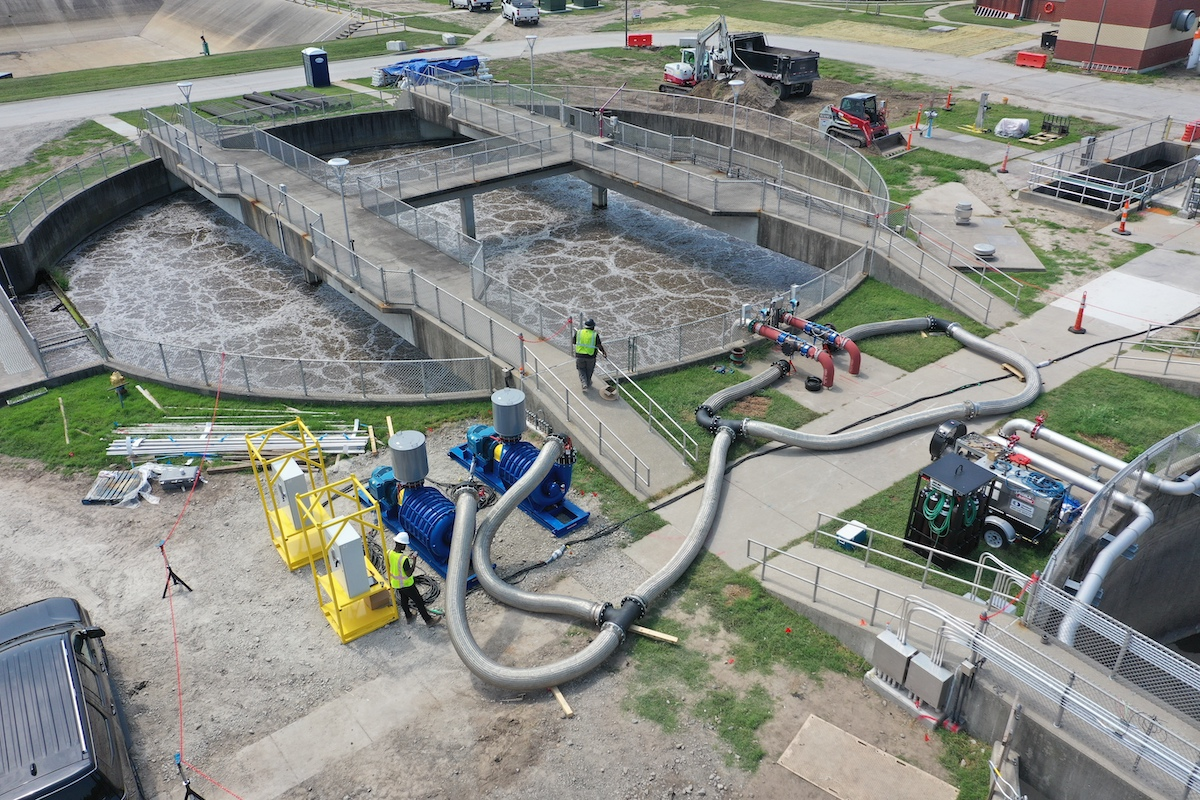
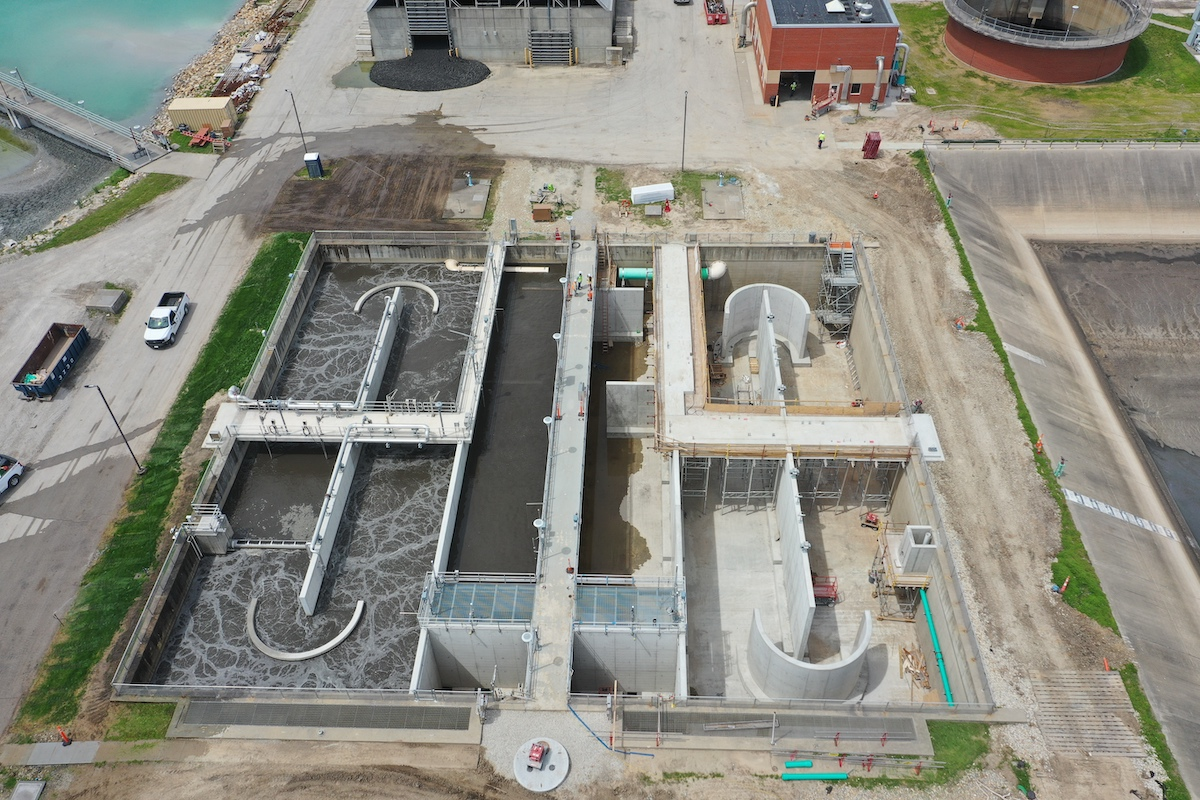
- Converting from aeration basins to a biological nutrient removal (BNR) treatment process, which includes converting four aeration basins to BNR basins, converting the existing sludge holding tank to a return activated sludge fermenter, as well as upgrading to gearless, high-speed turbo blowers and a new thickened waste-activated sludge tank
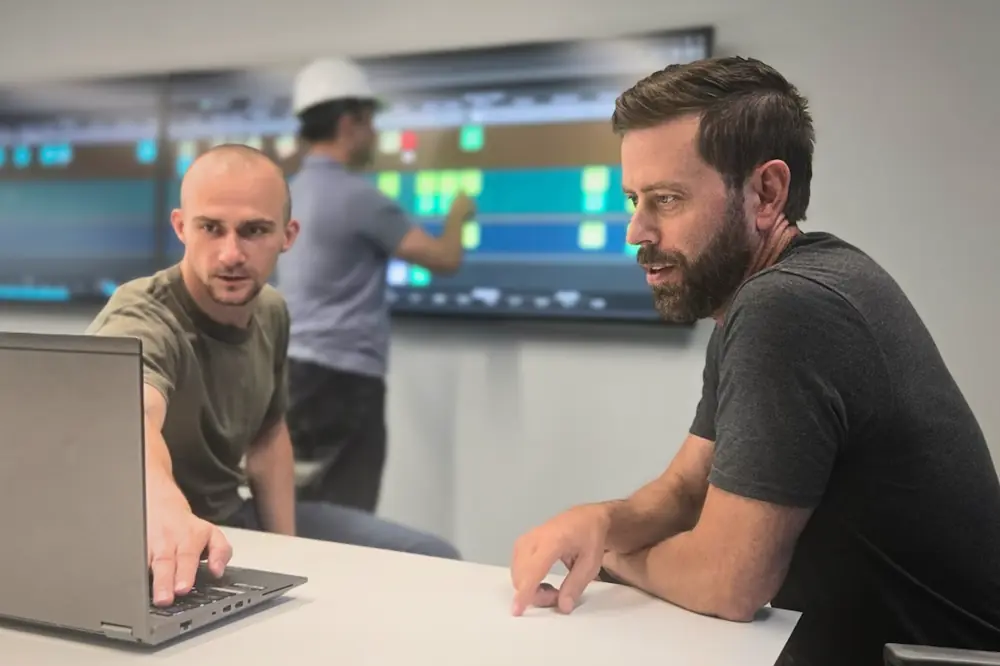
- Building a new Supervisory Control and Data Acquisition (SCADA) facility with a new fiber loop, which will help plant staff more efficiently monitor and address system challenges
- Converting a chlorine contact basin into a new ultraviolet (UV) facility, which utilizes a different disinfectant process that provides a better-quality effluent water to return to the Kansas River
- Replacing aged grit handling equipment and valves to current standards
Ciurczak points to the new BNR and UV facilities as key to making the plant less chemically dependent and more sustainable.

| Your local Komatsu America Corp dealer |
|---|
| Road Machinery and Supplies Company |
Additionally, the SCADA facility will provide the teams from KRWWTP and WRWWTP with a centralized location to oversee control of the plants.
Other project elements include:
- Construction of a new compressed air building
- Swapping more than 75 new valves
- Relocation and upgrading of site utilities
- Repaving the entire facility
- Owner: City of Lawrence
- General Contractor: McCarthy Building Companies, St. Louis, Missouri
- Designer: Black & Veatch, Overland Park, Kansas
- Other Key Contractors: Davin Electric, Inc., Topeka, Kansas; P1 Construction, LLC, Lenexa, Kansas
Although Lawrence has two wastewater treatment plants, KRWWTP must remain open while McCarthy and the subcontractors work on the facility.

| Your local Gomaco dealer |
|---|
| Gomaco -Contact For a Dealer Near You |
"We're working on an active plant that is currently treating water, so things can't go wrong," Ciurczak said.
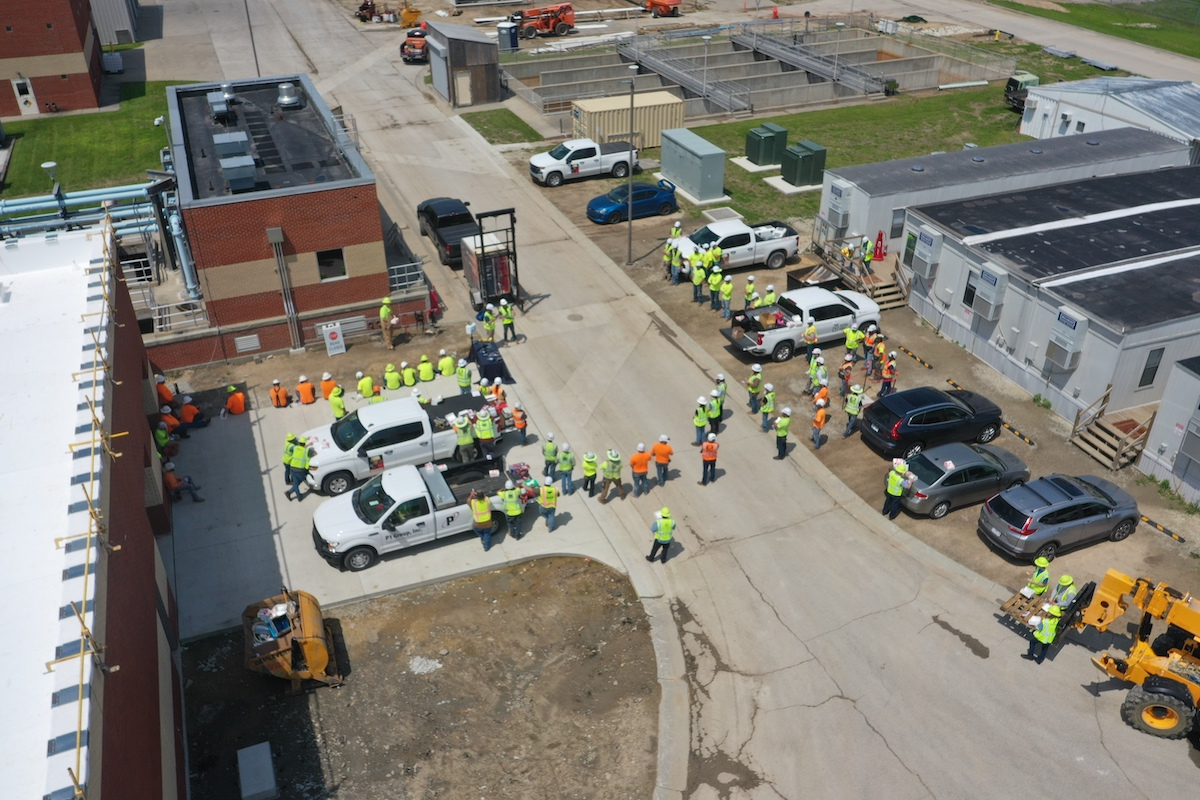
To ensure construction and operations do not impact each other, the team meets regularly to ensure all parties are aligned.
According to Ciurczak, McCarthy meets with the client (City of Lawrence), design engineer, and trade partners to coordinate ongoing work seven to eight times a week. Over the course of the project, the team will execute over 50 maintenance of plan operations (MOPOs), which encompass any tasks that could interrupt or halt plant activities.
One additional challenge that requires constant coordination is the integration of existing plant SCADA with the new controls. Typically, the general contractor is responsible for integrating the new system controls with the existing controls.

| Your local Trimble Construction Division dealer |
|---|
| SITECH Northwest |
| SITECH Mid-America |
| SITECH Dakotas c/o Butler Machinery |
However, on the KRWWTP project, City of Lawrence staff is taking on the role.
“Typically, the integrator is a trade partner, which gives us more control as we oversee them and can dictate their schedule," Ciurczak said. "In this case, the City of Lawrence engineers are playing the role, which results in another layer of necessary/extra coordination and communication."
Another challenge is the as-builts are not always accurate. There were no profiles of the utilities in place (not that McCarthy was not given them, they simply do not exist).
"We don't know where things are underground, so we have to coordinate and do soft digging to make sure we don't hit utilities," Ciurczak said.
| Your local Volvo Construction Equipment dealer |
|---|
| Nuss Truck & Equipment |
The team utilizes Virtual Design and Construction (VDC) and models every aspect of their work. Modeling has helped them avoid pipe clashes. The modeling enables the team to proceed with complete confidence that the actual construction will work.
"VDC has shown us where we could relocate utilities so that we could relocate as little as possible," Ciurczak said.
In one case, VDC helped the team reduce the number of times a gas line was crossed from several to just two.
“We were able to work with the city and engineer to find a more efficient routing that didn’t risk going through areas that had the potential for a high density of existing utilities and/or minimize disrupting the existing plants day to day,” Ciurczak said.
| Your local Volvo Construction Equipment dealer |
|---|
| Nuss Truck & Equipment |
McCarthy thrives on taking on risky projects and is confident that it can provide high-quality and safe solutions. The company has an office in Kansas City, Kansas, and has completed numerous projects in the area.
They learned about the KRWWTP project well in advance (2019) and researched it before the City of Lawrence announced the project and accepted bids.
Their research involved understanding the client/plant needs and what was important to the success of the project to make sure they could execute with a high level of success.
"It's important to us to work with an owner and engineer who share the same safety philosophy and culture as we do," Ciurczak said.
| Your local Volvo Construction Equipment dealer |
|---|
| Nuss Truck & Equipment |
By the time the project went out for bid, McCarthy was excited to work with the City of Lawrence, having learned about them through referrals.
Being on the same page is particularly important on this project because of the project delivery method, construction manager at risk (CMAR). McCarthy regularly delivers projects this way.
"We believe CMAR leads to a good product and risk mitigation," Ciurczak said. "The engineer, client, construction management team have a vested interest, which inspires effective collaboration and sheds risk."
Although the City of Lawrence rarely chooses CMAR, it did so on this project due to the project's intricacies and the focus on safety and prioritizing the ongoing treatment process. The project team has participated in Construction Safety Week and in OSHA's National Safety Stand-Down to Prevent Falls in Construction.
| Your local Volvo Construction Equipment dealer |
|---|
| Nuss Truck & Equipment |
Ciurczak believes CMAR has been one of the keys to making the KRWWTP project a success.
The project began in spring 2023 and is on schedule. Substantial completion is scheduled for February 2026, with full completion expected by the end of 2026.
"The good relationship between the city, engineer, and us has been the key to keeping this project on schedule," Ciurczak said. "Whenever problems come up, we all make sure to do what is best for the job collectively."
One example of communication moving the project forward is with the work done on aeration basins. The original plan was to convert one aeration basin at a time. The project team worked together and identified a sequence that allowed two basins to be taken offline while still maintaining plant effluent compliance. Through an updated project schedule, McCarthy was able to show the schedule savings, ultimately reducing overall project costs.
| Your local Volvo Construction Equipment dealer |
|---|
| Nuss Truck & Equipment |
The constant collaboration has helped ensure that no lost time incidents have occurred on the project.
Currently, the project is trending under budget, with an end construction price of approximately $62.5 million, compared to the initial $64 million budget. The leftover money has allowed the owner to proceed with a future construction project — site paving — at the KRWWTP as part of the current project.
Ciurczak raved about the partnership between McCarthy, the city, and the engineer.
"On multiple occasions, each of us has made sacrifices for the good of the project that have enabled it to be successful," he said.
| Your local Volvo Construction Equipment dealer |
|---|
| Nuss Truck & Equipment |
When the team completes the KRWWTP project, it will continue to serve Lawrence residents, just as it has for nearly 70 years. While residents will not recognize the upgrades, they can be confident in clean water for years to come.