
Across construction, the pressure to hand over projects sooner keeps intensifying. The market demands it, owners expect it, and today's combination of AI-driven development, workforce shortages, and material cost pressures has only raised the stakes.
Compressed schedules are pushing teams to prioritize speed over efficiency. But when pace outruns planning, risk starts building beneath the surface.
When does speed stop creating value and start causing the problems it was meant to solve — and how can leaders avoid crossing that line?
One of the biggest misconceptions in construction is that a busy job site is always a productive one. As speed starts taking priority over efficiency, leaders need to watch for signs that the work is falling out of rhythm: production numbers slipping, crews waiting on direction or materials, and resources no longer aligned with the work ahead.
Left unchecked, those small breakdowns can show up in two critical areas:
- Safety: Crews moving too fast can turn a missed step into a catastrophe waiting to happen. One injury can shut down the job for a day or more while teams retrain, identify the root cause, and put corrective actions in place. If the client is not satisfied, work may remain paused until they are confident a related incident will not happen again.
- Quality: Speed also increases the chance that crews cut corners or overlook details. Something as simple as a mislabeled conduit or a skipped installation step can force teams to go back, correct the work, and disrupt the next activity in the sequence. The task may have looked complete in the moment, but the rework adds time back into the project.

| Your local Deere & Co dealer |
|---|
| West Side Tractor Sales Co |
The clearest sign speed has gone too far is when mistakes reach a quality inspection or client review. If the client is the one pointing them out, the team has its reputation on the line as well as rework on their hands.
Most people remember the tortoise and the hare as a story about slow beating fast. A better lesson is that the tortoise never had to recover from preventable mistakes. It stayed focused on the finish line, kept moving, and avoided the setbacks that cost the hare the race.
Construction projects are no different. The goal is not to slow down, but to remove the interruptions, rework, and uncertainty that steal time from the schedule. One way to do that is by focusing on the following pillars of productivity before work begins.
Information: Align on the Work Plan
Does the team understand the scope of work, specifications, and work plan? Without the right information, crews are left to make assumptions in the field. Sometimes those assumptions are right. Sometimes they send the team straight into rework. Leaders can prevent that by making sure questions are answered before the work starts and by working collaboratively with owners, engineers, and trade partners to get the right information faster.

| Your local Wirtgen America dealer |
|---|
| Brandeis Machinery |
Materials: Stage the Right Components
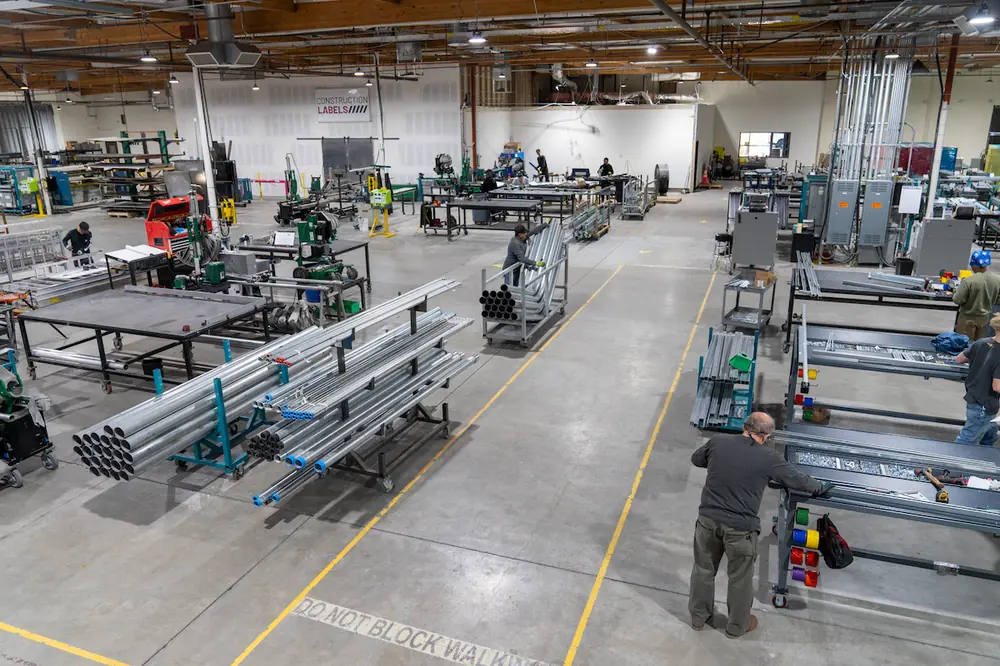
Are the right nuts, bolts, wire, gaskets, labels, and other components available? A crew can lose a lot of time over missing parts that seem minor until the work stops. Verifying those materials ahead of time keeps people from improvising, waiting, or installing work that has to be corrected later.
Tools and Equipment: Put Productivity Within Reach
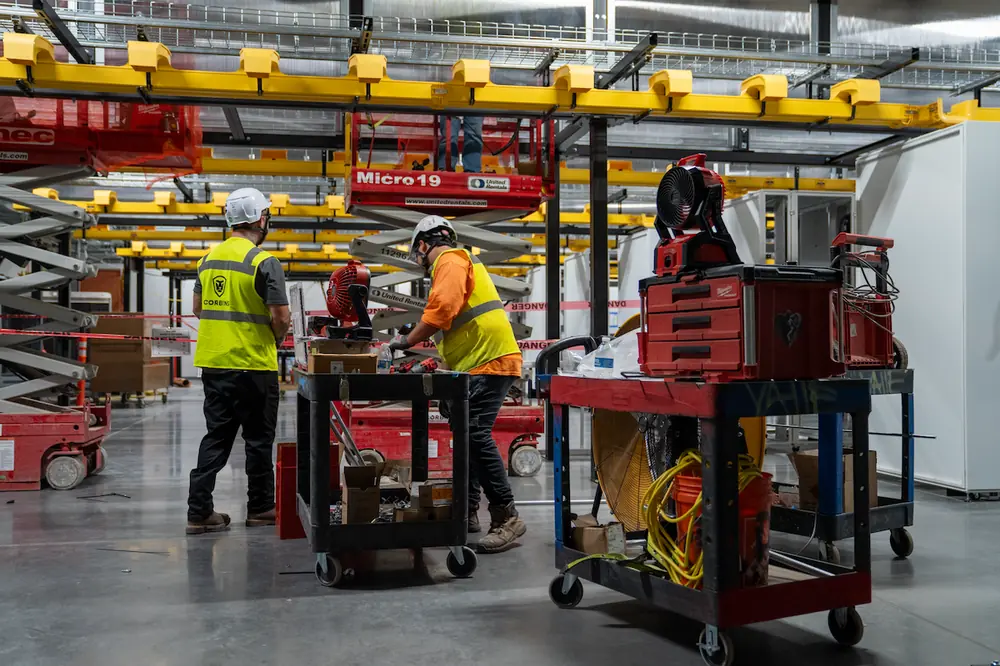
Are the right tools and equipment available in the right quantity and staged where the work is happening? If a crew has to walk 20 minutes back and forth every time they need to access a tool for their work, the fix could be as simple as staging additional tools closer to the work area. That one adjustment can save valuable time.
Work Area Readiness: Clear the Path Before Crews Arrive
Is the space clean and ready? A crew can have the right information, materials, and tools and still lose the day if the work area is not ready. Other trades may still be in the space. Access may be blocked. The area may need cleanup before work can safely begin. Checking readiness ahead of time keeps crews from standing around, waiting for the job site to catch up to the schedule.
Production: Set Goals Crews Can Hit
Are the daily goals realistic for the people, materials, and conditions available? People want to be successful. Nobody shows up planning to be difficult or drag the job down. Leaders can support that by setting realistic daily goals based on what the crew actually has in front of them. When crews can hit the target, they leave with a win and come back ready to do it again the next day.

| Your local Leica Geosystems Inc dealer |
|---|
| Laser Specialist inc |
Leadership: Surface and Resolve Problems
The pillars above give teams a repeatable framework to prepare the work before the day begins. But keeping that framework effective also requires leaders to get out of the office and into the field. Walking the job, building trust, and listening to crews helps surface small problems while there is still time to solve them.
Construction isn’t slowing down. Owners will keep expecting faster delivery, and project teams will keep feeling pressure to find time wherever they can.
That pressure makes it tempting to push small problems down the road and keep moving. But every project eventually has to deal with the bucket it keeps kicking. The better approach is to remove those problems early, before they turn into rework, stoppages, or client confidence issues.
Speed creates the most value when it comes from preparation. Construction leaders who plan the work, listen to the field, and remove problems before crews trip over them can move faster with fewer preventable stops.

| Your local Trimble Construction Division dealer |
|---|
| SITECH Mid-South |
| SITECH Midway |
| SITECH Indiana |
| SITECH Mid-America |
| SITECH Ohio |
Kevin Angle, P.E., is Executive Vice President of Project Delivery at Nox Group, a hyper-scale industrial builder specializing in mission-critical infrastructure, including data centers, semiconductor fabrication plants, and water and wastewater facilities.