

Researchers recently released Multiskilling in the U.S. Construction Industry, the largest national dataset documenting the relationship between multiskilling labor strategies and performance outcomes, including productivity, staffing levels, and schedule durations.
Among other findings, the research showed that multiskilling increased the share of crew time spent on directly advancing construction work by 39 percent. In the research, the typical observed worker used nearly three distinct skill classifications, and some workers used as many as six in one day.
“This new field research is putting skilled construction pros at the center of one of the industry’s biggest challenges: how to build more with a workforce already stretched thin,” said Michael Bellaman, President and CEO of Associated Builders and Contractors (ABC).
“The most important findings show the inherent value of multiskilling for the worker: It creates the conditions for the worker to grow their skillsets, be more valuable, find more fulfillment, earn more, and have more opportunities,” Bellaman said. “It also shows that multiskilling can help these qualified workers spend more time building by more fully using the varied skills they bring to the job site."
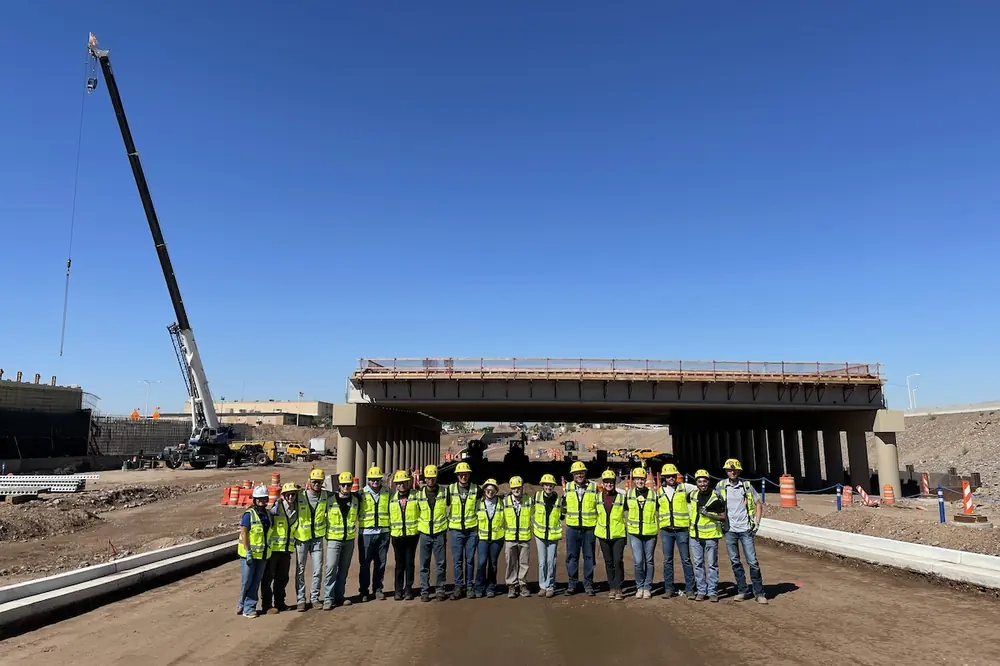
The research series was conducted by the Simplar Foundation and three research partners: Arizona State University, the University of Kansas, and the University of North Carolina at Charlotte.

| Your local Komatsu America Corp dealer |
|---|
| Brandeis Machinery |
“The research team observed and documented enormous benefits for the workers during our time on site and talking with participating crews,” said Brian Lines, Ph.D., P.E., Principal Investigator and Associate Professor, Civil, Environmental & Architectural Engineering, University of Kansas. “These include more career paths, greater earning potential, more projects and hours, as well as longer project assignments.”
However, Lines noted that the benefits were not the same in every situation. “They were largest where the work created frequent opportunities to cover adjacent tasks, avoid handoffs, and keep the crew moving,” he said. “Lower opportunity often reflected the task mix and work sequence, not a lack of worker capability. Broader capability creates value for the employer.”
Highlights in this first of three releases of the data series include:
- Multiskilled workers were able to spend substantially more of the workday directly advancing construction work. Multiskilling increased the share of crew time spent on direct construction work by about 39 percent. Limiting workers to one trade reduced the share of crew time spent directly on construction work from nearly half to about one-third.
- Multiskilled crews spent far less of the active workday waiting or otherwise idle. Multiskilling reduced idle and waiting time by about 68 percent during active work periods.
- Multiskilled crews allowed the available workforce to cover substantially more of the work. Limiting workers to one trade would require approximately 45 percent to 72 percent more workers to accomplish the same work sequence that was observed in the field.
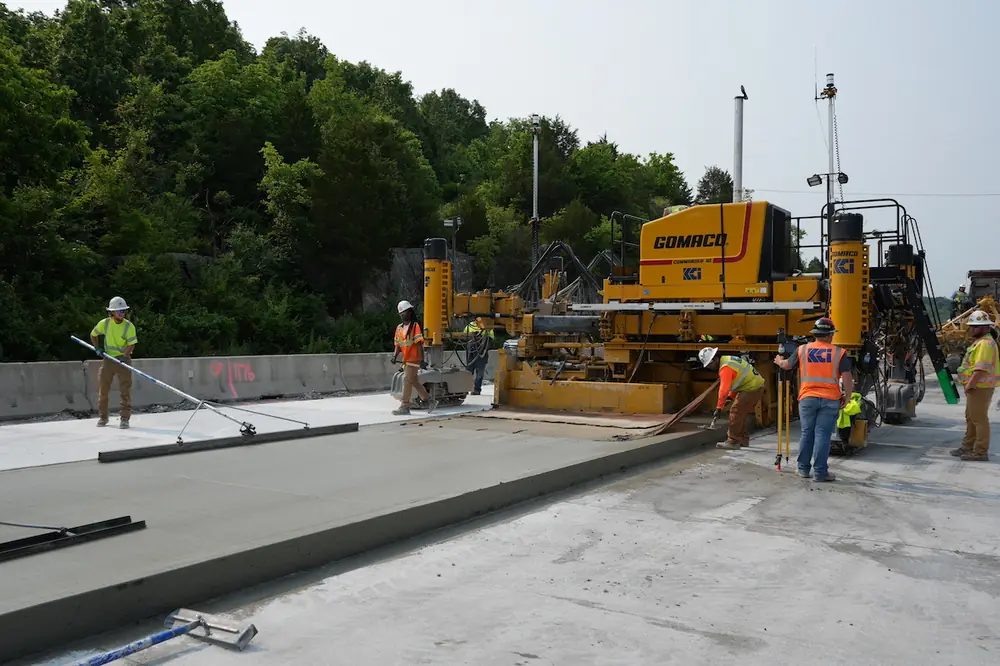
- Cross-trade work was a routine part of how the observed crews operated, not an occasional exception. Workers spent about 36 percent of observed crew time performing work outside their primary trade. A one-trade restriction would require roughly one-third of the observed crew work to be reassigned, delayed, or covered by someone else.
- Researchers documented 128 unique trade combinations where workers combined their primary trade with one or more additional skills.
- Multiskilling preserves craft depth while giving workers more ways to earn, remain employed, advance, lead, and shape the direction of their careers.
- Across approximately 33.2 million work hours, the participating contractors reported above-average safety performance, with average Total Recordable Incident Rates of 0.74 — 57 percent below the NAICS-weighted benchmark — and no reported fatalities.
- Using fewer workers and crews in a tight work area reduces congestion and coordination pressure, which can lead to safety performance improvements.
“Multiskilling means workers are qualified to safely and competently perform tasks across trades,” Bellaman said. “It complements specialization and delivers the most value on handoff-heavy scopes of work. It highlights measurable benefits in productivity, staffing, safety, and worker opportunity, with evidence from real projects.”

| Your local Wirtgen America dealer |
|---|
| Brandeis Machinery |
Ultimately, “These new findings suggest that multiskilling can deliver benefits for the entire construction industry, including greater opportunity for workers, greater flexibility for contractors and owners, and greater capacity to build the projects America needs,” Bellaman said.
The research analyzed observations at job sites nationwide, including:
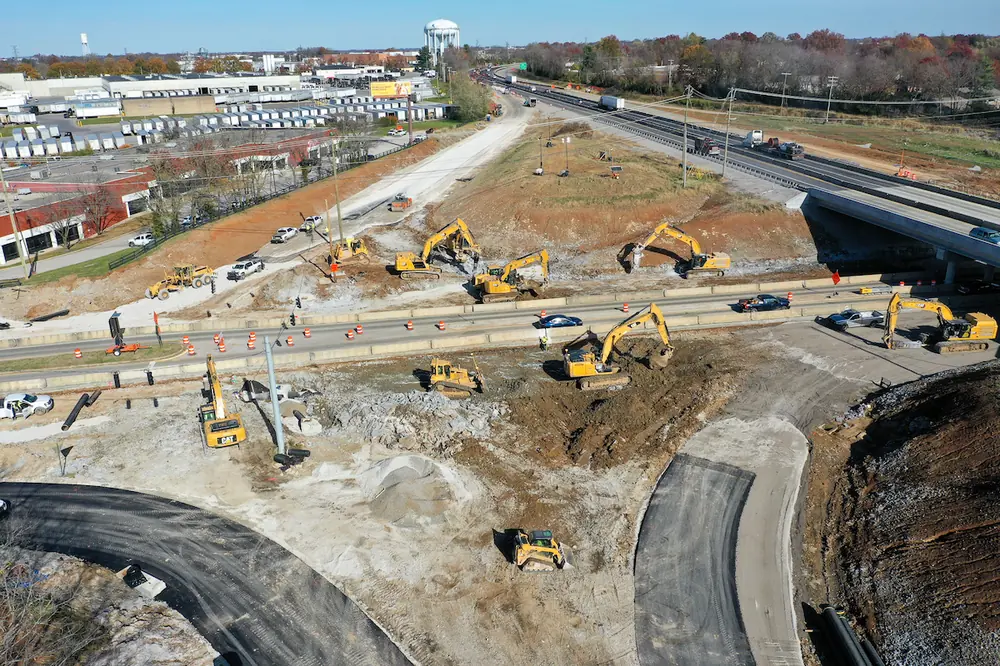
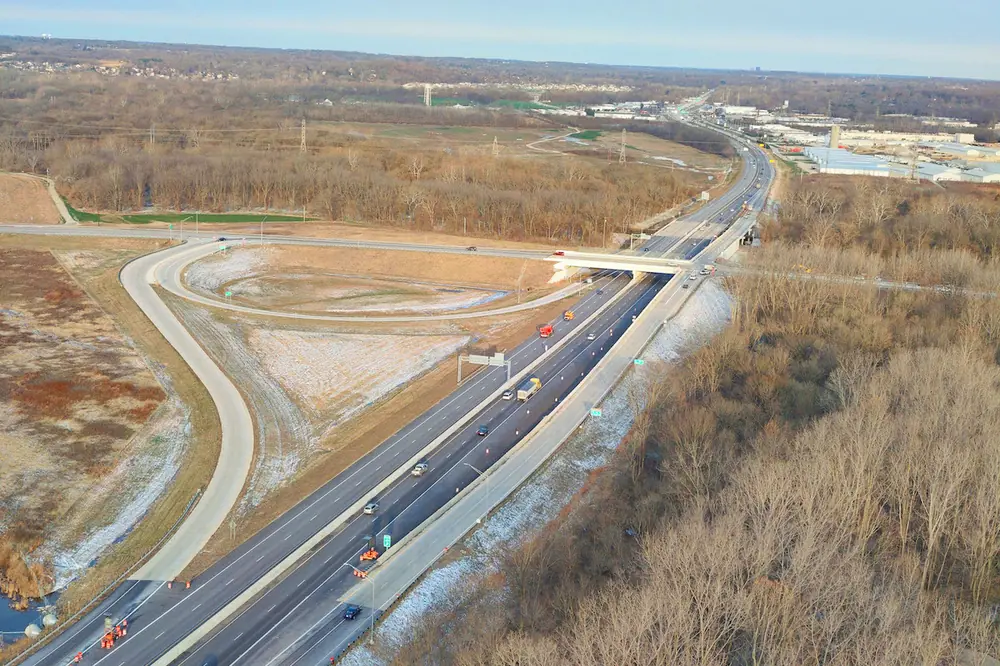
- The research team conducted 40 site visits on 36 projects in 24 different states.
- The 22 unique project types ranged in cost from $500,000 to more than $1 billion.
- 60 multiskilled crews comprised of 644 total workers from 30 different contractors were observed.
- The research team collected more than 11,400 productivity/work-sampling observations.
To learn more about the research series, visit simplarfoundation.org/multiskilling/ or abc.org/multiskilling.