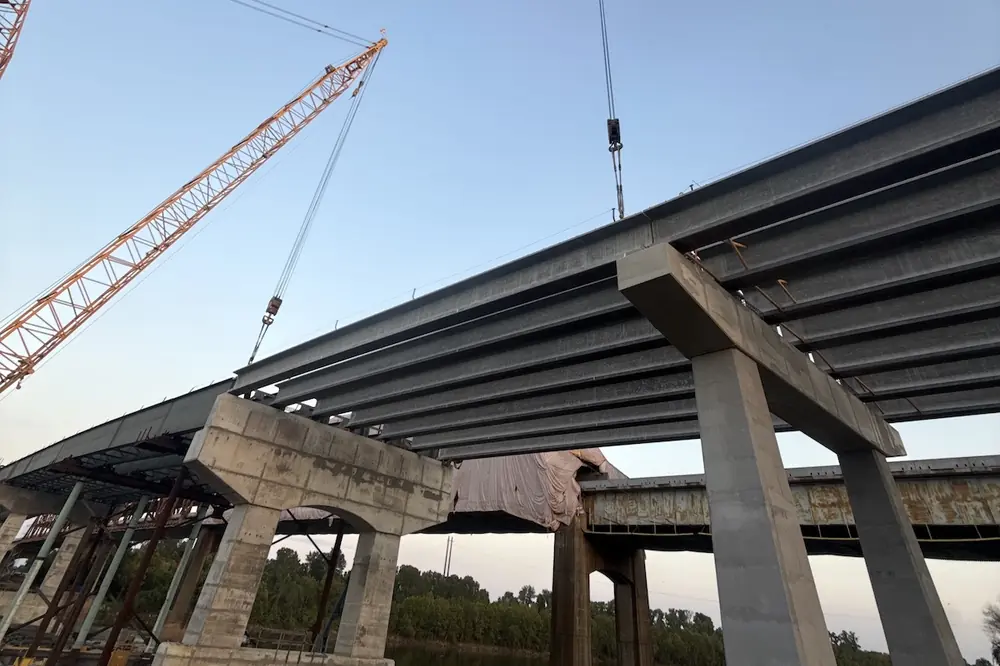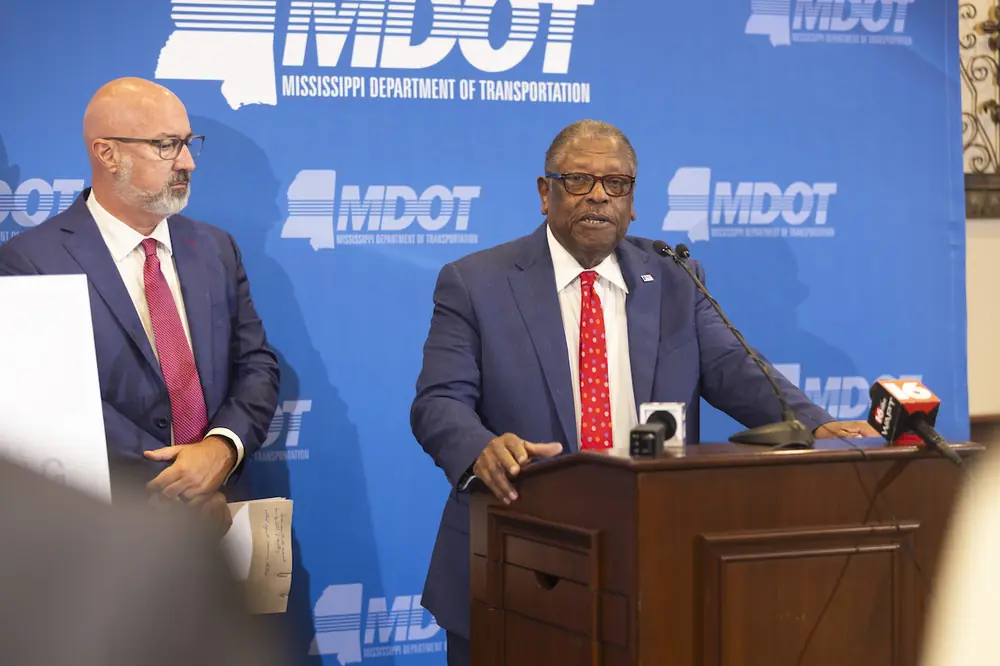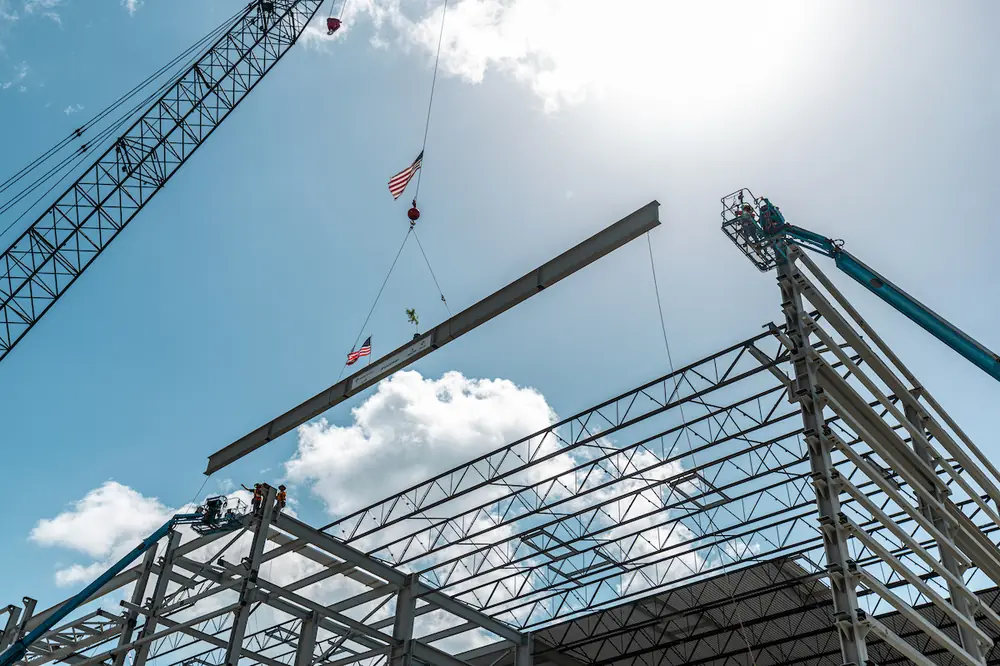
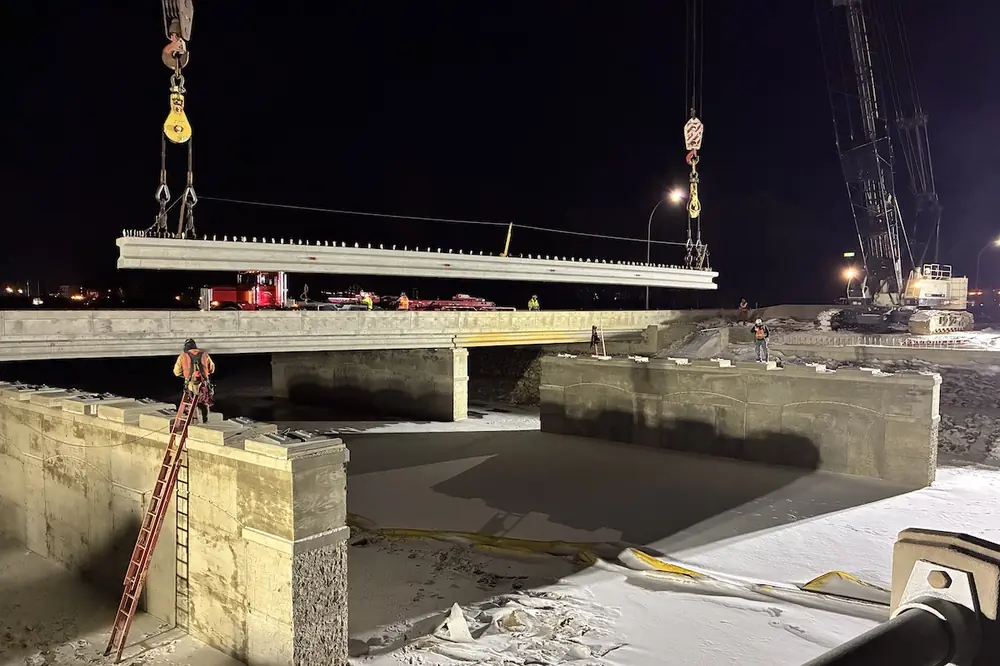

A three-year, $49.9 million reconstruction program is replacing and rehabilitating aging bridges along Interstate 90 through Austin, Minnesota, while keeping one of the region’s most important freight and travel corridors moving.
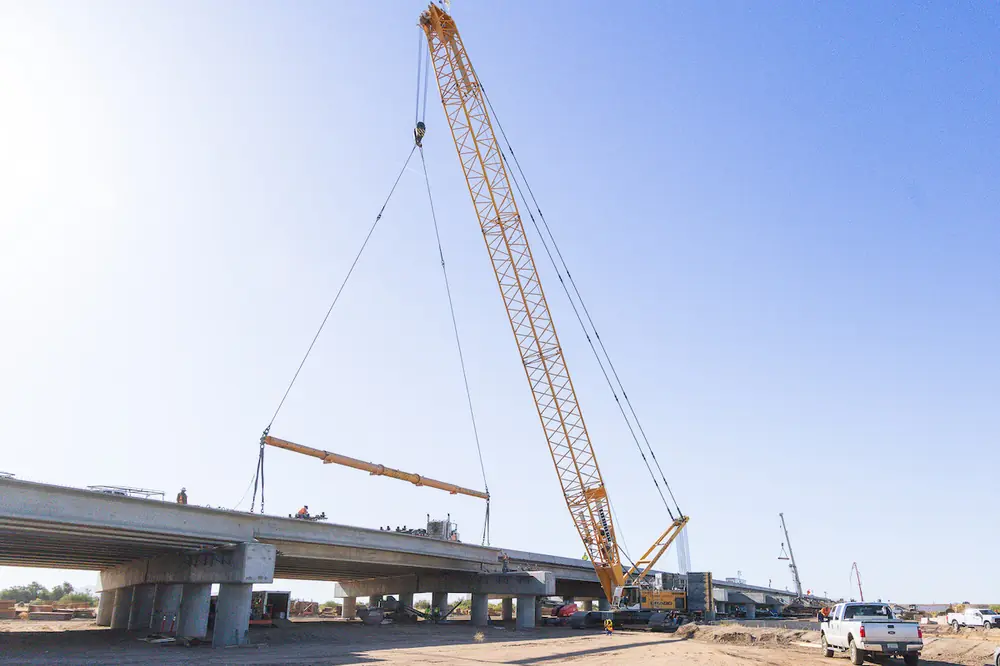
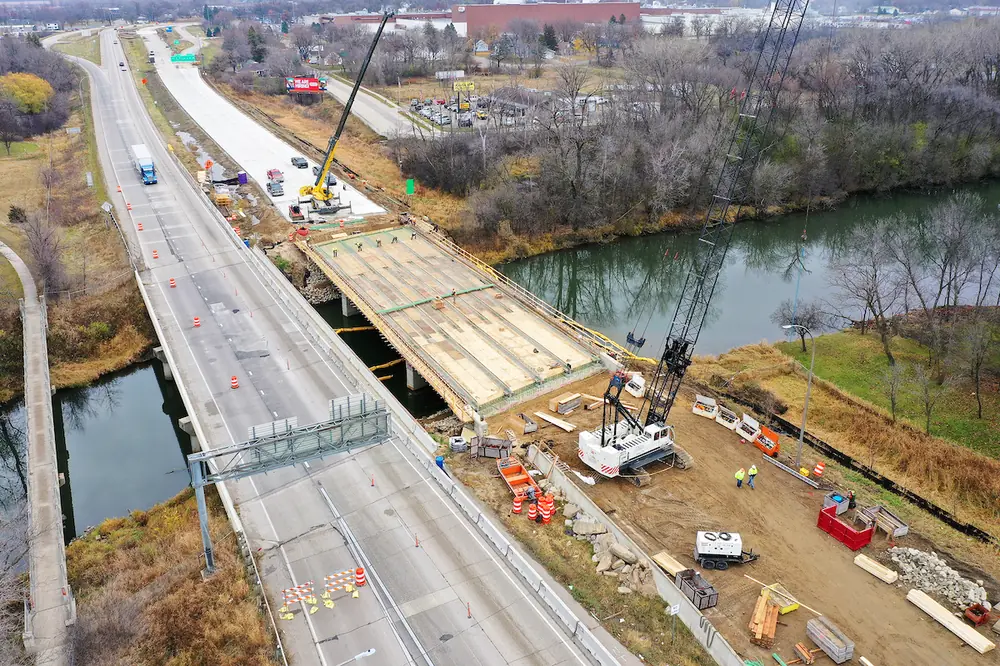
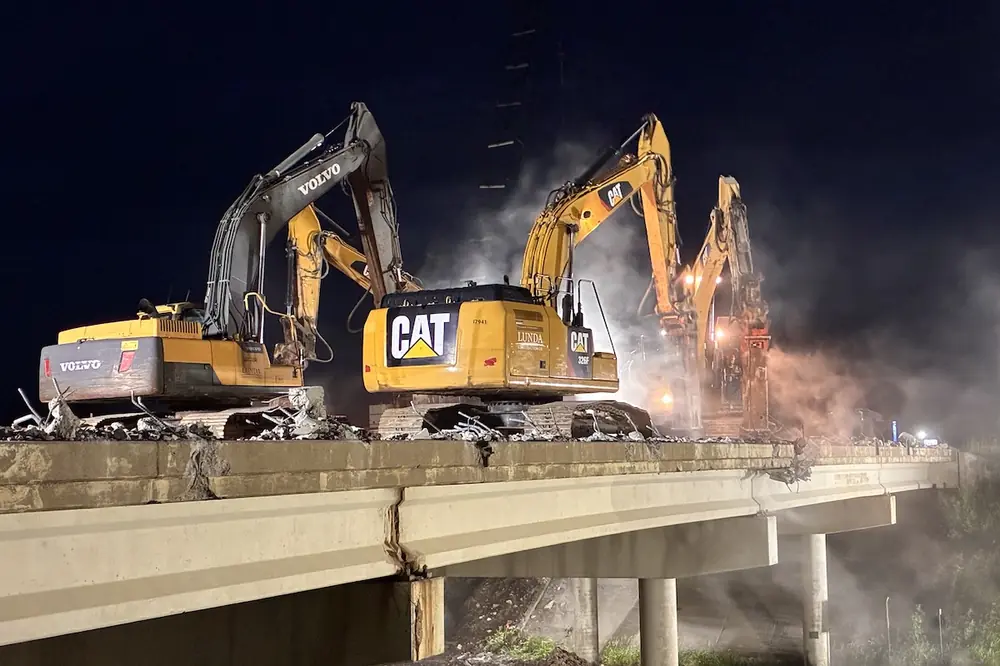
The Minnesota Department of Transportation (MnDOT) project stretches across six sites and combines bridge replacements, rehabilitation, roadway reconstruction, retaining walls, utilities, and pedestrian improvements. As part of the work, seven older bridge structures are being removed and six new bridges constructed, while two I-90 bridges over 6th Street Northeast are being repaired and resurfaced. The work began in 2024 and is scheduled to conclude before the end of 2026.
Ulland Brothers is serving as prime contractor, with Lunda Construction handling bridge demolition, construction, rehabilitation, and retaining walls. A $25 million grant through the Bipartisan Infrastructure Law helped MnDOT tackle this group of structures that otherwise likely would have been replaced separately over a much longer period.
“Most of these bridges were built when the Interstate System began in 1959 to 1961 and were nearing the end of their life span,” said Mike Dougherty, MnDOT Spokesman. “We had plans to replace other bridges individually or possibly pair them in future years, but the grant allowed us to take a much more comprehensive approach.”
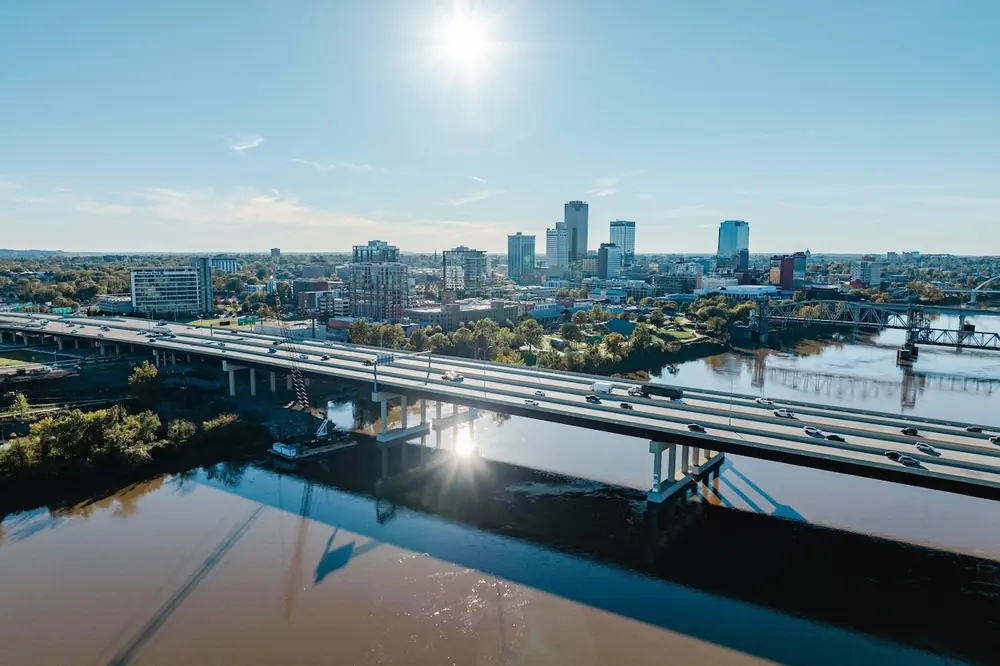
I-90 serves as a major east-west route through southern Minnesota, carrying interstate travelers, regional commuters, and substantial freight traffic. The Austin segment also serves local industries, including trucks hauling hogs to facilities serving Hormel Foods and corn bound for an ethanol plant in Iowa.

| Your local Trimble dealer |
|---|
| Kirby-Smith Machinery |
| WPI |
MnDOT District 6 carries a substantial share of the state’s interstate and bridge inventory, making steady reinvestment in routes such as I-90 and I-35 a continuing priority.
“We need a steady and consistent effort on the interstate highways in our district,” Dougherty said. “I-90 and I-35 are important freight and travel routes both within Minnesota and for traffic moving through the state.”
Planning began several years before construction, with public engagement helping MnDOT understand how residents, businesses, and freight operators used each crossing. That input influenced a sequence designed to spread disruption across three construction seasons rather than closing critical connections at the same time.
“The bridges are key links for people traveling to work, school, and other daily destinations,” Dougherty said. “We sequenced the work to be as minimally disruptive as possible. People were not cut off, but their routes did change depending on where work was occurring.”

| Your local Komatsu America Corp dealer |
|---|
| Kirby-Smith Machinery |
| WPI |
Managing several active bridge sites required the construction team to treat the corridor as one interconnected operation rather than a collection of independent structures.
“The coordination and timing of the construction work, together with bridge closures and traffic switches, has been one of the more challenging aspects,” said Chris Harber, Project Manager of Ulland Brothers. “I-90 cuts through the north side of Austin, and two of these bridges are major arterial routes the public uses to cross the interstate.”
Ulland Brothers handles overall project management and roadway and utility work, while Lunda Construction is responsible for bridge and retaining wall construction. More than 30 subcontractors have participated.
“Good communication across the entire construction team has been a major reason the project has worked,” Harber said. “Field crews stay in constant contact with one another and with the MnDOT inspection team, so subcontractors arrive at the right time and work continues to flow.”

| Your local Gomaco dealer |
|---|
| Clark Machinery |
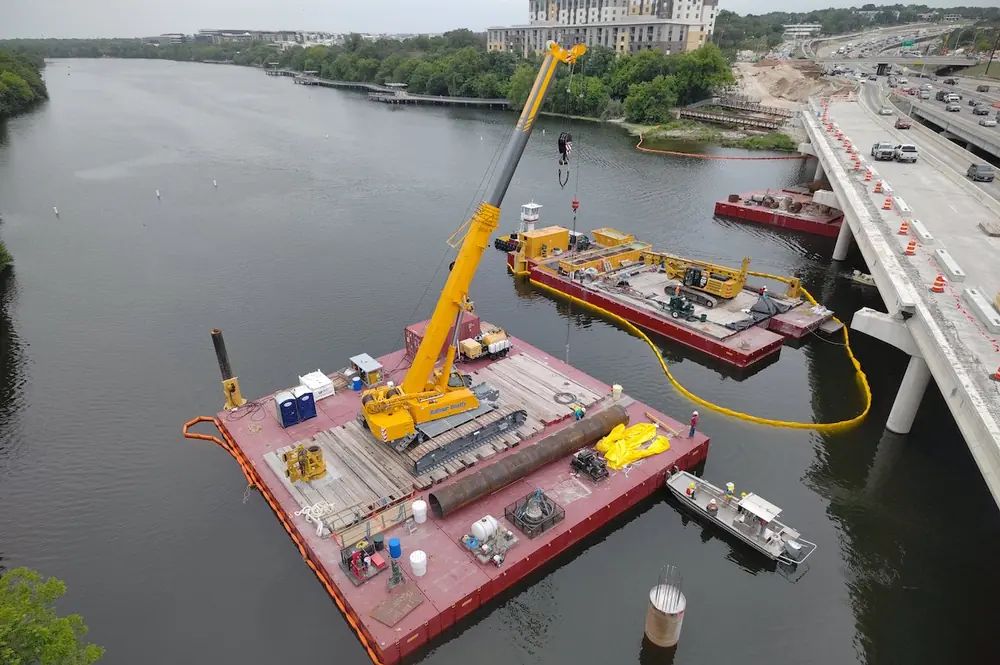
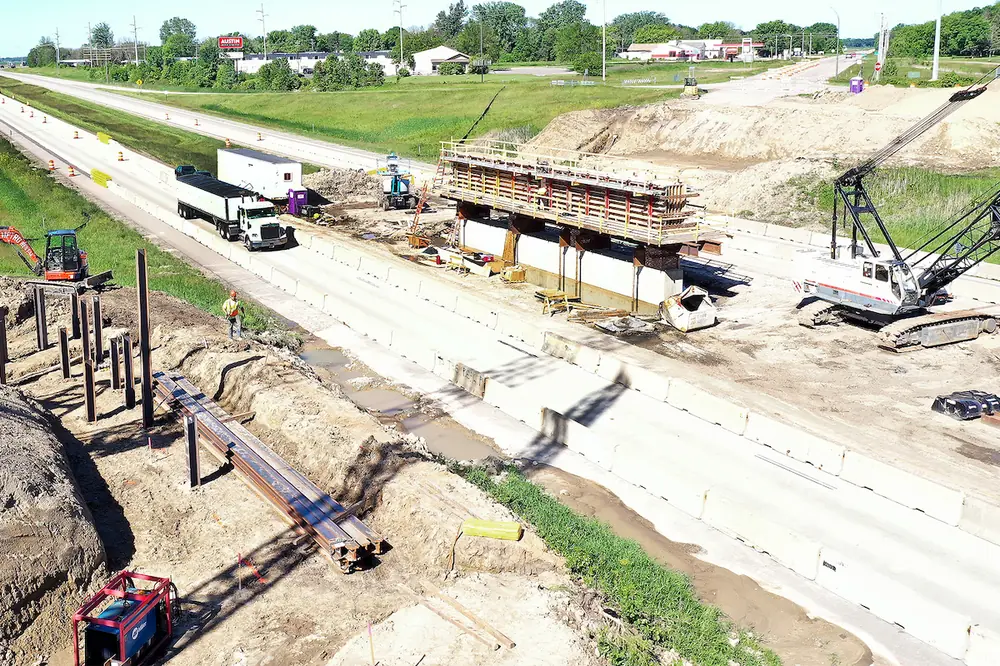
The first season began with replacement of the Highway 105/Oakland Avenue bridge, followed by the eastbound I-90 Cedar River bridge after seasonal river restrictions allowed in-water work. Rehabilitation of the eastbound I-90 bridge over 6th Street Northeast was coordinated with the same traffic configuration. Work later shifted to the 4th Street Northwest crossing, followed in 2025 by the westbound Cedar River and 6th Street structures. The final year centers on the Highway 218 north/14th Street Northwest and Highway 218 south/21st Street Northeast crossings.
“This phasing was selected for a variety of reasons, including work-in-water restrictions, traffic and detour logistics, constructability, and coordination with adjacent projects,” Harber said. “It also helped reduce what could have been a five- or six-year program to three years.”
One scheduling decision made before the primary contract began helped protect the Cedar River work from an early delay. Replacement of the river bridges required median crossovers so eastbound and westbound traffic could operate head-to-head while one side was reconstructed.
MnDOT issued the crossover work as a separate advance contract, which Ulland Brothers completed in fall 2023.

| Your local Hitachi dealer |
|---|
| ASCO Equipment |
“Had those crossovers remained in the main project and started in spring 2024, wet weather could have delayed the beginning of the Cedar River work,” Harber said. “Completing them ahead of time gave us the ability to move directly into the bridge sequence when the construction season opened.”
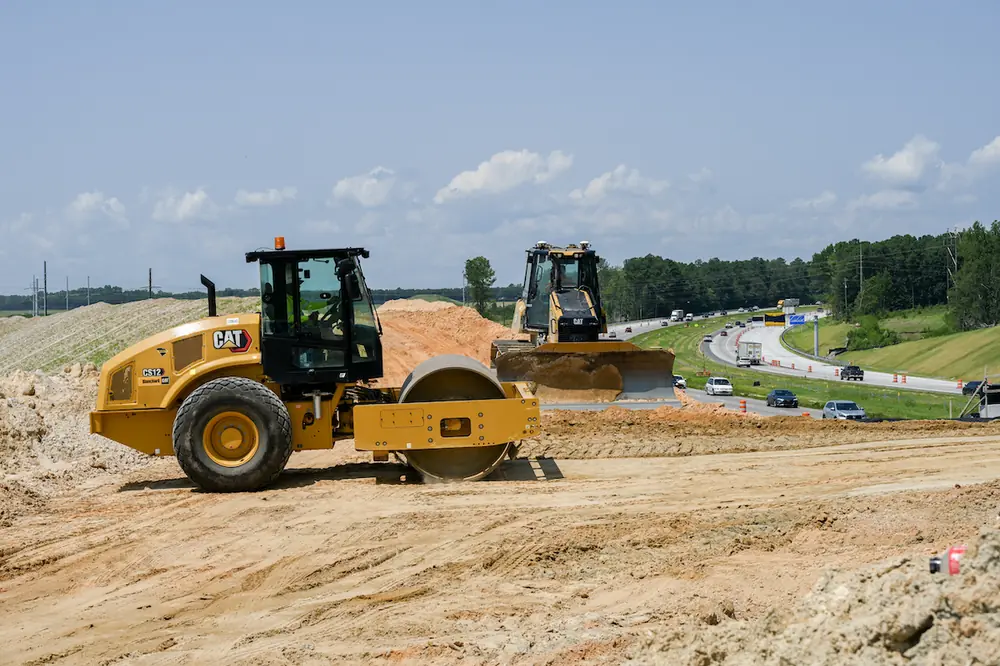
Crews also overlapped roadway and infrastructure work with bridge construction whenever access and safety allowed.
“Simultaneous bridge construction required extensive planning to make the most of Minnesota’s relatively short construction seasons,” Harber said. “The logistical challenge was maintaining access to the structures while keeping roadway crews productive and all of the work inside the required safety closures.”
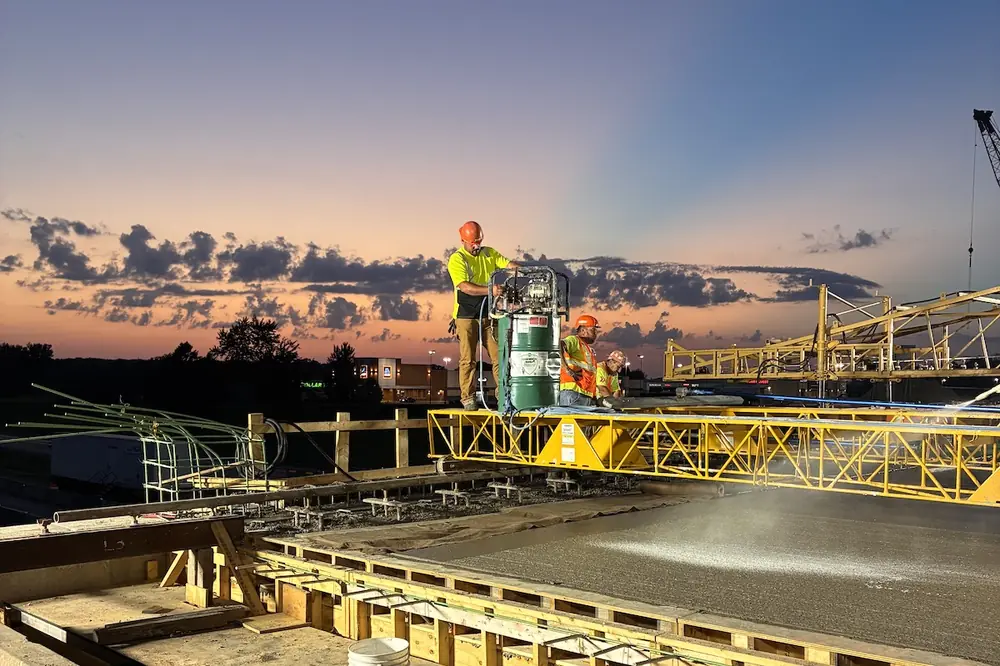
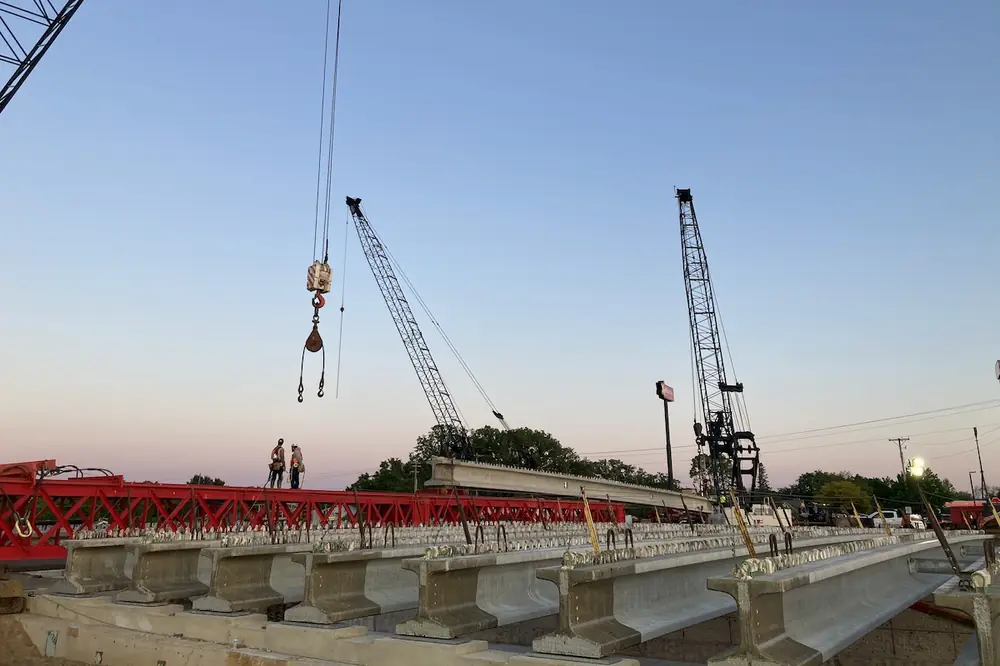
A key part of the planning phase was traffic management, and that shaped nearly every major construction decision. Major operations such as demolition, beam setting, and deck pours had to be concentrated into short closure windows, while local streets and ramps absorbed most of the disruption.

| Your local Wirtgen America dealer |
|---|
| Kirby-Smith Machinery |
“Traffic on I-90 has been largely unimpeded other than short detours when bridge work required closures,” Dougherty said. “Many of the detours used the next bridge crossing or routed motorists across the interchange and back to the other side.”
Two seasons of head-to-head traffic were required to rebuild the Cedar River structures, complicating nearby retaining wall, ramp, and bridge work at 4th Street Northwest.
“Each closure represented many hours of coordination and setup before it could happen,” Harber said. “The ramps also had to remain usable as bypass routes during demolition, beam setting, and deck pours before we could close them later for utility work, reconstruction, and bridge approaches.”
Warning Lites managed traffic control devices around the clock, while weekly progress meetings addressed traffic switches several weeks in advance.

| Your local Yanmar dealer |
|---|
| CLM Equipment Co |
| WPI |
“Potential issues were identified early and mitigated as much as possible,” Harber said. “The Minnesota State Patrol, Mower County Sheriff, and Austin Police Department were also strong partners during closures and traffic switches.”
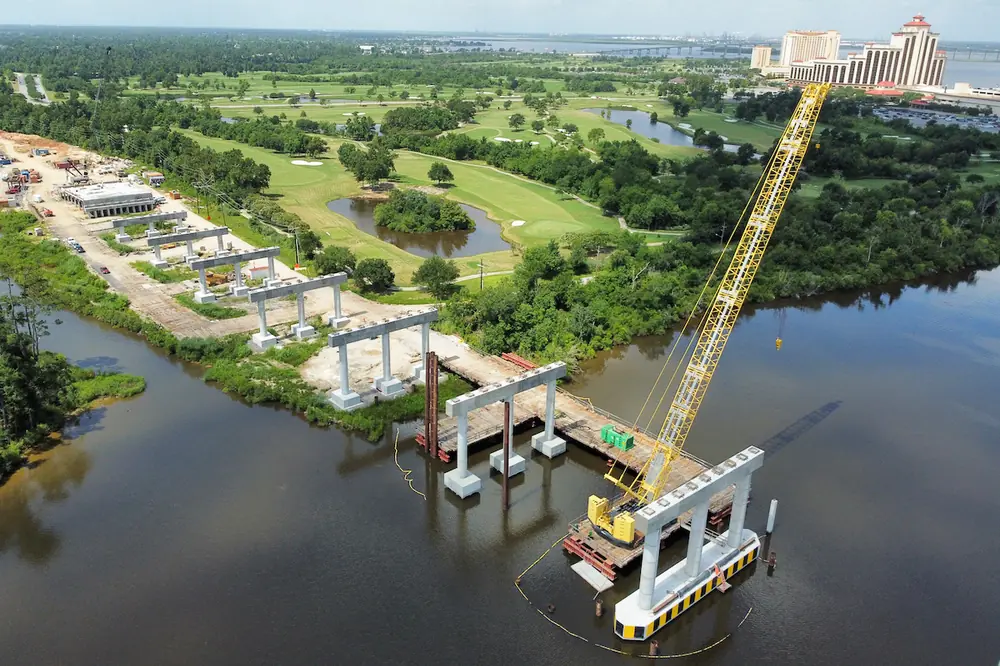
Bridge construction over the Cedar River introduced environmental and subsurface constraints unlike those at the urban interchange sites.
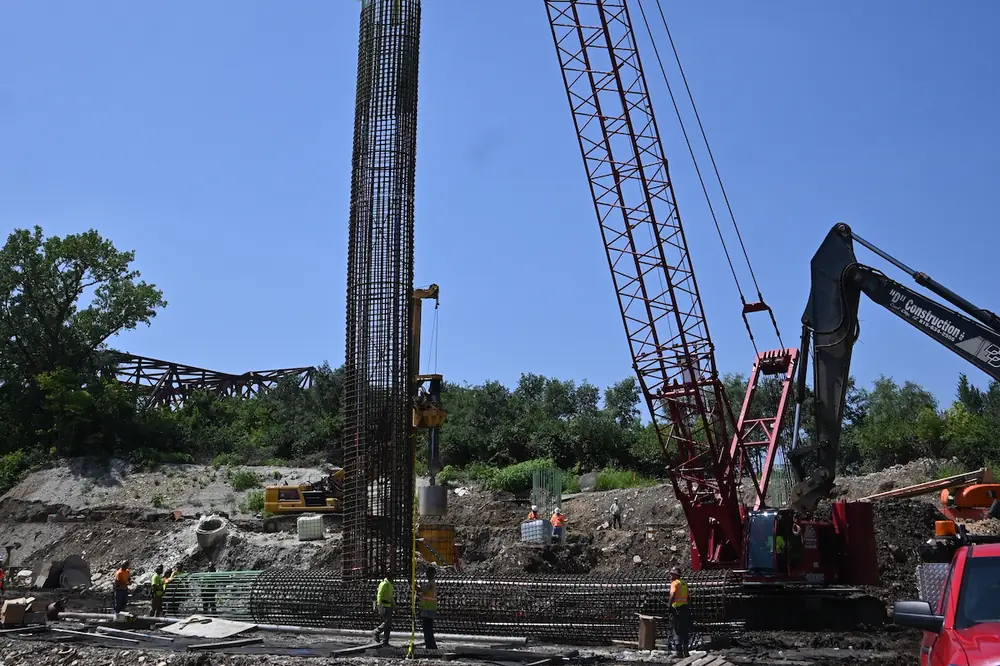
A big challenge was that in-water construction could not begin until after June 1 because of fish spawning restrictions. Cofferdams, causeways, and other temporary works also could not raise upstream water elevation more than 0.5 feet during a 100-year rain event, requiring hydraulic analysis of the contractor’s proposed methods.
Unexpected conditions below the riverbed added another complication.

| Your local Hitachi dealer |
|---|
| CLM Equipment Co |
“Obstructions were discovered in the riverbed, including old piling and concrete structures,” Dougherty said. “They prevented sheet piling for the cofferdams from reaching the engineered depth, so crews used a rotary drill to penetrate a roughly 2-foot-thick structure located about 4 feet below the river bottom before reinstalling the sheet pile.”
Weather added still more pressure. A flood during the first season temporarily stopped work on one Cedar River structure, while intense rain events affected grading and erosion control plans.
“We had numerous rain events around 2 inches per hour and several totaling more than 4 inches,” Harber said. “That required significant adjustments to grading plans and changes to erosion control measures so we could maintain SWPPP [Stormwater Pollution Prevention Plan] compliance.”
Among all the structures, Harber points to the 4th Street Northwest bridge as the project’s standout construction accomplishment.

| Your local Wirtgen America dealer |
|---|
| Kirby-Smith Machinery |
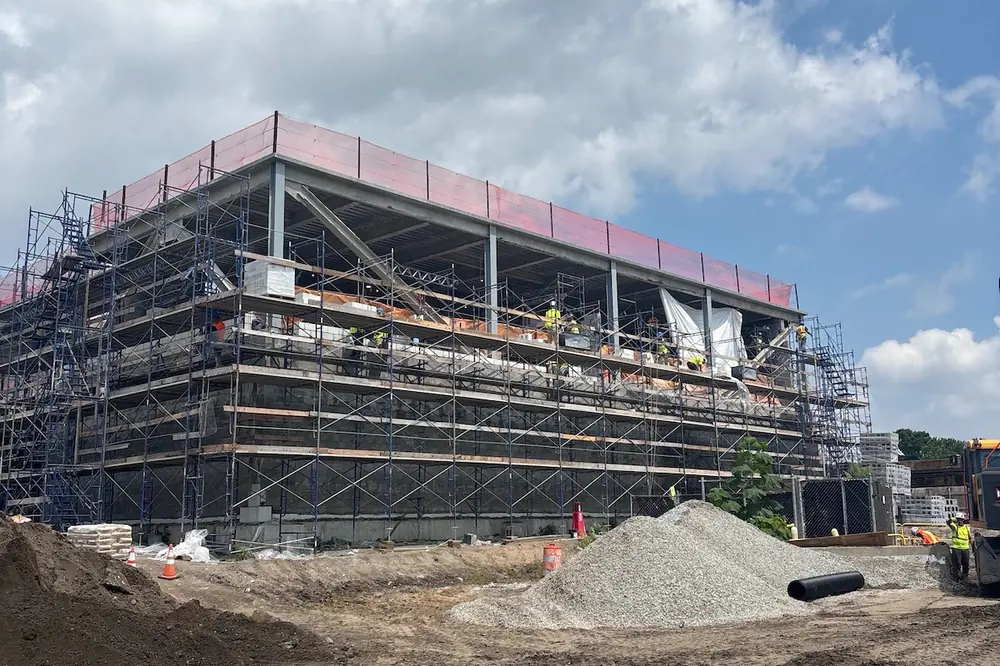
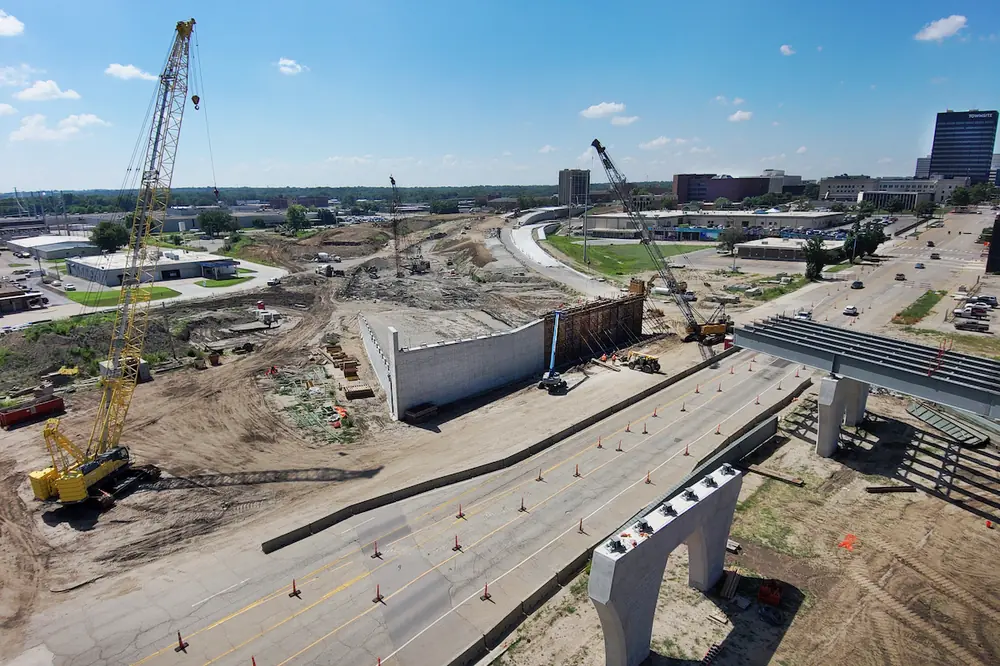
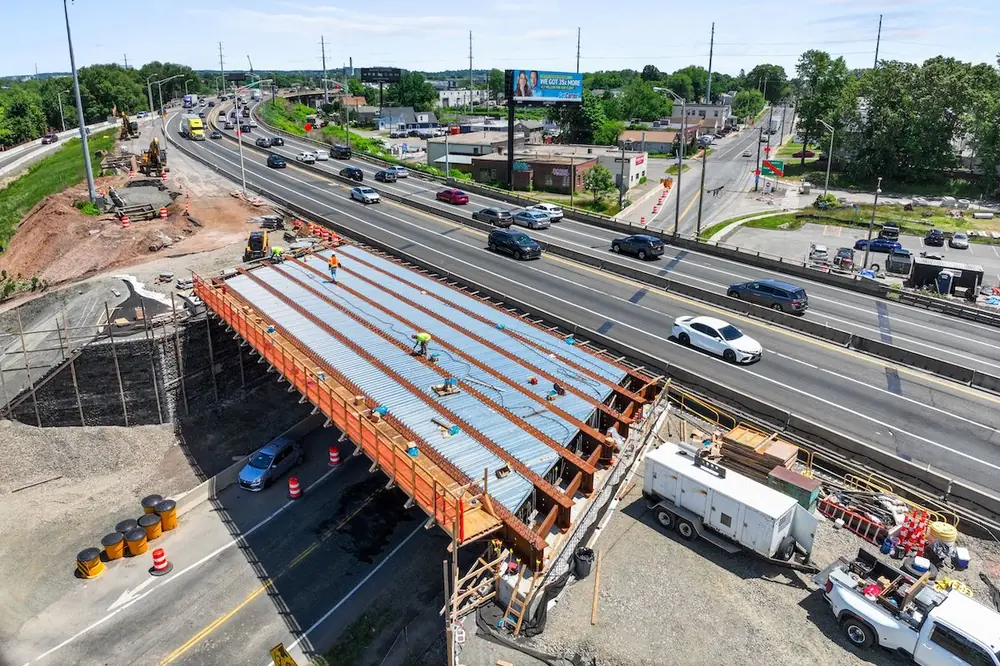
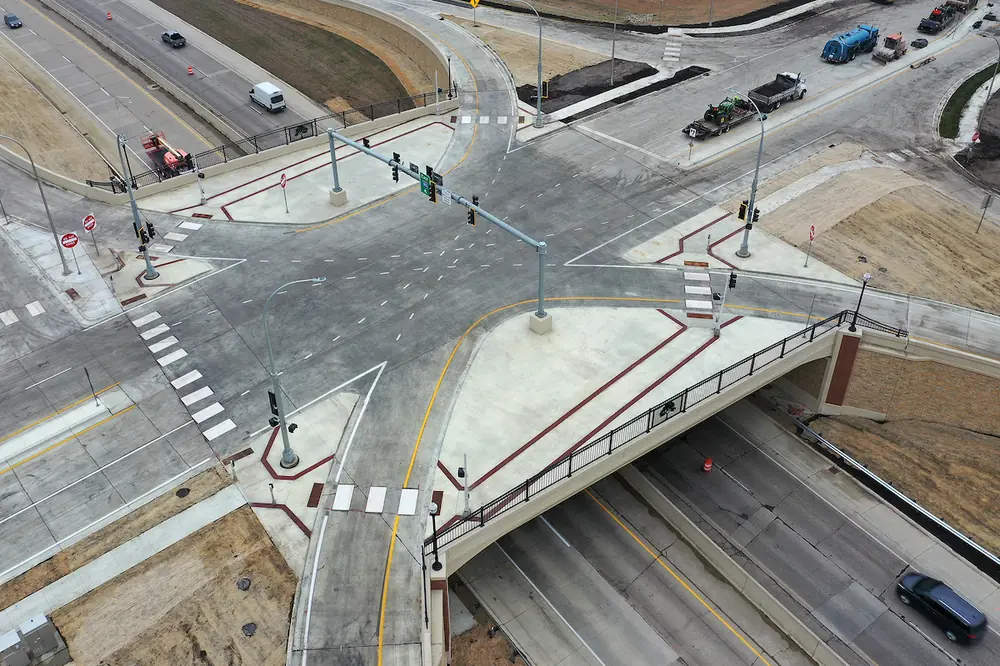
The new structure is part of a single-point urban interchange that brings traffic movements together at one central signal. The interstate span measures approximately 105 feet, while the bridge is roughly 160 feet wide. Surrounding work included six retaining walls and major infrastructure improvements in a tightly constrained footprint.
“The bridge was wider than it was long, and the amount of space available for construction was extremely limited,” Harber said. “There was very little room for deliveries, material storage, or the earthwork stockpiles needed for backfill and restoration.”
Careful sequencing became essential as crews balanced bridge construction, walls, approaches, utilities, and public access.
“Everyone involved rose to the occasion and met or exceeded expectations,” Harber said. “The final product functions very well and also improves the overall appearance of the corridor.”

| Your local Case Construction Equipment Inc dealer |
|---|
| ASCO Equipment |
The three-year program is now in its final construction season, with the Highway 218 north and south crossings representing the last major bridge replacements. MnDOT expects those structures to be completed between early and mid-fall, with the broader project scheduled to wrap up in 2026.
Motorists are already experiencing changes at completed sites.
“We are seeing safer, smoother travel and movement now,” Dougherty said. “The Highway 105/Oakland Avenue bridge has a wider pedestrian and bicycle crossing connecting to a trail, while the 4th Street Northwest crossing provides better routing for traffic entering or exiting I-90 and traveling toward downtown destinations.”
The rebuilt corridor reflects a broader change in how infrastructure serves a community, combining structural renewal with safer pedestrian routes, improved traffic patterns, and more distinctive designs.

| Your local ASV dealer |
|---|
| CLM Equipment Co |
“The bridges built as part of the original Federal-Aid Highway Act of 1956 were industrial and mostly forgettable pieces of infrastructure,” Harber said. “Travelers through the Austin I-90 corridor will now see upgraded traffic patterns, better sightlines, and a smoother experience, but they will also see new bridges with defining designs that make Austin a more memorable place to travel.”
What began as a need to replace aging structures has evolved into a corridor-wide modernization effort. By grouping the work into a coordinated three-year program, MnDOT and its construction partners are renewing essential infrastructure while limiting years of future disruption and leaving Austin with bridges designed for the next several generations of interstate travel.
- Owner: Minnesota Department of Transportation
- General Contractor: Ulland Brothers Inc., Carlton, Minnesota
- Bridge Contractor: Lunda Construction Company, Black River Falls, Wisconsin
- Subcontractors: Advanced Seeding & Erosion Control Inc., Castle Rock Contracting & Tree Service LLC, Doyle Conner Co., K O’Connor LLC, Min-Con Inc., Skyline Companies Inc. dba Skyline Aggregate, Central Minnesota Sawing LLC, Veit & Company Inc., VCI Environmental Inc., New Road Warrior of Hayfield MN Inc. dba Road Warrior, Surface Preparation Technologies LLC, True North Surveys P.A., Warning Lites of Minnesota Inc., PCiRoads LLC, J&L Steel Erectors LLC, InSite Contracting Inc., River City Electric Co., Hansen Hauling & Excavating Inc., Global Specialty Contractors Inc., Damel Corporation Inc., Mid-State Reclamation Inc., Traxler Construction Inc., Traffic Control Tech’s LLC dba TCT, American Fence Company of Minnesota LLC, Cemstone Products Company, Jensen Excavating & Trucking LLC, MJ Nelson Trucking Inc., Safety Signs LLC, Hunt Electric Corporation, A Johnson Trucking LLC, Freedom Flaggers LLC, M Eaton Trucking LLC, Rainbow Inc., Northland Crane Service Inc. Photos courtesy of MnDOT