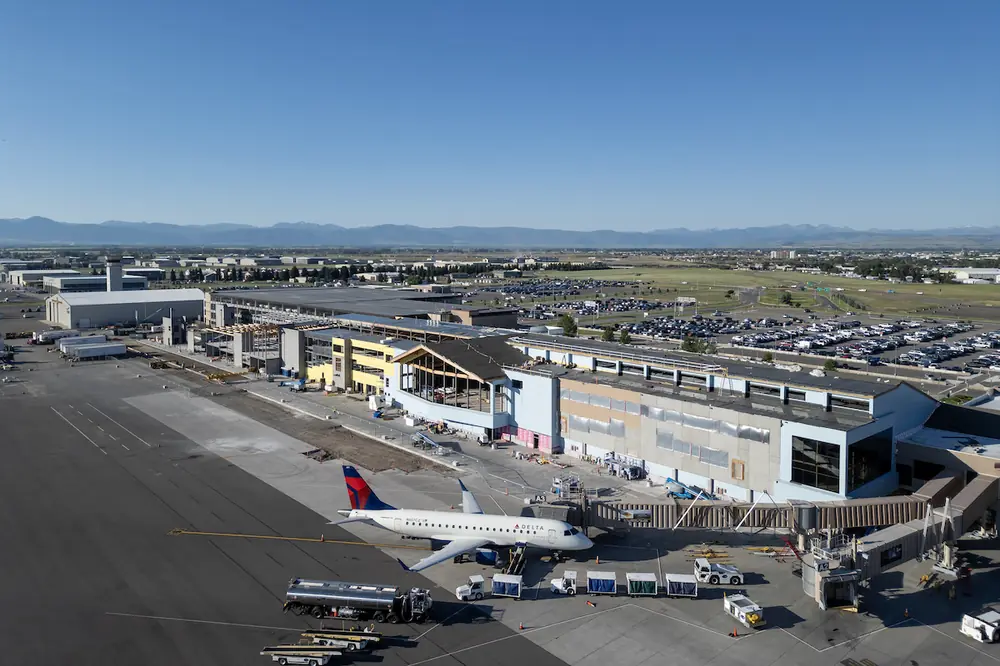

The Northwest Arkansas National Airport (XNA) in Benton County, which opened in 1998, has become a vital transportation hub for the rapidly growing northwest Arkansas region. Reflecting the region's economic expansion and increasing travel demands, XNA is now the busiest airport in the state, with over 2.5 million passengers and over 1.2 million enplanements annually.
The locations of the global headquarters of corporate giants Walmart Inc. (Bentonville) and J.B. Hunt Transport Services (Lowell) in Benton County, and Tyson Foods (Springdale) in neighboring Washington County, along with other expanding industries in northwest Arkansas, are primary drivers for the vibrant growth of the area and the airport. This growth has generated a population boom in the region, with a population of nearly 1 million people projected by the year 2050.
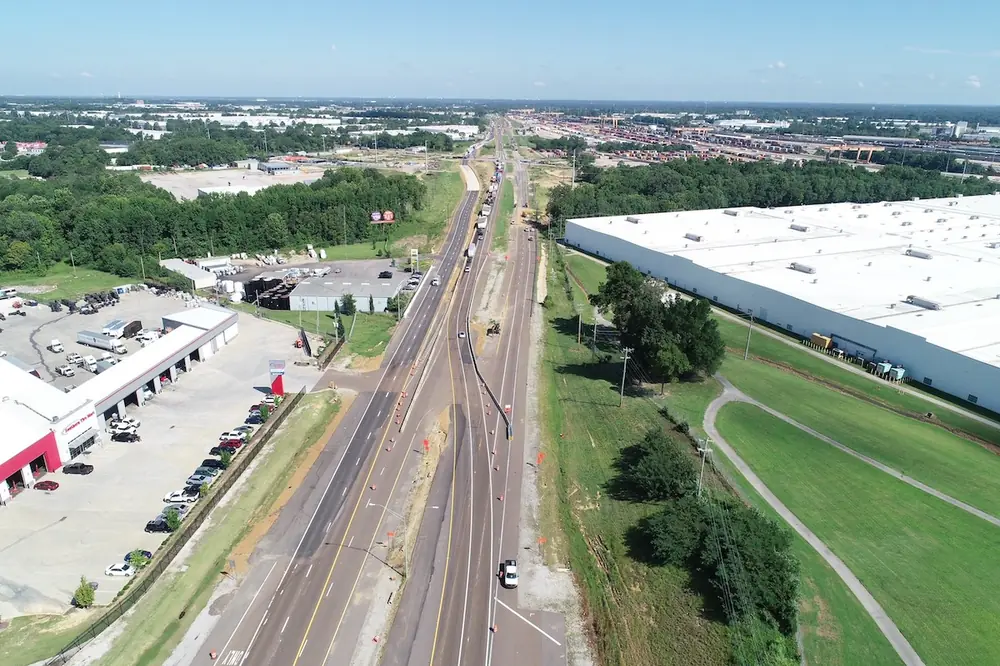
Traffic levels are surging as well, and Arkansas Department of Transportation (ARDOT) road projects are addressing the need for safer, more efficient traffic flow through Benton County. The ongoing Springdale Northern Bypass Project is building a four-lane, interstate-standard highway north of Springdale. Designated Arkansas Highway 612, the bypass is designed to relieve severe traffic congestion on U.S. Route 412 and improve regional freight and travel mobility, while improving access to XNA.
Running through the heart of Springdale, U.S. 412 is a major east-west divided highway, known locally as Sunset Avenue. It serves as a vital corridor connecting the city with Interstate 49 and regional travel routes.
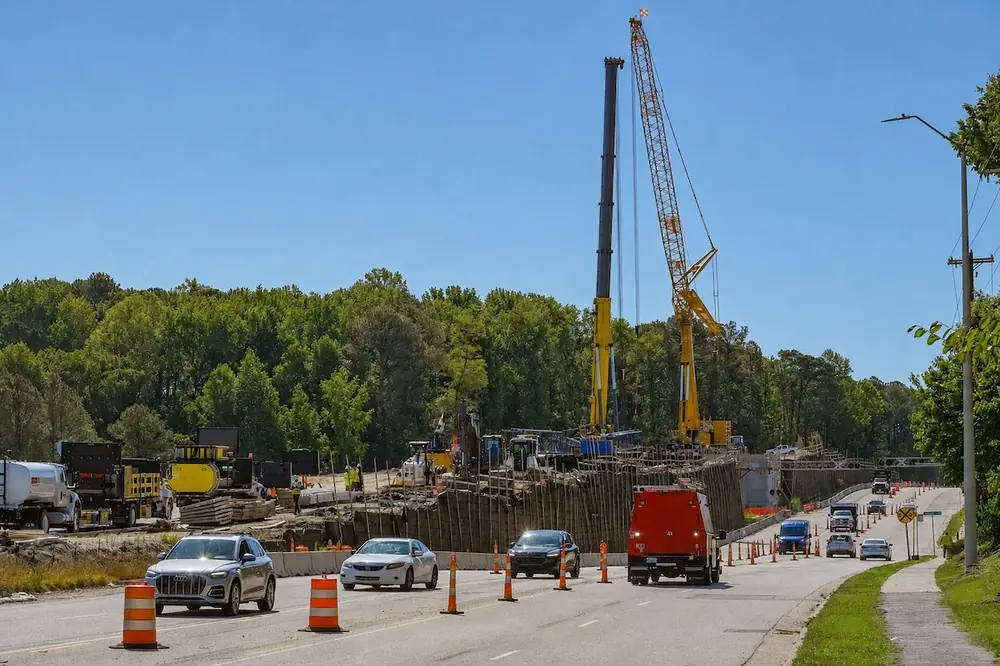
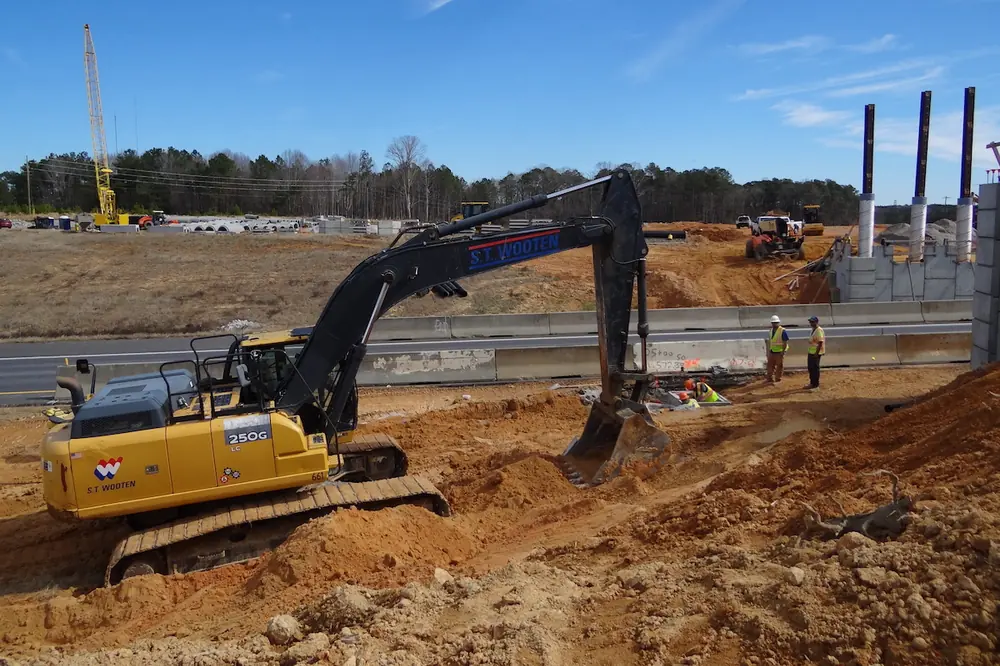
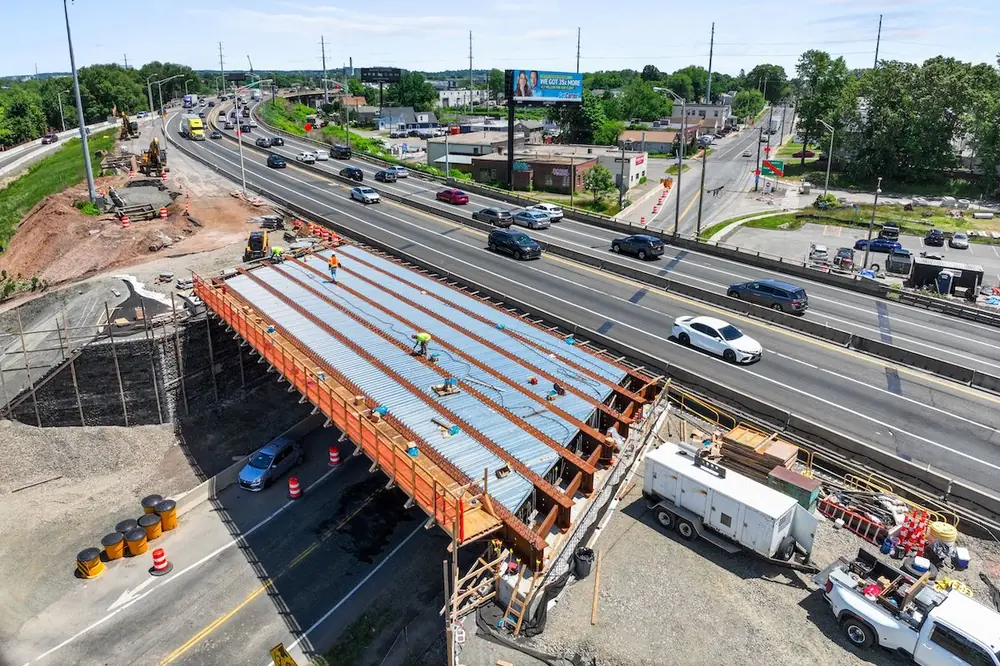
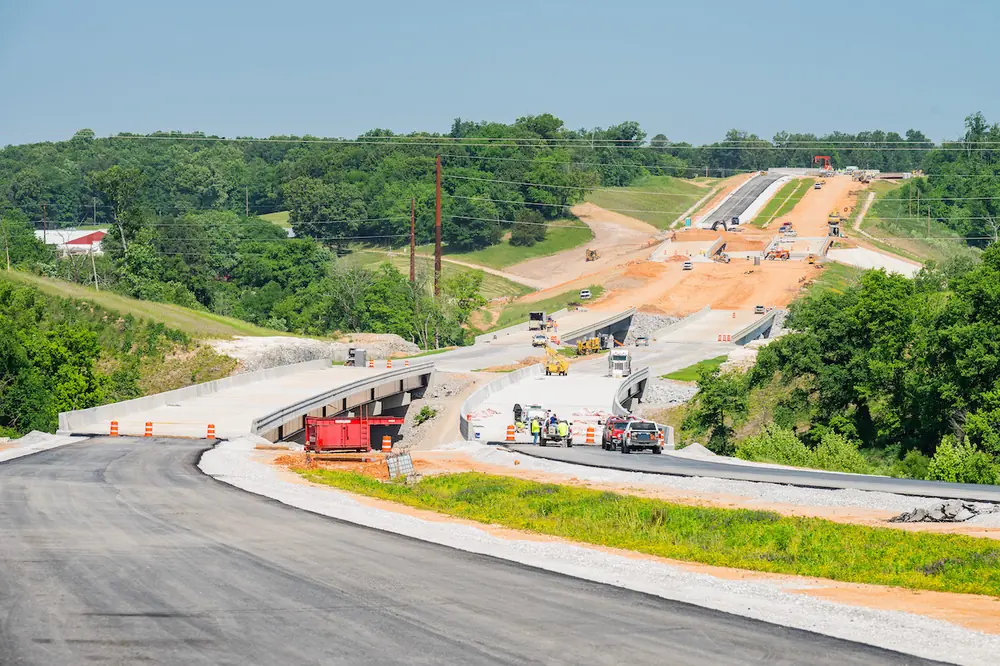
A major component of the larger bypass project, the $127.67 million XNA Connector Project is constructing a nearly 4-mile-long, four-lane highway connecting XNA to the bypass. This project is aimed at improving traffic flow, reducing congestion on nearby local roads, and improving safety by separating airport traffic from local traffic and providing a more direct route to Interstate 49 (I-49). The new connector will provide quicker access to the airport and a smoother connection for those coming from I-49 and surrounding communities, while assisting in the movement of freight and commuters and supporting local economic development, by making area transportation more efficient for businesses, locals, and visitors.

| Your local Topcon Positioning Systems Inc dealer |
|---|
| Linder Industrial Machinery |
“The XNA Connector Project is important because Northwest Arkansas National Airport has continued to grow alongside the region,” said Olivia Tyler, XNA Business Development and Public Affairs Manager. “Access to the airport needs to keep pace with that growth. As passenger activity has increased, reliable access to and from the airport has become even more important.
“The connector will provide a more direct, efficient, and safer connection between XNA and the regional highway system, improving the experience for passengers, employees, vendors, tenants, and commercial traffic. This project helps ensure the transportation infrastructure around XNA matches the needs of a growing region.”
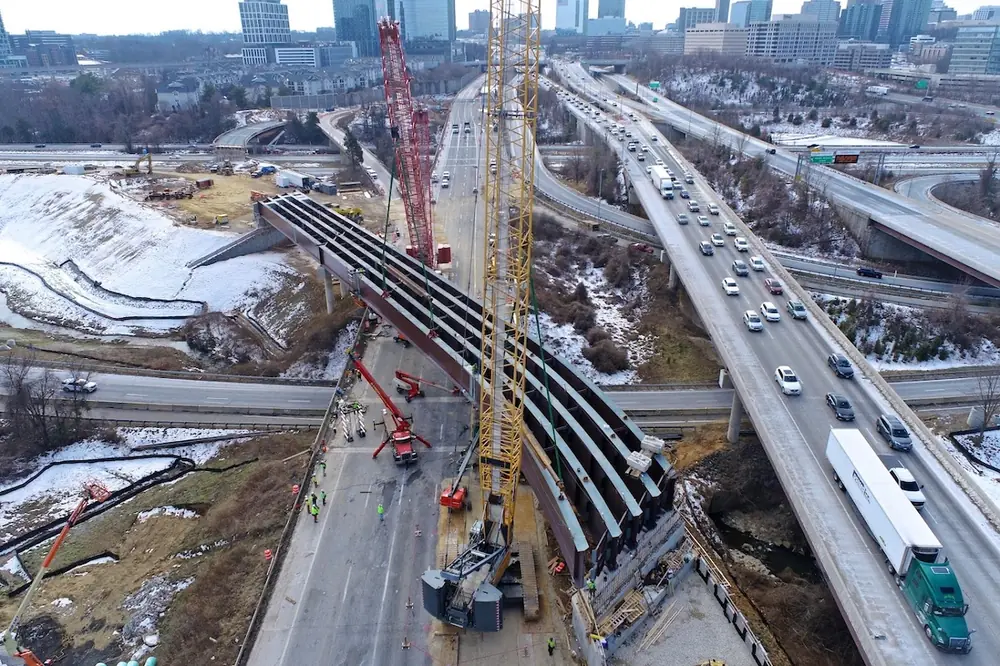
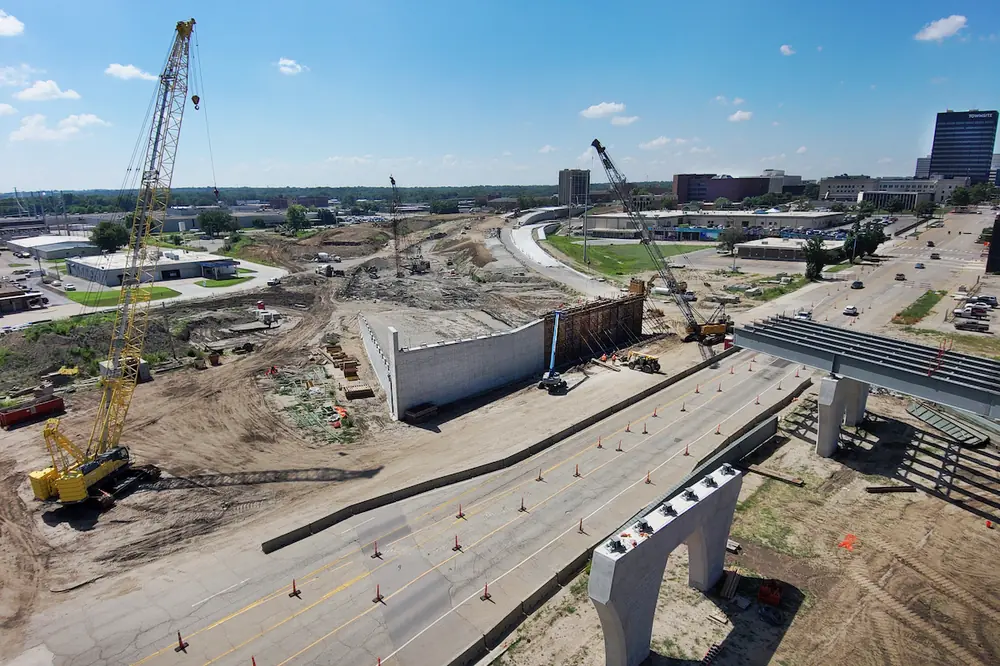
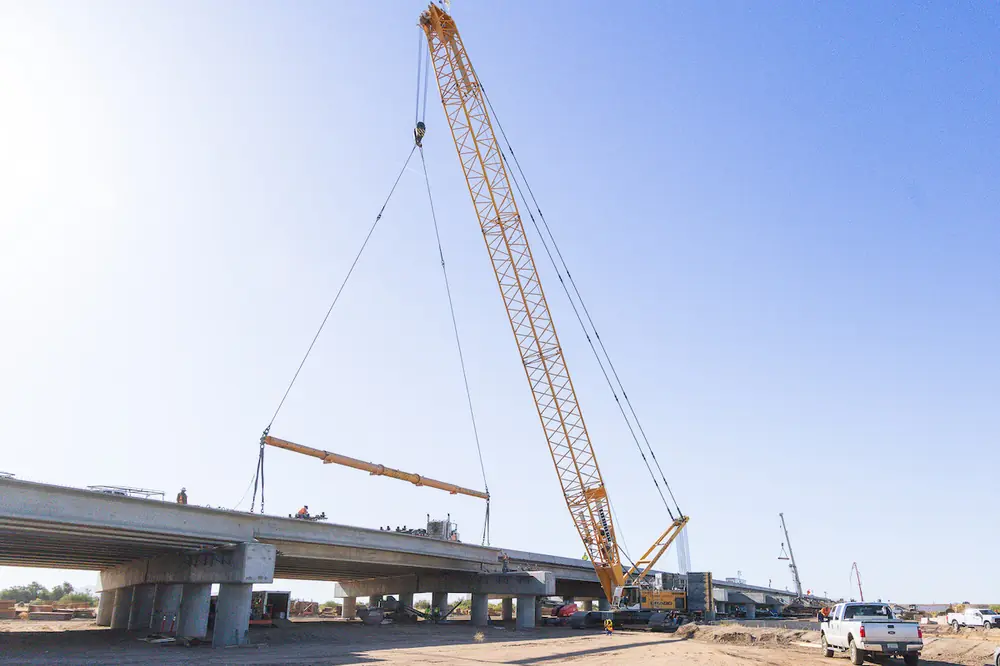
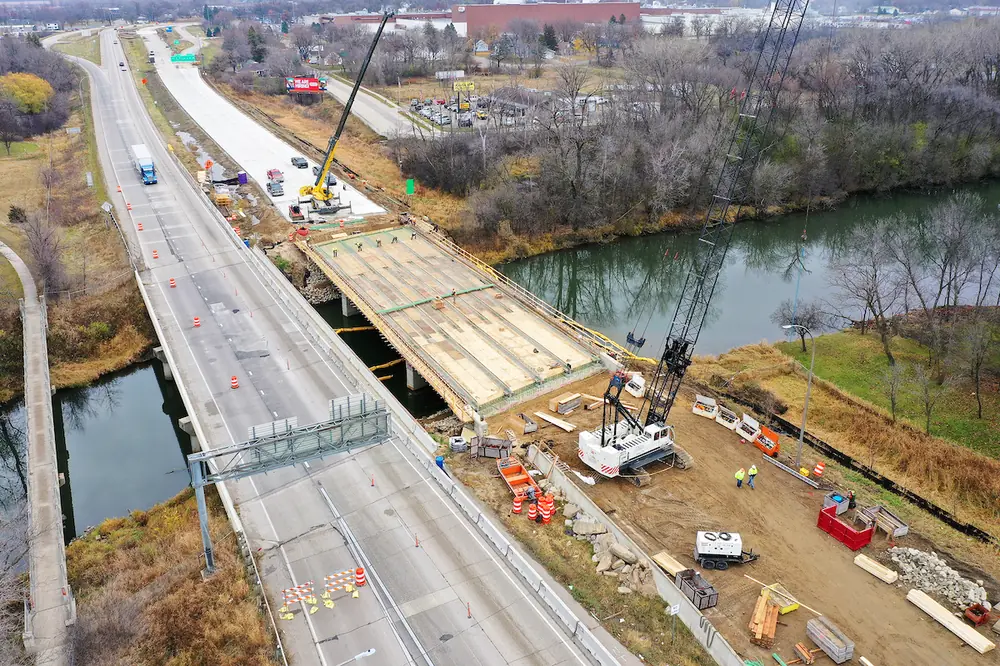
The XNA Connector Project, designed as a controlled access interstate, features 11 bridges and a major interchange at the northern endpoint that connects to Highway 264 and Airport Boulevard, just south of the airport. A second interchange at the southern endpoint connects to the Springdale Northern Bypass.
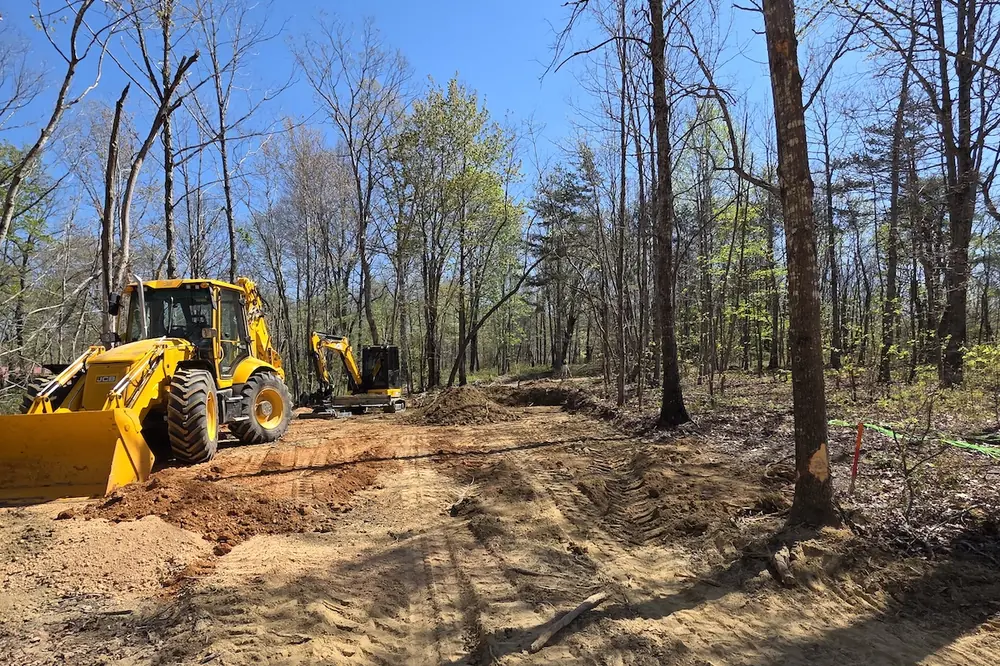
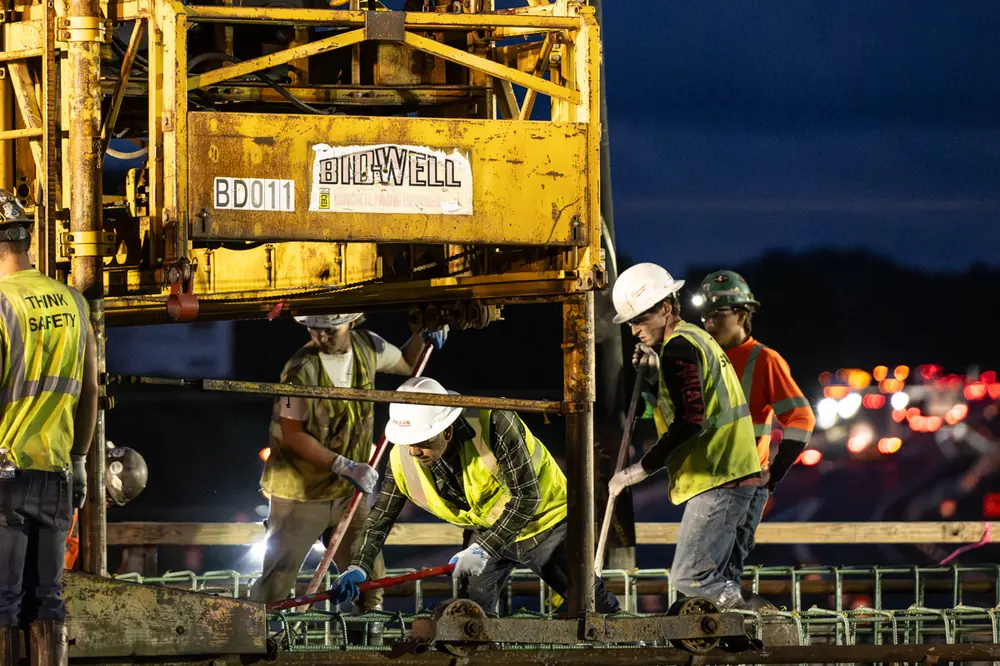
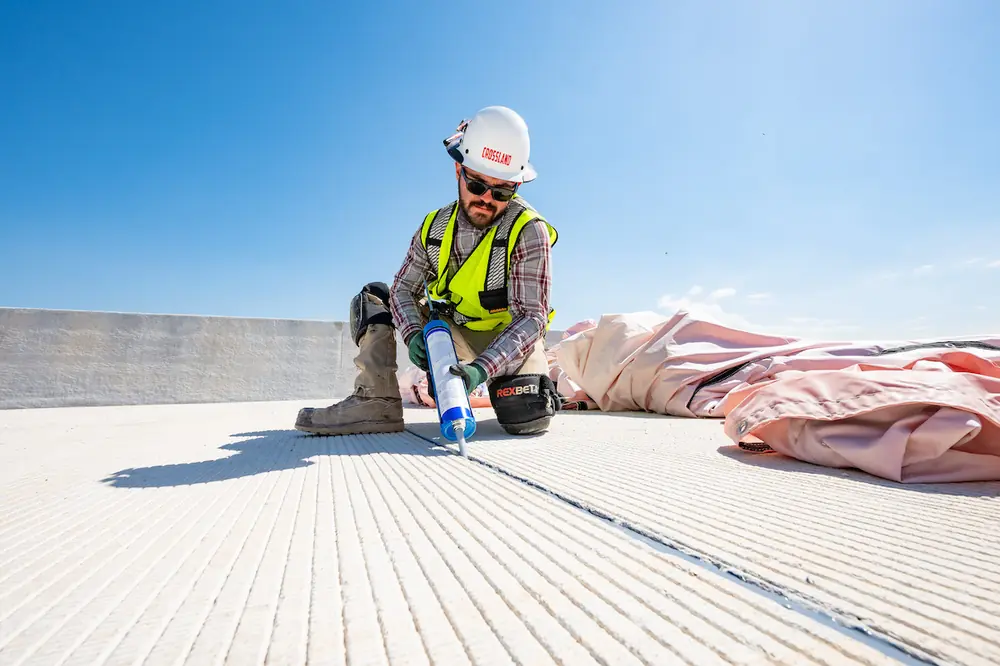
Construction on the connector began in April 2024, with anticipated completion in late 2026. The primary contractor is Columbus, Kansas-based Crossland Construction Company Inc. (Crossland).

| Your local Volvo Construction Equipment dealer |
|---|
| Richmond Machinery & Equipment |
Funding for the project comes from multiple sources, said Daniel Siskowski, Division Engineer with ARDOT’s Program Management Division.
“About $16 million in earmarked funding for project development, including right of way acquisition and utility relocation, came from the Transportation Equity Act for the 21st century, known as TEA-21, in the late 1990s,” he said. “Additionally, thanks to efforts by Senator John Boozman and Congressman Steve Womack, the XNA Connector Project received $7 million in Federal Community Project Funding [CPF] in 2023. All additional funding for the project will come from ARDOT’s traditional federal and state highway funds.”
- Utility relocations: Until permanent utility relocations could be completed, Crossland coordinated with utility companies and funded temporary relocations.
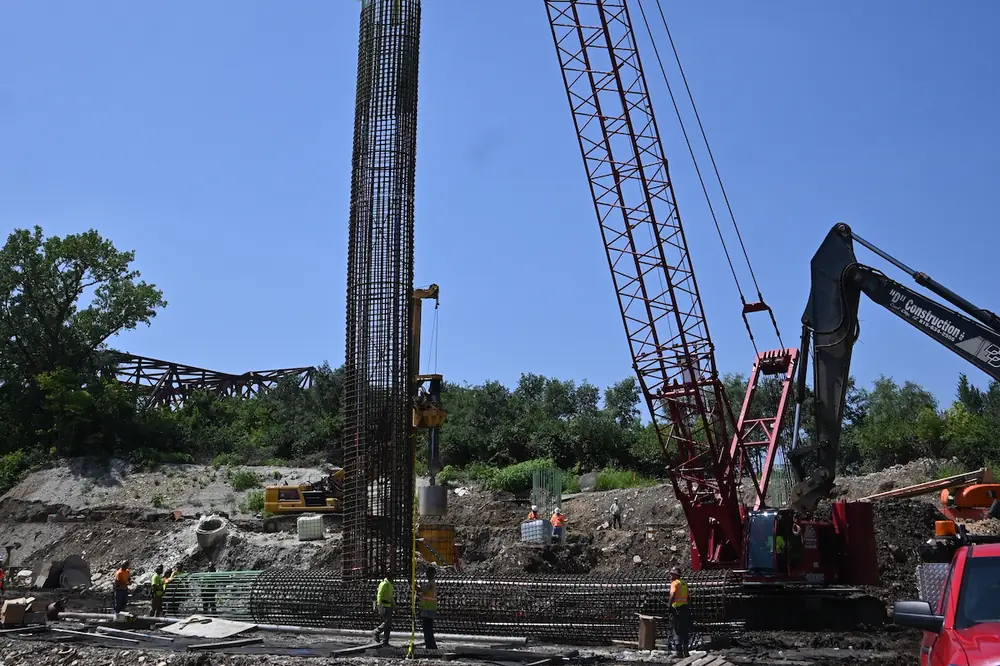
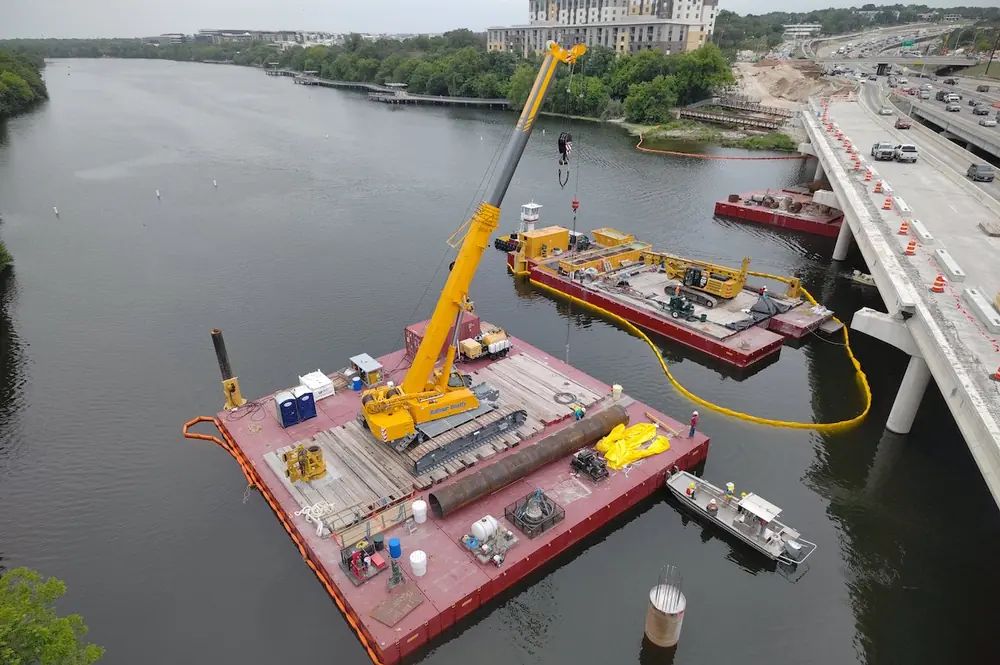
- Drilled shafts: To accelerate drilled shaft installation within creek areas, the project team brought in multiple contractors.
- Lead times on steel: The steel company shortened lead times and expedited shipments by working out of multiple facilities to fabricate the steel used for the project’s bridges.
According to Bushey, an innovative strategy used on the project is the utilization of drones and Propeller drone mapping software to assist with construction documentation, progress reports, and site planning.

| Your local Komatsu America Corp dealer |
|---|
| Linder Industrial Machinery |
“Drone data has provided a fast, safe, and cost-effective way to assist tracking progress and managing the job site,” he said. “Aerial imagery and videos provide real-time updates, improving usable data, and helps coordination and communications between the contractor and department staff.
“Drones have also reduced the need for manual site documentation in hazardous areas, such as steep and unstable slopes and areas open to traffic, which increases worker safety while saving time and labor costs. Measurements taken from aerial imagery can be quickly used to verify records are correct and estimate the cost or savings of potential changes or upcoming work on the project.”
The Springdale Northern Bypass Project began construction in 2015, and the first of its four planned phases opened in 2018. The total projected cost of the bypass is estimated to be nearly $1 billion, and when completed, it will be more than 21 miles long.
ARDOT Communications Director Dave Parker provided an update on the project's current phases.

| Your local Bomag Americas dealer |
|---|
| Linder Industrial Machinery |
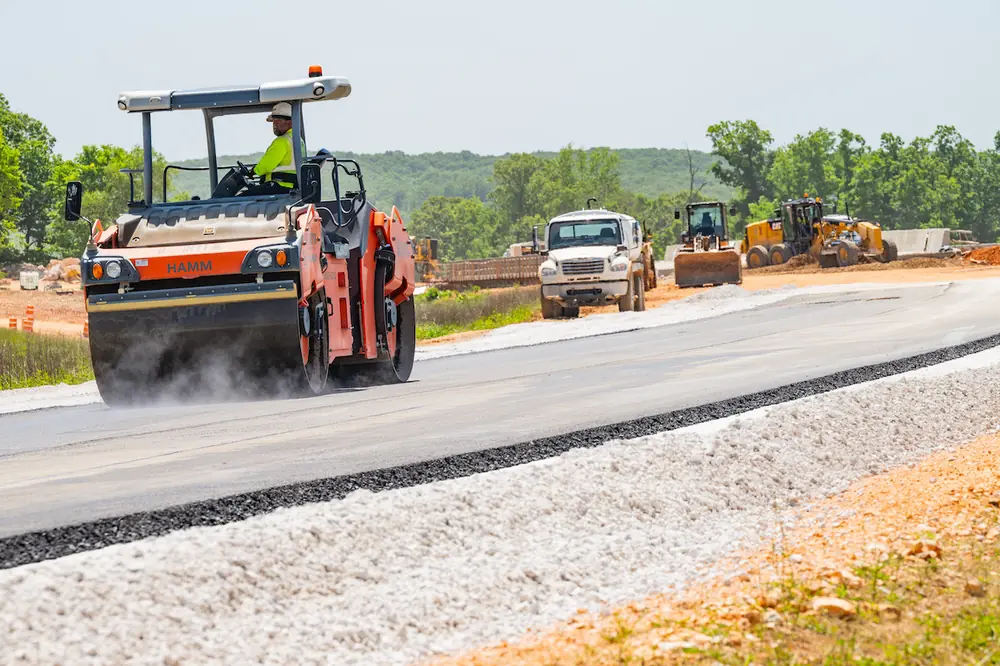
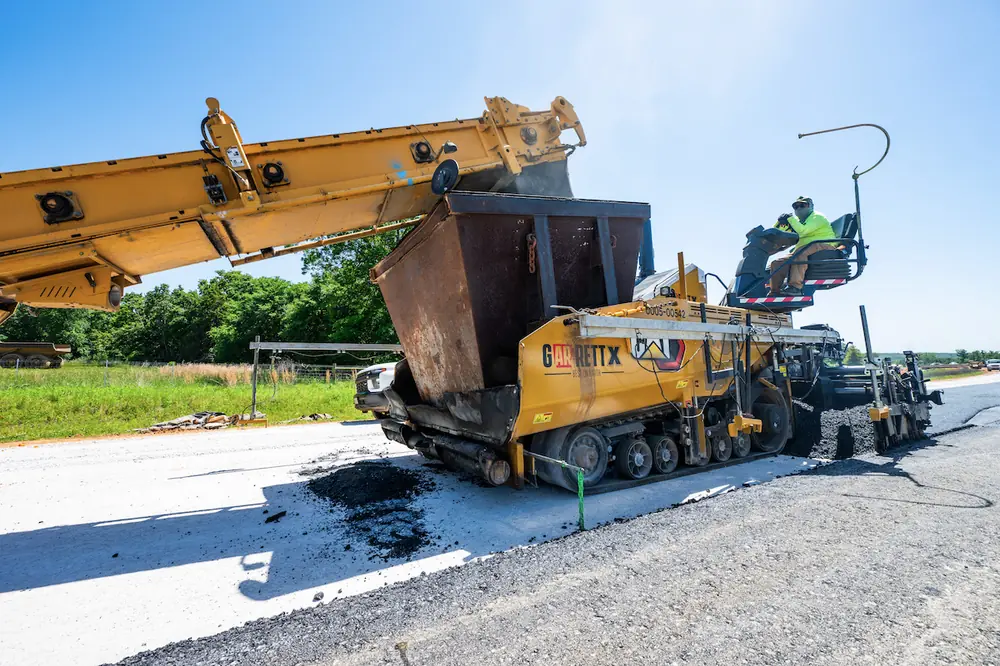
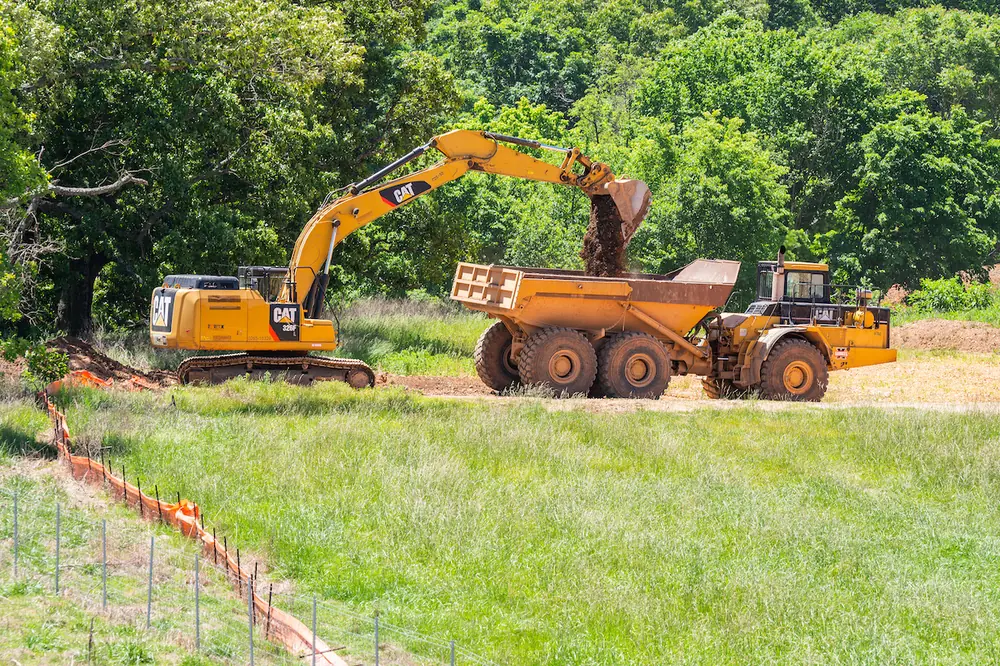
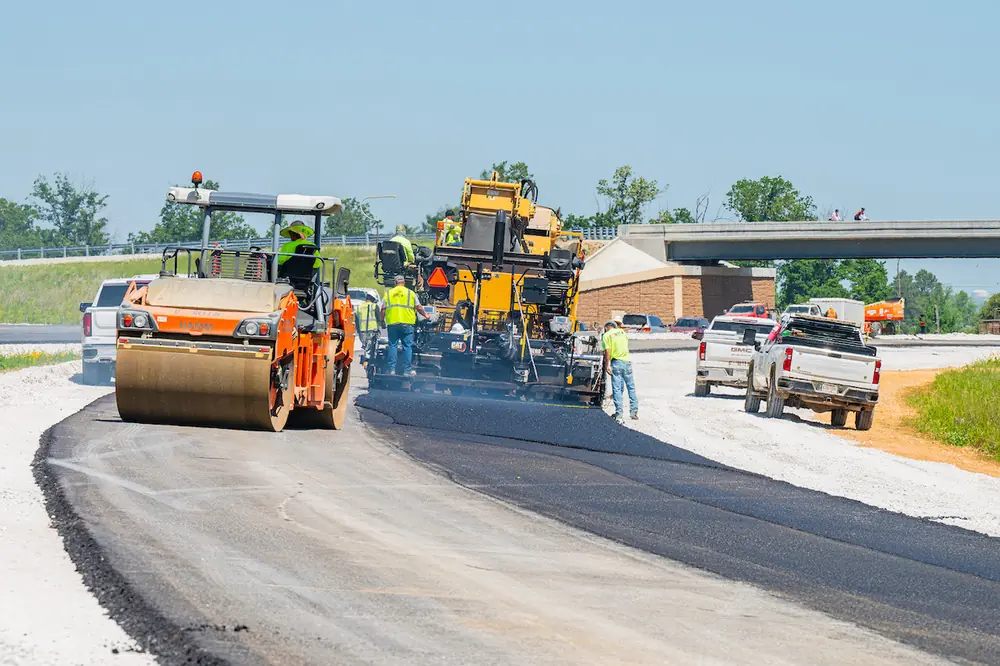
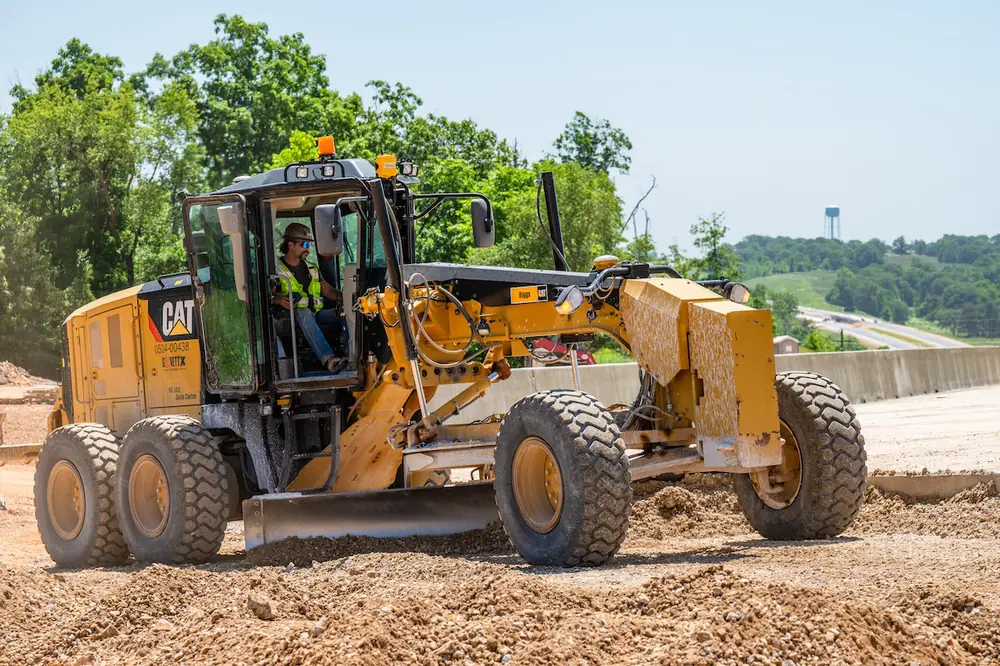
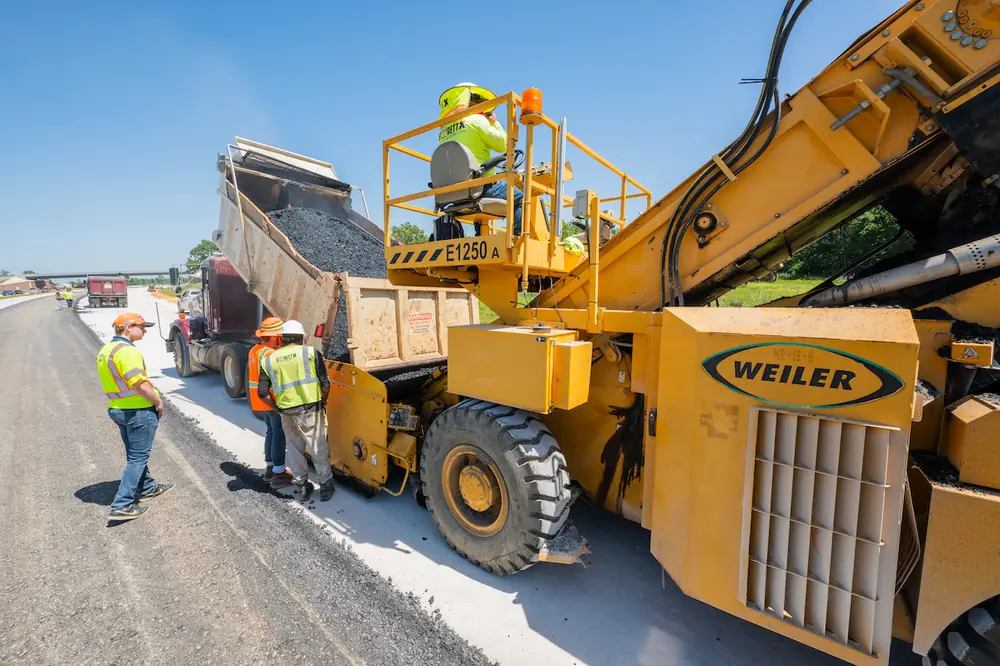
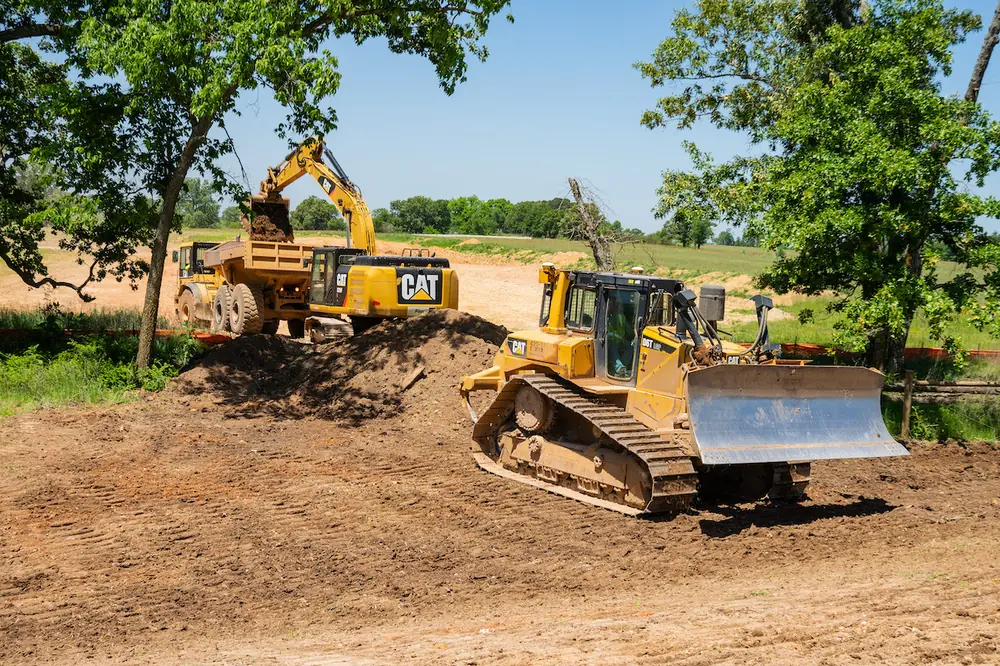
“Phase 1 is a 4.5-mile stretch, connecting I-49 near Lowell to Highway 112, which opened to traffic in April 2018,” he said. “Phase 2 is expected to be completed in late 2026. It’s a 7-mile segment connecting Highway 112 to Highway 412 in Tontitown. It includes the direct connection to the XNA Project. Crews are actively paving asphalt, grading soil, and building bridges along the corridor.”
Keli Wylie, ARDOT Assistant Chief Engineer for Program Delivery, gave an overview of the future phases of the bypass project.
“Phase 3 is scheduled to be let in November 2026 and is estimated to cost $200 to 250 million,” she said. “The bypass project has received $59 million in Community Project Funding, which was requested by Congressman Womack, in fiscal year 2026. We plan to use those funds on Phase 3. This phase will construct the portion of the bypass between Interstate 49 and Highway 265 in Springdale, including interchanges at Highways 71-B and 265.
“Phase 4 is still in project development and does not have a scheduled letting date. The current construction estimate for this phase is $250 to 300 million. This last phase will complete the eastern portion of the bypass between Highway 265 and Highway 412. Interchanges are planned on Highways 265 and 412, and overpasses will be constructed for Highway 264, Mountain Road, Luper Road, Scott Hollow Road, and Parsons Road.

| Your local Trimble Construction Division dealer |
|---|
| SITECH Mid-South |
“In July 2025, a $24.5 million Better Utilizing Investments to Leverage Development [BUILD] grant was awarded to the project to acquire the property needed to construct the final phase of the bypass. The Arkansas State Highway Commission authorized a Minute Order at their December 2024 meeting to allow the department to enter into partnerships with local entities interested in providing funding to expedite construction of the final phase.”
The XNA Connector Project is poised to ease traffic congestion in one of the state's fastest-growing regions, reducing travel time to an increasingly busy airport and providing a smoother connection for those coming to Benton County from I-49 and surrounding communities.
“XNA views the connector as a long-term investment in the future of northwest Arkansas,” Tyler said. “The airport has experienced significant growth, and this project helps ensure that ground access to XNA continues to support the needs of passengers and the region.
“More broadly, the project supports economic development by improving access to the region’s commercial service airport. XNA is a key piece of infrastructure for northwest Arkansas, and better connectivity helps support business travel, tourism, workforce mobility, and continued regional investment. We appreciate ARDOT’s leadership on the project.”
| Your local Topcon Positioning Systems Inc dealer |
|---|
| Linder Industrial Machinery |
ARDOT Director Jared Wiley added that one of the top priorities for the department is to address population growth in northwest Arkansas.
“Part of that plan includes providing the safest and most efficient way for travelers to reach the Northwest Arkansas National Airport,” he said. “And it will help with economic growth for those who rely on the airport for their business travel needs.
“Funding for the project would not have been possible without passage of the permanent half-cent sales tax by Arkansas voters in 2020. Efforts by U.S. Senator John Boozman and Congressman Steve Womack also helped provide much-needed funding for the project. We are always grateful for their continued support.”
- 1.5 million cubic yards of soil and rock, enough to fill the University of Arkansas’ on-campus basketball arena twice
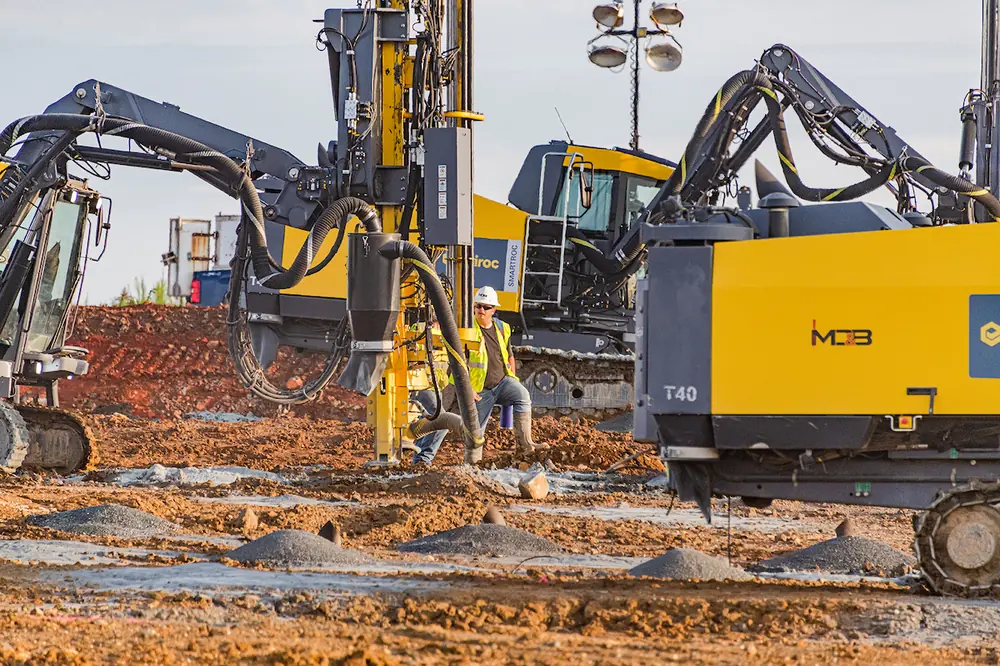
- 26,000 square yards of limestone bluffs, blasted for pre-split cuts through the mountainous terrain
- 17,000 cubic yards of bridge concrete, enough to fill over five Olympic-sized swimming pools
- 17,000 square yards of concrete ditch paving, lining ditches, and flow lines for drainage
- 252 million pounds of aggregate road base
- 117 million pounds of asphalt paving
- 1.3 miles of concrete pipe culverts
- 3.3 million pounds of reinforcing steel
- 7.6 million pounds of structural steel
- 700 feet of drilled shaft foundations, as large as 9 feet in diameter
- Owner: Arkansas Department of Transportation
- General Contractor: Crossland Construction Company Inc., Columbus, Kansas
- Subcontractors: 3XP Services Inc., All Service Electric Inc., Central Bridge Company LLC, Creative Design Concepts Inc., EMS Construction Inc., EnviroTrac Safety & Erosion Inc., Explosive Contractors Inc., G & L Rebar LLC, Gary A. Crain Inc., Gerdan Slipforming Inc., Grant Garrett Excavating Inc., H & H Bridge Co., JLW Management LLC, JWT Enterprise LLC, Long’s Drilling Service Inc., Meuniot Steel Inc., Marshall Construction, Midwest Foundations Co., Olympus Painting Contractors Inc., Prime Contracting Inc., Time Striping Inc., TLS Group Photos courtesy of Arkansas Department of Transportation