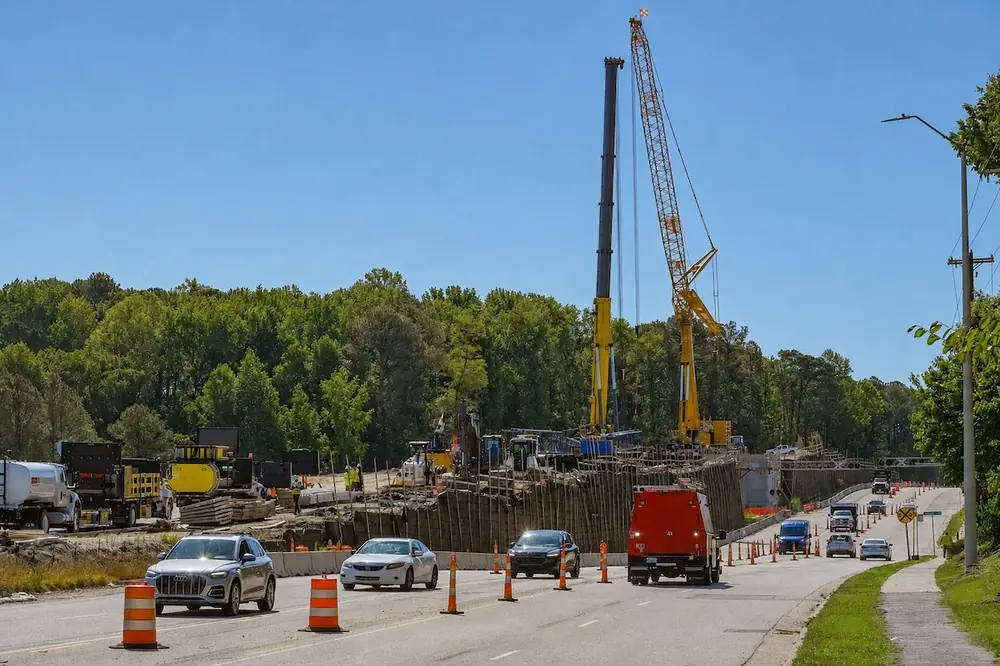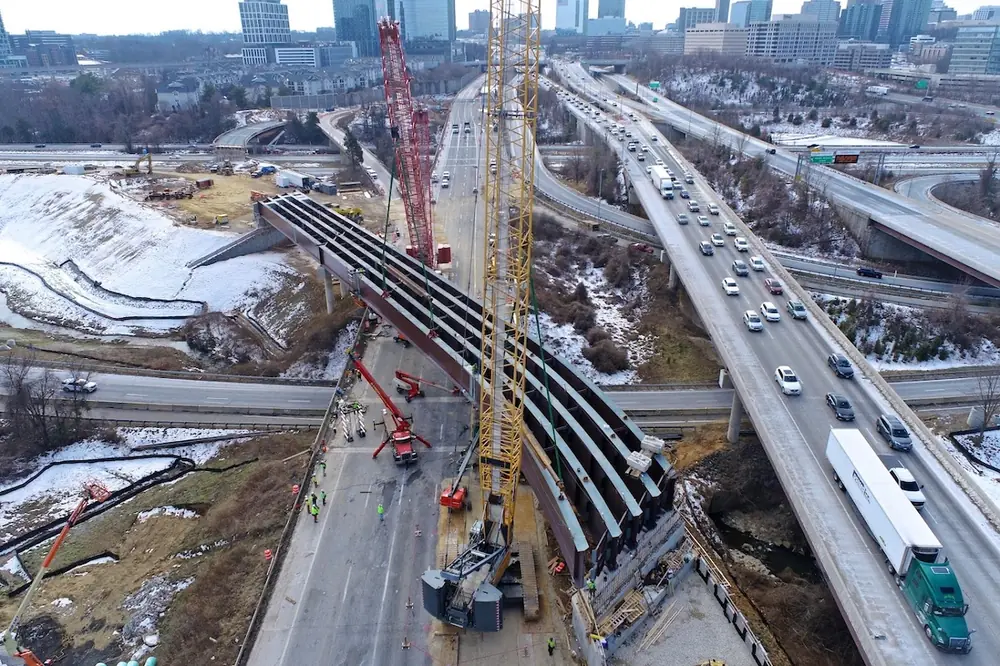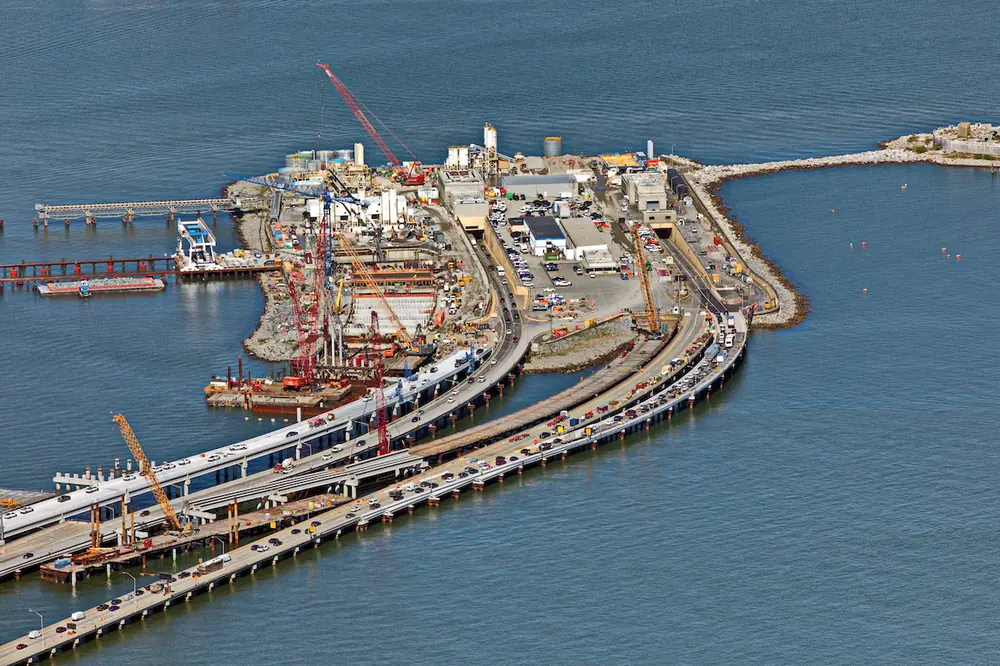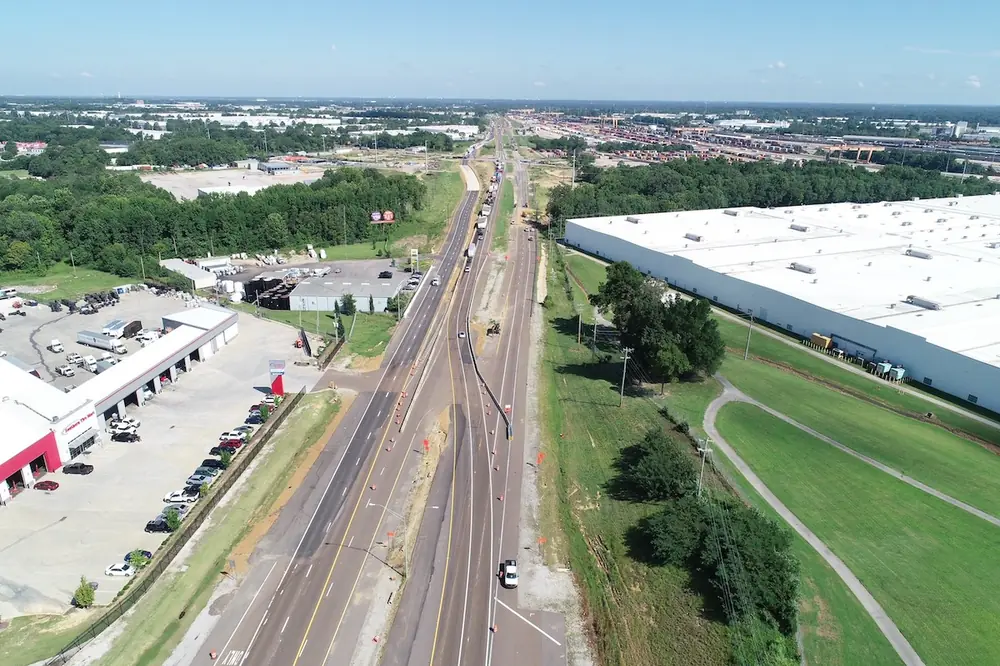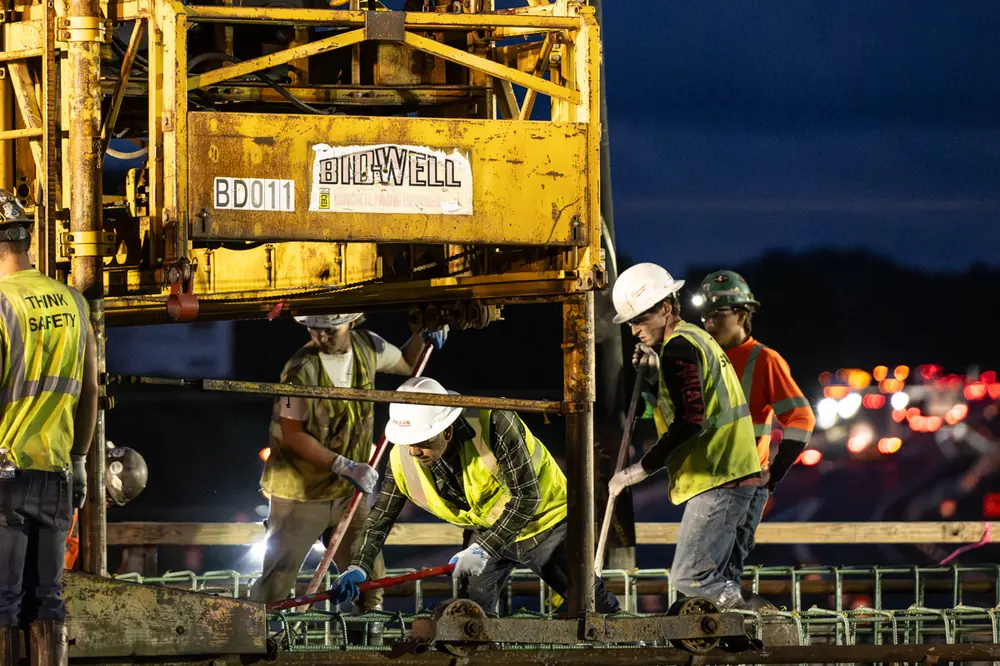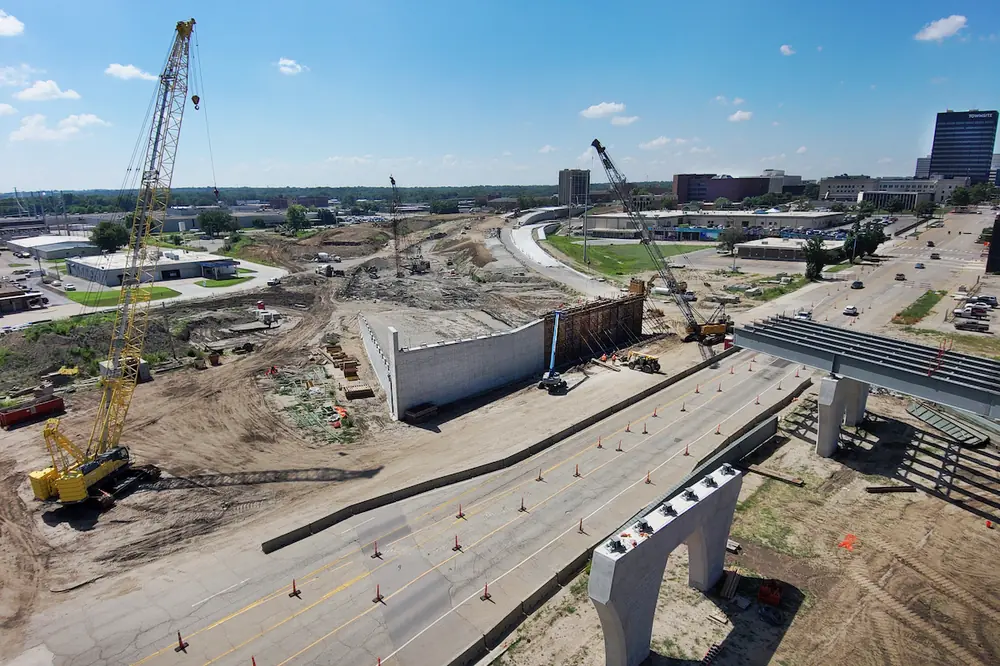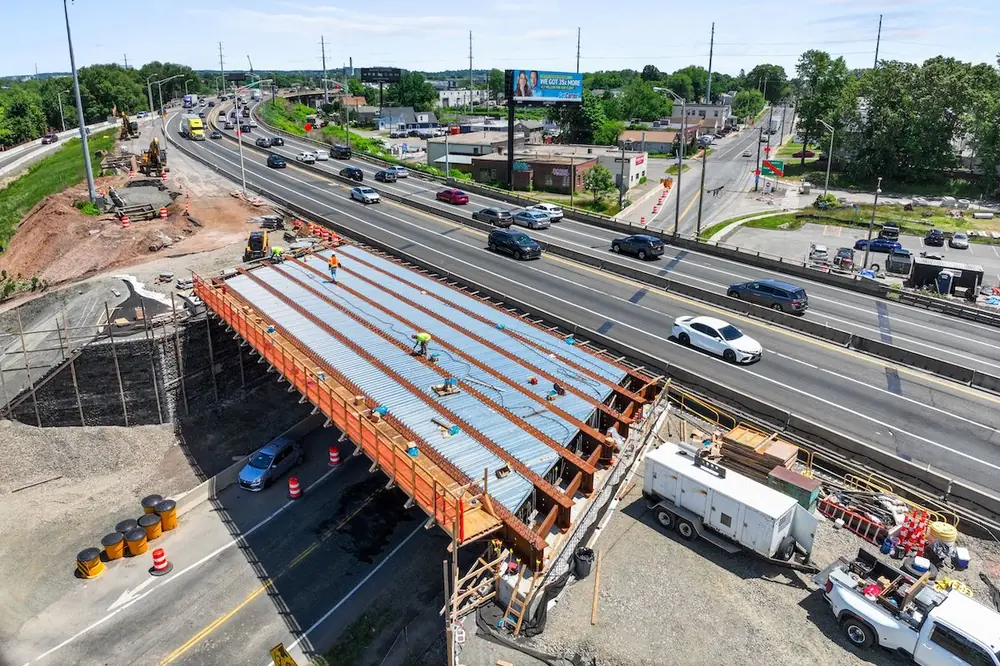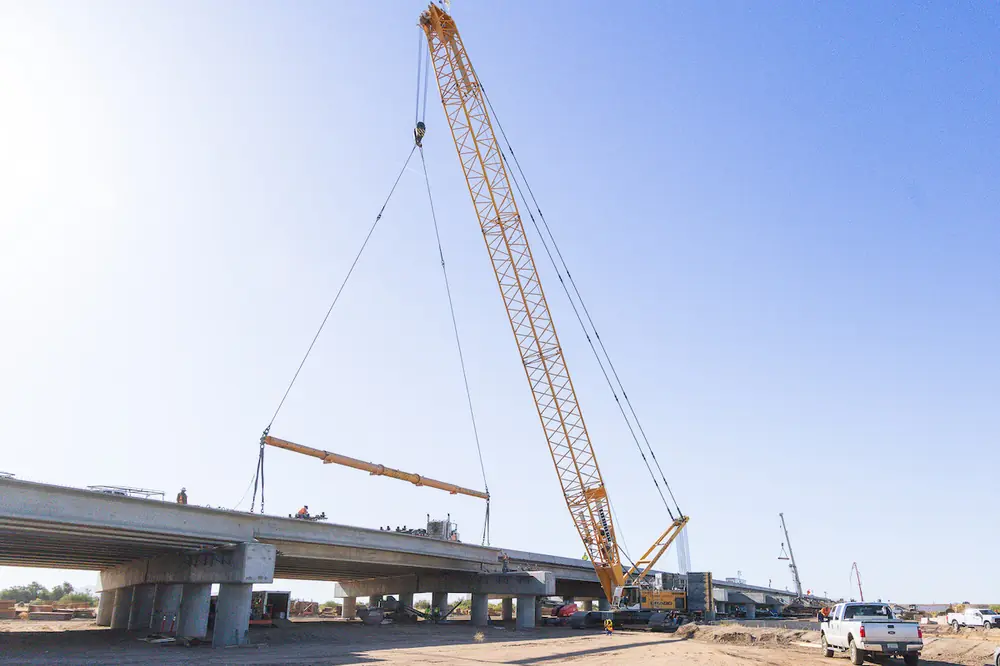

The western U.S. is experiencing a surge in infrastructure investment. However, this boom brings a significant challenge: managing safety in high-speed, high-volume work zones. Work zone safety isn't just a regulatory checkbox — it’s a critical operational challenge that impacts the lives of crews and the company's bottom line.
Recent data from TRIP, a national transportation research nonprofit, highlights sobering numbers. Work zone fatalities in the California Builder & Engineer region totaled:
- California: 499 people (2020 to 2024)
- Hawaii: eight people (2019 to 2024)
- Nevada: 54 people (2020 to 2024)
According to TRIP’s analysis, in addition to the human toll, the economic cost imposed by traffic crashes in 2024 alone was:
- California: $37.7 billion
- Hawaii: $672 million
- Nevada: $4.5 billion

| Your local Volvo Construction Equipment dealer |
|---|
| Richmond Machinery & Equipment |
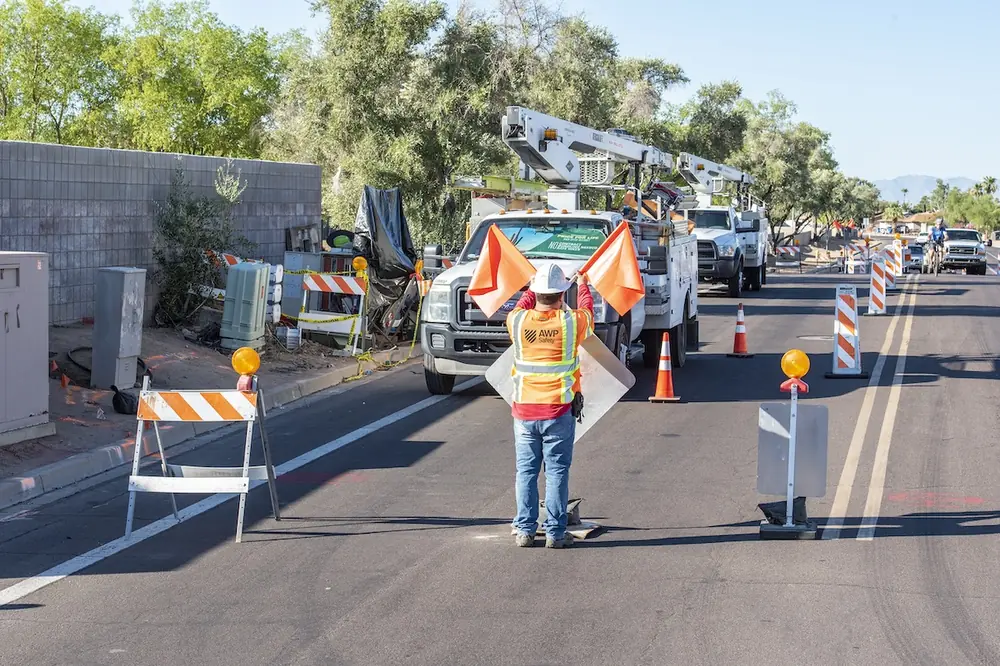
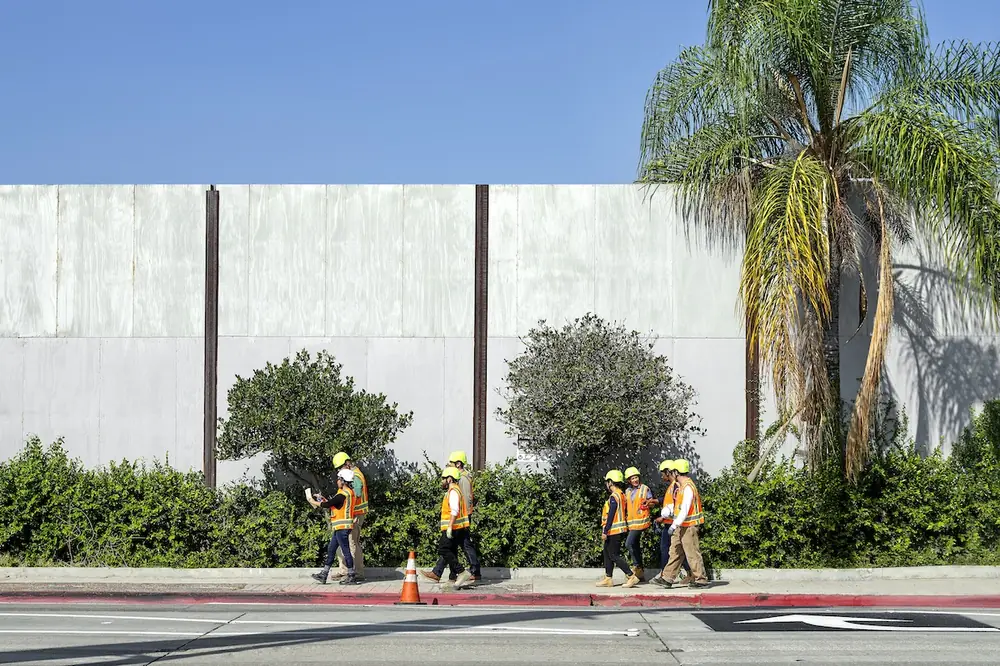
Work zones are among the most dangerous environments for both motorists and highway workers.
State legislatures are responding to these rising numbers with stricter enforcement and new technology. For instance, California’s Assembly Bill 289 created a state highway work zone program that allows the California Department of Transportation to use automated speed enforcement cameras.
While contractors can’t control driver behavior on their own, they can control how predictable, protected, and disciplined their work zones are — or pay the cost. According to Associated Builders and Contractors Southern California, OSHA inspectors routinely request traffic control plans, flagger certifications, and personal protective equipment documentation during site visits. Inappropriate measures expose contractors to citations and penalties.
For construction firms, a safety incident is a multi-layered disaster. Beyond the tragic human cost, a single work zone intrusion can result in project delays, insurance premium hikes, and a damaged reputation among potential employees and clients.

| Your local Topcon Positioning Systems Inc dealer |
|---|
| Linder Industrial Machinery |
How can you mitigate these risks?
“Improving safety in construction work zones demands a comprehensive approach, one that combines physical separation like concrete and movable barriers, automated speed enforcement, traditional traffic controls such as flagging and signage, and real-time digital alerts that keep drivers informed and workers protected,” said Rocky Moretti, TRIP’s Director of Policy and Research. “It is important that work zone strategies are fully implemented by adequate planning and design, which leads to less casualties and accidents.”
Each spring, National Work Zone Awareness Week — a campaign founded by the American Traffic Safety Services Association, the American Association of State Highway and Transportation Officials, and the Federal Highway Administration — brings attention to work zone safety. But protecting workers and your business requires constant effort. By combining enforcement tools with rigorous internal safety protocols, contractors can ensure that the men and women building the region’s future return home safely after every shift.