
For contractors, uptime still begins with the basics: dependable equipment, disciplined inspections, and preventive maintenance performed on schedule. But as fleets become more complex and project schedules tighten, maintenance can no longer rely on clipboards, memory, or scattered service records alone. Increasingly, contractors need connected equipment and digital tools that turn maintenance from a reactive task into a proactive strategy.
That shift is especially important in lifting applications. While telematics has long been common in segments such as earthmoving and power generation, its adoption in lifting equipment has been more gradual. Now that is changing. Contractors are beginning to expect the same visibility they gain from other critical equipment: where the assets are, how they are being used, when service is due, and what risks may be developing before they become failures.
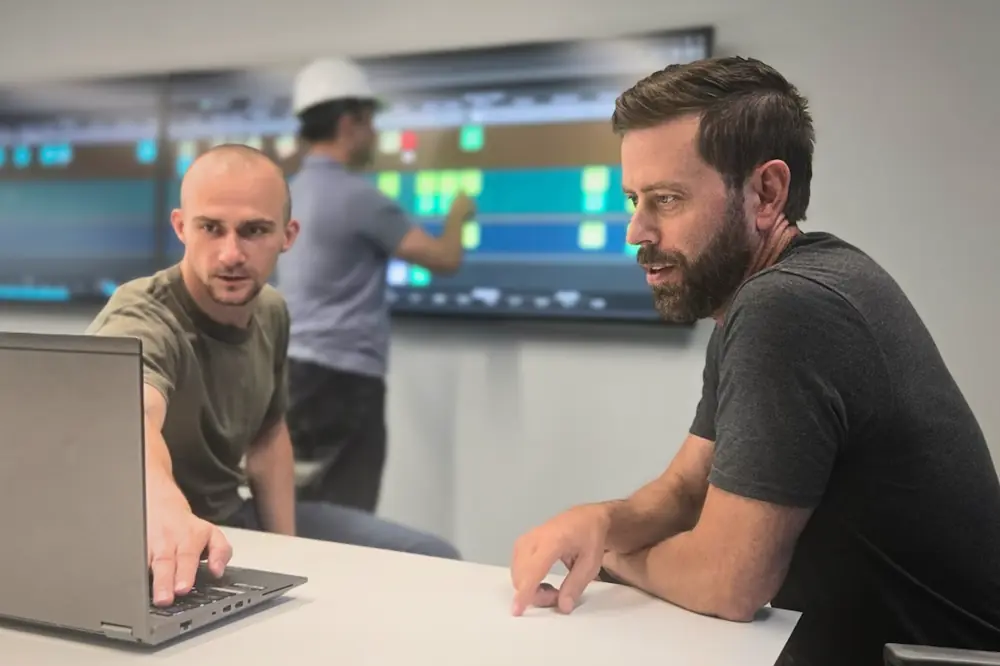
Telematics, at its simplest, is the collection of data from physical assets in the field. The value comes from making that information usable. When machine data is connected to a dashboard, a mobile app, or a service interface, fleet managers and service teams gain a clearer picture of equipment health, utilization, and operator behavior.
Many equipment providers now offer connected platforms designed to reduce unplanned downtime and improve decision-making through real-time machine data, service scheduling, and usage insights. These tools often include operator-facing mobile access, fleet-management dashboards, and service portals that help authorized personnel review selected equipment information. Together, those capabilities reflect a larger change in the lifting market: service increasingly starts long before a breakdown occurs.
In many cases, these digital offerings now include live operating data; historical performance insights; geofencing; and standardized integration through ISO 15143-3, also known as AEMP 2.0. That matters because contractors do not need more disconnected data sources. They need tools that help them see trends, coordinate service, and manage uptime across jobs and fleets.

| Your local Komatsu America Corp dealer |
|---|
| Continental Equipment Corp (CEC) |
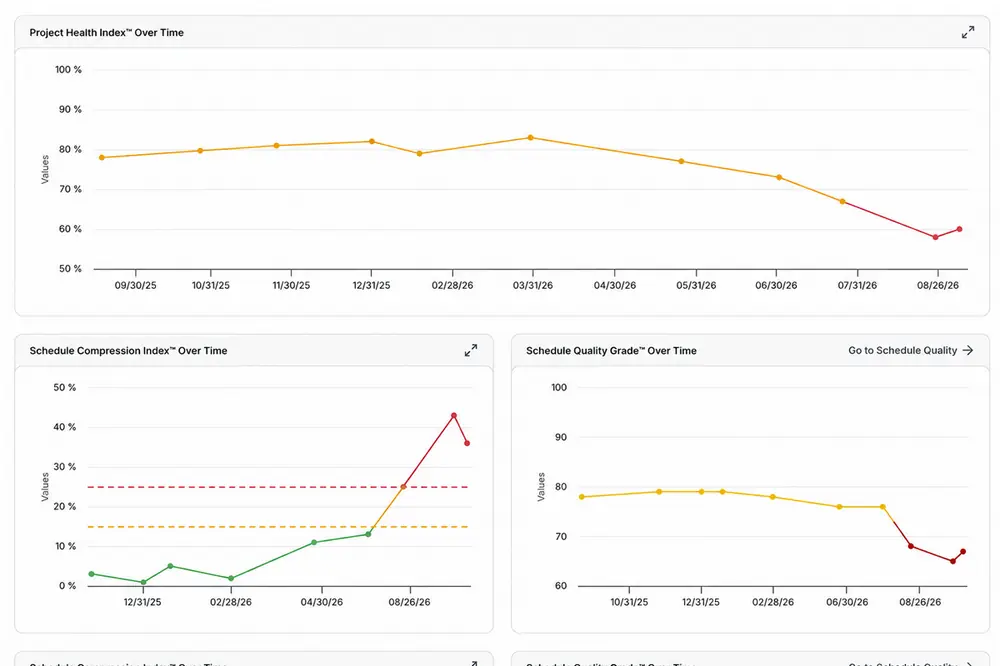
The real opportunity in telematics is not collecting more numbers — it helps contractors make faster, better decisions. A dashboard that helps a fleet manager see which machines are due for service in the next 10 days, which units are generating repeated warnings, or which branches have assets sitting idle too long can directly improve uptime and efficiency.
The strongest digital tools highlight actionable information — upcoming service needs, location visibility, documentation access, job planning, and operating-hour-based scheduling — while also giving operators mobile access to maintenance lists, status codes, equipment information, and planning tools. In each case, the value is practical: helping the right person act at the right time.
In practice, this can change behavior quickly. A utilization dashboard may reveal that a truck is running far more often than the crane or lifting equipment is actually being used. That visibility makes the problem obvious: excessive idle time burns fuel and reinforces poor operating habits. When managers see those patterns clearly, they can respond quickly with coaching and policy changes. That kind of insight is what turns connected equipment from a cost center into a performance asset.
As telematics adoption expands in lifting equipment, contractors should expect more than a basic location ping. The most valuable systems support three core needs:
- Fleet and equipment health monitoring
- Utilization tracking
- Operations and safety oversight

| Your local Deere & Co dealer |
|---|
| AIS Construction Equipment |
On the maintenance side, that includes operating hours, service intervals, status codes, and a digital record of inspections and completed work. Digital tools can make preventive maintenance more consistent by surfacing due dates, consolidating upcoming service across multiple units, and giving both operators and managers access to the same core information.
On the utilization side, contractors need to understand whether equipment is active, idling, underused, or misallocated across branches and job sites. On the operations and safety side, connected systems can help surface recurring issues such as warning conditions, seat belt violations, or patterns of use that increase wear.
The point is not surveillance for its own sake. It is giving contractors enough visibility to reduce waste, reinforce best practices, and intervene before small issues become expensive ones.
Connected equipment is only as effective as the people using it. That is why digital strategy increasingly overlaps with training strategy. Data can reveal where operators need coaching, which behaviors are driving waste, and which recurring issues may be rooted in process rather than product.

| Your local Trimble Construction Division dealer |
|---|
| SITECH Michigan |
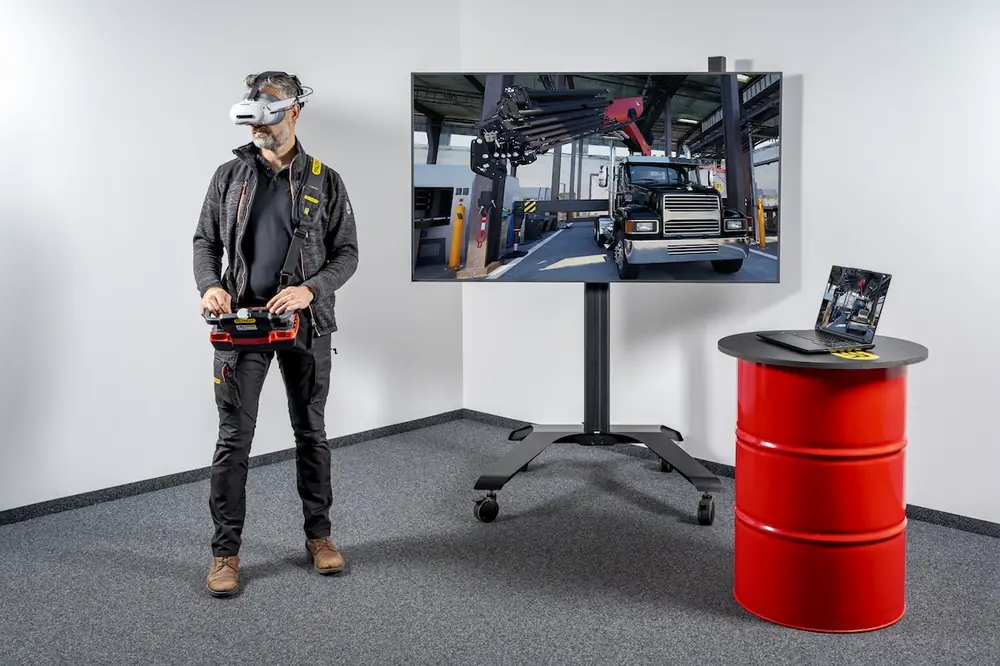
Training tools are also becoming more sophisticated. Digital simulators and virtual training environments let operators practice with realistic control logic, machine behavior, and structured exercises in a risk-free setting. These tools help crews prepare for tight spaces, complex surroundings, and limited visibility before working on a live site. That approach offers a major practical advantage: companies can build readiness without taking equipment out of operation for training.
The benefit is not just safety. Better training can reduce unnecessary wear, improve confidence, and help standardize performance across crews. Combined with connected insights, it also creates a feedback loop: data identifies behavior patterns, and training helps correct them.
Telematics adoption is not just about building an app. Many contractors operate large mixed fleets. For that reason, interoperability is becoming just as important as telematics data itself.
This is where standardized interfaces matter. Support for standards such as ISO 15143-3/AEMP 2.0 allows equipment data to flow into broader fleet-management platforms. That matters for contractors who already rely on third-party systems to track all assets in one place. In those environments, a strong digital offering is not only about a manufacturer’s own portal; it is also about ensuring data can be used where customers already manage the rest of their fleet.
| Your local Komatsu America Corp dealer |
|---|
| Continental Equipment Corp (CEC) |
That point becomes even more important after acquisitions or branch expansion, when fleet complexity rises and maintenance costs become harder to diagnose. Contractors want to connect utilization, service history, and safety data to actual cost by unit, branch, or division.
Without that visibility, total cost of ownership is difficult to control. With it, managers can start identifying root causes instead of simply reacting to rising expenses.
Preventive maintenance will always be the foundation of uptime. But in today’s heavy equipment environment, the strongest maintenance programs are no longer just manual. They are supported by connected equipment, service-ready dashboards, operator-facing tools, and data that helps teams act before issues disrupt the job.
For lifting equipment in particular, the market is moving into a more connected phase. As manufacturers expand telematics and digital service offerings, contractors will have more opportunities to reduce downtime, improve utilization, strengthen safety, and make better fleet decisions.
| Your local Komatsu America Corp dealer |
|---|
| Continental Equipment Corp (CEC) |
The contractors who benefit most will be the ones who view telematics not as a standalone feature, but as part of a broader uptime strategy built on maintenance discipline, training, and actionable visibility.
Photos courtesy of PALFINGER.
Jonathan Harlan is the Senior Director of Aftersales and Network Development at PALFINGER North America.