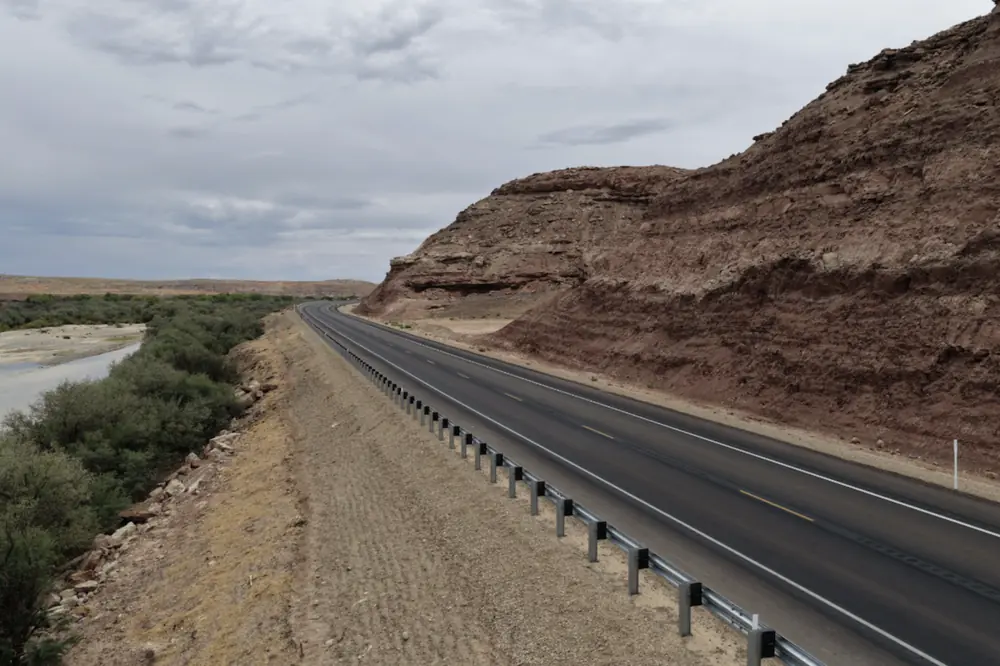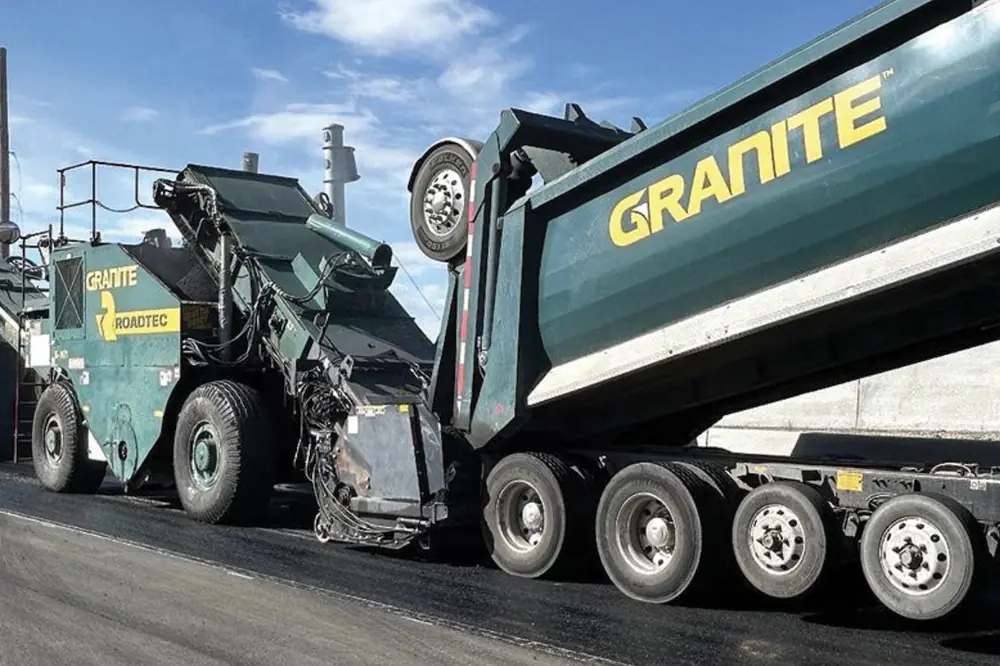

MILLARD COUNTY, UT — The Utah Department of Transportation (UDOT) has begun one of its largest innovative pavement recycling projects on U.S. Route 50 in Millard County.
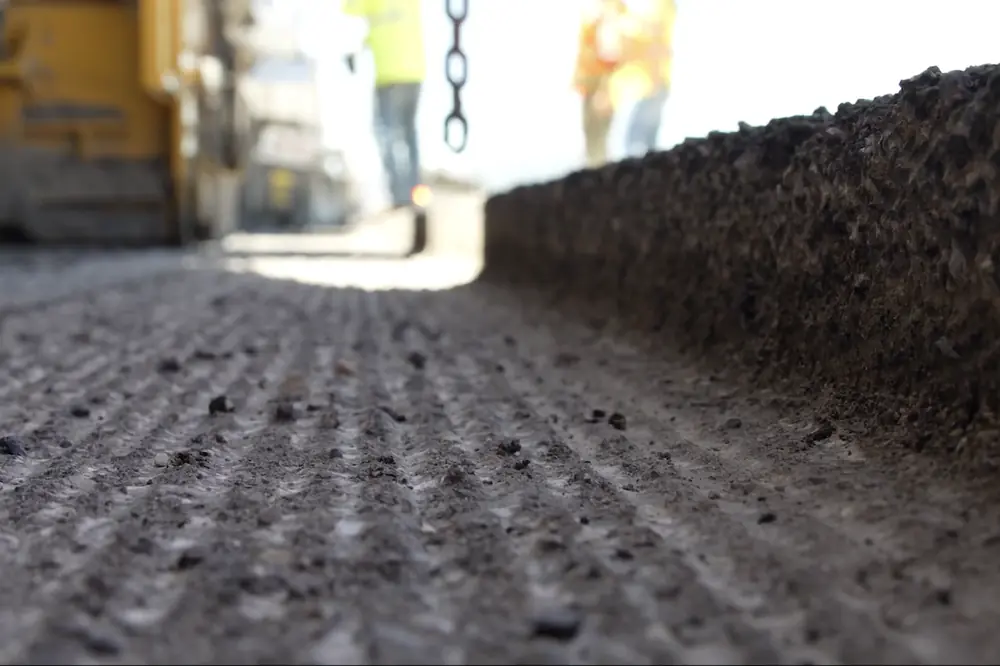
The process, known as cold-in-place (CIR) recycling, grinds up the existing roadway, mixes it with rejuvenating oils and asphalt binder, and places it back on the road as a renewed layer of pavement, which saves time, reduces costs, and extends the life of the road.
The project will improve 35 lane miles of U.S. 50 between Scipio and Aurora using the CIR process.
By reusing 90 percent of the material already on site, the project is expected to save approximately $5 million compared with traditional road repair methods. CIR also reduces the need to haul materials in and out of the work zone, helping shorten construction time by about 40 percent and reduce greenhouse gas emissions by nearly 90 percent.
“This CIR process helps us decrease the amount of maintenance, address our roads that need a little love, and stretch our budget to the best of our ability,” UDOT Region Four Engineer Chavis Jensen said. “It also helps to reduce the amount of cracking while improving our future sustainability efforts here in Utah.”

| Your local Gomaco dealer |
|---|
| Gomaco -Contact For a Dealer Near You |
Cold-in-place recycling is especially useful on roads with pavement issues such as cracks, depressions from repeated wheel paths, and other issues. By rebuilding the road with the materials already in place, UDOT can restore the road at a lower cost while reducing the amount of new materials, fuel, and oil typically needed for a conventional repair. Cost savings are so high that the length of the projects can often be extended.
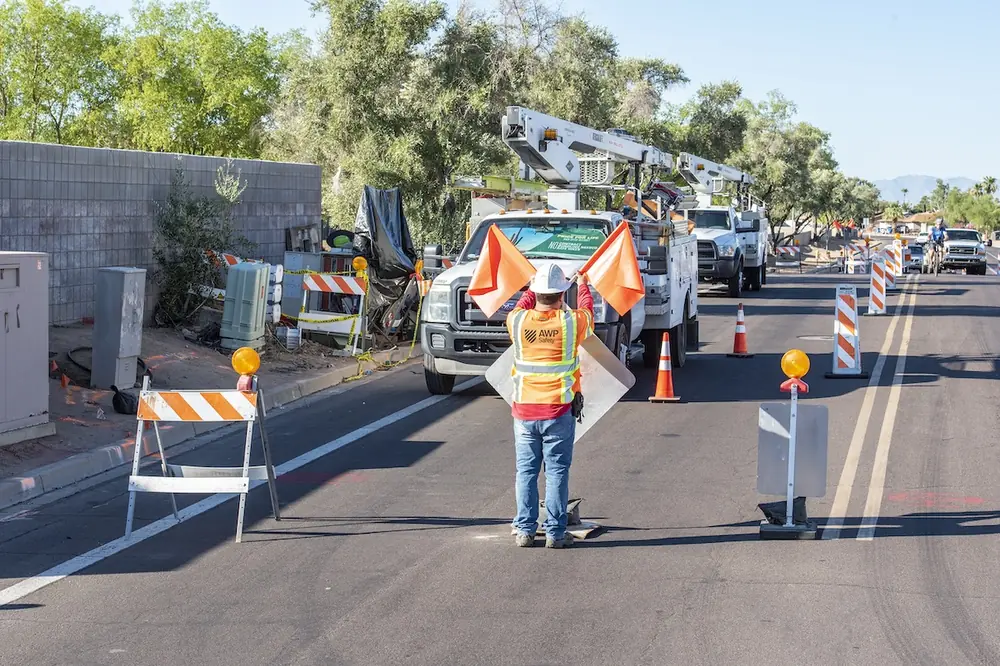
The process also gives UDOT another way to maintain rural roads that may not carry the same traffic volumes as major urban routes, but still play an important role in connecting small communities across the state. Because CIR requires one-way alternating traffic during construction, it is not used on high-volume roads such as I-15, where major lane reductions would create significant delays.
“We’re very specific about where we look to use this process,” Jensen said. “It’s producing equal quality of roadways as any other process that we do here in Utah. So that’s great, when we can use less money to produce just as good of quality of roads.”
UDOT will continue to evaluate opportunities to use CIR on roads where the process is a good fit, including a project to begin next summer on I-70 in Salina Canyon.