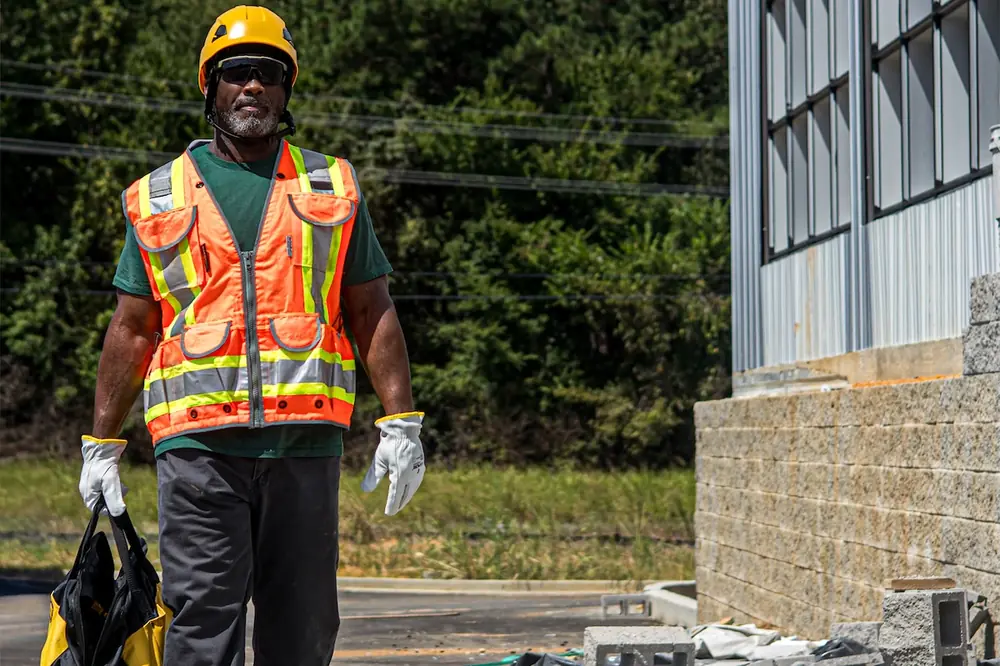


On any job site, OSHA compliance matters. It’s an essential starting point for protecting workers. But compliance isn’t always the full story. Personal protective equipment (PPE) can meet OSHA requirements and still not reflect the most current safety standard.
Safety standards are constantly evolving. New research, improved testing methods, advances in materials, and a better understanding of how workers are actually injured on the job all drive updates to the standards PPE conforms to. Federal regulations, however, don’t always keep pace.
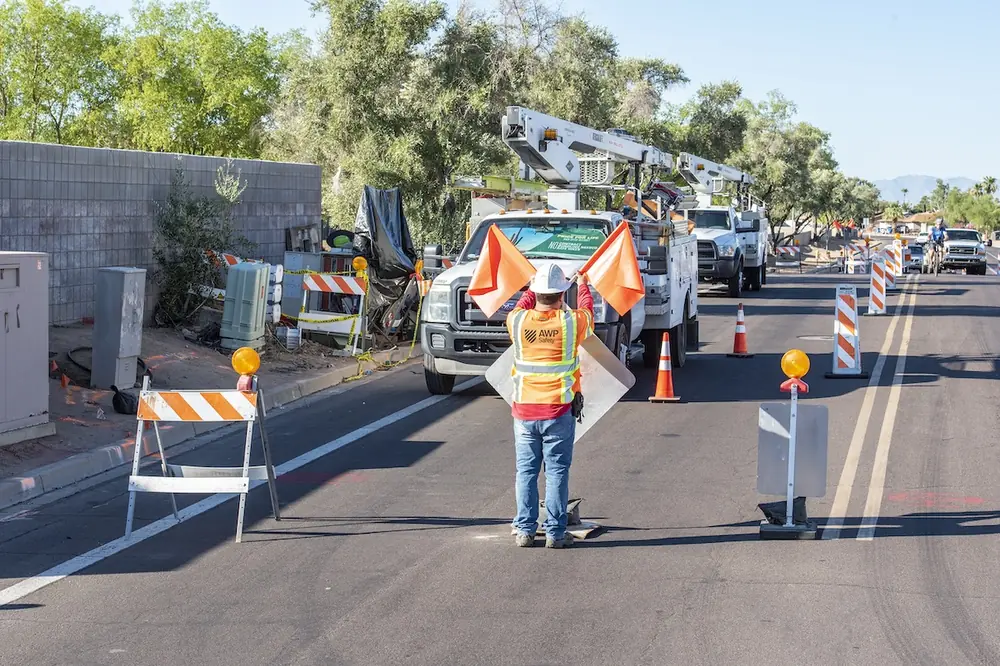
That means a contractor can be fully OSHA-compliant yet still be using equipment that doesn’t conform to the most current safety standard. For crews working around traffic, heavy equipment, excavations, utilities, and remote job sites, that gap is worth understanding because it shows up in everyday decisions about what gear gets purchased, issued, and worn in the field.
This isn’t about replacing compliance. Compliance is the foundation. The issue is that compliance and current best practice aren’t always the same thing.
Most PPE is tested against industry performance standards developed through groups like the American National Standards Institute (ANSI) accredited International Safety Equipment Association (ISEA). These standards are built through a process that includes manufacturers, safety professionals, testing laboratories, and government representatives. They’re reviewed on a regular cycle, normally every five years, and updated based on new research, incident data, and field experience.

| Your local Gomaco dealer |
|---|
| Gomaco -Contact For a Dealer Near You |
When a standard is updated, manufacturers can immediately begin producing equipment that meets the new version. These updates aren’t just paperwork. They can change how PPE is tested, how protection levels are defined, and how well the gear lines up with real job site hazards.
For example, updates might expand how impact protection is measured, improve how labels display protection levels, or refine requirements for how equipment performs in real environmental conditions like heat, cold, or moisture.
But OSHA regulations don’t update at the same pace. In some cases, federal regulations still reference older editions of standards long after newer versions have been published and widely adopted. That can create a lot of confusion for contractors and workers. Equipment can meet OSHA requirements yet conform to an older version of a standard that no longer reflects current testing methods or hazard understanding.
A few PPE categories used daily on heavy civil projects show how this plays out in practice.

| Your local Trimble Construction Division dealer |
|---|
| SITECH Rocky Mountain |
| SITECH Southwest |
| SITECH Northwest |
Head Protection
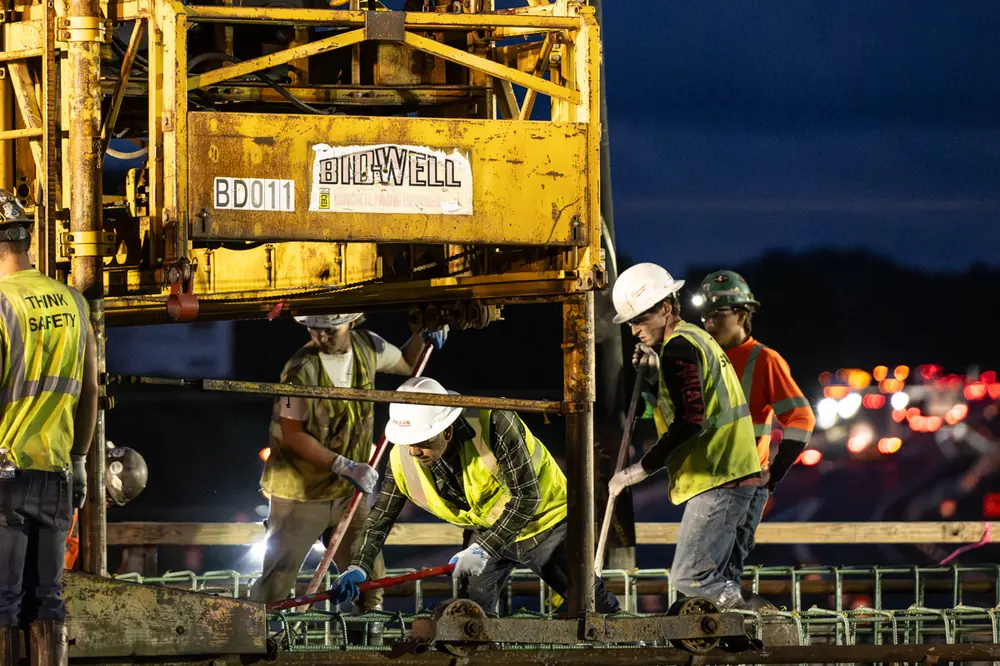
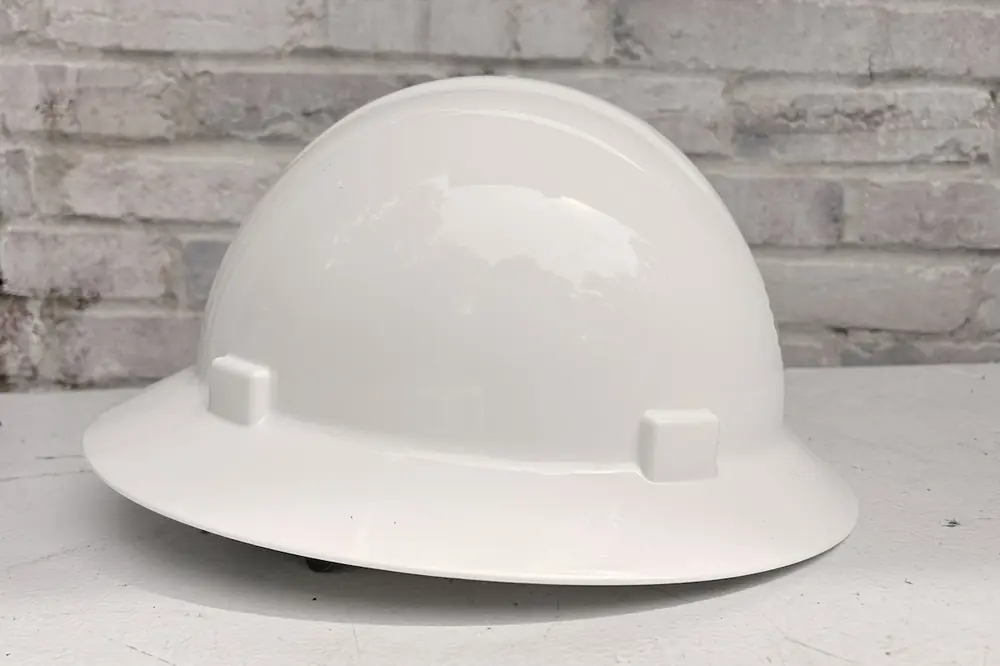
Head protection is one of the clearest examples of how standards evolve. OSHA’s head protection standards still reference older editions of the ANSI/ISEA Z89.1 standard from 1997, 2003, and 2014, while newer versions have expanded how helmets are tested and used in real-world conditions.
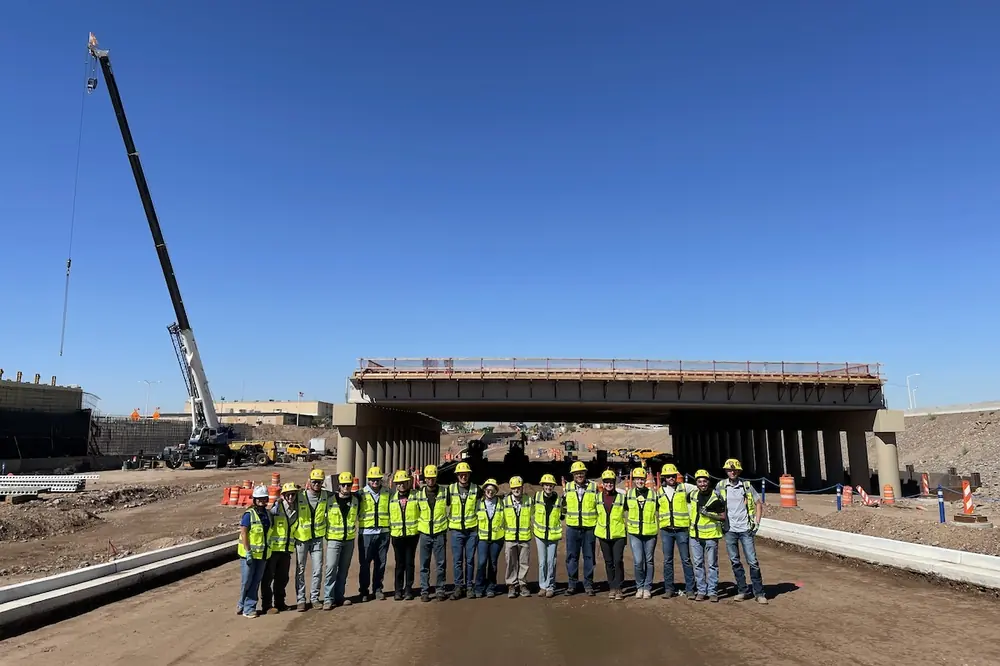
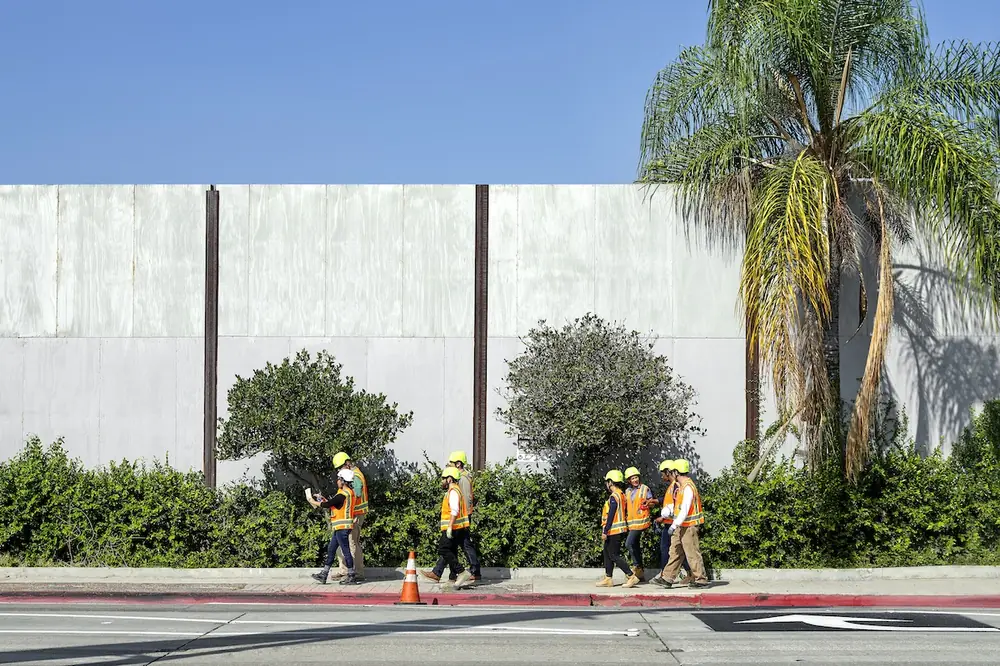
Recent updates place greater emphasis on impact protection from multiple directions, not just vertical impact. They also address improved retention systems and better integration with other PPE. For workers operating near heavy equipment or in confined excavations, that broader protection profile is directly relevant to the hazards they face every day.
Eye and Face Protection
Eye and face protection standards have also evolved significantly. OSHA references ANSI Z87.1 eye and face protection standards from 1989, 2003, and 2010. The current ANSI/ISEA Z87.1-2025 standard includes updated product markings that make it easier to see what type of protection the eyewear provides.
These markings make it easier for workers and supervisors to quickly identify what a piece of eyewear is designed to protect against, whether that is impact, chemical splash, dust, or other common job site hazards. Older-standard eyewear may not provide the same level of detail, which can make it harder to confirm protection at a glance. That matters most when job duties shift midday and workers need to quickly confirm they have the right protection for the new task.

| Your local Bobcat dealer |
|---|
| Ditch Witch West |
Workplace First Aid Kits
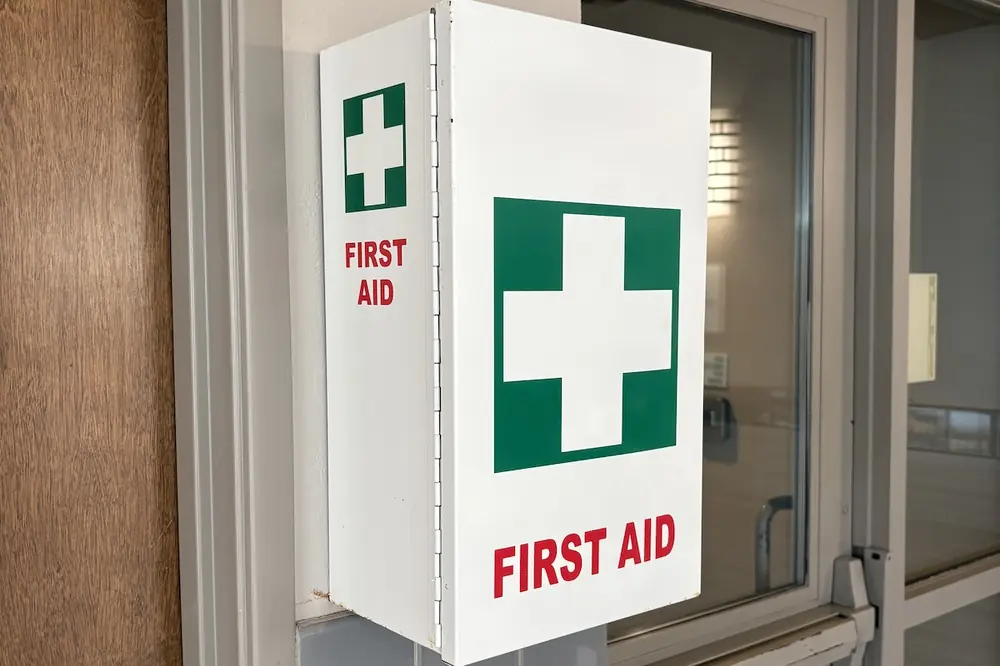
OSHA guidance still references ANSI Z308.1-1998, while the current version has been significantly updated.
The 2021 edition includes revised classifications and expanded guidance for workplace emergency response. It adds stronger trauma care recommendations, updated sanitation requirements, and clearer definitions for Class A and Class B kit structures. For contractors working on big infrastructure jobs or remote sites where emergency response may take longer, those updates can matter fast.
A newer revision is expected in late 2026, addressing mobile workforce needs and opioid overdose medication in the workplace. For operations spread across multiple sites or remote environments, the differences between older and current versions can directly affect what’s included in kits and how they’re deployed in the field.
Contractors shouldn’t wait for OSHA to update the rules before tightening things up. Consider these steps:
| Your local Gomaco dealer |
|---|
| Gomaco -Contact For a Dealer Near You |
Check Your PPE
Start by checking which version of the standard your PPE actually meets. You can find that through the manufacturer, distributor, or product label. A simple audit may show gaps between which standard people assume the gear meets and what it actually meets.
Review Buying Specs and Bid Language
If specifications only say “ANSI-compliant” without identifying the specific standard and edition, that creates ambiguity. It can lead to different interpretations between bidders, suppliers, and subcontractors, all of whom may be working from different assumptions. Tightening that language is one of the lowest-cost ways to close the gap.
Question Vendors
When buying new gear, ask vendors directly: Does this meet the current standard, or just the older version OSHA still references? This simple question often clarifies expectations before equipment is purchased or deployed.
Adapt Training
Reinforce training around PPE markings. Workers are often trained on how to wear equipment, but not always on what the label on their helmets or gloves actually means. That understanding helps ensure the right protection is selected for the right task, especially when job duties change throughout the day.
| Your local Gomaco dealer |
|---|
| Gomaco -Contact For a Dealer Near You |
Strategically Position First Aid
Finally, make sure first aid resources are not only up to date but also positioned where crews can access them quickly in the field. On a sprawling project, a kit that meets a 1998 standard and is stored in a gang box a quarter mile from the active work zone is two problems, not one.
Because construction contractors operate in complex, high-risk environments, small gaps can have big consequences. The challenge is that some gaps aren’t as obvious as others. They show up in outdated standard references, assumptions about what “compliant” means, or equipment choices made without realizing standards have evolved.
Understanding the difference between OSHA-compliant equipment and equipment that reflects current safety standards helps close that gap. It supports better procurement decisions, clearer specifications, and more consistent protection across the job site.
Real protection depends on alignment: current standards, properly specified equipment, and clear expectations in the field all working from the same baseline.
| Your local Gomaco dealer |
|---|
| Gomaco -Contact For a Dealer Near You |
Compliance is the starting point. Contractors who go further by checking which version of a standard their gear meets, tightening their specifications, and making sure crews understand PPE markings are building a safety culture that doesn’t just check a box. It holds up when it counts.
Cam Mackey is President and CEO of the International Safety Equipment Association, the trade association representing PPE and safety product manufacturers. He leads industry efforts to advance worker safety through consensus standards development, regulatory engagement, and education.