
In Raleigh, North Carolina, the region continues to expand rapidly, and the transportation infrastructure is racing to keep pace. For instance, in eastern Wake County, crews are now advancing one of the state’s most significant highway projects: the next phase of Complete 540, a long-planned outer loop intended to improve mobility around the state’s fastest-growing metropolitan area.
The R-2829A project represents the most recent step in completing the southern portion of the NC-540 loop. Cameron Richards, Eastern Deputy Chief Engineer for the North Carolina Turnpike Authority (NCTA), noted that the project will provide a critical new corridor designed to ease congestion, improve regional connectivity, and support future development across the Triangle.
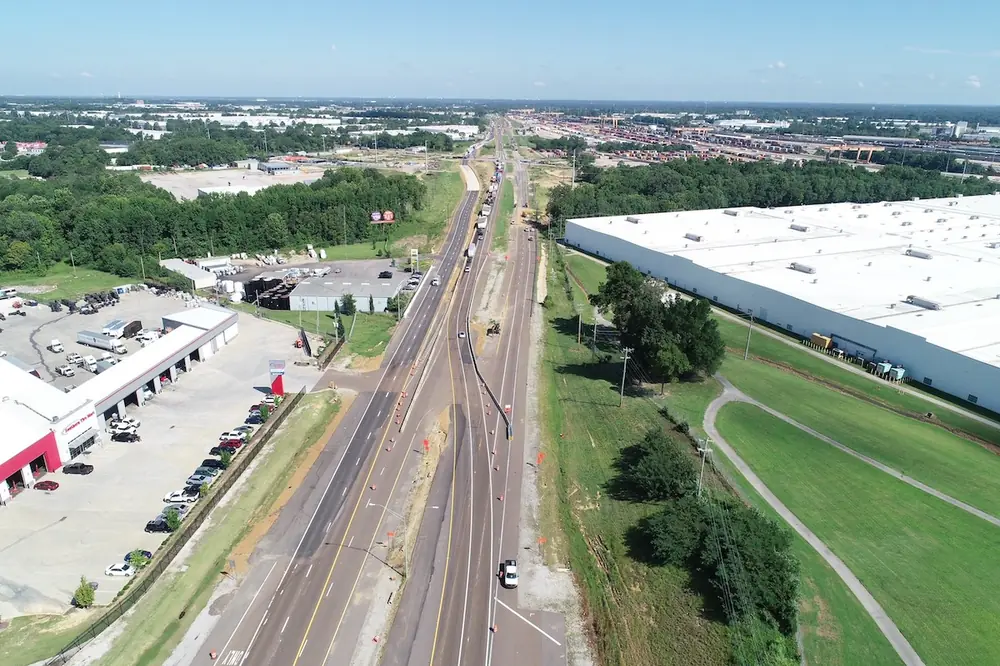
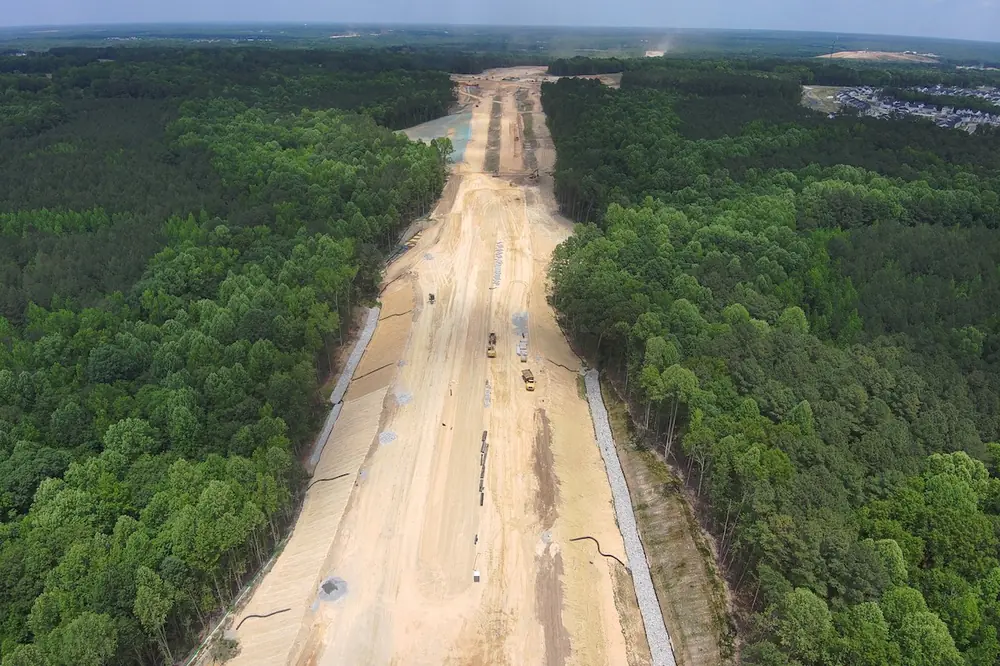
Construction officially ramped up in early 2025 and progressed across a 6-mile section featuring extensive bridge work, major grading operations, toll infrastructure, and utility coordination.
Delivered through a design-build contract led by a joint venture between Branch Civil and S.T. Wooten, the $287 million project includes 12 bridges, 10 box culverts, and multiple complex tie-ins to existing infrastructure. Design partners RK&K and STV are supporting the effort, while the North Carolina Turnpike Authority oversees the broader corridor program.
The project goes beyond building just another roadway; it represents an effort to stay ahead of explosive regional growth before congestion overwhelms the transportation network.
“This has been well documented as one of the fastest-growing areas in the country,” Richards said. “The overall goal is providing an alternate route to ease congestion and improve mobility around the greater Raleigh region.”
The initiative has been in development for decades, gradually advancing in phases to create a continuous outer loop around Raleigh and surrounding communities.
Once complete, the corridor will connect rapidly developing areas south and east of Raleigh while improving access to major routes including I-40, I-87, and U.S. 401.
“This is going to be another major corridor in the greater Raleigh area that provides additional options and improves mobility,” Richards said. “We’re already seeing development happen around the project corridor while construction is still underway.”
The project’s scale and regional importance can be seen across nearly every aspect of the work.
“Our team takes pride in being part of a roadway that will have immediate benefits and lasting value to the Triangle and surrounding communities,” said Brian Narron, Project Manager at S.T. Wooten. “It’s rewarding to be involved in the final phase of a project that has been strategically planned over decades.”
The R-2829A project combines virtually every element of large-scale highway construction, from earthmoving and drainage to structural work and tolling infrastructure. To manage that scope efficiently, responsibilities within the joint venture were divided according to each contractor’s strengths and available resources.
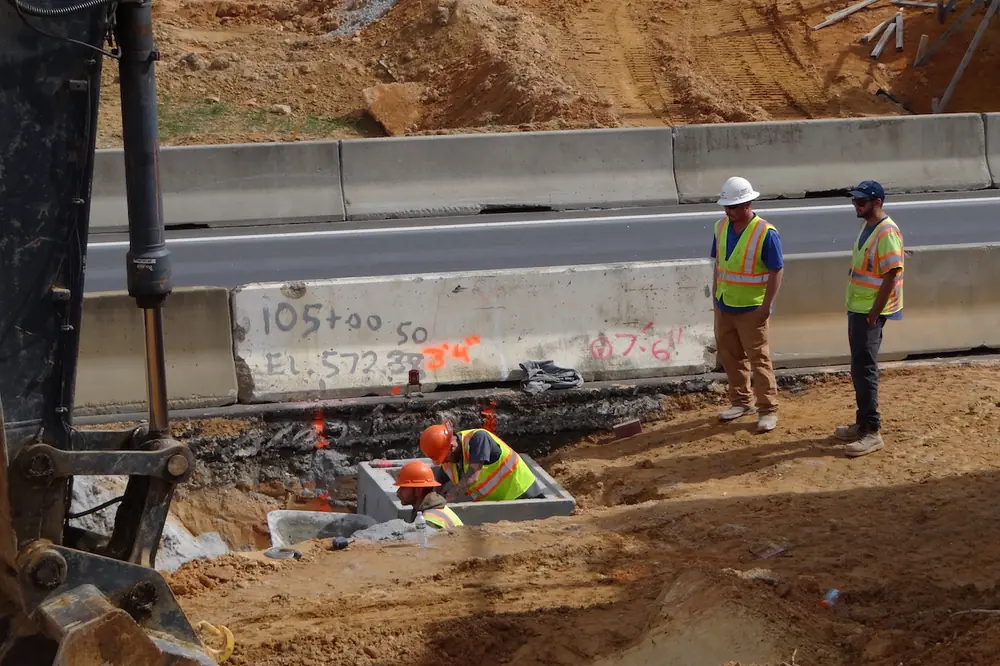
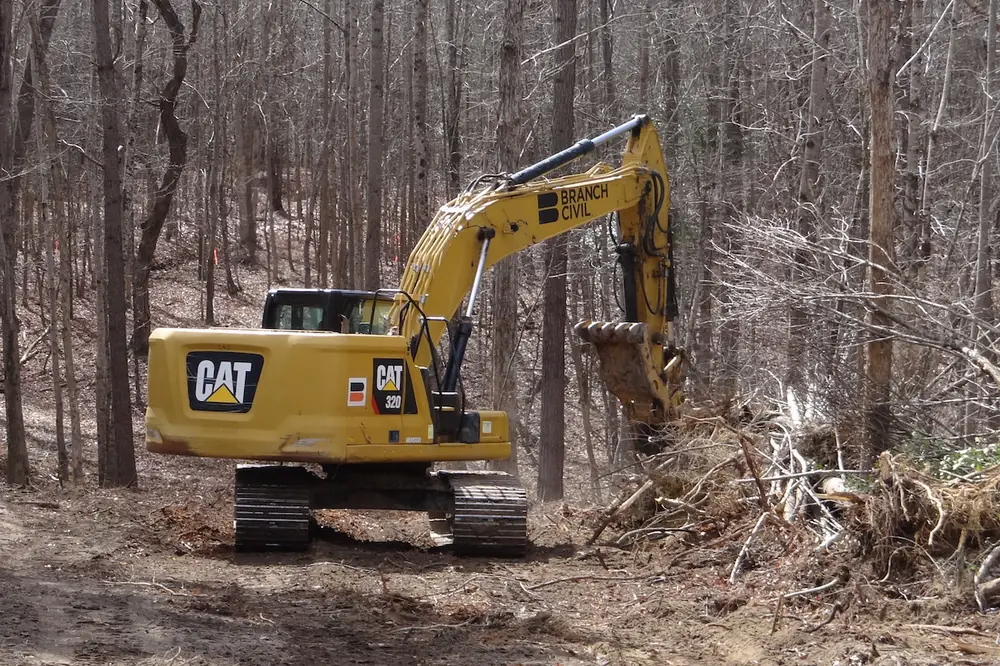
“The joint venture matched the available resources of both partners,” Narron said. “Branch Civil crews are handling much of the earthwork and storm drainage, while S.T. Wooten crews are performing bridge construction, paving, concrete work, utilities, and portions of the grading and drainage.”
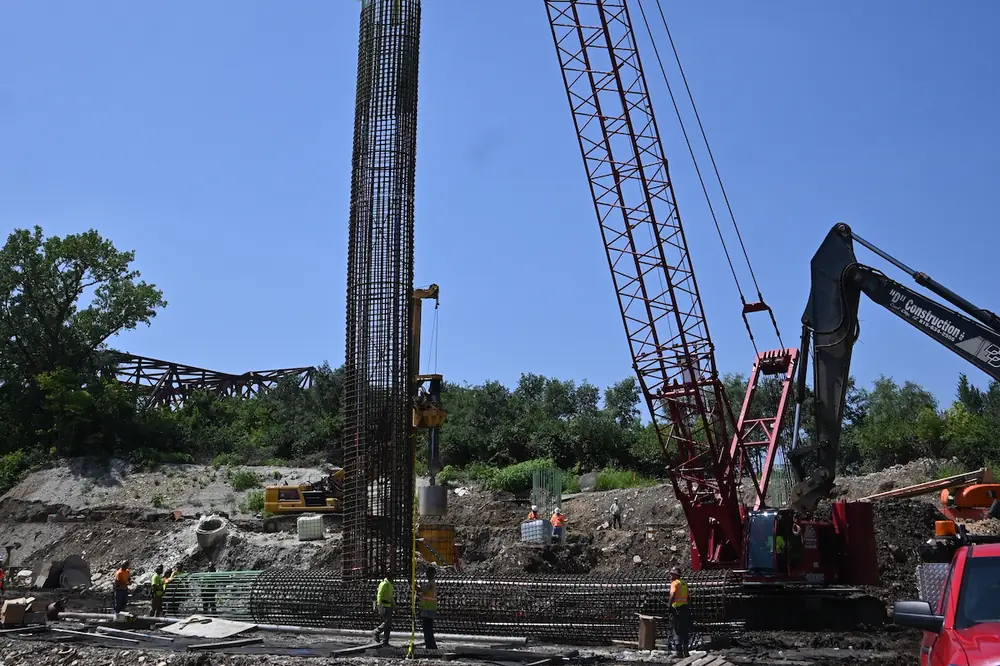
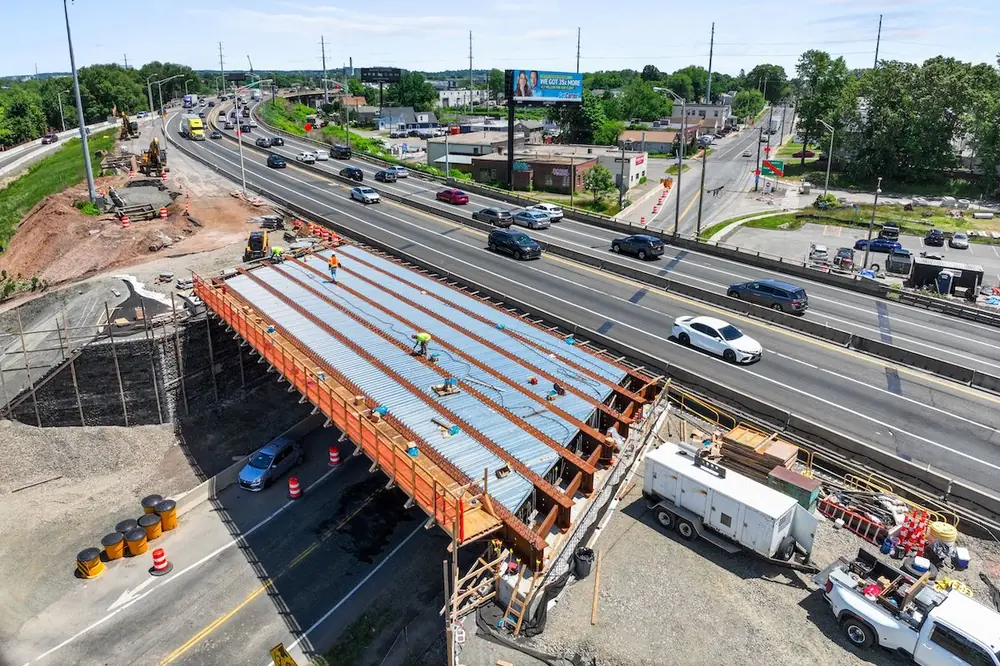
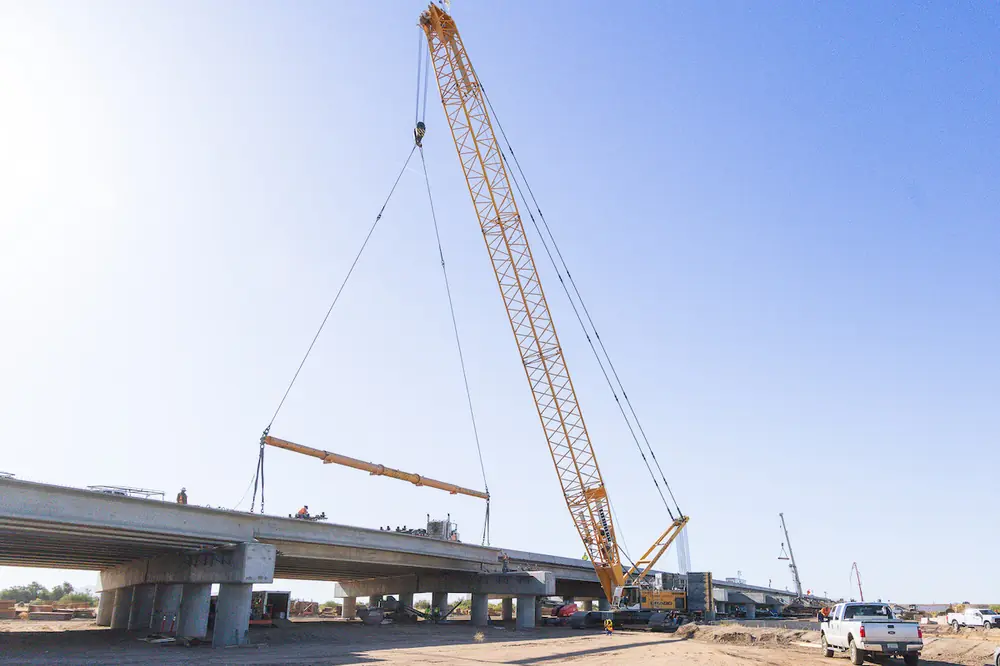
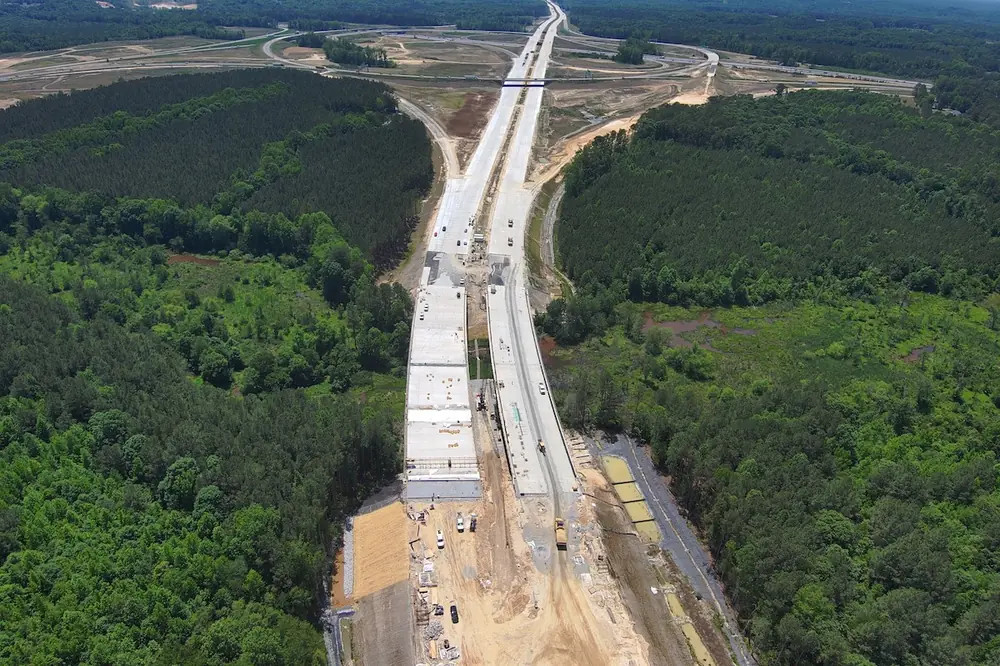
The project’s 12 bridges and 10 box culverts have required particularly careful sequencing, especially as roadway grading continues simultaneously across the corridor.
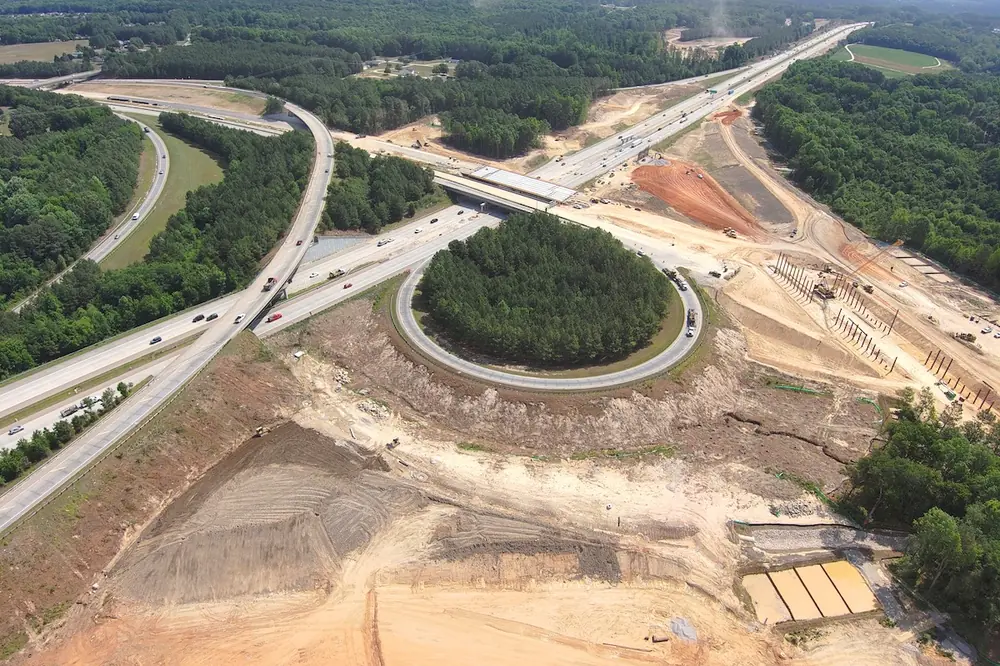
Some of the earliest bridge work began within the turbine interchange area, where crews could gain access quickly with limited grading requirements. Other structures proved more challenging, particularly dual bridges spanning Bushy Branch swamp near the project tie-in with an adjacent contract.
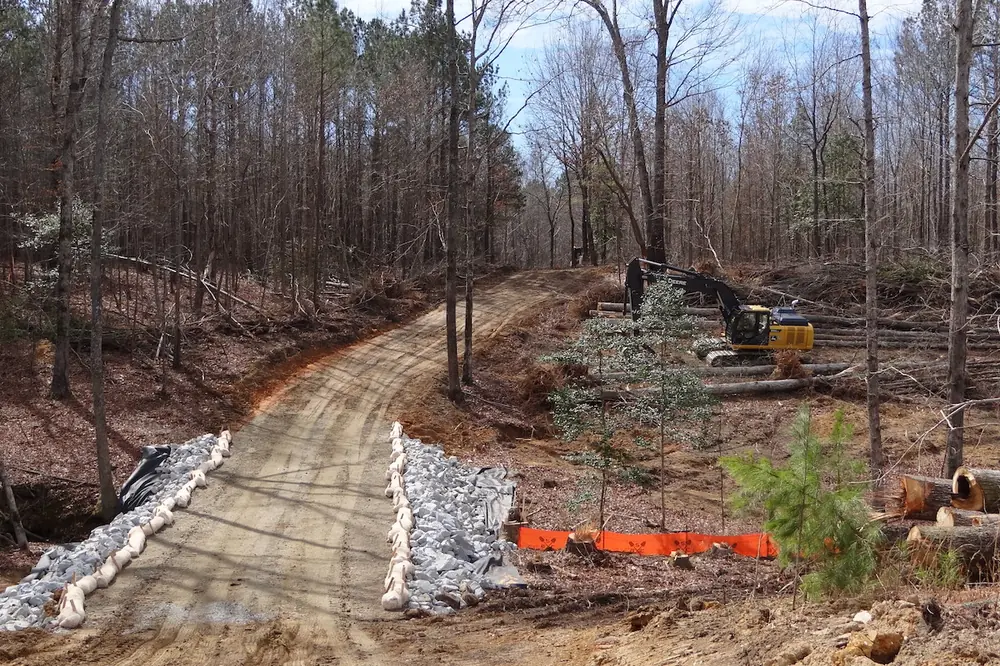
“There were several permit sites we had to cross to reach portions of those bridges,” Narron said. “We utilized temporary stream crossings and phased culvert construction to maintain access while roadway crews continued grading operations elsewhere.”
By utilizing that strategy, it allowed structural crews to stay productive while earthwork operations advanced across other portions of the corridor. For instance, in late spring, crews shifted focus toward White Oak Road, railroad crossings, and areas along U.S. 70, where additional bridge construction is underway.
“We recently obtained agreements with the railroad owners, which allowed us to begin pile driving and footing construction for the bridges crossing the railroad,” Narron said.
Like many major highway projects in rapidly developing regions, utility coordination has emerged as one of the largest ongoing challenges. After all, the corridor cuts through an area experiencing substantial residential and commercial expansion, requiring close collaboration among contractors, utility owners, designers, and property stakeholders.
“Working around right of way acquisitions, utility relocations, and permitting all presented challenges because they required coordination with outside third parties,” Narron said.
In response, the project team established dedicated points of contact early in the process and implemented regular coordination meetings involving the entire design-build team. RK&K’s utility coordination group has played a major role in that effort, helping manage communication with utility providers and property owners throughout the corridor.
“Their utility coordinators started meetings early on and continue holding monthly coordination meetings with all utility owners along the corridor,” Narron said. “Once work began in the field, our project engineers worked closely with them to address access, layout, and staging issues to keep work progressing.”
That collaboration has been critical to maintaining schedules and avoiding major delays.
“We’ve had the typical utility coordination challenges you see on projects like this, but overall the teams have done a very good job keeping areas accessible and moving relocations forward,” Richards said.
One of the more unusual aspects of the project involves coordination with an adjacent contractor constructing a delayed turbine interchange nearby. Because portions of the interchange remained under construction, that meant access to some work areas was limited, requiring modifications to original sequencing plans.
“As planned, we had early-start plans intended to allow grading, stabilization, paving, and bridge work in that area,” Narron said. “Larger portions of the grading and paving were not accessible due to ongoing bridge construction by the adjacent contractor, but we were able to access our bridge sites.”
To keep work aligned between contracts, the North Carolina Turnpike Authority established biweekly coordination meetings involving both teams.
“Those meetings allowed us to understand when areas would become available and schedule resources accordingly,” Narron said. “Maintaining communication between all project stakeholders has been essential as work advances into increasingly active phases of construction.”
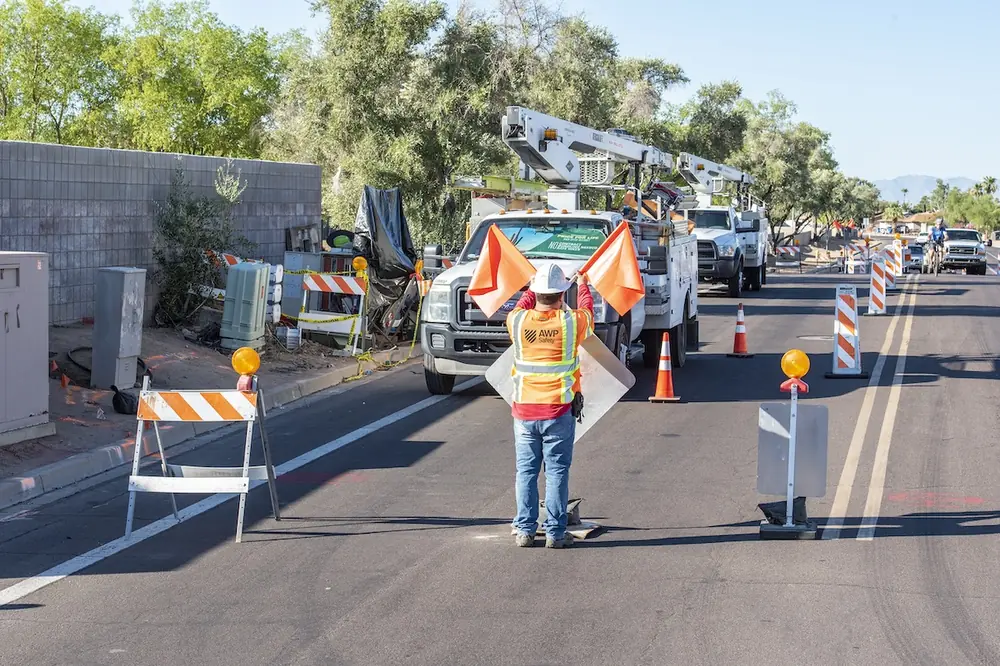
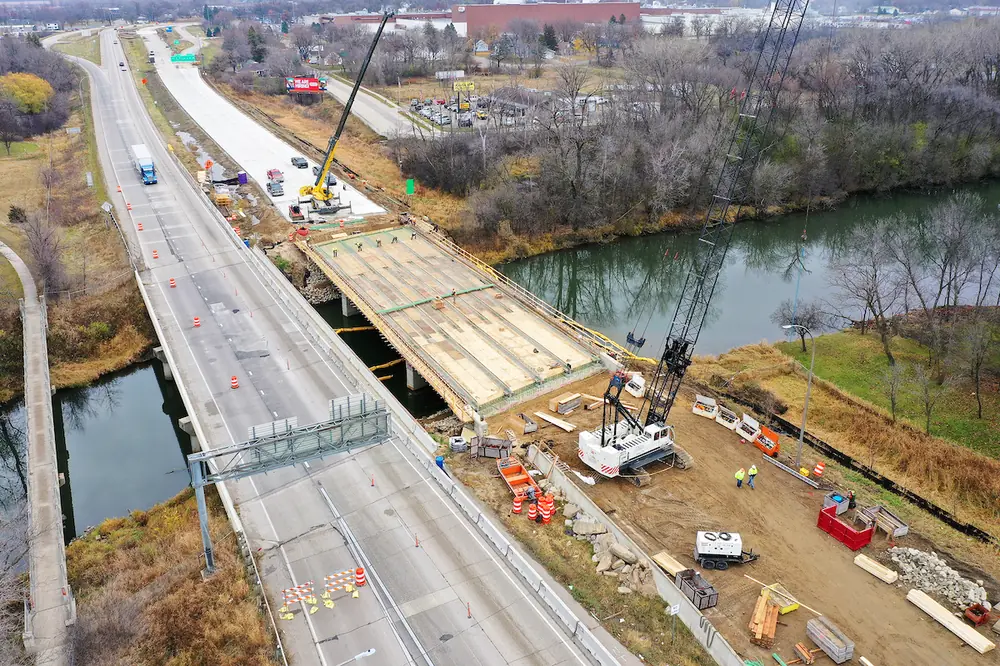
Although much of the project is being built on new alignment, several portions tie directly into active roadways, requiring careful traffic management and public coordination.
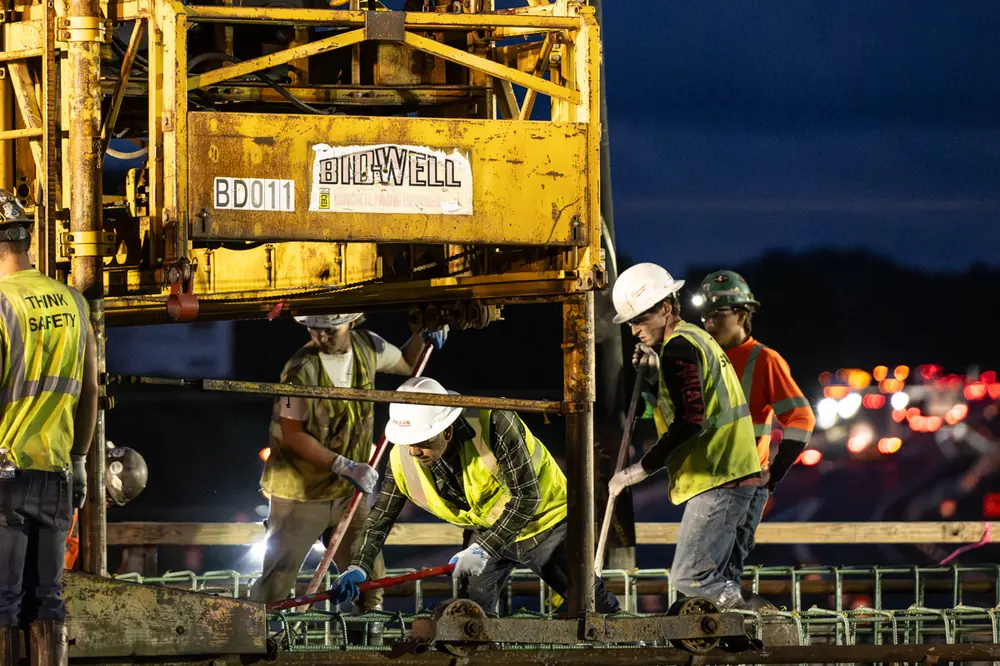
For example, at the turbine interchange, major operations such as girder placement have required temporary nighttime closures and detours to minimize impacts on motorists.
“Those closures were required to occur during off-peak hours, so most of that work has been performed at night,” Narron said.
White Oak Road currently includes two onsite detours that shift traffic around active bridge construction zones, while future work along U.S. 70 will involve additional temporary traffic patterns to maintain access during structural operations.
Another upcoming milestone will involve temporarily closing East Garner Road to allow crews to complete roadway tie-ins beneath new bridge structures.
Richards noted that communication with the public has been a major focus throughout the project.
“We want to keep the public informed and be good neighbors,” he said. “The contracts include very robust requirements regarding notifications, closures, and traffic shifts, and we try to get ahead of those through public outreach and community engagement.”
That outreach has included community meetings, project updates, and ongoing coordination with nearby residents and businesses.
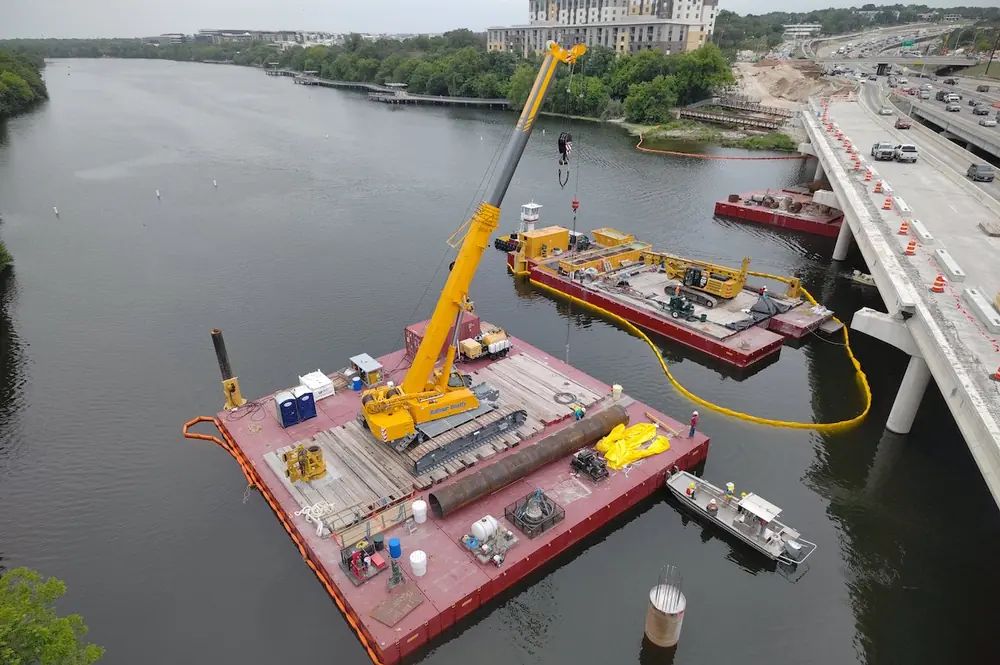
Environmental stewardship has also played a central role in the project’s development and execution as the corridor includes several environmentally sensitive areas, including portions near the Neuse River and the Neuse River Greenway Trail.
“We made commitments very early on that the Greenway Trail would remain open at all times during operating hours,” Richards said. “That impacted our phasing and how construction was planned around that area.”
The project also includes extensive erosion control measures, environmental permitting requirements, and work restrictions tied to river activity.
In addition to standard environmental protections, the Turnpike Authority has implemented enhanced oversight measures, including monthly coordination with environmental agency representatives.
“We hold environmental commitments to an even higher priority on this project,” Richards said.
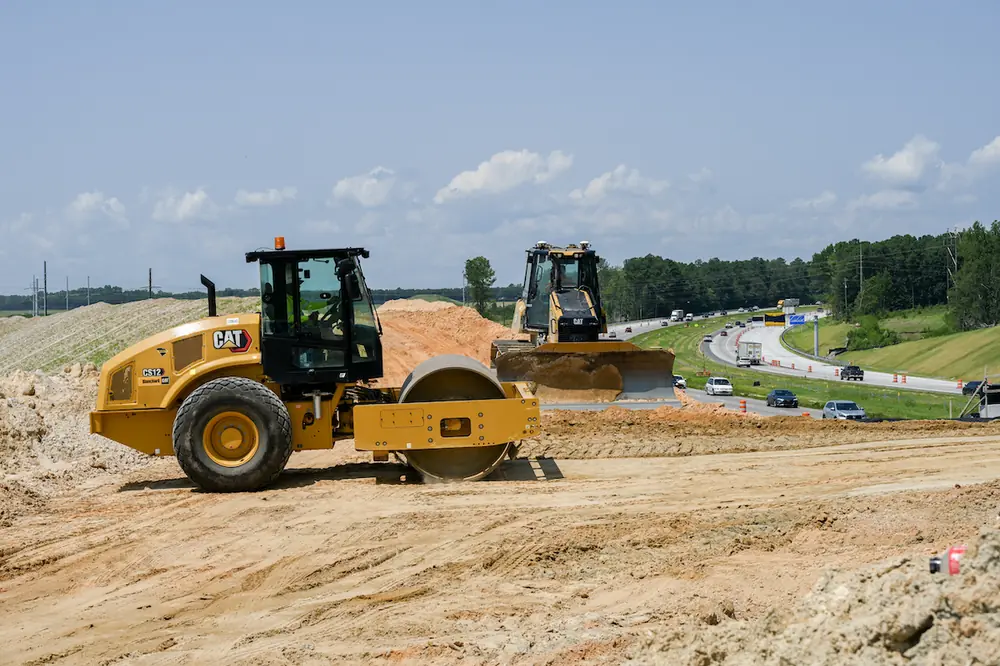
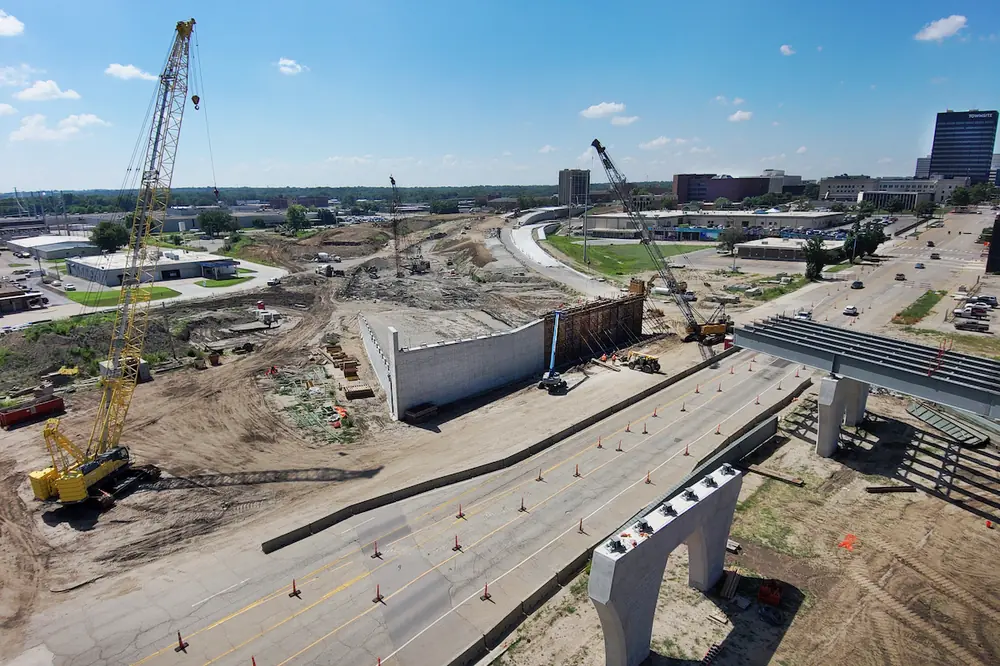
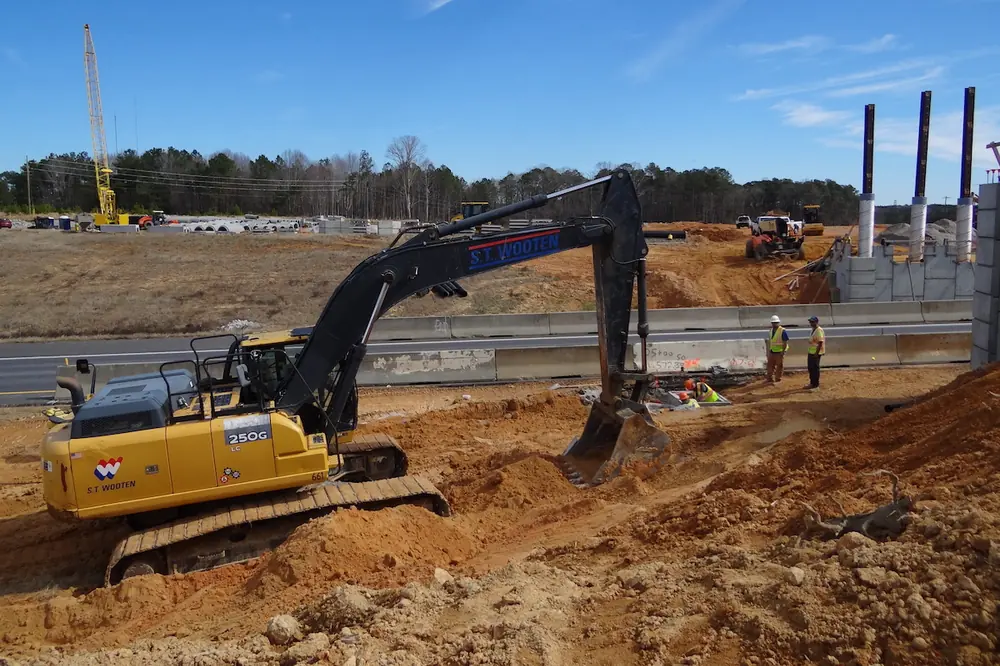
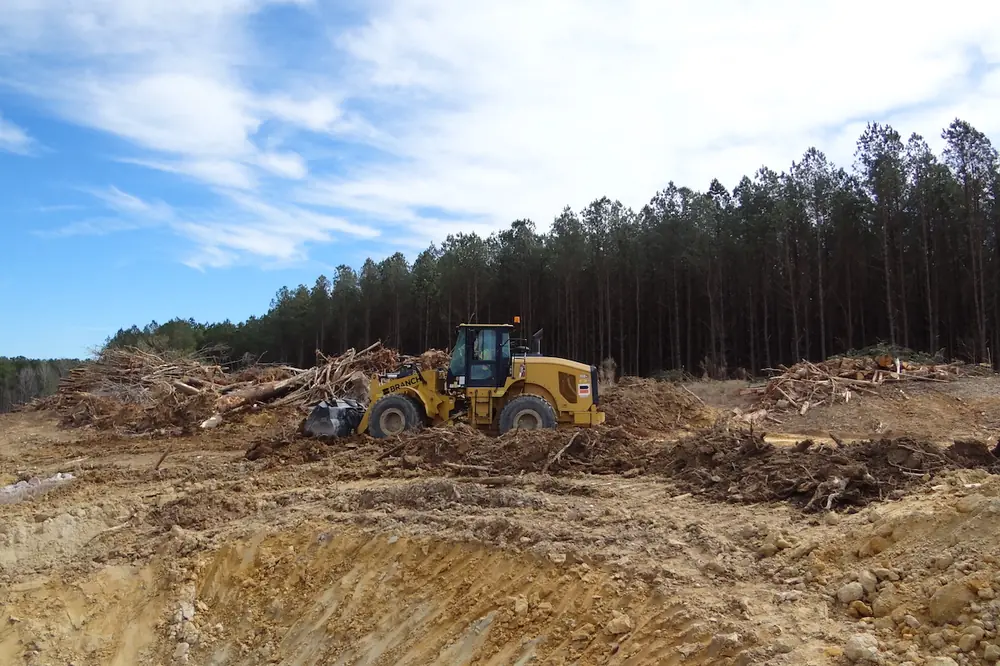
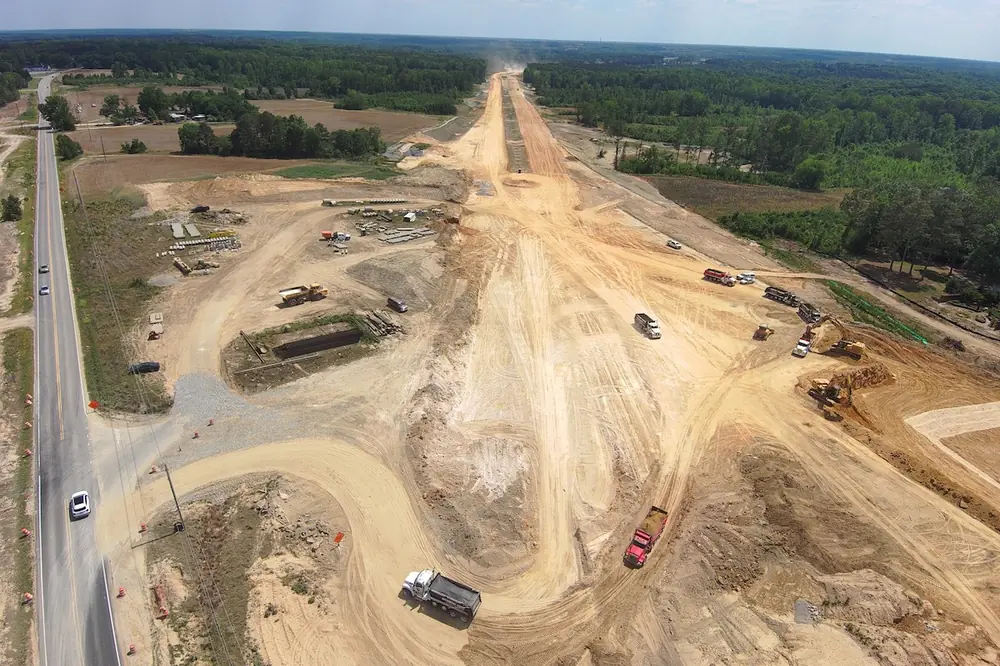
Earthwork operations have become one of the project’s defining construction efforts, with crews managing massive grading quantities across multiple active work zones. To improve efficiency, the joint venture divided the corridor into separate operational areas, allowing crews from both companies to work simultaneously.
“Because the project crosses existing roadways, bridge sites, and railroad crossings, the earthwork naturally breaks into sections,” Narron said. “Crews and resources are staged according to the volume of work at each site.”
The team has also leveraged drone technology to track grading quantities and monitor overall progress.
“Frequent drone flights give us accurate data to track earthwork quantities and assess progress so we can shift resources to critical areas as needed,” Narron said.
Field conditions, however, have not always matched original expectations.
“More rock was encountered in the subgrade than originally anticipated because some areas weren’t accessible during the bid process,” Narron said. “That rock had to be blasted and processed to meet NCDOT [North Carolina Department of Transportation] specifications before being placed in fill areas.”
Variable soil conditions have also required continuous adjustments to stabilization operations across the corridor.
As the project moves deeper into active construction, both contractors and the Turnpike Authority view 2026 as a pivotal year for progress. This year, bridge work is ongoing throughout the corridor, while grading, drainage, and interchange tie-ins continue expanding into new areas.
“This is an important year because we’re moving beyond the initial utility relocation phases and opening up more of the corridor for major construction activities,” Richards said.
The project team noted it remains on track for the targeted late 2028 completion.
Once done, the finished corridor is expected to provide a significant new transportation option in one of the nation’s fastest-growing metropolitan regions.
“It’s going to improve mobility in eastern Wake County and provide another important route to reach the I-40 corridor,” Richards said. “We expect to see major benefits from both a transportation and economic development standpoint.”
- Owner: North Carolina Turnpike Authority
- General Contractors (Joint Venture): S.T. Wooten Corp., Wilson, North Carolina; Branch Civil, Roanoke, Virginia
- Design Engineers: RK&K, Raleigh, North Carolina; STV, Douglassville, Pennsylvania
- Subcontractors: Central Carolina Seeding, Lexington, North Carolina; Mountain Creek Contractors, Catawba, North Carolina; Young Construction, Wake Forest, North Carolina; New Field Inc., Richmond, Virginia; East Coast Drilling & Blasting, Raleigh, North Carolina; Coastal Clearing & Grading, Pantego, North Carolina