
Situated on the Grand River east of Lake Michigan, Grand Rapids is the second largest city in Michigan. The Grand Rapids metro area has a population of approximately 1.4 million.
Grand Rapids was named No. 1 on a list of the 25 fastest-growing U.S. metros for jobs and new talent, according to recent LinkedIn survey data. Among the reasons the area is on the rise is the “growing job market, bustling downtown, and proximity to Lake Michigan.”
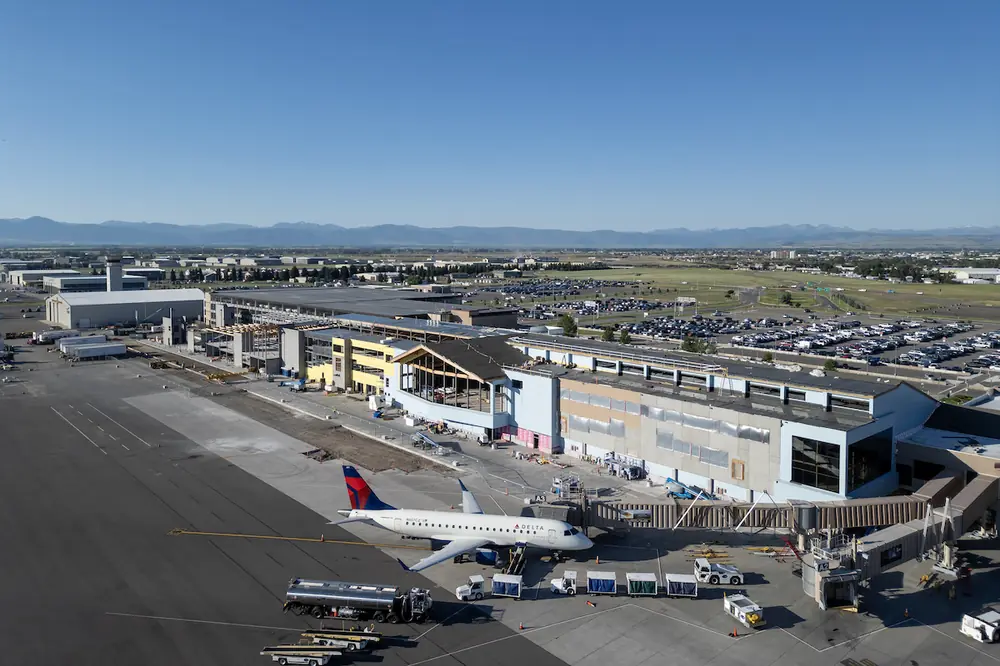
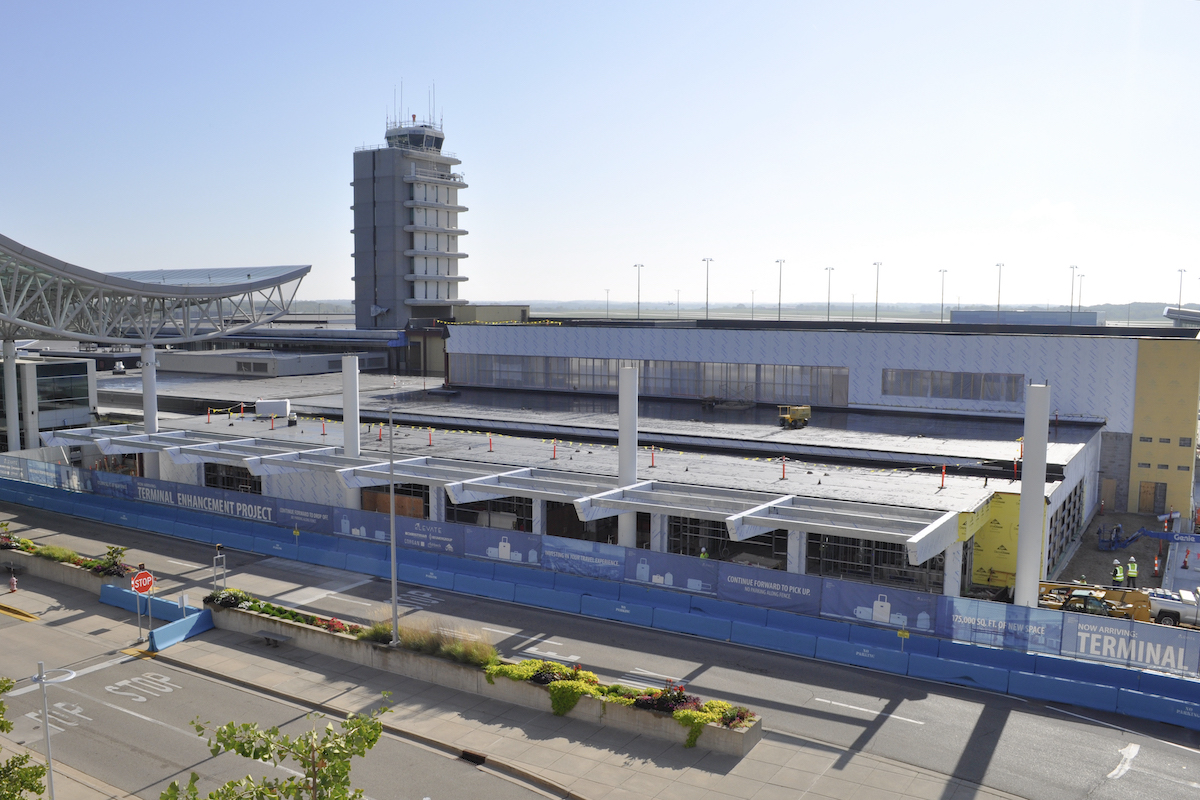
To help take on this growth, the Gerald R. Ford International Airport (GRR) in Grand Rapids is undergoing multiple upgrades, including the Terminal Enhancement Project (TEP). The Christman Company is serving as the construction manager on the project.
GRR is Michigan's second-largest airport, serving over 2 million passengers annually. According to the Gerald R. Ford International Airport Authority, the GRR project is expected to support passenger growth and the overall economic health of the Grand Rapids region.
The authority’s website said that Phase 1 of the TEP will “include the installation of a Consolidated Baggage Inspection System (CBIS) on the terminal's lower level, streamlining the checked luggage process from ticketing to screening and onto the aircraft. The airport will be the first small-hub airport in the U.S. to introduce an Individual Carrier System (ICS) for baggage handling screening and the first U.S. airport to introduce ICS at bag drop. Additionally, new ticket counter spaces will be created, consolidating all airline counters at the terminal's west end. The baggage claim area will be expanded with larger carousels, ensuring a more efficient and modernized experience for arriving passengers.”
Christman Vice President Zac Bosma, who is overseeing the project, said that the airport’s current baggage handling is “quite archaic." It requires multiple people to handle it manually.
"Passengers bring their luggage to a ticket agent who weighs it and then sticks it on a conveyor belt,” Bosma said. “The belt moves the luggage behind the scenes, where it’s manually taken off the belt and put through a TSA [Transportation Security Administration] screening process. It's then manually put on another belt to go back to the baggage makeup area, where the airlines take the bag and put it on the right plane."
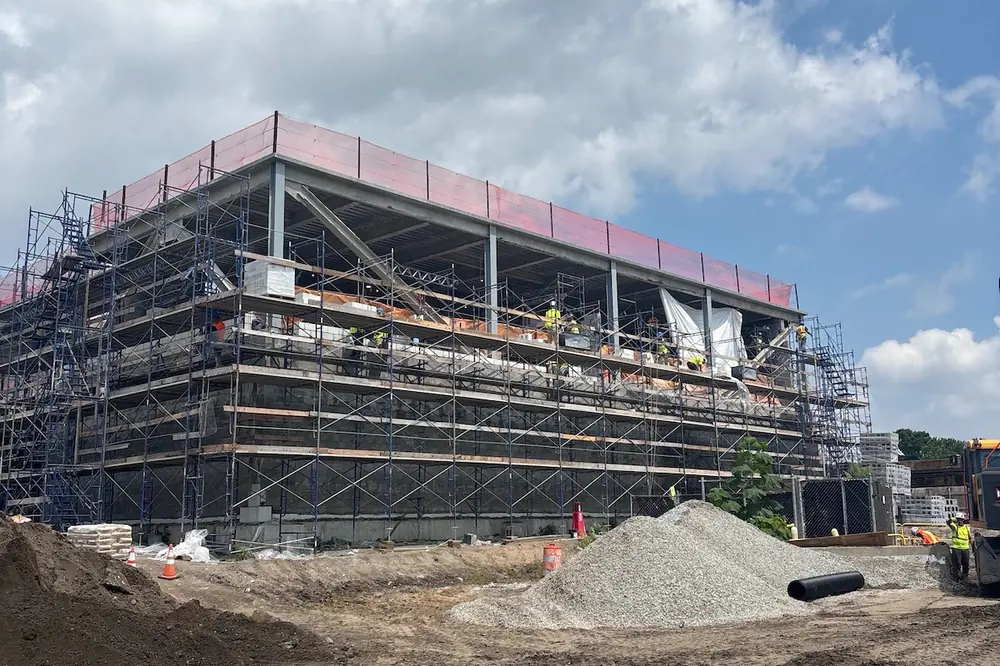
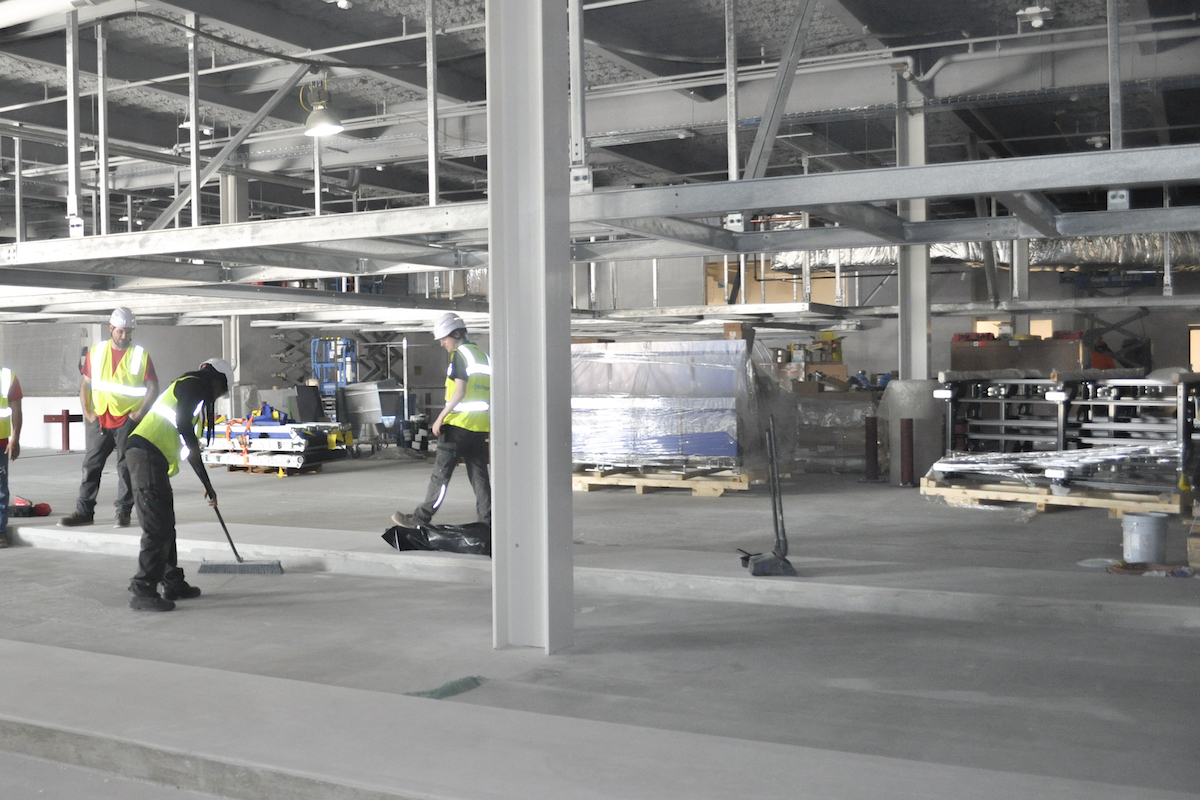
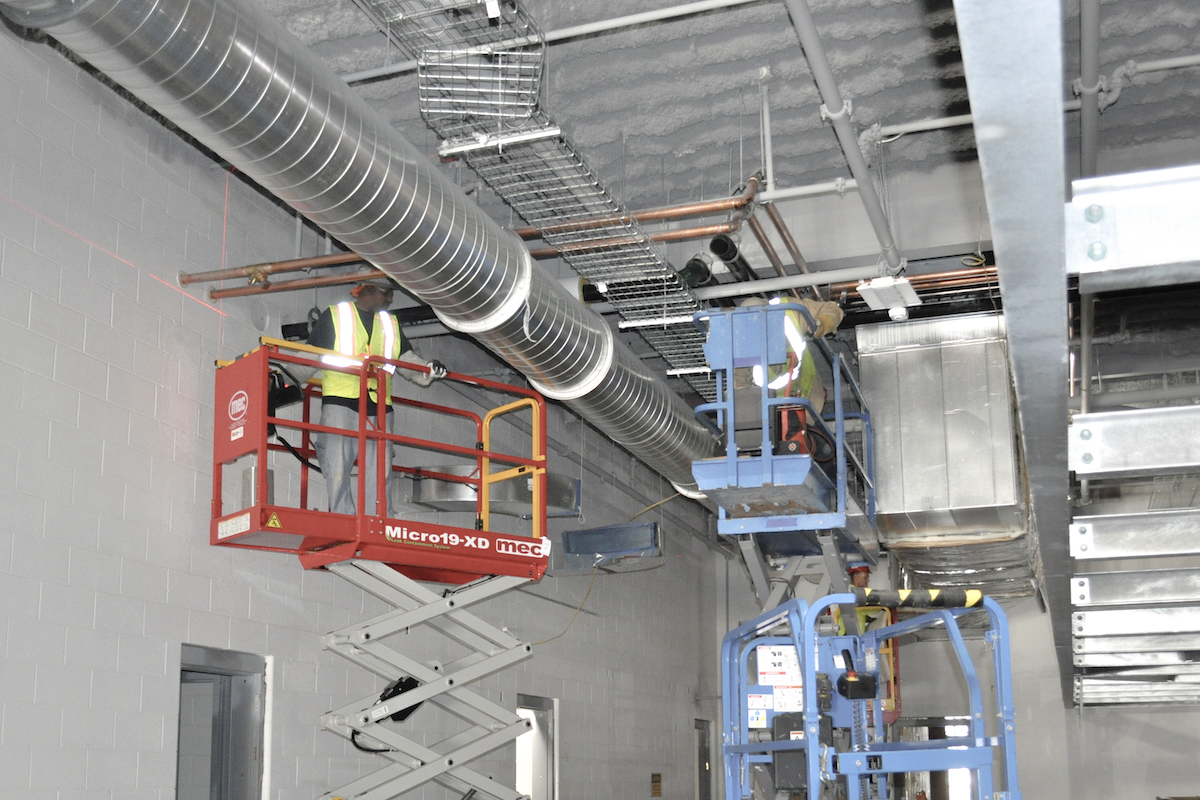
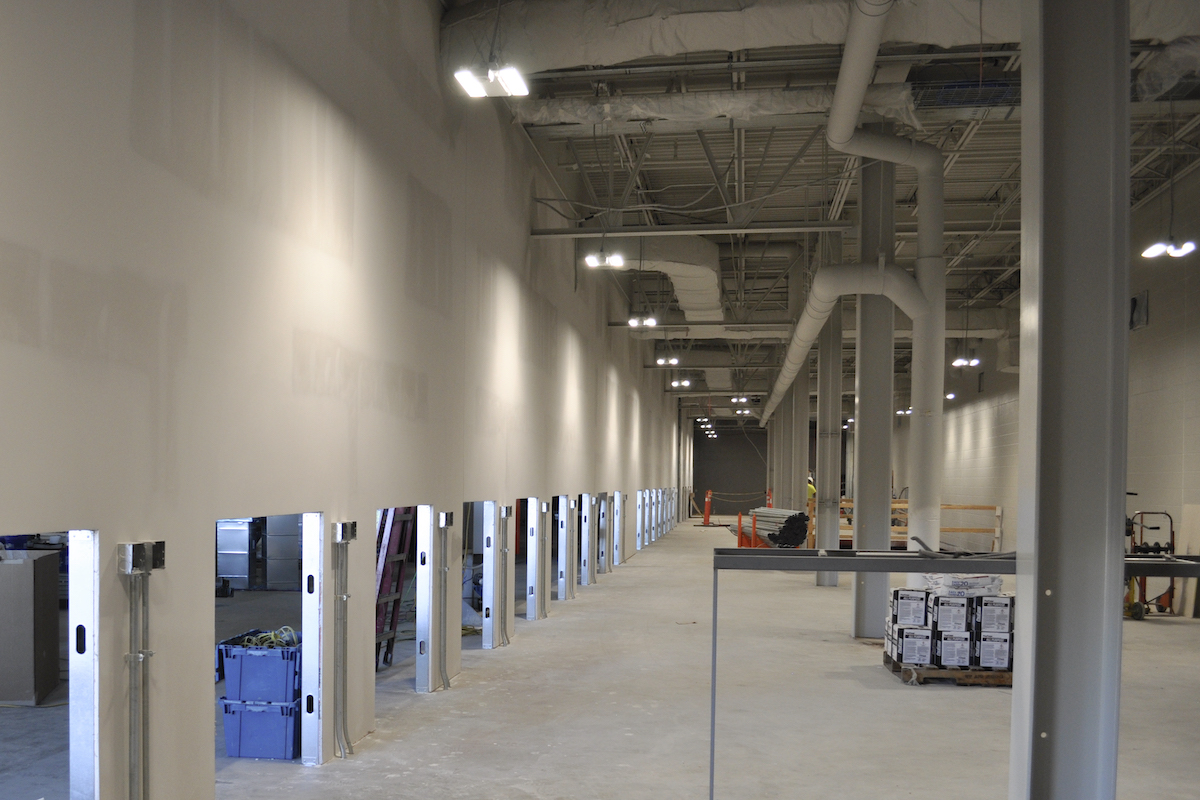
Another challenge to the system is that GRR currently has two separate TSA baggage screening locations. To rectify this, the team is building a 175,000-square-foot building that will house the baggage screening process, baggage makeup, and the new ticketing counter spaces.
Bosma said that the team decided to construct a new building instead of expanding one of the current locations, because the location of the facilities made expansion unfeasible.
"The individual carrier system for baggage handling is a big deal," Bosma said.
He and Christman are very familiar with GRR operations, as they have worked in almost every location in the airport over the last 15 years. This unique insight not only makes them a good partner to GRR ownership, but it also helps them recognize the value of the update.
ICS can be found in several European airports. In the U.S., the system is only (currently) in place at the San Francisco International Airport in California and the Orlando International Airport in Florida.
As part of the ICS at the bag drop, GRR requires additional new ticket counter space, consolidation of all airline counters to the terminal's west end, and an expansion of the baggage claim area with larger carousels.
The new system will eliminate manual processes in baggage handling once passengers drop off their bags. Passengers will walk up to a kiosk and check themselves in. Then they will receive a tag to place on their bag.
Before the passenger puts their luggage into the baggage handling system, an airline agent will verify their identity. TSA requires that the piece of luggage be verified by the airline that is receiving it. This step is the only one that will require airline employee involvement.
"It's a much more efficient way for the TSA to screen baggage, and it'll increase their throughput and increase efficiency in the airport incredibly,” Bosma said. “And that's how they get buy-in from the airlines."
The BEUMER Group pioneered the technology behind the baggage handling system. They built the system, installed it, and wrote the software to make it work.
"It's a pretty simple building, just a big square box," Bosma said, "but there are challenges associated with it.”
The issues include working around an active airport, as GRR is open between 18 and 20 hours a day. The team had a short window in the middle of the night when they could work, so they implemented regular night shifts.
Another major challenge was moving the existing utilities. "Every single one of them — electric, gas, sanitary, water, storm, airfield lighting, and airfield control — were in the way," Bosma said.
Relocating the utilities was an eight-month project that required the team to tear up the apron and systematically move the utilities.
While it is usually hard to know what is underground until a construction team starts to dig, in this case, Christman faced few surprises when it came to moving the utilities.
"The airport authority has pretty good documentation of what they think is in the ground," Bosma said. "We also did a lot of front-end investigation."
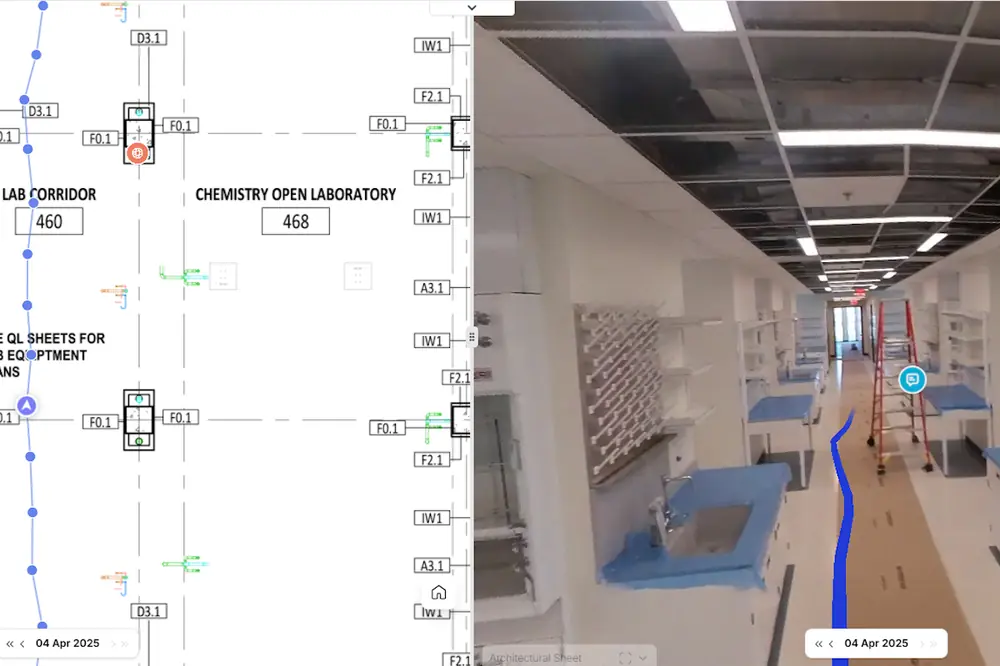
The team installed 3D cameras in all manholes and developed 3D models of the underground systems before they started the work.
Another challenge arose with the discovery of unknown soils. Bosma speculates that the fill area is a remnant from when they were building the original airport in the 1960s.
The team compensated by installing an extra set of borings to reach greater depths. "We installed aggregate piers through those areas to reach an area that had suitable soils," Bosma said.
While the discovery had an impact on the schedule, it did not require extra time since Christman was able to re-sequence the project.
The other significant challenge the team is facing is that this is a phased project, and part of it will be built in their existing baggage makeup area. Therefore, the team cannot begin construction until the new baggage makeup area is ready.
"We've kind of isolated ourselves into a really hard location to construct," Bosma said.
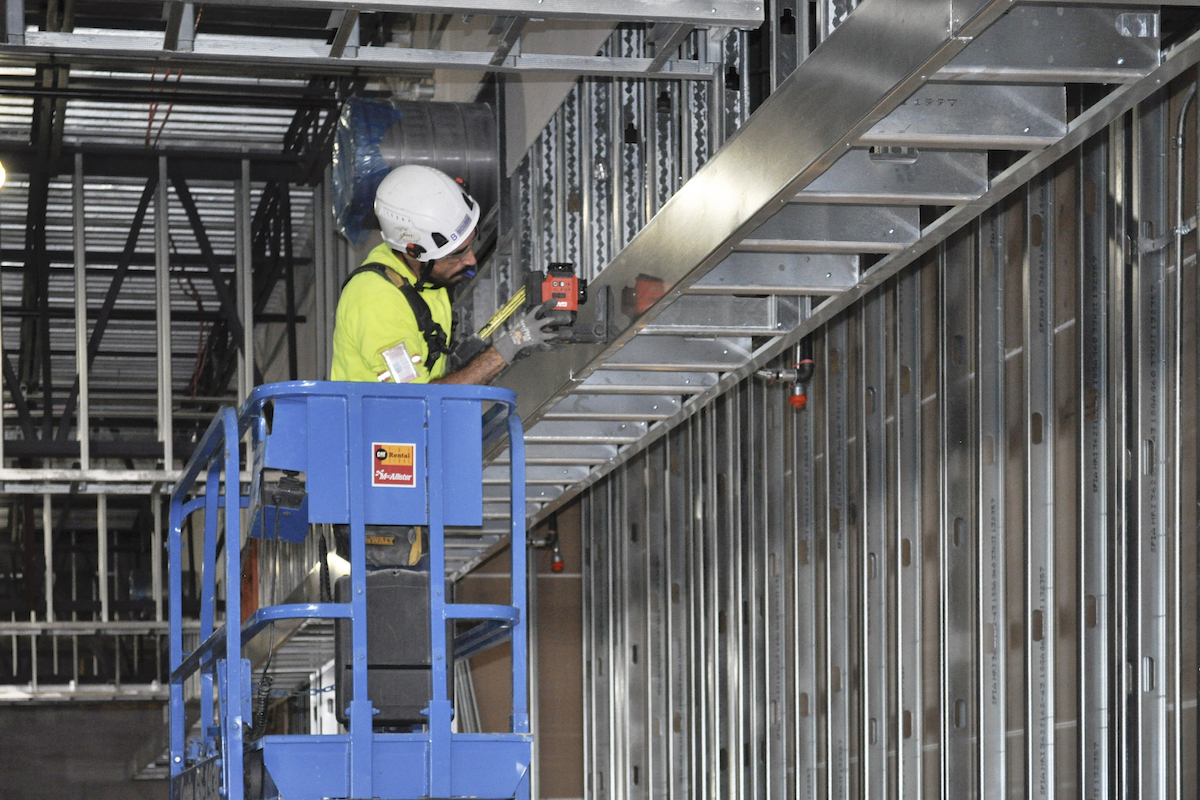
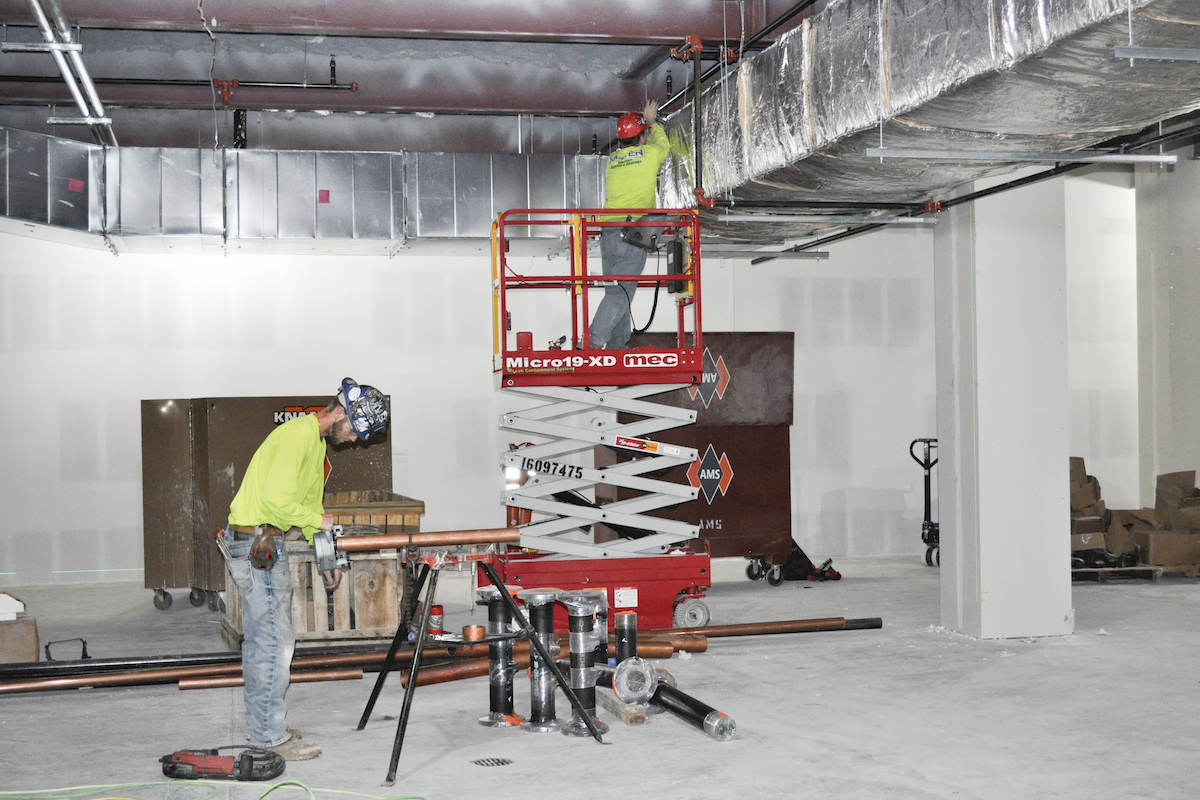
Because access is limited, the team needs to do a lot more handwork, demolition-wise. If not for the access issue, they would have used machinery. The team was unaware of the condition before the project's commencement.
Christman headquarters is in Lansing, Michigan. The company has additional offices in the state, including Grand Rapids, as well as nationwide. Bosma believes that Christman's previous work on GRR gives it a competitive edge.
"We understand why they're doing the project, where the project is going to go, and we were able to develop a plan pretty early on how to do these projects," he said. "These things help us with our costs, so [we] can offer a very competitive bid."
The people who are staffing this airport job live and work in Grand Rapids. Some of the current crew have worked at the airport on multiple projects.
"So our people know their people well, and we've developed relationships with our counterparts," Bosma said. “We've become a trusted resource."
The project's budget is $120 million. The project is currently on pace to be under the budget, at around $117 million.
"We have full-time estimators who do nothing but project plan for us," Bosma said. "They're living that kind of cost world day in day out, and we leverage that expertise for whatever project we're working on."
The team enables Christman to provide owners with accurate cost feedback, helping them make informed decisions on their projects and stay on budget.
Construction on the project began in the summer of 2025. However, the team started utility work in early 2025. Originally conceived as a two-year project, December 2027 is the new completion date.
The issues noted above, as well as a rigorous commissioning component that TSA oversees, contributed to the later completion date. Due to the phasing of the project, TSA will perform this action twice. The lengthy process is related to security.
When the Terminal Enhancement Project is complete, GRR will be more efficient and provide the airport with more capacity. The increase in efficiency and capacity will allow GRR to host more airlines and additional flights, enabling passengers to have more choices at lower prices.
- Owner: Gerald R. Ford International Airport Authority, Grand Rapids, Michigan
- General Contractor: The Christman Company, Grand Rapids, Michigan
- Designer: VTC/Corrigan, Dallas, Texas
- Engineer: Fishbeck, Grand Rapids, Michigan
- Other Contractors: BEUMER Group USA, Somerset, New Jersey