
More than 60 years after the I-70 Polk-Quincy Viaduct entered service, the Kansas Department of Transportation (KDOT) and its project partners are replacing the aging structure as part of a $239 million reconstruction through central Topeka, Kansas.
The project extends from MacVicar Avenue to Sixth Street and includes new viaduct structures, roadway reconstruction, ramps, local street improvements, utility work, and ground improvements.
Bettis Koss Construction, a joint venture between Bettis Asphalt & Construction Inc. and Koss Construction Co., serves as the general contractor.
KDOT Public Information Officer Kate Craft said the viaduct, built in the early 1960s, had deteriorated significantly as traffic volumes increased, highway design criteria changed, and the surrounding area evolved.
“The cost to maintain the structure continued to rise and was no longer fiscally responsible,” Craft said.
The replacement is intended to ease congestion, improve connectivity, enhance safety, and support future growth. Utility relocation with the City of Topeka began in fall 2023, and construction began in January 2025. Completion is expected in late 2027.
Brian Armstrong, PE, PTOE, Senior Project Manager for Bartlett & West, said the work has advanced in phases. The study phase shaped the design. Final design plans included interstate and roadway work, bridge work, pedestrian accommodations, traffic signals and lighting, maintenance of traffic, demolition plans, right of way acquisition, and utility relocation.
Ground improvement work and storm sewer construction began early to prepare for new and temporary ramps and traffic demands.
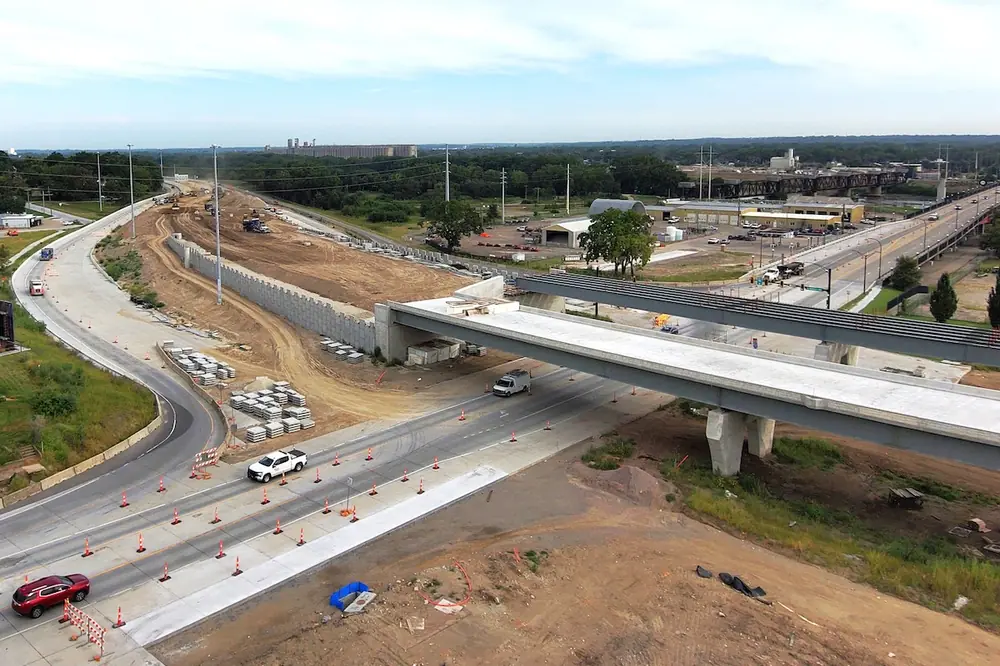
The project will reconstruct approximately 2.5 miles of I-70 on a partial offset alignment. Armstrong said the offset was selected to keep the existing bridge open as long as possible, flatten the horizontal curve on I-70 to increase the design speed and improve safety, and allow for future growth and possible expansion of I-70.
Once complete, I-70 will have three lanes in each direction between MacVicar Avenue and Topeka Boulevard. East of Topeka Boulevard, the interstate will remain two lanes in each direction, but the new viaducts will each have inside and outside shoulders for maintenance and emergency response vehicles, as well as room for future expansion.
Michelle Anschutz, PE, Field Engineering Administrator for KDOT, said the project will also flatten the curve over Fourth Street, which she described as one of the sharpest on I-70 between Denver, Colorado, and St. Louis, Missouri.
New interchanges are designed to increase capacity and improve connections to downtown and north Topeka.
According to Anschutz, the wider shoulders address an operating limitation of the former viaduct. She said its previous configuration did not provide lane space for emergency response or maintenance vehicles, which could require total lane shutdowns. Reconfigured interchange ramps are also intended to limit interstate traffic in nearby neighborhoods.
Funding comes through KDOT’s 10-year Eisenhower Legacy Transportation Program (IKE). Anschutz said the program is supported by motor fuels tax, registration fees, and sales tax revenues directed to the State Highway Fund. Federal reimbursements also contribute and cover a portion of the total project cost.
The project is on schedule and within budget, according to Anschutz. She said a mild winter followed by a drier spring and summer allowed crews to get ahead in several areas while remaining within budget and complying with local restrictions.
Major milestones completed include utility relocation, construction and reopening of Topeka Boulevard, and most of the widening of I-70 from MacVicar Avenue to Topeka Boulevard.
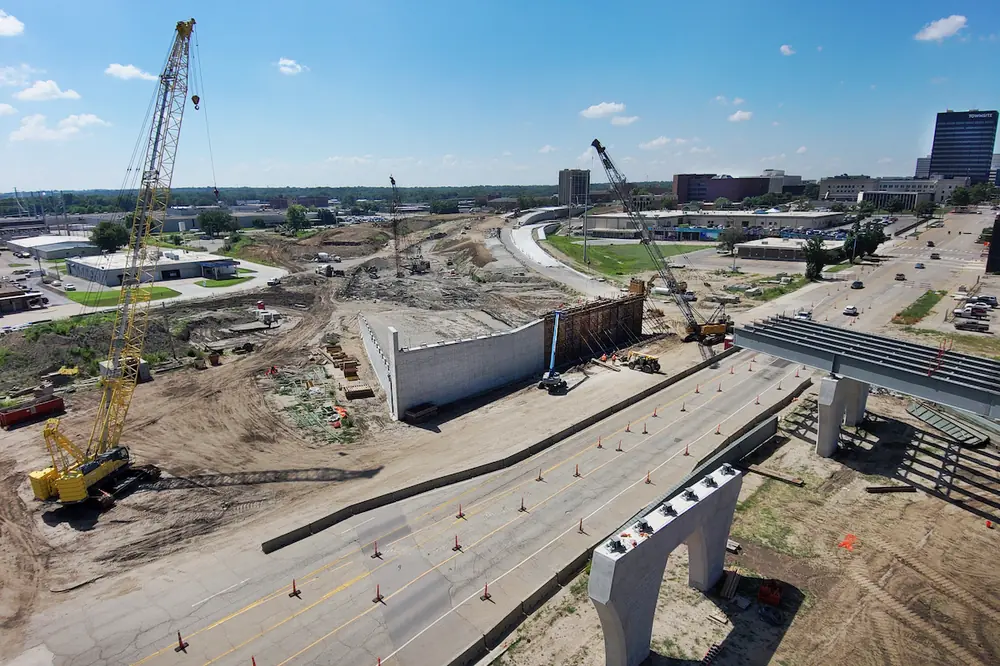
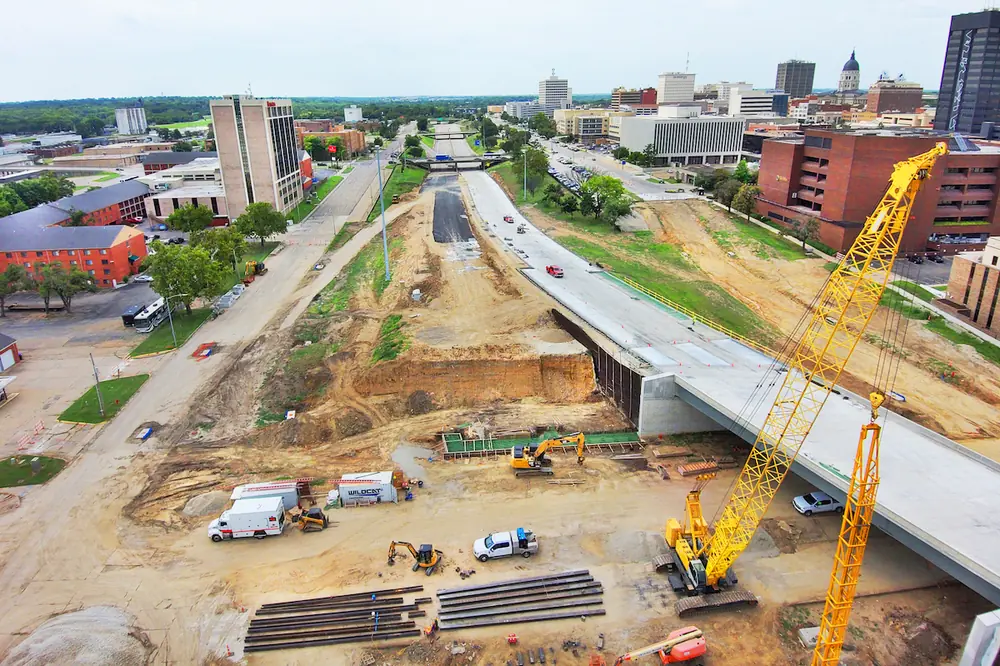
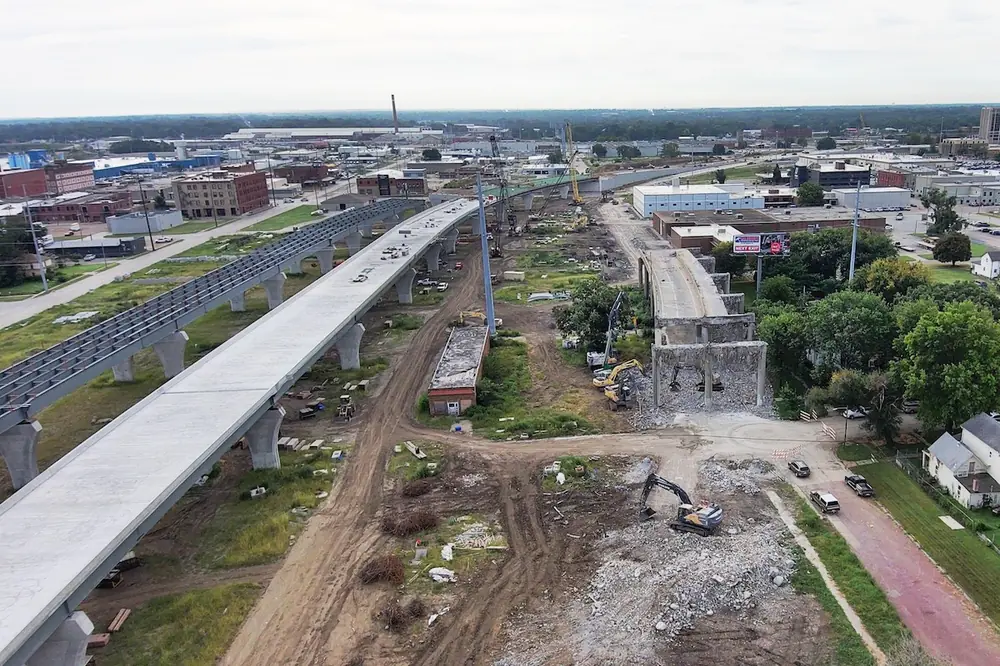
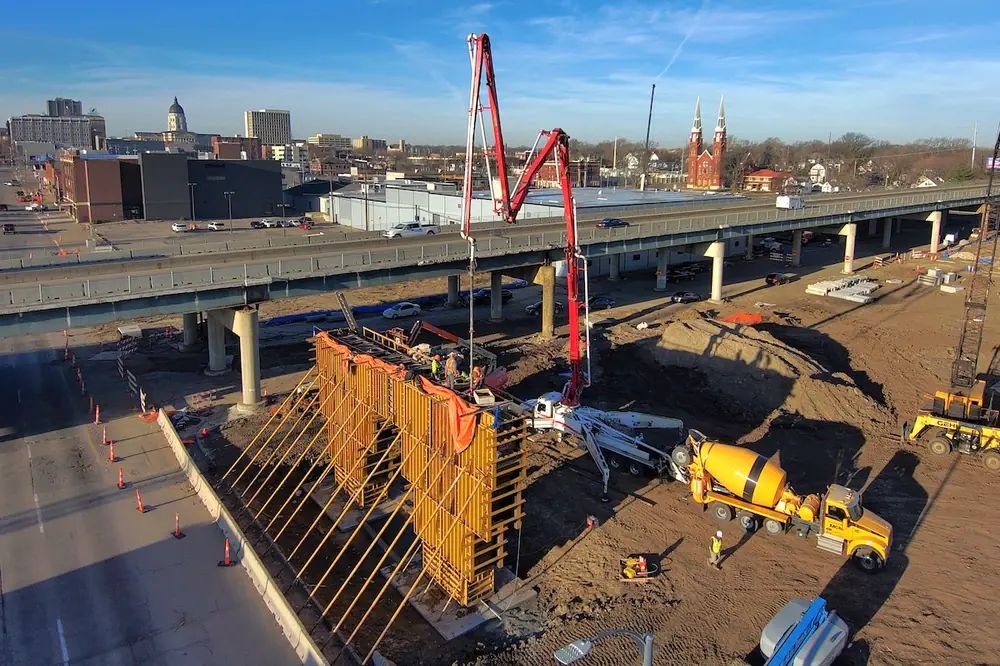
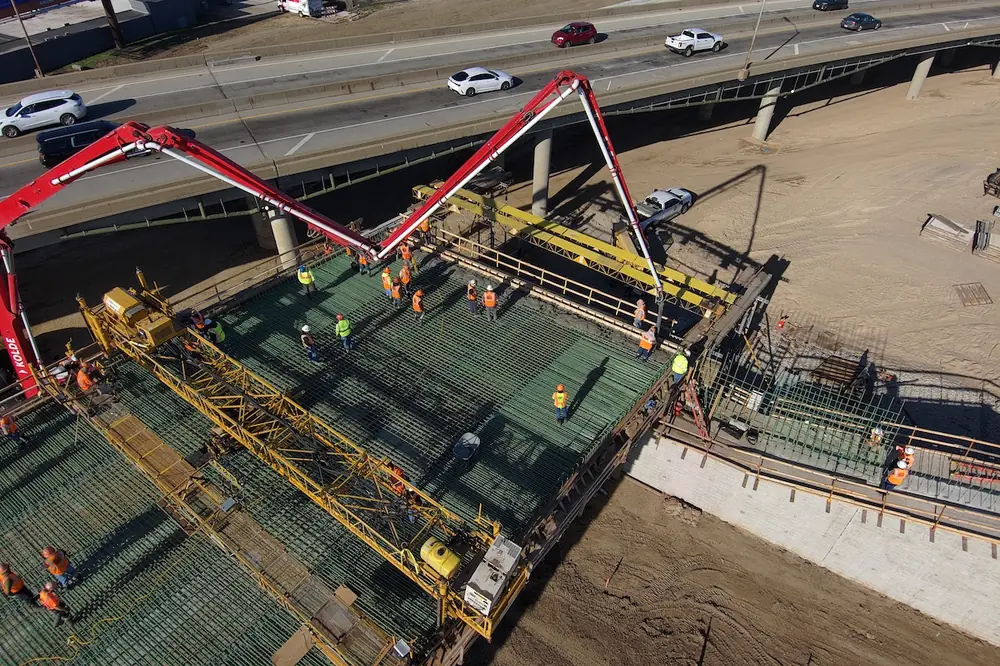
The eastbound viaduct has been substantially completed, with construction on the westbound viaduct progressing. Work on the split diamond interchange ramps and city street improvements is also continuing.
Utility conditions emerged as one of the most significant early construction challenges. Anschutz said crews encountered more complications than anticipated because the project passes through one of Topeka’s oldest areas.
A significant number of old or abandoned utilities had to be replaced, relocated, or removed before work could advance.
“Challenges with utilities were more in-depth than anticipated, especially in the early stages of the construction,” Anschutz said.
KDOT, Bettis Koss Construction, the City of Topeka, and utility companies worked to resolve the conflicts while crews shifted to unaffected areas to avoid delaying the overall schedule.
Time has presented a separate challenge. Anschutz said the reconstruction is scheduled to be performed within three construction seasons in the center of the capital city.
Continuing communication and detailed coordination among KDOT, the prime contractor, and subcontractors are critical to keeping work on track.
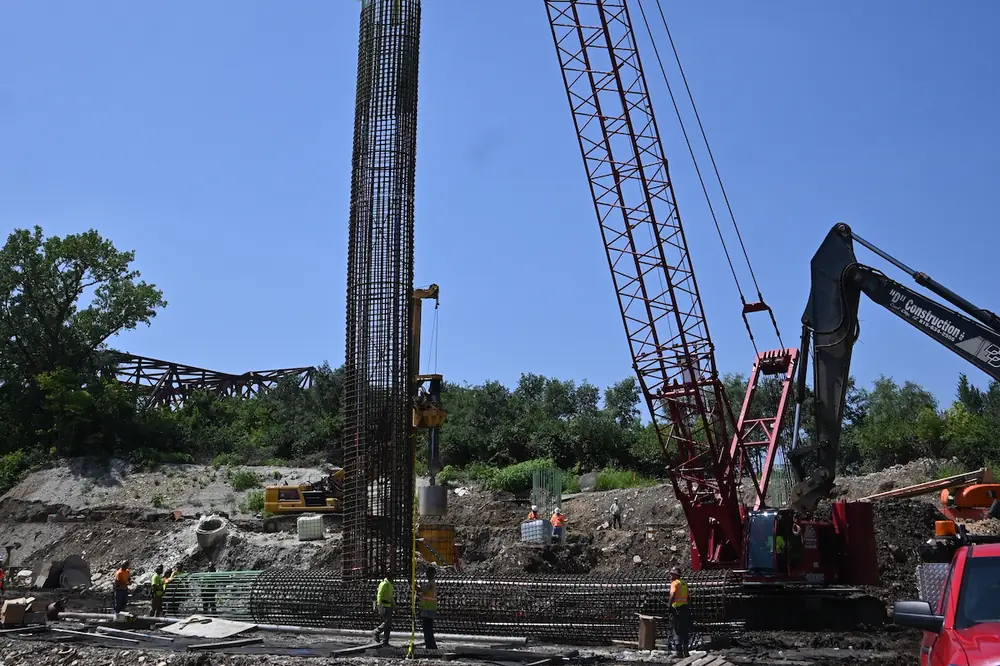
Below the new viaducts, the volume of ground improvement has created its own sequencing demands. Anschutz said completing the large number of rigid inclusions while meeting KDOT specifications has been one of the more technically demanding tasks for subcontractors.
Armstrong reported that more than 3.4 million pounds of structural steel have been used for ground improvements supporting the new viaducts.
The project has also used approximately 165,000 cubic yards of concrete pavement and involved about 600,000 cubic yards of common excavation. Ground improvements have covered more than 500,000 square feet.
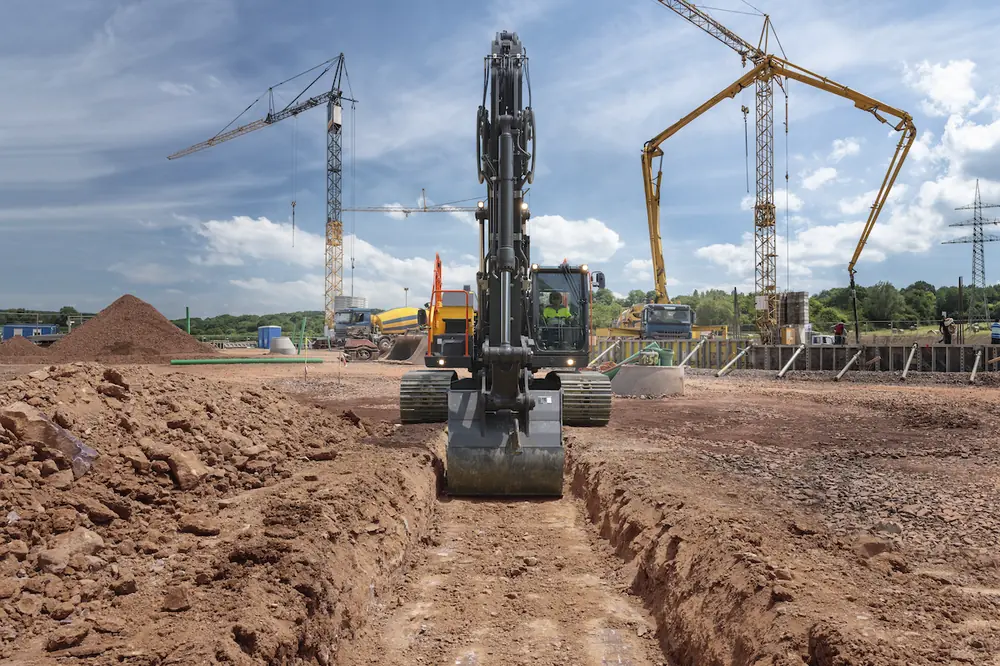
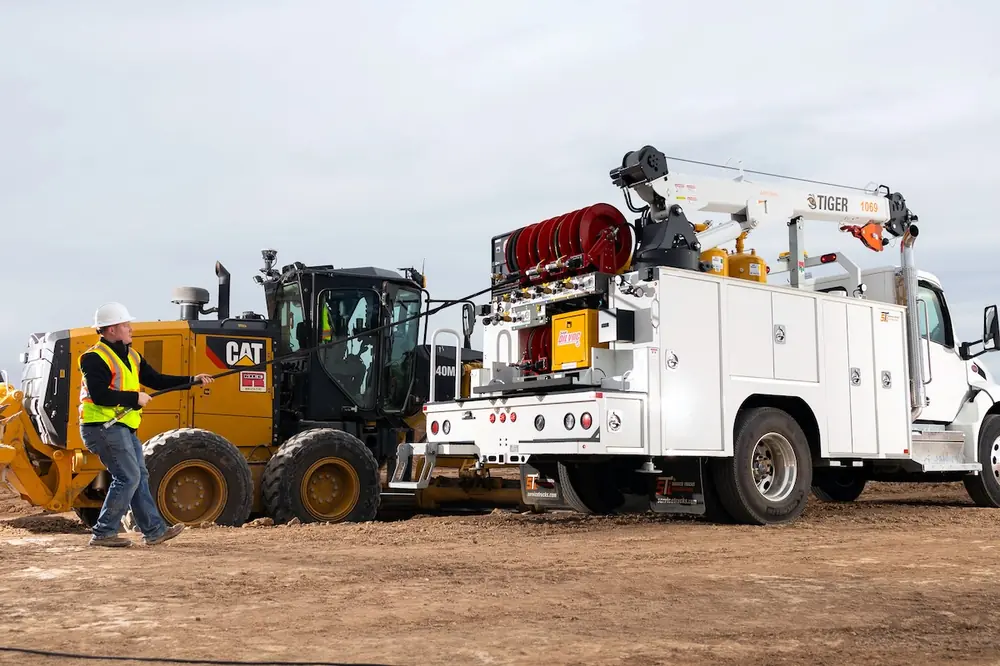
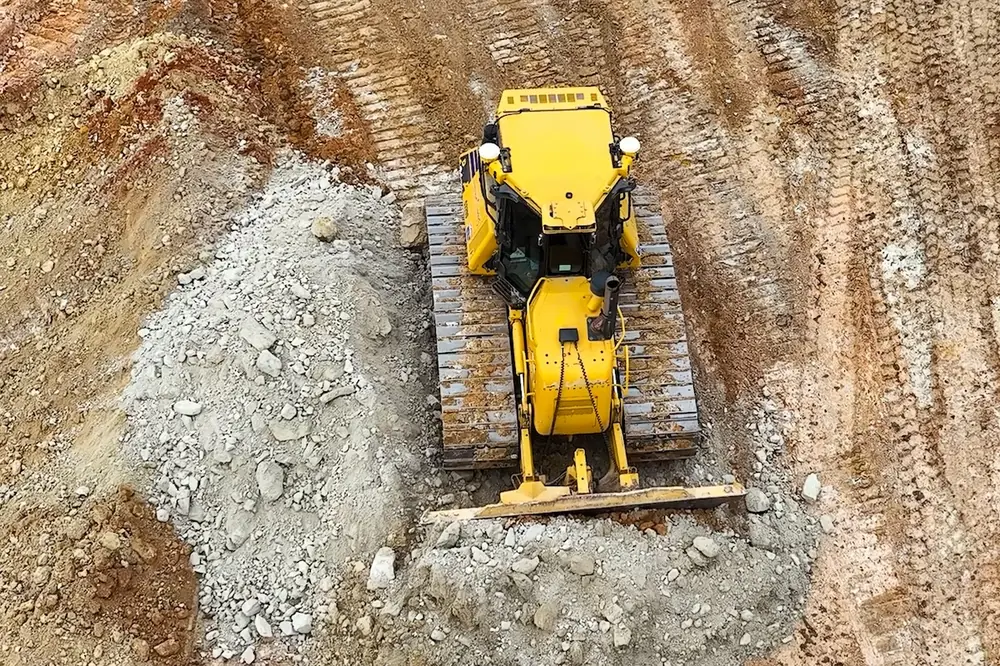
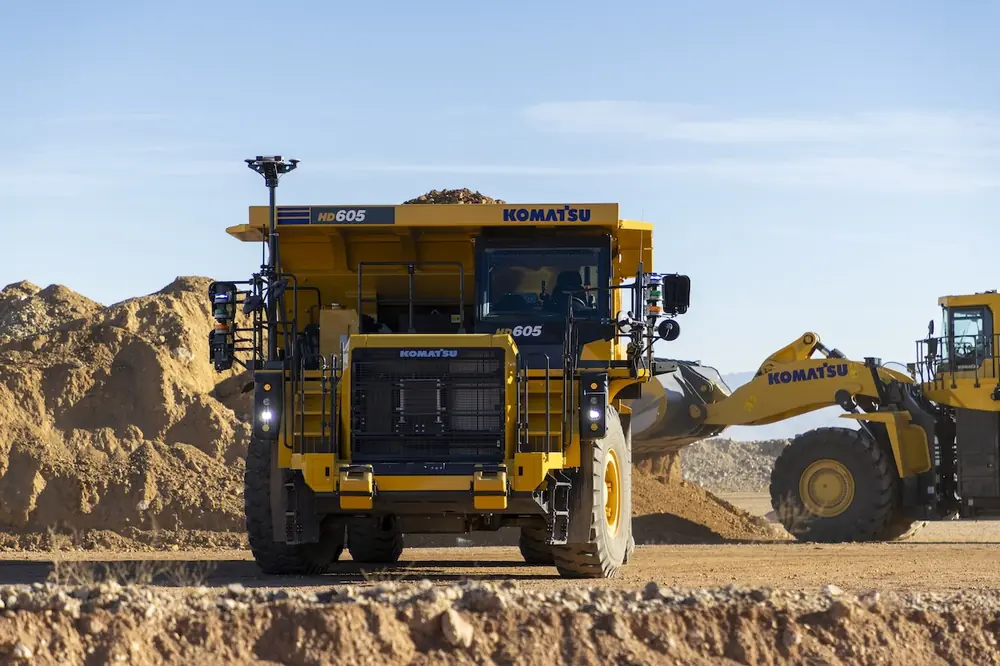
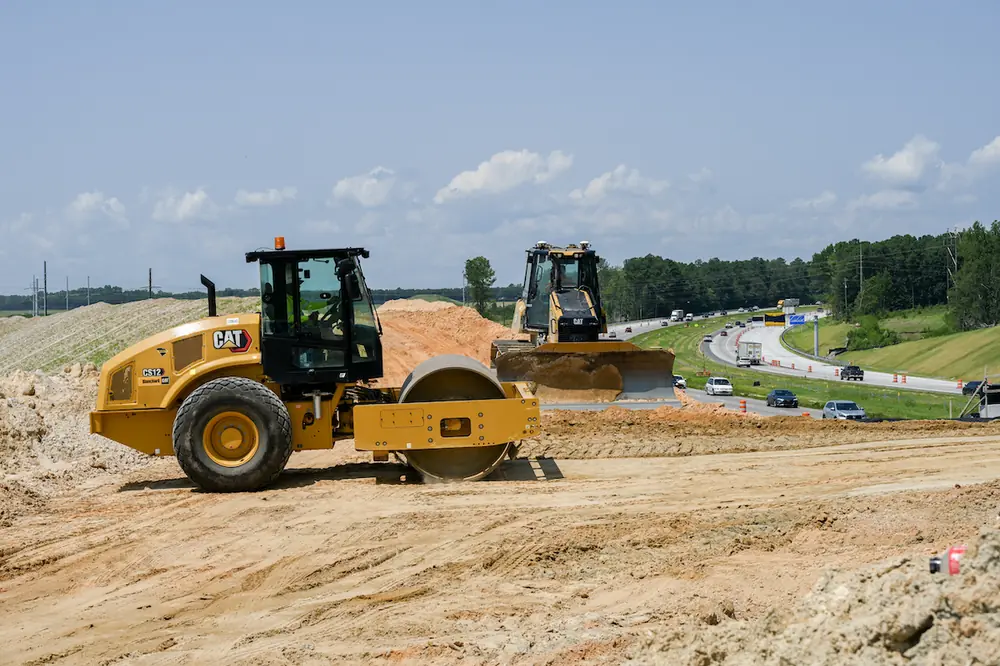
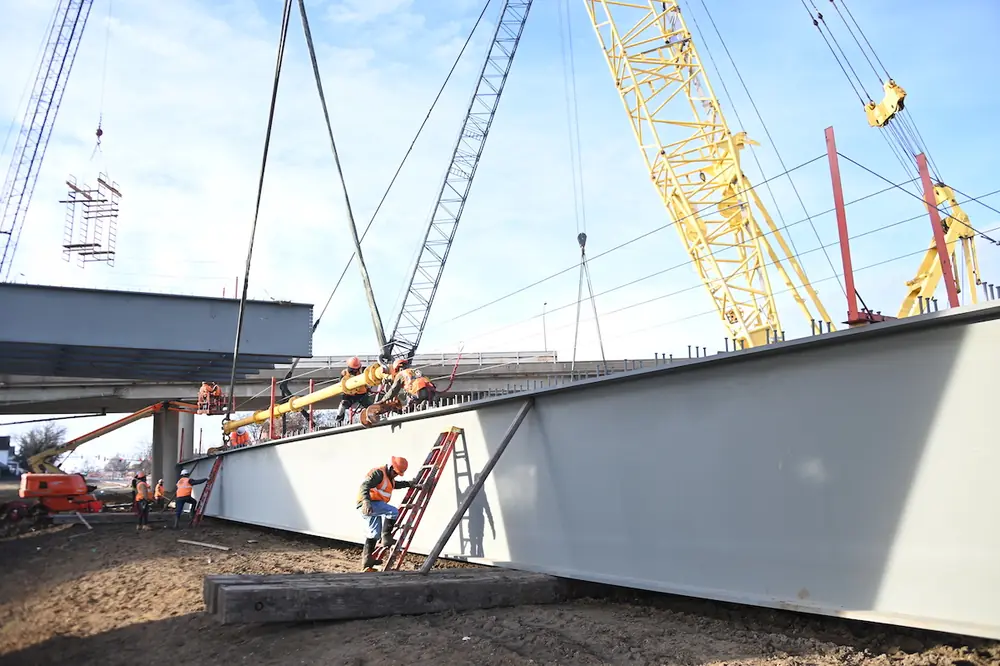
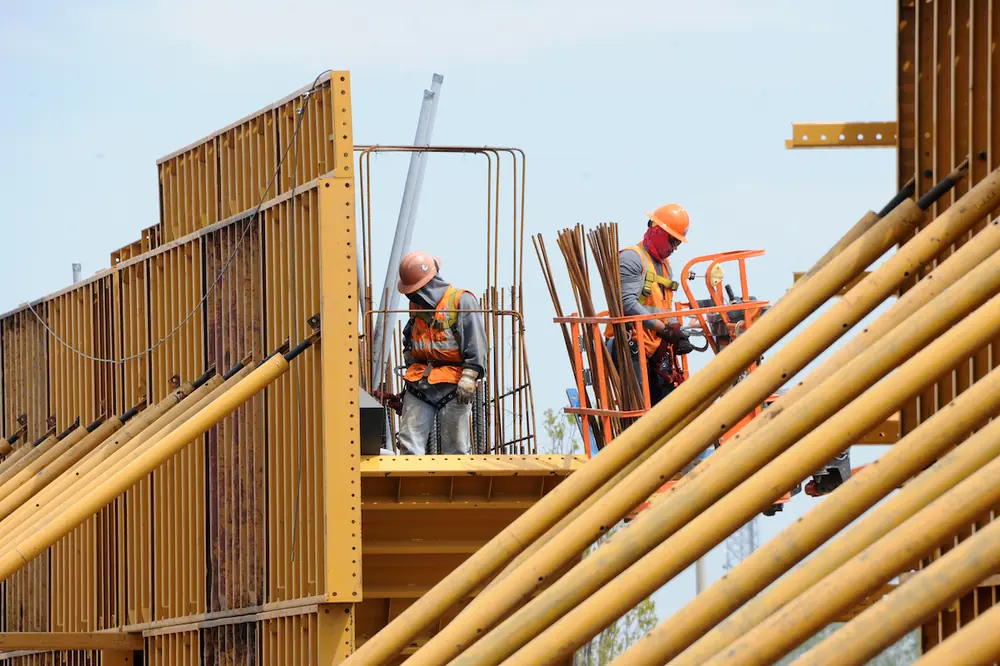
Equipment supporting the work includes small and large tracked excavators, loaders, skid steer loaders, tracked dozers, single-lane and multilane concrete paving equipment, asphalt paving equipment, soil stabilization equipment, manlifts, haul trucks, and a variety of cranes, Armstrong said.
The current phase centers on the total closure of I-70 between Topeka Boulevard and Eighth Avenue.
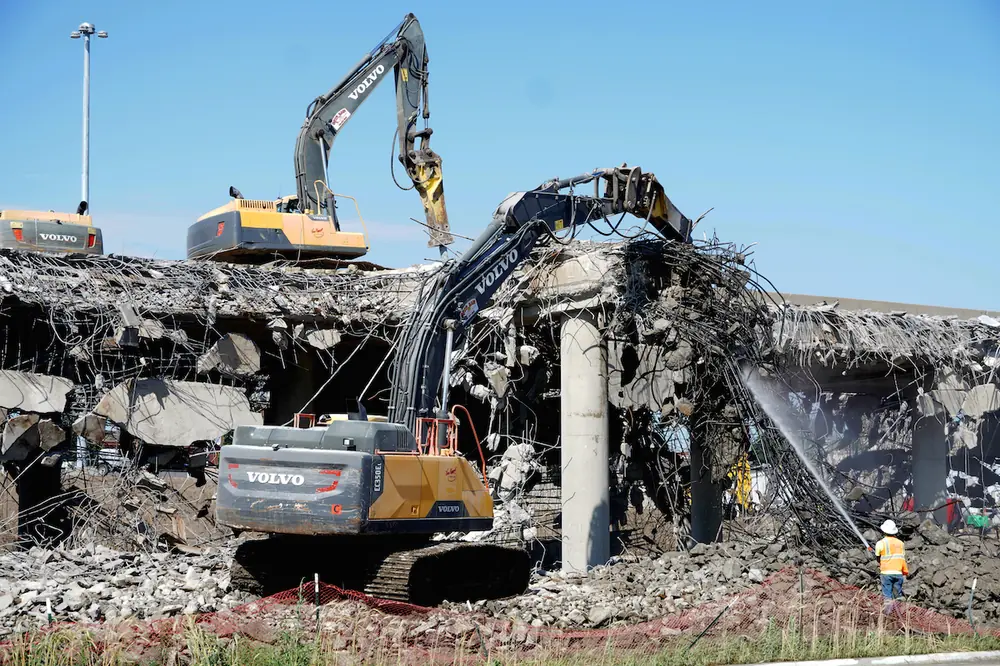
Demolition of the former viaduct has begun while work on both new structures continues, with crews focused on completing and connecting the eastbound viaduct to I-70. KDOT selected the shutdown to expedite that work while providing a safer work environment, Anschutz said.
Preparing for the shutdown required extensive coordination because downtown Topeka includes the Kansas State Capitol, historic neighborhoods, social services, small businesses, and city, state, and federal office buildings.
Maintaining access has remained vital, and KDOT has worked closely with the City of Topeka to coordinate traffic plans.
That coordination began before local road improvements, demolition, and viaduct construction, with utility relocation starting in fall 2023.
The project team also held public meetings to inform businesses, social service providers, and residents about potential impacts, construction phasing, and detour plans.
The contract uses an A+B bidding method tied to the I-70 closure. Anschutz said the approach incentivizes the prime contractor to keep the closure within a specified time frame and penalizes delays in reopening the interstate.
Before the closure, KDOT worked with city officials to maintain at least one local river crossing and use I-470 for detour routing as much as possible.
KDOT has communicated traffic changes through news releases, social media, email updates, local and statewide media, the project webpage, public engagement events, permanent and temporary message boards, and KanDrive, KDOT’s statewide traffic information website.
Safety was another factor in the full closure. Anschutz said detouring interstate traffic around the area allows crews to work more safely and efficiently during demolition and construction.
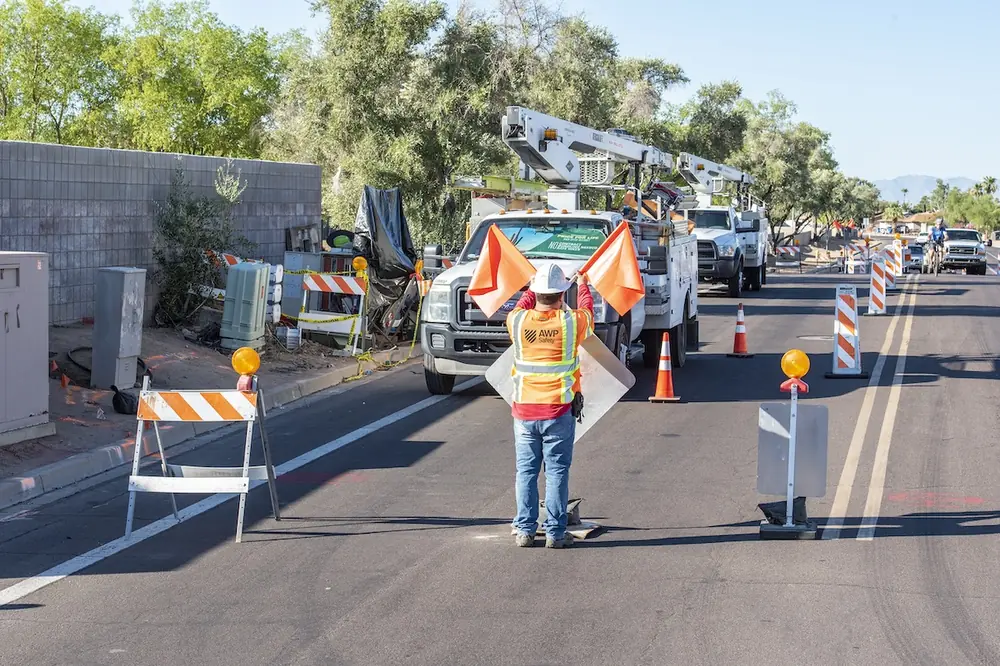
The project team coordinates major traffic shifts, temporary closures, and changing roadway configurations with the City of Topeka. Anschutz said keeping the public informed is an essential part of protecting motorists and workers as traffic patterns change.
Environmental and historic considerations preceded major construction. Armstrong said KDOT completed a separate demolition project to remove multiple buildings acquired to make way for the new viaducts. During that process, the Kansas Historical Society surveyed the site for potential historical resources.
Armstrong described the survey as an important step in sustaining Topeka’s history. The demolition contractor also recycled all steel and concrete from the removed buildings for reuse on other infrastructure projects around the country.
For Anschutz, one of the central lessons from the Polk-Quincy project has been establishing priorities among major milestones and aligning individual work schedules with the overall project timeline.
Developing those schedules requires coordination among city, state, and county officials as well as contractors and subcontractors. Despite minor setbacks and schedule adjustments, Anschutz said the overall project remains on track.
When old and abandoned utilities prevented work from advancing in some locations, crews moved to unaffected areas while KDOT, the contractor, the city, and utility companies addressed the conflicts.
Anschutz also identified planning before the June 2026 closure as a practice that could benefit similar interstate or bridge replacement projects. KDOT coordinated with city officials to reduce impacts on motorists, preserve at least one local river crossing, and route detoured traffic to I-470 where possible.
Public communication about project phasing and the planned detour was incorporated into that effort.
The next major milestone is the partial reopening of I-70 in late 2026. Once reopened, traffic is expected to operate with one lane in each direction on the new eastbound viaduct for most of 2027 while crews complete the new westbound structure and surrounding street network.
Final completion remains scheduled for late 2027. Anschutz said the completed project will provide better connectivity and enhanced safety while serving as the “front door” to the Kansas State Capitol for years to come.
- Owner: Kansas Department of Transportation
- General Contractor: Bettis Koss Construction — a joint venture between Bettis Asphalt & Construction Inc. and Koss Construction Co., both of Topeka, Kansas
- Designers: Bartlett & West, Topeka; WSP, New York, New York; Finney & Turnipseed, Topeka; Architect One, Topeka