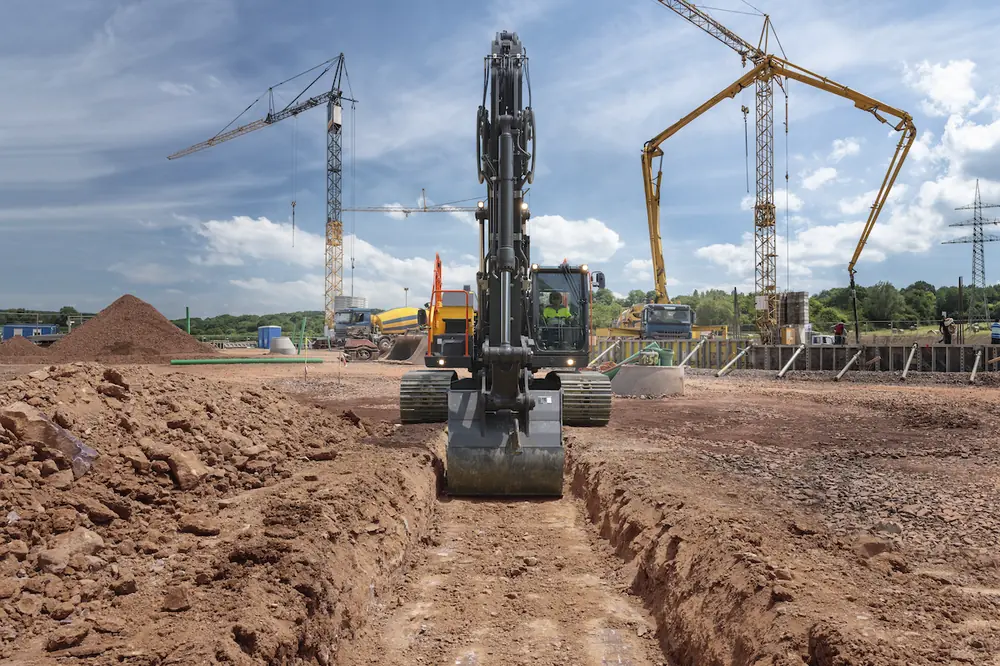

Between labor shortages and high material costs, contractors are under a lot of pressure to protect their margins. The goal right now is finding practical ways to work faster and cut expenses while keeping everyone safe.
Machine control options on modern excavators can do just that. With today’s advancements in heavy equipment technology, even the most skilled operators can benefit from a real-time assist to enhance their daily performance. Automated machine movements and small refinements in technique can be the key to meeting project specifications, cutting down or eliminating costly rework, and maximizing profitability.
From basic 2D guidance to automated 3D systems, the various levels of machine control available today can deliver improved safety, precision, and efficiency — driving real-world results in your operation.
Machine control used to be an optional add-on, but more contractors are treating it as a standard tool to keep their edge. These solutions include basic setups that use dynamic 2D grade control systems to help operators maintain consistent trench depths and slopes. More sophisticated systems use advanced 3D GNSS/GPS and total system integrations to offer real-time precision, as well as digital site models directly on the cab monitor.
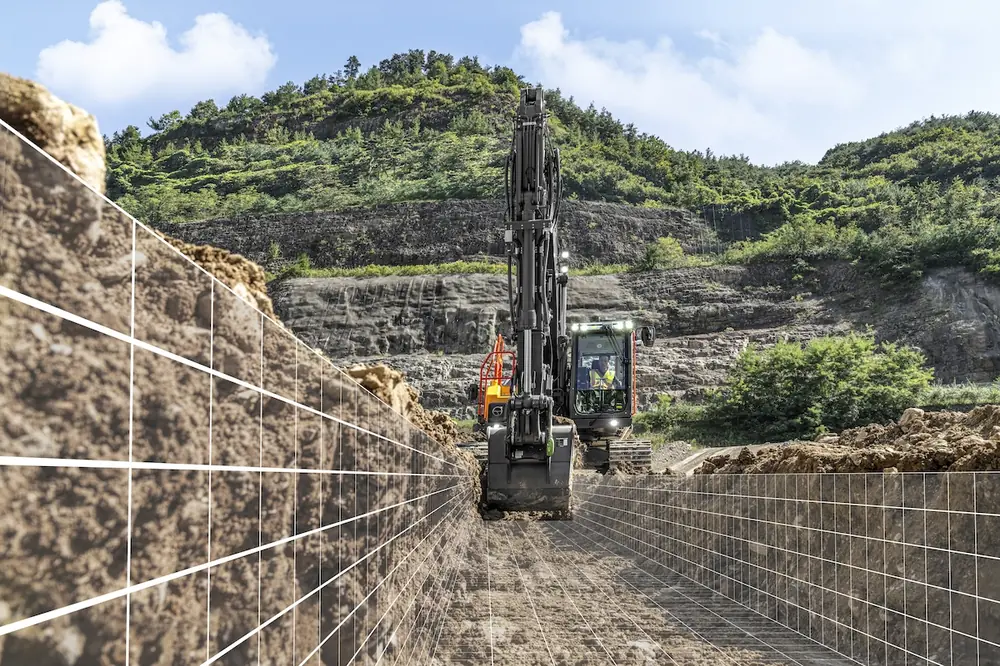
Many of these systems feature semi-automated machine control like auto-dig or semi-automatic boom, arm, and bucket controls. These functions help prevent over-excavation by automatically guiding the hydraulic attachment along the exact grade.

| Your local Gomaco dealer |
|---|
| Terry Equipment |
Common machine control capabilities for excavators include:
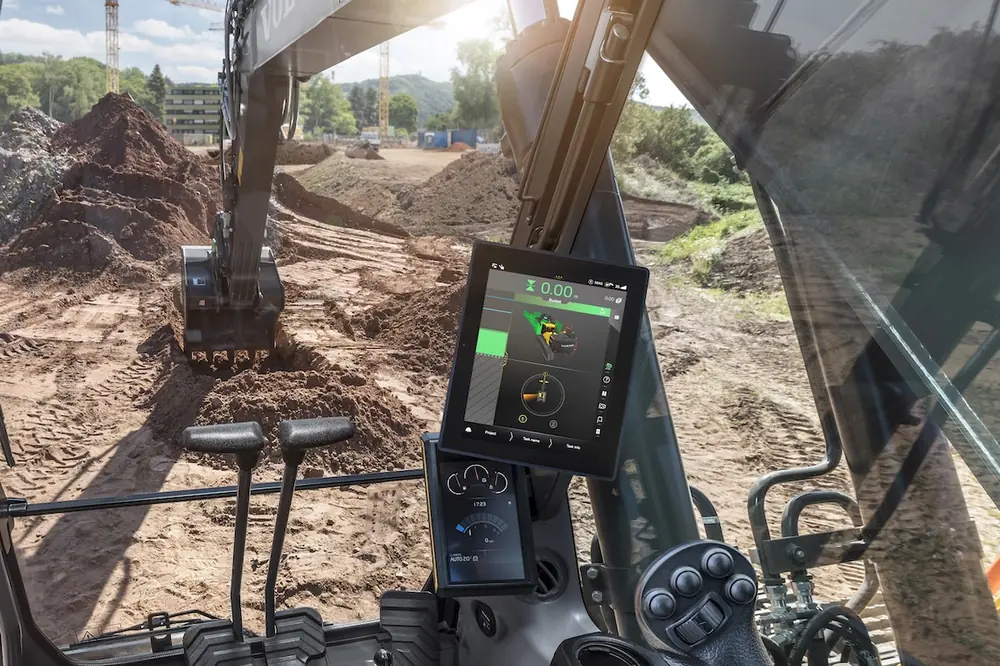
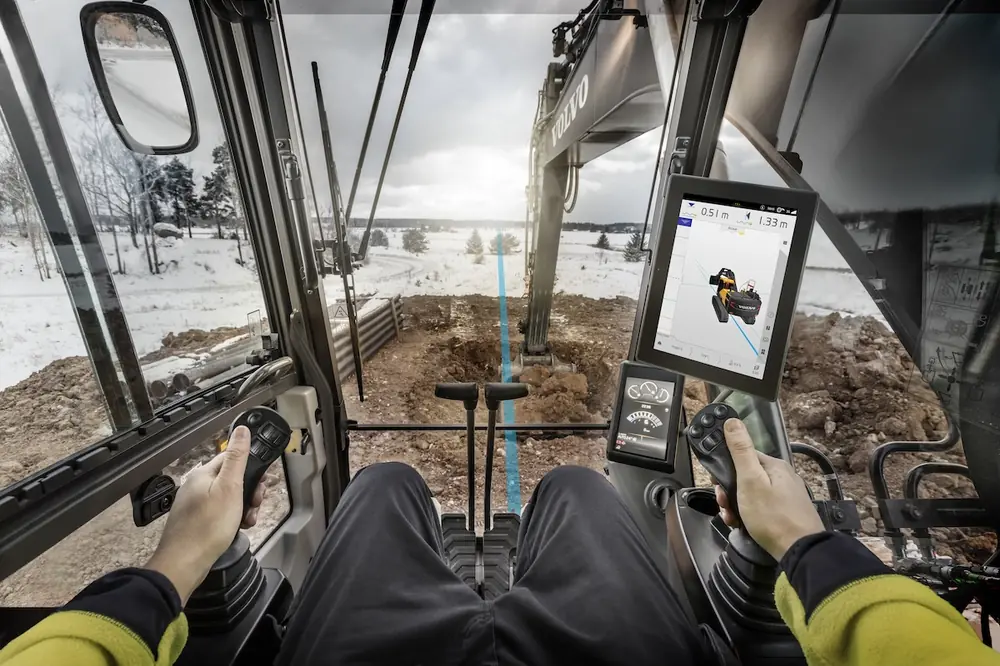
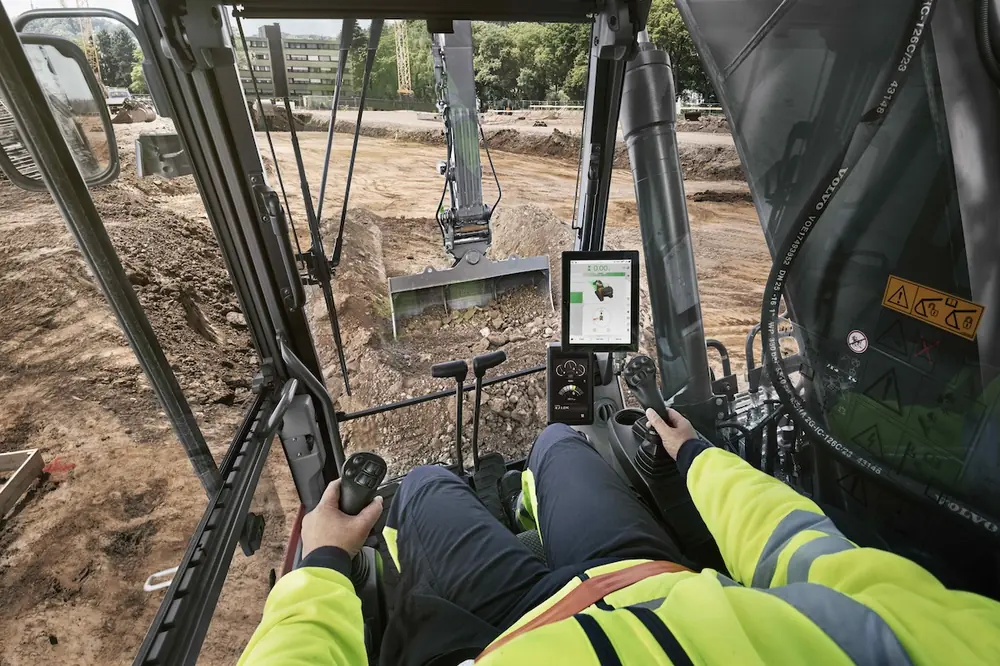
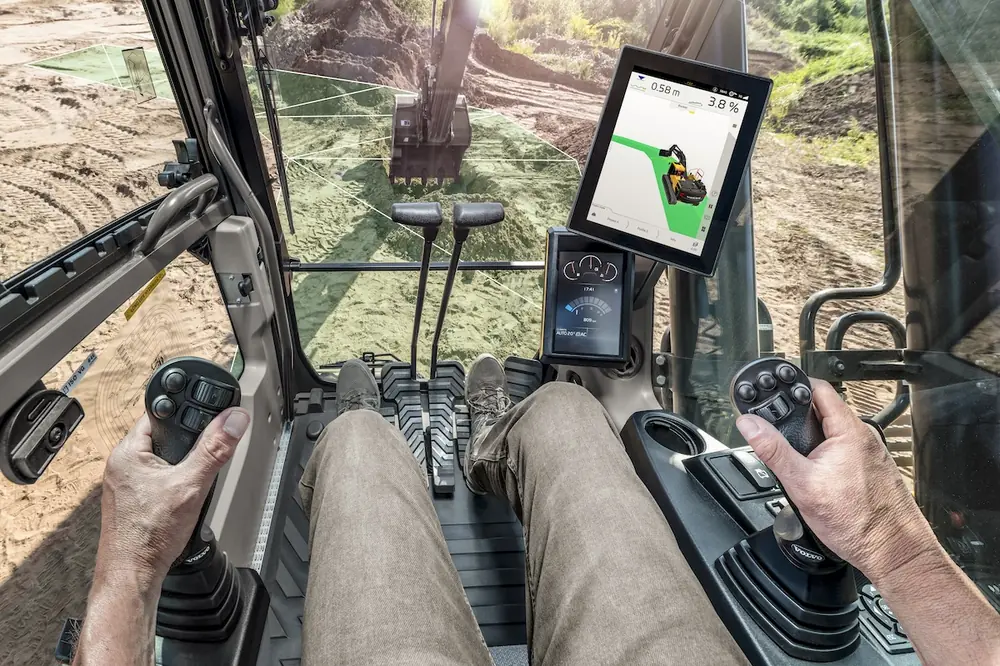
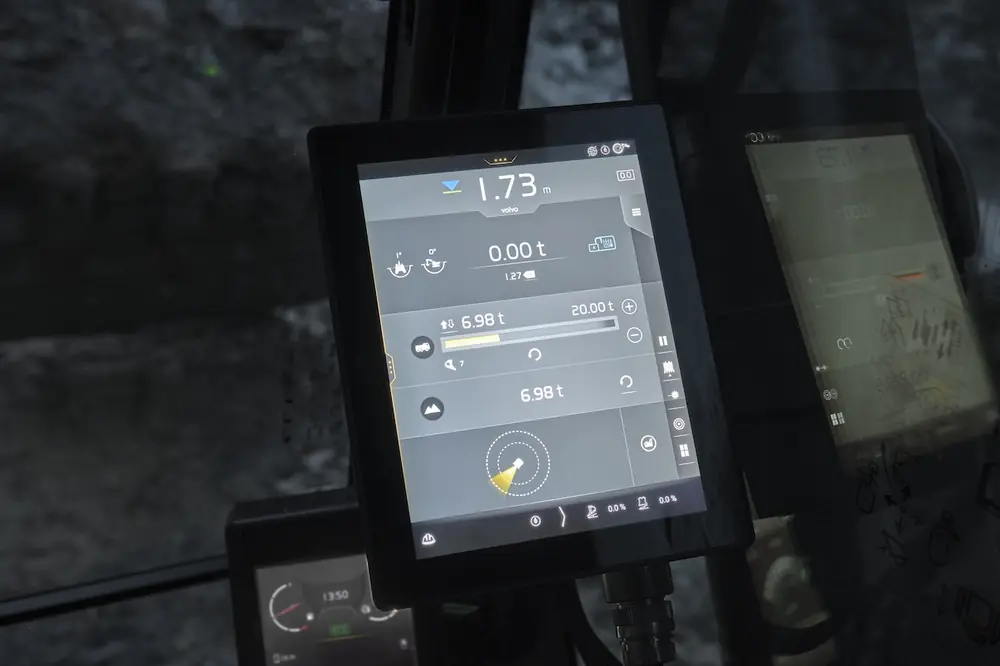
- In-cab interfaces — Smart tablets and touch screens provide visual, real-time operator guidance ranging from onboard weighing to coaching tips.
- Positioning and sensors — The integration of GNSS/GPS and sensors on the boom, arm, and bucket track real-time position and angle.
- Open platforms and compatibility — Heavy equipment OEMs are partnering with technology providers to offer open hardware/software integration directly through factory-fitted displays.
- Remote control technology — Available for some excavators, this can be especially useful for projects on dangerous or difficult job sites. This add-on allows operators to run an excavator from a distance in areas with hazardous substances or poor ground conditions, providing a safer and more efficient option.
- Removing workers from the trench — Grade control technology eliminates the need for manual grade checks, keeping operators in the cab and reducing the risk of slip and fall injuries.
- Providing virtual boundaries — Software features establish virtual height, depth, or swing limits near overhead powerlines and underground utilities. This keeps workers safe and protects equipment from costly damage.
- Improving visibility — Machine control systems can be integrated with camera feeds to reduce blind spots and protect crews in hazardous conditions.
When equipment isn’t run efficiently, project costs and timelines take a hit. You end up with issues like overdigging and rework, both of which burn more fuel.
Machine control features can significantly improve accuracy, from load weight to trenching depths, angles, and directions. Better accuracy translates into fewer mistakes, as well as time and labor savings. For instance, Volvo Active Control, a semi-autonomous grading system, can reduce grading times by up to 45 percent.
Some machine control systems guide the operator through the functions to automate the digging process. Once the parameters of the job are entered and it’s launched, the excavator automatically adjusts the boom and bucket movements to make precise cuts, following the desired shape and delivering the right slope of a trench. In-cab touch screen displays show 2D and 3D views of the machine’s movements, allowing operators to see in real time how much farther they need to dig to get to grade. Some systems let operators access favorite functions through shortcut buttons on the joystick.

| Your local Trimble Construction Division dealer |
|---|
| SITECH Southwest |
| SITECH West |
Some systems allow the operator to select from prebuilt digging profiles or create custom shapes to work from. They can outline the shape they want to dig right on the screen, which helps them to quickly draw and start digging foundations or even complex trenches.
Not only do these systems help save time for operators of all skill levels; they also help operations address the skilled labor shortage by getting new operators into peak production faster.
Many of these functions also help improve safety for everyone on the job site by:
For a practical example, consider Harold’s Concrete Construction, a small business in Vermont that specializes in construction site preparation. The company’s fleet includes Volvo EC140, EC200, and EC220 mid-size crawler excavators.
| Your local Gomaco dealer |
|---|
| Terry Equipment |
The business was dealing with bottlenecks on some projects due to time-consuming manual layouts, including spending three or more hours setting stakes, measuring, and cross squaring complex foundations. Owner/Operator Harold Lunnie implemented Volvo Dig Assist for his crew of about 10 employees.
Now, “It takes me less than five minutes to establish a few points in my layout, and we’re moving dirt,” Lunnie said. “I know where every corner and every wall is without throwing in stakes, taping measurements, cross squaring, everything like that.”
For his less-experienced operators, Lunnie can input data to get them started and trust that the technology will keep them on course. He estimated that the cost of adding machine control to his 22-ton crawler excavator was offset in about four months thanks to reduced labor and shorter timelines. He said indicating systems can save up to 35 percent on time by helping operators dig to the right grade the first time, and the automation features tend to get operators into the 45 percent to 50 percent time savings range.
“If you invest in this technology, you’re investing in production, you’re investing in accuracy, and you’re investing in no callbacks — and that’s what this game is all about,” he said.
| Your local Gomaco dealer |
|---|
| Terry Equipment |
The cost of a machine control system largely depends on what feature level you are looking for and whether it’s factory-fitted or aftermarket. But if your excavator work involves digging to specific depths, digging precise shapes, or keeping track of how much material you move, you’ll likely see a return on investment quickly. Also keep in mind that the technology and software are evolving all the time.
Machine control isn’t a one-size-fits-all solution or a substitute for human oversight. These systems don’t replace skilled operators — they empower good operators to perform exceptionally, ensuring that projects stay on schedule and on budget.
Matthew McLean is Product Manager – Assist Systems at Volvo Construction Equipment.