ROSEVILLE, CA — The California Transportation Commission (CTC) allocated nearly $1 billion to expand transit capabilities, add new highway safety features, and boost the state’s continued climate action goals.
The approved $988.7 million includes $184 million from the federal Infrastructure Investment and Jobs Act (IIJA) of 2021 and $336 million in support from Senate Bill 1 (SB 1), the Road Repair and Accountability Act of 2017. The investments made by these two funding sources have created an estimated 684,000 jobs. It has helped Californians, businesses, and visitors who rely on the state’s transportation network for employment and educational opportunities, access to goods and services, and connection to recreational attractions.
“Creating a brighter future in the Golden State is about addressing big challenges with meaningful investments,” California Transportation Secretary Toks Omishakin said. “This level of support funds wide-ranging transportation upgrades that provide the backbone of California’s vibrant economy by improving goods movement, expanding transit and rail systems, and making our system more bikeable and walkable. These benefits will be experienced by every region, including disadvantaged communities throughout the state.”
“The long-term investments ... will power our ongoing effort to provide the safest, most accessible transportation system possible for all users, while continuing to serve as responsible stewards of California’s environment,” California Department of Transportation (Caltrans) Director Dina El-Tawansy said. “From new sidewalks and bicycle lanes to bridge repairs and highway reconditioning, we are improving our transportation system for the benefit of all Californians and creating thousands of jobs in the process.”
“[These] investments will improve the safety, mobility, and economic prosperity of all Californians, especially those in rural communities,” California Transportation Commission Chair Darnell Grisby said. “These infrastructure improvements will better connect working families to jobs, schools, essential services, and recreational activities while simultaneously reducing out-of-pocket transportation costs. Thank you to all our partner agencies for their help in delivering these projects across California.”

| Your local Gomaco dealer |
|---|
| Terry Equipment |
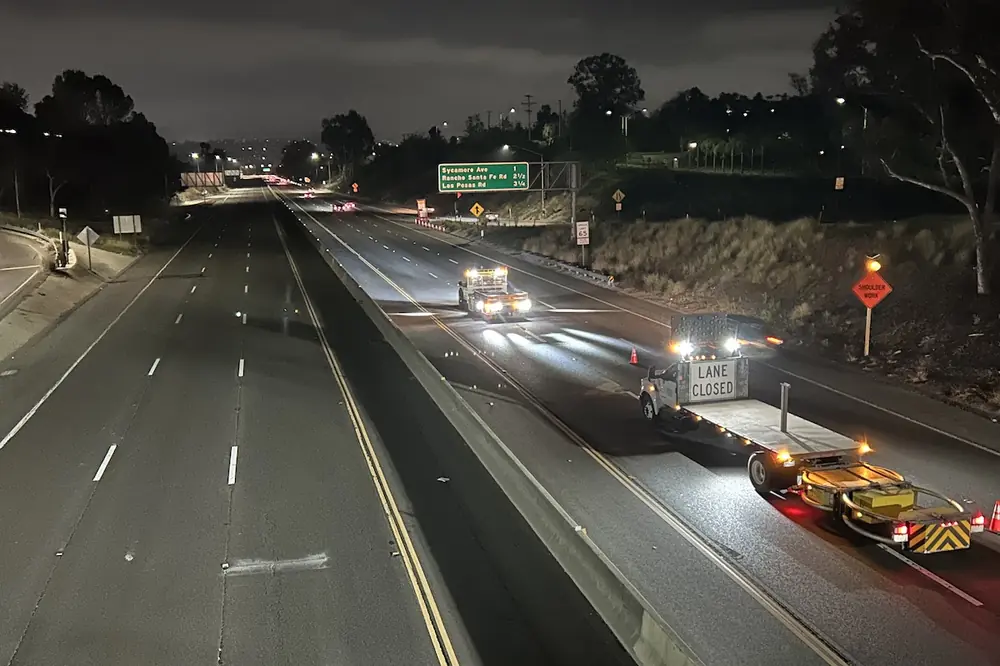
The list of funded projects includes $96 million to improve travel times and enhance traffic safety between Ventura County and Goleta with high-occupancy vehicle lanes, pedestrian and bike paths, and transit enhancements.
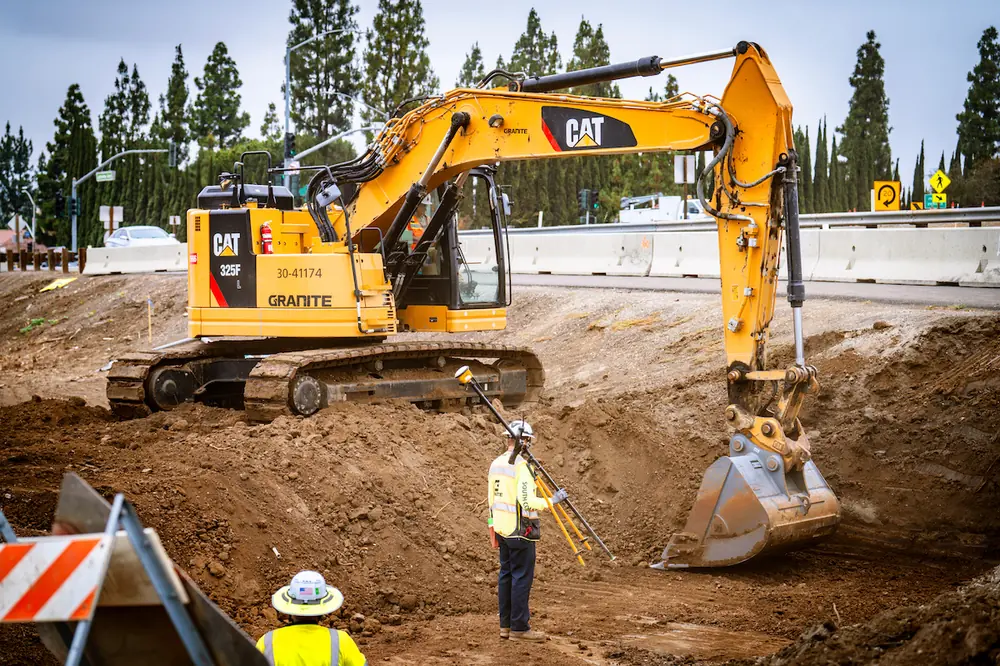
Approximately $73 million will go toward improving semi-truck operations and safety on Interstate 10 in San Bernardino County, and $63 million will be used in Riverside County for a new bridge, bike lanes, and a wildlife crossing as part of an upgrade to the Ramona Expressway.
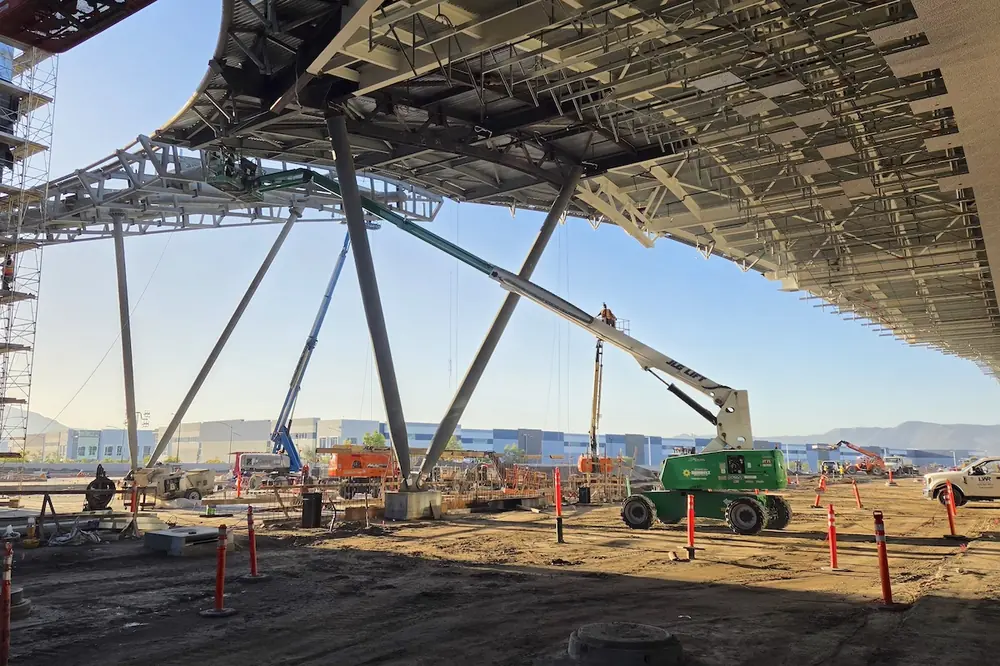
The commission also agreed to fund several transit-related projects, including $60 million to help rehabilitate Union Station in the city of Los Angeles; $17 million for 20 electric buses for the city of Glendale; and $21 million for eight new light rail vehicles for Sacramento Regional Transit.
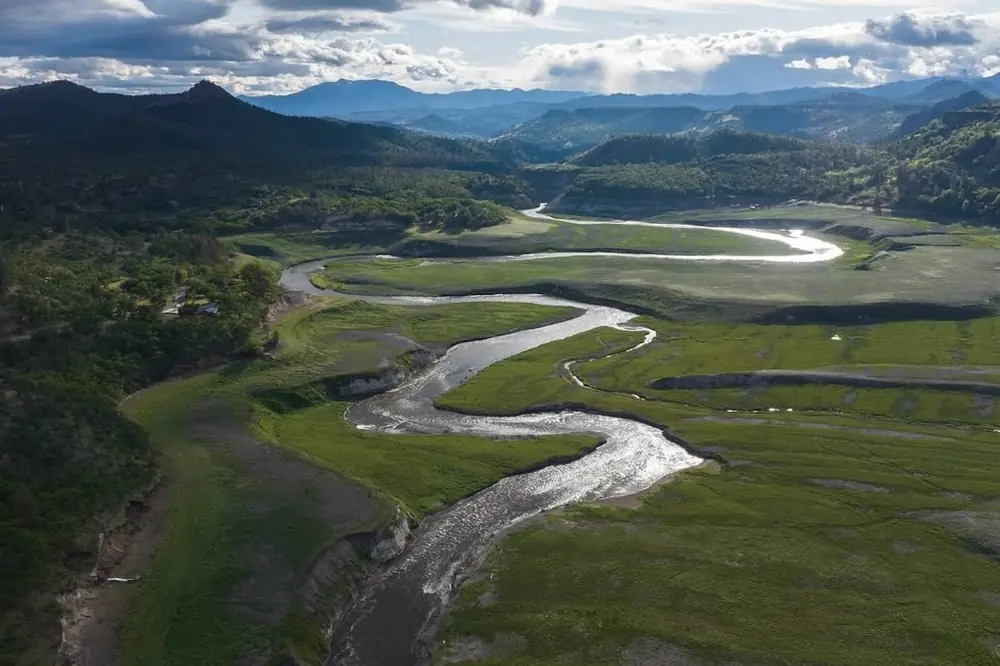
In addition, the commission allocated $18.8 million for the Wallis Annenberg Wildlife Crossing in partnership with the California Natural Resources Agency. This crossing will provide a safe wildlife passage over U.S. 101, reducing wildlife-vehicle collisions and supporting long-term species viability through improved movement. This will be the first of its kind in California and a globally significant model for wildlife connectivity in an urban corridor.

| Your local Trimble Construction Division dealer |
|---|
| SITECH Southwest |
| SITECH West |
California will receive nearly $54 billion in federal infrastructure funding with IIJA. This includes investments to upgrade the state’s roads, bridges, rail, public transit, airports, electric vehicle charging network, ports, and waterways. IIJA funding alone has already created an estimated 269,000 jobs.
SB 1, which has provided $5 billion annually for transportation projects since 2017, allocates funding to the state and local agencies. Road projects progress through construction phases more quickly, depending on the availability of funds, including those partially funded by SB 1. It has created approximately 417,000 jobs.