
For too long, construction has treated risk management primarily as an insurance function and insurance as risk management. This is simply not so. Rather, insurance provides the financial base, resources, and protection necessary to absorb and manage catastrophic losses — the strong foundation needed to build a risk management program that encompasses far more than coverage and claims.
Risk management is the entire ecosystem that manages the actual risk and safeguards assets and reputations — from inception to the end of the statute of limitations and beyond — to protect contractors.
Litigation has become more sophisticated and expensive. Nuclear verdicts have become part of the industry's vocabulary. Fraudulent and exaggerated claims are pervasive and the technology available to develop, document, and pursue both are more advanced than anything the industry has ever dealt with.
At the same time, contractors are dealing with rising construction costs, compressed margins, increasing productivity requirements, exponentially greater oversight, and a shrinking pool of highly experienced talent. These eventually create greater financial stress throughout the entire risk system: larger losses, higher legal expenses, greater claims management costs, rising insurance prices, and reduced carrier appetite for difficult classes and/or regions of construction risks.
Contractors are also being asked to retain more of their own risk through larger deductibles, higher premiums, and self-insured retentions, often supported by substantial collateral —burdens that put even more pressure on working capital.

| Your local Gomaco dealer |
|---|
| Terry Equipment |
Every increase cannot simply be passed through to the customer. Owners have budgets. Developers have pro formas. Public agencies have financial limitations. At some point, the increasing total cost of risk affects pricing, margins, project feasibility, and the contractor's ability to compete.
Managing risk in the entire project ecosystem is the difference between a reactive and defensive risk management model.
The team needs to be asking the right questions:
- Do we understand the work and the risk?
- Did we put enough money into the bid? Did we miss anything?
- Do we have the right people, experience, and equipment?
- Do we have enough time to properly stage and perform the work, and enough equipment to do so?
- Have we planned the operation in a way that supports both productivity and safety?
- Is the spread reasonable?
These questions form the key elements of a robust risk management program. It starts with developing a stronger safety culture and organizational behavior in which loss prevention is part of daily operations, not a periodic inspection or checklist.

| Your local Trimble Construction Division dealer |
|---|
| SITECH Southwest |
| SITECH West |
Culture is what leadership tolerates, rewards, measures, and refuses to compromise. Safety, quality, productivity, and profitability should all reinforce one another, and leadership must clearly communicate and demonstrate this all the way into the field, even when it is inconvenient, uncomfortable, or expensive.
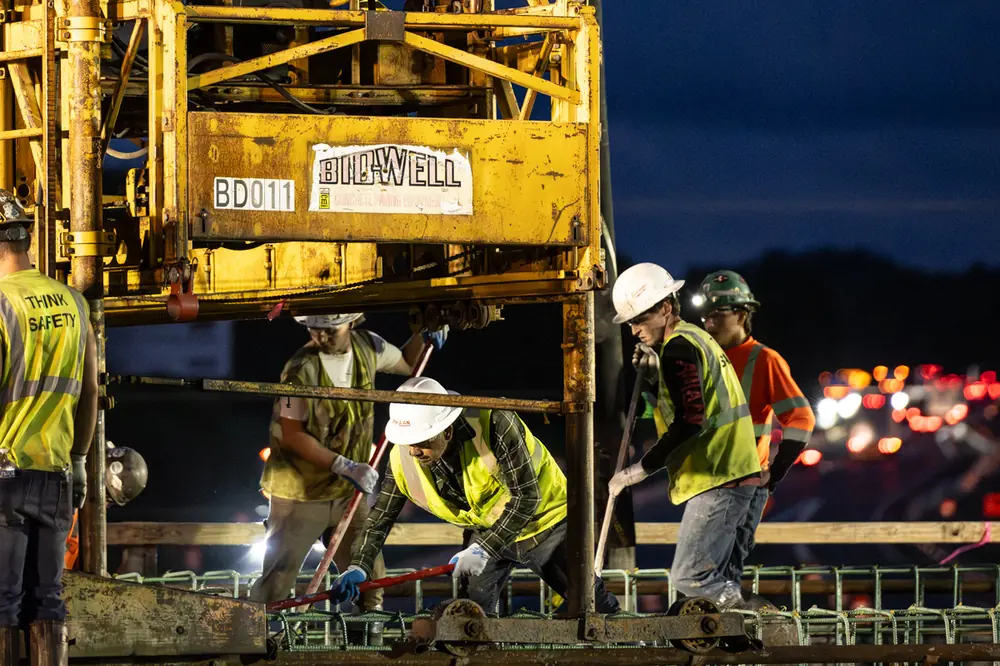
Loss prevention is about modifying behavior, both individually and organizationally, to prevent accidents and injuries and better mitigate their severity. That approach must begin with leadership, flowing from the executive team to project management and supervision, and ultimately into the daily behavior of every person in the field. While every accident or mistake cannot be prevented, each presents a teaching moment — a guide for improving operations and behavior before that same action produces a loss.
That is why safety culture cannot live in a checklist, an annual training program, or even a weekly toolbox talk. It must become part of the way the organization operates every day, with reinforcement of what is being done correctly, identifying what is not, and improving the standard until it is habit. Better supervision catches problems earlier; leads to fewer incidents and disruptions; and avoids safety violations, accidents, and expensive rework that consume labor, equipment, material, time, finances, and management’s attention.
The result is better claims management that prevents unnecessary lost dollars and distractions for the team, thereby reducing the overall drain on the organization’s resources.
| Your local Gomaco dealer |
|---|
| Terry Equipment |
The challenge is that no superintendent, safety professional, project manager, or executive can see everything happening on a construction project every minute of every day. If prevention depends upon the ability to observe behavior, recognize risk, learn from near misses, and intervene before those behaviors become losses, contractors need a better way to see what is happening on the job.
To that end, here are crucial technology tools for a modern risk management program. Together, they help contractors achieve a higher level of prevention; improve compliance; and reduce the frequency, severity, and ultimate dollar value of losses.
24/7 Video Surveillance and Monitoring
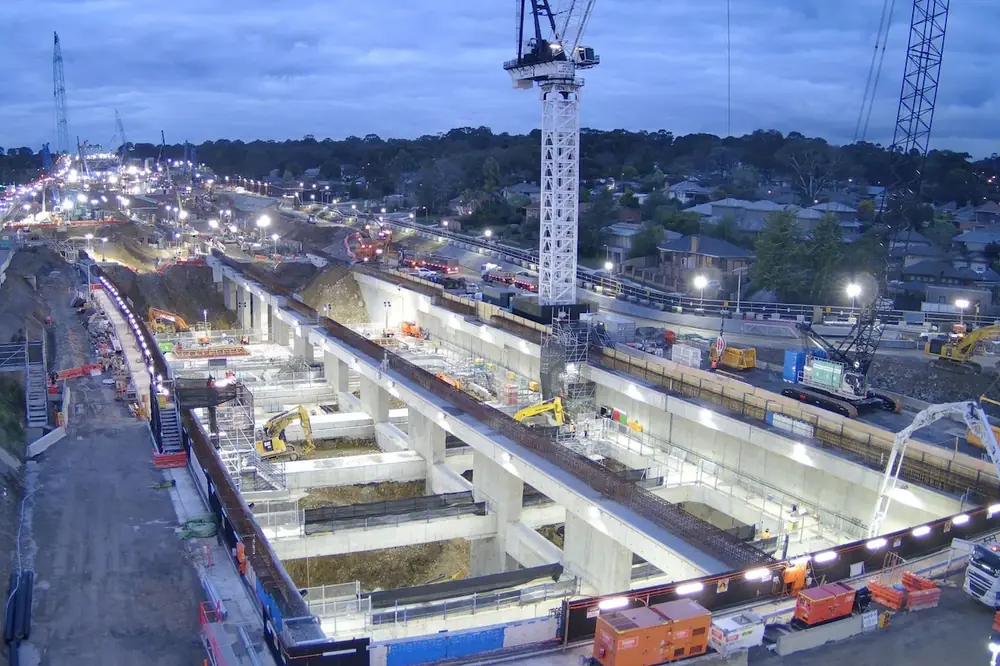
Around-the-clock video visibility into projects provides objective oversight with the ability to see, follow, monitor, and understand the job in real time. That helps identify developing risks before they become losses.
Intelligent Video Coaching
Video provides the visibility, but the value comes from what contractors do with the information to mitigate risk. Coaching technology can help improve behavior, reinforce safe practices, and help create a lasting cultural adoption of modern safety philosophies.
| Your local Gomaco dealer |
|---|
| Terry Equipment |
AI-Supported Safety Technology
Today’s construction projects generate an enormous amount of information: production data, cost codes, schedules, safety observations, training records, equipment activity, incident reports, claims, and loss information. AI can help organize and analyze that data, identify patterns, and communicate it in forms management and project teams can apply to support both preventative and responsive risk management.
Long-Term Video Retention
The same video and data that can help protect people before an incident become equally important afterward, creating better claim documentation and investigation to help distinguish legitimate losses from exaggerated, fraudulent, or unsupported claims. Video captures and preserves facts, supports root cause analysis, legitimizes claims, and supports litigation years after the work has been completed.
As important as technology has become to risk management, contractors are wise to:
- Purchase insurance based on value — Evaluate the risk management resources, technology expertise, claims support, and loss control capabilities that come with an insurance program, instead of basing the buying decision solely on policy price.
- Select a risk management partner — A valuable broker helps organize data, improve coverage, coordinate claims resources, identify trends, strengthen carrier relationships, support the firm’s long-term strategy, and reduce the total cost of risk.
The same applies to the insurance carrier. Financial strength and excellent policy language remain essential, but carriers should also be developing increasingly sophisticated risk engineering resources, technology, training, analytics, and claims expertise to help contractors improve safety and, ultimately, profitability.
| Your local Gomaco dealer |
|---|
| Terry Equipment |
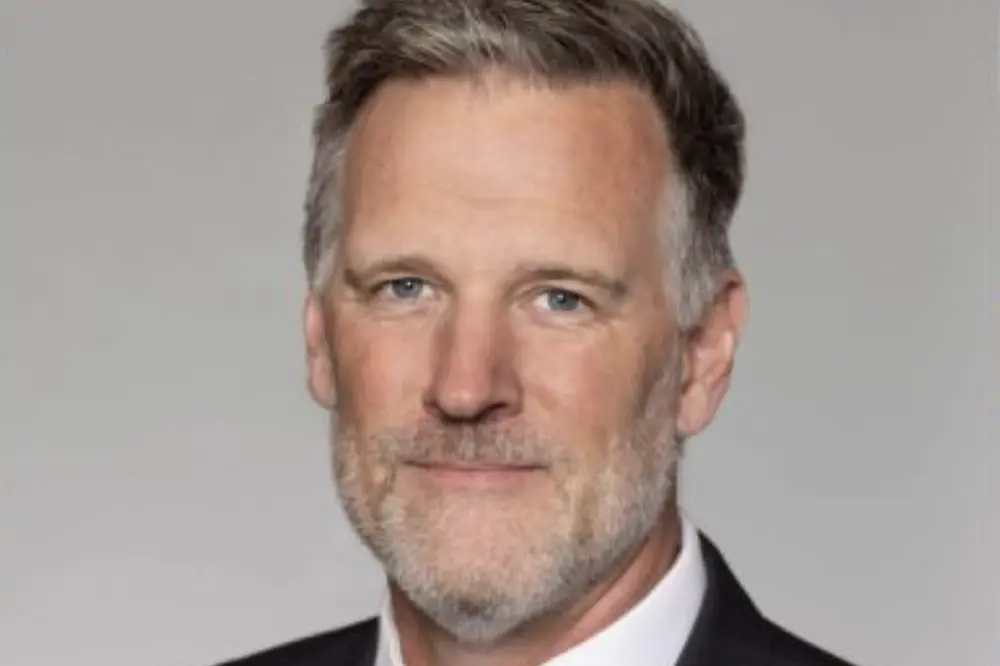
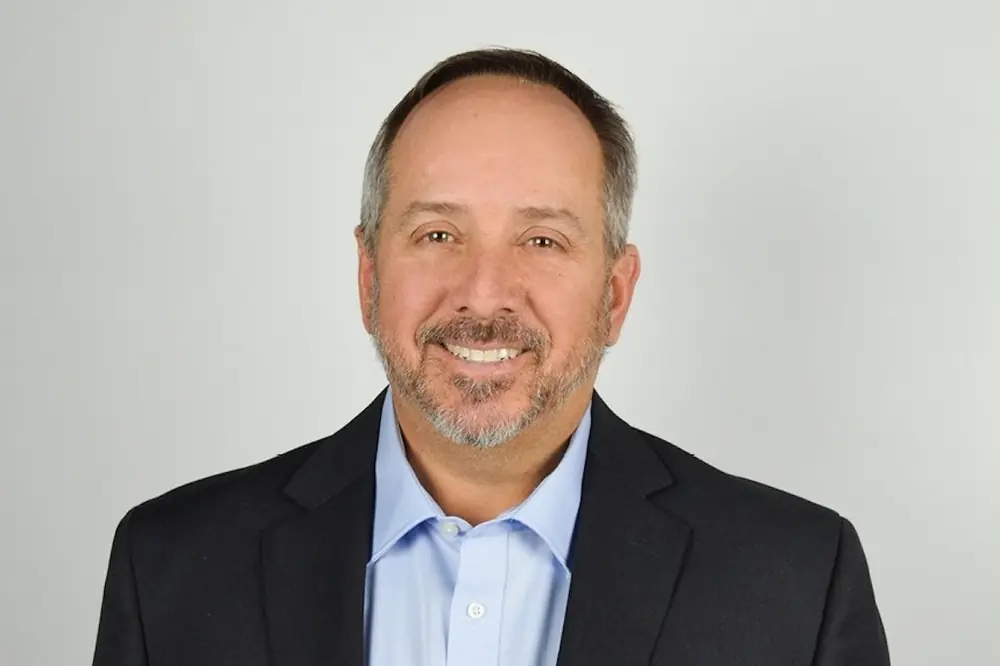
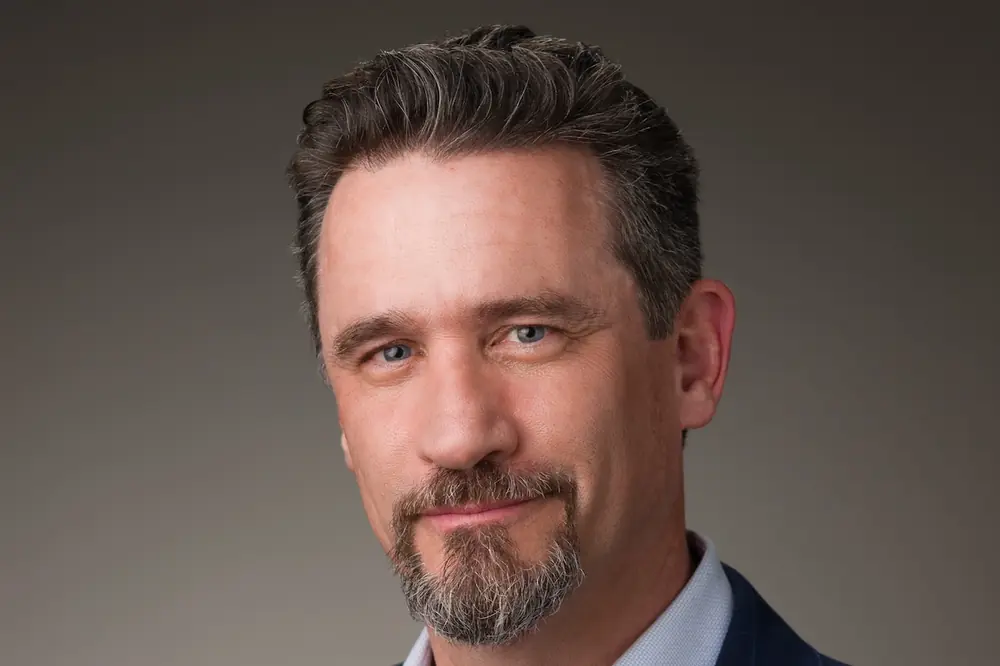
Michael Culnen is President and CEO of Construction Concepts, a consultancy that addresses risk management and operational challenges within commercial construction. Contact him at Michael@constructionconcepts.com.