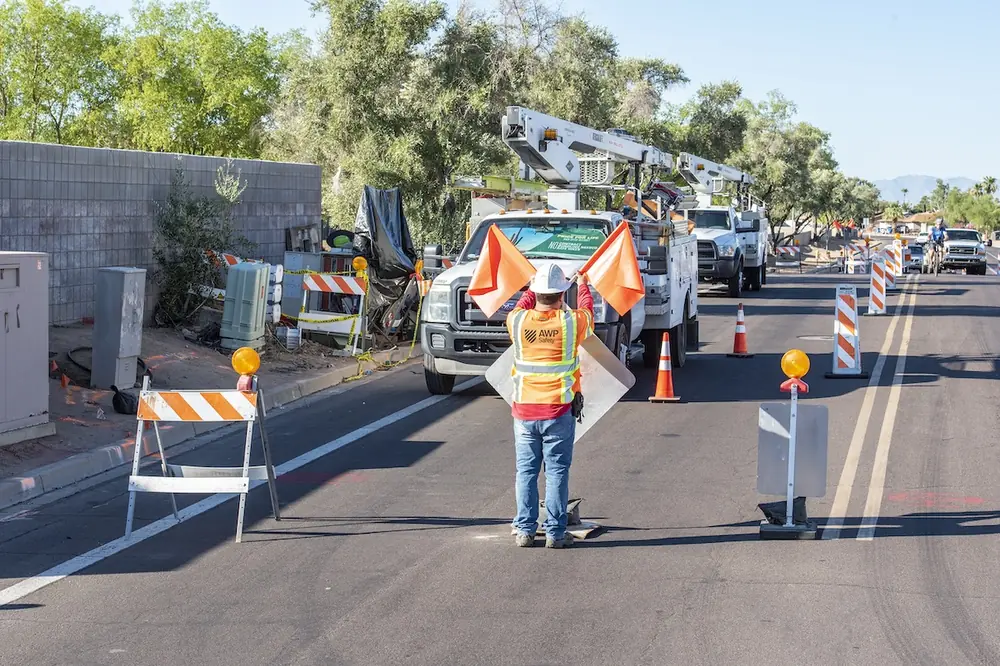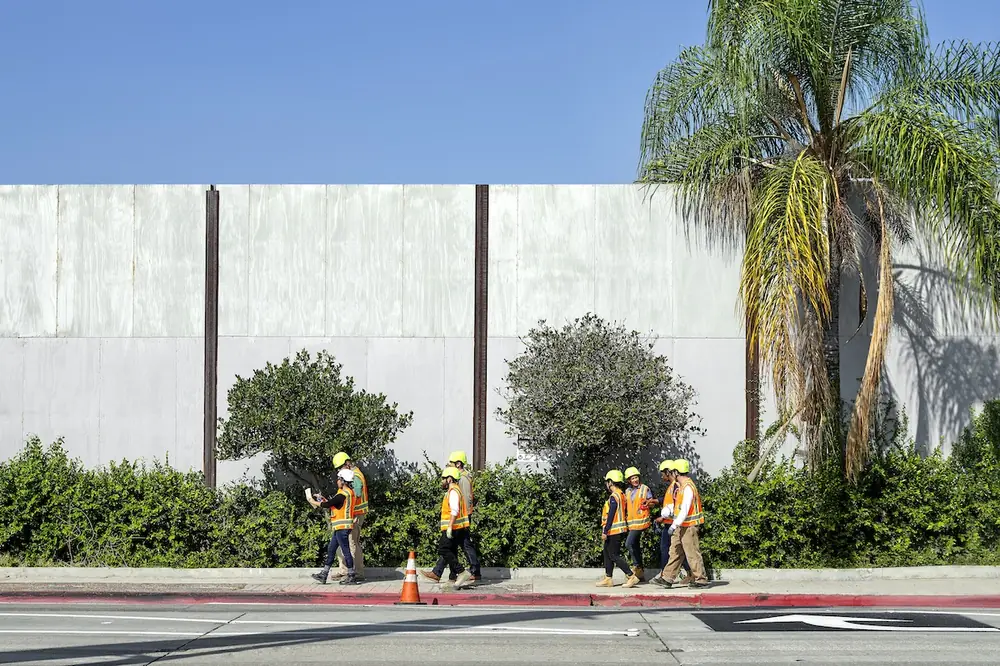


The busiest moment on a construction project is often the quietest on paper. A foreman sends a quick text for an urgent material add. Dispatch adjusts a delivery after hours. A driver pings an updated arrival time while the crew is already staging.
These are the seconds when projects keep their rhythm or start losing it. The problem is that most of these exchanges live in scattered inboxes and personal phones, not in a system that ties the conversation to any particular company and contact, cost code, or the real state of the job.
There is a reason this matters now. The industry is running full tilt while wrestling with persistent labor constraints. In national surveys, a majority of firms report project delays due to shortages of their own or subcontractors’ workers. Critical components like electrical equipment also suffer from long lead times. When crews are stretched thin and deliveries are unpredictable, every untracked request and misrouted order compounds the pressure on schedules and margins.
The waste from unstructured communication shows up in rework, avoidable double handling, and time spent chasing answers. Several studies point in the same direction. Construction teams spend too much time on non-productive activities such as searching for information, resolving conflicts, and fixing mistakes — with the cost of these activities estimated in the tens of billions of dollars annually in the U.S. alone. One study tied nearly half of rework to poor data or miscommunication. Unstructured exchanges drag performance and profitability.
Margins are not built to absorb that kind of friction. A few preventable errors can wipe out a month’s gains. The smallest handoff can be the biggest lever in the industry’s current margin environment.

| Your local Deere & Co dealer |
|---|
| West Side Tractor Sales Co |
So what does a good handoff between field and supplier look like?
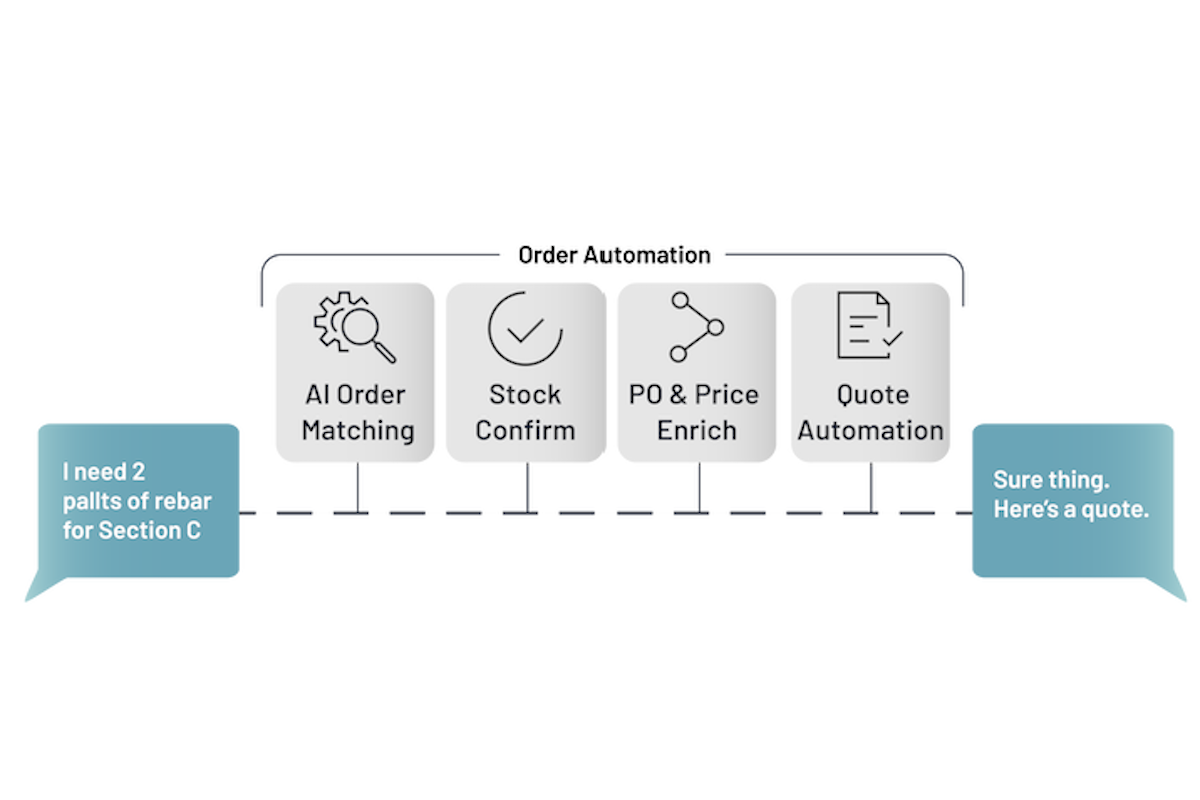
It starts with treating every message as structured order data. For instance, a foreman’s text about “two pallets of rebar for Section C” should not sit in a personal thread. It should become a single, auditable conversation tied to the particular company and contact — visible to the distributor’s branch through the right technology that can track requests, promises, and deliveries. When delivery times shift, the update should live in that same thread so there is one source of truth about what was requested, what was promised, and when it will arrive.
The next step is meeting crews where they already work. Field service management (FSM) platforms are where schedules live, crews communicate, and checklists get done. Extending the order flow into those tools keeps context with the work itself.
That is why integrations with FSM systems such as FieldPulse or Trade Hounds are showing up in modern distributor communication platforms. Everyone gains time and accuracy when a field message can originate inside the FSM and arrive at the distributor as a coded, verifiable order without manual re-entry. Staff stay in their workflow without switching platforms. The branch receives clean instructions. The office has a record that ties to cost and schedule.

| Your local Wirtgen America dealer |
|---|
| Brandeis Machinery |
This also has a cultural aspect because the job site will always favor speed. No one wants to replace a simple text with a complicated form.
The design goal is to keep the fast front end while upgrading the back end. Let people communicate in the simplest way possible. Then let the system attach that message to the right order object, enrich it with the PO and cost code, and carry it forward into dispatch and delivery. Crew members see familiar screens. Managers get the audit trail they need. Distributors receive fewer conflicting requests. That is how you reduce disputes about who asked for what and when — which is where a surprising amount of goodwill and cash can disappear.
Once communication becomes structured order data, other benefits unlock. Teams can measure response times by branch and category. They can see which jobs, trades, or phases generate the most change traffic and plan accordingly. They can learn where ETA slips are common and adjust routing or stocking to compensate. Over time, analytical models can flag likely over‑consumption on a phase before it turns into a scramble at 3 p.m.
This is the practical side of technology in construction. It does not replace judgment; it gives teams enough clarity to apply their judgment faster and with less rework. Research shows that better data practices correlate with fewer errors and more predictable outcomes at scale.

| Your local Leica Geosystems Inc dealer |
|---|
| Laser Specialist inc |
There is also an equity between the contractor and the distributor that emerges when the handoff is engineered. Distributors lose margin when unverified requests lead to wrong picks, missed trucks, or late returns. Contractors lose margin when ad hoc orders are misaligned with cost codes and then site teams waste time reconciling after the fact. A single, shared thread tied to the system of record reduces risk on both sides. It also lowers soft costs that are hard to quantify in the moment and painfully obvious at closeout.
The same studies that quantify rework and non‑productive time make an implicit point: Coordination is not overhead. It is part of the work, and the tools that make it visible tend to pay for themselves through fewer mistakes and faster cycles.
The pattern is straightforward. Use the communication channel crews already like. Attach each exchange to a persistent, auditable order object. Connect that object to the systems that run the business so the PO, cost code, and delivery status travel together. Integrate with the FSM platforms that already organize work in the field. Measure the flow so bottlenecks stand out. Then tune the process until disputes and callbacks become rare.
The volume of construction work remains high, skilled labor continues to be scarce, and materials still present an obstacle in key categories. The fastest way to protect margin in this environment is to make the smallest, most frequent handoff as clean as possible.

| Your local Trimble Construction Division dealer |
|---|
| SITECH Mid-South |
| SITECH Midway |
| SITECH Indiana |
| SITECH Mid-America |
| SITECH Ohio |
The goal is simple. Turn the messages that keep jobs moving into data that keeps the business on plan. Do that reliably, and projects finish with fewer surprises, suppliers get paid faster, and everyone gets a little more time to plan the next day before the phones buzz again.
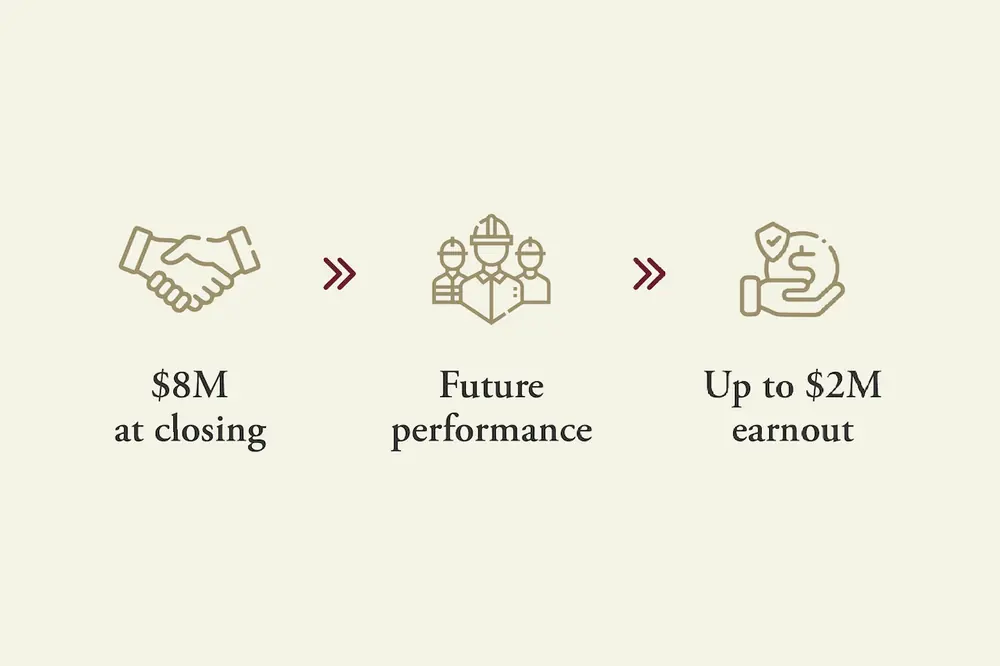
Graphic courtesy of Prokeep.
As Co-Founder and CEO of Prokeep since 2016, Jack Carrere spearheaded the development of a communication and commerce platform tailored for distributors. He holds a mechanical engineering degree from Brown University.