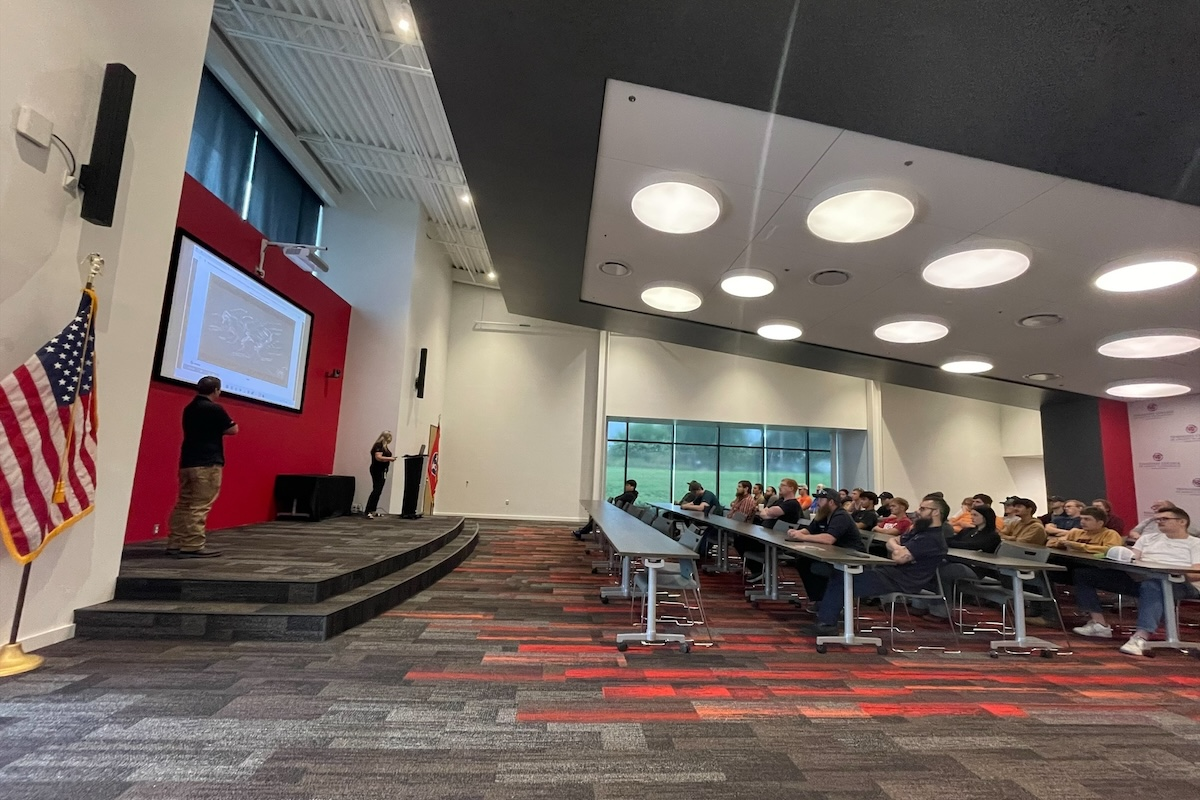

With skilled labor increasingly hard to find, many contractors are discovering that the most effective workforce strategy isn’t recruiting — it’s developing the people they already have.
The importance of continuous skill development in attracting and retaining employees cannot be overstated. A multi-faceted approach to training is key.
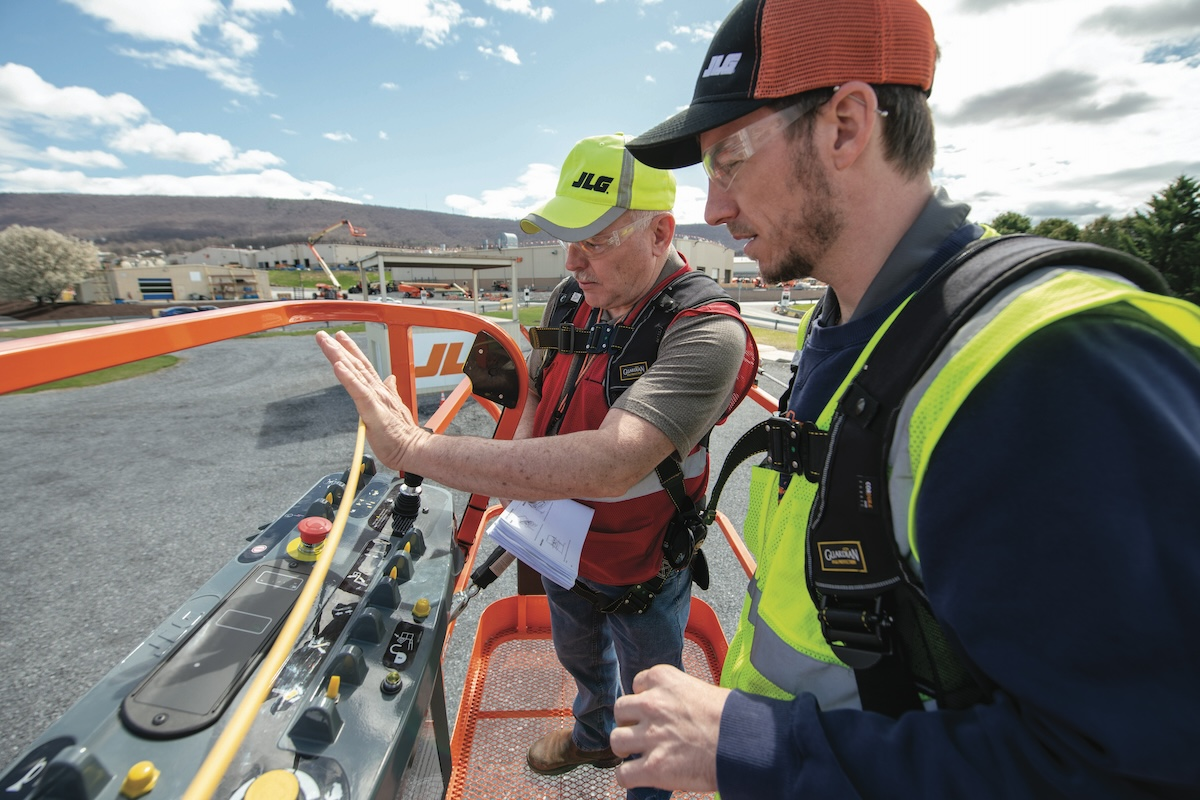
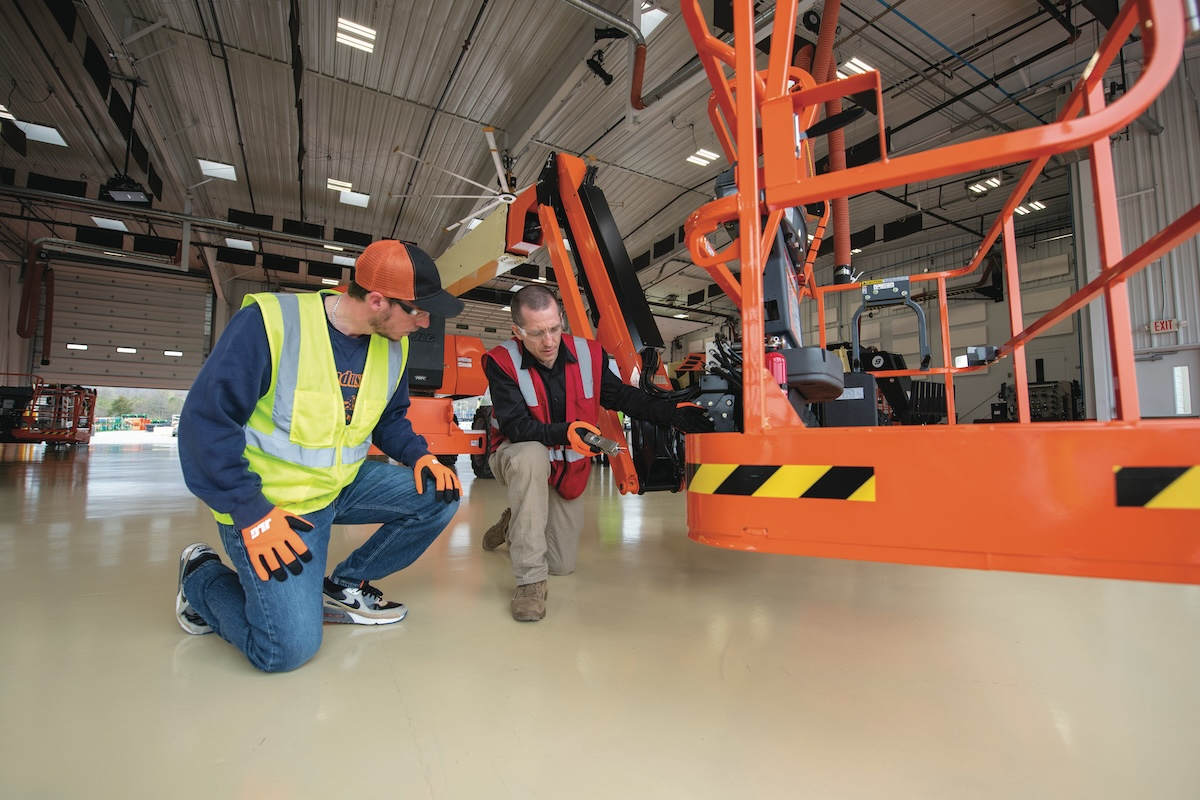
The primary benefit of equipment training is enhanced safety. By understanding proper operating procedures, tradespeople can significantly reduce the risk of equipment-related incidents. This training goes beyond day-to-day operations, preparing workers for emergencies and equipping them with the knowledge to respond swiftly and effectively to unexpected situations.
OSHA regulations mandate operator certification, supported by machine-specific standards such as ANSI, making training both beneficial and necessary. For example, the ANSI A92 standards are the number one resource for safety guidance and best practices for the operation and care of mobile elevating work platforms, and these standards are routinely reviewed and updated.
Beyond safety and compliance, equipment operator training translates directly into improved job performance. Trained operators work more efficiently, completing tasks faster and with greater accuracy.

| Your local Yanmar dealer |
|---|
| CLM Equipment Co |
| WPI |
Practical steps contractors can take include:
- Audit current operator certifications against industry standards
- Identify equipment types most commonly used on job sites
- Schedule refresher training tied to real job site incidents or near-misses
- Shared safety and certification goals
- Access to real equipment and instructors
- Local or regional reach
- Alignment with industry standards
- Identify roles with the highest turnover or vacancies
- Formally pair experienced workers with trainees
- Create visible advancement paths tied to training milestones
- Review your training gaps
- Engage one partner (school, association, rental provider)
- Pilot one upskilling initiative this year
Proper training also delivers economic benefits. Workers who know how to handle equipment correctly are less likely to cause accidental damage, reducing repair and maintenance costs. The proper use and care of equipment can also significantly extend the machine's lifespan, resulting in cost savings and reduced downtime. A trained operator advocates safe use, and a trained mechanic is more efficient.
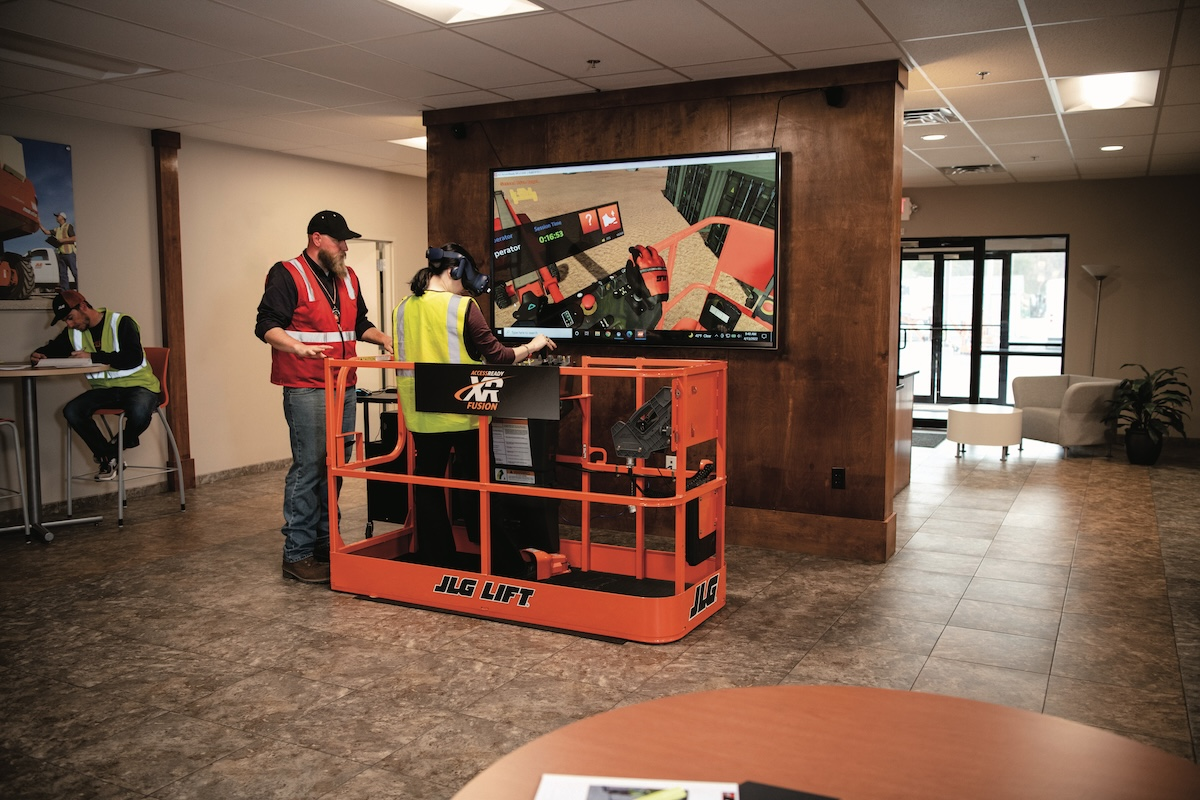
When it comes to successful training programs, flexibility matters. Workers are more likely to complete training when it fits their schedules and reflects the real-world equipment they use every day. Training should include blended learning (online and hands-on) and supervisor involvement.
Strategic partnerships with manufacturers, rental partners, industry associations, and other organizations can also help tradespeople upskill their work experience through training opportunities.

| Your local Leica Geosystems Inc dealer |
|---|
| Laser Specialist inc |
For example, collaboration with organizations like the Associated Builders and Contractors, Associated General Contractors, Steel Erectors Association of America, Mason Contractors Association of America, Association of the Wall and Ceiling Industry, and trade unions is not just about mutual support. It is about working together to ensure everyone is in sync with the latest industry guidelines and best practices.
“We can’t solve the skilled labor shortage on our own,” said Andy Tacelosky, Chief Operating Officer at JLG. “That’s why it’s important to partner with trade associations, unions, technical schools, and industry groups to help upskill professionals to bring real-world equipment, certified training, and industry standards directly to the people who need it most. Working alongside these organizations, it’s not just about training people; it’s helping them build lasting careers.”
What makes these workforce partnerships so effective?
Working with accredited training programs, regional partners, rental providers, and educational institutions makes training more accessible.

| Your local Case Construction Equipment Inc dealer |
|---|
| ASCO Equipment |
“It’s good for workers, it’s good for employers, and it’s good for the future of the trades,” Tacelosky said.
Another tactic is to rebuild the trades from the ground up. Whether through formal programs or informal partnerships, employers can engage with high school and technical college students earlier by offering paid work experiences, mentorship, and clear career paths.
“In America today, there are more students who want hands-on technical education than there are classroom seats available,” Tacelosky said. “We saw an opportunity not just to hire talent but to help create it one student, one trainee, and one craft professional at a time. These programs give people a pathway to build a career, earn a living, and stay in the communities they love.”
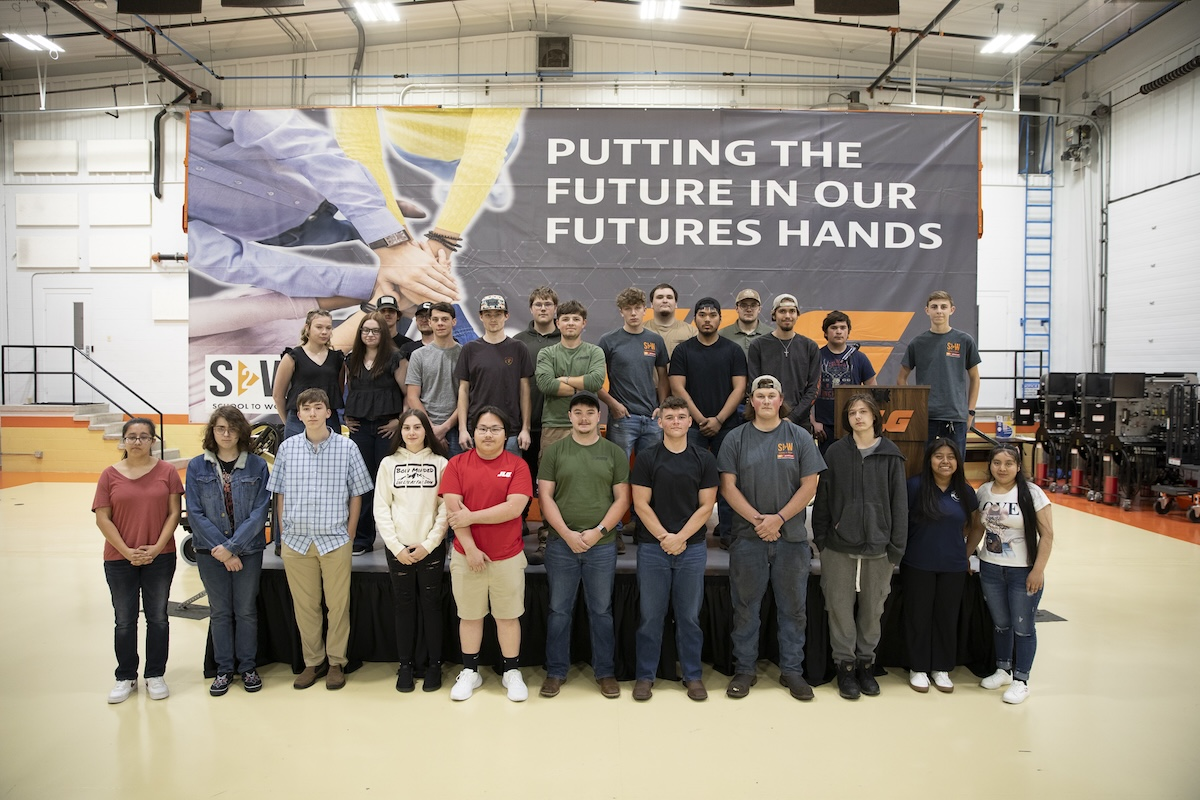
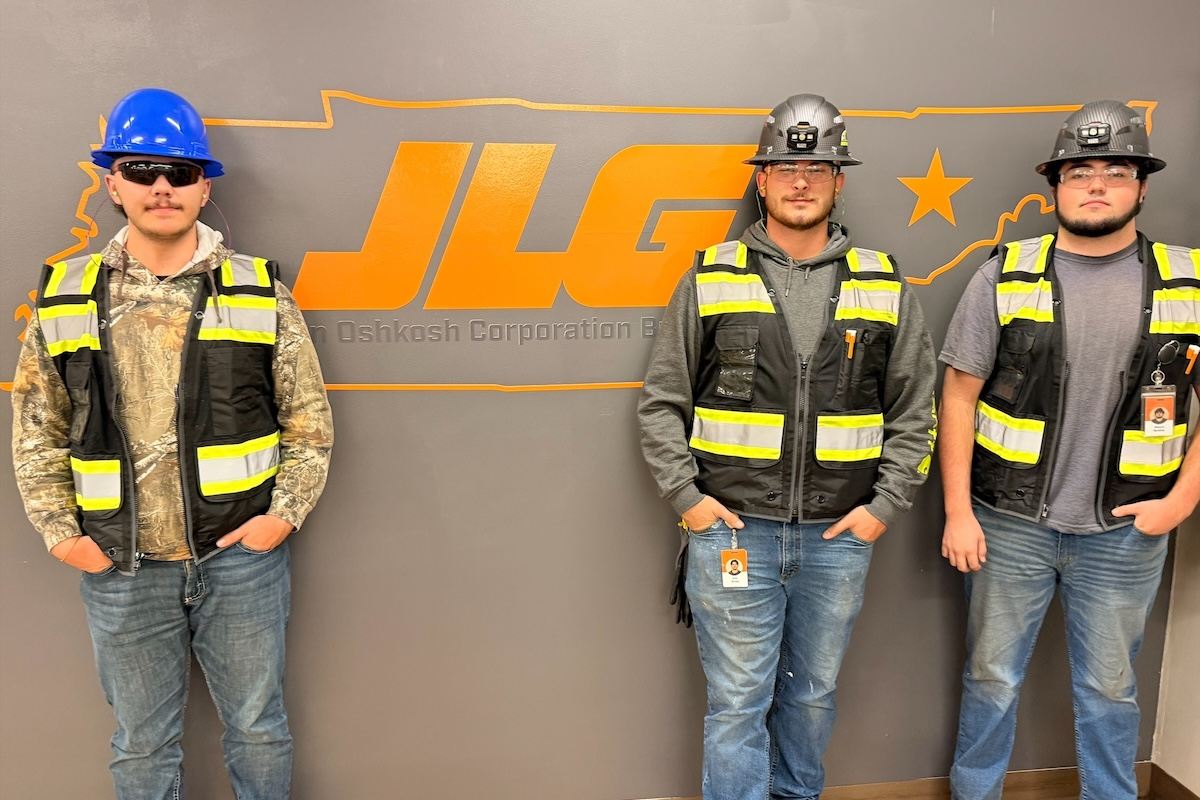
JLG offers a school-to-work program that allows high school juniors and seniors local to its manufacturing facilities to earn school credit while working in paid roles in welding, assembly, painting, fabrication, warehouse support, and more. Students who participate in the program receive real-world experience, mentorship, and the chance to transition into full-time roles after graduation.

| Your local Trimble Construction Division dealer |
|---|
| SITECH Tri-Rivers |
“School-to-work programs like JLG’s give young people a real opportunity to help rebuild the future of the skilled trades,” Tacelosky said. “These are students who want to work with their hands and solve real problems, but the classroom alone can’t always give them that experience. Through these types of programs, they can earn school credit, a paycheck, and the chance to work alongside experienced professionals. It’s creating more skilled workers, as well as shaping the next generation of craft professionals and manufacturing leaders.”
This is a model that any employer can adapt, even at a smaller scale, by offering paid experience with mentorship and a clear pathway to full-time employment.
While companies can be deeply committed to developing future talent, they should be equally focused on investing in those already working in the trades. Internal training programs help current team members and new hires advance into high-demand, skilled positions where companies nationwide struggle to hire experienced workers.
For instance, “Welding and painting require skill, safety, precision, and pride in craft, and these are often some of the most difficult roles in construction to fill,” Tacelosky said. “Instead of waiting for talent to come, choose to grow it — building careers and strengthening a workforce for the future.”

| Your local Wirtgen America dealer |
|---|
| Kirby-Smith Machinery |
How can this strategy be applied?
These investments are not short-term initiatives; they must be part of the industry's long-term vision.
“We’re not just preparing people for jobs,” Tacelosky said. “We’re helping them build meaningful careers.”
Here are some tips on how to get started:

| Your local ASV dealer |
|---|
| CLM Equipment Co |
As the industry continues to evolve, ensuring that tradespeople, journeymen, apprentices, and laborers are all well-trained is not just a safety measure — it’s a strategic investment in the future of the workforce and the industry as a whole.