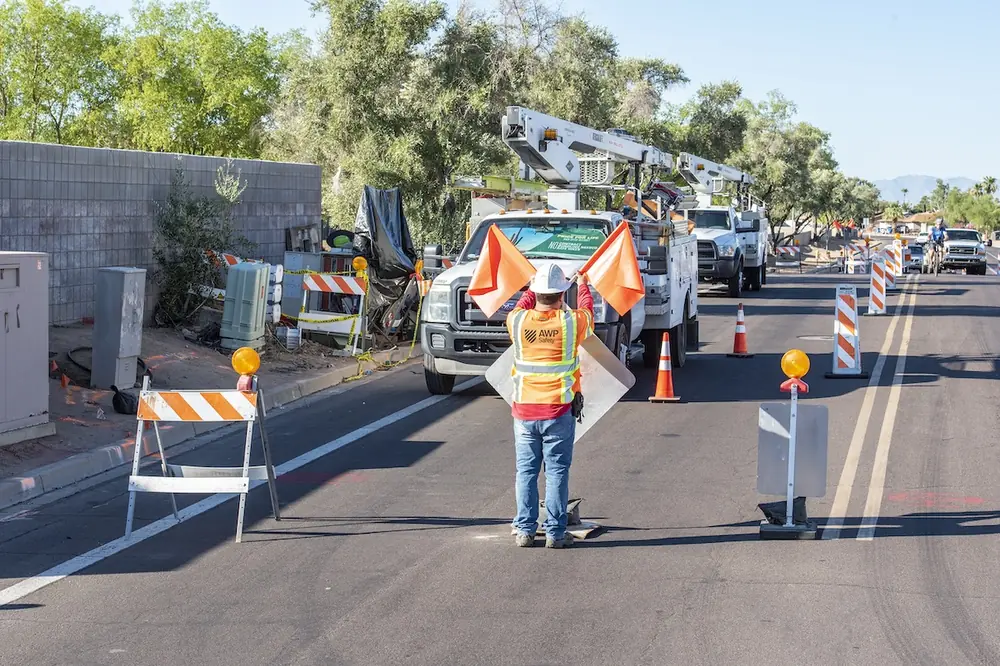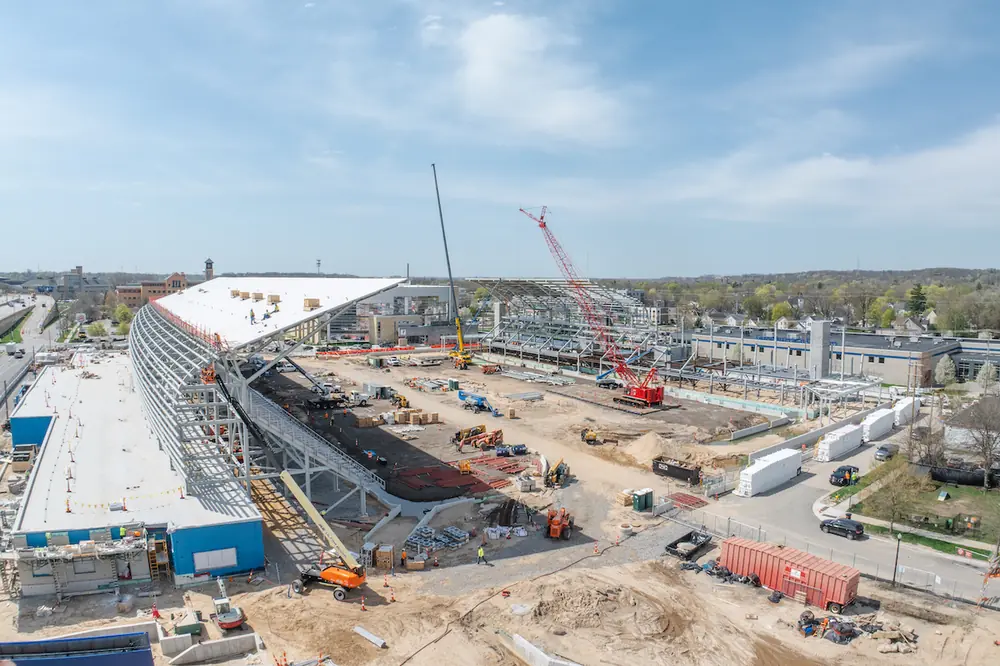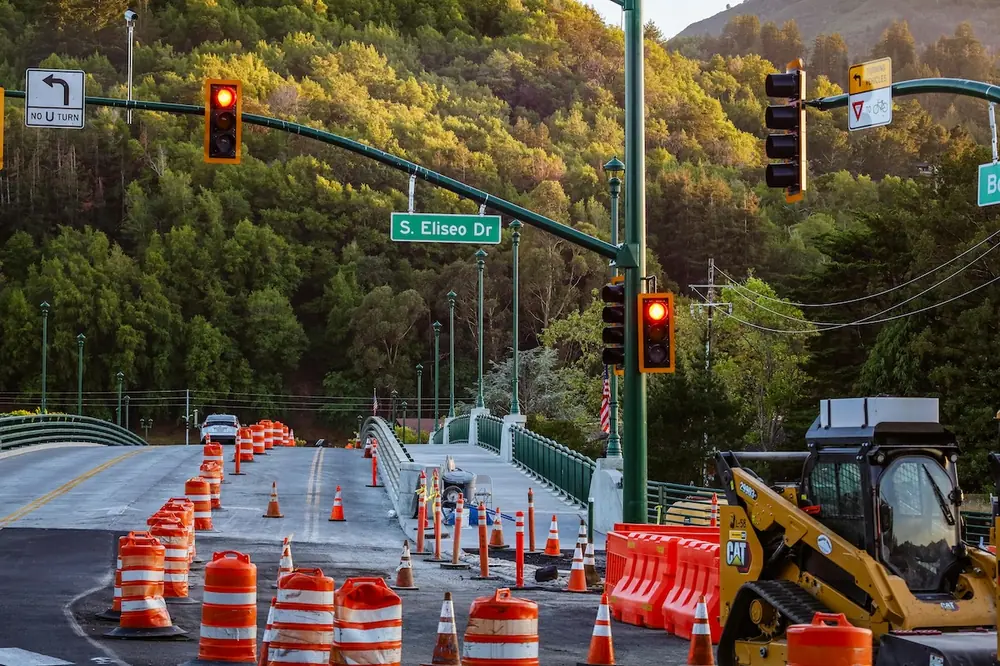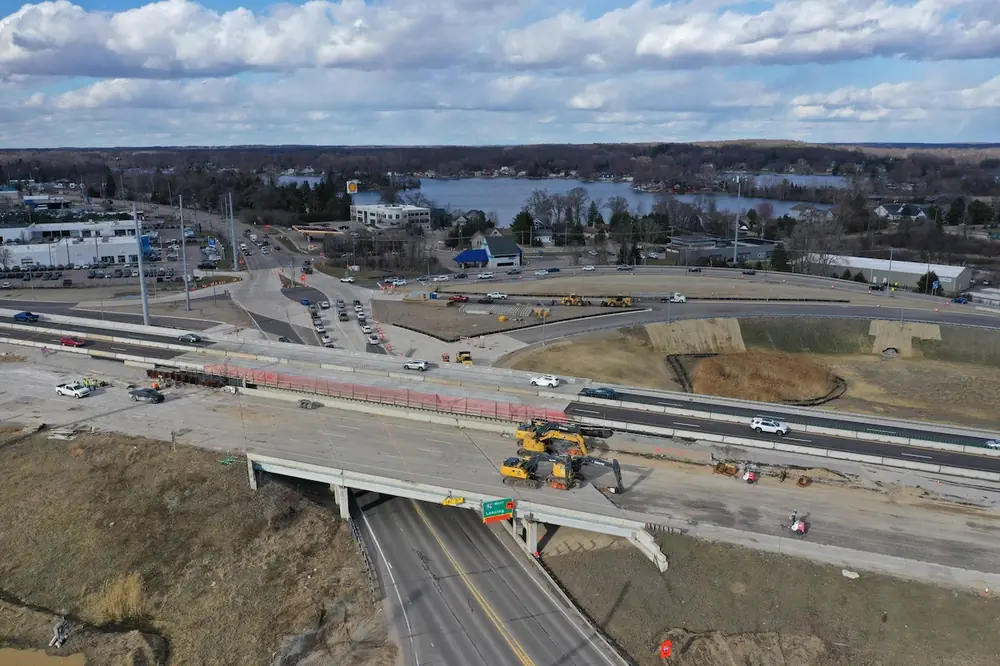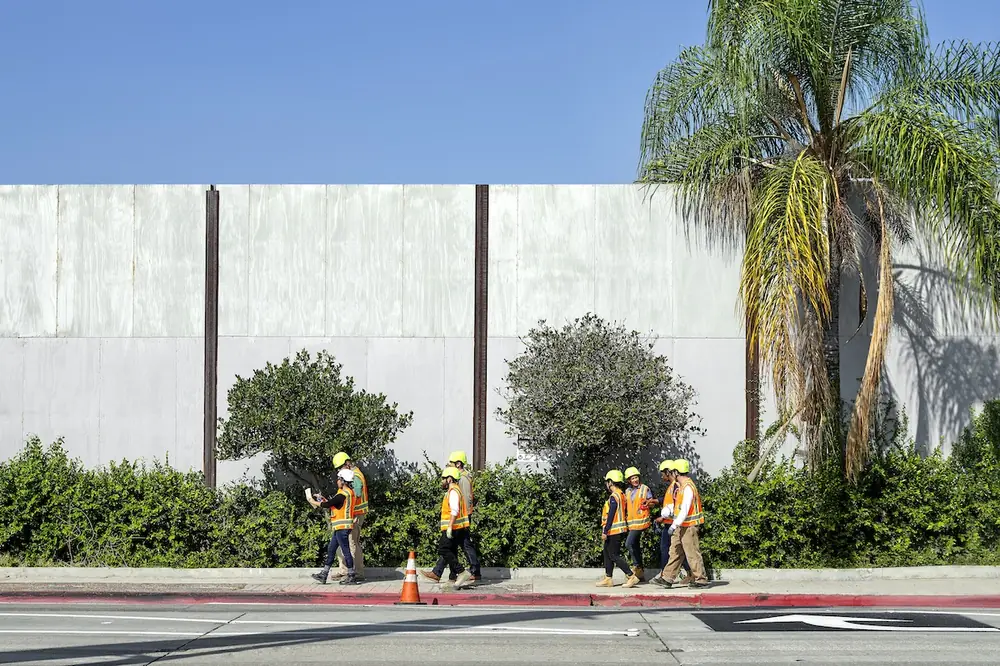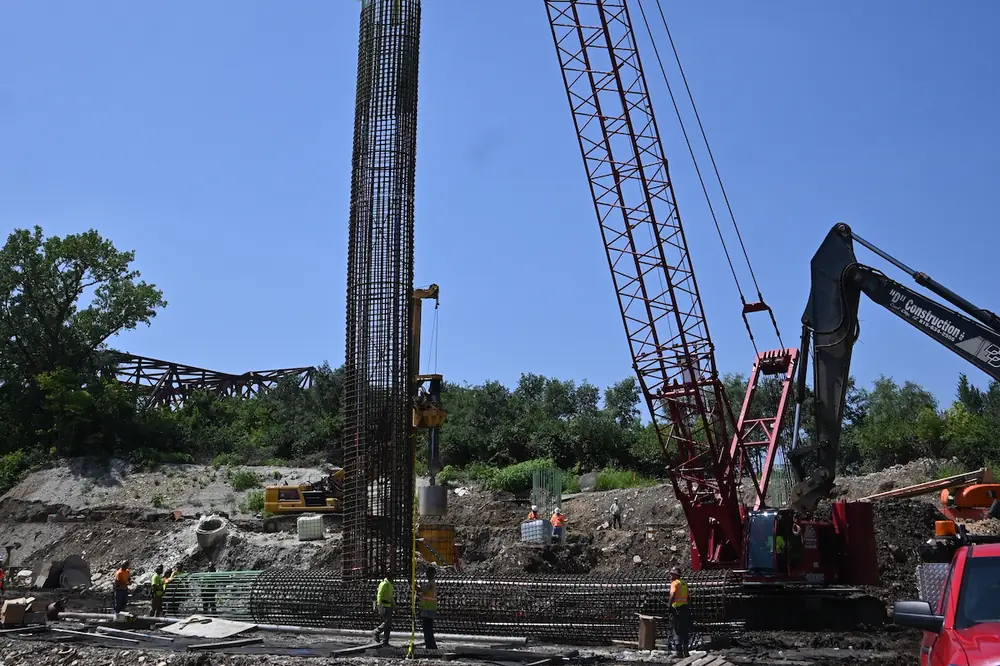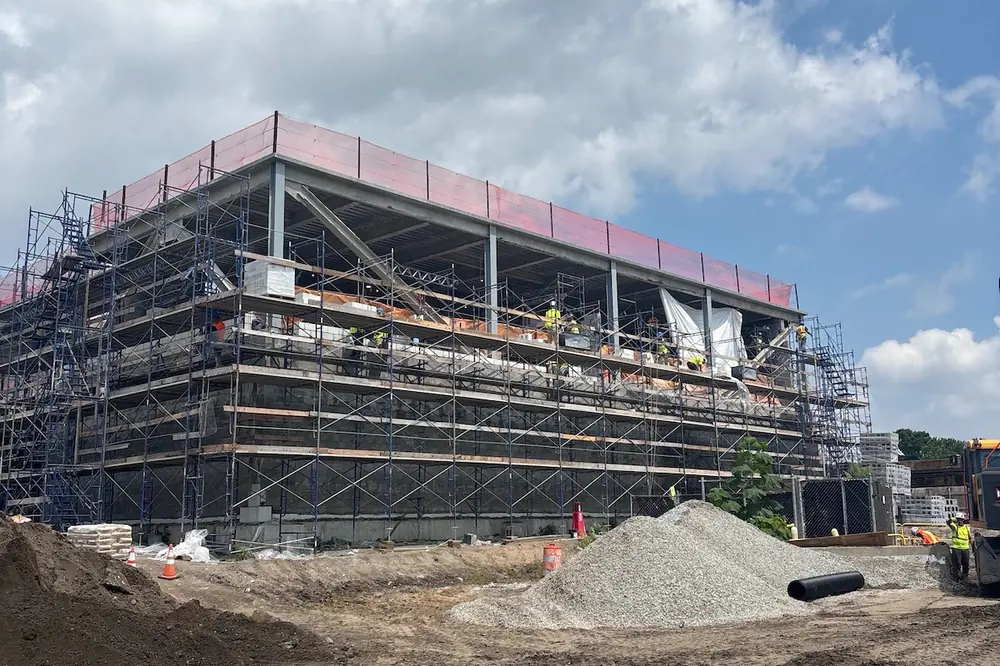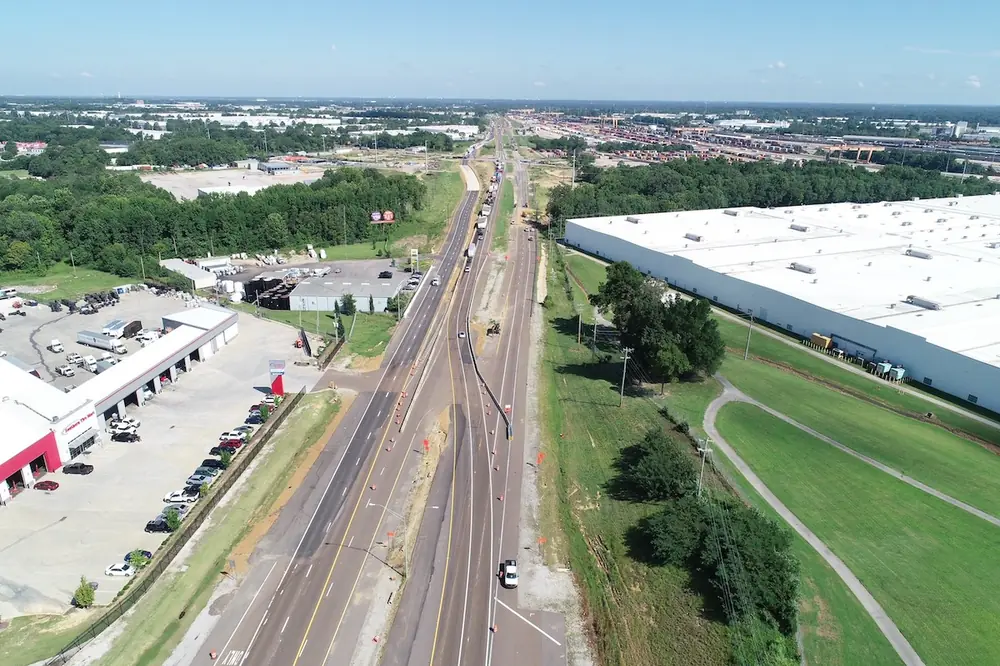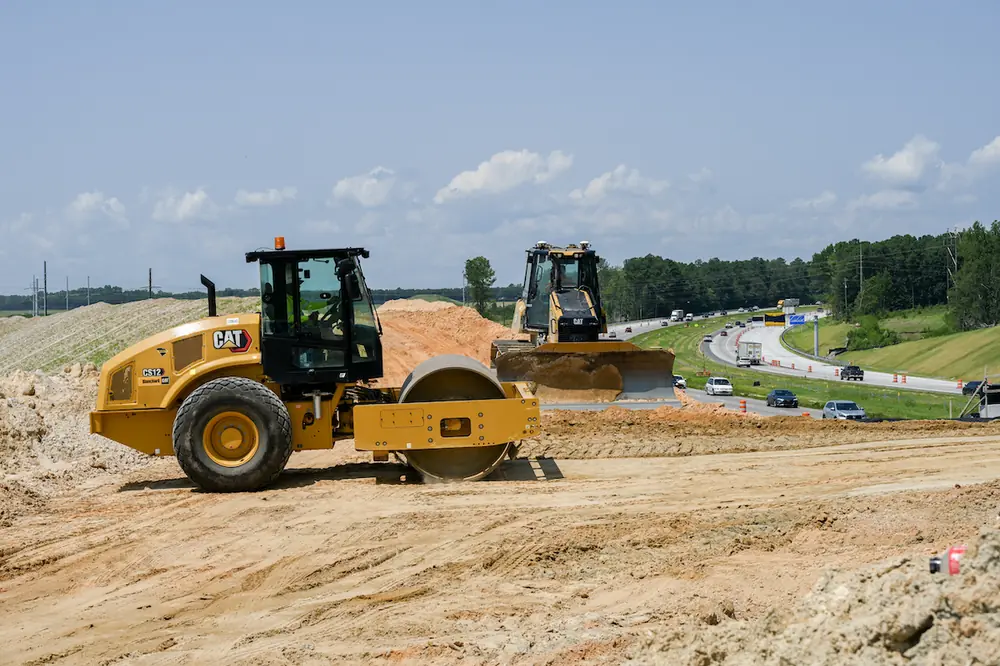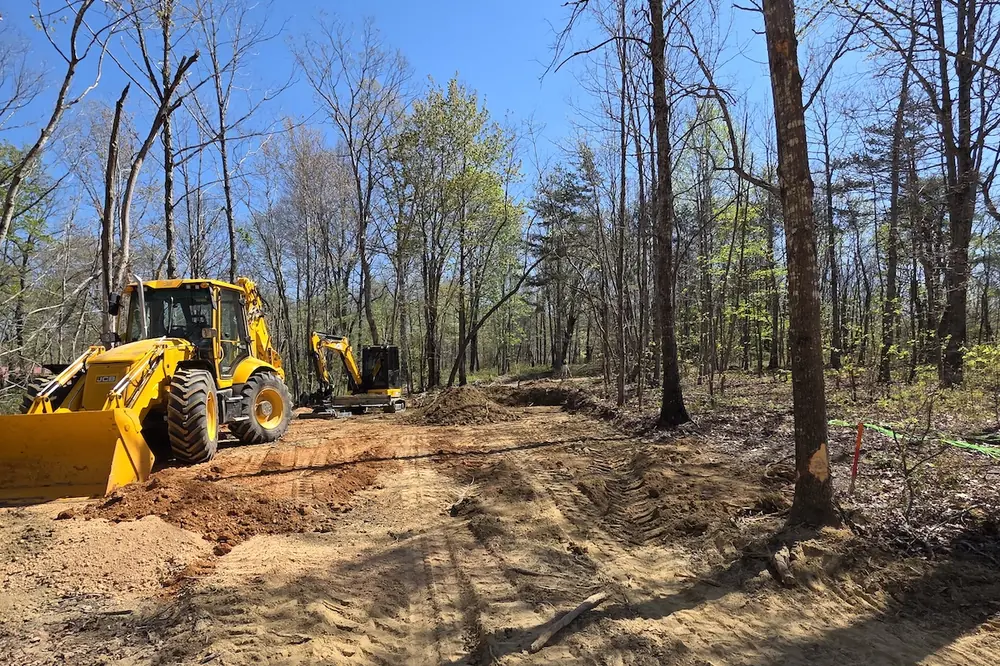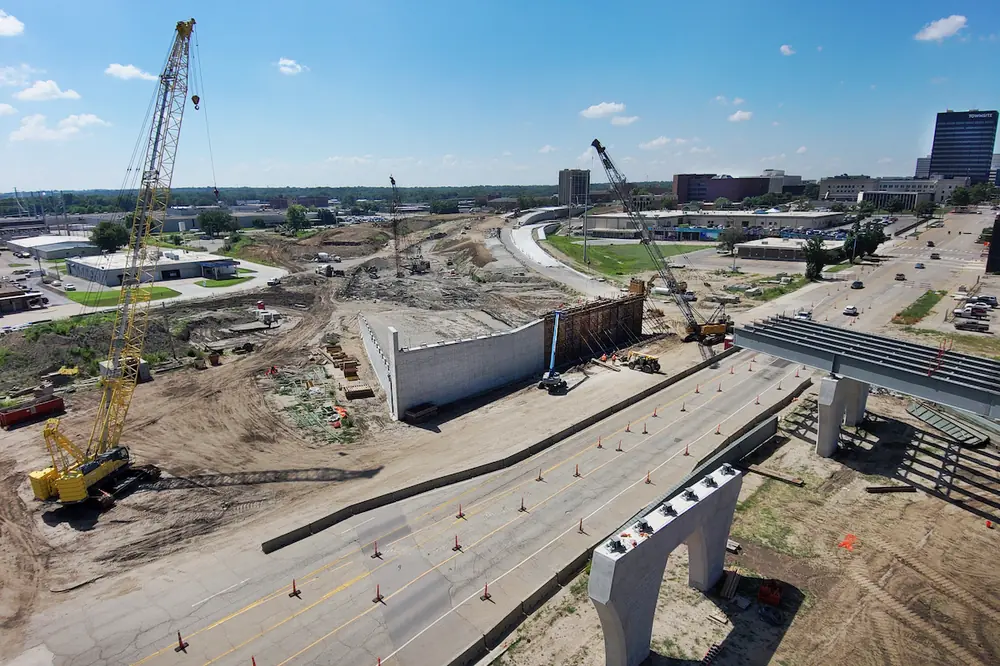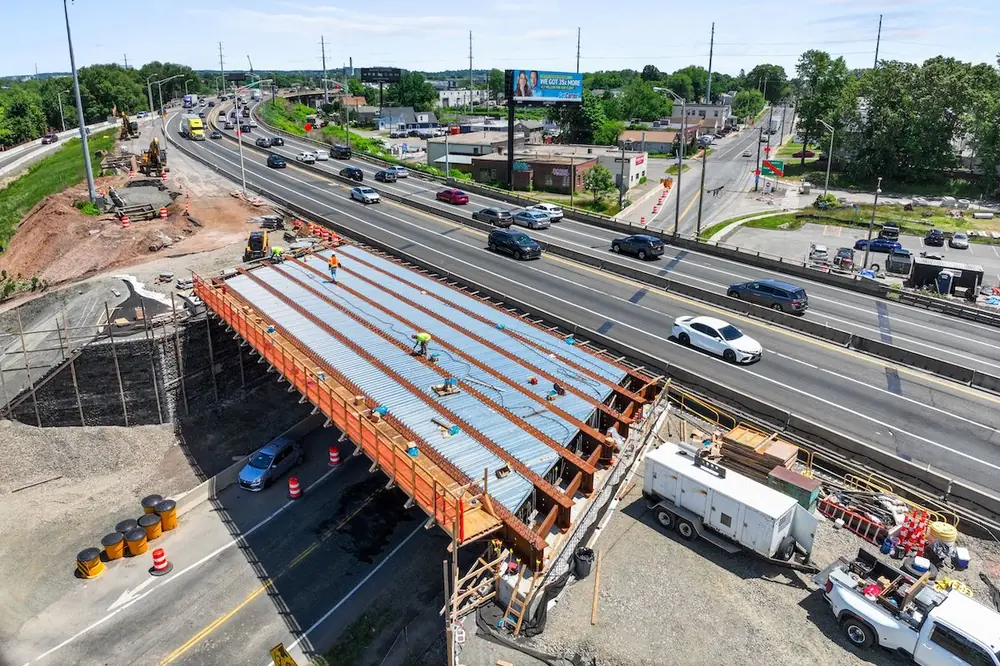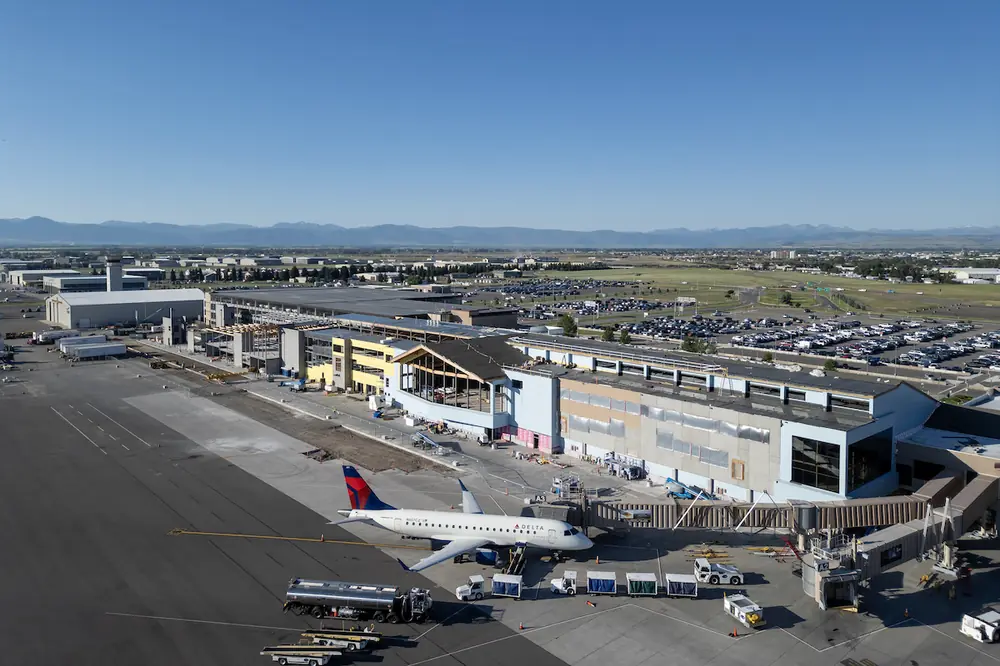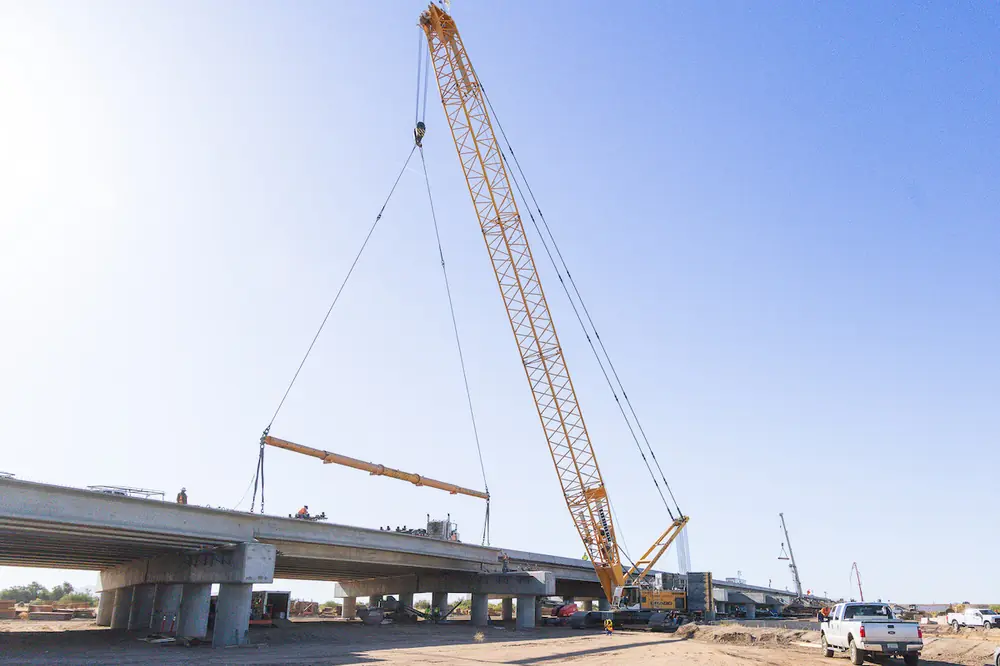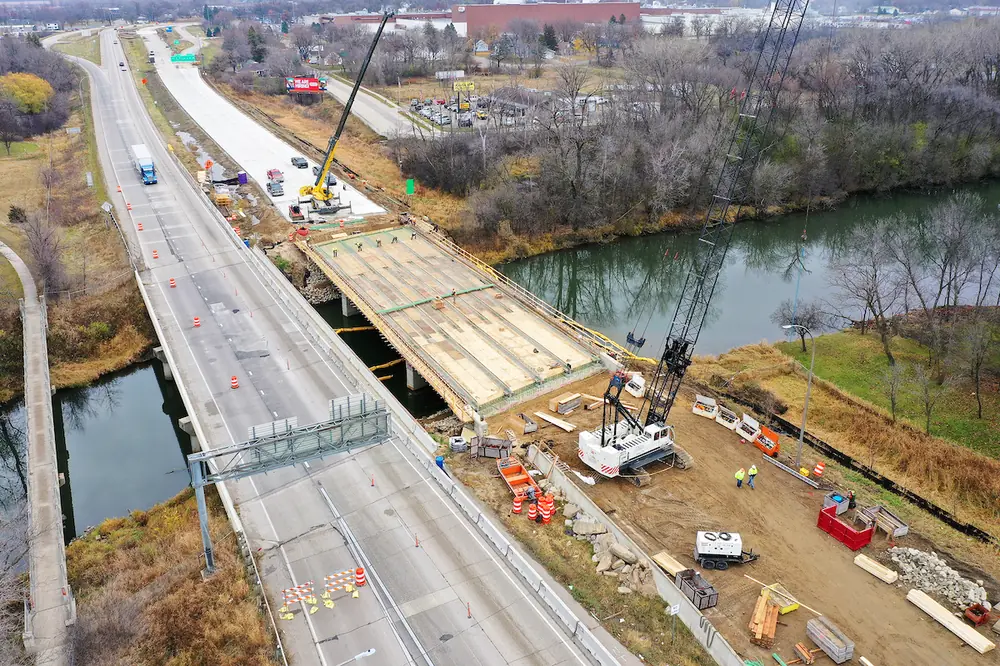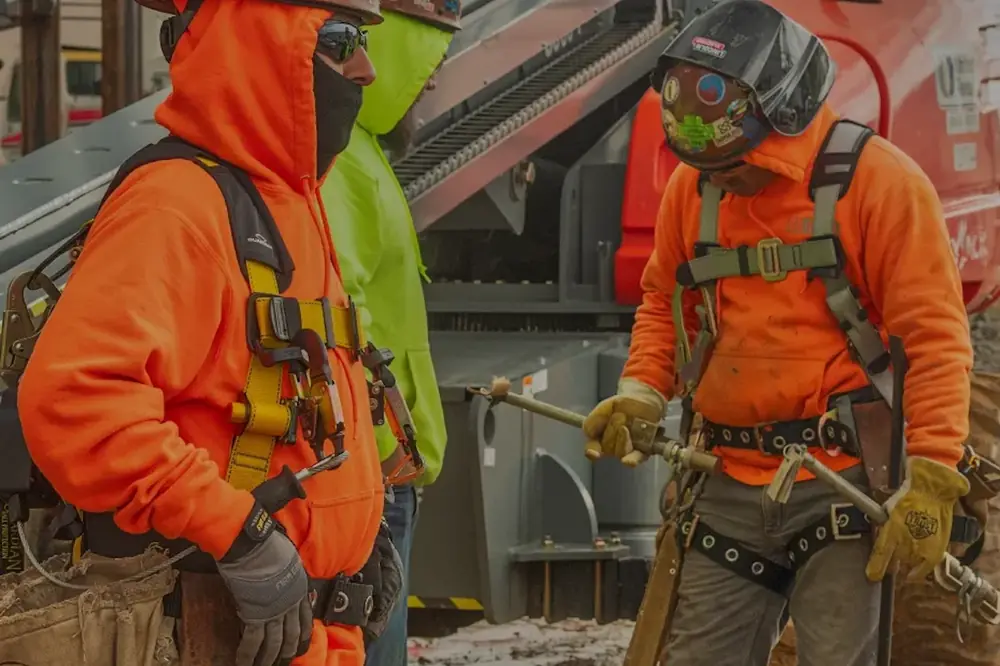
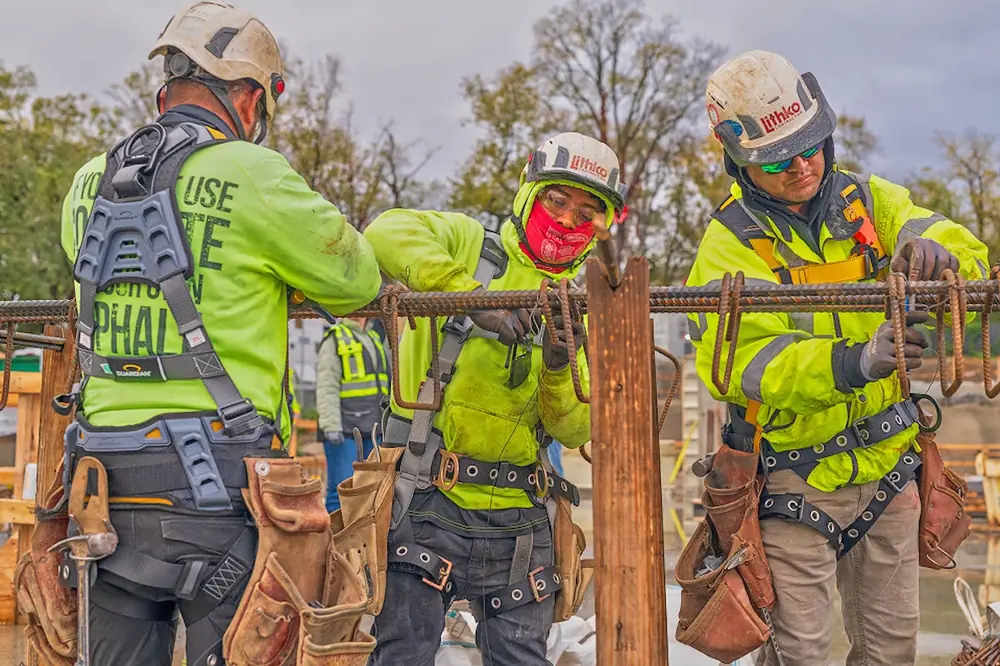

Construction is, and always has been, one of the most dangerous industries in the U.S. Whether it's bridge work or a highway project, contractors and their crews face hazards on every job that demand constant vigilance.
For years, safety in construction has relied on following Occupational Safety and Health Administration standards. While these guidelines provide an integral baseline for safety, technological advancements are opening up entirely new ways to protect workers.
Today's technology helps contractors spot hazards more quickly and proactively than ever. The modern worker uses wearable sensors to know when they enter an unsafe area, while their managers use drone surveillance to monitor the site for potential hazards that might be missed from the ground. But spotting hazards is only half the battle. Technology also has to help prevent the falls that hazard awareness alone can't stop.
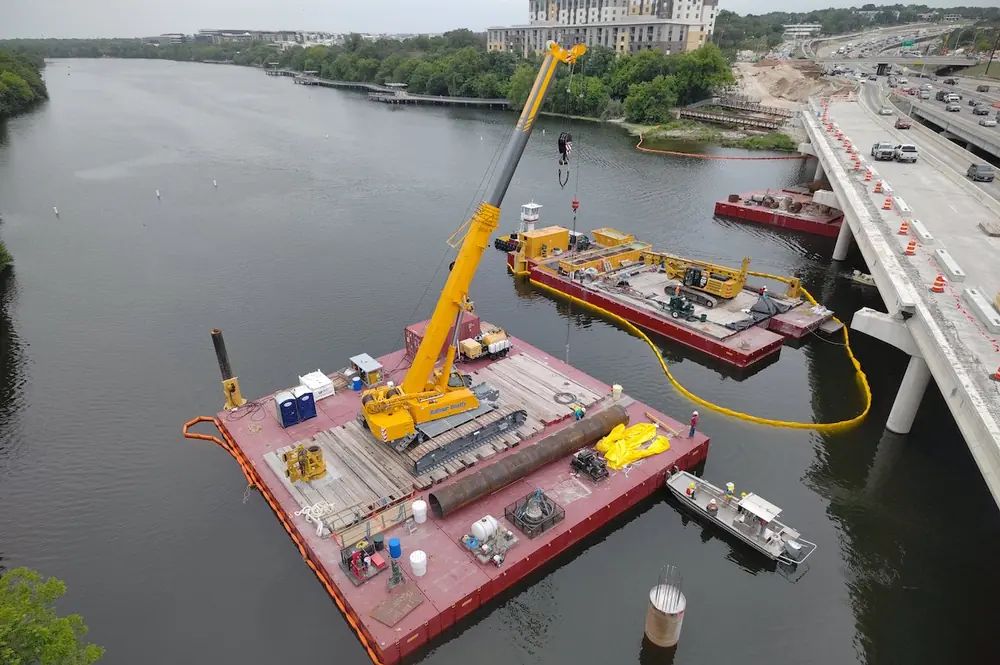
Falls make up about a third of construction deaths, according to the U.S. Bureau of Labor Statistics. On heavy civil sites, crews regularly transition between elevations and work over open water or active traffic. The risks are immense.
The development of smarter height safety equipment is changing what's possible on these sites.

| Your local Komatsu America Corp dealer |
|---|
| Continental Equipment Corp (CEC) |
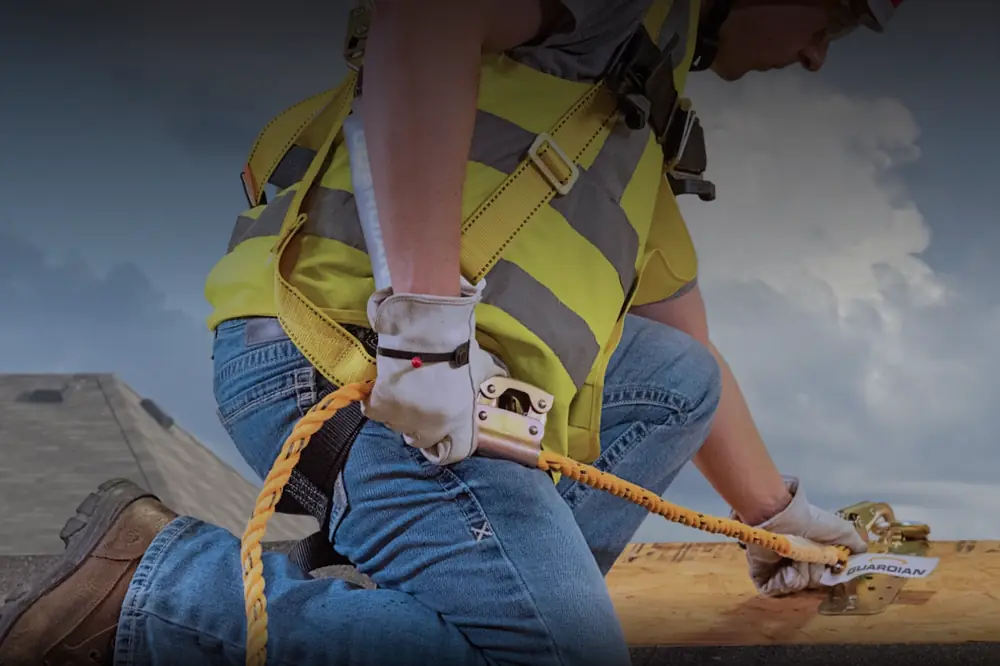
Today, traditional safety gear is being enhanced with features that improve traceability, simplify inspections, and connect workers to information faster than ever. For instance, some self-retracting lifelines now feature QR codes that give workers instant access to product specifications and fall clearance charts directly from the equipment.
Harnesses are being designed with wear-indicating webbing, making it easier to identify damaged equipment at a glance. Manufacturers have also begun integrating NFC-enabled (wireless) technology into harnesses, allowing inspectors and workers to access digital records and asset tracking information by simply tapping a smartphone to the gear.
These innovations help workers stay safer than ever, but they also reinforce good safety habits. When workers can verify their own equipment's condition and inspectors can pull a digital history in seconds, accountability and compliance improve naturally.
Training retention presents another huge challenge. While classroom training is needed for certifications, gaps between training often prevent workers from refreshing their knowledge when they need it.

| Your local Deere & Co dealer |
|---|
| AIS Construction Equipment |
Virtual training platforms help solve this problem. Workers can attend classes from experts online, without needing to travel. This allows them to brush up on their knowledge between formal training sessions, keeping safety top of mind without taking them out of the field.
One of the most overlooked benefits of safety technology is how it helps leaders make better decisions.
Modern safety management platforms bring together data from incident reports, inspections, near misses, training records, and equipment logs in one place to give a clear picture of what's happening.
If safety leaders see, for instance, that incidents on a certain type of project often happen in the third week, or that some crews report more near misses, they can step in with targeted solutions and put resources where they matter most. In the past, only large general contractors with dedicated safety teams could do this kind of analysis. Now, these tools are more affordable and available than ever.

| Your local Trimble Construction Division dealer |
|---|
| SITECH Michigan |
Still, for all the promise of technology, it's worth remembering that no tool can replace a strong safety culture. Contractors who see the best results use technology to support the work their people are already doing and involve workers in the rollout of new tools.
In general, the best safety programs treat technology as a partner. The technology provides great information, but the people doing the work still need to take the right actions when they’re on the job.
No matter what, construction will always involve risk. The infrastructure that keeps our communities running requires workers to operate in tough conditions and on tight schedules.
Despite the inevitability of these challenges, it remains true that the contractors best protecting their employees from risks benefit enormously. Workers are more likely to stay with companies that invest in their safety, and as labor shortages continue, having a great safety reputation will help attract new workers.
| Your local Komatsu America Corp dealer |
|---|
| Continental Equipment Corp (CEC) |
The tools are available, and the data showing they work is strong. There's a high standard for safety that the industry needs to strive for, and technology is making it more attainable than ever.
Melissa Moss is the Director of Marketing at Guardian Fall Protection and host of The Height Safety Standard podcast.